
































The Cavalier King Charles Spaniel is a small, graceful companion breed from the Toy group, renowned for its gentle temperament, expressive eyes and genuine devotion to its owner. Bred as a lapdog of British royalty, the Cavalier remains one of Australia’s most popular toy breeds for good reason.
Cavaliers suit almost any household — families, couples, retirees, first-time owners. They’re adaptable, affectionate and get along with nearly everyone. What prospective owners must understand before buying is the breed’s serious health profile. Mitral valve disease and syringomyelia affect the breed at rates far higher than any other toy breed, and buying from a health-tested breeder is not optional — it’s the single most important decision you’ll make.
History and Origin
The Cavalier King Charles Spaniel traces its roots to the toy spaniels that were fixtures of British royal courts from the 16th century onward. King Charles II was so devoted to his small spaniels that he was accused of neglecting matters of state in their favour — and the breed bears his name as a result.
The original King Charles-type spaniels had a flatter face and a more domed skull, a look that became the standard over centuries of selective breeding. In the 1920s, American breeder Roswell Eldridge offered a cash prize at Crufts for breeders who could produce spaniels resembling the longer-muzzled dogs in old royal paintings. This kickstarted the revival of the “old type,” which became the Cavalier King Charles Spaniel — distinct from the flatter-faced King Charles Spaniel (English Toy Spaniel).
The Cavalier was recognised as a separate breed by the UK Kennel Club in 1945. Its popularity in Australia has grown steadily, and it consistently ranks among the country’s most popular toy breeds. That gentle, willing temperament — bred into the dog across centuries of lap companionship — is the trait that defines the modern Cavalier.
Temperament and Personality
Cavaliers are gentle, affectionate and remarkably adaptable. They match their energy to their household — active enough for a walk in the park, calm enough to sit quietly for hours. This adaptability is the breed’s greatest strength and the reason it suits such a wide range of owners.
With family, Cavaliers are deeply devoted and demonstrative. They want to be close to their people at all times — on the couch, on the bed, in the car. They bond with the whole household rather than one person, spreading their affection evenly. They’re emotionally sensitive and responsive to their owner’s mood in a way that few breeds match.
With children, Cavaliers are patient, gentle and tolerant. They’re one of the best toy breeds for families with young children. Their size is manageable, they don’t snap or show irritability, and they genuinely enjoy being around kids. Supervision is still sensible with very young children, but the breed’s temperament is forgiving.
With other dogs and pets, Cavaliers are friendly and non-confrontational. They lack aggression, territorial instinct and prey drive in any meaningful degree. They coexist well with cats, other dogs and small animals.
The breed’s main behavioural consideration is its need for company. Cavaliers don’t do well when left alone for long periods. They’re not destructive in the way a terrier might be, but they become visibly distressed — quiet withdrawal, loss of appetite and lethargy are more typical signs than barking or chewing.
Common Health Conditions
The Cavalier King Charles Spaniel has the most significant health profile of any toy breed. Prospective owners must understand these conditions before purchasing, and sourcing from a breeder who conducts rigorous health testing is essential.
Mitral Valve Disease (MVD)
The breed’s defining health issue. MVD is a degenerative heart condition where the mitral valve deteriorates, causing blood to leak backward through the heart. Nearly all Cavaliers develop MVD to some degree during their lifetime, with many showing murmurs by age five. Early-onset MVD — before age five — is the most serious form. Signs include coughing, exercise intolerance and laboured breathing. Treatment manages progression but cannot reverse the damage. Always insist on cardiac screening from both parents, ideally under the MVD Breeding Protocol.
Syringomyelia (SM)
A neurological condition where fluid-filled cavities form in the spinal cord, caused by the skull being too small for the brain (Chiari-like malformation). Cavaliers have the highest incidence of SM of any breed. Signs include scratching at the air near the neck and shoulder (“phantom scratching”), sensitivity to touch around the head and neck, and pain that worsens over time. MRI scanning is the only definitive diagnosis. Treatment includes pain management and, in severe cases, surgery. Breeders should MRI screen breeding stock.
Patellar Luxation
The kneecap slips out of position, causing intermittent lameness. Common in Cavaliers as in most toy breeds. Mild cases are managed conservatively; severe cases require surgery.
Eye Conditions
Cavaliers are predisposed to hereditary cataracts, multifocal retinal dysplasia and dry eye (keratoconjunctivitis sicca). Annual eye screening is recommended. Dry eye requires ongoing treatment with lubricating drops and is a lifelong management condition.
Ear Infections
The breed’s long, pendulous ears create a warm, moist environment ideal for bacterial and yeast infections. Regular ear cleaning — weekly at minimum — helps prevent chronic issues. Signs include head shaking, scratching at ears and a foul smell.
Pet insurance is strongly recommended for Cavaliers. Cardiac monitoring, MRI scanning and potential surgical costs are substantial. Twice-yearly vet check-ups with cardiac auscultation should be standard from puppyhood. The breed’s health challenges are manageable with proactive care, but they are not avoidable.


Exercise
Cavaliers need around 45 minutes of daily exercise. Moderate walks, off-lead play in a secure area and interactive games suit the breed well. They’re adaptable — happy with a longer walk one day and a shorter one the next. Avoid high-intensity exercise, particularly in heat, as Cavaliers can overheat due to their slightly shortened muzzle. In Australian summers, exercise in the cool of morning or evening. Monitor for exercise intolerance or coughing, which may indicate early MVD, and report any changes to your vet promptly.



Grooming
The medium-length silky coat requires moderate maintenance. Brush two to three times per week to prevent tangles, particularly the feathering on the ears, chest, legs and tail. Shedding is low to moderate year-round with a heavier period in spring. Professional grooming is optional but useful every eight to ten weeks for tidying. Ear care is critical — check and clean ears weekly to prevent infections. Dental care is also important, as small breeds are prone to periodontal disease. Daily tooth brushing is recommended.



Nutrition
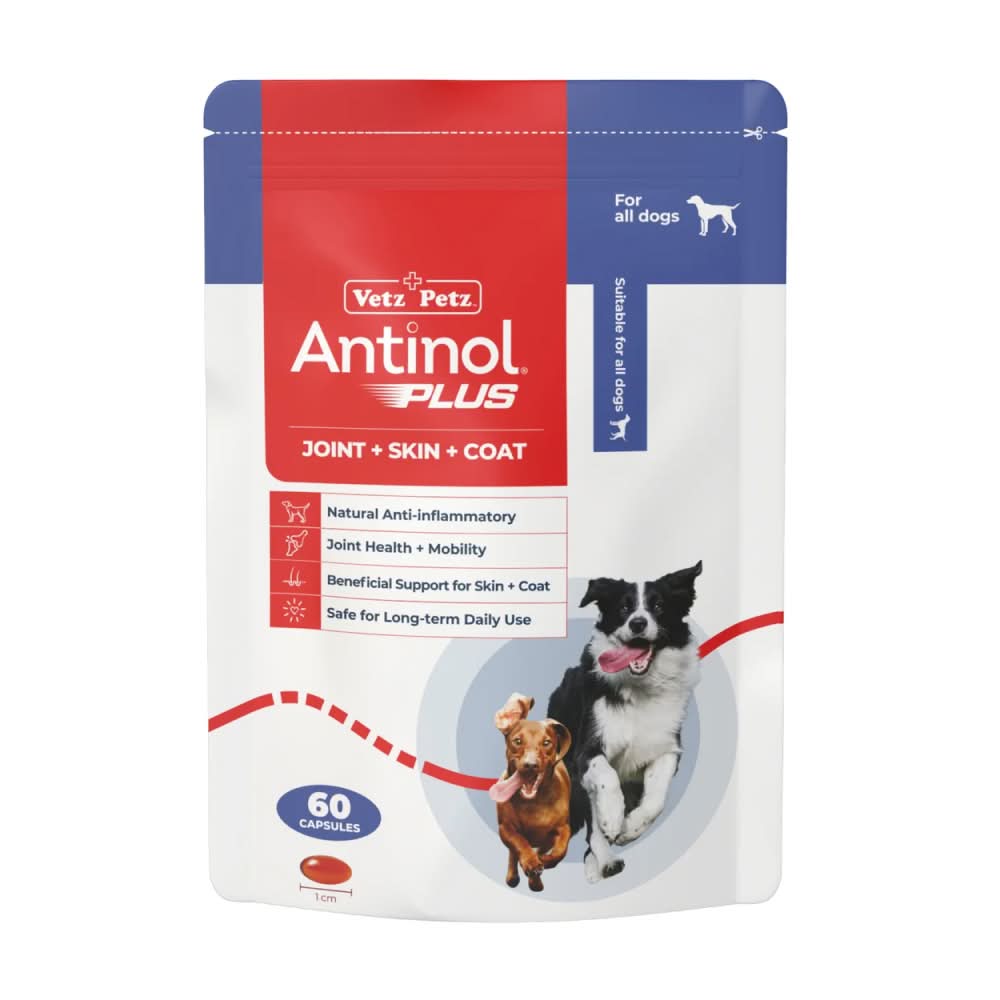
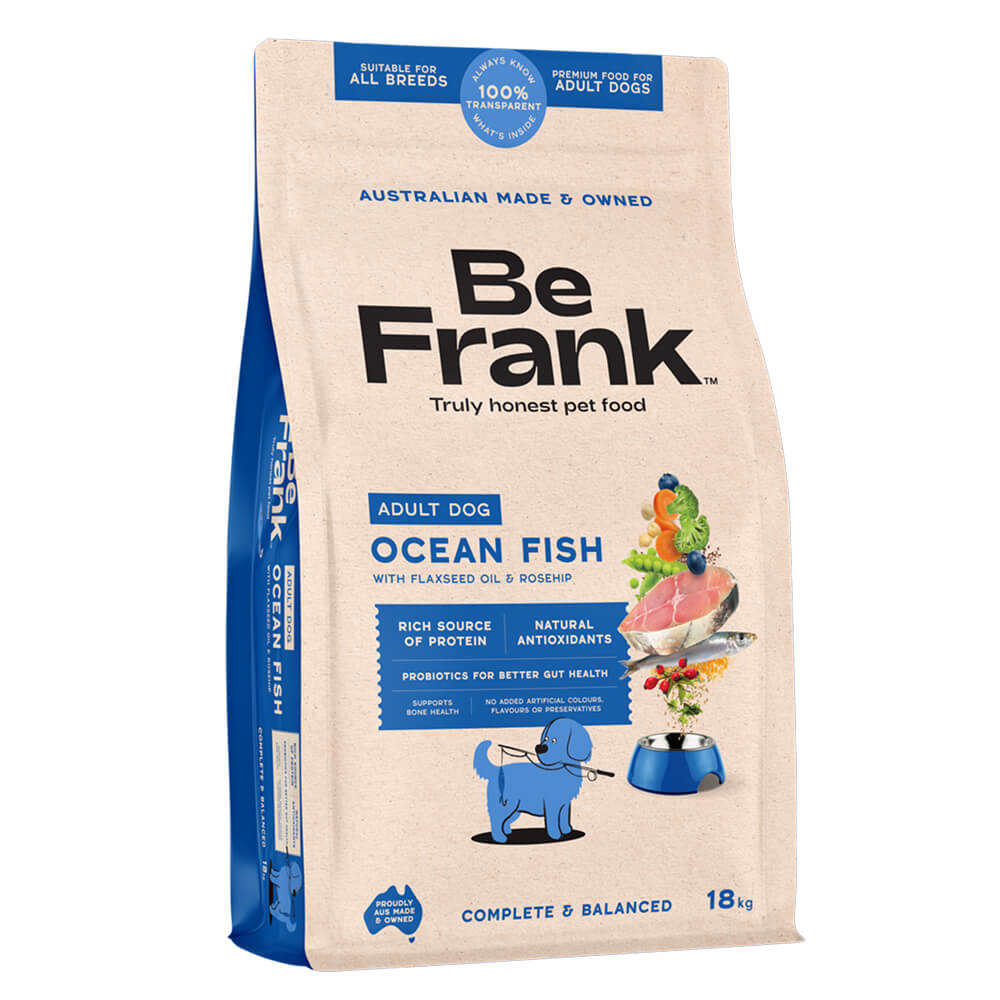
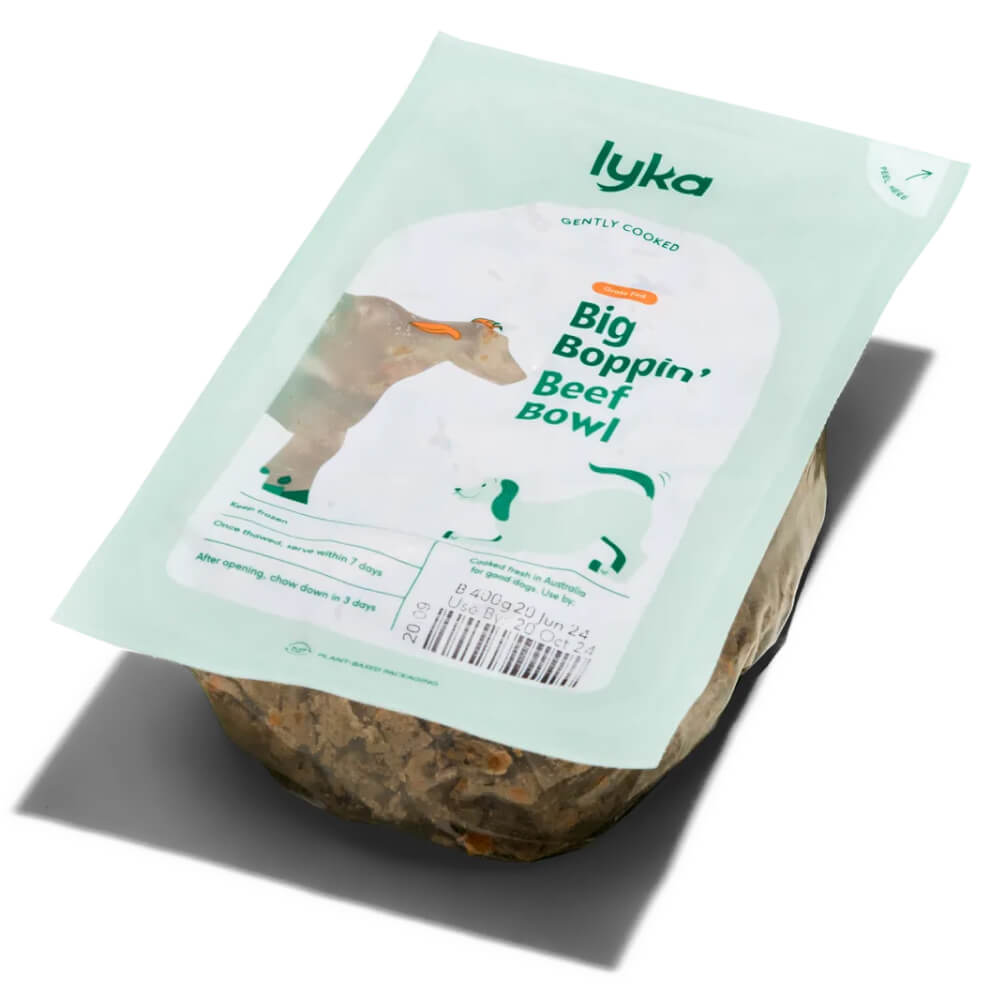
Cavaliers do well on a high-quality small-breed formula. Weight management is important — they gain weight easily, and excess weight puts additional strain on the heart and joints. Two measured meals per day suits most adults. Given the breed’s cardiac predisposition, a diet rich in omega-3 fatty acids supports heart health. Taurine supplementation may be worth discussing with your vet. Avoid overfeeding treats — Cavaliers are food-motivated, which is useful for training but creates an obesity risk if portions aren’t controlled. See our recommended foods for Cavalier King Charles Spaniels below.

Training
Cavaliers are one of the easiest toy breeds to train. They’re eager to please, food-motivated and responsive to gentle positive reinforcement. They learn basic commands quickly and enjoy the process. House training is straightforward compared to many toy breeds. Socialisation is important but easy — Cavaliers take to new people, environments and animals with minimal encouragement. The breed’s only training consideration is building some tolerance for alone time, as they prefer constant company. Start brief separations from puppyhood and gradually extend duration.



Suitability
Cavaliers suit almost any household. They’re one of the best first-time owner breeds, excellent with children, adaptable to apartments or houses, and compatible with other pets. They’re ideal for families, retirees, couples and individuals who want a genuinely affectionate, low-maintenance companion. If temperament is your primary criterion, the Cavalier is hard to beat.
The critical caveat is health. MVD and syringomyelia affect the breed at serious rates, and vet costs over a Cavalier’s lifetime can be significantly higher than for other toy breeds of similar size. Buy only from breeders who cardiac-test and ideally MRI-screen their breeding stock. Budget for pet insurance from day one. If you go in with realistic expectations about the breed’s health profile and choose your breeder carefully, the Cavalier rewards you with one of the most devoted and gentle companions in the dog world.
Frequently Asked Questions
How much does a Cavalier King Charles Spaniel cost in Australia?
Do Cavalier King Charles Spaniels have a lot of health problems?
Are Cavalier King Charles Spaniels good with children?
How long do Cavalier King Charles Spaniels live?
What is the difference between a Cavalier King Charles Spaniel and a King Charles Spaniel?

Comments
0 comments
Login to Join the Conversation 💬