



























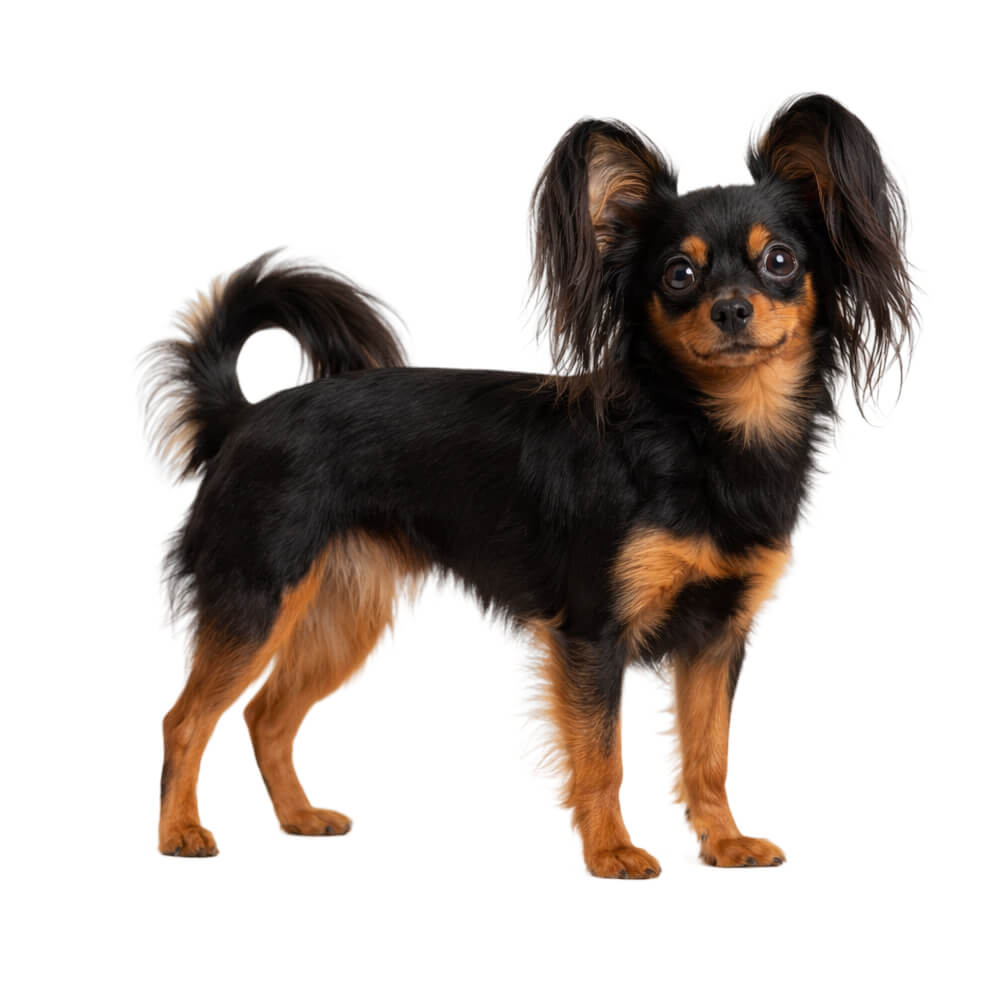

The Russian Toy (Long Haired) is one of the smallest breeds in the world — a fine-boned, elegant toy dog from Russia with distinctive feathered ears that frame the face like butterfly wings. Bred as a companion in Soviet-era apartments, they're lively, devoted and surprisingly bold for a dog that weighs less than a bag of flour.
They're rare in Australia, which means most people have never encountered one. Think of them as a smaller, more refined alternative to the Papillon or Chihuahua — with a temperament that sits somewhere between affectionate lapdog and alert terrier. Those signature ear fringes take two to three years to fully develop, so puppies look quite different from the finished adult.
History and Origin
The Russian Toy traces its roots to the English Toy Terrier, which was popular among Russian aristocracy in the 18th and 19th centuries. When the Russian Revolution disrupted pedigree breeding programs, the English Toy Terrier population in Russia collapsed, and breeders began working with the surviving dogs to develop a distinctly Russian breed.
The long-haired variety appeared in 1958, born from a single puppy in a Moscow litter. A breeder recognised the potential of the feathered coat and selectively bred for it, eventually establishing the long-haired variety as a recognised type alongside the smooth-haired original. Both varieties are the same breed — the coat difference is the only distinction.
The breed remained almost entirely within Russia and former Soviet states until the early 2000s, when the FCI granted provisional recognition. Full FCI recognition came in 2017, and the breed has since gained small but growing followings in Europe and Australia. In Australia, the Russian Toy is still exceptionally rare. Finding a registered breeder requires patience and often interstate travel. That scarcity means most Australian vets have limited experience with the breed — something worth factoring in when choosing a vet.
Temperament and Personality
Russian Toys are lively, cheerful and attached to their people. They're active dogs for their size — not content to sleep all day like some toy breeds — and they bring a genuine enthusiasm to daily life that's infectious. They want to be involved, whether that's a walk, a car ride or just following you around the house.
With their family, they're affectionate and demonstrative. They bond deeply and prefer to be physically close — on a lap, tucked under an arm or burrowed into a blanket beside you. That attachment can develop into separation anxiety if not managed from puppyhood. They cope better with alone time than breeds like the Maltese, but they're not independent dogs.
With strangers, Russian Toys are initially alert and reserved. They'll bark to announce visitors but warm up once they assess the situation. They're not suspicious dogs by nature — just cautious. With other dogs, they're generally sociable and enjoy play, though their tiny size makes them vulnerable around larger breeds. Off-lead socialisation needs supervision.
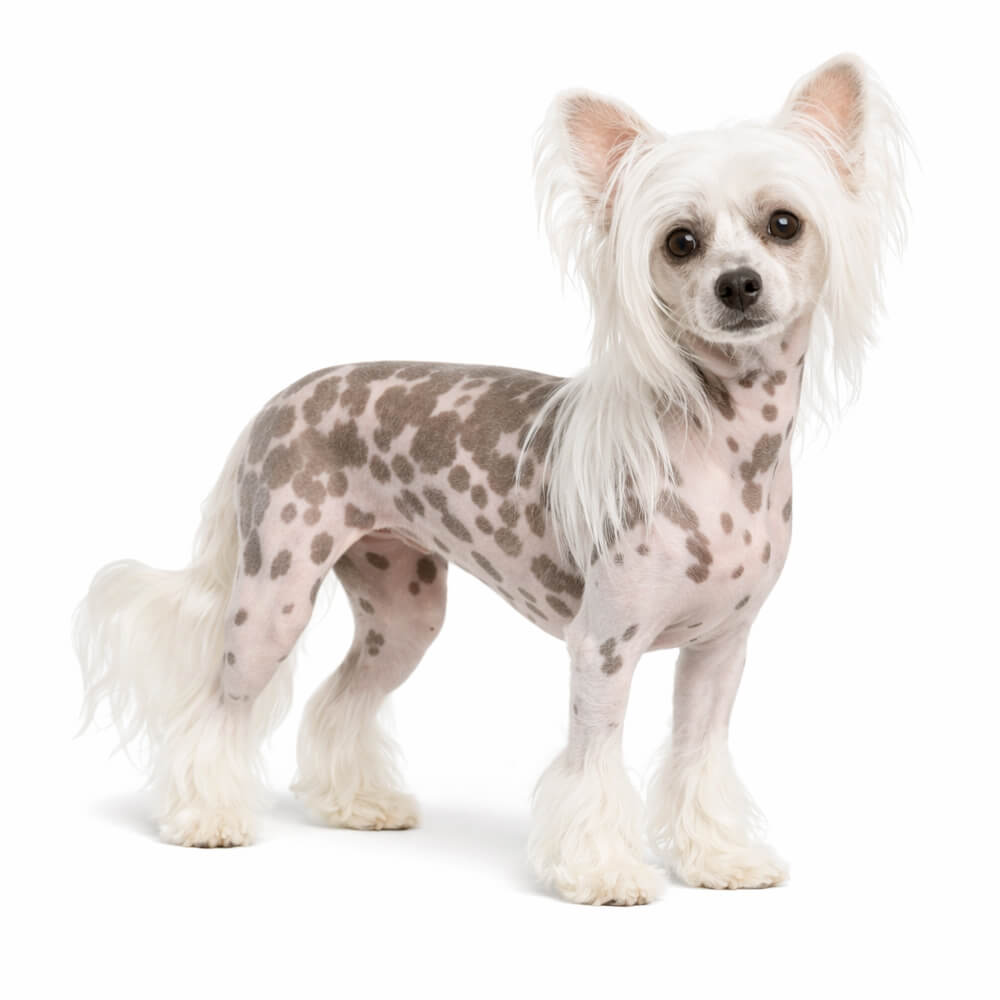
With children, supervision is essential. At under 3kg, a Russian Toy is fragile. They're not suited to households with toddlers or young children who might accidentally step on or grab them. Older, gentle children are fine. The breed's standout trait is the ear fringes — long, silky hair that cascades from the ears and gives them a distinctive, almost ornamental appearance. It's the feature that stops people in the street and the reason most owners chose the long-haired variety over the smooth.
Common Health Conditions
Russian Toys are generally healthy for a toy breed, with fewer breed-specific conditions than many of their small-breed peers. Their relative rarity has helped maintain a broader gene pool in some breeding lines. That said, their tiny size creates some inherent vulnerabilities.
Luxating Patella
The kneecap slips out of its groove — standard for toy breeds. Signs include a hopping gait or momentarily holding up a back leg. Mild cases are managed with weight control and joint supplements. Severe cases need surgery. Ask breeders for patella grading on parents.
Bone Fractures
At under 3kg, Russian Toys have extremely fine bones that fracture from falls or impacts that wouldn't bother a larger dog. Jumping off furniture, being dropped or rough play can cause breaks. Prevention is the main strategy — ramps to furniture, careful handling and supervised interaction with larger animals.
Dental Disease
Tiny mouths with crowded teeth are prone to plaque buildup, gum disease and early tooth loss. Daily brushing is essential from puppyhood. Most Russian Toys will need professional dental cleans during their lifetime.
Open Fontanelle
Some very small specimens retain a soft spot on the skull that doesn't fully close. It increases vulnerability to head trauma. Reputable breeders monitor for this and can advise on the status of individual puppies.
Hypoglycaemia
Low blood sugar is a risk in very small puppies and adults under 1.5kg. Signs include trembling, lethargy and disorientation. Frequent small meals and monitoring during high-energy periods prevent episodes.
Pet insurance is recommended, particularly for orthopaedic and dental coverage. Regular vet check-ups every six to twelve months are standard.


Exercise
Thirty minutes of daily exercise suits a Russian Toy well — a short walk plus some indoor play. They're active and enjoy exploring, but their tiny legs cover less ground than you'd think. They do well with indoor enrichment on days when outdoor exercise isn't practical. In Australian heat, walk them in the early morning or evening. Their small body mass means they're sensitive to temperature extremes in both directions — they overheat quickly and feel the cold. A dog jumper in winter is practical, not indulgent.
Grooming
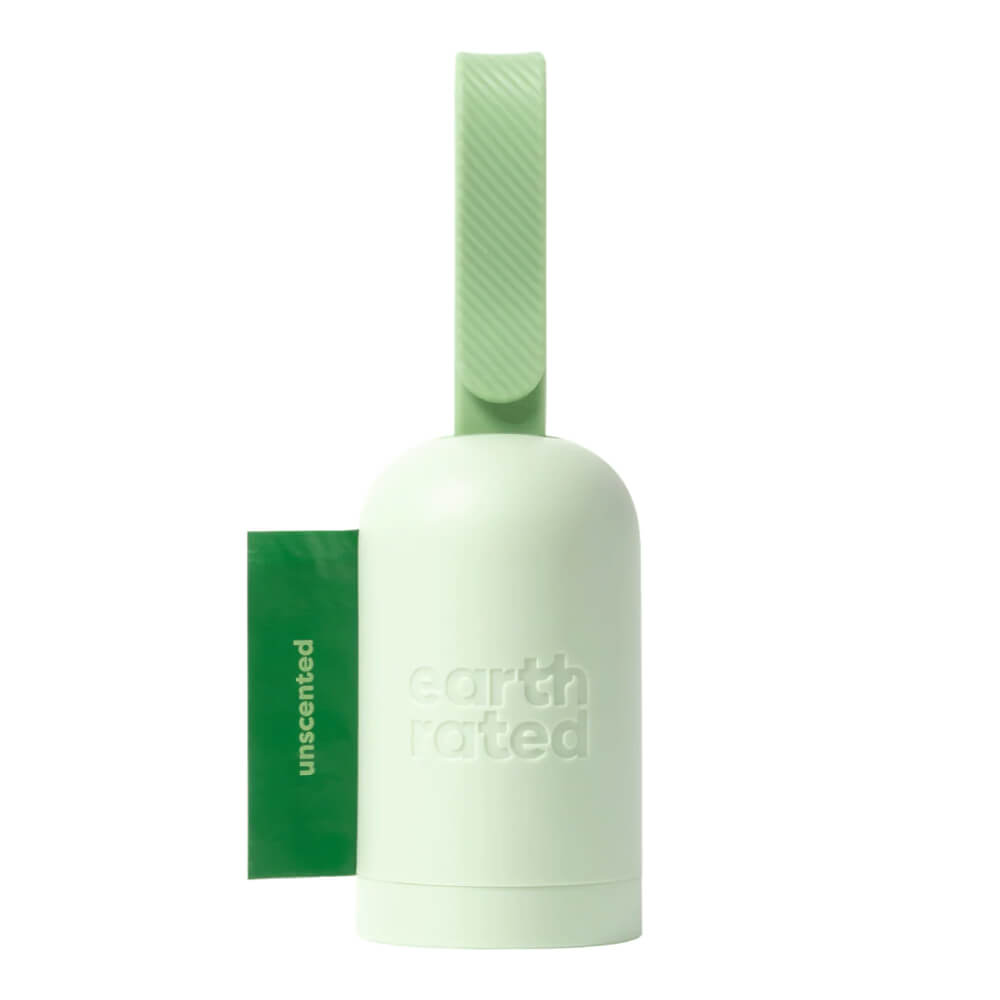
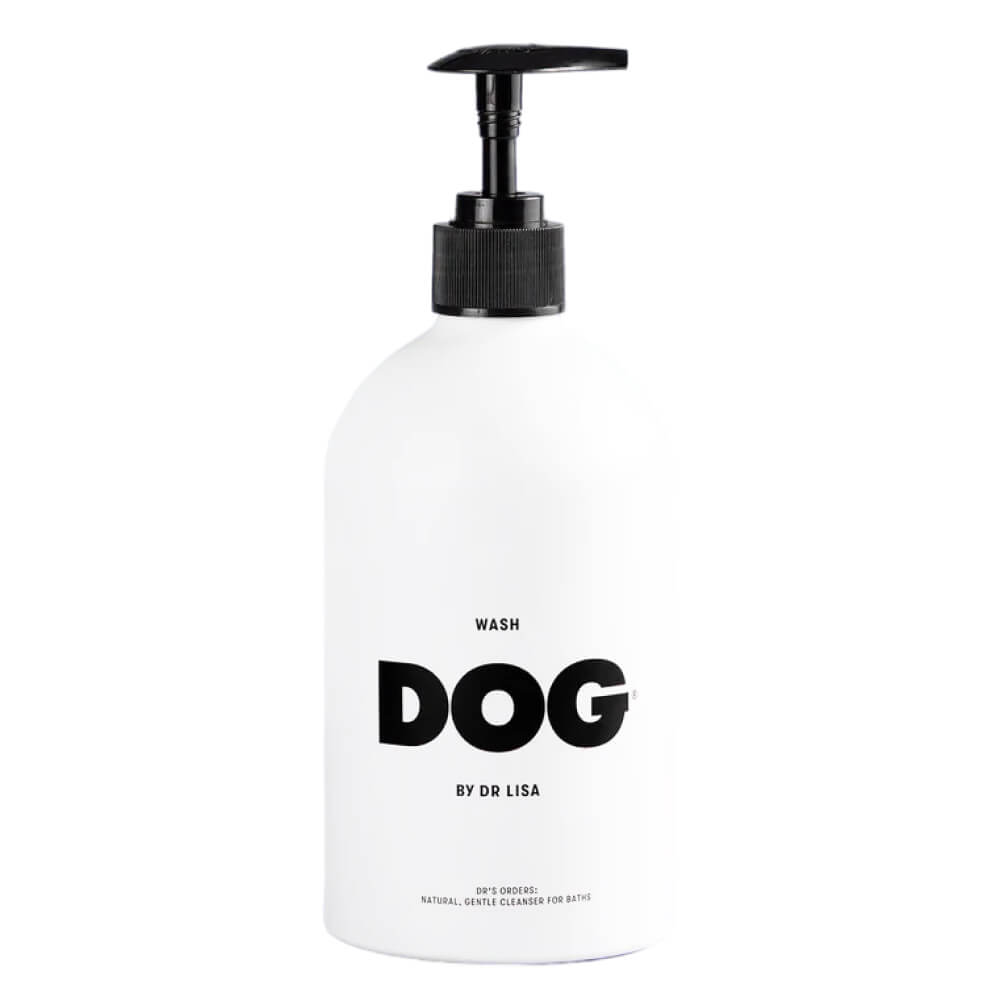
The long-haired coat is lower-maintenance than it looks. Brushing two to three times a week keeps the body coat tangle-free, with extra attention to the ear fringes where matting can form. They don't have an undercoat, so shedding is light. Professional grooming every six to eight weeks maintains the coat shape and keeps the ear fringes looking their best. Bathing every two to three weeks is adequate. Daily dental care is critical given their small mouths, and nails should be trimmed fortnightly. The ear fringes are the breed's signature — they take time and care to maintain, but they're worth the effort.


Nutrition
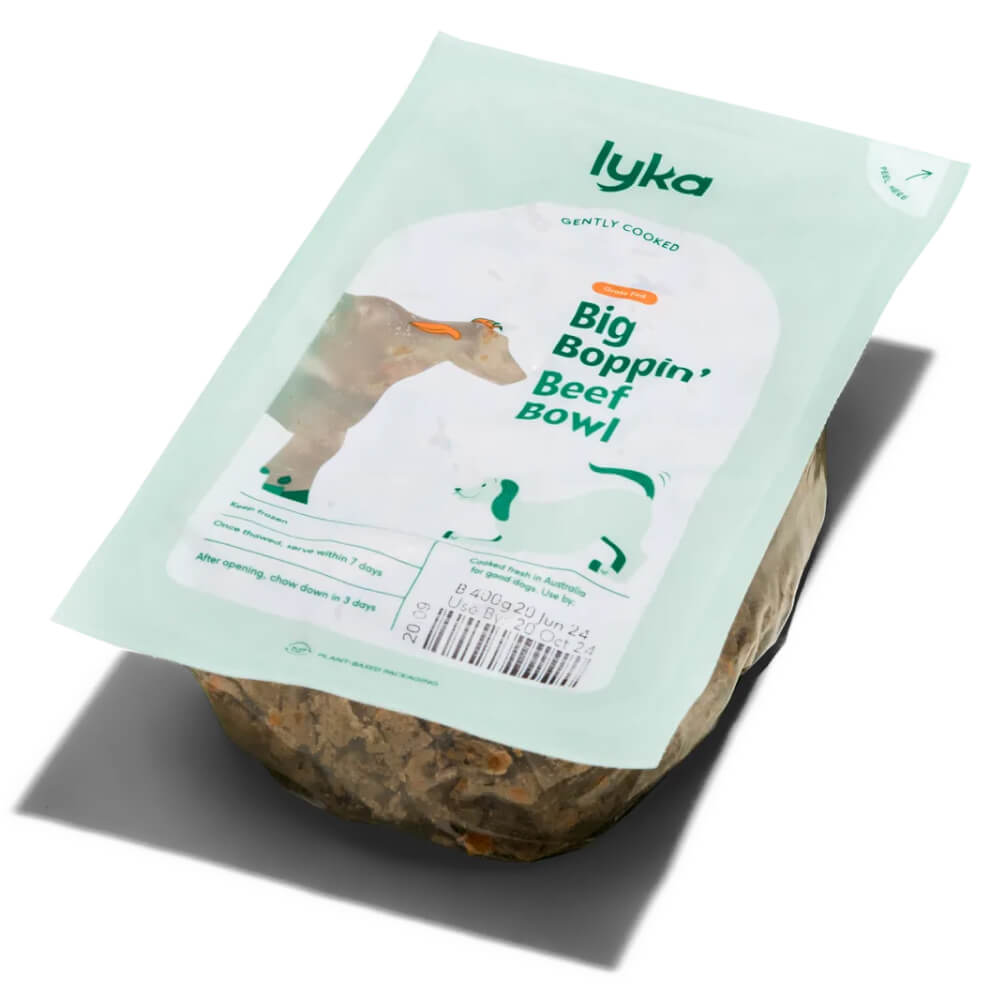
Russian Toys need a high-quality small-breed or toy-breed formula with appropriately tiny kibble. Their fast metabolism and small stomachs mean two to three small meals a day work better than one serve. Hypoglycaemia risk in very small dogs makes regular feeding schedules important — don't skip meals. Measure portions carefully; even small caloric excesses matter on a 2kg frame. Dental-focused kibble can help slow plaque buildup. See our recommended foods for Russian Toy below.

Training
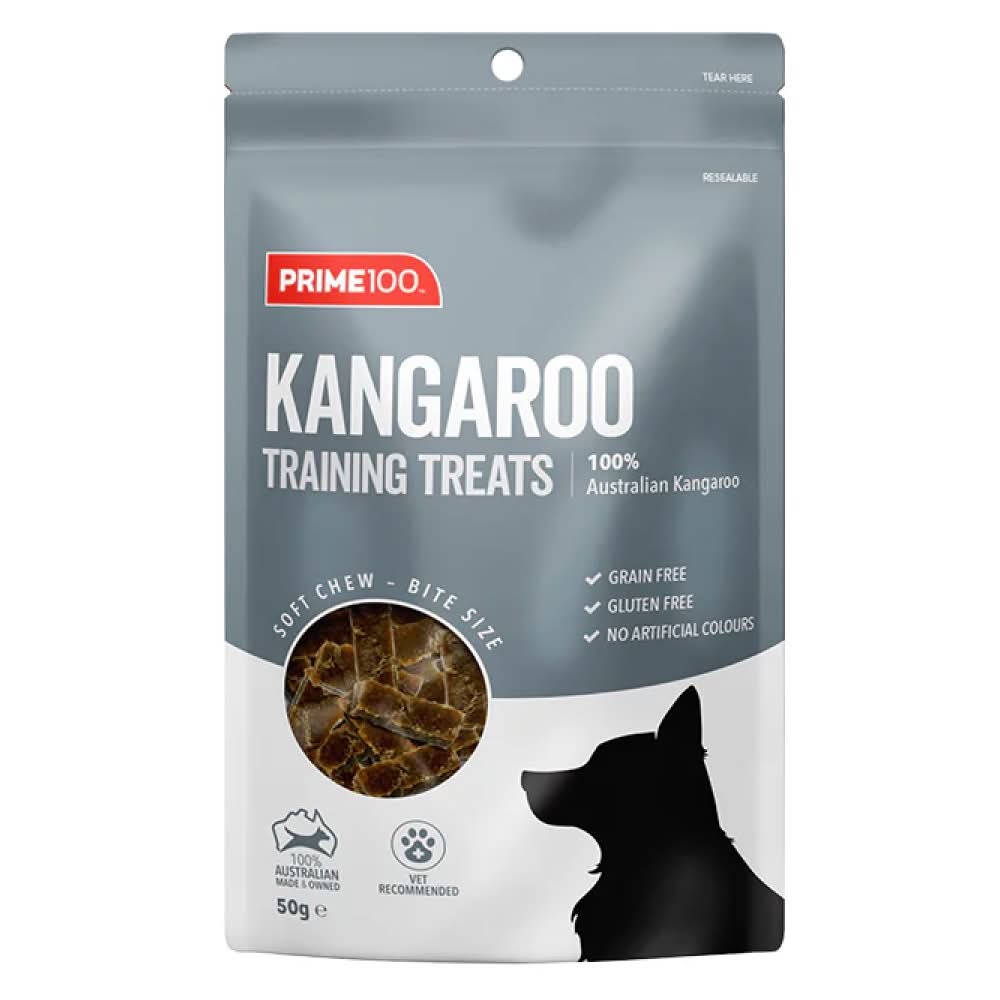
Russian Toys are intelligent and responsive, but they have an independent streak that requires patience. They learn quickly with positive reinforcement — food rewards and praise work well. They don't tolerate harsh correction and will become anxious or avoidant. House training requires consistency and patience; their small bladders mean frequent outdoor trips, and puppy pads are a practical backup, especially for apartment owners. Early socialisation is important to build confidence — an undersocialised Russian Toy becomes a nervous, yappy dog. Expose them to varied environments, sounds and people from puppyhood.

Suitability
A Russian Toy suits apartment dwellers, singles, couples and retirees who want an elegant, lively companion that doesn't need a backyard or long hikes. They're ideal for owners who are home frequently and enjoy a dog that's engaged and affectionate without being excessively demanding. Their small size and moderate grooming needs make them manageable for most living situations.
This breed is not suitable for families with young children — the fracture risk is real at this size. If you're away from home for long periods, separation anxiety will be a problem. Finding a breeder in Australia requires effort — they're rare, and importing may be the only option depending on your state. Factor in the cost of sourcing a puppy when budgeting. And every visitor will ask what breed your dog is, so get comfortable explaining.
Frequently Asked Questions
How much does a Russian Toy cost in Australia?
What's the difference between the long-haired and smooth-haired Russian Toy?
Are Russian Toys good for apartments?
How fragile are Russian Toys?
How long do Russian Toys live?

Comments
0 comments
Login to Join the Conversation 💬