




.png)












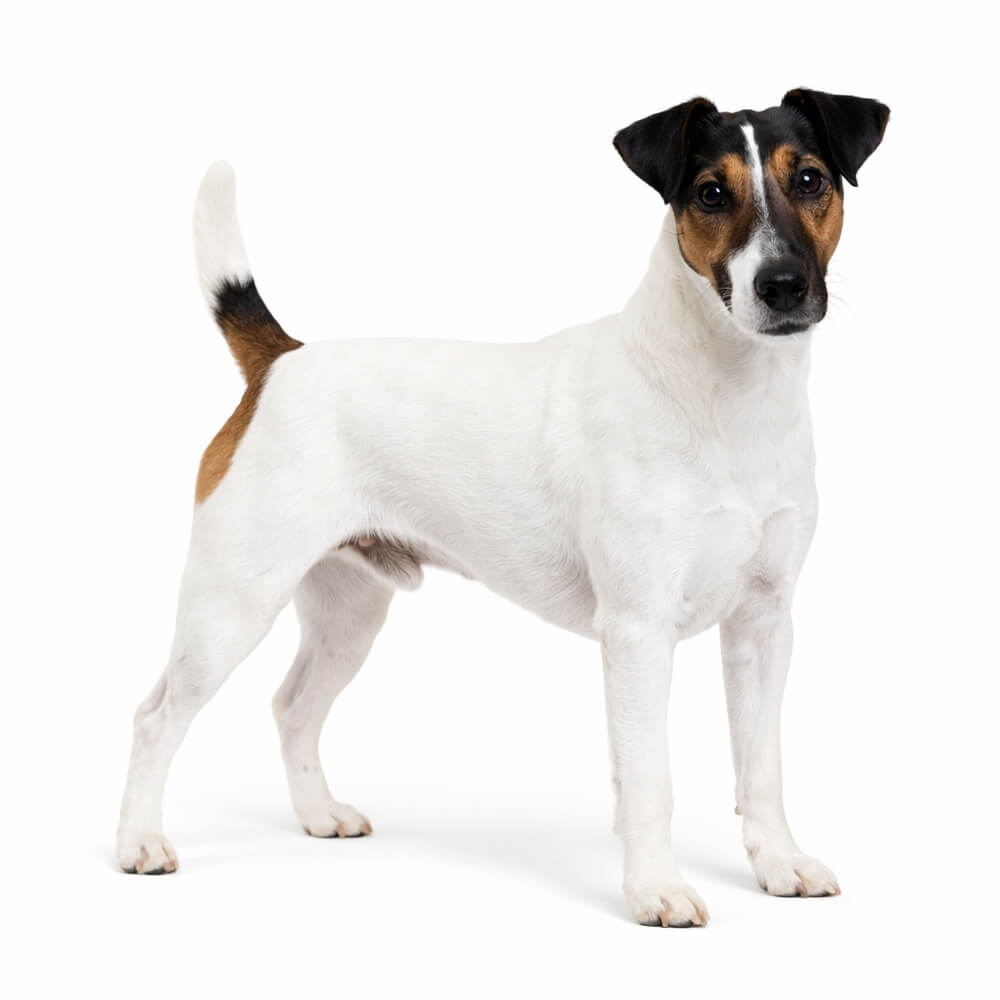

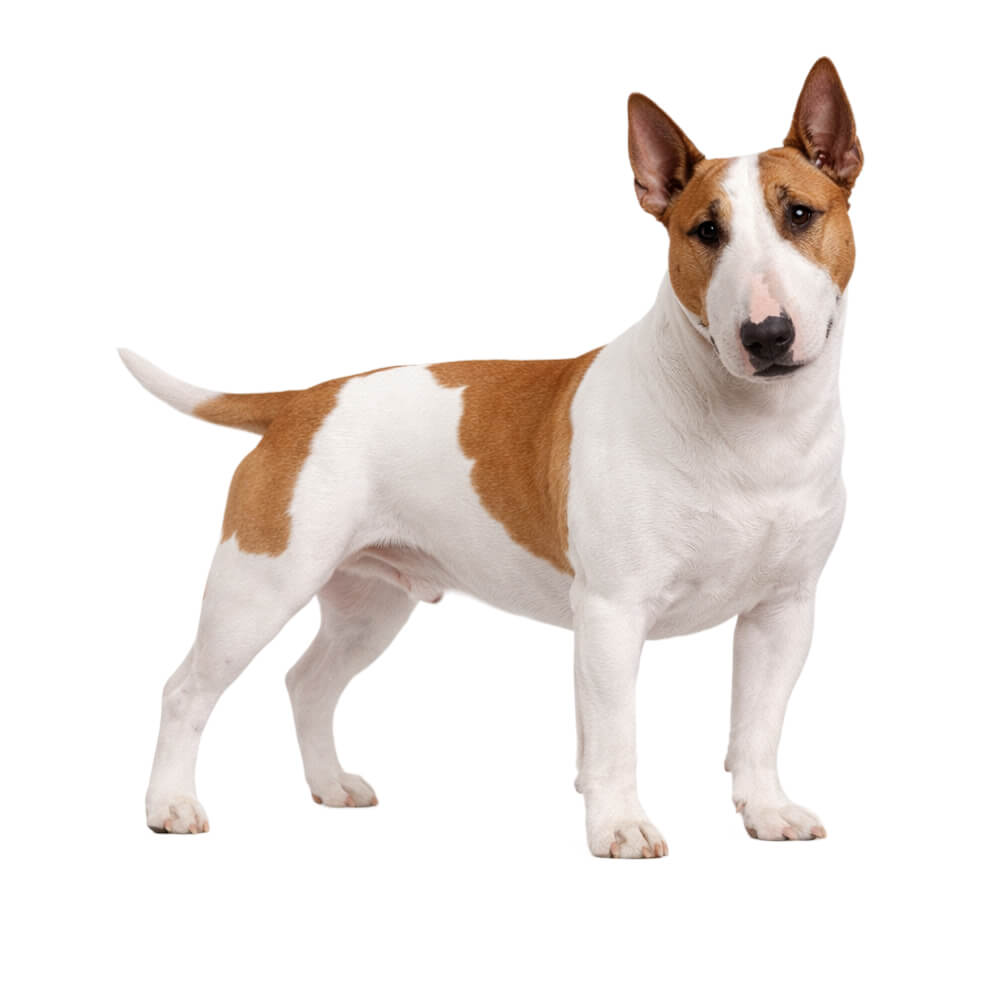
The Fox Terrier (Smooth) is a small, athletic English terrier with a short, glossy coat, bred to bolt foxes from underground earth. Often confused with the Jack Russell, the Smooth Fox Terrier is taller, more refined in build, and typically calmer.
Smooth Fox Terriers were one of the foundation breeds for the Jack Russell, the Rat Terrier, and the Toy Fox Terrier — but they're a distinct breed in their own right, recognised by major kennel clubs since the late 1800s. They're elegant, energetic, and intensely focused dogs that suit active owners willing to put in the exercise hours. They're not the easiest first dog, but for the right person, they're one of the most rewarding terriers in the group.
History and Origin
The Fox Terrier (Smooth) was developed in 18th and 19th century England, where mounted hunters needed a small, fearless terrier to follow foxes underground when the hounds had bolted them to ground. Early Fox Terriers were bred from a mix of working terriers across England, with predominantly white coats selected so hunters could distinguish them from the fox in dim conditions.
Smooth and Wire varieties were originally considered the same breed and were freely interbred. The Kennel Club recognised the Fox Terrier as one of its earliest registered breeds in the late 1800s. The Smooth and Wire were separated into distinct breeds in 1984, though they share an almost identical history, structure, and temperament.
Smooth Fox Terriers reached Australia with British settlers and have a long history here. They had a serious popularity peak in the early 20th century when foxes and rabbits were major rural pests. While popularity has declined since, the breed retains a steady following with active breeders across most states.
Temperament and Personality
Smooth Fox Terriers are alert, intelligent, and intensely focused. They were bred for tireless work, and the drive shows in everything they do — every walk is a hunt, every visitor is news, every moving object is worth investigating. They're not lap dogs in disguise.
With family, they're loyal and affectionate, often forming strong bonds with one or two key people. They enjoy being part of household activities and want to be involved in everything. They're sturdy and playful with children but better suited to families with older kids who can match their energy without being knocked over.
Around strangers, they're typically friendly but watchful. They make excellent watchdogs — alert, vocal, and quick to announce arrivals. They're not aggressive toward people without provocation, but they take notice of everything happening around them.
With other dogs, they can be assertive. Same-sex aggression is documented in the breed, and prey drive toward smaller animals is significant. They were bred to hunt fast quarry, and rabbits, cats, guinea pigs, and pet rats are at genuine risk. Early socialisation helps with dog tolerance but doesn't eliminate the underlying drive.
The breed's defining quirk is their relentless intensity. They don't have an off switch in the same way some terriers do — even at rest, a Smooth Fox Terrier is half-listening for something to react to. Owners often describe them as having two modes: fully on, or asleep.
Common Health Conditions
Smooth Fox Terriers are generally healthy and long-lived, but the breed has several documented genetic conditions worth understanding before purchase.
Patellar Luxation
Common in small breeds. The kneecap slips out of position, causing intermittent skipping or stiffness. Mild cases respond to weight management and joint support; severe cases need surgical correction.
Primary Lens Luxation (PLL)
The lens of the eye detaches from its supporting ligaments, causing pain and rapid vision loss. Smooth Fox Terriers have a documented predisposition. A DNA test identifies carriers and affected dogs — always confirm parents are PLL-tested before purchase. Early detection allows surgical intervention.
Deafness
Linked to the breed's predominantly white coat — the same pigmentation genetics that produce white can also affect inner ear development. BAER testing identifies hearing status from five weeks of age. Unilateral deafness (one ear) is more common than bilateral.
Legg-Calvé-Perthes Disease
The blood supply to the femoral head degrades, causing hip pain in young dogs. Usually presents before twelve months. Surgical correction has good outcomes.
Cataracts and Eye Conditions
Multiple eye conditions occur in the breed including cataracts, distichiasis, and progressive retinal atrophy. Annual examinations through a veterinary ophthalmologist help catch issues early.
Cardiac Conditions
Heart issues including pulmonic stenosis are documented in some lines. Cardiac auscultation during routine vet checks identifies most issues.
Pet insurance is a sensible investment, particularly for cardiac and eye coverage given the breed's predispositions.


Exercise
Smooth Fox Terriers need a minimum of one hour of vigorous daily exercise. They're built for endurance, not just walking — running, fetch, agility, and challenging hikes suit them well. They have far more stamina than their size suggests and don't tire easily.
Mental stimulation is equally critical. Smooth Fox Terriers are intelligent and quickly bored, and a bored Fox Terrier is a destructive Fox Terrier. Scent work, training games, and puzzle toys help engage their working brain. Off-lead recall is unreliable around prey, so always use enclosed spaces.

Grooming
The smooth coat is low-maintenance compared to most terrier breeds. A weekly brush with a rubber mitt or bristle brush removes loose hair and keeps the coat glossy. They shed moderately year-round, with heavier blows at seasonal changes — expect white hairs on dark furniture.
Bathing every six to eight weeks or as needed is sufficient. Check ears weekly and trim nails monthly. The white coat shows dirt easily, so dogs that roam in muddy areas need more frequent bathing.



Nutrition
Feed a high-quality formula appropriate for active small breeds. Smooth Fox Terriers can be food-driven and overeat if portions aren't measured. Two meals a day works well for adults.
For dogs with skin sensitivities, limited-ingredient diets often help. Adequate protein supports their working metabolism, and joint supplements are worth considering for older dogs. See our recommended foods for Smooth Fox Terriers below.



Training
Smooth Fox Terriers are intelligent and quick to learn, but they have classic terrier independence. They'll absorb training rapidly when motivated, then test whether the command is actually enforceable. Consistency matters — let things slide once and they'll remember.
Positive reinforcement with high-value rewards works best, and heavy correction backfires. Early socialisation with other dogs is essential to manage the breed's selectivity. Recall is one of the harder challenges; train it early and accept that off-lead exercise needs fenced spaces.

Suitability
Smooth Fox Terriers suit active, experienced owners who can match their energy and intelligence. They're well-suited to households with older children, large yards, and owners who enjoy outdoor activities like hiking, running, or agility training. With consistent exercise and training they can manage suburban and even apartment life, though a securely fenced yard is genuinely important.
They're not the right breed for first-time owners, sedentary households, or families with very young children. They're not safe with small free-roaming pets, and their barking and prey drive can be issues with neighbours or wildlife. The grooming is easy but the energy commitment is non-negotiable. If you can match their drive and consistency, you'll get one of the most loyal, capable, and entertaining terriers in the group.
Frequently Asked Questions
How much does a Smooth Fox Terrier cost in Australia?
What's the difference between a Smooth Fox Terrier and a Jack Russell?
Are Smooth Fox Terriers good for first-time dog owners?
Are Smooth Fox Terriers good apartment dogs?
How long do Smooth Fox Terriers live?


Comments
0 comments
Login to Join the Conversation 💬