






























The Miniature Smooth Dachshund is a small, low-set hound breed originally developed in Germany to hunt badgers and rabbits underground. Known for its distinctive elongated body and bold personality, it packs a surprising amount of character into a very small frame.
Miniature Dachshunds are confident, curious and stubbornly charming. They bond tightly with their owners and adapt well to apartment living, making them one of the most popular small breeds in Australia. What catches many new owners off guard is the attitude — this is not a timid lapdog. Miniature Dachshunds have the self-assurance of a dog three times their size and will happily stand their ground against much larger animals.
History and Origin
The Dachshund was developed in Germany over 300 years ago as a purpose-built hunting dog. The name translates literally to "badger dog," and the breed's elongated body, short legs and paddle-shaped paws were all designed for one job: following prey into underground burrows.
The miniature variety was bred down in size specifically to hunt smaller quarry like rabbits and stoats, which required an even more compact dog to navigate tighter tunnels. The smooth-coated variant is the oldest of the three coat types, with the wirehaired and longhaired varieties developed later through selective crosses.
That hunting heritage explains nearly everything about the modern Miniature Smooth Dachshund's behaviour. The tenacity, the digging, the selective hearing when they've locked onto a scent — it all traces back to a dog bred to make independent decisions underground, out of sight of its handler.
Temperament and Personality
Miniature Smooth Dachshunds are bold, affectionate and more headstrong than their size suggests. They form deep attachments to their primary person and can become possessive of attention, space and even furniture.
With family, they're loyal and entertaining. They love being close — under a blanket, on a lap, wedged into the smallest available gap on the couch. They're playful well into adulthood and have a comedic streak that makes them genuinely fun to live with.
Around children, they need supervision. Miniature Dachshunds are fragile-backed dogs, and rough handling from young children poses a real injury risk. They can also be snappy when startled or handled clumsily. Older children who understand gentle interaction do well with the breed.
With other dogs, they're generally sociable, particularly with other Dachshunds. Some individuals show same-sex tension, and their confidence can lead them to challenge much larger dogs — which rarely ends well. Early socialisation helps, but the breed's self-assurance is hardwired.
Energy-wise, Miniature Smooth Dachshunds sit in the low-to-moderate range. They enjoy walks and short play sessions but are equally happy to spend the afternoon sleeping. They're alert and vocal — barking at doorbells, passing dogs and anything that moves outside the window is standard Dachshund behaviour.
Common Health Conditions
Miniature Smooth Dachshunds carry some significant health predispositions, with spinal issues being the most important concern for every owner to understand.
Intervertebral Disc Disease (IVDD)
The single most critical health issue in Dachshunds. Their elongated spine and short legs create disproportionate stress on the intervertebral discs, which can herniate, causing pain, nerve damage and in severe cases, paralysis. IVDD can strike at any age but most commonly appears between three and seven years. Prevention is key: avoid jumping on and off furniture, use ramps, keep your dog lean and support the full body when lifting. Every Dachshund owner should know the early signs — reluctance to move, yelping when touched, hunched posture or dragging hind legs.
Patellar Luxation
The kneecap slips out of position, causing intermittent lameness. It's common in small breeds including Miniature Dachshunds. Mild cases may only need weight management; severe cases require surgery.
Progressive Retinal Atrophy (PRA)
An inherited eye condition causing gradual vision loss. DNA testing identifies carriers. Reputable breeders screen before mating.
Obesity
Miniature Dachshunds gain weight easily, and extra weight dramatically increases the load on an already vulnerable spine. Keeping your Dachshund lean is one of the most important things you can do for their long-term health.
Dental Disease
Small breeds are prone to dental overcrowding and plaque buildup. Regular dental checks, brushing and dental chews help prevent painful extractions down the track.
Pet insurance is strongly recommended for Miniature Dachshunds given the high prevalence and potential cost of IVDD treatment, which can run into the thousands for surgical cases. Regular vet check-ups help catch weight creep and early disc changes.


Exercise
Miniature Smooth Dachshunds need 30 to 45 minutes of exercise daily. Two moderate walks suit them well. Keep exercise low-impact — avoid activities that involve jumping, steep stairs or rough terrain, all of which increase spinal stress. Swimming is an excellent option as it builds muscle without loading the spine. In hot Australian weather, walk early or late and watch for signs of overheating.
Grooming
The smooth coat is about as low-maintenance as it gets. A weekly wipe-down with a soft cloth or grooming mitt removes loose hair and keeps the coat glossy. Shedding is low. The real grooming focus should be on nails (short legs mean less natural wear), ears (long ears trap moisture and debris) and teeth (small mouths need regular dental attention).


Nutrition
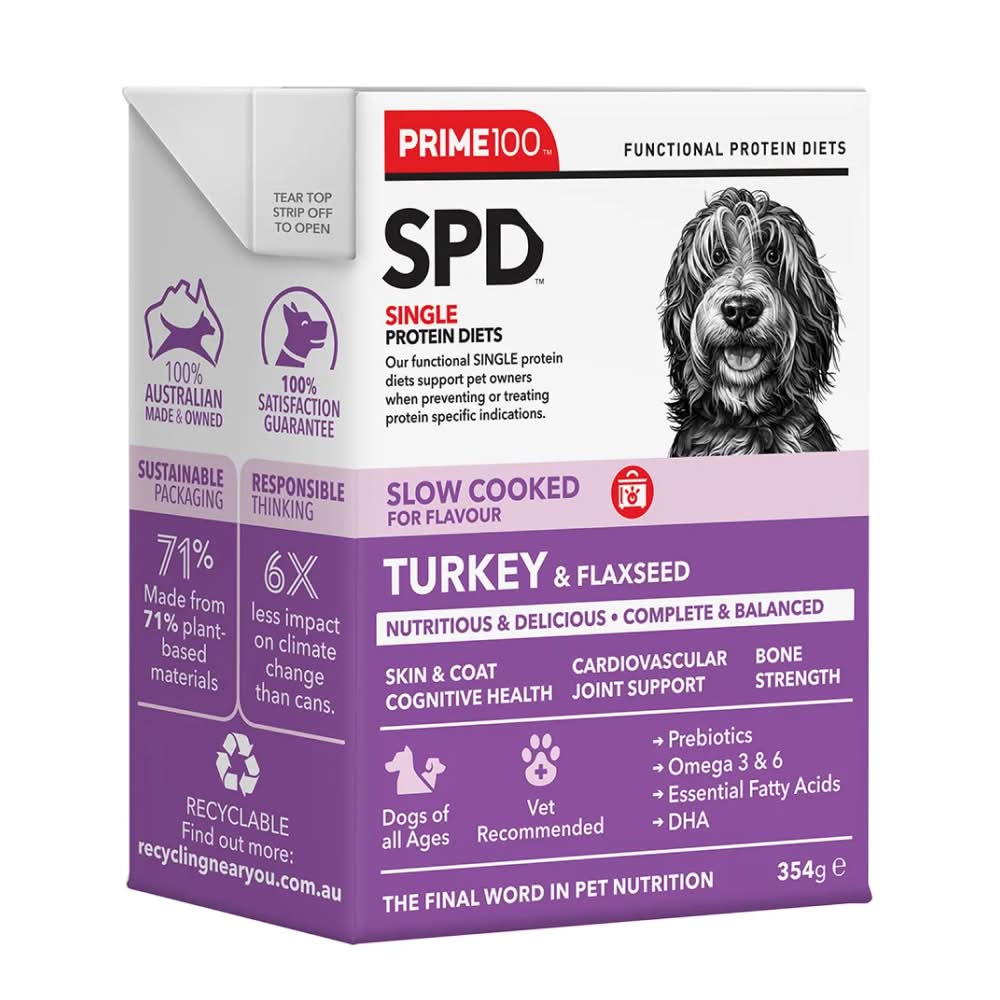
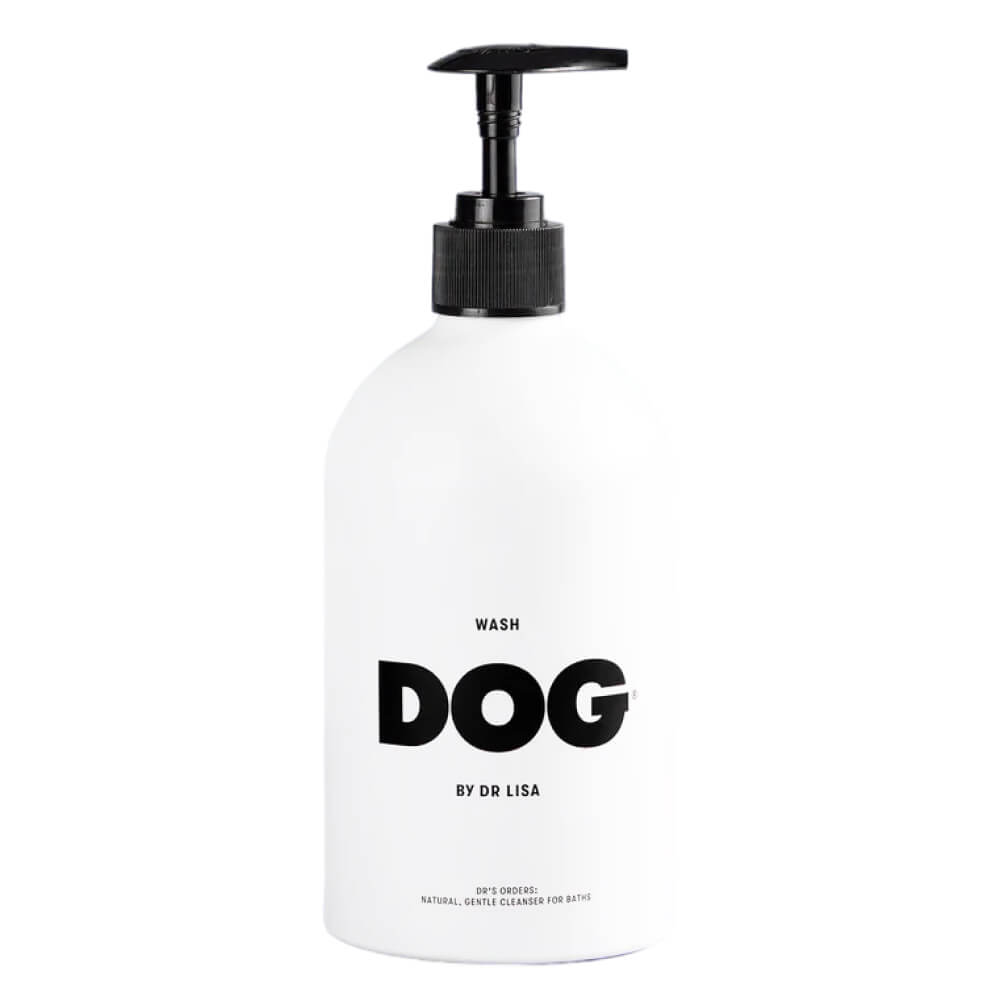
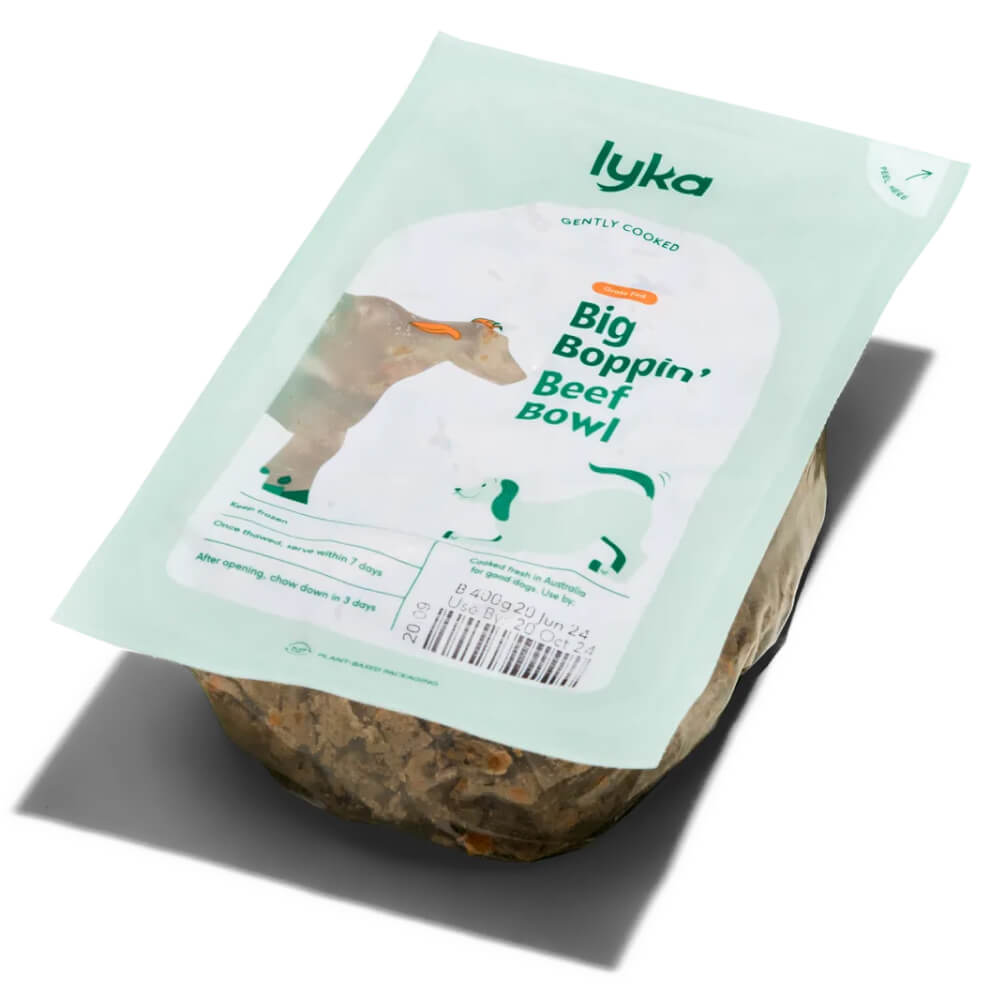
Miniature Dachshunds need a high-quality diet carefully portioned to prevent weight gain. Obesity is the breed's biggest lifestyle risk factor given its impact on the spine. Feed for lean body condition — you should be able to feel ribs easily. Joint and spinal support supplements (glucosamine, omega-3 fatty acids) are worth considering. Avoid treats as a primary reward method — the calories add up fast in a dog this small. See our recommended foods for Miniature Dachshunds below.

Training
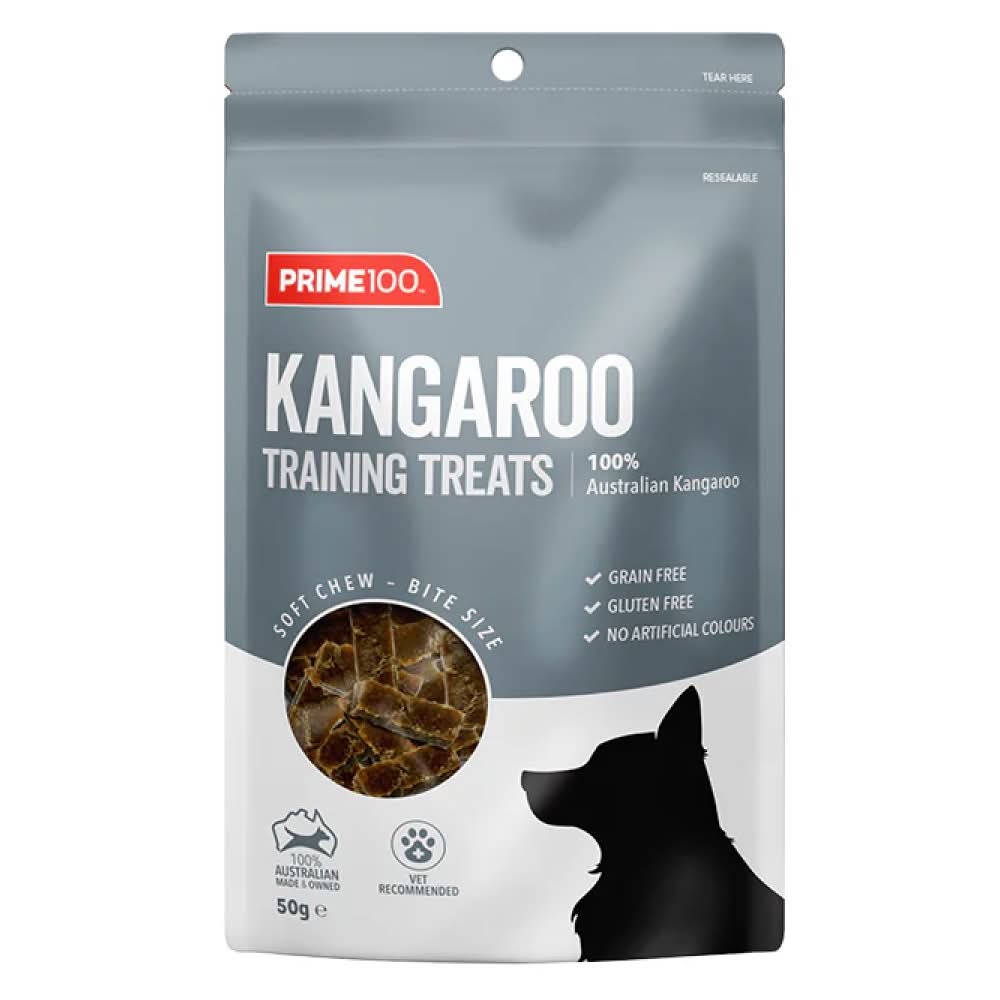
Miniature Dachshunds are intelligent but independent, which makes training a patience exercise. They were bred to make decisions alone underground, and that self-reliance shows in their responsiveness to commands — they'll do it, but only if they see the point. Use positive reinforcement with high-value rewards and keep sessions short. Housetraining can be slower than average with this breed; consistency and routine are essential. Early socialisation with other dogs and people helps manage the breed's tendency toward territorial barking and possessiveness.

Suitability
Miniature Smooth Dachshunds suit apartment dwellers, retirees, couples and anyone after a small, characterful companion that doesn't need hours of exercise. They do well in smaller living spaces and adapt to most lifestyles as long as they get their daily walks and plenty of human contact.
This breed is not ideal for households with very young children due to the back injury risk from rough handling. Prospective owners need to understand the IVDD commitment: ramps instead of jumping, weight management, and the potential for significant vet bills if disc issues arise. First-time owners can manage a Miniature Dachshund, but should go in with realistic expectations about the breed's stubbornness during training and its vocal nature.
Frequently Asked Questions
How much does a Miniature Dachshund cost in Australia?
How big does a full grown Miniature Dachshund get?
Do Miniature Dachshunds bark a lot?
What is IVDD and how common is it in Miniature Dachshunds?
How long do Miniature Dachshunds live?

Comments
0 comments
Login to Join the Conversation 💬