


























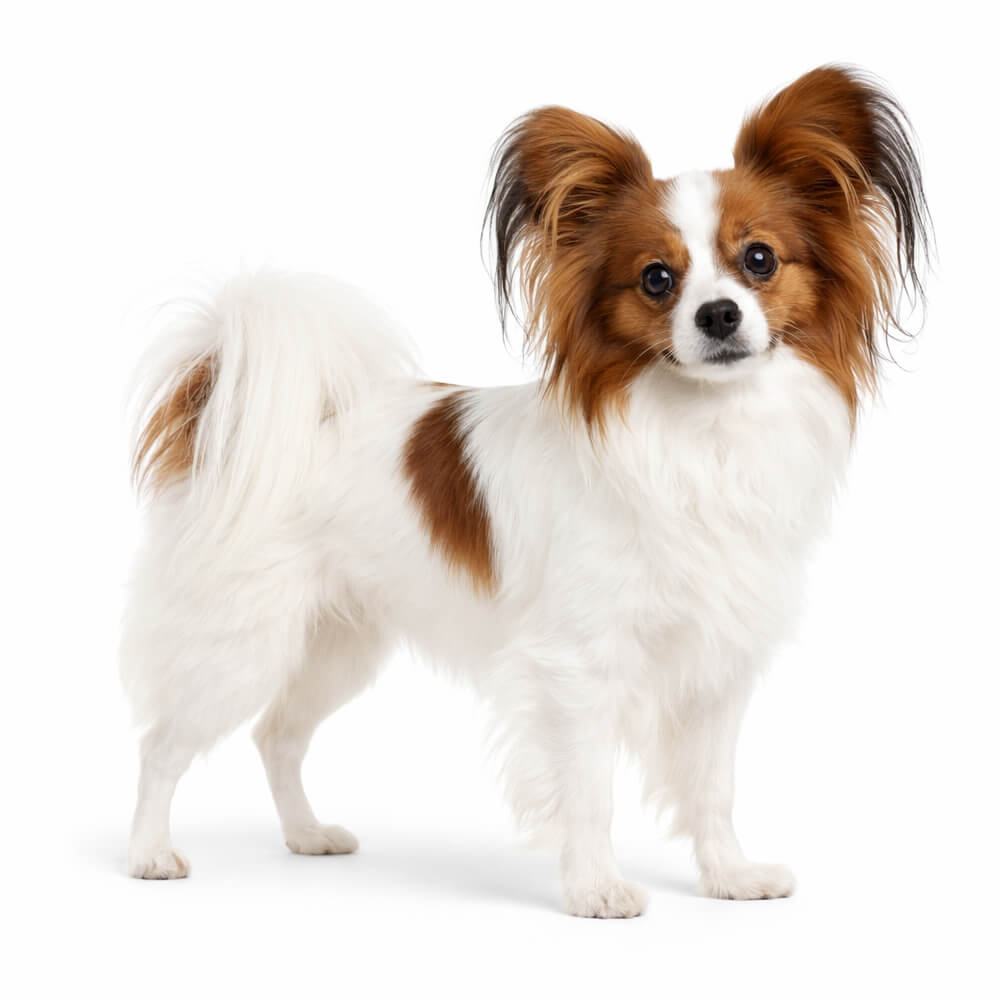
The Papillon is a small, fine-boned toy spaniel named for its large, butterfly-shaped ears — "papillon" is French for butterfly. Bright, athletic and far more trainable than most toy breeds, they're a genuine all-rounder in a tiny frame.
They consistently rank among the most intelligent dog breeds in the world, and it shows. Papillons compete in agility, obedience and rally at levels that embarrass much larger dogs. If you want a toy breed that actually wants to work with you rather than just sit on you, the Papillon is hard to beat. Don't let the dainty appearance fool you — there's a proper dog in there.
History and Origin
The Papillon descends from the Continental Toy Spaniel, a breed favoured by European royalty from the 1500s onwards. They appear in paintings by Titian, Rubens and Goya — always perched on the laps of noblewomen, always looking impossibly elegant.
The original form had drooping ears (the Phalène variety, meaning "moth"). The erect-eared Papillon emerged later and became the dominant type, though both ear sets still appear within the breed today and are recognised by most kennel clubs including Dogs Australia.
France and Belgium share credit for developing the breed into its modern form. The Papillon was refined from a purely decorative lapdog into a surprisingly capable companion with sharp instincts and a willingness to learn. That transition from palace ornament to competitive sport dog is unusual in the toy group — most breeds in this category never made that leap. The Papillon's ancestral role as a companion to detail-oriented aristocrats may explain why the modern dog is so attuned to subtle cues and so responsive to structured training.
Temperament and Personality
Papillons are alert, eager and busy. They want to know what's happening, who's arriving and what the plan is. They're not hyperactive, but they're rarely idle — there's always something to investigate, someone to greet or a toy to dismantle.
Their intelligence sets them apart from most toy breeds. Papillons pick up new commands quickly and retain them. They genuinely enjoy training sessions, which makes them a standout choice for owners who want to do more than just walk and feed. Agility, trick training and obedience all suit them perfectly.
With family, they're affectionate and engaged without being clingy. They bond broadly across the household rather than fixating on one person. Strangers get a thorough inspection — Papillons are watchful and will bark to alert — but they warm up fast and aren't suspicious by nature.
They get along well with other dogs and generally enjoy canine company. Their size means they can be vulnerable around boisterous larger breeds, so supervision at dog parks is sensible. With children, they're playful and tolerant, though their fine bones make them a better match for families with kids who understand gentle handling.
The one quirk that surprises owners is the prey drive. Papillons will chase insects, lizards and small creatures with genuine intensity. It's a remnant of their spaniel heritage, and it makes garden time more entertaining than you'd expect from a 4kg dog.
Common Health Conditions
Papillons are one of the healthiest toy breeds, regularly living into their mid-teens. Their fine build and active nature keep weight issues at bay, but there are still breed-specific conditions to watch for.
Luxating Patella
The kneecap dislocates from its groove — the most common orthopaedic issue in small breeds. You'll notice an occasional skip in stride or the dog holding a back leg up briefly. Mild cases are managed conservatively with weight control and joint support. Higher grades need surgery.
Progressive Retinal Atrophy (PRA)
An inherited degenerative eye condition that causes gradual blindness, starting with reduced night vision. DNA testing is available, and responsible breeders screen for it. There's no treatment, so buying from tested parents is the best prevention.
Open Fontanelle
Some Papillons retain a soft spot on the skull that doesn't fully close. It's more common in very small specimens. It makes the dog vulnerable to head trauma — something to be aware of around young children or rambunctious play. Most dogs with a small fontanelle live normal lives with reasonable care.
Dental Disease
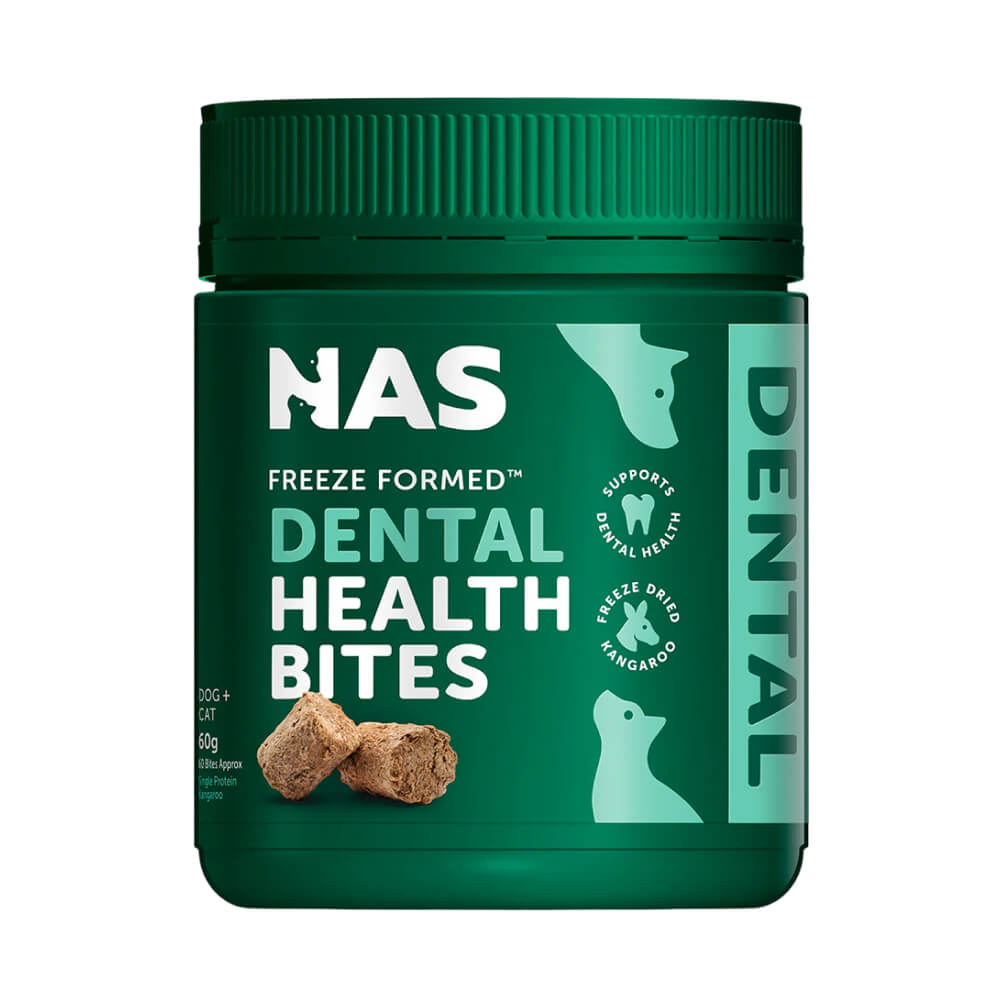
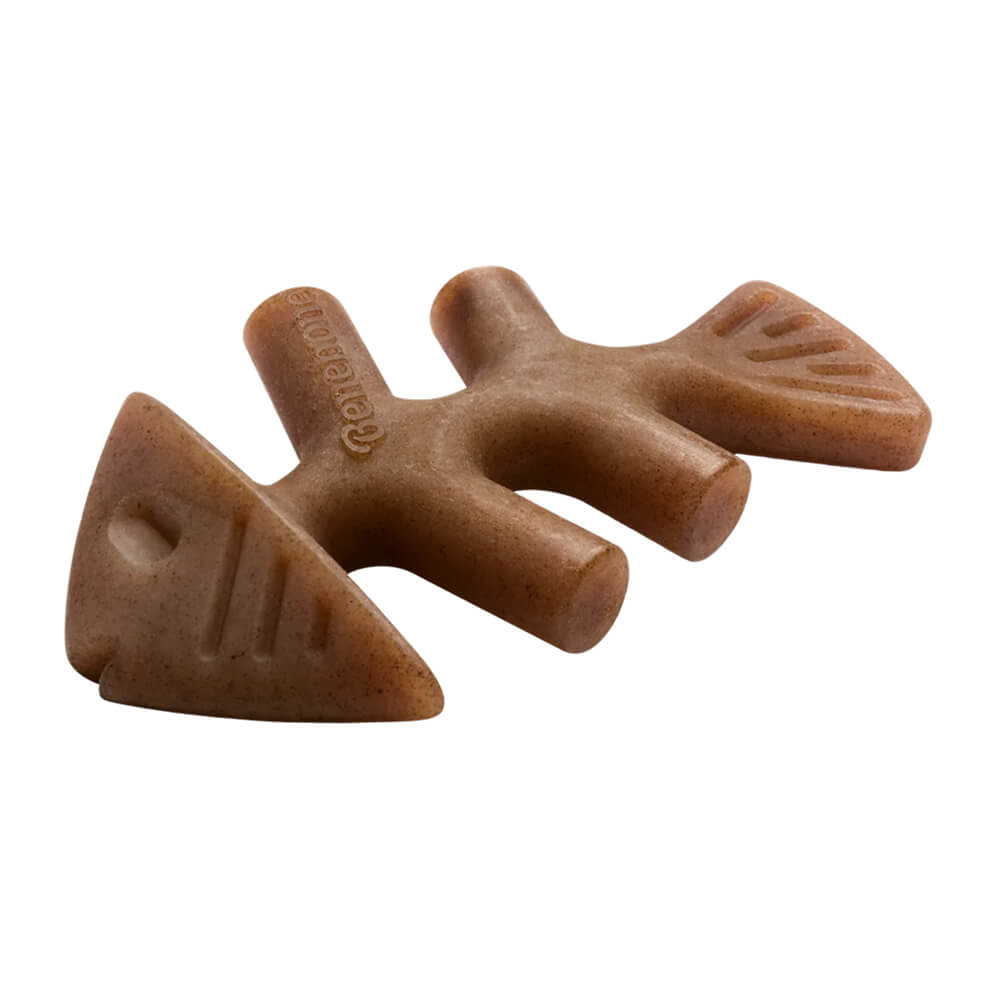
Small mouths with crowded teeth mean plaque builds up fast. Daily brushing, dental chews and regular professional cleans are part of life with a Papillon. Left untreated, dental disease leads to pain, infection and early tooth loss.
Collapsed Trachea
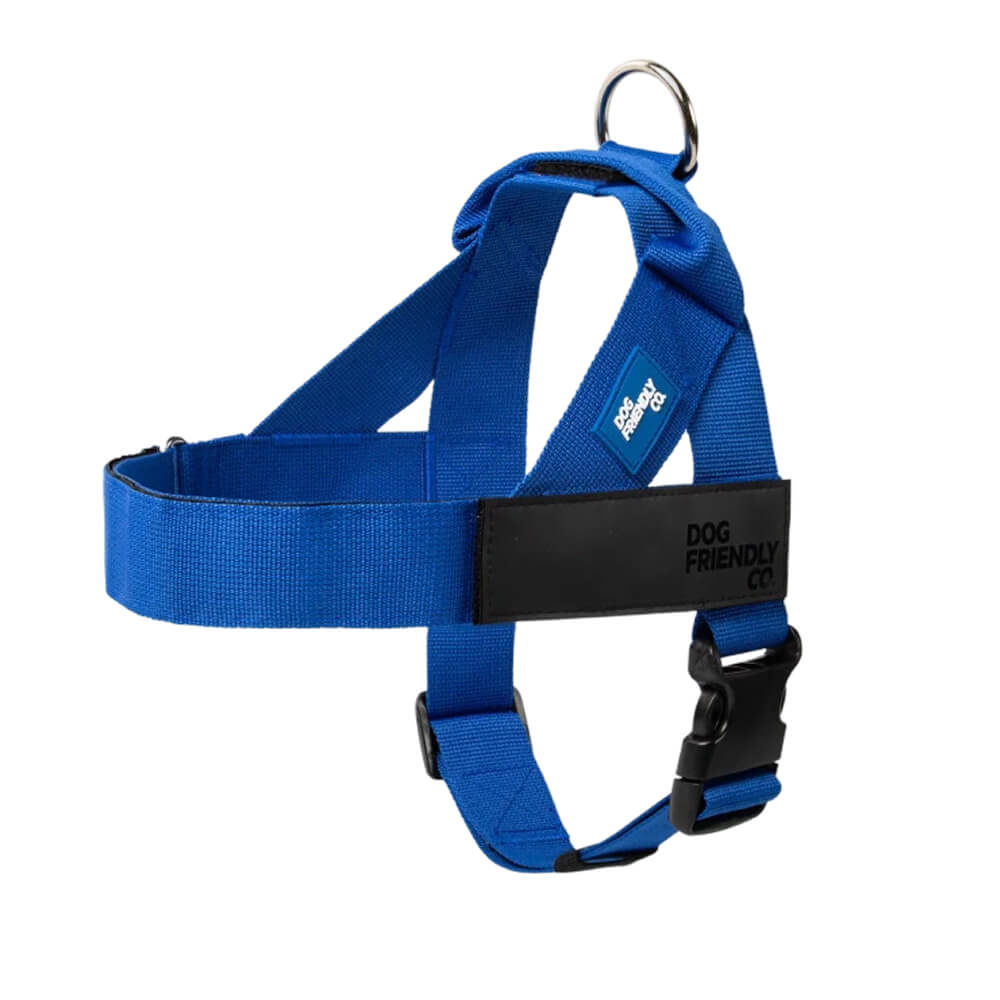
Weakening of the windpipe cartilage causes a distinctive honking cough, often triggered by excitement or leash pressure. Using a harness instead of a collar reduces strain. Weight management and avoiding irritants help manage mild cases.
Regular vet check-ups and early pet insurance are a sensible investment, even for a generally healthy breed like the Papillon.


Exercise
Thirty to forty-five minutes of daily exercise keeps a Papillon happy. They're more athletic than they look — a brisk walk, a game of fetch in the yard or a backyard agility course all work well. They enjoy mental challenges as much as physical ones, so puzzle toys and training games count toward their daily quota. In Australian heat, stick to early morning or evening outings. Their small size means they can get a decent workout indoors on days when the weather doesn't cooperate.
Grooming
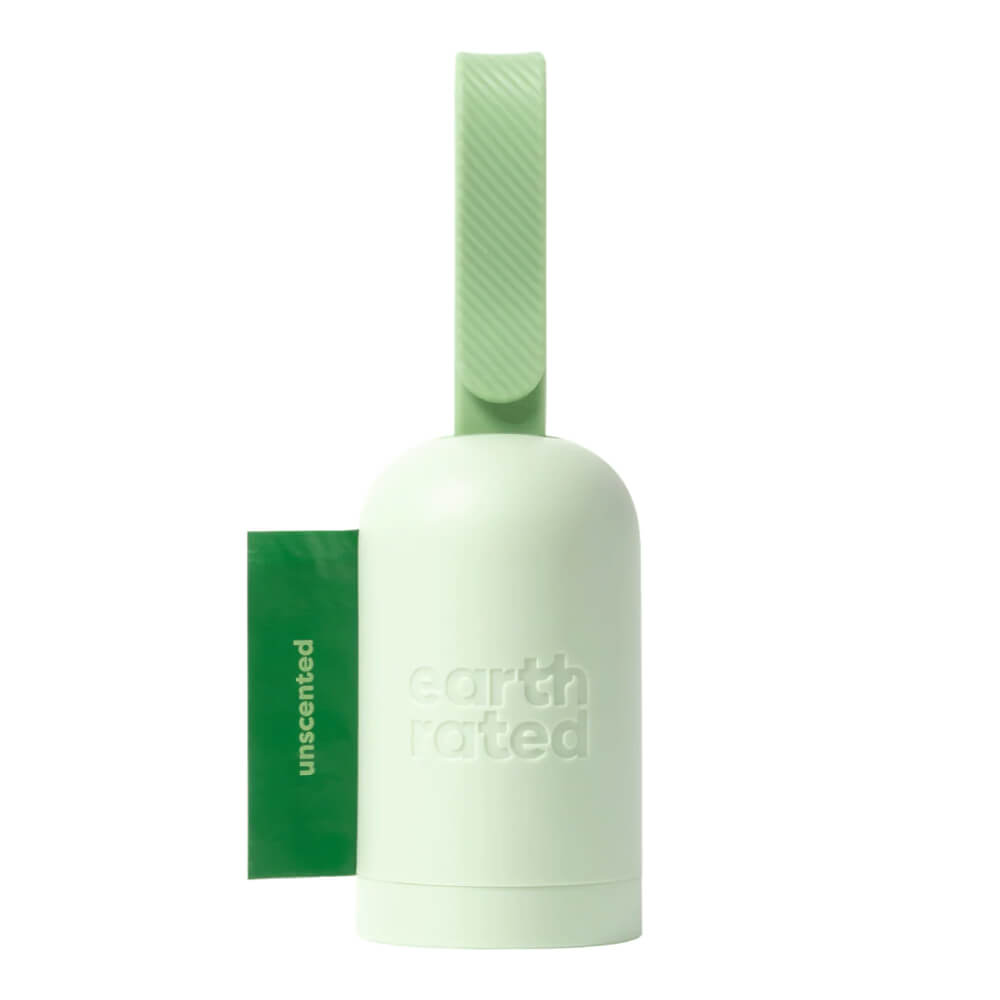
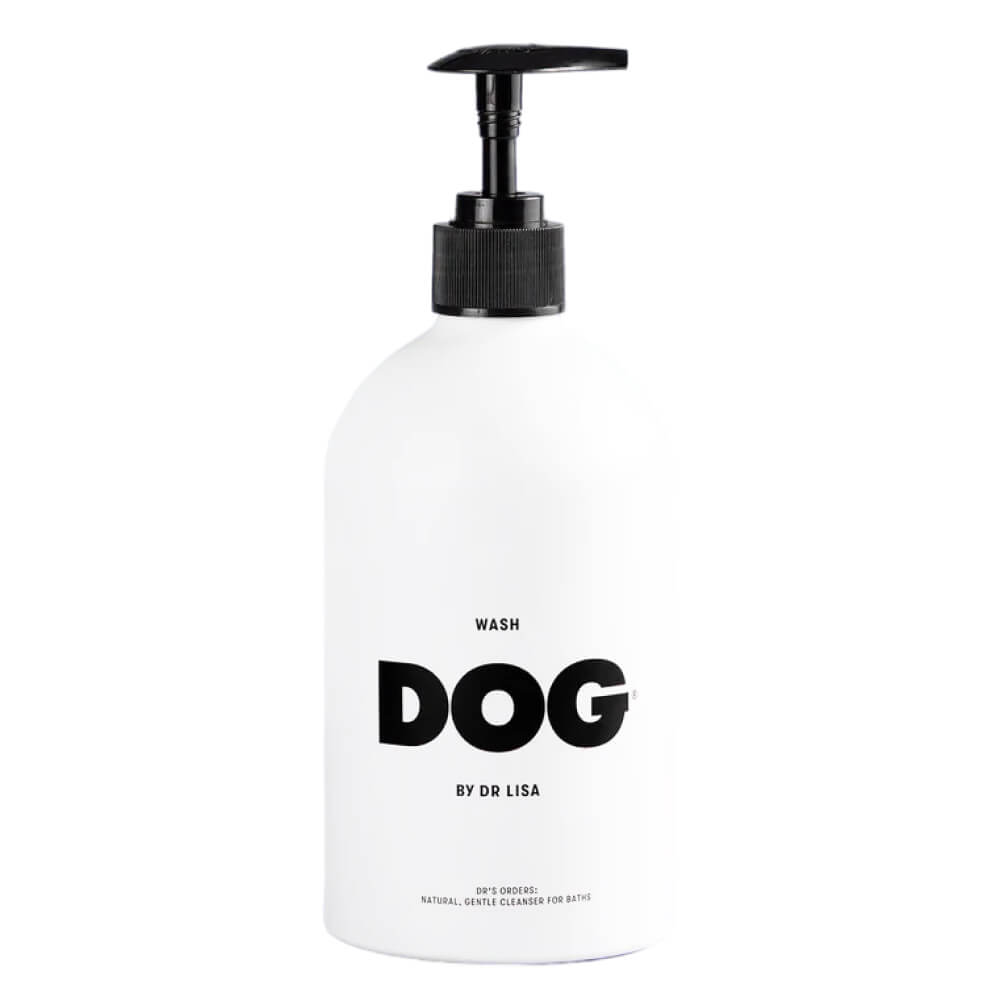
The long, silky coat looks high-maintenance but isn't. Papillons have a single coat with no undercoat, which means less matting and less shedding than double-coated breeds. Brushing two to three times a week keeps things tidy, with extra attention behind the ears and on the chest fringes where tangles form. They don't need professional grooming as frequently as other long-coated toy breeds — every six to eight weeks is usually enough. Regular ear checks, fortnightly nail trims and daily dental care round out the routine.


Nutrition
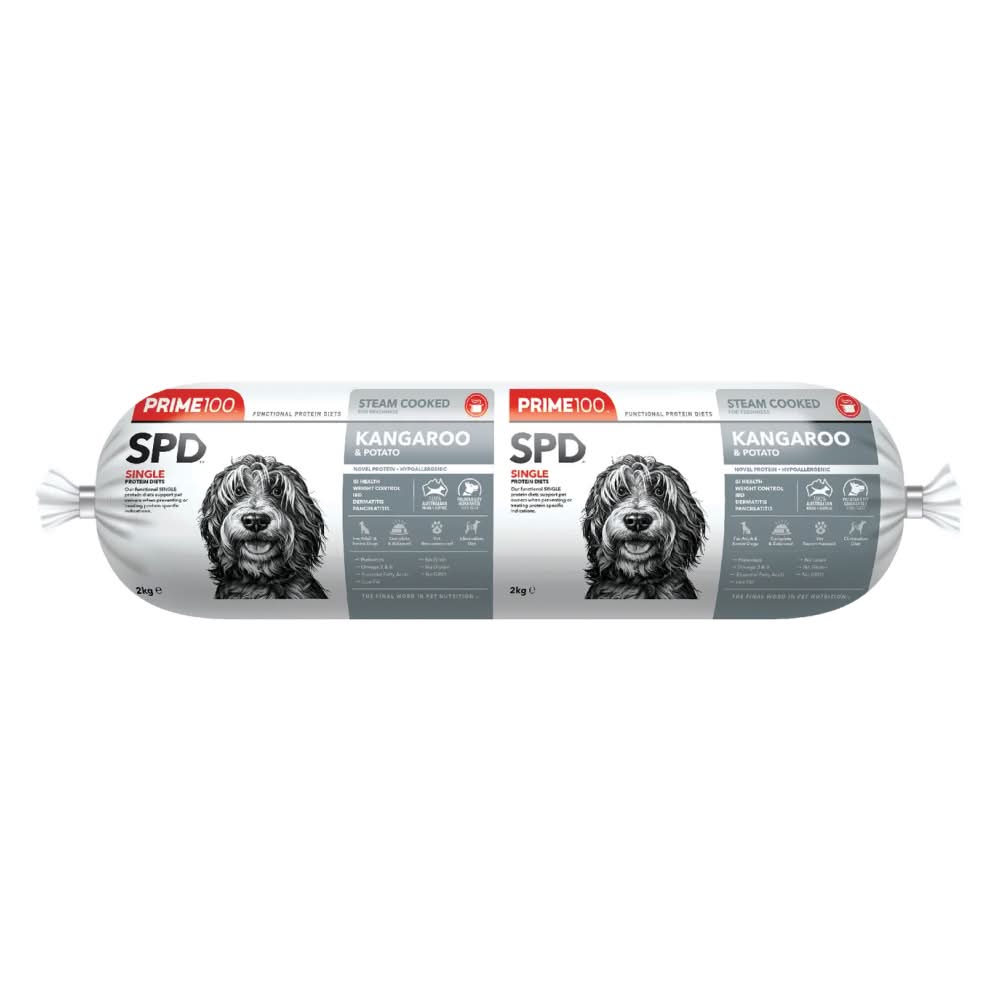
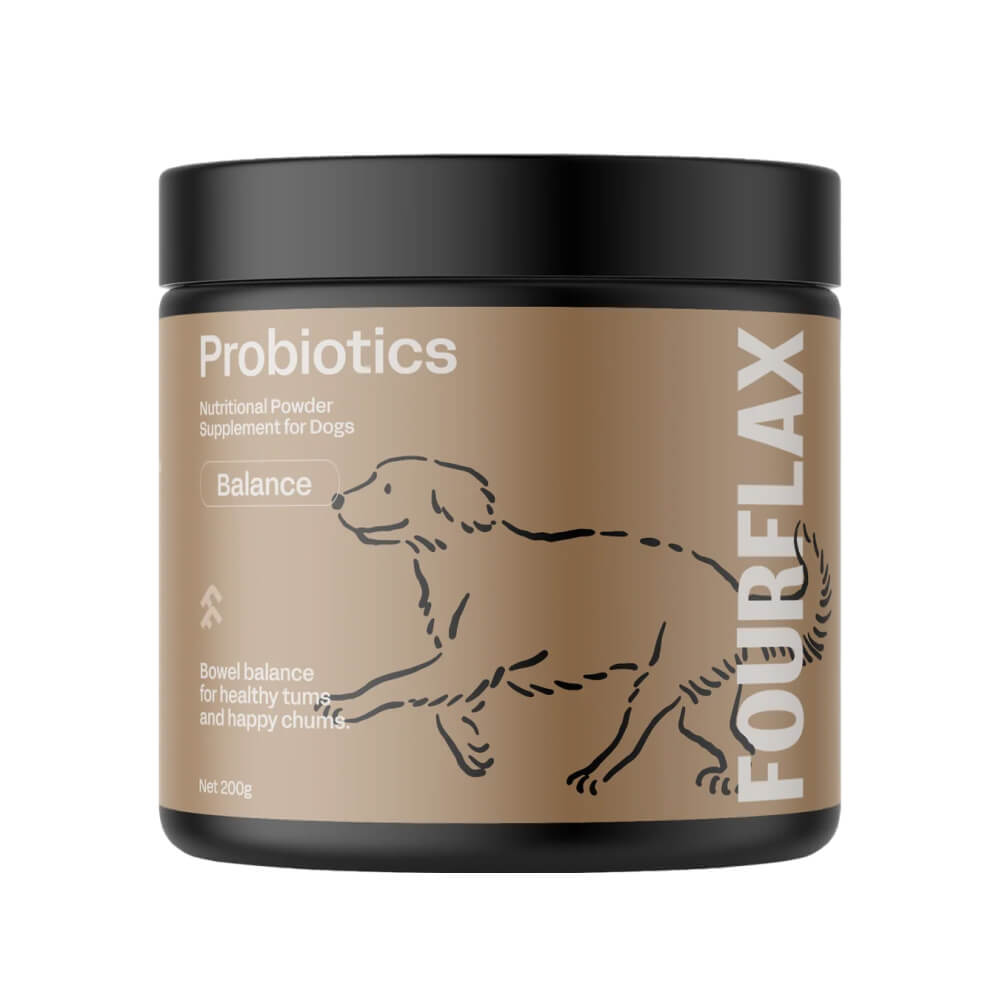
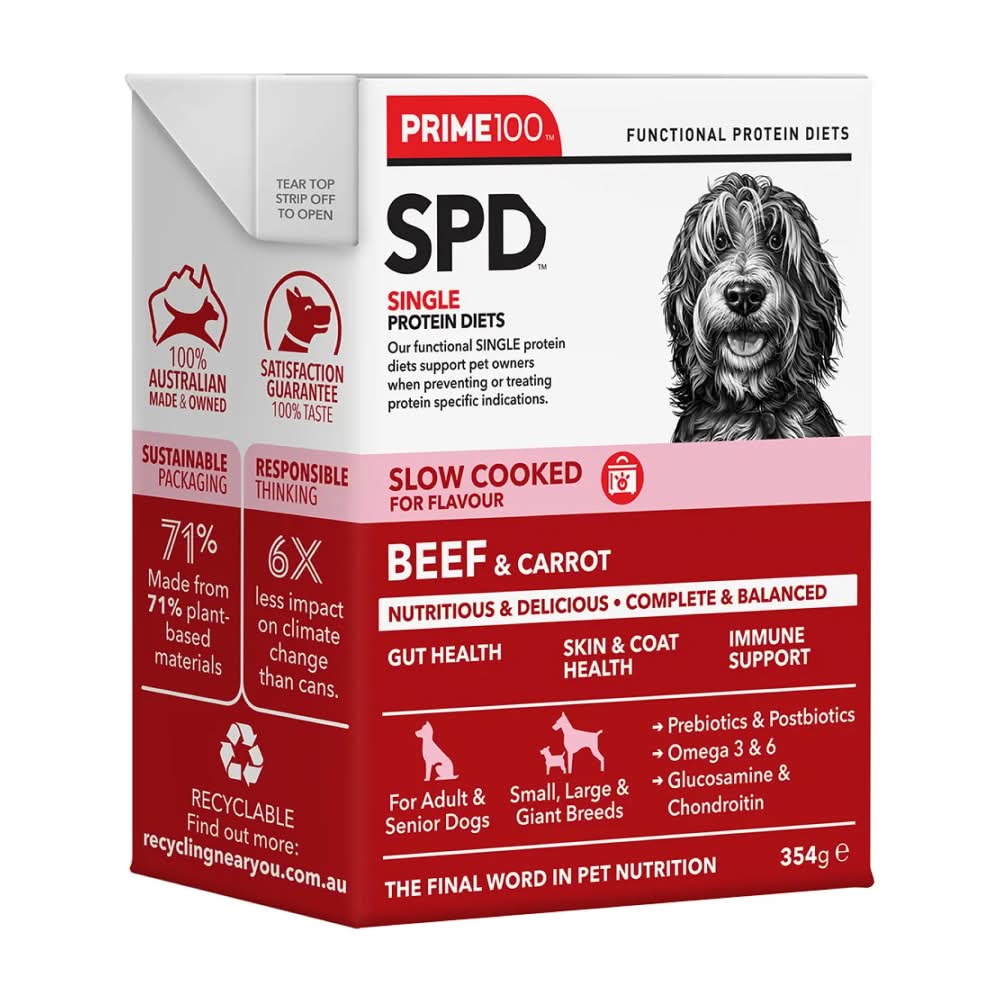
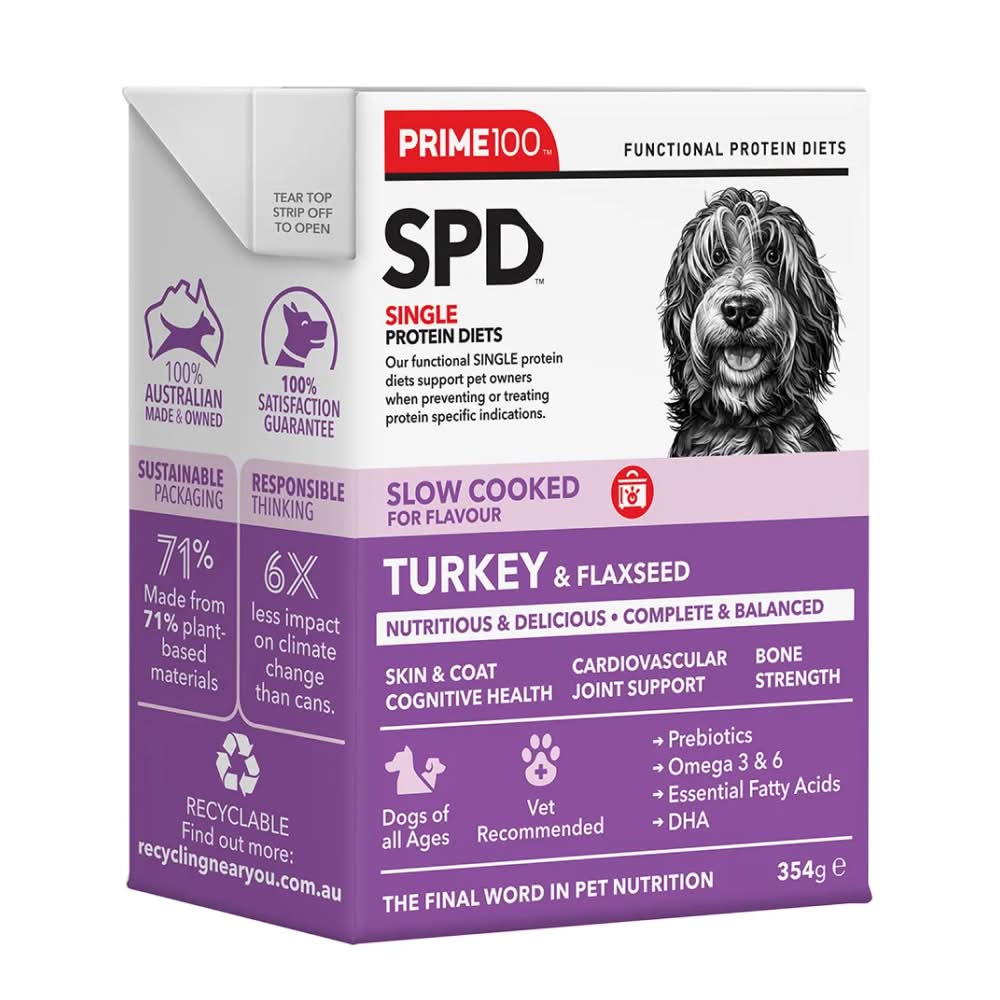
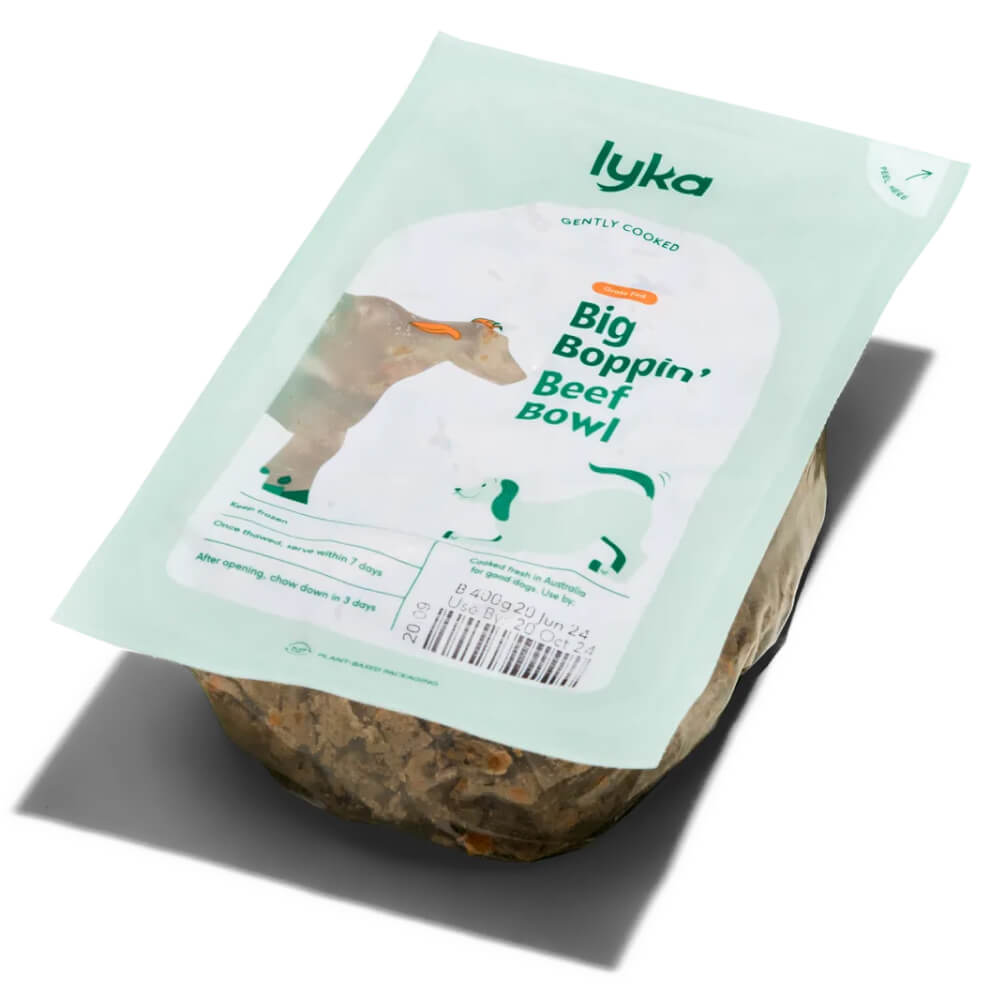
Papillons are active for their size and have a fast metabolism. A high-quality small-breed formula with appropriately sized kibble suits them well. They're less prone to obesity than many toy breeds, but portions should still be measured — at 4kg, even small caloric excesses add up. Avoid free-feeding and keep treats under ten per cent of daily intake. Some Papillons do well on a mix of dry and wet food to maintain hydration. See our recommended foods for Papillon below.


Training
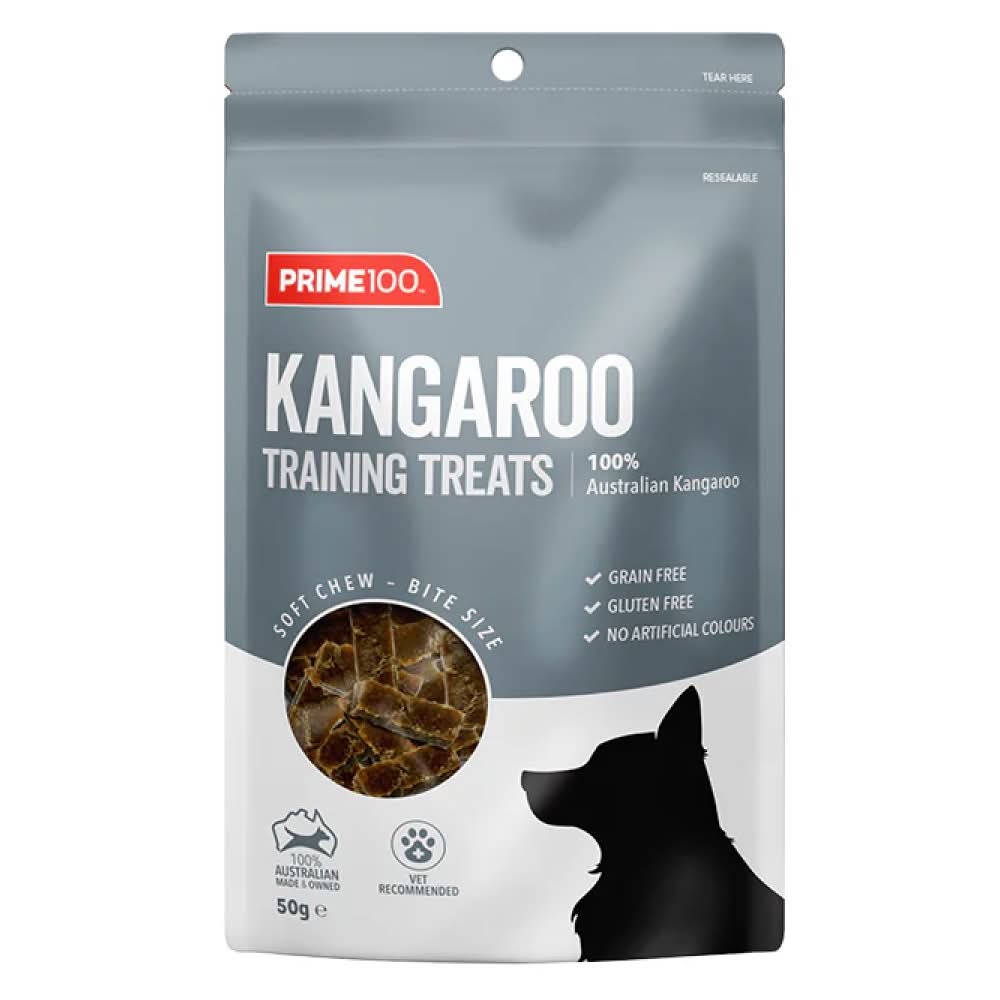
This is where the Papillon shines. They're one of the most trainable toy breeds — responsive, quick to learn and eager for the next challenge. Positive reinforcement with short, varied sessions works brilliantly. They excel at agility, obedience and trick training, and they genuinely enjoy the process. House training is usually smoother than with other toy breeds, though consistency still matters. The only real challenge is keeping them engaged — a Papillon that's mastered the basics needs new material. Early socialisation ensures their alertness stays confident rather than tipping into nervousness.

Suitability
A Papillon suits a wide range of owners — apartment dwellers, families with older children, active retirees and anyone who wants a toy breed with genuine trainability. They're one of the few small breeds that adapt well to both quiet homes and active lifestyles. If you're interested in dog sports or structured training, the Papillon will meet you there with enthusiasm.
They're not the best choice if you want a purely passive lapdog or if your household is chaotic with very young children. Their fine bones make them vulnerable to accidental injury. They also need mental engagement — a Papillon left to entertain itself will find ways you won't appreciate. If you're out of the house for long periods without another pet for company, they can become anxious and vocal.
Frequently Asked Questions
How much does a Papillon cost in Australia?
Are Papillons good at agility and dog sports?
Are Papillons good for first-time dog owners?
Do Papillons shed a lot?
How long do Papillons live?

Comments
0 comments
Login to Join the Conversation 💬