


































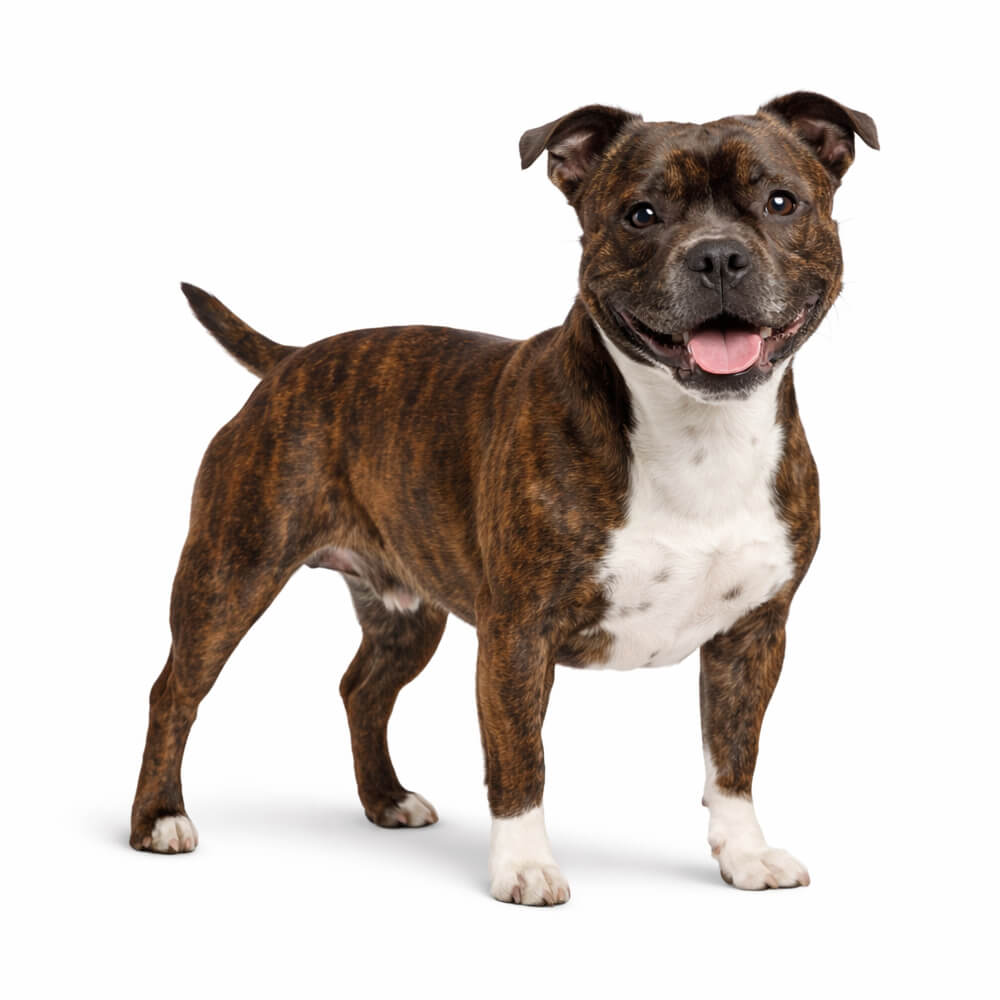

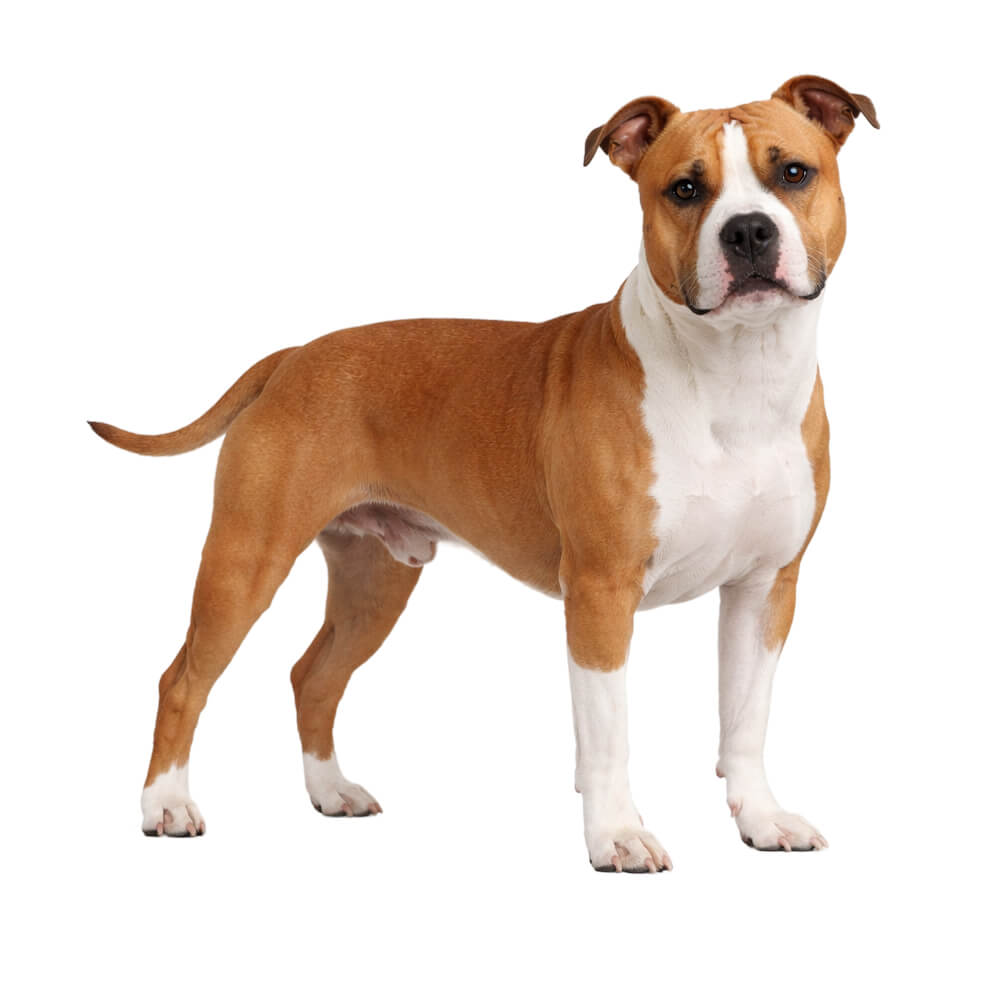
The Staffordshire Bull Terrier — known across Australia simply as the Staffy — is a compact, muscular terrier with British origins, bred from bull-and-terrier fighting stock in the English Midlands and transformed over two centuries into one of the most devoted family dogs in the country. Medium in size but substantial in build, the Staffy is defined by physical strength, deep loyalty to family, and a reliably affectionate temperament with people it trusts.
What sets the Staffy apart from other terriers is the intensity of its bond with people. This is a breed that genuinely craves human company — not as a preference, but as a need — and owners often describe the relationship as equal parts companionship and comedy. Staffies are clownish, expressive, and almost constitutionally incapable of indifference to the people around them. They do carry a terrier engine under the bonnet: they're energetic, they can be stubborn, and their opinions about other dogs are sometimes strongly held. But with consistent handling and early socialisation, the Staffy is one of the most rewarding medium-small dogs available in Australia — and one of the most misunderstood.
History and Origin
The Staffordshire Bull Terrier's origins lie in the brutal sporting culture of early 19th century England, where bulldogs and small terriers were crossed to produce dogs suited to bull-baiting and, after that was banned in 1835, the dog-fighting pits that continued illegally throughout the Victorian era. The English Midlands — particularly the Black Country region of Staffordshire — became the centre of this breeding activity, and the type that emerged was selected for two qualities that seem contradictory in hindsight: ferocity toward other dogs in the pit, and absolute trustworthiness with the human handlers who separated them.
That split temperament — dog-combative but people-safe — was not an accident. Dogs that turned on their handlers were culled. Over generations, the result was a breed with a firmly embedded distinction between its behaviour toward other animals and its behaviour toward people, including the children of the working-class families that owned them. It was in those households that the Staffy first earned the nickname the "nanny dog" — a term that is occasionally contested but reflects a genuine historical reputation for gentleness with children.
Formal recognition came when the Staffordshire Bull Terrier Club was established in England in 1935, and a breed standard was written to distinguish the type from other bull-and-terrier derivatives, including the Bull Terrier and the American Pit Bull Terrier. Dogs Australia recognises the breed under Group 2 (Terriers), and in Australia the Staffy has become one of the most popular breeds in the country — frequently appearing among the top registrations in New South Wales and Queensland. That popularity has a shadow side: Staffies are also among the most commonly surrendered dogs to shelters, typically by owners who underestimated their exercise and stimulation needs or misread their wilfulness as aggression.
Temperament and Personality
The defining characteristic of the Staffordshire Bull Terrier is not toughness — it's emotional investment. Staffies attach to their families with a wholehearted commitment that is almost disarming coming from a dog with their physical presence. They want to be on the couch, in the bedroom, and wherever their person is sitting. The term velcro dog gets applied to a lot of breeds; with Staffies, it's genuinely earned.
With children, Staffies are outstanding. Their patience for rough handling is high, their tolerance for noise and unpredictable movement is consistent across the breed, and their play style — boisterous and physical, but oriented toward people — tends to scale well with kids who can match their energy. The "nanny dog" reputation has historical roots in working-class British homes where Staffies were trusted companions for children, and modern temperament testing continues to support the picture. Supervision is always sensible, particularly with toddlers, less because of temperament risk and more because of sheer physical exuberance — a full-speed Staffy is compact but solid, and young children can get knocked over without any ill intent on the dog's part.
With strangers, Staffies tend toward friendliness rather than suspicion. They are not a guarding breed despite appearances, and most will greet an unfamiliar person with enthusiasm rather than reserve. That said, some individuals are more selective, particularly as they mature. With other dogs, the picture requires honesty: the breed carries an ancestral tendency toward dog-to-dog assertiveness that early socialisation can moderate but not entirely eliminate. Most well-socialised Staffies get along fine with known dogs in stable households. Tensions arise most often with unfamiliar dogs of the same sex, and in off-lead environments where greetings can't be controlled.
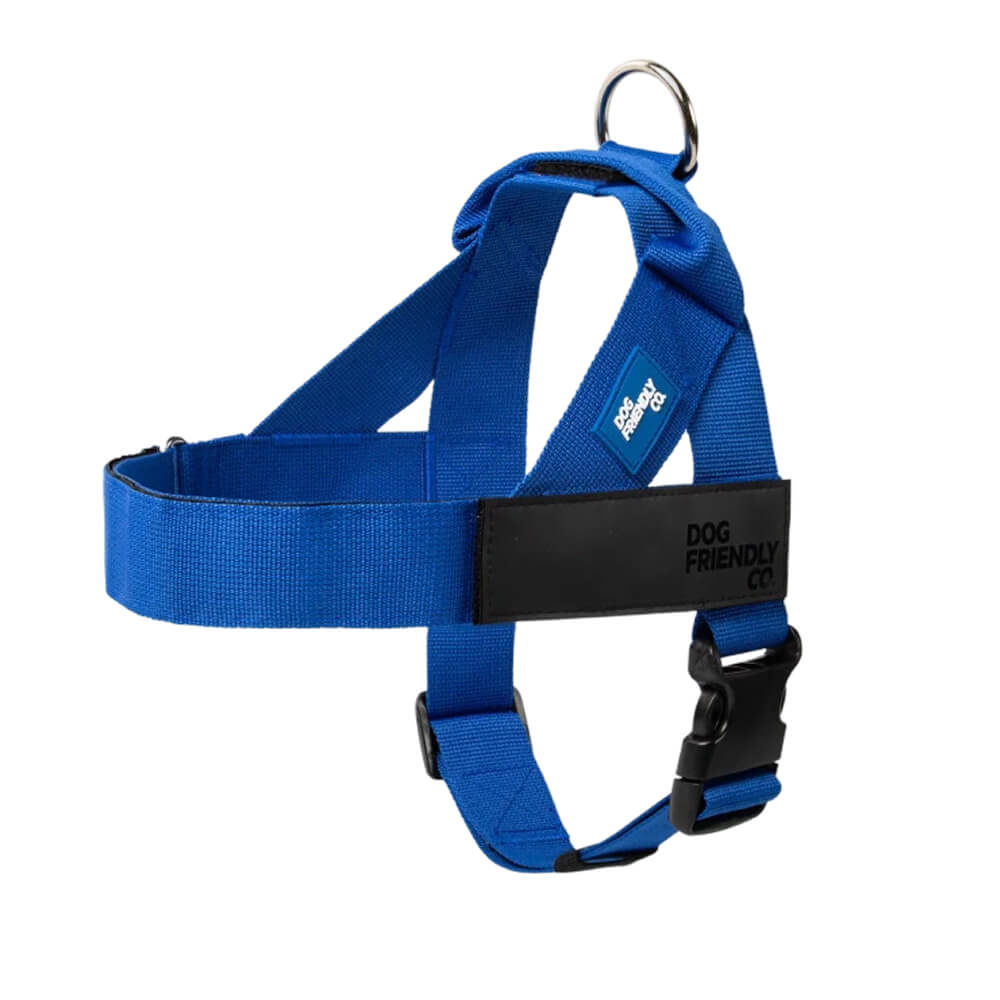
The Staffy's stubbornness is real and worth knowing going in. This is a dog that processes information and decides whether compliance is in its interest — not because it lacks intelligence, but because it has a great deal of it. Training works best when it feels like collaboration rather than instruction. Staffies are also physically powerful for their size, and lead manners need active attention during puppyhood before that power becomes a management problem.
Common Health Conditions
Staffies are generally a sound, robust breed, but two inherited neurological and eye conditions are serious enough that DNA testing of all breeding stock should be considered non-negotiable when choosing a puppy.
L-2-Hydroxyglutaric Aciduria (L2HGA) is an inherited metabolic disorder that causes progressive neurological deterioration. Affected dogs accumulate an organic acid in the brain, leading to symptoms including seizures, ataxia (wobbliness), behavioural change, and dementia-like signs, typically appearing between six months and three years of age. There is no cure. Management is supportive, and affected dogs have significantly shortened lives. A DNA test is available through Orivet and other Australian laboratories — puppies from two clear parents cannot inherit the condition. Ask any breeder to produce test results before committing.
Hereditary Cataracts (HC-SBT) is a breed-specific cataract gene distinct from cataracts seen in other breeds. Affected dogs develop dense posterior cataracts that can progress to complete blindness, often from a young age. A DNA test is available, and responsible breeders test all breeding animals. Annual eye examinations by a veterinary ophthalmologist are recommended for breeding stock and are worth incorporating into routine care for pet dogs.
Atopic Dermatitis is common in Staffies, who carry a higher-than-average predisposition to environmental allergies. Signs include persistent itching, paw licking, face rubbing, and recurrent skin or ear infections. Management depends on the trigger — grass pollens, dust mites, and certain food proteins are frequent offenders — and may involve antihistamines, medicated shampoos, prescription immunotherapy, or dietary elimination trials. Australian conditions, particularly in warmer states, tend to exacerbate seasonal flare-ups.
Patellar Luxation occurs when the kneecap slips from its groove and causes a skipping gait. It's common across compact, muscular small-to-medium breeds. Mild cases are managed conservatively; surgical correction is sometimes needed for higher-grade luxation.
Hip Dysplasia, though less prevalent than in larger breeds, does occur in Staffies. Reputable breeders hip-score their breeding dogs through Dogs Australia's scheme. Ask for scores when purchasing a puppy.
Pet insurance is well worth considering — L2HGA management and cataract surgery both carry meaningful costs. Annual vet check-ups should include an eye assessment from early adulthood.


Exercise
Staffies need around an hour of solid exercise each day — structured walks plus off-lead play in a securely fenced area. They are built for bursts of high-intensity activity rather than sustained endurance, and sessions that combine physical exertion with mental engagement (games, training, fetch) are more satisfying than distance walking alone.
In Australia's warmer months and climates, exercise should be scheduled around the cooler parts of the day — Staffies have a short muzzle that limits heat dissipation, and they can overheat faster than their willingness to keep going suggests. An under-exercised Staffy becomes restless and destructive; a consistently well-exercised one is calm, settled, and genuinely easy to live with.
Grooming
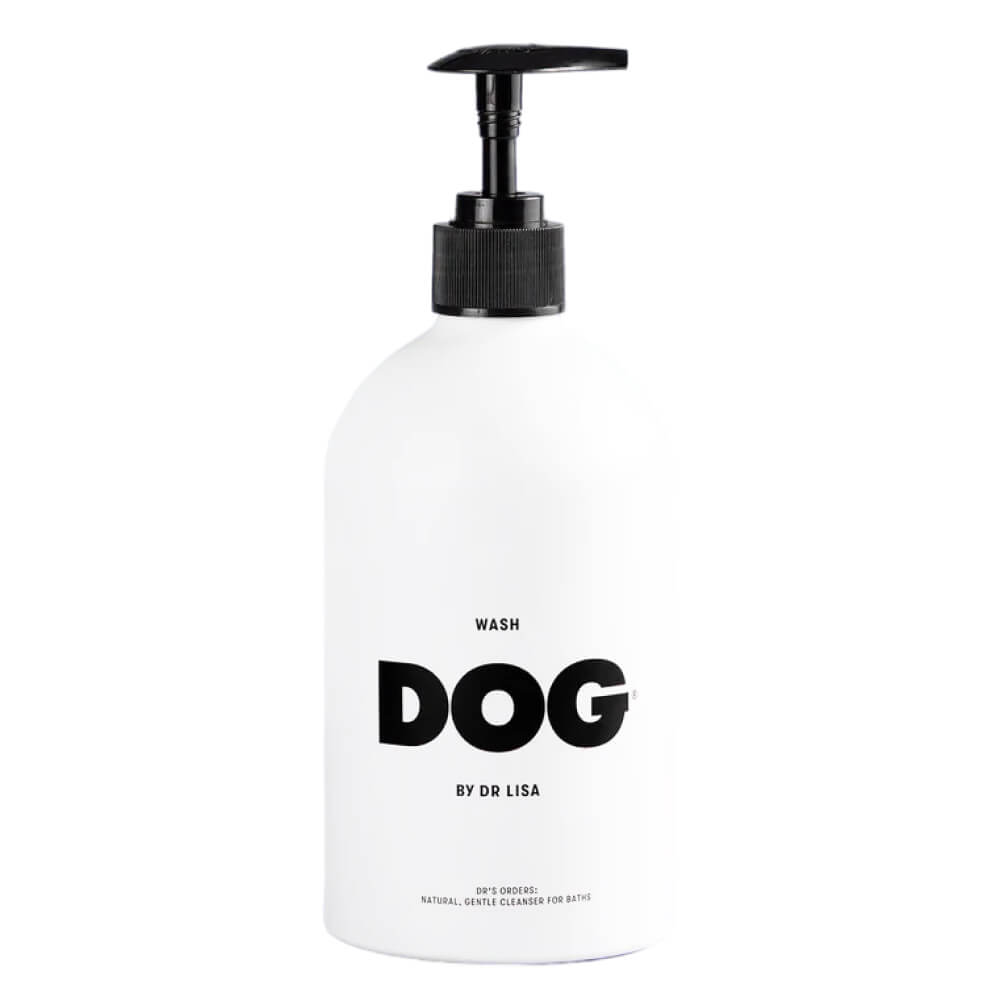
The Staffy's short, smooth single coat is one of the lower-maintenance in the terrier group. A weekly brush with a rubber grooming mitt removes loose hair and distributes coat oils, and a wipe-down with a damp cloth keeps the coat looking sharp between baths. Shedding is low to moderate year-round with a slight uptick in seasonal transitions — manageable without specialist grooming.
The areas needing more consistent attention are nails, ears, and teeth. Staffies are prone to dental disease and daily or near-daily brushing is genuinely worthwhile, particularly given the breed's predisposition to conditions requiring anaesthetic surgery where dental health becomes directly relevant.


Nutrition
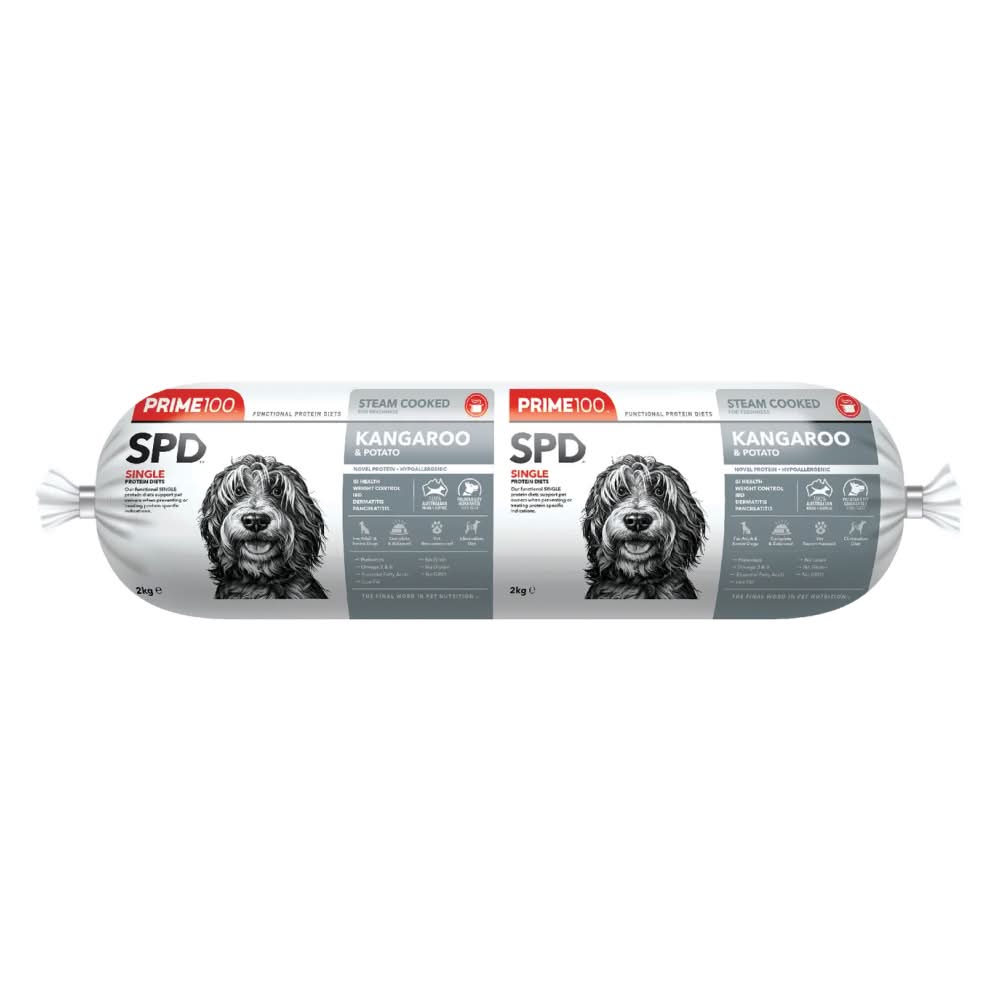
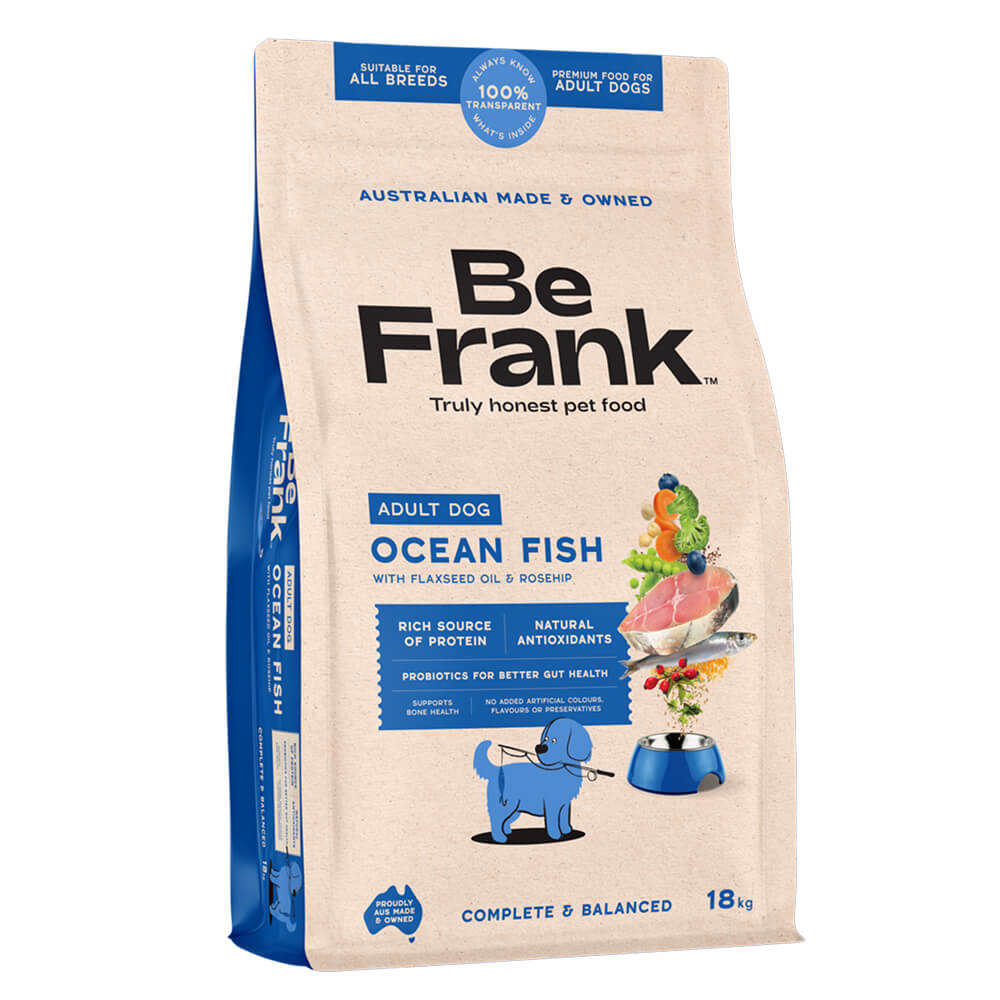
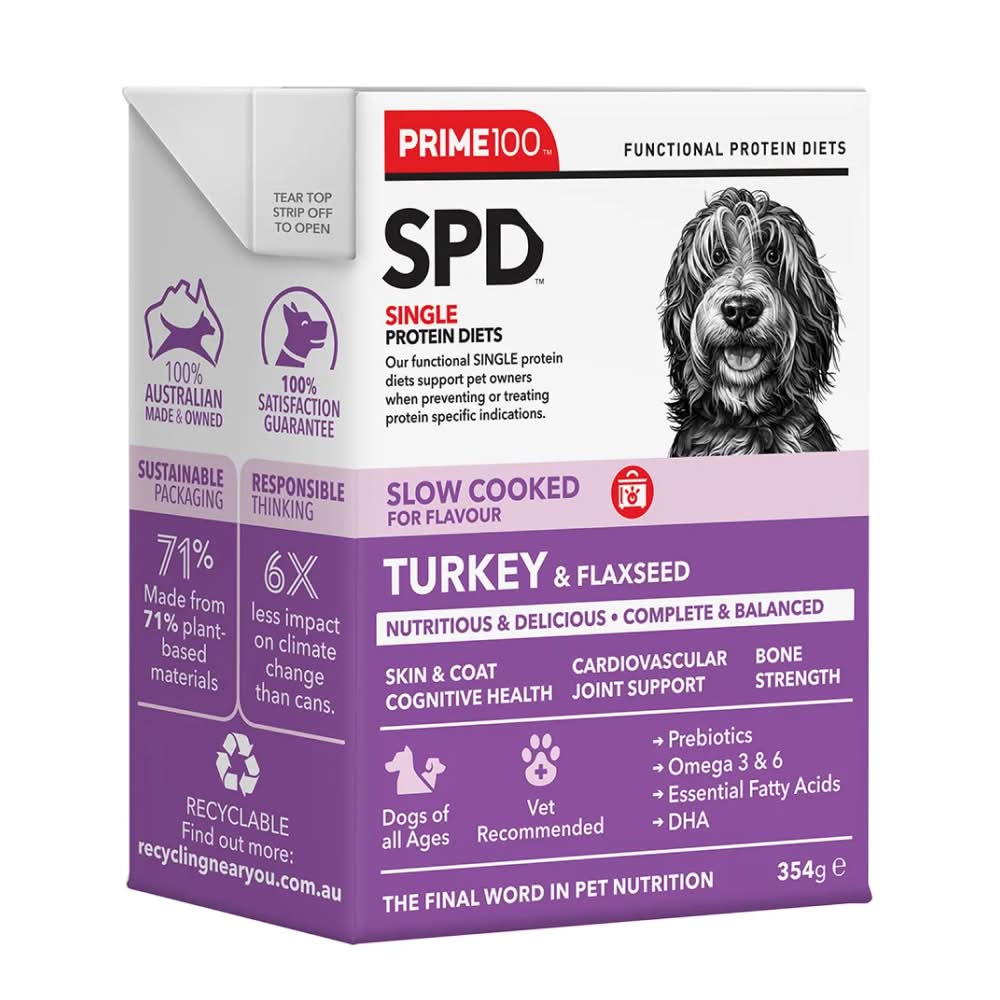
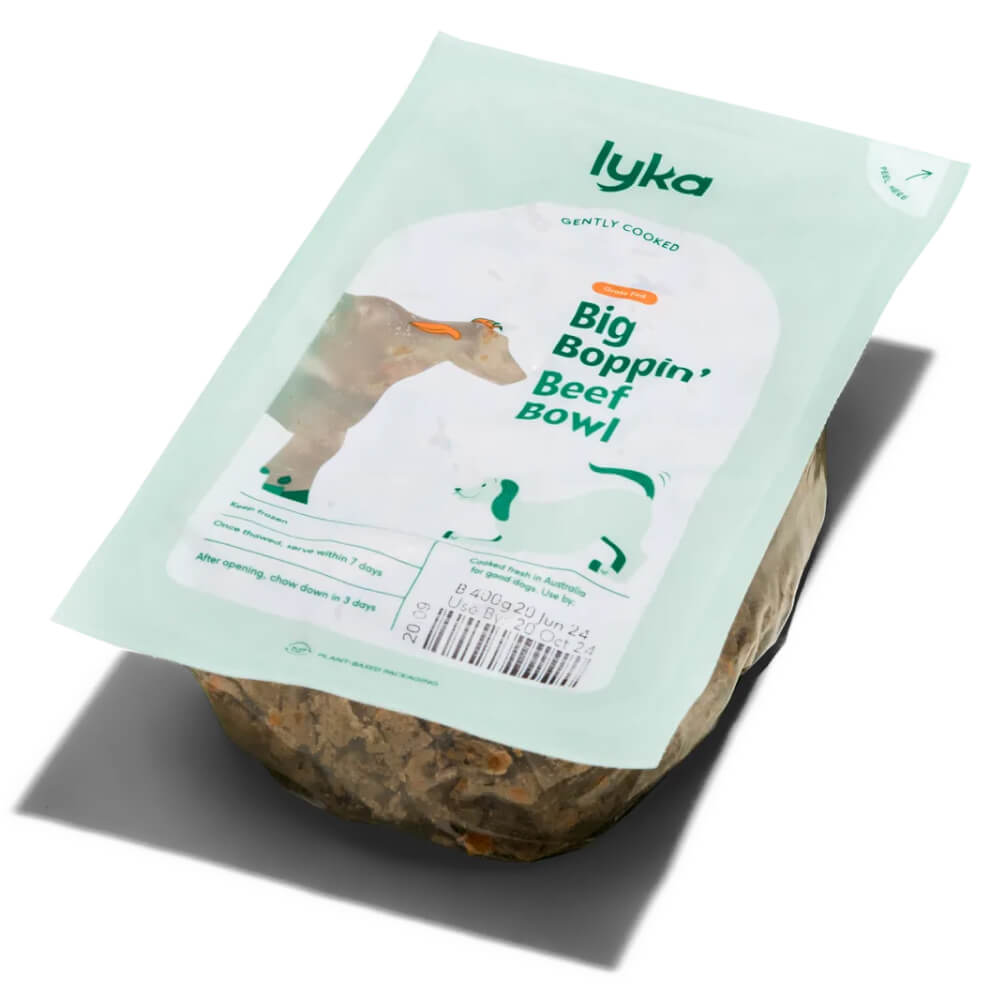
Staffies have muscular builds that require good-quality protein to maintain condition, but they are also prone to weight gain when portions drift. A high-quality dry food formulated for medium, active breeds works well as the foundation — look for formulas with real meat as the primary protein and omega-3 fatty acids to support skin and coat health, which is particularly relevant given the breed's atopic tendencies.
Staffies with confirmed allergies may benefit from a hydrolysed protein or novel protein diet under veterinary guidance. Avoid free-feeding; the breed has a reliable tendency to eat past its needs. See our recommended foods for Staffordshire Bull Terriers below.

Training
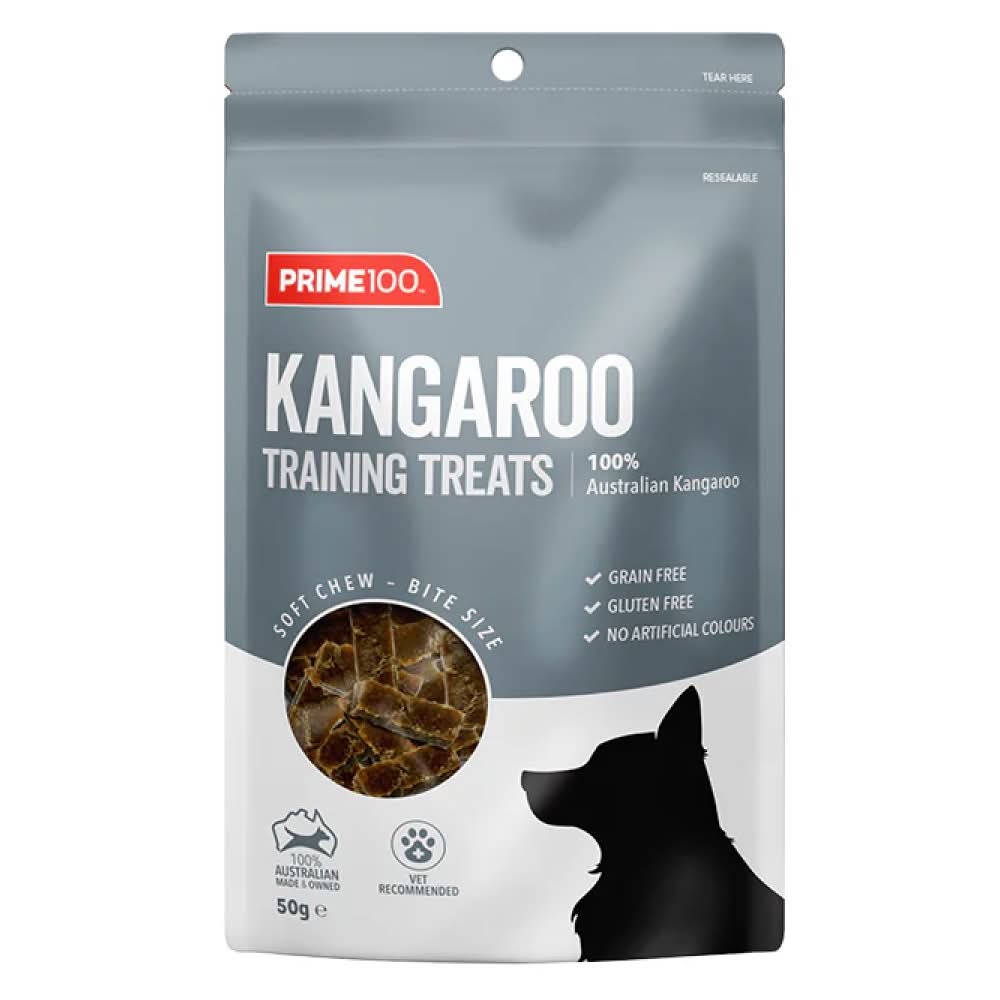
Staffies are trainable, but the approach matters. They respond well to reward-based methods — food motivation is typically high, and they enjoy the interaction training creates. The challenge is consistency: Staffies identify exceptions quickly and apply them broadly, so mixed messages produce patchy results. Lead manners and recall are the two areas requiring earliest and most sustained attention, given the breed's physical strength and prey drive around small animals.
Early socialisation — puppy school, varied environments, controlled exposure to other dogs — does more to shape long-term behaviour than any amount of adult training can repair later. Staffies that are well-socialised before 16 weeks are dramatically more manageable adults than those that miss that window.

Suitability
Staffies suit households that want a deeply connected, physically active dog and can provide consistent companionship in return. They do well in houses with secure yards, but they're adaptable enough for apartments if the exercise commitment is genuinely met — not a convenient fiction applied to the day when work runs long. They're outstanding with children and tend to be warm and social rather than suspicious with strangers, which makes them excellent family dogs for households prepared to put in the socialisation work in the early months.
They are not suited to households where they'd spend long hours alone. Staffies are prone to separation anxiety in a way that can manifest destructively, and their emotional investment in people is the same trait that makes absence difficult. The breed's reputation also attracts some regulation — certain rental properties and local councils carry breed-related restrictions that are worth investigating before you commit. First-time dog owners can absolutely own Staffies successfully, but they should go in with a clear understanding that the stubbornness is real, the exercise needs are genuine, and the cost of a poorly socialised Staffy — in management time, training fees, and potential vet bills — is significantly higher than the cost of doing it right from the start.
Frequently Asked Questions
How much does a Staffordshire Bull Terrier puppy cost in Australia?
Are Staffordshire Bull Terriers dangerous dogs?
Are Staffies good for first-time dog owners?
Do Staffies get along with other dogs?
How long do Staffordshire Bull Terriers live?


Comments
0 comments
Login to Join the Conversation 💬