




















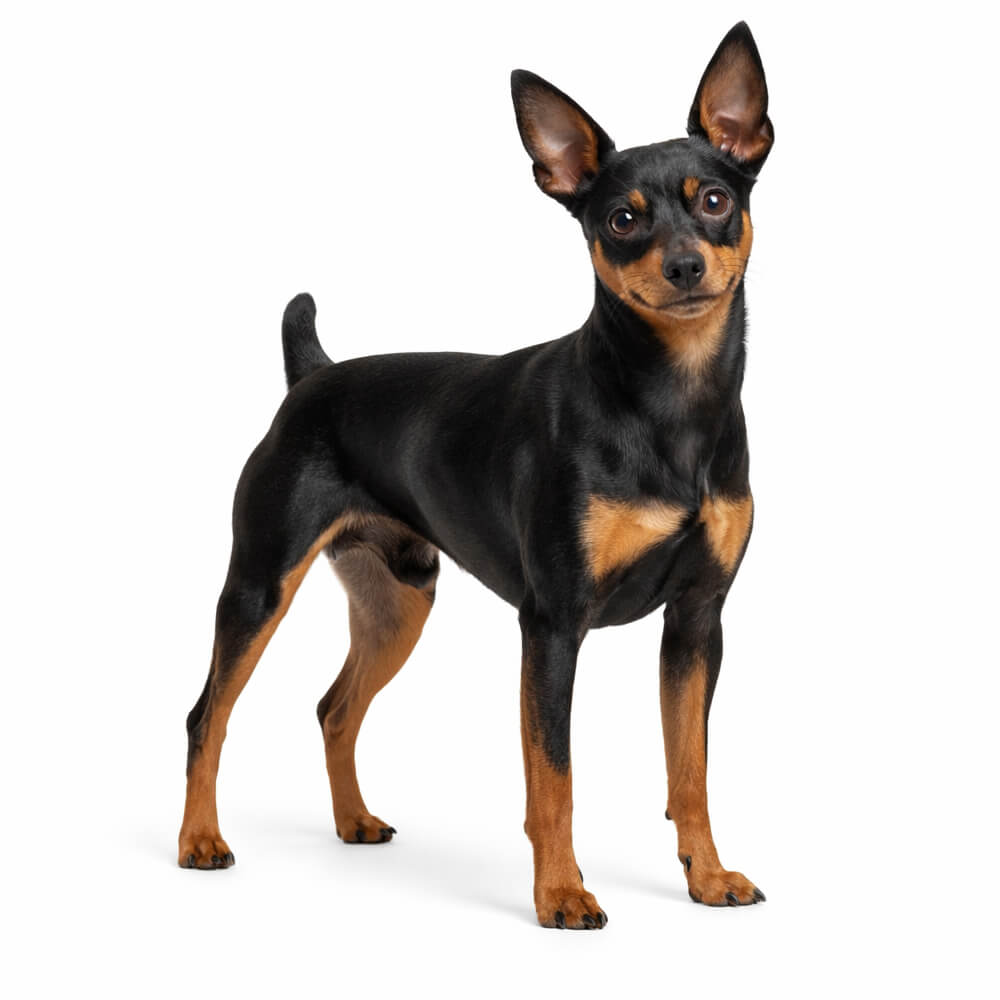

The Miniature Pinscher is a small, muscular toy breed from Germany with a fearless personality that far outweighs its compact frame. Known as the "King of Toys," it's a high-energy, independent dog built for owners who want a big personality in a small package.
Despite the name, they're not a miniature Dobermann — the Min Pin is actually the older breed. They were originally ratters in German farmyards, and that prey drive and self-assured swagger are still very much intact. A Miniature Pinscher will run your household if you let it, and it'll look good doing it. That trademark hackney gait — a high-stepping prance like a tiny horse — is unmistakable once you've seen it.
History and Origin
The Miniature Pinscher originated in Germany at least two centuries ago, bred as a barnyard ratter tasked with keeping stables and homes free of vermin. Historical records and artwork suggest the breed existed well before the Dobermann, despite the persistent misconception that Min Pins are a scaled-down version.
The breed was developed by crossing the German Pinscher with Dachshunds and Italian Greyhounds. That mix explains a lot about the modern Min Pin — the tenacity of a terrier-type ratter, the elongated elegance of a sighthound and the stubbornness that comes standard with Dachshund blood.
Min Pins gained popularity across Europe in the early 1900s and arrived in Australia where they've maintained a dedicated following. They're not as common as other toy breeds, which tends to attract owners who appreciate something a bit different. That original ratting instinct is still strong — a Min Pin in the backyard will hunt lizards, insects and anything else that moves with single-minded focus.
Temperament and Personality
Miniature Pinschers are fearless, curious and constantly on the move. They approach life at full speed and expect everyone around them to keep up. This is not a lapdog that wants to sleep the day away — it's a working breed in a toy body.
They're fiercely loyal to their family but can be standoffish with strangers. That wariness, combined with a sharp bark, makes them excellent watchdogs. They'll alert you to everything — welcome or not. Visitors will be announced loudly and assessed before the Min Pin decides whether to tolerate them.
With other dogs, Min Pins don't back down regardless of size difference. They're assertive and can be dog-selective, particularly with same-sex pairings. Early and ongoing socialisation is essential, not optional. Off-lead parks need careful management because a Min Pin with a prey drive fixation is not recalling on command.
Around children, they're best suited to families with older kids who understand boundaries. Min Pins don't tolerate rough handling, and their small size makes them fragile around toddlers. They'll nip if pushed too far — not out of aggression, but because they have a low threshold for nonsense. The breed's defining quirk is the escape artistry. They'll find gaps in fences, open latches and exploit any weakness in your containment. A secure yard is non-negotiable.
Common Health Conditions
Miniature Pinschers are a robust breed for their size, with a long lifespan often reaching 15 or 16 years. But like all breeds, they have genetic predispositions worth understanding.
Luxating Patella
The kneecap slides out of position — extremely common in toy breeds. Watch for intermittent lameness or a skipping gait on the back legs. Mild cases respond to weight management and controlled exercise. Severe grades require surgical repair.
Legg-Calvé-Perthes Disease
The head of the femur deteriorates due to reduced blood supply, typically showing up before 12 months of age. Signs include progressive hind-leg lameness and muscle wasting. Surgery to remove the damaged bone is the standard treatment, and most dogs recover well with physiotherapy.
Progressive Retinal Atrophy (PRA)
A group of inherited eye diseases leading to gradual blindness. Night vision deteriorates first, followed by daytime vision. There's no cure, but DNA testing allows responsible breeders to screen breeding stock. Always ask for PRA clearance when buying a puppy.
Hypothyroidism
The thyroid gland underproduces hormones, leading to weight gain, lethargy, coat thinning and skin issues. It's diagnosed with a simple blood test and managed effectively with daily medication. Once treated, most dogs return to normal energy levels quickly.
Mucopolysaccharidosis (MPS VI)
A rare but breed-relevant storage disease where the body can't break down certain sugars. It causes skeletal deformities and growth issues. DNA testing is available, and reputable breeders screen for it.
Pet insurance is a smart investment for this breed, particularly for orthopaedic conditions. Regular vet check-ups every six to twelve months keep you ahead of any developing issues.


Exercise
Forty-five minutes of daily exercise is the minimum for a Miniature Pinscher — and it needs to be genuinely engaging, not just a stroll. They thrive on varied walks, free running in secure areas and games that tap into their prey drive. A bored Min Pin is a destructive Min Pin. In hot Australian weather, keep sessions to cooler parts of the day. Their short coat offers no insulation, so they also feel the cold — a dog coat in winter isn't vanity, it's practical.
Grooming
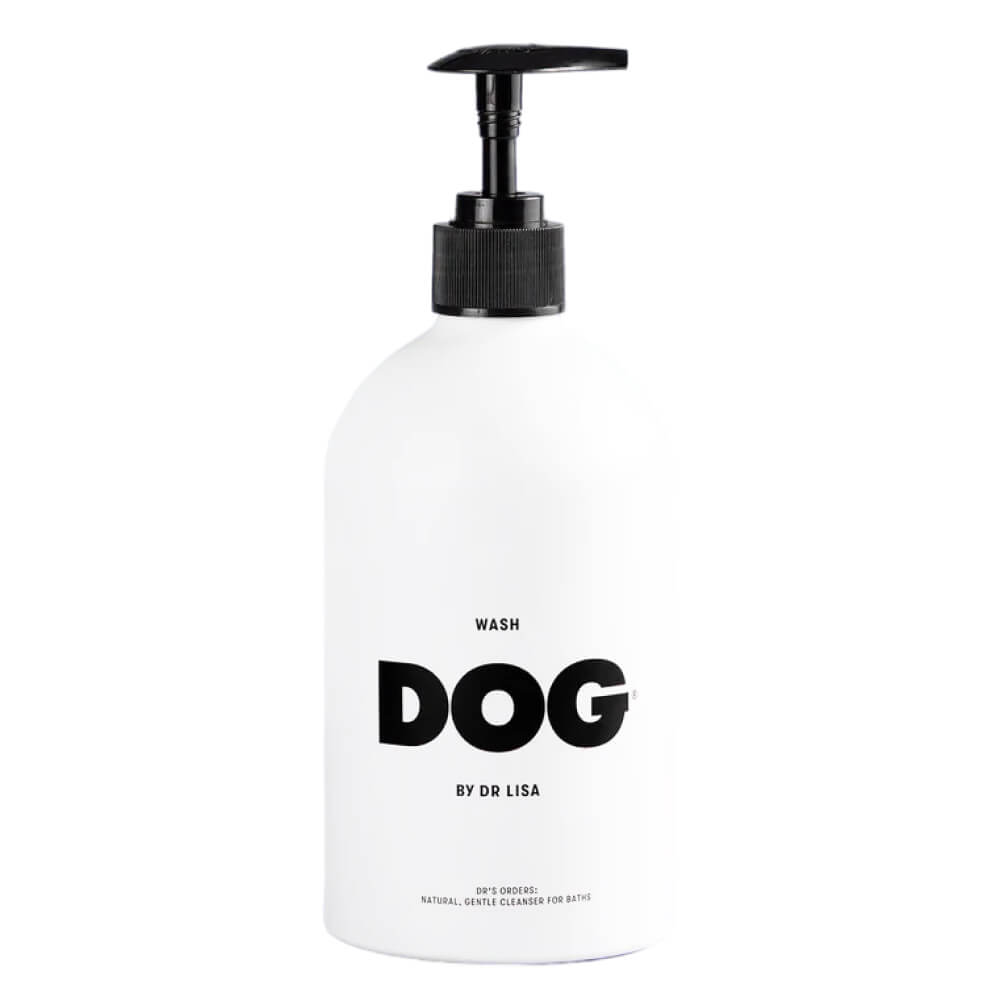
The short, smooth coat is about as low-maintenance as it gets. A weekly brush with a soft bristle brush removes loose hair and keeps the coat glossy. They shed lightly year-round with a slight increase seasonally. Bathing is only needed every few weeks or when they've rolled in something offensive. Nails grow quickly on this breed — trim fortnightly. Check ears weekly for wax or debris, and keep up with daily dental care given their small mouths.


Nutrition
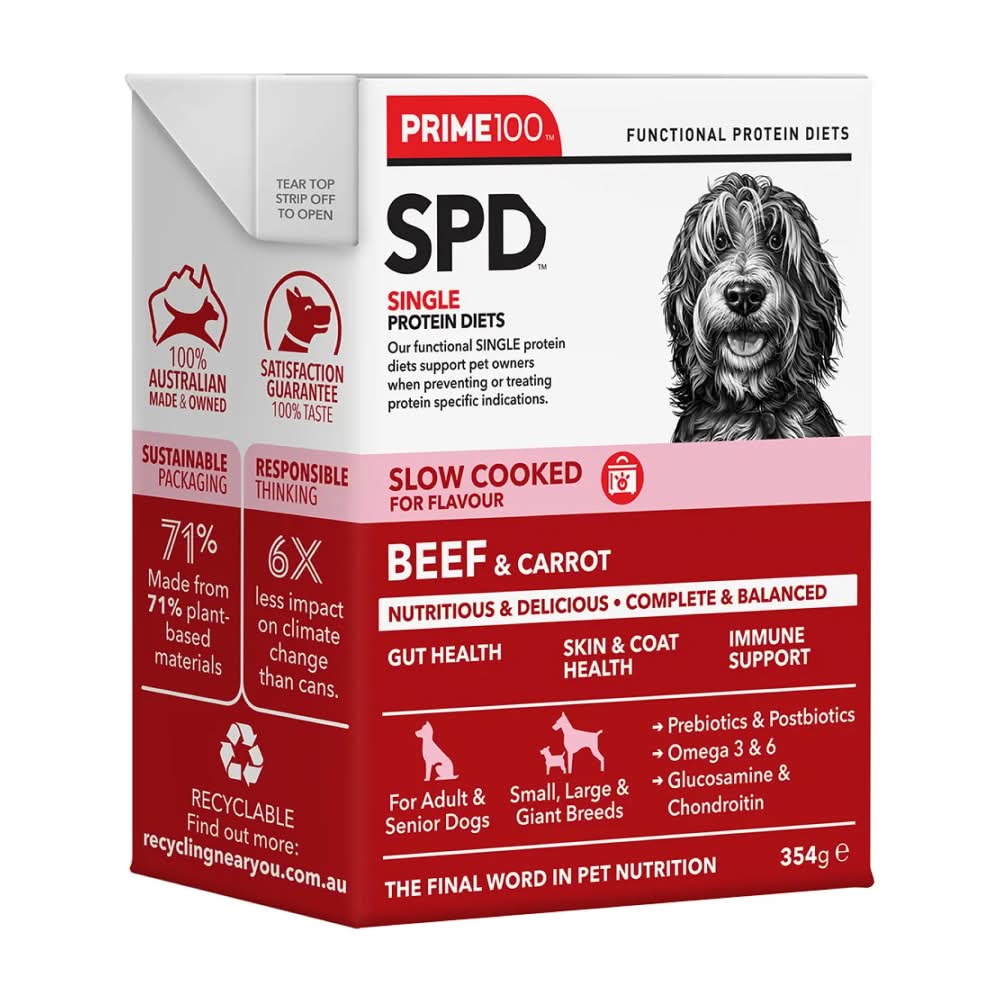
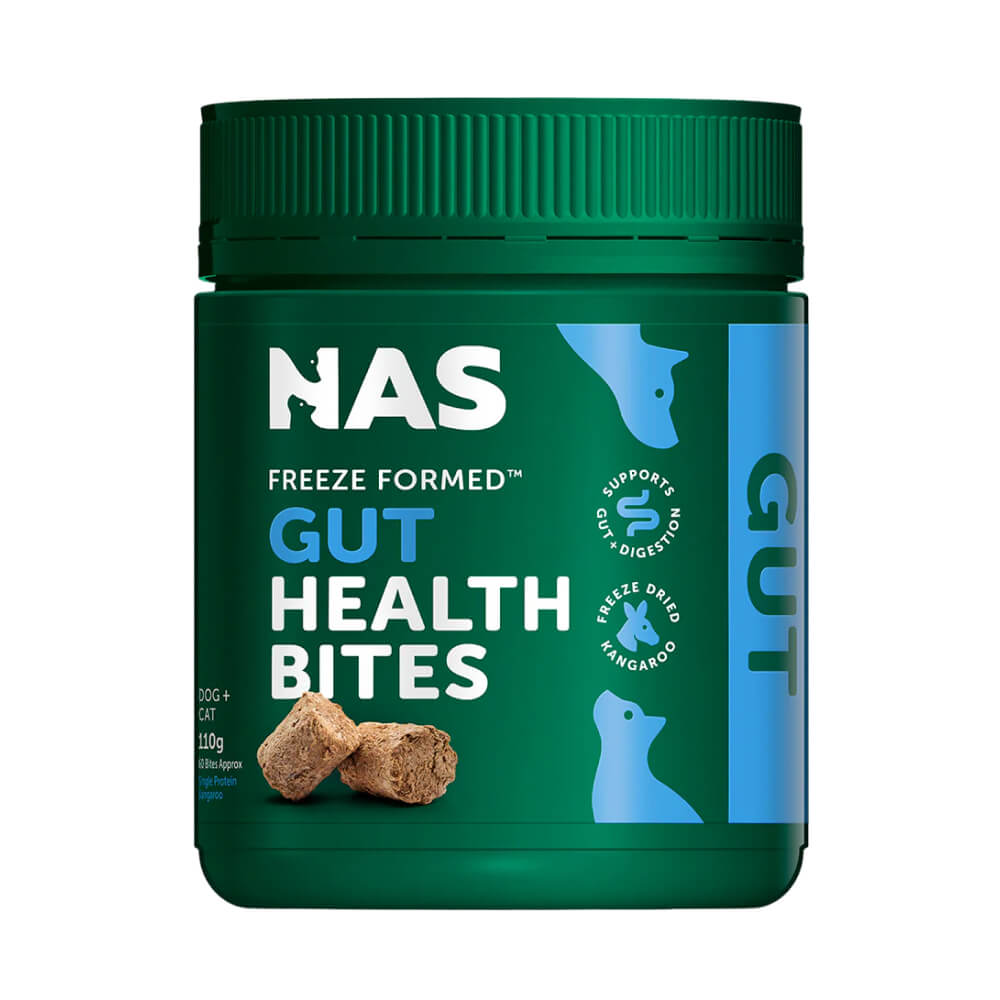
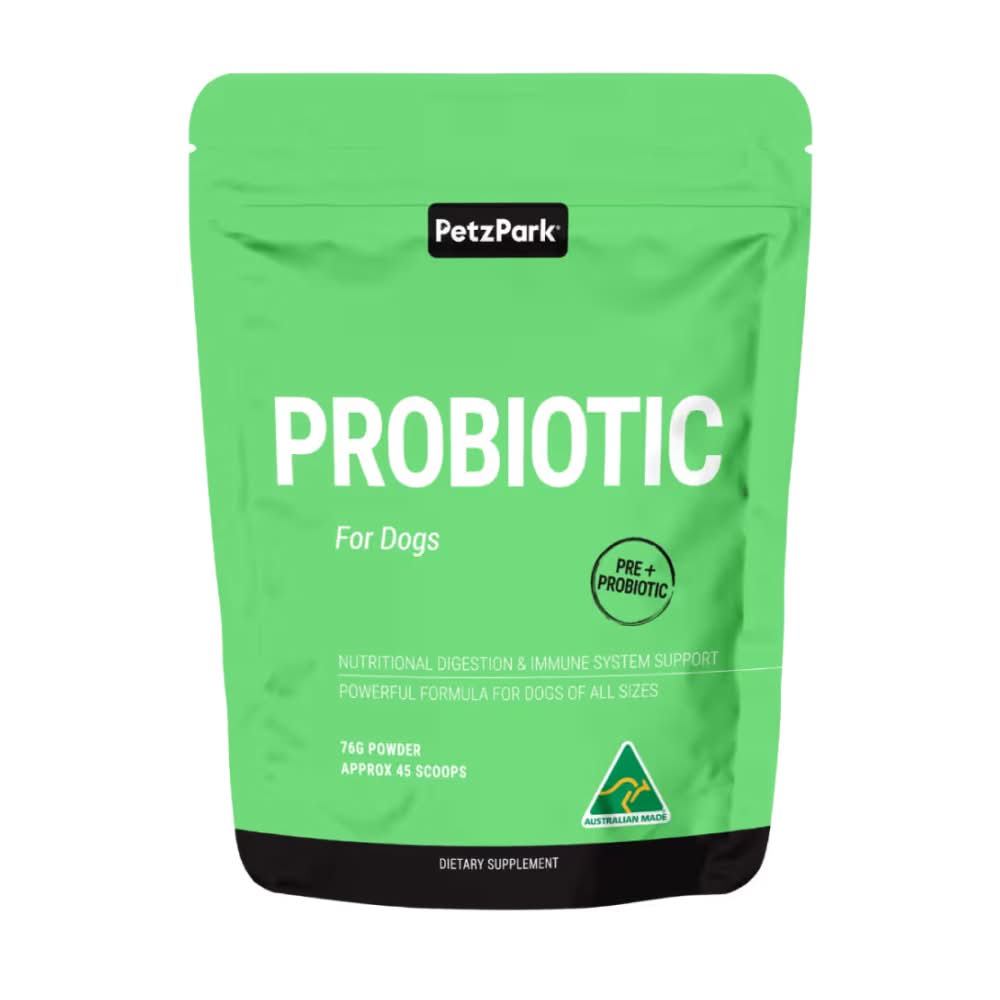
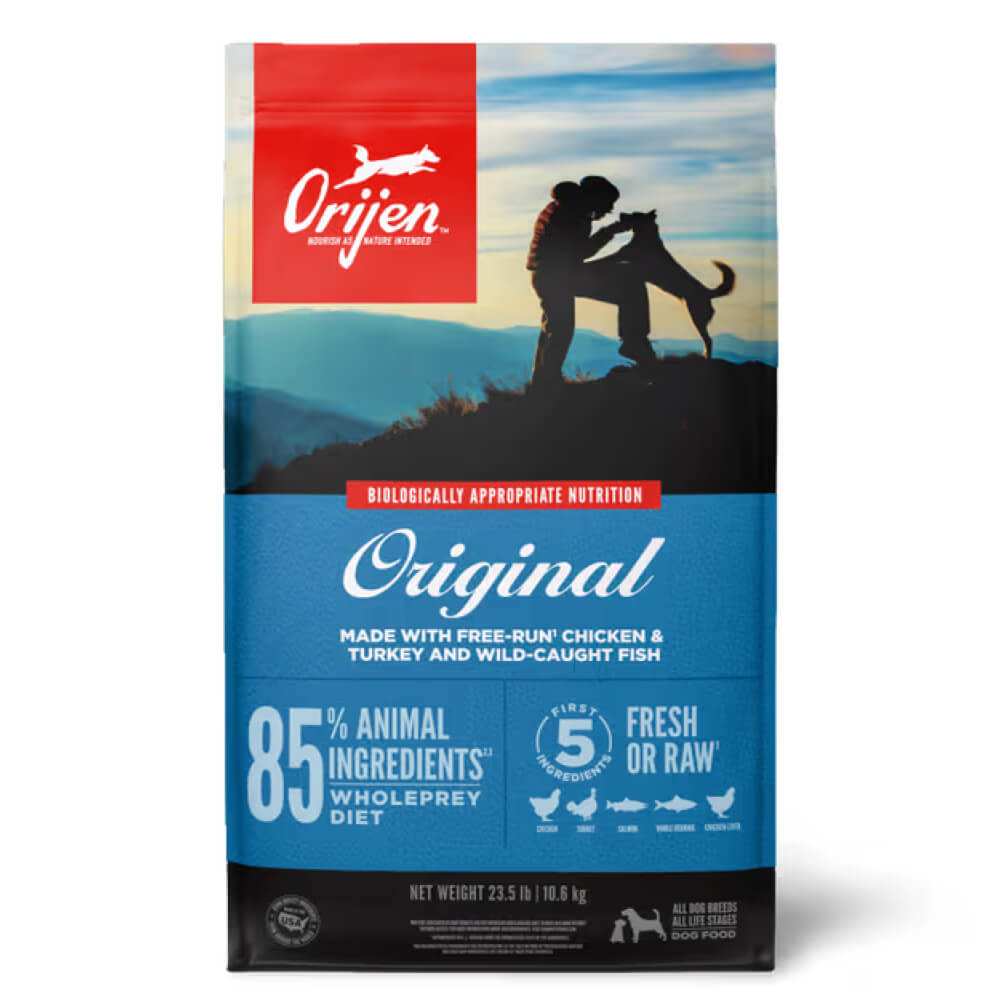
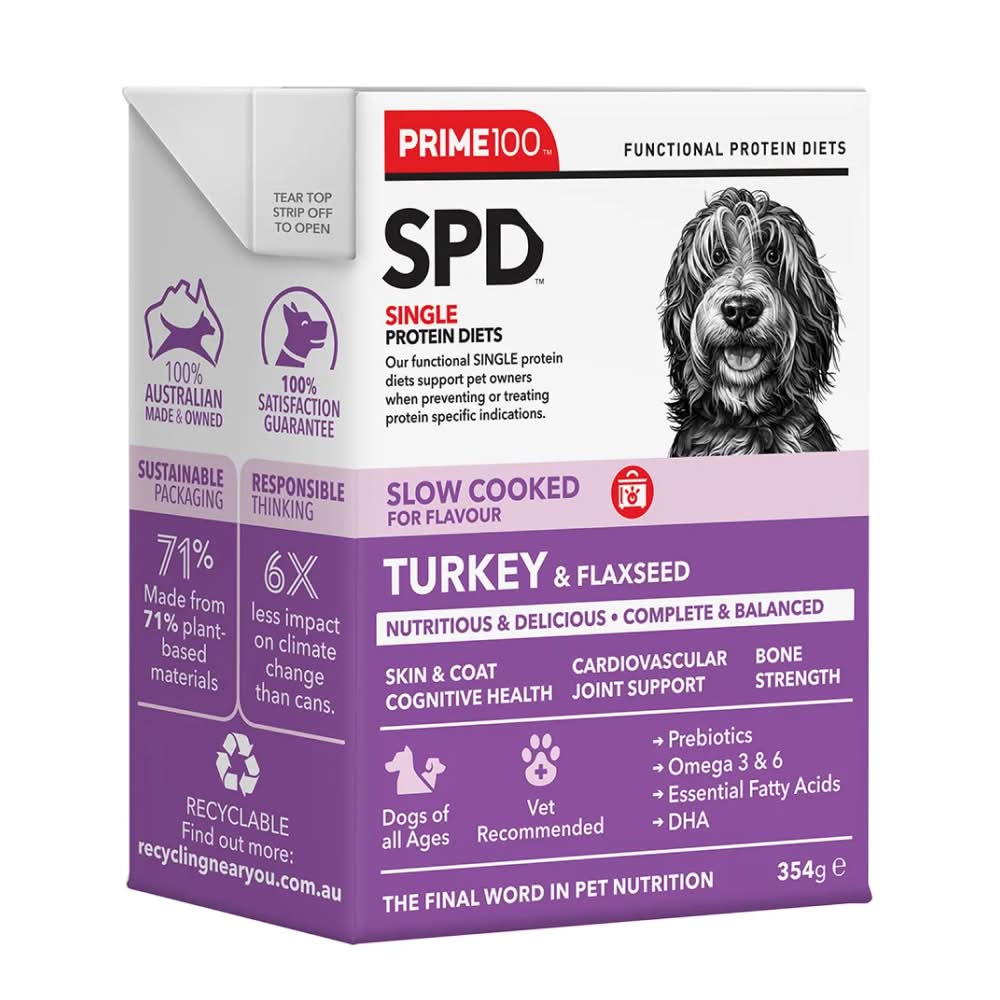
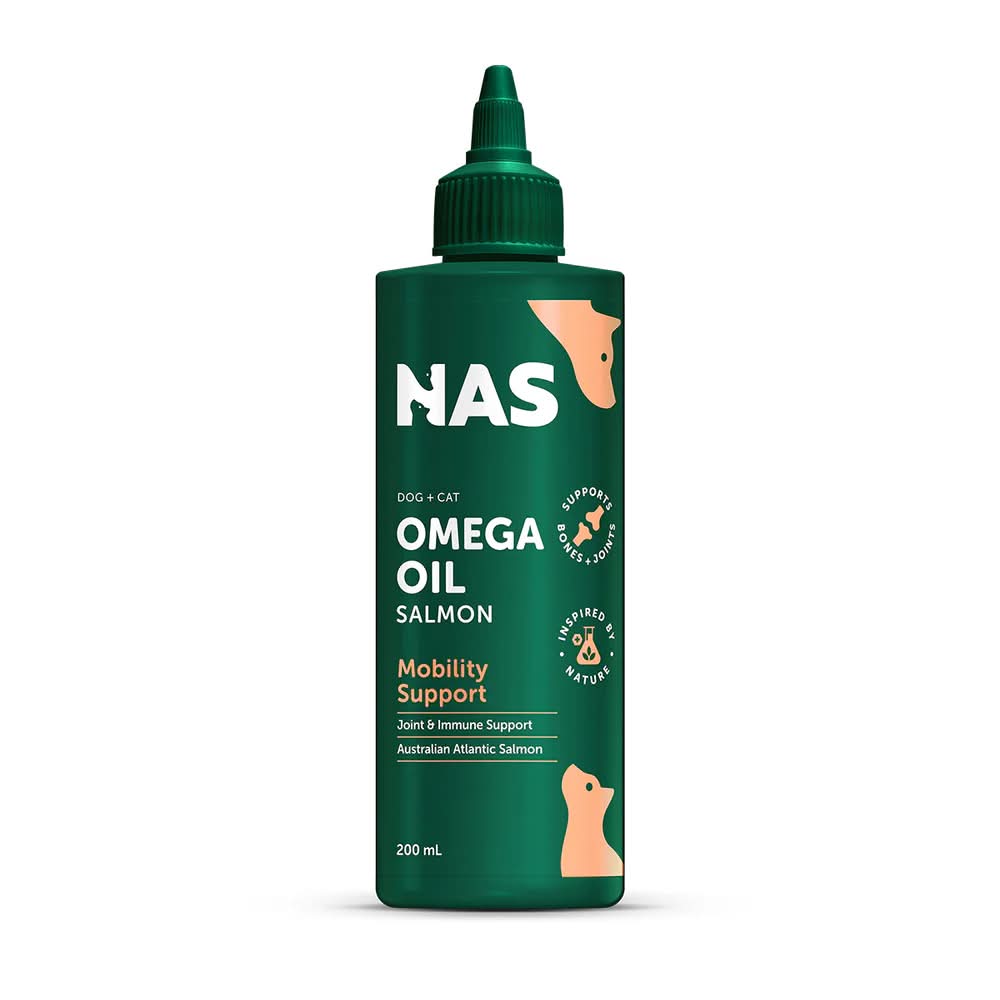
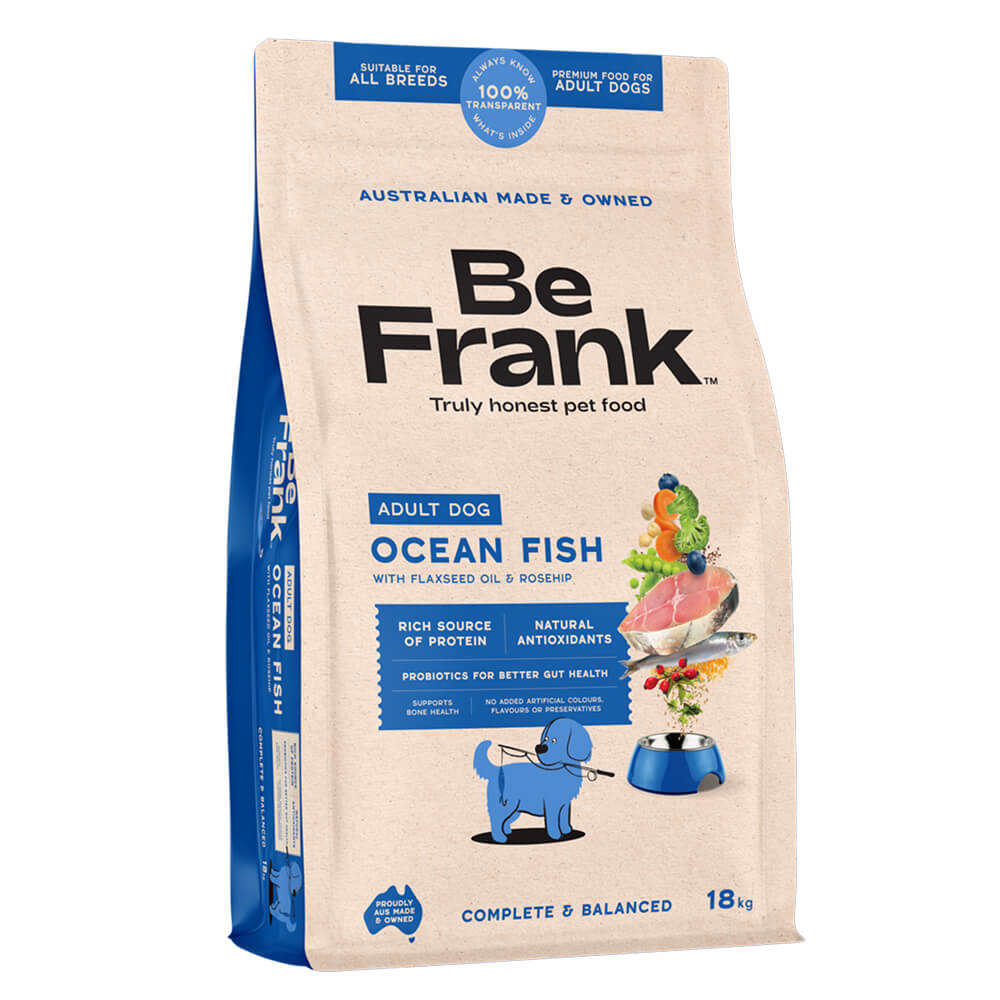
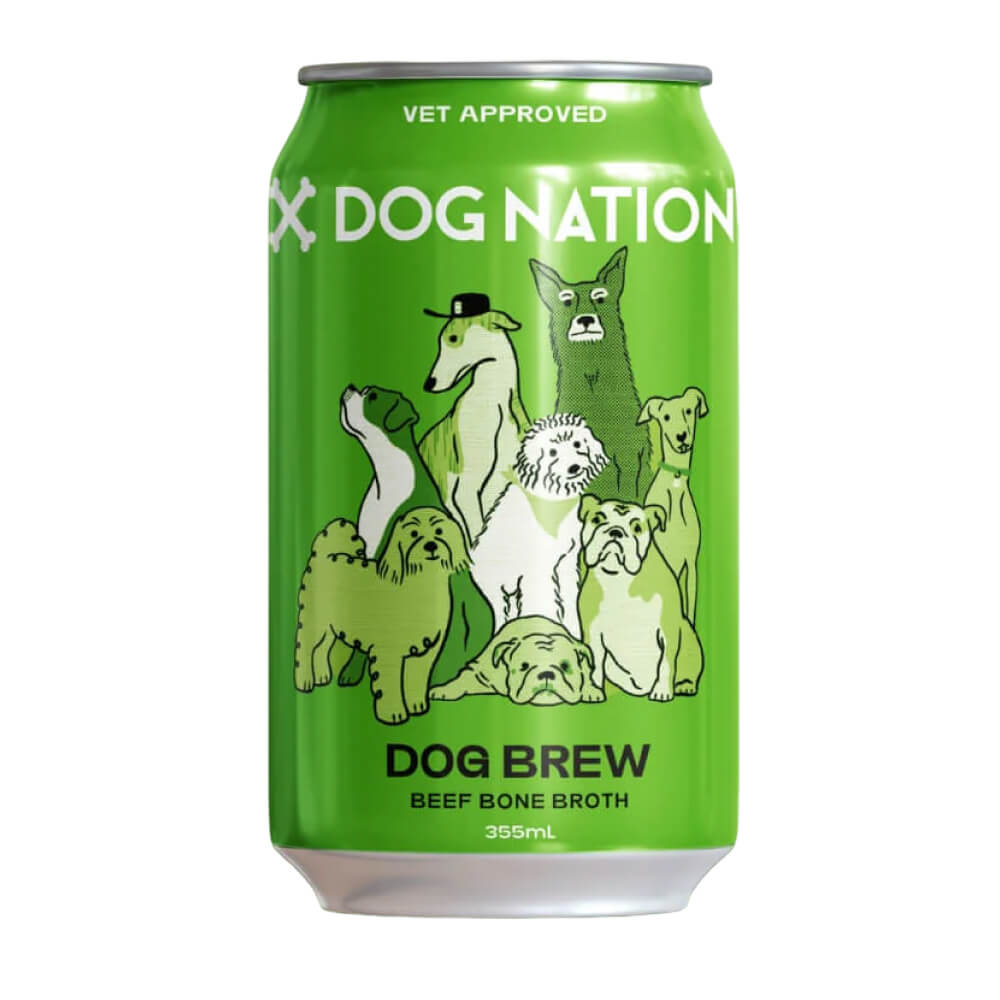
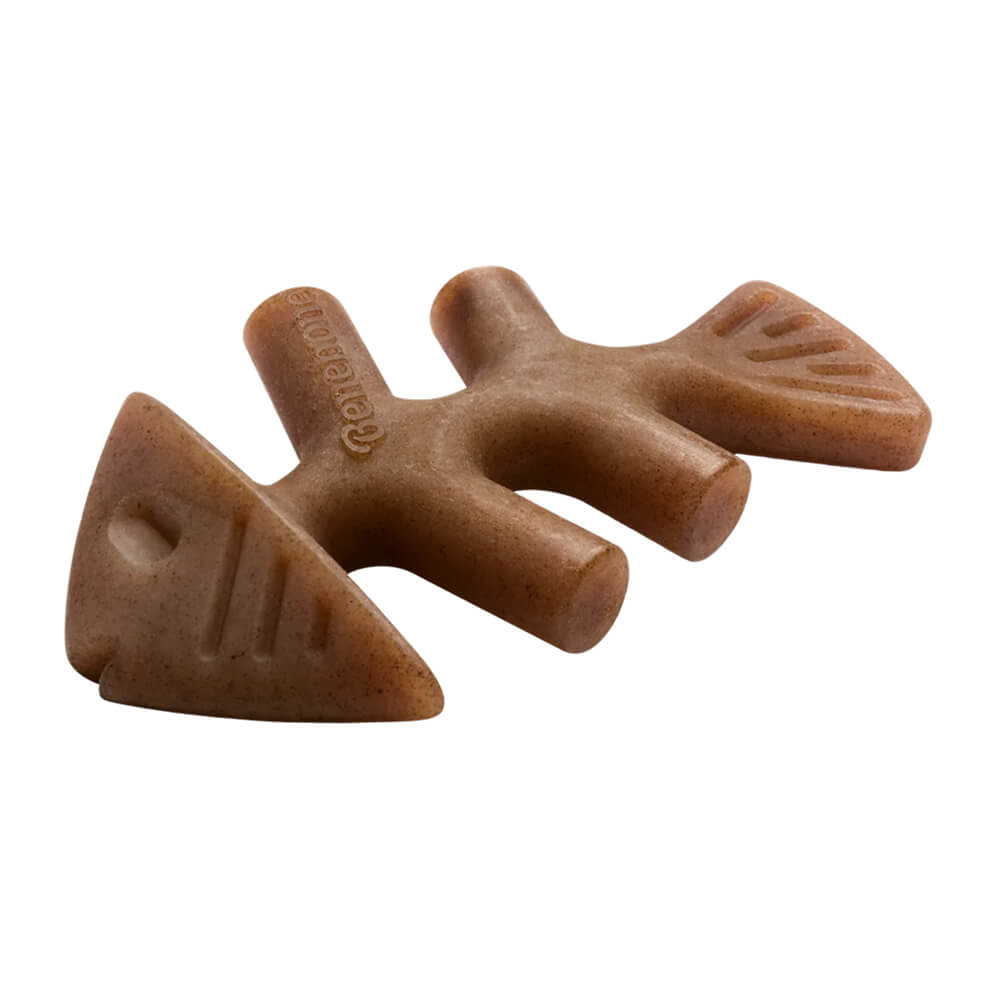
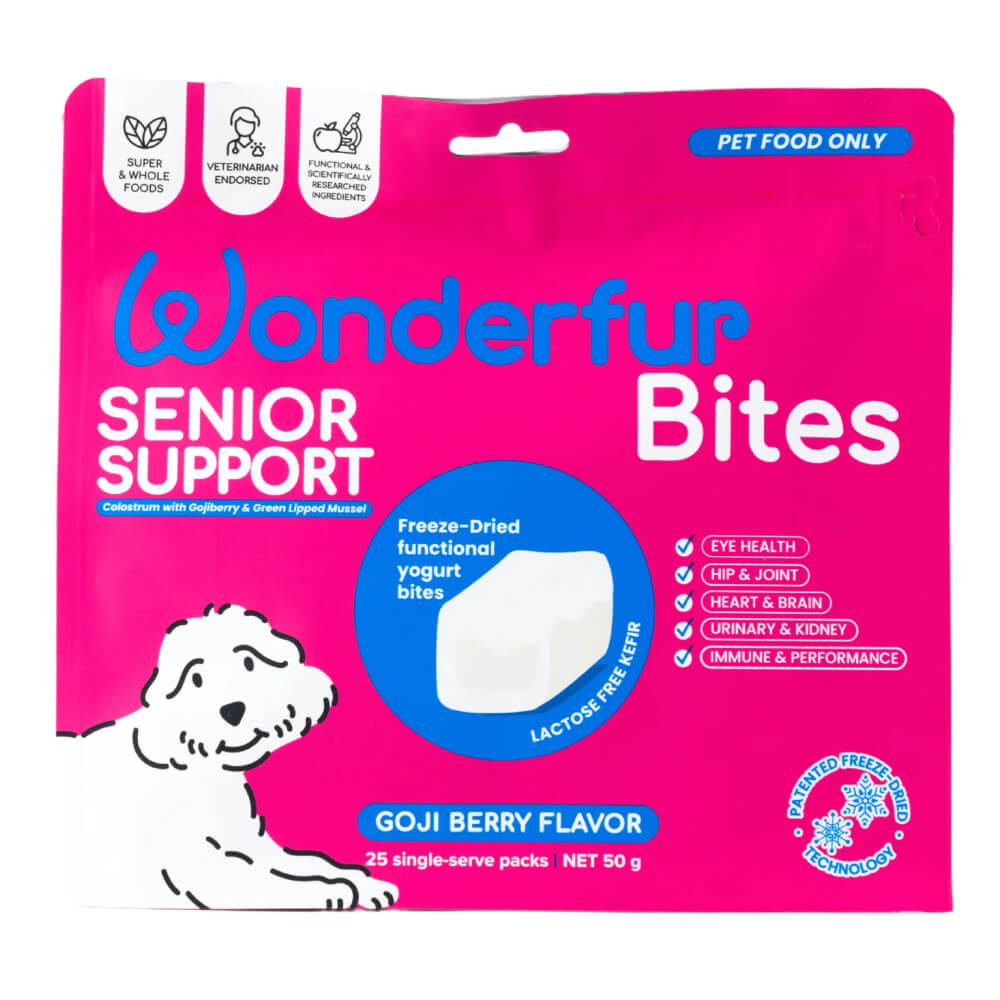
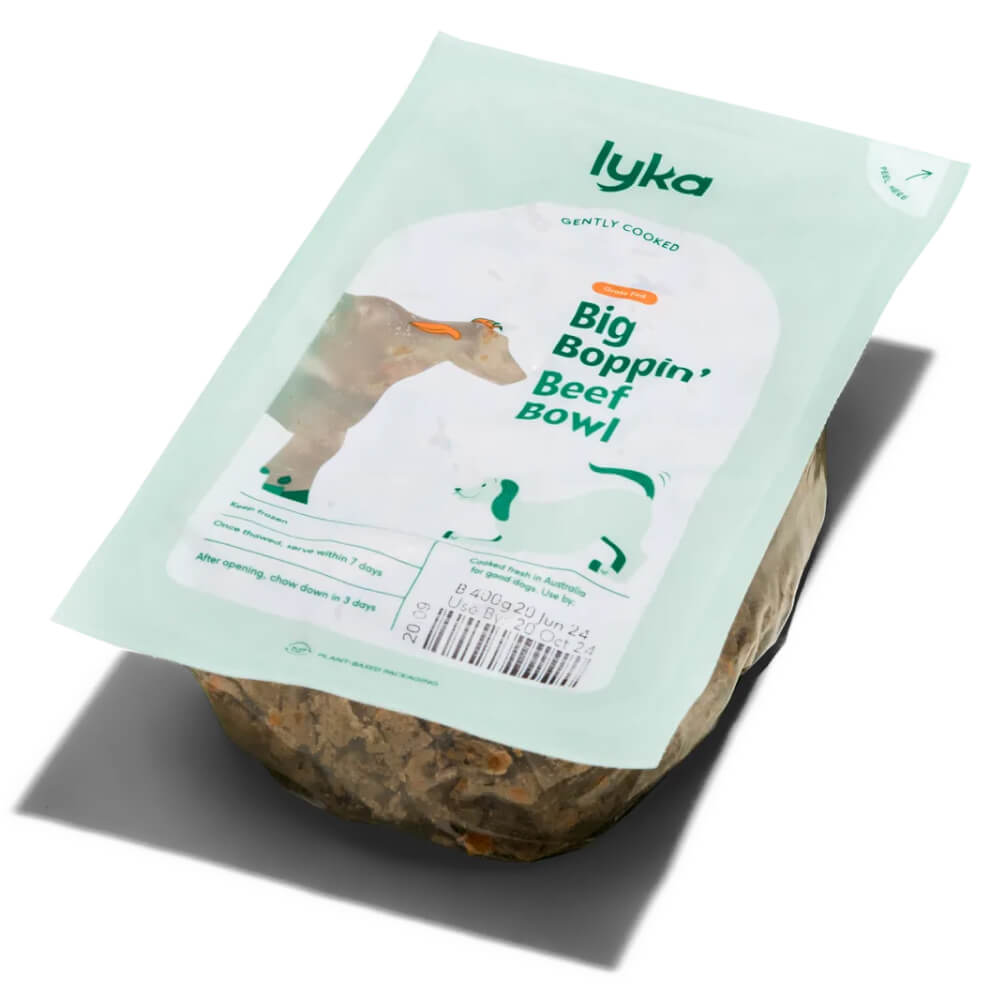
Min Pins do well on a high-quality small-breed formula that matches their high metabolism. They burn energy fast and benefit from smaller, more frequent meals rather than one large serve. Obesity is less common than in other toy breeds, but portion control still matters — even a few hundred extra grams on a 5kg dog is significant. Avoid overfeeding treats during training, and choose low-calorie options where possible. See our recommended foods for Miniature Pinscher below.

Training
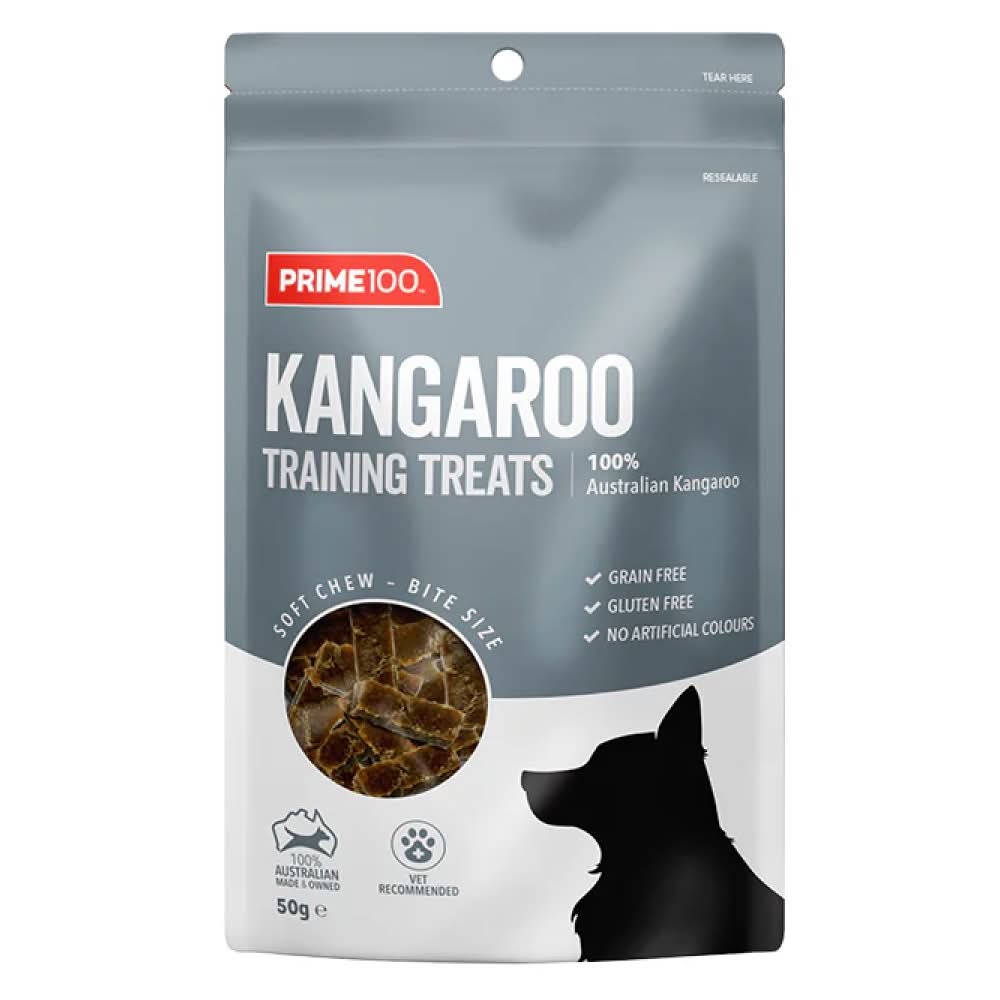
Miniature Pinschers are intelligent but independent, which makes training a negotiation rather than a command-and-follow exercise. They learn quickly — the challenge is convincing them that cooperating is in their interest. Short, varied sessions with high-value rewards work best. They bore easily with repetition and shut down with harsh methods. House training is straightforward compared to some toy breeds, but recall is an ongoing project given their prey drive. Socialisation from puppyhood is critical — an unsocialised Min Pin becomes reactive and difficult to manage in public.

Suitability
A Min Pin suits an active owner or household that wants a spirited, entertaining companion. They do well in apartments if exercise needs are met consistently, and they're a good match for experienced dog owners who enjoy training and don't mind a dog with opinions. Their compact size and short coat make them low-overhead in terms of grooming.
This breed is not a good fit for first-time owners expecting an easygoing lapdog. They need firm, consistent boundaries, secure fencing and genuine daily exercise. Families with toddlers should wait — Min Pins don't tolerate rough handling. If you travel frequently or work long hours away from home, the separation anxiety and boredom-driven destruction will test your patience and your furniture.
Frequently Asked Questions
How much does a Miniature Pinscher cost in Australia?
Are Miniature Pinschers good escape artists?
Are Miniature Pinschers good for apartment living?
Do Miniature Pinschers get along with cats?
How long do Miniature Pinschers live?

Comments
0 comments
Login to Join the Conversation 💬