
































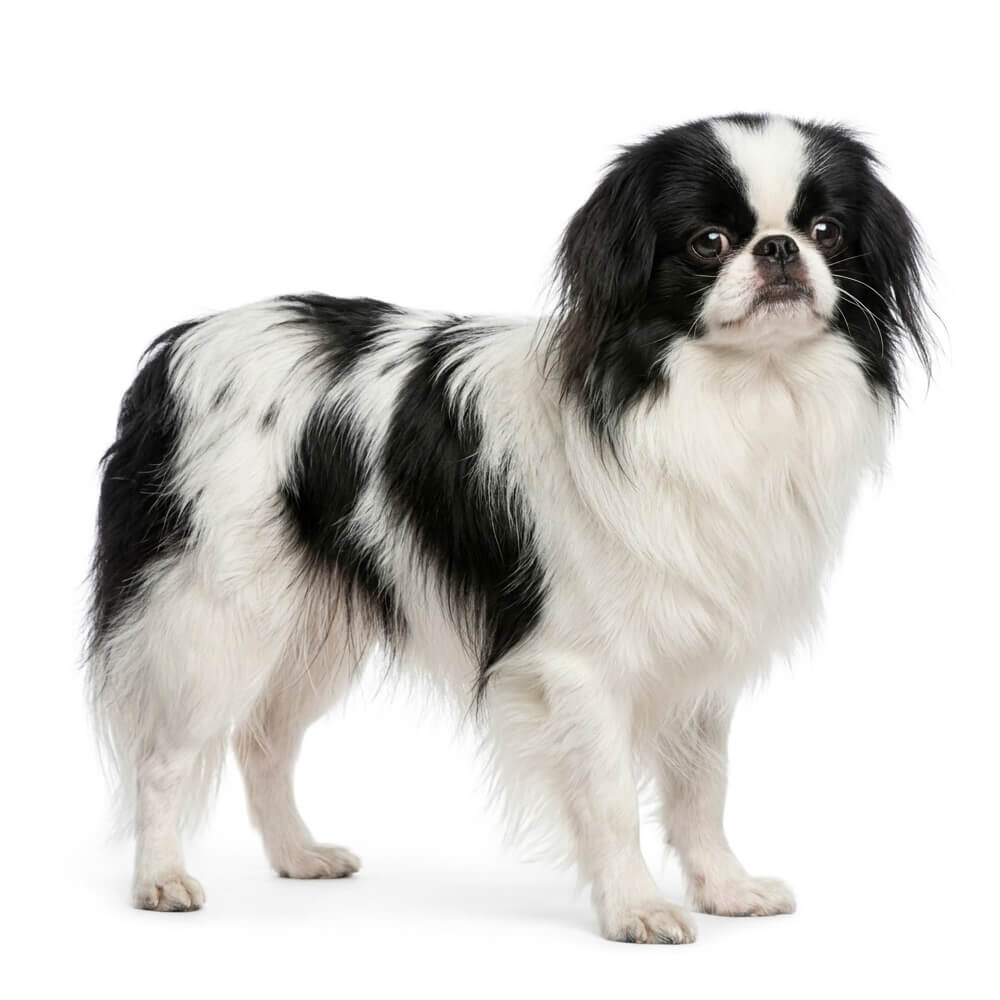

The Japanese Chin is a small, elegant toy breed with a flat face, large dark eyes and a profuse silky coat that gives it an unmistakably aristocratic appearance. Classified in the Toys group by the ANKC, the Chin has been bred as a royal companion for centuries and carries itself accordingly.
Chins are often described as "cat-like" — and the comparison is accurate. They're fastidious self-groomers, they perch on high surfaces to survey their surroundings, and they interact with their owner on their own terms rather than seeking constant attention. This independence, combined with a quiet elegance that most toy breeds lack entirely, makes the Chin a uniquely refined companion. They're not for everyone, but the owners who connect with this breed's temperament tend to become lifelong converts.
History and Origin
The Japanese Chin's origins are debated, but the breed most likely descended from small flat-faced dogs gifted to the Japanese imperial court by Chinese or Korean emissaries, possibly as early as the 6th century. In Japan, the Chin was not considered a dog at all — it was classified as its own category of being, "Chin," and held a status above ordinary dogs in the imperial household.
For centuries, the Chin was exclusively the companion of Japanese nobility. Breeding was carefully controlled, different noble houses maintained distinct bloodlines, and the smallest dogs were prized above all. The breed reached Europe in the 1850s and 1860s, when Japan opened its ports to international trade. Queen Victoria received a pair as a gift, and the breed quickly became fashionable among European aristocracy.
In Australia, the Japanese Chin remains uncommon. Registered breeders are few, and the breed doesn't have the mainstream visibility of other toy breeds. That imperial heritage persists in the modern Chin's temperament — they carry themselves with a self-possession and dignity that makes them seem acutely aware of their aristocratic lineage.
Temperament and Personality
Japanese Chins are quiet, dignified and surprisingly independent for a toy breed. They don't demand attention — they expect it. The "cat-like" descriptor that follows the breed everywhere is earned: Chins groom themselves with their paws, climb to elevated surfaces to observe, and choose when and how they interact with people rather than being available on demand.
With their owner, Chins are affectionate but not clingy. They enjoy physical closeness — sitting on your lap, sleeping beside you — but they don't follow you to the bathroom or fall apart when you leave the room. They bond deeply but maintain a composure that sets them apart from needier toy breeds. They're sensitive to their owner's mood and adjust their behaviour accordingly — quiet when you need peace, playful when the energy shifts.
With children, Chins need supervision. They're small, delicate and have a low tolerance for rough handling or loud, chaotic environments. They do best with older, gentle children who respect their space. They're not snappy by nature, but they'll withdraw rather than engage if they're uncomfortable. With strangers, Chins are reserved and assessing — polite but clearly selective about who earns their attention.
With other dogs, Chins are generally sociable but prefer calm companions. They get along well with dogs of similar size and temperament. They lack aggression and territorial instinct. The breed's distinctive quirk is the "Chin spin" — a rapid, excited spinning in circles when greeting their owner or anticipating something pleasant. They're also known for the "Chin look of disapproval" — a withering, regal stare directed at anything they find beneath their dignity.
Common Health Conditions
The Japanese Chin has a moderate health profile, with several conditions relating to its brachycephalic structure and small size.
Brachycephalic Obstructive Airway Syndrome (BOAS)
The Chin's flat face creates shortened airways that can cause noisy breathing, snoring, exercise intolerance and overheating. Severity varies between individuals. In Australian conditions, this means exercising only in the cool of the day and monitoring for signs of respiratory distress during any physical activity. Chins overheat faster than longer-muzzled breeds. Severe cases may benefit from soft palate surgery.
Heart Murmurs and Mitral Valve Disease
Chins are predisposed to mitral valve disease, where the heart valve deteriorates over time, causing blood to leak backward. Early signs include a heart murmur detectable by auscultation, progressing to coughing, exercise intolerance and laboured breathing. Regular cardiac checks from middle age onward help detect changes early. Management includes medication to slow progression.
Patellar Luxation
The kneecap dislocates from its normal position, causing intermittent lameness. Common across toy breeds. Weight management is the first line of prevention. Severe or recurrent cases require surgical correction.
Eye Conditions
The Chin's large, prominent eyes are vulnerable to corneal ulceration, dry eye and proptosis (the eye displacing from the socket after trauma). Careful handling is essential — avoid rough play around the head. Regular eye checks at vet visits are recommended. Excessive tearing and tear staining are common cosmetic concerns requiring daily cleaning.
GM2 Gangliosidosis
A rare but serious inherited neurological storage disease documented in the breed. Affected dogs develop progressive neurological deterioration, typically becoming apparent in the first year of life. A DNA test is available. Responsible breeders screen for this condition. It is fatal, making breeder screening genuinely critical.
Pet insurance is recommended for Japanese Chins, particularly given cardiac and respiratory considerations. Annual vet check-ups should include cardiac auscultation, eye examination and respiratory assessment.


Exercise
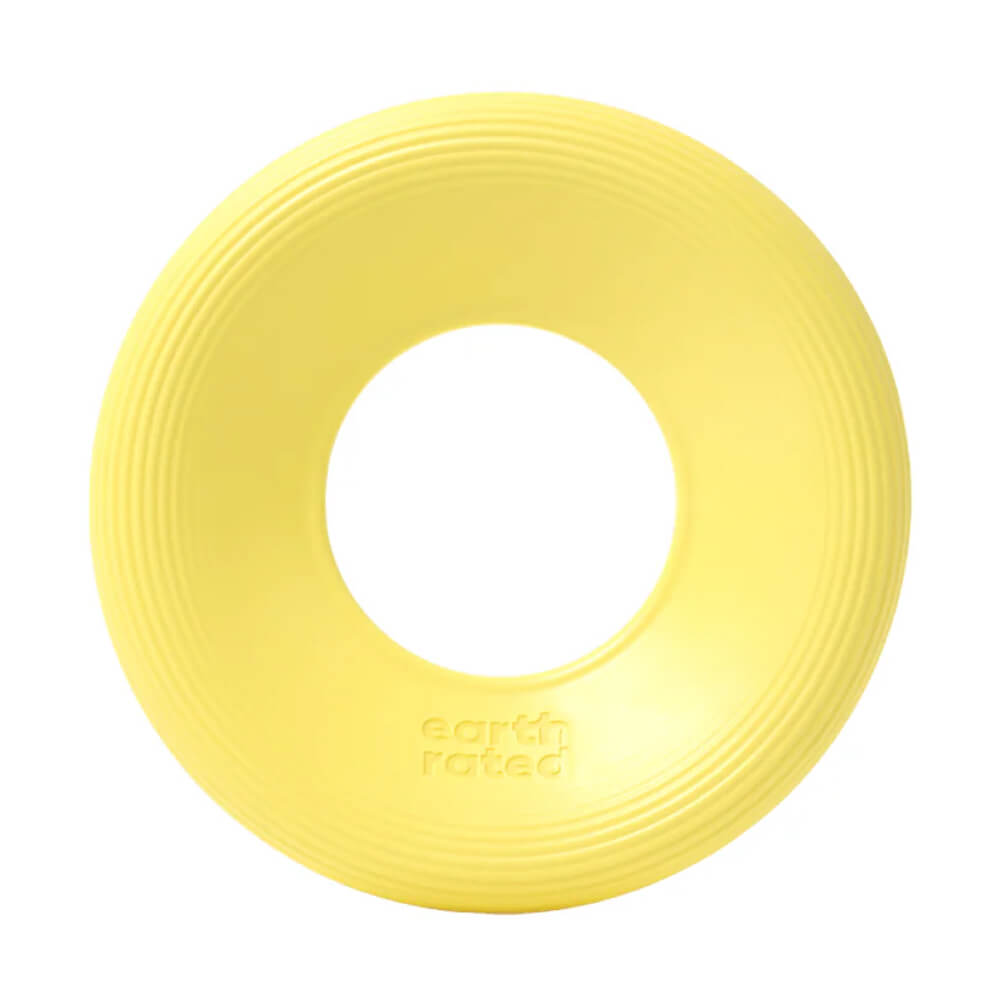
Japanese Chins need 20 to 30 minutes of daily exercise — less than most toy breeds. Short, gentle walks and indoor play sessions suit the breed well. They're not built for endurance and will tell you when they've had enough by simply sitting down and refusing to continue. Avoid exercise in heat — Chins are brachycephalic and overheat quickly. In Australian summers, exercise early morning or late evening only. Their low exercise requirement is one of their strongest selling points for apartment dwellers and less active owners.
Grooming
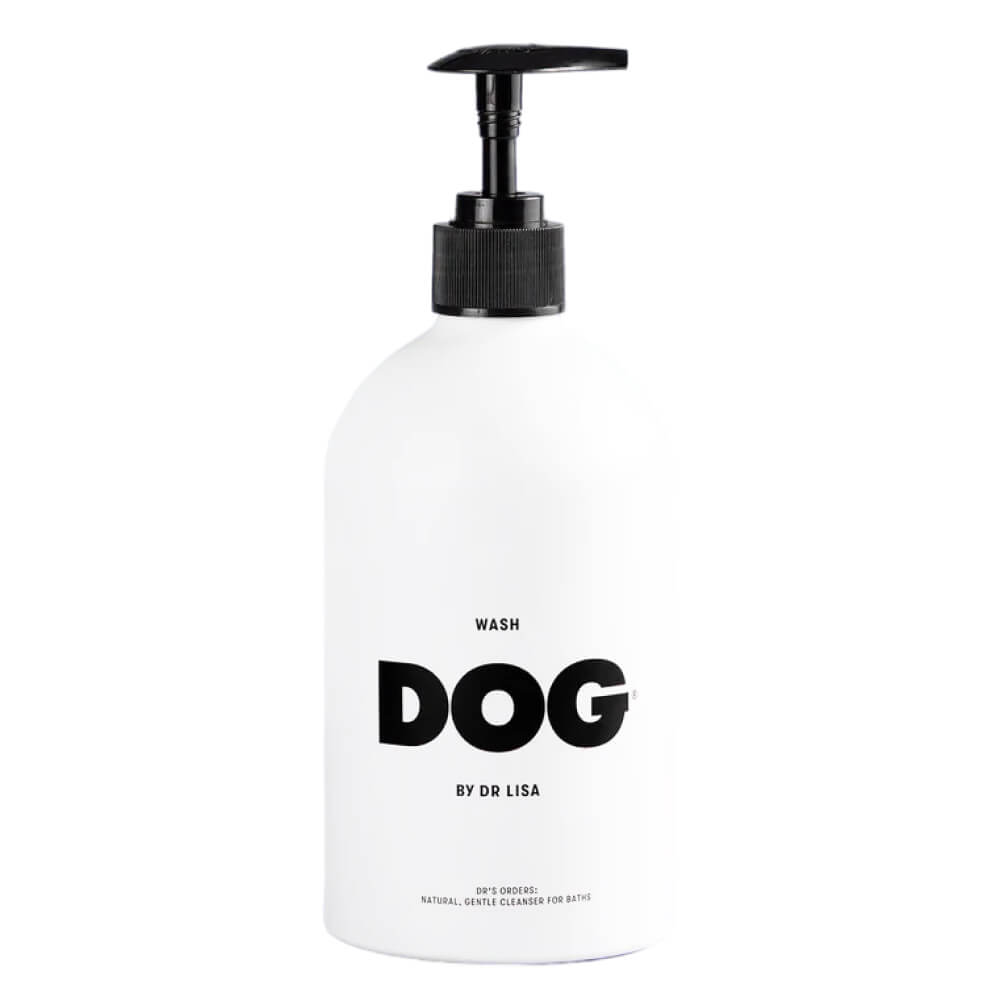
The long, silky single coat is surprisingly low-maintenance for its appearance. Brushing two to three times per week prevents tangles, focusing on behind the ears, under the legs and around the rear. The single coat doesn't mat as badly as double-coated breeds, which simplifies care. Shedding is moderate — more noticeable during seasonal changes. Professional grooming every eight to ten weeks keeps the coat tidy. Daily facial cleaning is important — wipe around the eyes to manage tear staining and clean the facial folds to prevent irritation. Dental care is critical given the small mouth and crowded teeth.


Nutrition
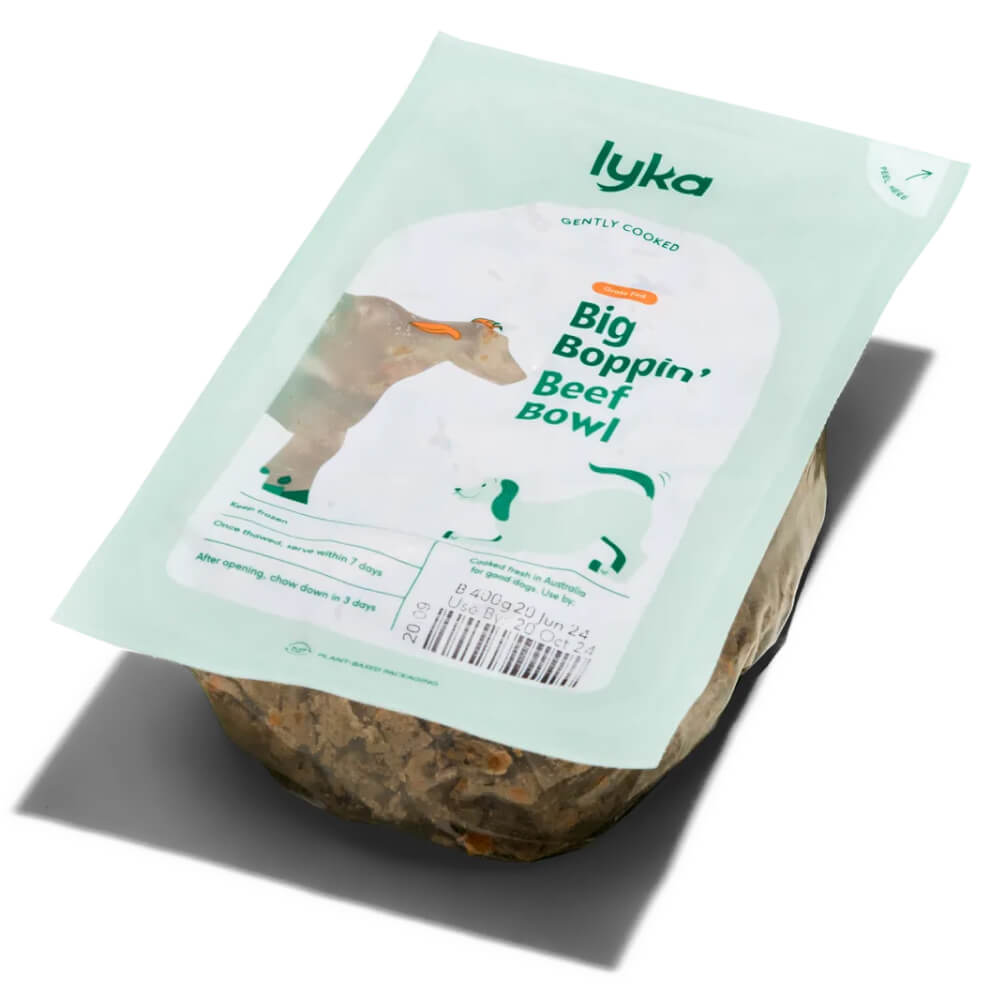
Japanese Chins do well on a high-quality small-breed formula with appropriately sized kibble. They're light eaters by nature and rarely overeat, but portions should still be measured given their tiny size. Two small meals per day suits most adults. The flat-faced structure can make eating from deep bowls difficult — a shallow, wide bowl is practical. Omega-3 fatty acids support coat health and cardiac function. Dental chews and daily tooth brushing help prevent periodontal disease, which small breeds are prone to. See our recommended foods for Japanese Chins below.

Training
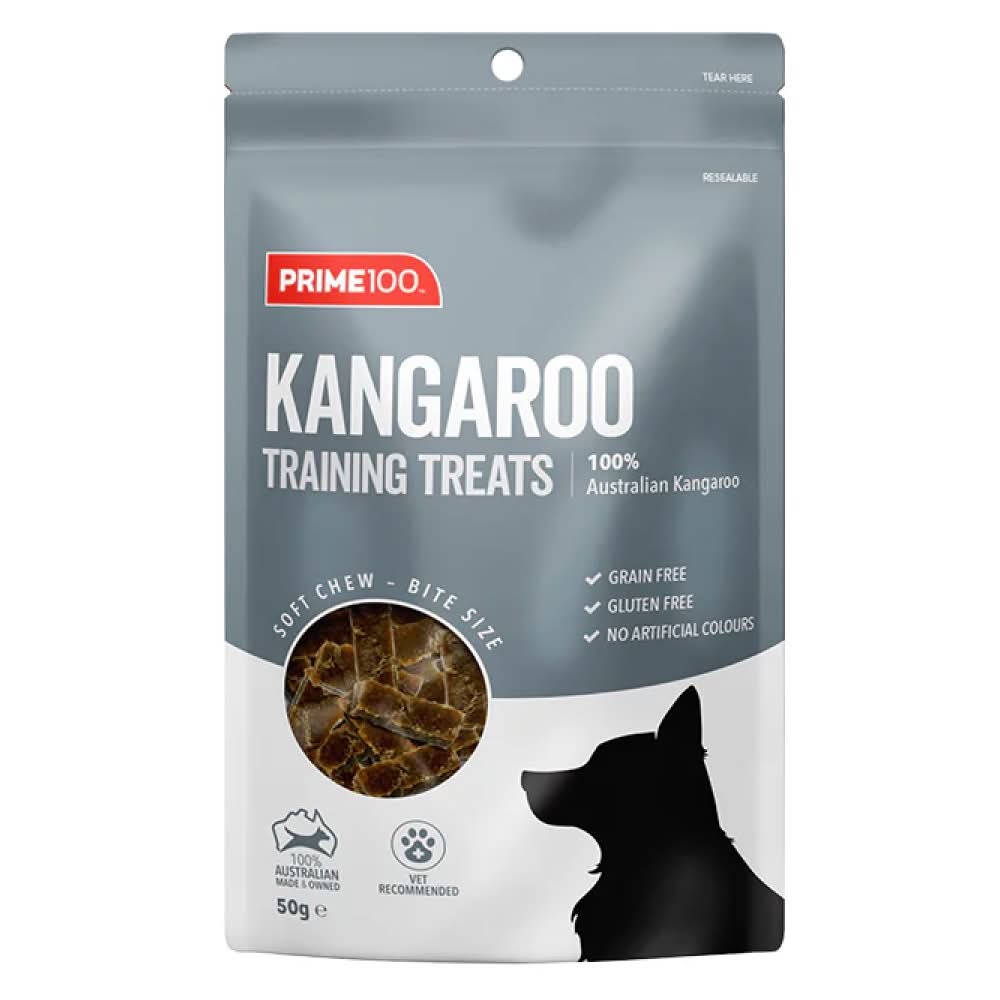
Chins are intelligent but independent, and training requires patience. They understand commands perfectly well — compliance is the variable. They respond to positive reinforcement with gentle, consistent handling but shut down entirely under harsh correction or repetitive drilling. Keep sessions short and interesting. They're not disobedient so much as selective — a Chin decides whether a command is worth obeying based on its own assessment of the situation. House training can be slower than average for toy breeds. Early socialisation is important to prevent the breed's natural reserve from becoming fearfulness.

Suitability
Japanese Chins suit quiet, attentive owners who appreciate a dog with subtlety and independence. They're ideal for singles, couples and retirees in apartments or small homes. Their exercise needs are minimal, their grooming is manageable and their quiet indoor manner makes them one of the best apartment breeds. If you want a companion that's elegant rather than exuberant and sophisticated rather than silly, the Chin is your breed.
This is not a breed for families with young children, boisterous households or owners who want an eager-to-please, trainable companion. Chins set their own terms for interaction, and an owner who interprets their independence as defiance will be frustrated. They're sensitive to heat, which requires awareness in Australian summers. The breed is uncommon in Australia, so finding a breeder takes patience. Ask specifically about GM2 Gangliosidosis screening and cardiac health in the breeding line — these are non-negotiable health checks for this breed.
Frequently Asked Questions
How much does a Japanese Chin cost in Australia?
Are Japanese Chins really cat-like?
What is the difference between a Japanese Chin and a Pekingese?
Do Japanese Chins bark a lot?
How long do Japanese Chins live?

Comments
0 comments
Login to Join the Conversation 💬