
























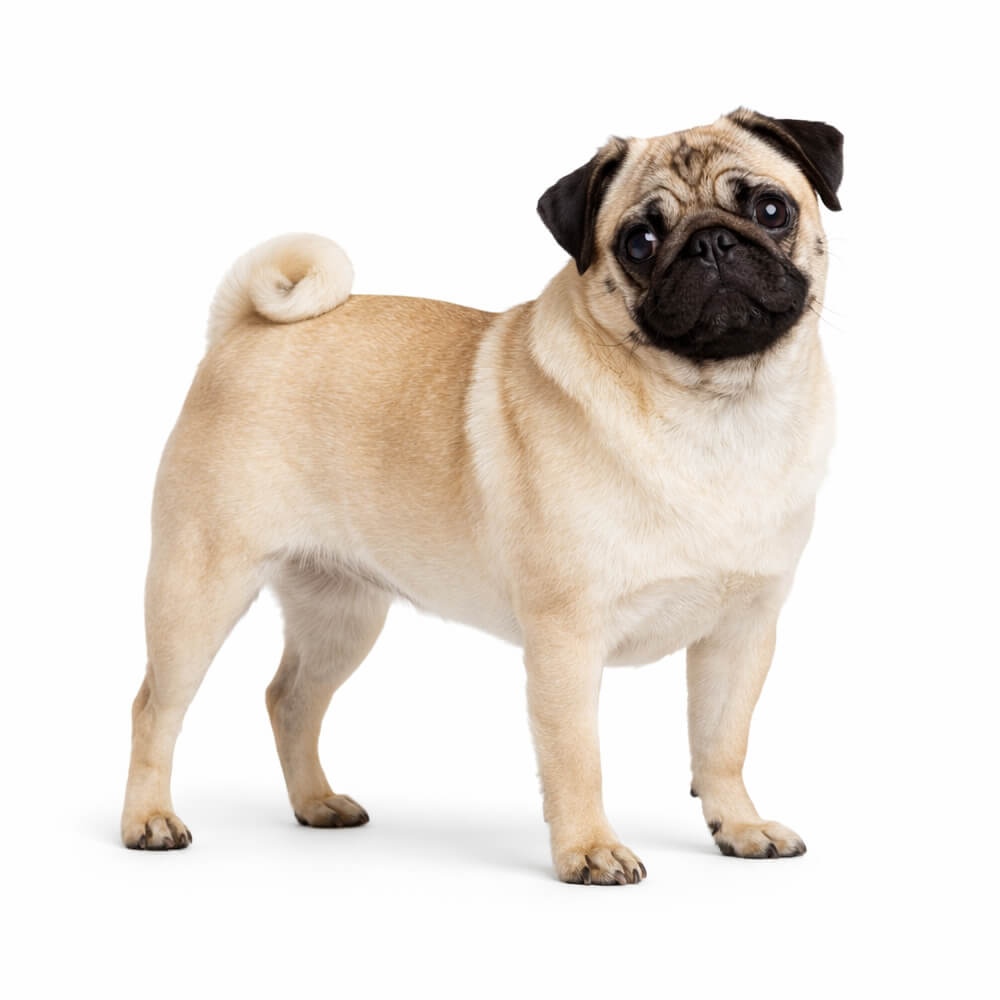

The Pug is a small, sturdy toy breed from China with a flat face, large expressive eyes and a personality built entirely around human company. Bred for centuries as a companion to Chinese emperors, they're affectionate, comical and genuinely happy just being near their people.
Pugs are one of the most popular toy breeds in Australia for good reason — they're easygoing, great with kids and adapt to almost any living situation. What the breed profiles don't always spell out is the health reality. Pugs are brachycephalic, and that flat face creates breathing, temperature regulation and eye issues that every prospective owner needs to understand before committing. The vet bills are part of the deal.
History and Origin
The Pug originated in China, likely during the Han Dynasty around 200 BCE. They were bred as companion dogs for the imperial court and were treated as prized possessions — sometimes guarded by soldiers. The breed was kept exclusively by royalty for centuries before reaching the outside world through trade routes.
Dutch traders brought Pugs to Europe in the 16th century, where they became favourites of royal households across the continent. The breed gained particular fame when a Pug reportedly saved the life of William of Orange by barking to alert him of approaching Spanish troops. That cemented the breed's status in the House of Orange and made it fashionable across European courts.
The modern Pug has become more extreme in its features than its ancestors. Historical paintings show Pugs with longer muzzles and leaner bodies than today's breed standard produces. That shift toward flatter faces and stockier builds has brought significant health consequences that are now the breed's defining ownership challenge. In Australia, Pugs remain enormously popular, though awareness of their health issues is growing among vets and responsible breeders working toward more moderate facial structures.
Temperament and Personality
Pugs live for human attention. They're not independent, they're not aloof and they have no interest in doing their own thing. If you're in the room, a Pug wants to be on you, next to you or at minimum watching you. That devotion is the breed's greatest strength and its biggest demand.
With family, Pugs are gentle, playful and endlessly amusing. They have a natural clownishness — head tilts, snoring, dramatic flops onto the couch — that makes them genuinely entertaining to live with. They read the room well and match their energy to whoever they're with, which is part of why they work so well with children.
With kids, Pugs are one of the safest toy breeds. They're patient, tolerant of handling and sturdy enough to cope with the unpredictability of young children. They don't nip when annoyed — they walk away. That temperament makes them a standout family dog in the toy group.
With other dogs and strangers, Pugs are friendly and non-confrontational. They lack aggression, prey drive and territorial instinct almost entirely. They'll greet a stranger like an old friend and share a dog bed without complaint. The breed quirk everyone discovers quickly is the shadow behaviour. A Pug will follow you to the bathroom, wait outside the shower and relocate every time you change rooms. It's endearing until you trip over them for the third time in an hour.
Common Health Conditions
Pugs carry a significant health burden, mostly related to their brachycephalic (flat-faced) anatomy. This isn't about occasional vet visits — it's a structural reality that affects the breed daily. Every prospective owner needs to go in with eyes open.
Brachycephalic Obstructive Airway Syndrome (BOAS)
The compressed skull restricts the airways, causing chronic breathing difficulty — snoring, snorting, exercise intolerance and overheating. Severity ranges from mild to life-threatening. Many Pugs need surgical correction (widening nostrils, shortening soft palate) to breathe adequately. In Australian heat, BOAS is the single biggest risk factor. A Pug exercising in 30-degree weather can go from panting to heat stroke in minutes.
Obesity
Pugs love food and gain weight easily. Obesity worsens every other condition on this list — it compounds breathing problems, increases joint stress and shortens lifespan. It's the most preventable health issue in the breed and the one owners most commonly fail to manage.
Eye Problems
Those large, prominent eyes are vulnerable. Corneal ulcers from minor scratches, dry eye (keratoconjunctivitis sicca), and proptosis (the eye partially dislodging from the socket after trauma) are all breed-relevant. Regular eye checks and prompt vet attention for any squinting, redness or discharge are essential.
Skin Fold Dermatitis
The deep facial wrinkles trap moisture and bacteria, leading to irritation and infection. Daily cleaning and thorough drying of facial folds is a non-negotiable part of Pug ownership. Neglect leads to chronic, painful skin infections.
Pug Dog Encephalitis (PDE)
A breed-specific inflammatory brain disease with no known cure. It typically affects young Pugs (usually under three years) and progresses rapidly, causing seizures, circling, blindness and behavioural changes. It's devastating and thankfully uncommon, but there's no way to screen for it.
Pet insurance taken out at puppy stage is essential for this breed. Regular vet check-ups every six months — not annually — are recommended given the range of issues.


Exercise
Thirty minutes of gentle daily exercise is the target — but the emphasis is on gentle. Pugs overheat dangerously fast due to their compromised airways. In Australian conditions, exercise should only happen in the cool of the early morning or late evening during warmer months. Short, slow walks on flat ground suit them best. Avoid running, vigorous fetch or any activity that leaves them gasping. Air conditioning is essential, not optional. Watch for heavy panting, blue-tinged gums or excessive drooling — these are signs of heat distress and require immediate cooling.
Grooming
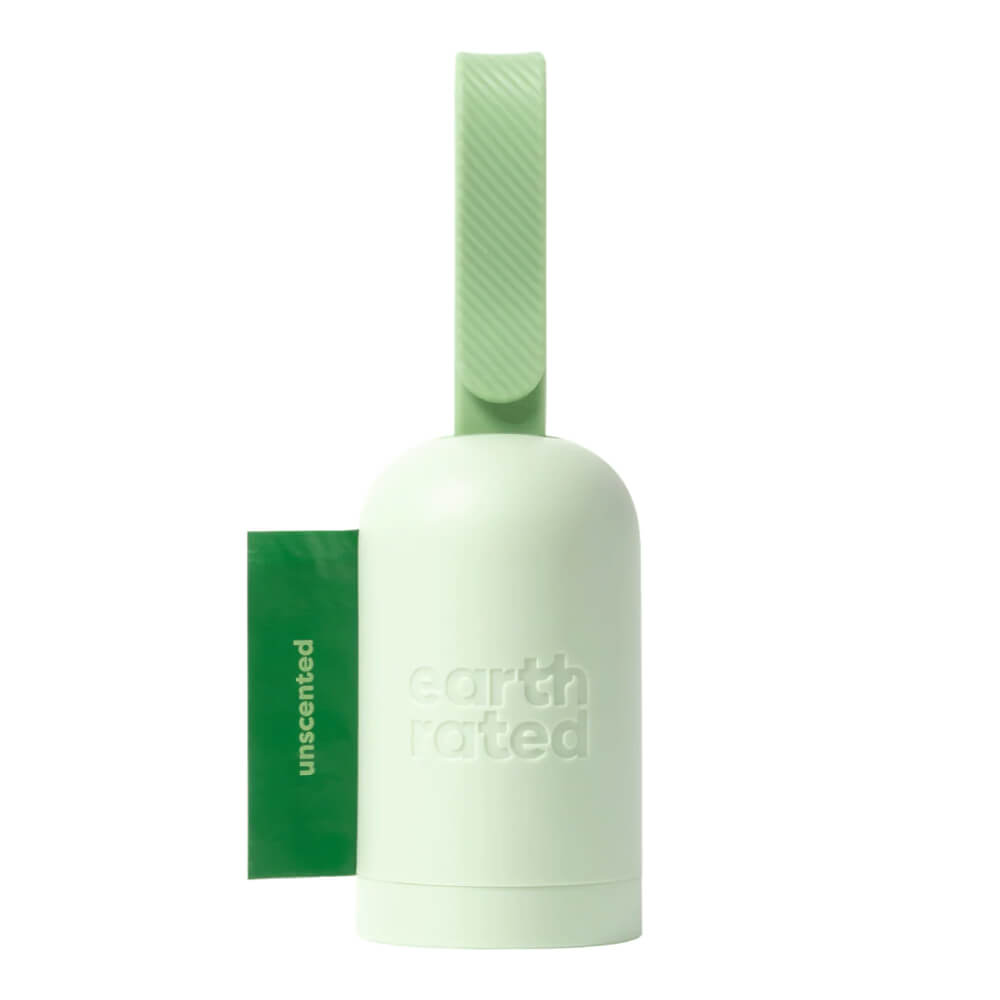
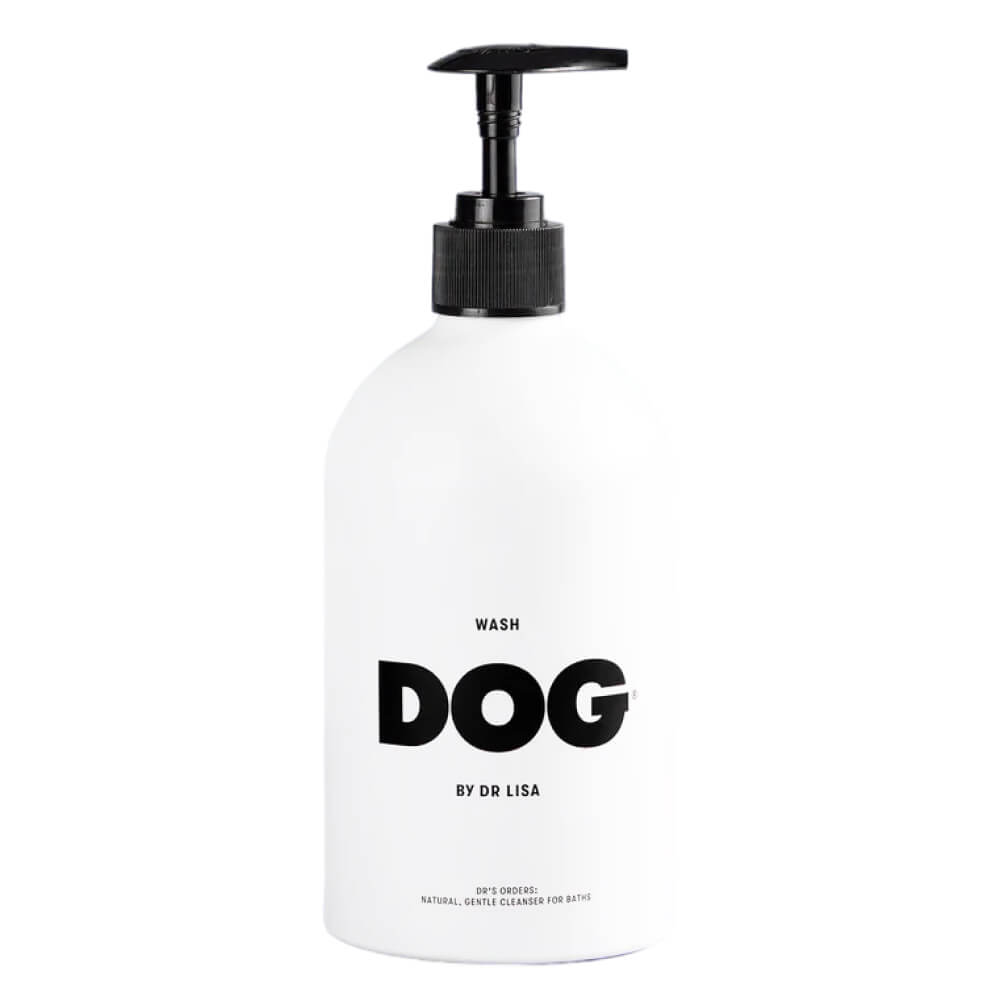
Despite the short coat, Pugs shed heavily — far more than most people expect from a small dog. That double coat drops hair constantly, with heavier seasonal blows twice a year. Weekly brushing with a de-shedding tool helps manage it, but accept that Pug hair will be on your furniture, clothes and in places you didn't think possible. Facial folds need daily cleaning with a damp cloth and thorough drying. Ears should be checked weekly, nails trimmed fortnightly and dental care maintained daily. Professional grooming isn't essential but a monthly bath keeps the coat and skin in good condition.


Nutrition
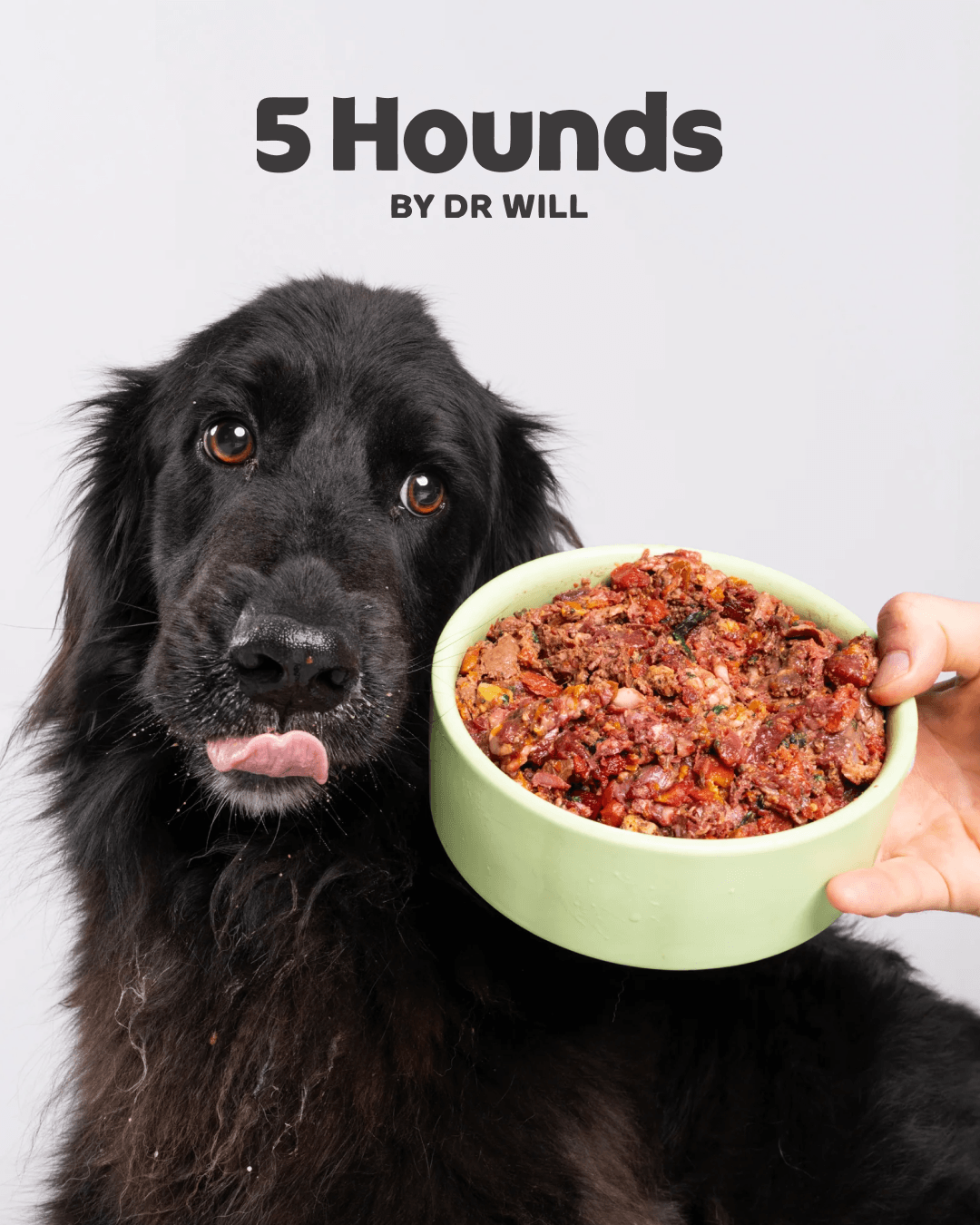
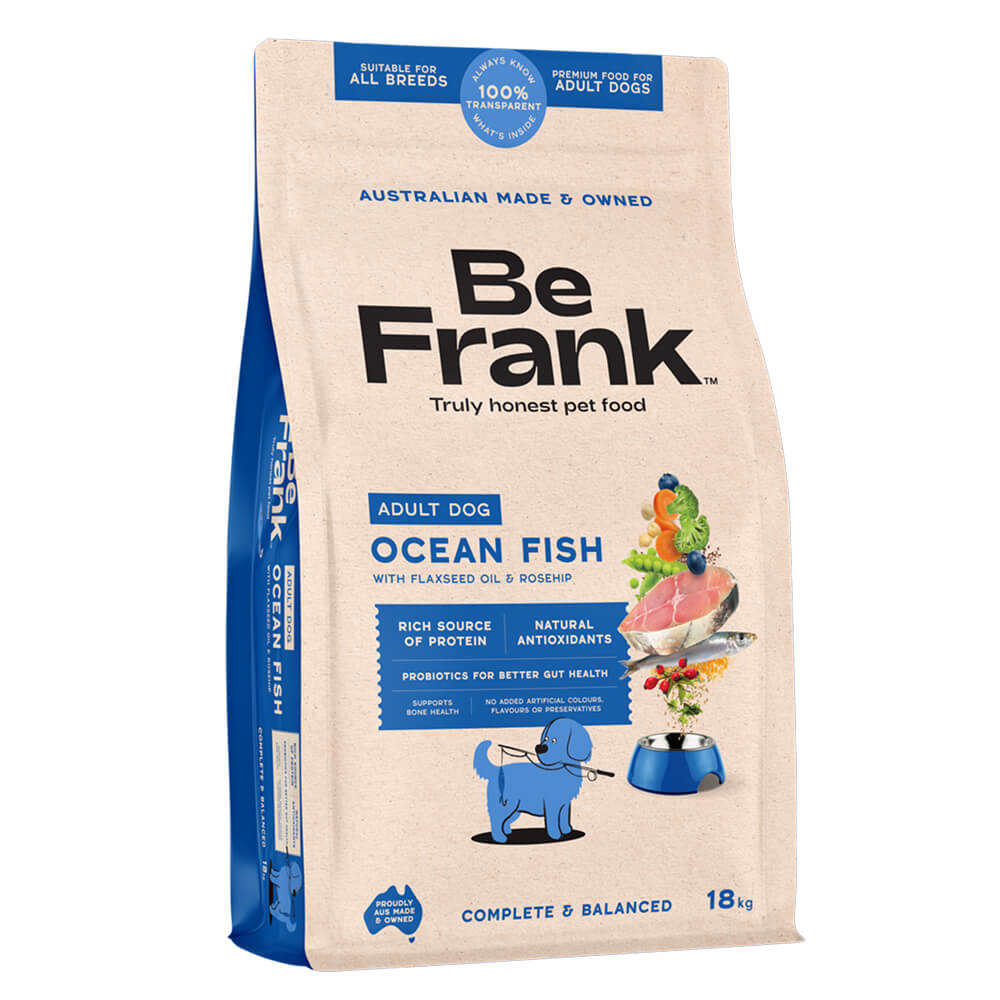
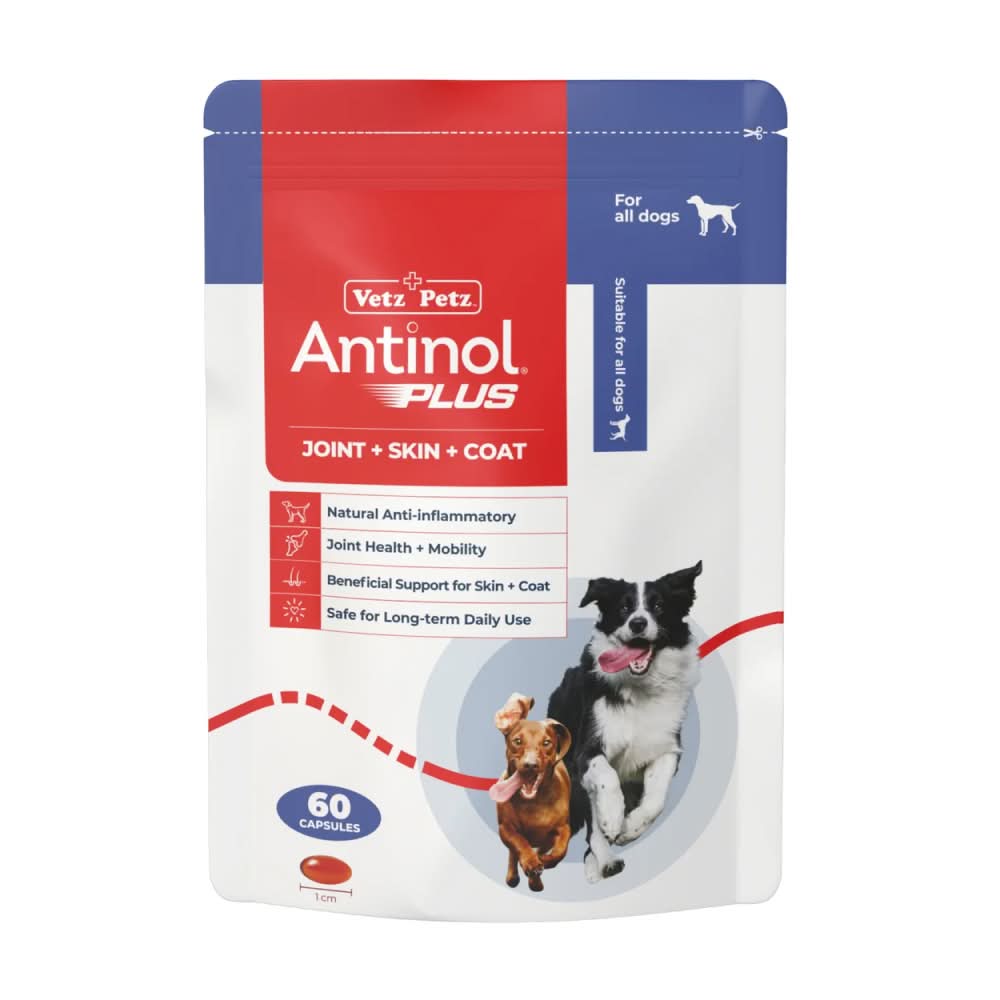
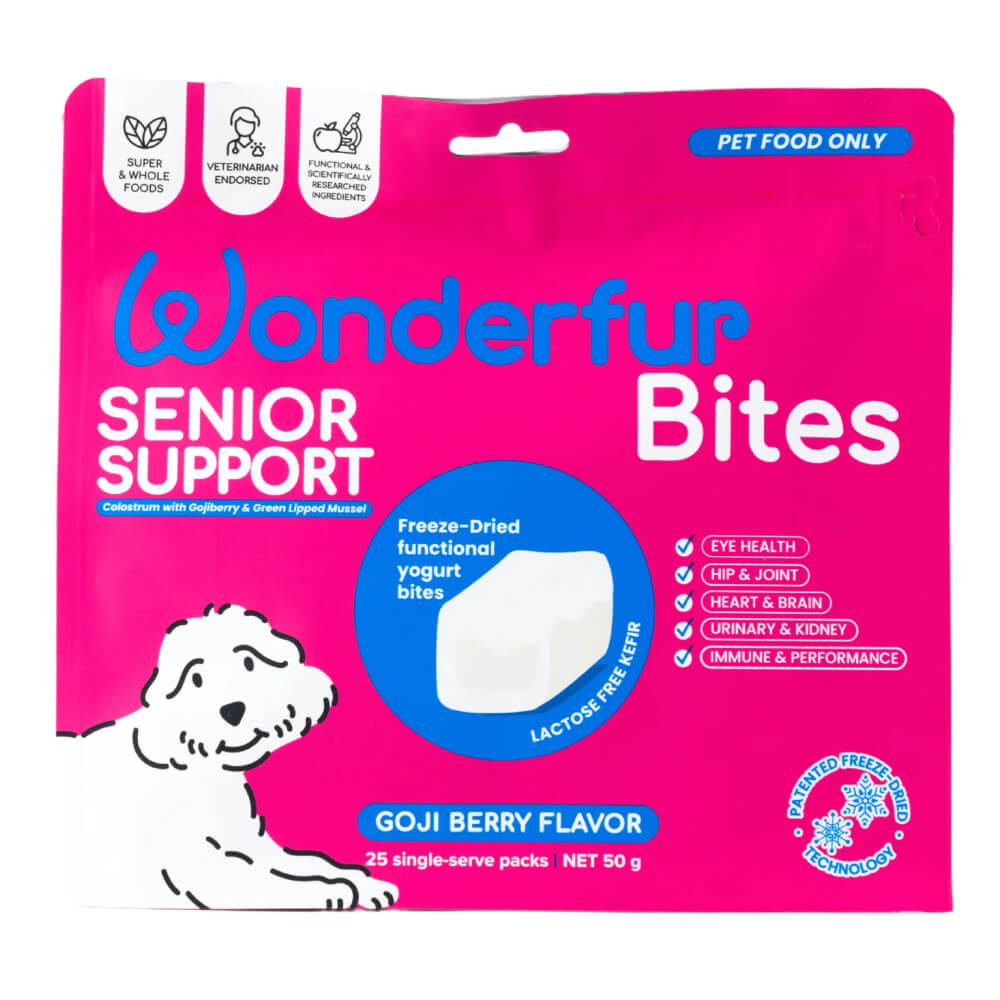
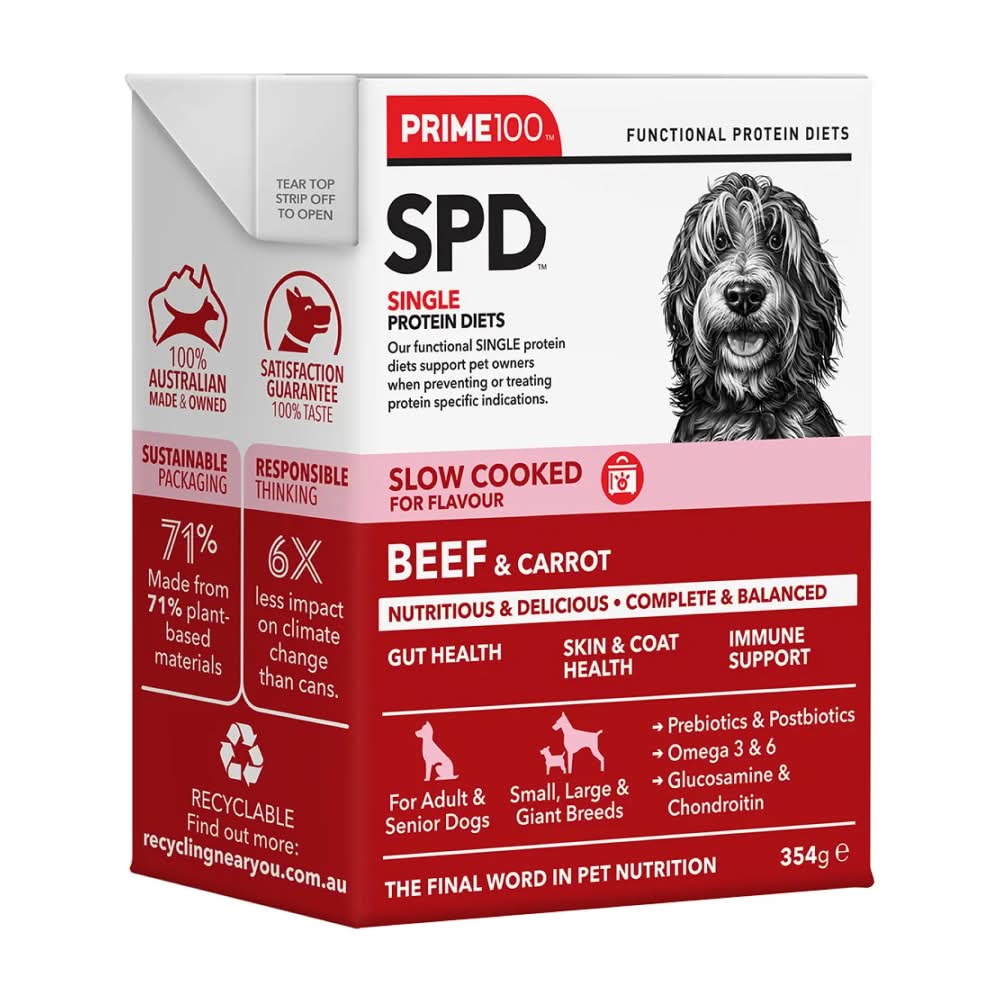
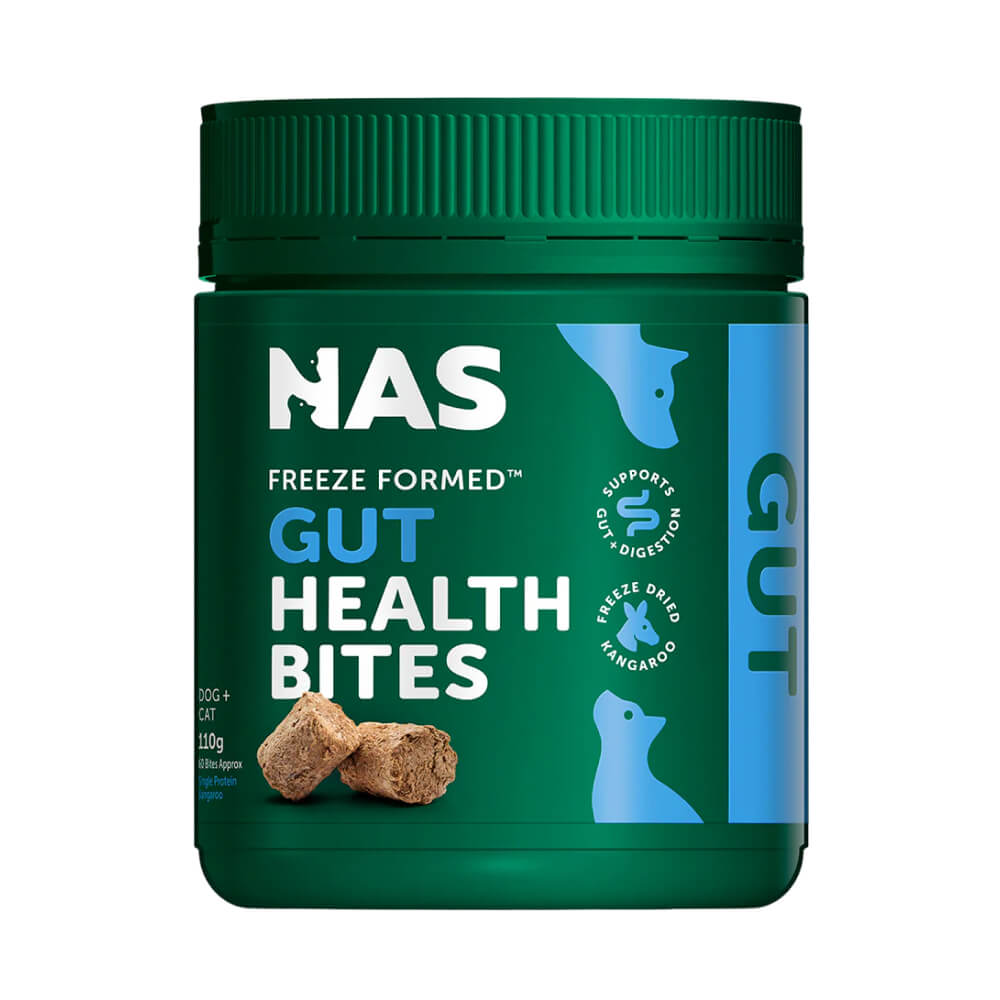
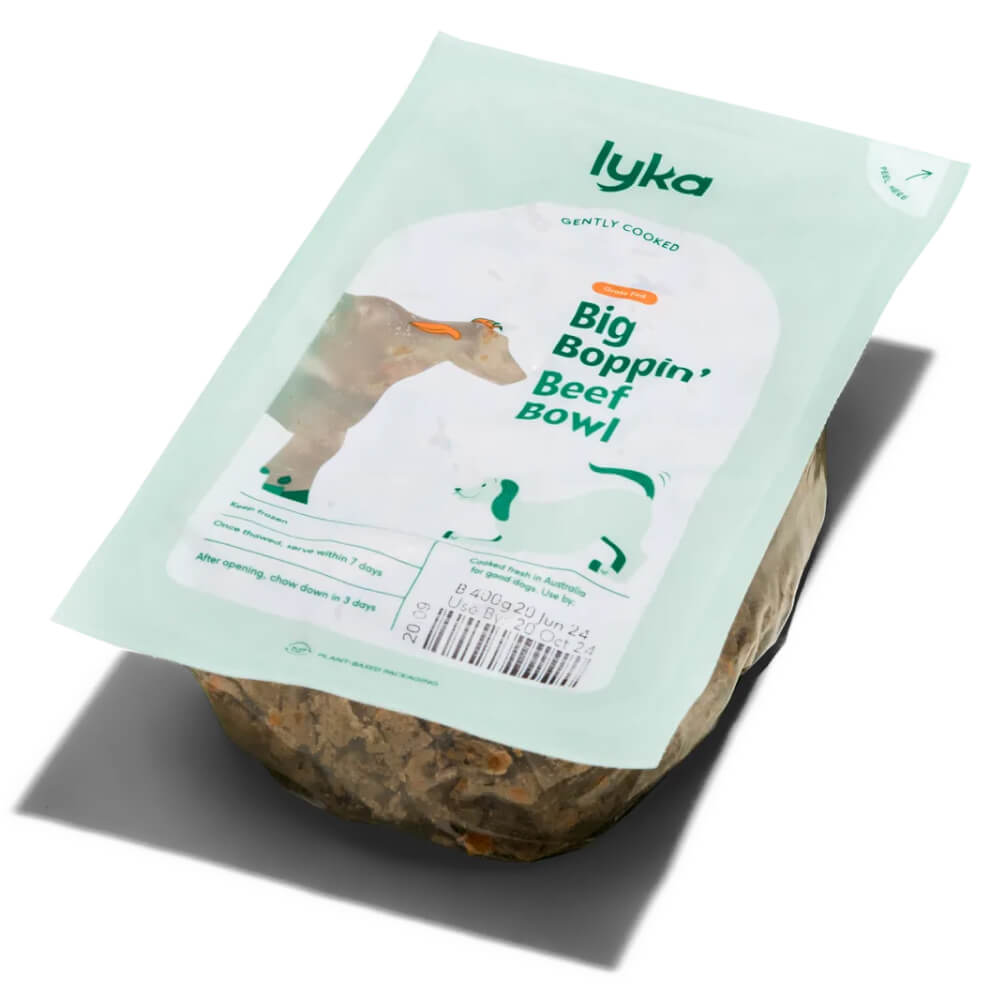
Diet management is critical for Pugs. They are food-obsessed and will eat well beyond what they need if given the chance. A measured, high-quality small-breed formula is essential — never free-feed a Pug. Calorie-controlled diets work well for the breed, and low-calorie treats should replace standard options. Obesity in a brachycephalic dog compounds breathing issues and reduces quality of life dramatically. Some Pugs have food sensitivities — grain-free or limited-ingredient diets may help if skin or digestive issues appear. See our recommended foods for Pug below.

Training
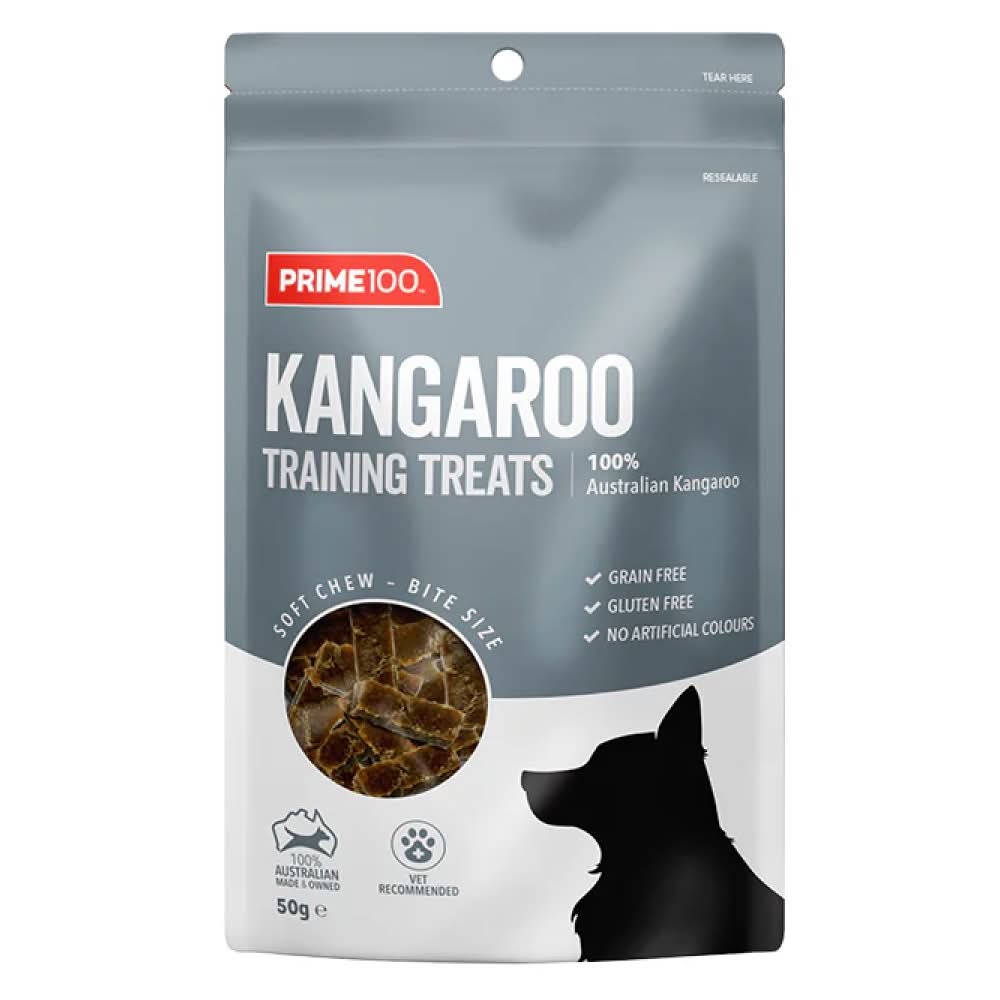
Pugs are willing but not driven. They enjoy training sessions that involve food rewards and praise, but they lack the intensity of breeds that live to work. Keep sessions short, positive and low-pressure. They respond terribly to harsh correction — a Pug that feels scolded will shut down completely. House training is usually straightforward, though some Pugs take longer in wet or cold weather when they'd rather stay inside. Socialisation comes naturally to this breed — they're inherently friendly and rarely need extensive exposure to become well-adjusted. The main training focus should be on impulse control around food and basic manners.

Suitability
A Pug suits almost any household that can manage the health commitment — apartments, houses, families with kids, singles, retirees. Their low exercise needs, gentle temperament and adaptability make them one of the most flexible companion breeds available. If you want a dog that's happy just being with you and doesn't need hours of stimulation, a Pug delivers.
The hard truth is the health burden. Pugs are expensive to maintain medically. BOAS surgery, ongoing eye care, skin fold management and the constant battle against obesity add up. If you live in a hot part of Australia without reliable air conditioning, this breed is a genuine welfare risk. If you're not prepared for potentially significant vet bills over the dog's lifetime, a healthier breed is a more responsible choice. None of this means Pugs aren't wonderful dogs — they are. But going in uninformed does the dog a disservice.
Frequently Asked Questions
How much does a Pug cost in Australia?
Can Pugs handle Australian heat?
Are Pugs good with children?
Why do Pugs shed so much?
How long do Pugs live?

Comments
0 comments
Login to Join the Conversation 💬