





















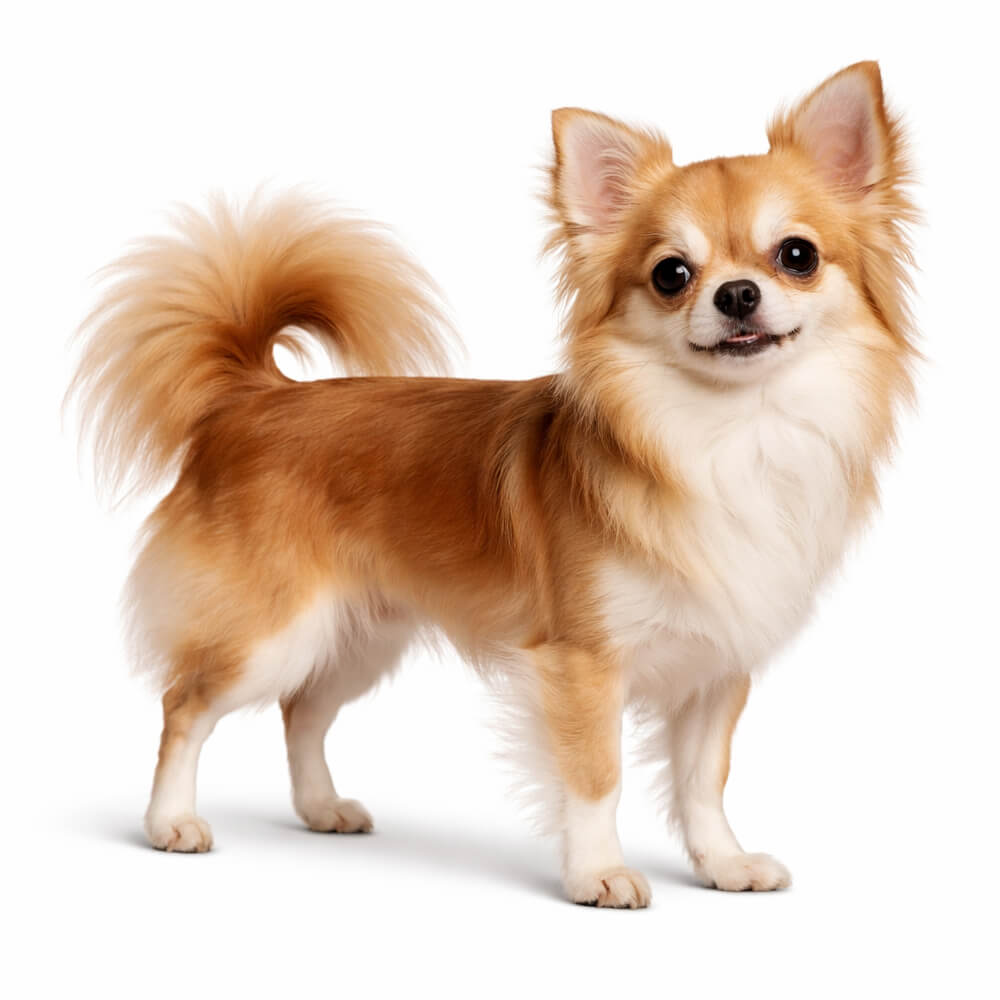

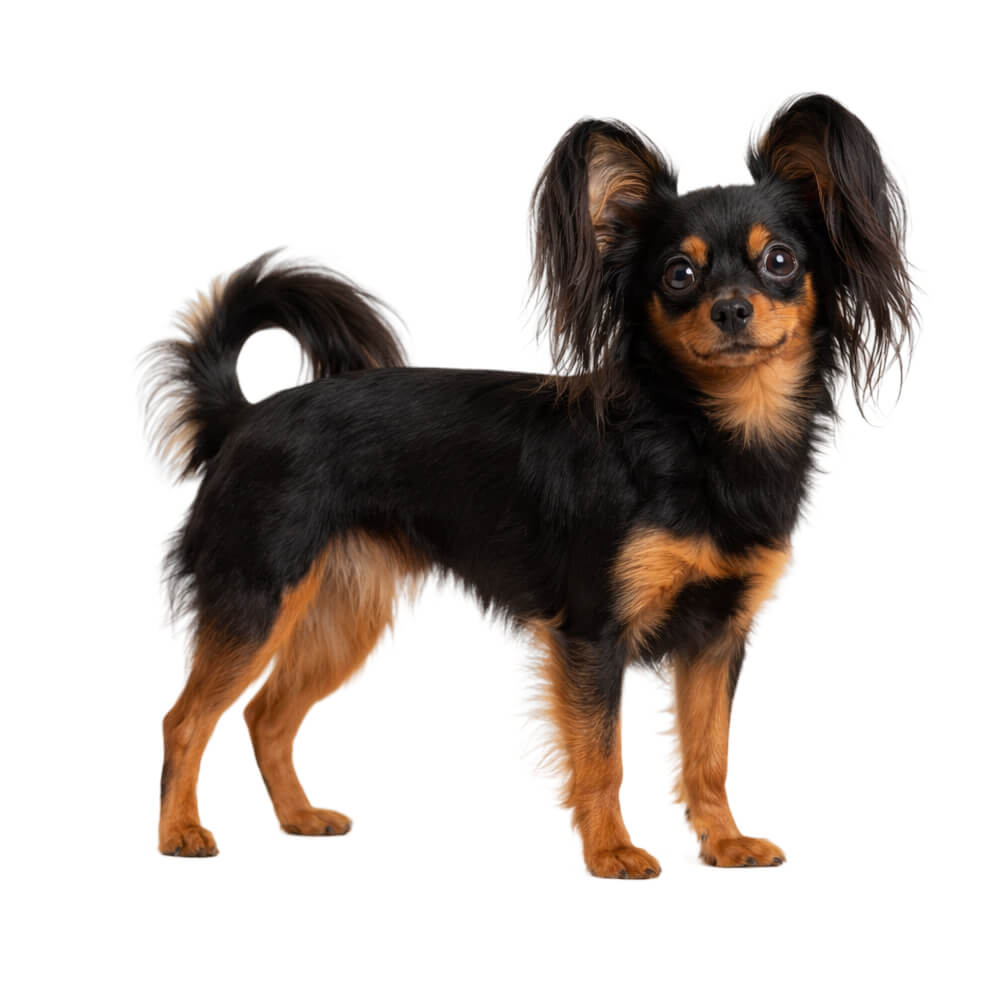
The long haired Chihuahua is a toy breed from Mexico and one of the smallest dogs in the world, identified by a soft, feathered coat that frames the ears, chest, and tail. Underneath that coat is the same dog as the smooth variety — fiercely loyal, bold beyond its size, and considerably more demanding than its dimensions suggest.
What catches owners off guard is the personality intensity. Long haired Chihuahuas pick one or two people and orient their entire world around them.
They're observant, vocal about perceived threats, and not particularly interested in charming strangers. In the right household, that's devotion. Without structure, it tips into anxiety and reactive behaviour quickly.
The breed doesn't half-commit to anything — and neither should the owner.
History and Origin
The Chihuahua is one of the oldest dog breeds in the Americas, with documented links to the Techichi — a small companion dog kept by the Toltec civilisation from at least the 9th century CE. The Aztecs later adopted the Techichi as a companion and ceremonial animal, and small dogs resembling the modern Chihuahua appear in pre-Columbian carvings across Mexico.
The connection to the northern Mexican state of Chihuahua comes from the 1850s and 1860s, when American visitors began purchasing and importing the dogs they found there. The American Kennel Club registered its first Chihuahua in 1904.
The long haired variety has been present since the breed's earliest documented history. The gene responsible is recessive — two smooth-coated parents can produce long-haired offspring — and the coat type has appeared consistently across the breed population without needing deliberate selection. In Australia, both varieties are registered under the same Dogs Australia breed standard and shown in the same classes.
What makes the Chihuahua's history unusual is the absence of any working role. This was always a companion dog — bred exclusively for close human contact across more than a thousand years. The intense one-person attachment, the territorial behaviour, and the suspicion of strangers aren't personality quirks. They're the direct output of that history.
Temperament and Personality
The defining trait of the long haired Chihuahua is attachment — concentrated, singular, and directed at one person.
Most Chihuahuas identify a primary person and structure their world around them. They follow, watch, and position themselves between their person and anything they've categorised as a threat. In a stable household with a consistent owner, this reads as charming devotion. Without structure, it tips into separation anxiety and guarding behaviour that's difficult to walk back.
With strangers, the default is wariness rather than aggression — but the gap between those two things is shorter than in most breeds. Chihuahuas read social situations quickly and reach for a bark or a snap faster than a more socially tolerant dog would.
This is consistently mishandled by owners who treat the behaviour as personality because the dog is small. A Chihuahua who snaps at visitors isn't displaying feisty charm — it's displaying a training gap that would be addressed immediately in a larger breed.
With other dogs, the size-to-confidence ratio is a genuine management issue. Chihuahuas will posture at and challenge dogs many times their weight without hesitation, which gets them seriously hurt.
They tend to do best with other small dogs, particularly other Chihuahuas, where the social dynamics are more evenly matched. Early socialisation with calm, well-mannered dogs of varying sizes is a priority — not because Chihuahuas are inherently aggressive, but because a Chihuahua that starts something with a large dog is physically vulnerable in a way a bigger breed wouldn't be.
With children, the combination of fragility and low tolerance for rough handling makes the breed a poor fit for households with children under seven or eight. A toddler who grabs a two-kilogram dog is a physical injury risk to the dog, and the Chihuahua's response to fear or pain is typically a snap, not a retreat.
Energy arrives in bursts. Chihuahuas are sharp and curious in short windows, then content to rest — usually pressed against their person or burrowed under something warm.
They're genuinely sensitive to cold. In Melbourne, Canberra, or Tasmania, a coat for winter walks is practical equipment, not an affectation.
Common Health Conditions
The long haired Chihuahua is one of the longest-lived breeds available, but several structural and genetic conditions are common enough to plan and budget for before purchase.
Patellar Luxation — The kneecap slips from its groove, causing an intermittent skip in the gait — the dog kicks the leg out to pop it back into position. Chihuahuas are among the toy breeds most commonly affected.
Severity grades from 1 (occasional, self-correcting) to 4 (permanent displacement requiring surgery). Weight management reduces mechanical load on the joint. Ask to see patellar assessments for both parents before purchasing a puppy.
Open Fontanelle (Molera) — A soft spot on the skull where the cranial bones haven't fully fused. It's present in a substantial portion of Chihuahuas and acknowledged in the breed standard. A small molera in an otherwise normal puppy is generally not a concern.
A large or persistent opening raises the risk of hydrocephalus — fluid accumulation on the brain — which presents as a domed skull, behaviour changes, seizures, and coordination problems. Every Chihuahua puppy should be assessed by a vet for molera size before or shortly after purchase.
Tracheal Collapse — The cartilage rings supporting the trachea soften and flatten inward during breathing, producing a dry, honking cough during exercise, excitement, or drinking. Common across toy breeds and worsened by collar pressure on the neck.
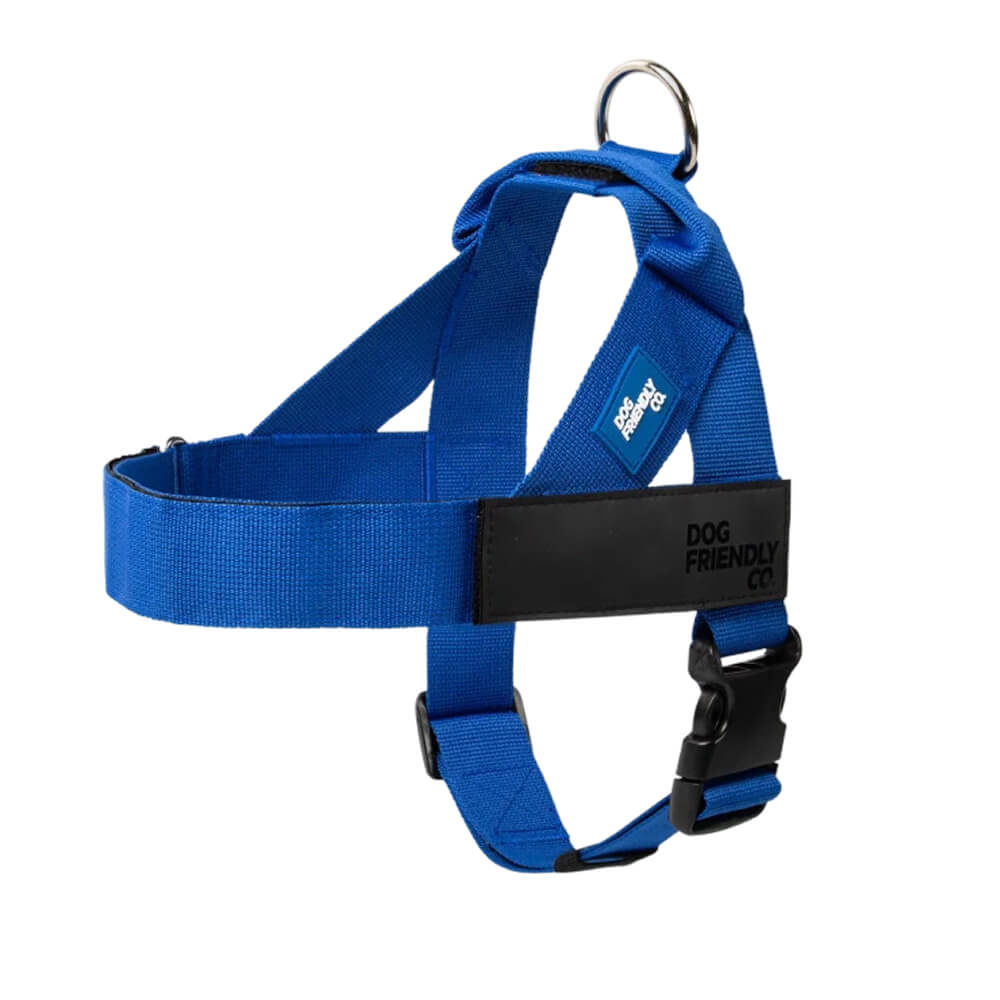
A harness is the standard recommendation for all Chihuahuas — not just those with confirmed tracheal issues. Mild cases are managed medically; severe cases may require surgical stenting.
Dental Disease — The Chihuahua carries a full complement of adult teeth — the same number as a German Shepherd — in a jaw a fraction of the size. The result is chronic crowding, retained baby teeth, and rapid tartar accumulation.
Dental disease is the most consistently underaddressed health issue in this breed. Brushing every one to two days, dental chews, and professional scaling under anaesthetic from around two years of age are standard management — not optional extras.
Hypoglycaemia — Low blood sugar is a real risk in puppies and very small adults, particularly during stress, travel, or missed meals. Signs include lethargy, trembling, confusion, and in severe cases, seizures.
Puppies should eat three to four small meals daily until six months of age. Carrying a glucose source — honey or a commercial glucose supplement — when travelling to the vet is a reasonable precaution.
Pet insurance for a Chihuahua in Australia typically runs $40–$80 per month. Given the dental and orthopaedic predispositions, compare policies specifically for coverage of dental procedures and patellar luxation repair before committing.


Exercise
Twenty to thirty minutes of daily exercise is adequate for an adult, but variety matters more than duration.
Long haired Chihuahuas are sharp-minded dogs that bore of repetitive pavement walks. A combination of short leash walks, secure off-lead time, and indoor puzzle feeders or training sessions keeps them more satisfied than a single long outing.
They fatigue quickly and don't push through discomfort — a Chihuahua that plants and refuses to walk is telling you it's done, not being stubborn.
In Australian summer conditions, shift exercise to early morning or after sundown. Chihuahuas are more vulnerable to heat stress than their size implies, and midday exertion in warm weather carries genuine risk.
Grooming
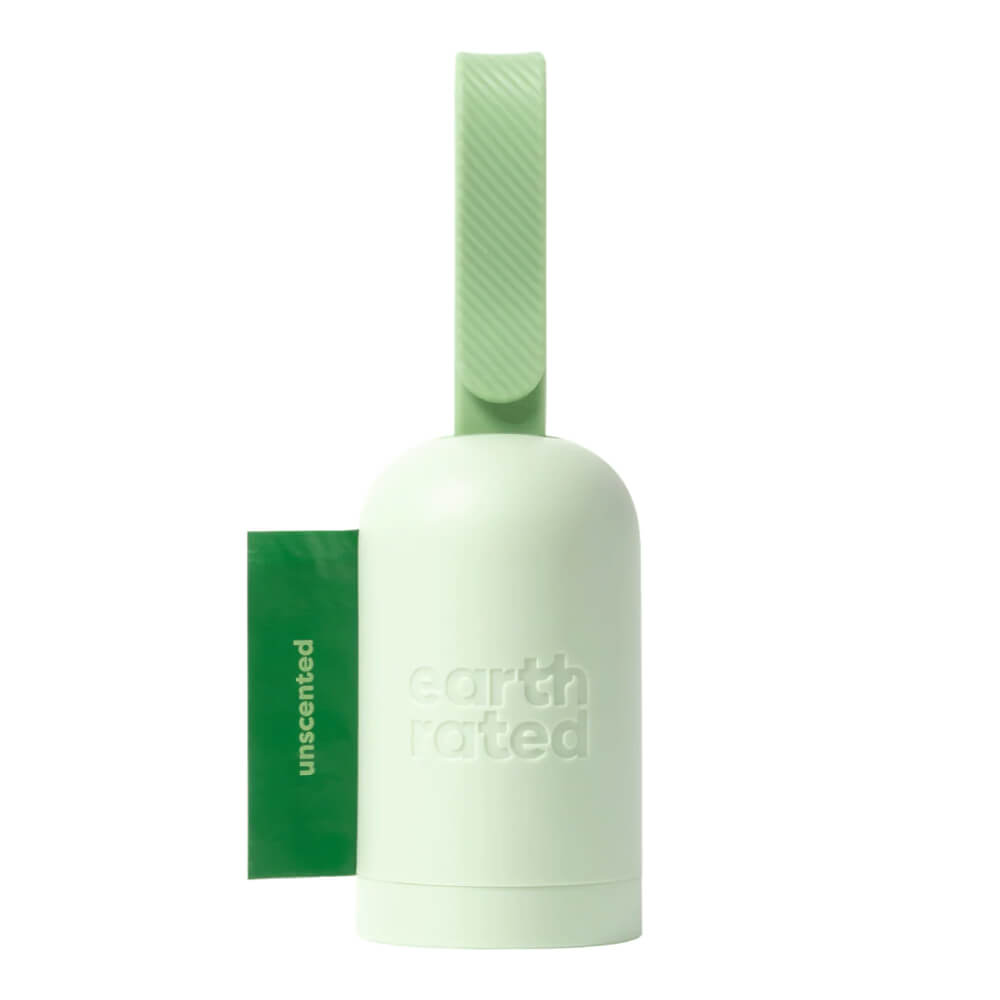
Weekly brushing prevents the matting that develops most aggressively behind the ears, on the chest, and along the back of the legs. A slicker brush followed by a fine-toothed comb is the standard toolkit.
Shedding is low to moderate and manageable. Bathing every four to six weeks is typically sufficient. A light trim around the paw pads and ear feathering every eight to twelve weeks simplifies home maintenance.
Professional grooming isn't required, but the fluffy, feathered coat of the long haired variety benefits from an occasional tidy — particularly during warmer months.
Dental care demands more time than coat care for this breed. Take toothbrushing as seriously as any other grooming task.


Nutrition
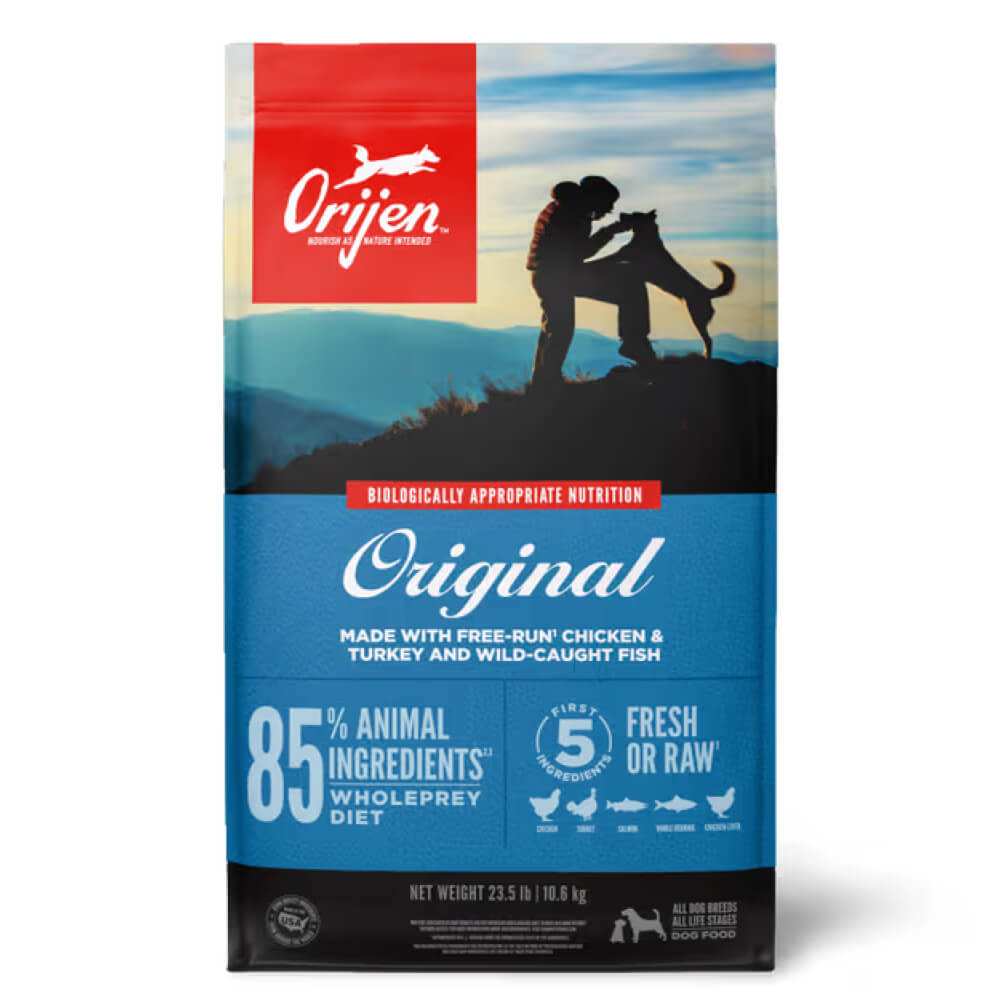
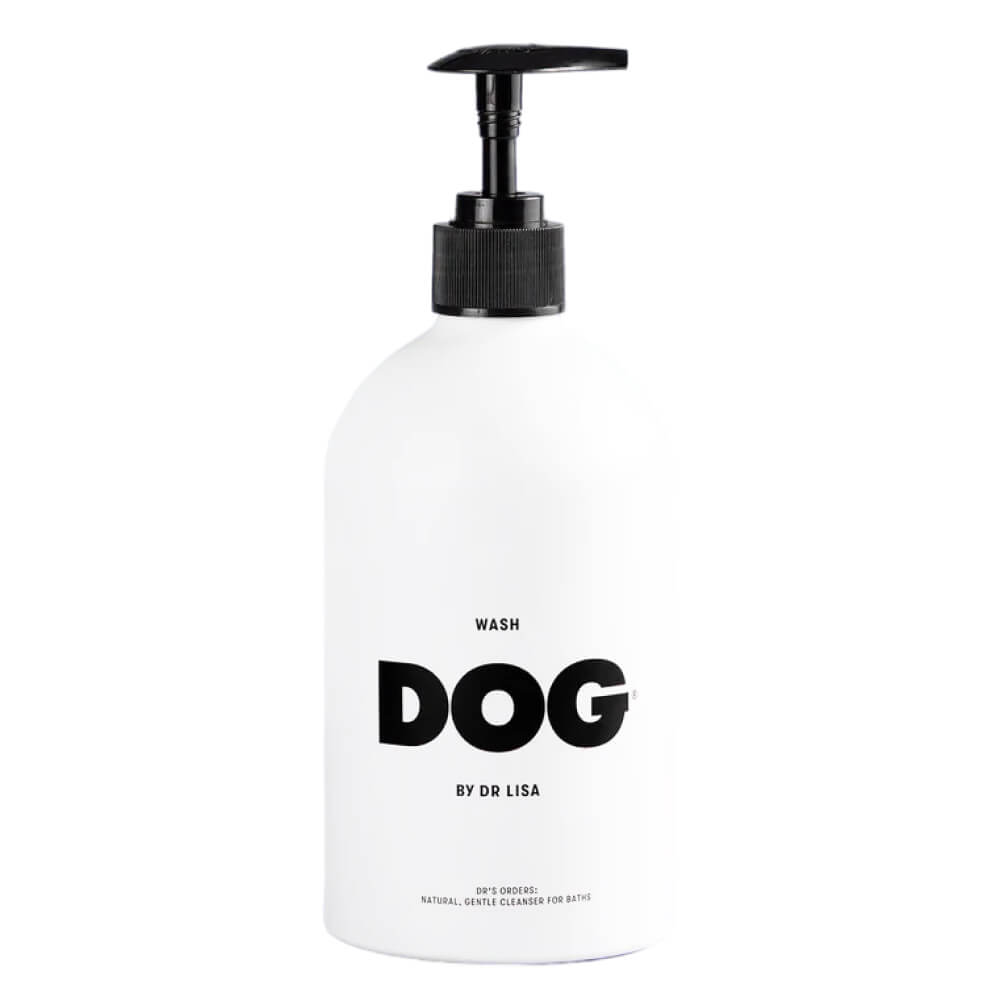
Small breed formulas with appropriately sized kibble are the standard recommendation. Standard or large breed kibble is too large for a Chihuahua's jaw and compounds the dental crowding problem.
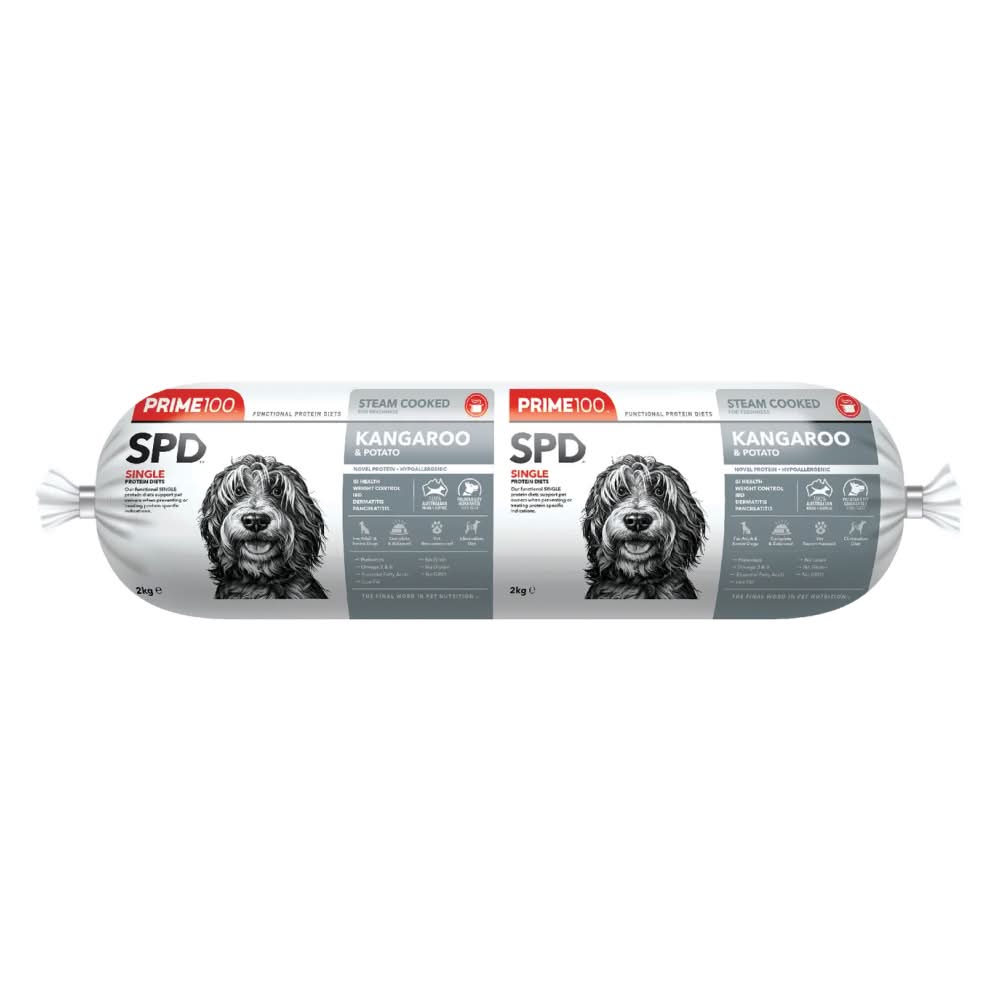
Caloric needs are minimal for a two-kilogram dog, and overfeeding through treats alone is easy. Wet food incorporated into the diet aids hydration and is often better tolerated by dogs managing dental disease.
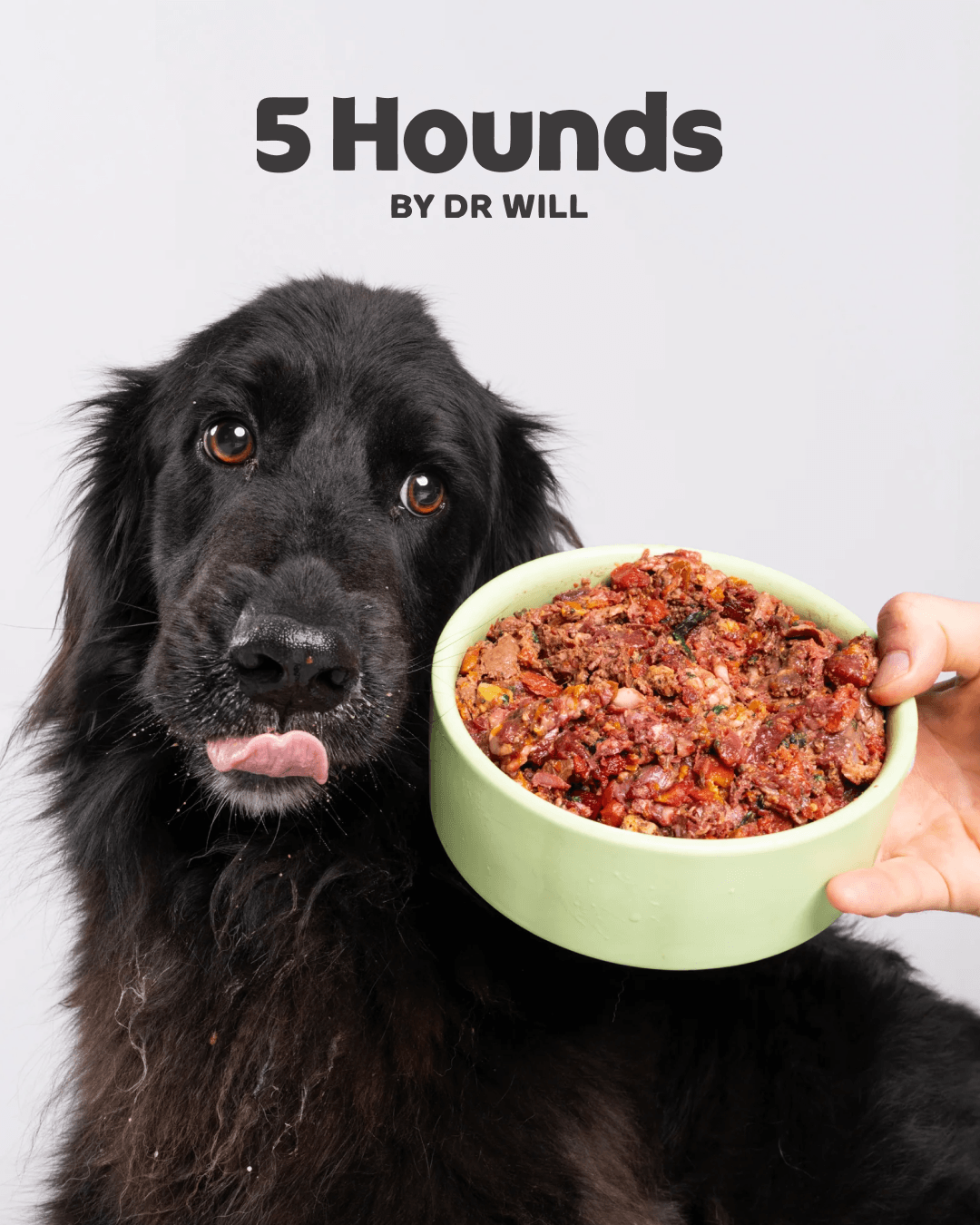
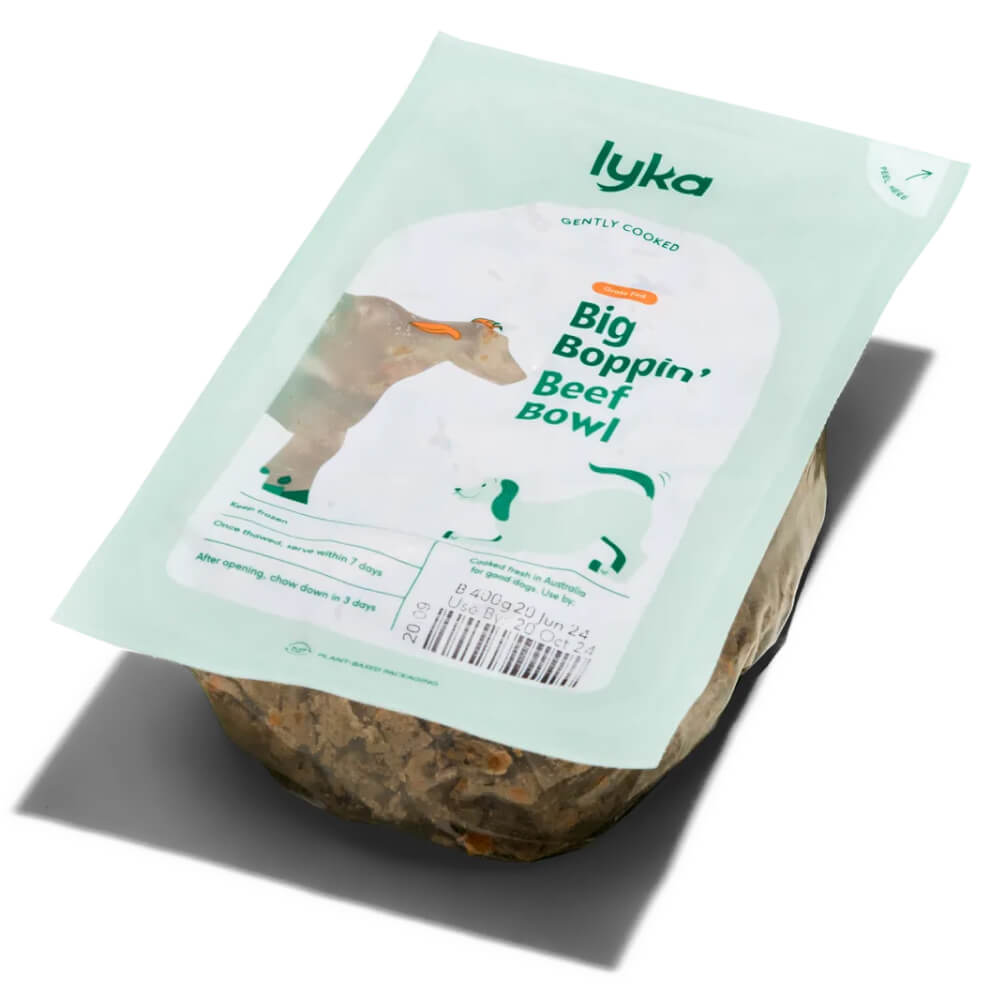
Puppies need three to four small meals daily until six months to prevent hypoglycaemic episodes. See our recommended foods for long haired Chihuahuas below.

Training
Chihuahuas learn quickly when motivated — but they have a well-documented capacity for selective compliance. They understand what's being asked and weigh up whether it's worth the effort.
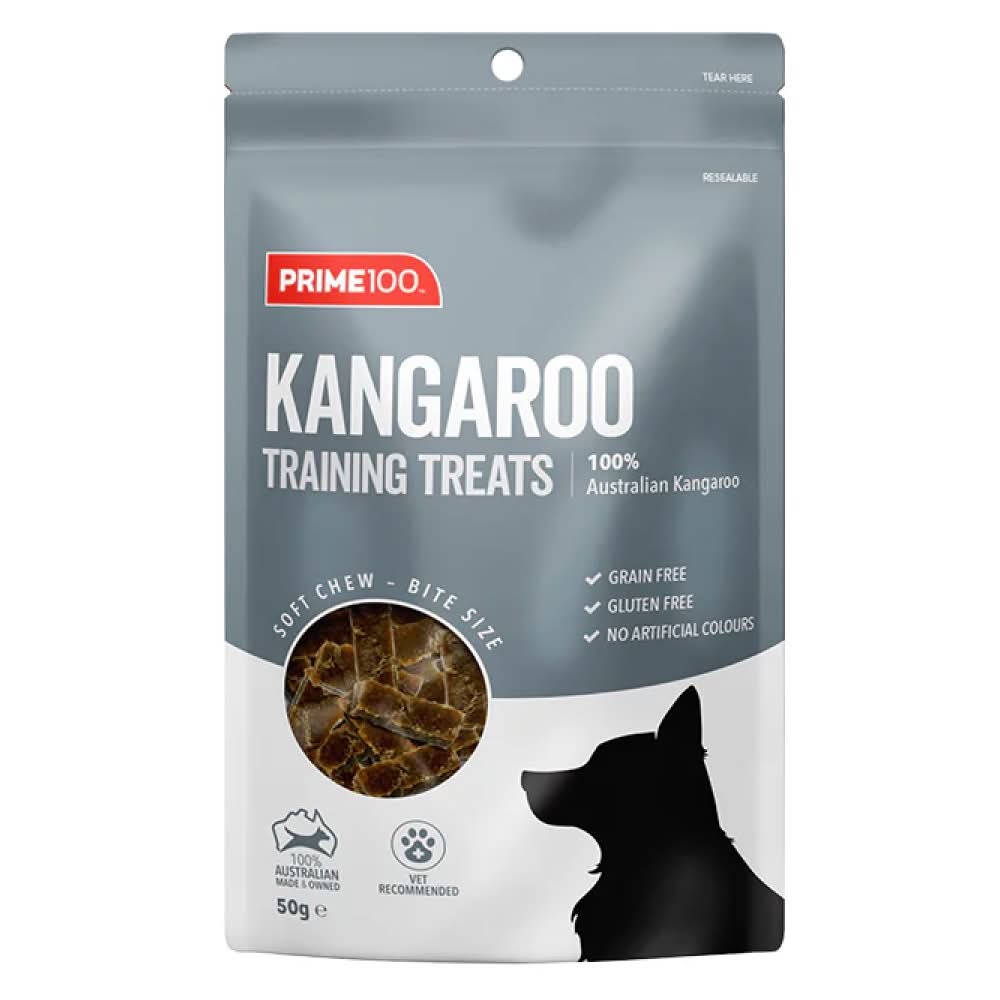
High-value food rewards and short, consistent sessions work better than extended repetitive drills.
The specific failure mode with this breed is the owner who excuses jumping, barking, and snapping because the dog is small. The result is a dog that has learned size provides exemption from consequences — and that pattern is much harder to undo than prevent.
Puppy classes are worth attending for the structured socialisation as much as the obedience work.

Suitability
Long haired Chihuahuas suit calm adult households where the dog will genuinely be someone's primary companion. Modest exercise needs, small footprint, easy to travel with, and cheap to feed — they're one of the more practical toy breeds for apartment living.
With a realistic lifespan of 14–16 years, they're also one of the longest commitments in the group. Older owners, singles, and couples without young children who want an attentive, characterful companion tend to be the best match.
They're the wrong choice for busy households with children under seven or eight. The fragility and low tolerance for rough handling is structural, not a training variable.
They don't suit owners who want a dog that's warm with everyone — a Chihuahua will pick their person and politely tolerate the rest, at best.
Anyone drawn to the breed on the assumption that small means low-maintenance is working from the wrong brief. Factor in ongoing dental costs — professional cleaning every one to two years is a realistic budget line — and the consistent training investment required to produce a dog that's actually pleasant to be around.
Frequently Asked Questions
How much does a long haired Chihuahua cost in Australia?
Are long haired Chihuahuas good pets?
Do long haired Chihuahuas shed a lot?
Are long haired Chihuahuas good for apartments?
How long do long haired Chihuahuas live?

Comments
0 comments
Login to Join the Conversation 💬