





























The Maltese is a small, white-coated companion breed with roots stretching back over two thousand years to the Mediterranean island of Malta. Gentle, affectionate and surprisingly bold for their size, they're bred purely for human company.
They thrive in apartments, suit older owners and families with school-age kids, and adapt to most living situations as long as they're not left alone for long stretches. What catches most people off guard is the attitude — Maltese carry themselves like they're twice their size, and they're not afraid to let a larger dog know it. That confidence is part of the charm, but it also means they need an owner who sets boundaries early rather than letting the cute face call all the shots.
History and Origin
The Maltese is one of the oldest toy breeds in the world. Ancient Greek and Roman writers described small white dogs from the island of Malta as prized companions of the wealthy, and archaeological evidence suggests the breed existed as far back as 500 BCE.
Unlike most toy breeds that were bred down from larger working dogs, the Maltese has always been a companion animal. They were never ratters, herders or retrievers — their entire history is built around sitting in laps, looking beautiful and providing company. That's not a criticism. It's the reason they're so finely tuned to human emotion.
The breed spread across Europe through trade routes, became a favourite of aristocrats and eventually arrived in Australia where it's remained one of the most popular toy breeds for decades. That centuries-long selection for companionship is exactly why a modern Maltese will follow you from room to room and protest loudly if they feel ignored.
Temperament and Personality
Maltese are affectionate, alert and deeply attached to their people. They bond tightly — often to one person in particular — and they don't pretend to be independent. If you're home, they want to be near you. If you leave, they want to know why.
That attachment is mostly endearing, but it can tip into separation anxiety if not managed. Maltese left alone for long periods will bark, stress and sometimes become destructive. They do best in households where someone is home for most of the day, or where they have a companion animal for company.
With strangers, they're initially reserved but warm up quickly. They're not aggressive, but they are vocal — a Maltese will announce every visitor, every delivery driver and every possum on the fence. That makes them surprisingly effective watchdogs and occasionally annoying neighbours.
Around other dogs, they're generally sociable but don't seem to register their own size. A Maltese will happily square up to a Labrador, which means off-lead parks require supervision. With kids, they're gentle and playful, though their small frame means very young children can accidentally hurt them. Families with kids over five tend to be the best fit.
Common Health Conditions
Maltese are a long-lived breed, commonly reaching 14 or 15 years. But their small size and genetics make them prone to a handful of conditions worth knowing about before you bring one home.
Luxating Patella
The kneecap slips out of its groove — common across toy breeds. You might notice your Maltese skipping a step or holding one back leg up mid-stride. Mild cases are managed with weight control and joint supplements. Severe cases need surgical correction.
Dental Disease
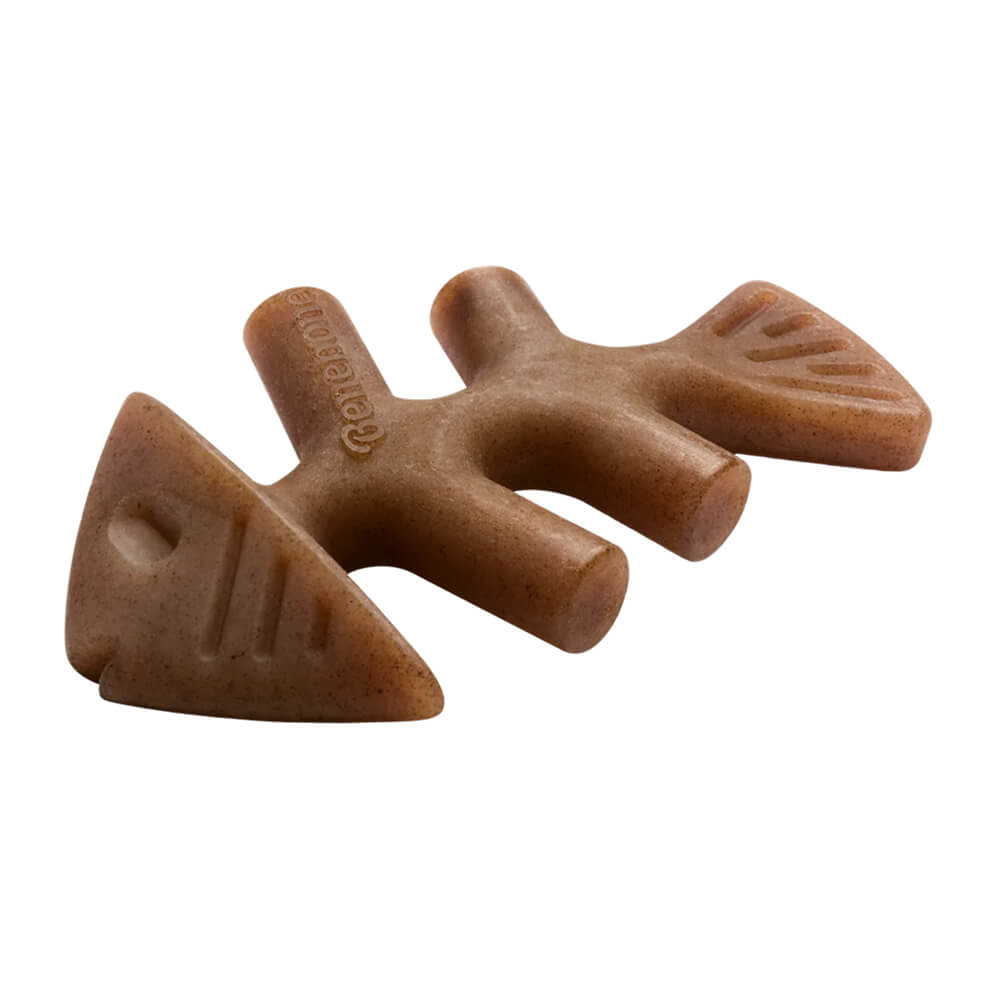
Small breeds with crowded mouths are predisposed to plaque buildup, gum disease and early tooth loss. Daily brushing or dental chews are essential, not optional. Most Maltese will need professional dental cleans under anaesthetic at some point.
Progressive Retinal Atrophy (PRA)
A degenerative eye condition that leads to gradual vision loss. Responsible breeders screen for PRA, so always ask for test results. There's no treatment, but affected dogs adapt well in familiar environments.
White Dog Shaker Syndrome
A neurological condition seen almost exclusively in small white-coated breeds. It causes full-body tremors, usually appearing between six months and three years of age. It responds well to corticosteroid treatment and most dogs recover fully.
Collapsed Trachea
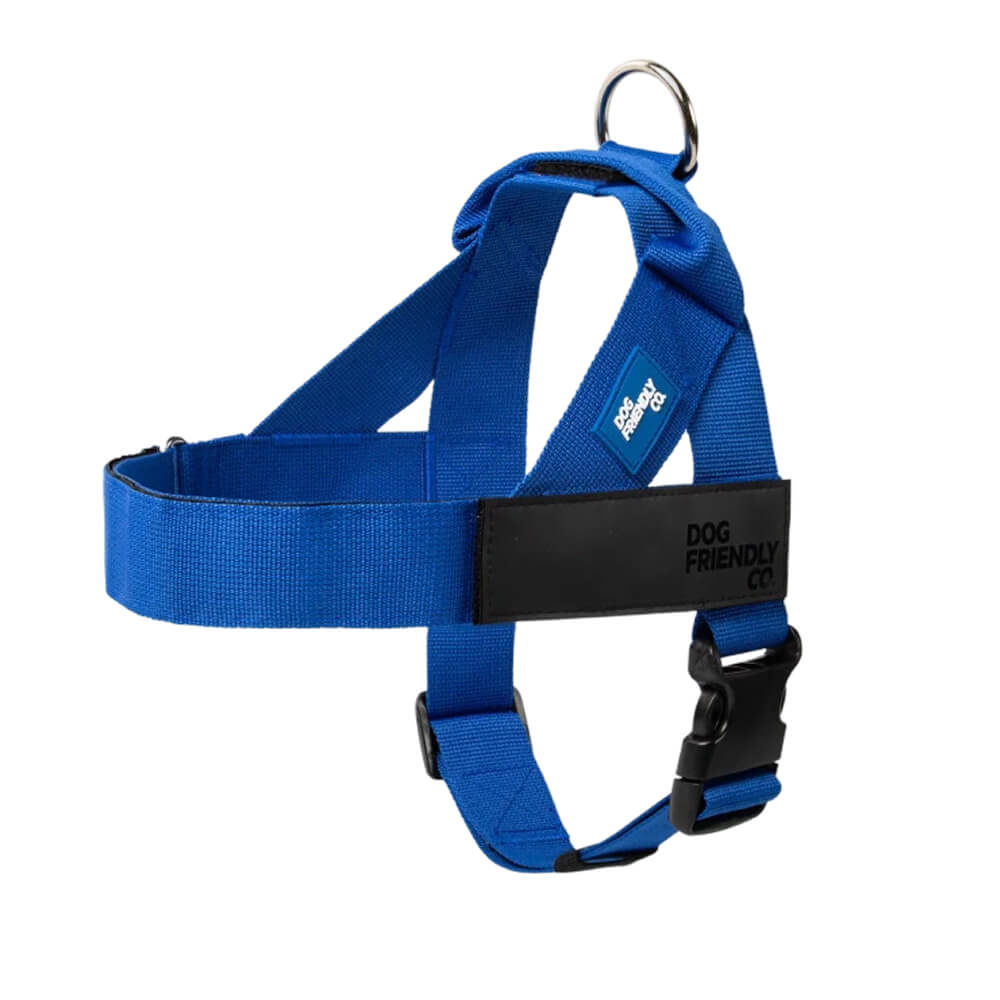
The cartilage rings supporting the windpipe weaken over time, causing a honking cough — especially during excitement or leash pressure. A harness instead of a collar, weight management and avoiding irritants all help. Severe cases may need medication or surgery.
Pet insurance taken out early is worth the investment for this breed, and regular vet check-ups every six to twelve months help catch issues before they escalate.


Exercise
Thirty minutes a day is enough for most Maltese — a couple of short walks plus some indoor play. They enjoy a trot around the block but they're not built for long hikes or intense exercise. In Australian summers, walk them early morning or after sunset to avoid overheating. Their small size and low exercise needs make them one of the easier breeds to keep active in an apartment.
Grooming
That long white coat is beautiful, but it's high maintenance. Daily brushing prevents matting and tangles, especially around the ears, chest and legs. Most owners keep their Maltese in a shorter "puppy clip" to reduce daily grooming effort. Professional grooming every four to six weeks is standard. Tear staining is common — daily eye cleaning with a damp cloth helps keep the face clean. Check ears weekly for wax buildup and keep nails trimmed fortnightly.


Nutrition
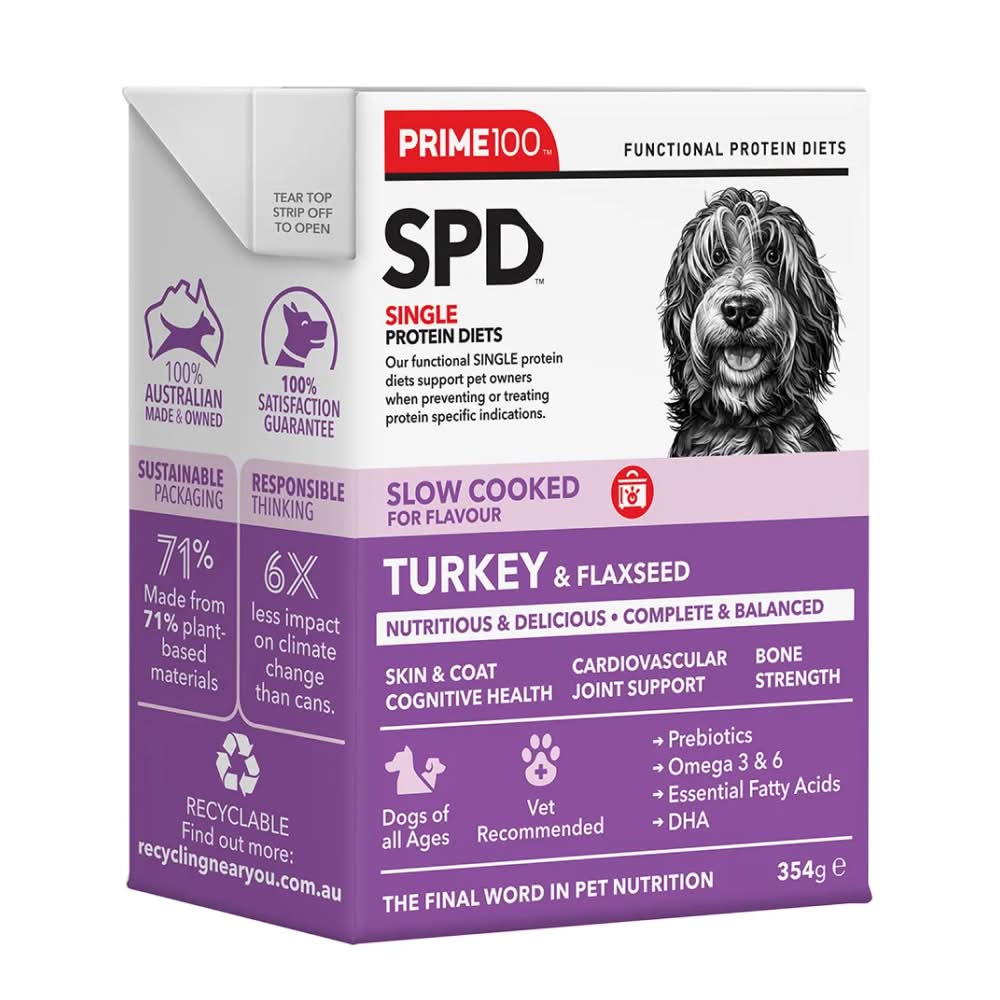
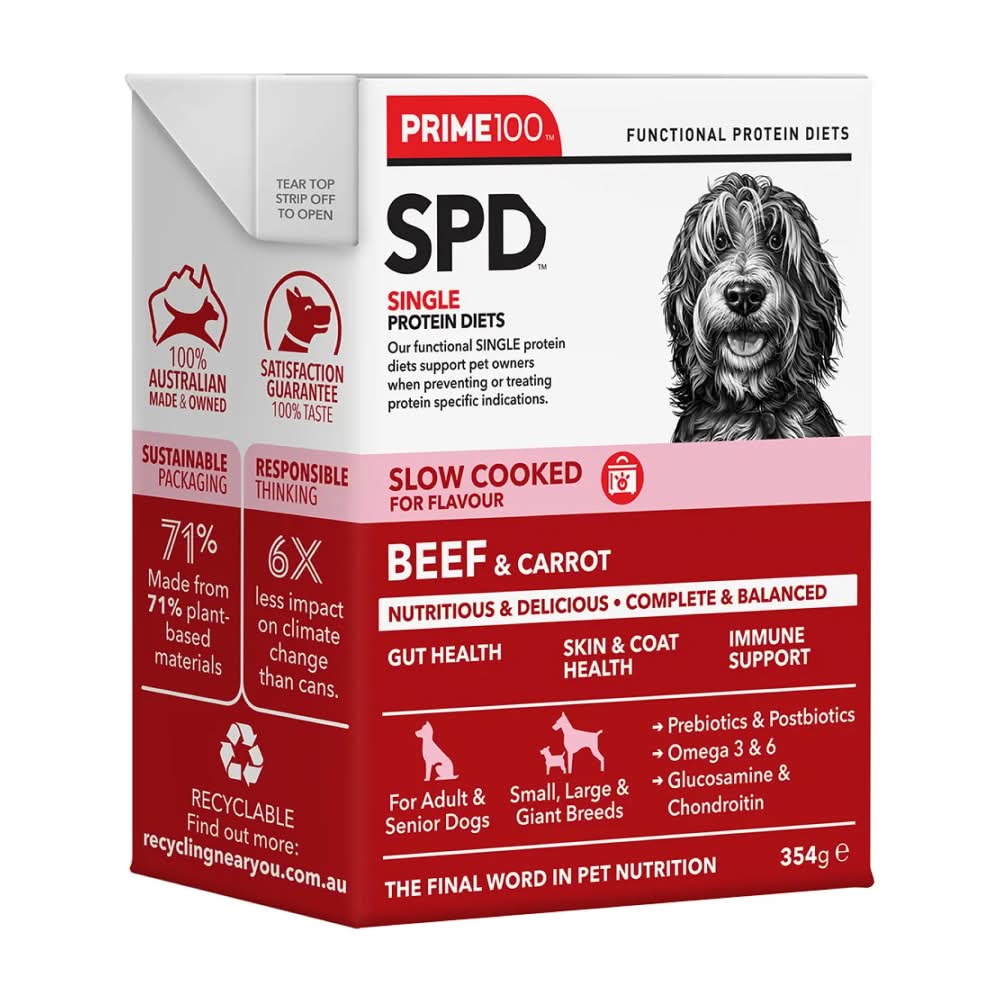
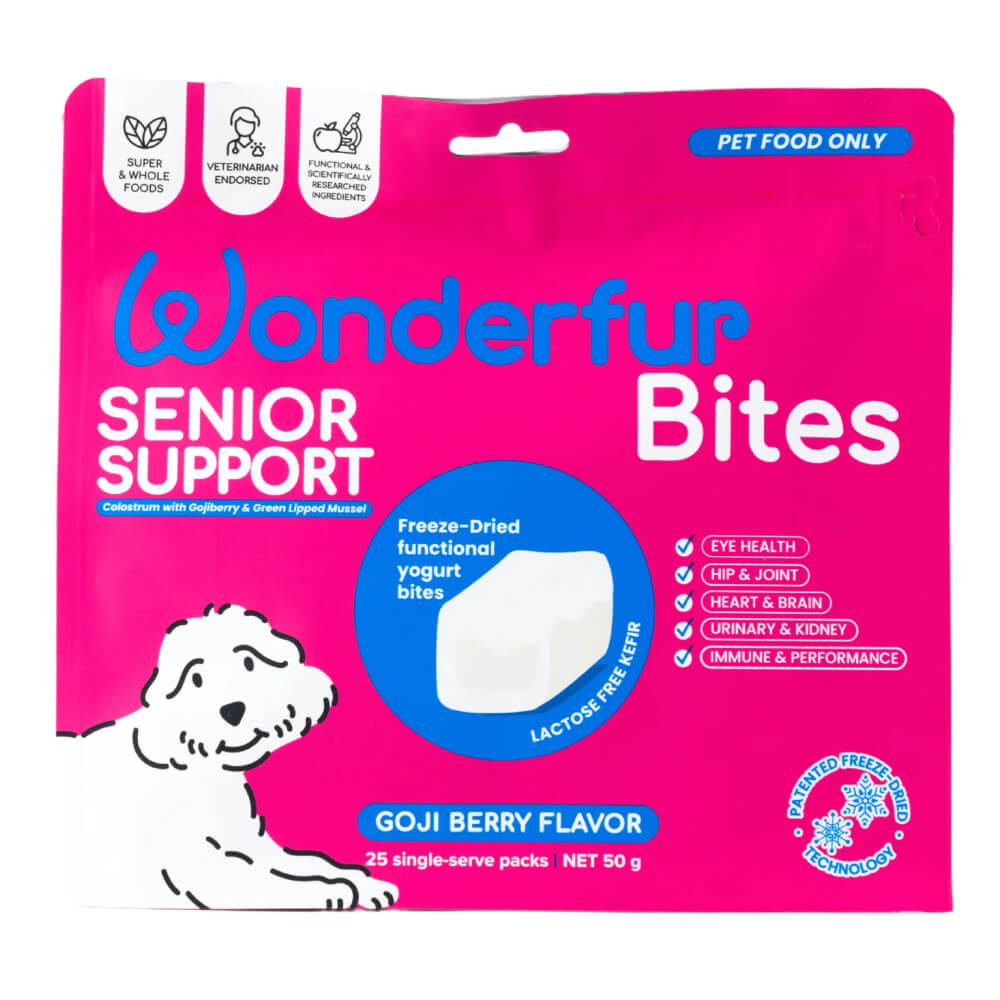
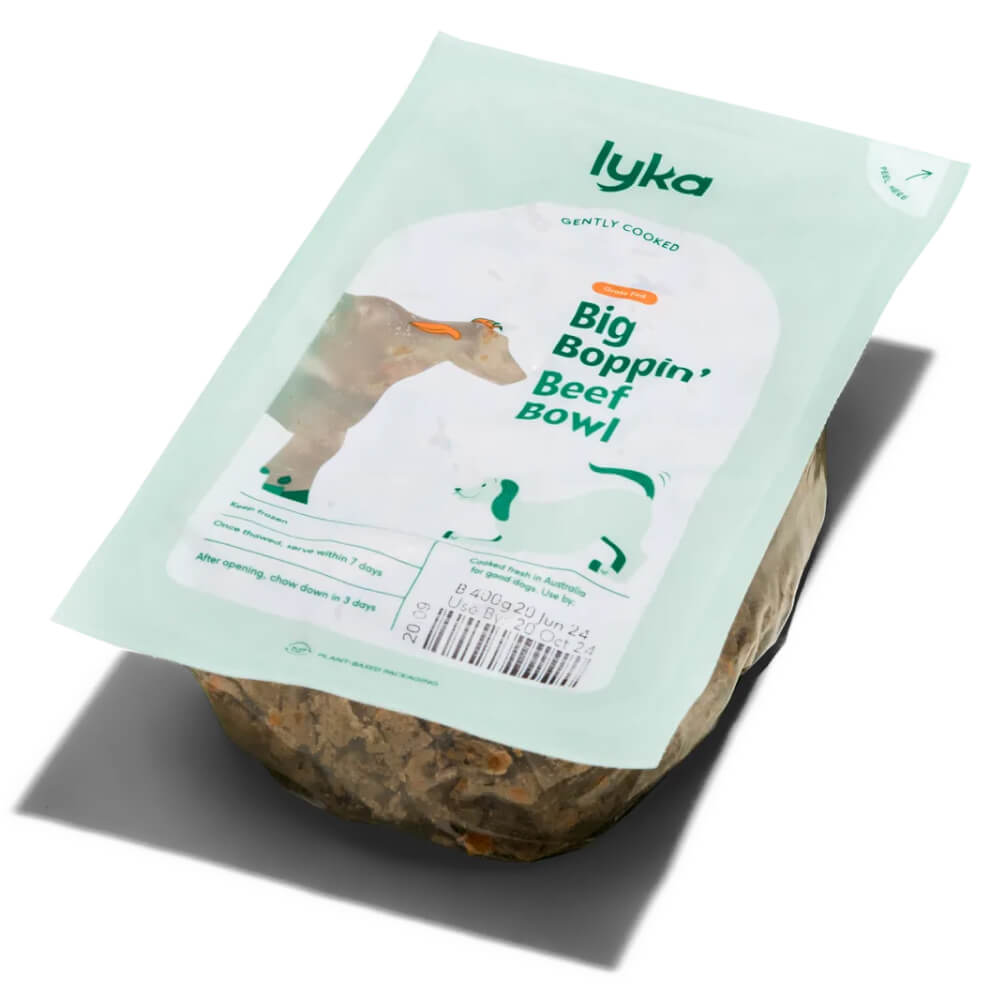
Maltese do well on a high-quality small-breed formula with appropriately sized kibble. They can be fussy eaters, and some owners fall into the trap of offering too many treats or table scraps to compensate. Obesity in a 3kg dog puts serious strain on joints and organs — keep portions measured and treats under ten per cent of daily intake. Dental-focused kibble or dental chews can double as both nutrition and oral care. See our recommended foods for Maltese below.

Training
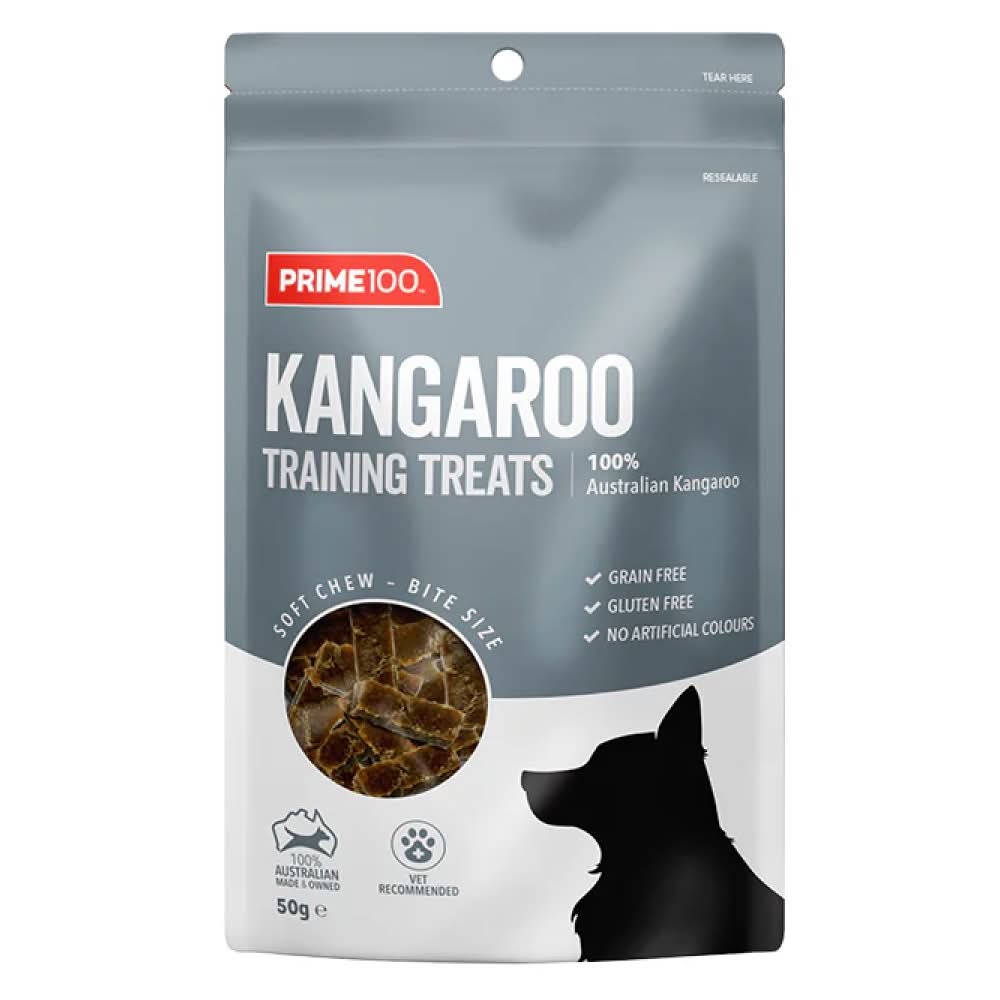
Maltese are intelligent and keen to please, but they have a stubborn streak that earns them a "moderate" trainability rating. Positive reinforcement works well — they respond to treats and praise, and they shut down with harsh correction. House training is the most common challenge; their small bladders and sometimes willful nature mean it takes patience and consistency. Early socialisation is important to prevent the yappy, snappy small-dog stereotype from taking hold. A well-socialised Maltese is confident without being obnoxious.

Suitability
A Maltese suits apartment living, older owners, couples and families with school-age children. They don't need a backyard, they don't need hours of exercise, and they're happy as long as they've got company. If you work from home or have a flexible schedule, even better — they genuinely need human interaction to thrive.
They're not ideal for households where everyone is out all day. They don't cope well with long stretches alone, and they'll let the neighbours know about it. The grooming commitment is real — if you don't want to brush a dog daily or pay for regular professional grooming, a Maltese will quickly become a matted mess. And while they're generally healthy, budget for dental care and potential knee issues down the track.
Frequently Asked Questions
How much does a Maltese cost in Australia?
Do Maltese bark a lot?
Are Maltese good for first-time dog owners?
Do Maltese need professional grooming?
How long do Maltese live?



Comments
0 comments
Login to Join the Conversation 💬