




.png)


Wild Ocean Fish with Superfood Recipe Senior Support Dry Dog Food

Overview
Billy + Margot Wild Ocean Fish with Superfood Recipe Senior Support Dry Dog Food is a grain-free dry food positioned for senior dogs, using a multi-protein blend of wild ocean fish meal, beef meal and salmon meal. Peas, red lentils, chickpeas and sweet potato form the carbohydrate base. Inulin is included as a prebiotic for digestive support, and salmon oil contributes DHA, marketed for cognitive support in older dogs. The multi-protein structure means it is not appropriate for dogs on a single-protein elimination trial or with a confirmed sensitivity to fish or beef.
Nutritional Analysis
Ingredients
Wild Ocean Fish Meal, Beef Meal, Peas, Red Lentils, Pea Protein, Chickpeas, Sweet Potato, Salmon Meal, Flaxseed, Natural Flavour, Salmon Oil, Vitamins and Minerals, Potassium Chloride, Coconut Oil, Inulin, Sodium Tripolyphosphate, Manuka Honey, Dried Alfalfa, Brewers Yeast, Natural Antioxidant, Yucca Concentrate, Carrot, Turmeric, Chia Seed, Ginger Root, Pumpkin, Cranberry, Kale, Blueberry, Spinach.


Fish Meal, Marine Fish Meal, Pelagic Fish Meal, Fishmeal (Marine Origin)
Ocean fish meal is a concentrated protein ingredient derived from whole ocean-caught fish or fish trimmings, making it an animal-based product. It is primarily included in pet food for its high-quality protein and essential omega-3 fatty acids, supporting muscle maintenance and skin health. Ocean fish meal is not used in its natural whole form but is processed and dried to optimise digestibility and nutrient availability.
Ocean fish meal is included as a concentrated protein and omega-3 fatty acid source, supporting nutritional requirements and product labelling claims. It also serves as a palatability enhancer, making the food more appealing to pets.
Rendered Beef, Dried Rendered Bovine Protein, Rendered Bovine Meal, Bovine Meal
Beef meal is a concentrated protein ingredient derived from rendered beef, an animal source. It is produced by cooking and drying beef tissues to remove most of the moisture and fat, resulting in a nutrient-dense powder. Beef meal is primarily included in pet food to provide high-quality protein and essential amino acids. It is not used in its natural form but as a processed, rendered meal for digestibility and nutrient consistency.
Beef meal is included as a concentrated protein source that provides essential amino acids while allowing for efficient nutrient delivery in a cost-effective manner. Its dehydrated form also optimises product stability and shelf life compared to fresh meat.
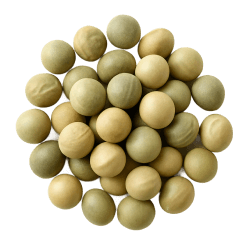
Pisum Sativum, Garden Pea, Green Pea, Field Pea
Peas are a plant-derived ingredient sourced from the seeds of the Pisum sativum plant. They are primarily included in pet food for their high protein content, dietary fibre, and essential micronutrients, supporting digestive health and energy. Peas are used in their natural, whole form, ensuring the retention of their nutritional value and functional benefits within the finished product.
Peas are included as a cost-effective source of protein, fibre, and carbohydrates, helping to optimise nutritional content while supporting product texture. They also serve as a label-friendly ingredient that appeals to consumers seeking grain-free or plant-based options.
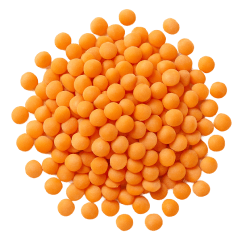
Lens Culinaris, Masoor Dal, Masur Dal, Lentille Rouge
Red lentils are edible seeds derived from the legume plant Lens culinaris, commonly cultivated for human and animal consumption. As a plant-based ingredient, red lentils are valued for their high protein, dietary fibre, and essential micronutrient content. In pet food, red lentils are used in their natural, whole form to provide a digestible source of energy, support gut health, and contribute to overall nutritional balance.
Red lentils are included as a cost-effective, high-protein plant ingredient that also provides dietary fibre and carbohydrates. Their use can help optimise the protein content of the product while supporting a grain-free marketing position.
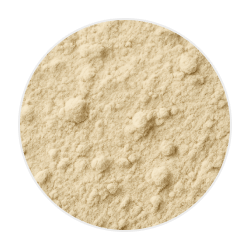
Pisum Sativum Protein, Pea Isolate, Pea Protein Isolate, Pisum Sativum Isolate
Pea protein is a plant-derived ingredient extracted from yellow peas (Pisum sativum). It serves as a concentrated source of protein, supporting muscle maintenance and overall health in pets. Rather than using whole peas, pea protein is utilised in its isolated form to maximise protein content and digestibility. This functional ingredient is valued for its hypoallergenic properties and amino acid profile.
Pea protein is included as a cost-effective, plant-based protein source to boost overall protein content and support product labelling claims. It also serves as a functional ingredient to improve kibble texture and binding.
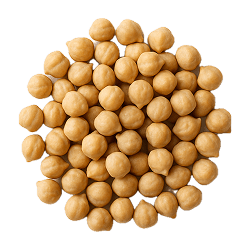
Garbanzo Beans, Cicer Arietinum, Bengal Gram, Egyptian Pea
Chickpeas are edible legumes derived from the plant Cicer arietinum, commonly cultivated for their high nutritional value. As a plant-based ingredient, chickpeas are primarily included in pet food for their rich protein, fibre, and complex carbohydrate content, supporting digestive health and sustained energy. Chickpeas are used in their natural, whole form, ensuring optimal nutrient retention and digestibility for pets.
Chickpeas are included as a cost-effective carbohydrate and protein source, providing bulk and nutritional value while supporting grain-free product labelling. Their use can also enhance the fibre content and appeal to consumers seeking plant-based or alternative ingredients.
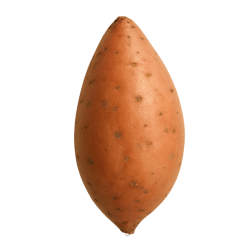
Ipomoea Batatas, Kumara, Batata, Camote
Sweet potato is a root vegetable of plant origin, valued for its rich content of complex carbohydrates, dietary fibre, and essential micronutrients such as vitamin A. In pet food, sweet potato serves primarily as a digestible energy source and supports digestive health. It is incorporated in its natural, whole form, ensuring optimal nutrient retention and palatability for companion animals.
Sweet potato is included as a cost-effective, highly digestible carbohydrate source that provides energy and dietary fibre. It also serves as a label-friendly ingredient appealing to consumers seeking natural, whole-food components in pet food.

Fish Meal (Salmon), Salmonidae Meal, Salmo Spp. Meal, Salmon Fishmeal
Salmon meal is a concentrated protein ingredient derived from the clean, rendered flesh and skin of salmon, an animal source. It is primarily included in pet foods to provide high-quality protein and essential omega-3 fatty acids, supporting muscle maintenance and skin health. Salmon meal is not used in its whole form; instead, it is processed and dried to optimise nutrient density and digestibility.
Salmon meal is included as a concentrated protein and omega-3 fatty acid source, supporting nutritional value and marketing claims of high-quality animal protein. Its use also allows manufacturers to optimise protein content cost-effectively compared to whole fresh salmon.
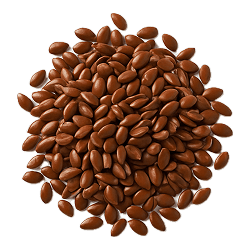
Flaxseed, Linum Usitatissimum, Flax, Flaxseed Oil
Linseed, also known as flaxseed, is a plant-derived ingredient sourced from the seeds of the flax plant (Linum usitatissimum). It is primarily included in pet food for its high content of omega-3 fatty acids and dietary fibre, supporting skin health and digestion. Linseed is used in its natural, whole or ground form to optimise nutrient availability and functional benefits.
Linseed is included as a source of omega-3 fatty acids and dietary fibre, supporting skin and coat health as well as digestive function. Its presence also allows manufacturers to market the product as containing plant-based nutrients and functional ingredients.

Natural Flavouring, Flavouring Substance, Flavouring Preparation, Flavouring Complex
Natural flavour is a food additive derived from animal or plant sources, designed to enhance the palatability of pet food. Its primary purpose is to improve taste and encourage consistent consumption. Rather than being used in its original raw form, natural flavour is typically processed and concentrated to ensure safety, stability, and uniformity in pet food formulations, while maintaining its natural origin.
Natural flavour is included to enhance palatability, encouraging pets to consume the product. It also allows manufacturers to improve taste without specifying individual flavouring agents, supporting flexible formulation and label-friendly marketing.
Fish Oil (Salmo Spp.), Salmo Spp. Oil, Salmonidae Oil, Omega-3 Marine Oil (Salmo Spp.)
Salmon oil is a nutrient-rich oil derived from the tissues of salmon, an animal source. It is primarily included in pet food for its high content of omega-3 fatty acids, which support skin, coat, and joint health. Salmon oil is utilised in its extracted liquid form, rather than as whole fish, to optimise absorption and deliver concentrated nutritional benefits.
Salmon oil is included as a source of omega-3 fatty acids to support skin and coat health, which can enhance the nutritional profile of the product. Its presence also serves as a marketing feature, appealing to consumers seeking premium or functional ingredients.
Micronutrients, Essential Micronutrients, Vital Nutrients, Accessory Food Factors
Vitamins are organic compounds derived from both plant and animal sources, essential for numerous metabolic and physiological functions in pets. Their primary purpose is to support immune health, vision, bone development, and cellular processes. In pet food, vitamins are not used in their natural, raw forms but are instead incorporated as stabilised compounds or premixes to ensure safety, stability, and optimal bioavailability.
Vitamins are included to ensure nutritional adequacy and meet regulatory requirements for complete and balanced pet food. They may also be added to compensate for nutrient losses during processing and storage.
Dietary Minerals, Inorganic Nutrients, Essential Minerals, Bulk Elements
Minerals are essential inorganic nutrients derived from the earth, not produced by animals or plants. They play a critical role in supporting various physiological functions, such as bone development, nerve transmission, and enzyme activity. In pet food, minerals are not used in their natural raw or metallic state; instead, they are incorporated as specific compounds (such as sulphates or chelates) to optimise safety and bioavailability.
Minerals are included to meet essential nutritional requirements for pets, supporting overall health and proper bodily functions. They are often added in precise amounts to ensure the product complies with regulatory standards and nutrient profiles.
E508, Muriate of Potash, Potassium Monochloride, KCl
Potassium chloride is a mineral compound derived from the element potassium, typically sourced from naturally occurring mineral deposits. It is utilised in pet food as a purified salt rather than in its raw metallic form, ensuring safety and optimal absorption. Its primary purpose is to provide essential potassium, which supports nerve function, muscle contraction, and fluid balance in companion animals.
Potassium chloride is included as a cost-effective mineral supplement to help meet pets’ dietary potassium requirements. It also functions as a salt substitute to optimise electrolyte balance in the formulation.
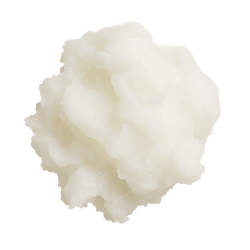
Cocos Nucifera Oil, Copra Oil, E472c, Coconut Fat
Coconut oil is a plant-derived oil extracted from the flesh of mature coconuts. It is primarily included in pet food for its energy-dense medium-chain triglycerides, which support healthy skin, coat, and metabolism. Coconut oil is used in its natural, refined form, ensuring it is safe and readily digestible for pets while delivering its functional nutritional benefits.
Coconut oil is included as a source of medium-chain triglycerides, which are marketed for their potential health benefits and digestibility. It also serves as a label-friendly ingredient that appeals to consumers seeking natural or premium pet food formulations.
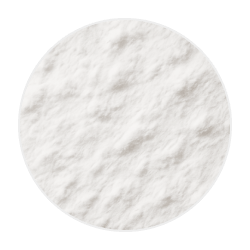
Chicory Root Fibre, Fructan, EINECS 232-684-3, Fructooligosaccharide
Inulin is a naturally occurring dietary fibre sourced primarily from plants such as chicory root. It serves as a prebiotic, supporting digestive health by promoting beneficial gut bacteria. In pet food, inulin is utilised in its extracted, purified form rather than as a whole plant, ensuring consistent quality and efficacy for optimal digestive function and overall wellbeing in pets.
Inulin is included as a prebiotic fibre to support digestive health and promote beneficial gut bacteria in pets. It also serves as a cost-effective bulking agent that can improve product texture and moisture retention.
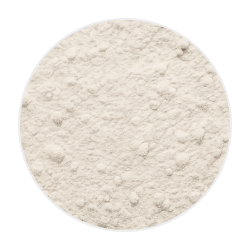
Pentapotassium Triphosphate, STPP, E451(i), Triphosphoric Acid Pentasodium Salt
Sodium tripolyphosphate is a synthetic compound derived from inorganic sources, commonly used in pet food formulations. Its primary function is to act as a preservative and to help maintain the texture and moisture of products. Sodium tripolyphosphate is not used in its natural mineral form; instead, it is utilised as a processed salt to ensure safety, stability, and optimal absorption.
Sodium tripolyphosphate is included as a functional additive to improve product texture and moisture retention, helping maintain palatability and appearance. It also acts as a preservative to extend shelf life and inhibit spoilage.

Leptospermum Scoparium Honey, New Zealand Tea Tree Honey, Jelly Bush Honey, Leptospermum Honey
Manuka honey is a natural sweetener derived from the nectar of the Manuka tree (Leptospermum scoparium), native to Australia and New Zealand. Sourced from plant origin, it is valued for its antimicrobial properties and as a source of natural sugars, providing energy. In pet food, Manuka honey is used in its natural form, ensuring the retention of its bioactive compounds and nutritional benefits.
Manuka honey is included as a premium, label-friendly ingredient to appeal to health-conscious consumers and enhance product marketability. It may also provide natural antimicrobial properties, supporting product preservation and perceived health benefits.

Medicago Sativa, Alfalfa Meal, Alfalfa Powder, Alfalfa Forage
Dried alfalfa is a plant-based ingredient derived from the Medicago sativa plant, commonly known as lucerne. It is primarily included in pet food for its rich fibre content and as a natural source of vitamins, minerals, and phytonutrients. Dried alfalfa is used in its natural, dehydrated form, providing nutritional benefits without the need for chemical modification or processing.
Dried alfalfa is included as a cost-effective source of plant protein, fibre, and micronutrients, contributing to the nutritional profile of the product. It also serves as a label-friendly ingredient that appeals to consumers seeking recognisable, natural components in pet food.

Saccharomyces Cerevisiae, Baker’s Yeast, Nutritional Yeast, Torula Yeast
Brewers yeast is a deactivated fungus derived from Saccharomyces cerevisiae, typically sourced as a by-product of beer brewing. It is included in pet food primarily for its rich content of B vitamins, protein, and amino acids, supporting overall health and vitality. Brewers yeast is used in its natural, inactive form, ensuring safety and optimal nutrient availability for pets.
Brewers yeast is included as a cost-effective source of protein and B vitamins, supporting nutritional labelling claims. It may also enhance palatability, encouraging dogs to consume the product.
Tocopherol, Mixed Tocopherols, E306, Rosemary Extract
Natural antioxidant refers to a substance, typically derived from plant sources, that helps protect pet food from oxidative damage and spoilage. Its primary function is to preserve freshness and extend shelf life by inhibiting the oxidation of fats and oils. In pet food, natural antioxidants are used in their natural form, ensuring safety and effective absorption without the need for chemical modification.
Natural antioxidants are included to help preserve the freshness and stability of pet food by slowing the oxidation of fats and oils, thereby extending shelf life. They also serve as a label-friendly alternative to synthetic preservatives, appealing to consumers seeking more natural ingredients.
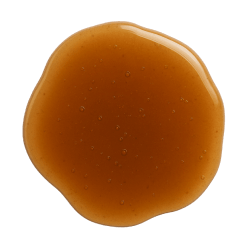
Yucca Schidigera Extract, Yucca Spp. Extract, Yucca Schidigera Juice, Yucca Spp. Juice
Yucca concentrate is a plant-derived extract sourced from the Yucca schidigera plant, native to arid regions of North America. It is primarily included in pet food to help reduce stool odour by binding ammonia and other waste compounds. Rather than using the whole plant, manufacturers utilise a concentrated extract to optimise its functional benefits and ensure consistent, safe inclusion in formulations.
Yucca concentrate is included as a natural deodorising agent to reduce stool and urine odour in pets. It also serves as a label-friendly ingredient that appeals to consumers seeking plant-based additives.
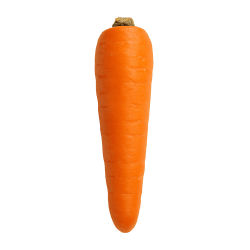
Daucus Carota, Daucus Carota Root, Daucus Carota Sativa, Wild Carrot
Carrot is a root vegetable of plant origin, widely recognised for its vibrant orange colour and natural sweetness. In pet food, carrot is included in its natural, whole form to provide dietary fibre, beta-carotene (a precursor to vitamin A), and antioxidants. Its primary benefit is supporting digestive health and immune function, while also contributing to overall palatability and nutritional diversity.
Carrot is included as a label-friendly ingredient to appeal to consumers seeking recognisable, natural components and to enhance the product’s perceived nutritional value. It may also provide a modest source of fibre and vitamins, supporting marketing claims of added health benefits.

Curcuma Longa, Indian Saffron, Jiang Huang, E100
Turmeric is a vibrant yellow spice derived from the root of the Curcuma longa plant, making it a plant-based ingredient. It is primarily included in pet food for its natural antioxidant and anti-inflammatory properties, supporting overall health and wellbeing. Turmeric is used in its natural powdered form, ensuring pets benefit from its active compound, curcumin, in a safe and bioavailable manner.
Turmeric is included as a label-friendly ingredient to appeal to health-conscious consumers due to its association with natural antioxidants and anti-inflammatory properties. Its presence may also support marketing claims related to holistic or functional pet foods, despite being used in small quantities with minimal direct nutritional impact for pets.
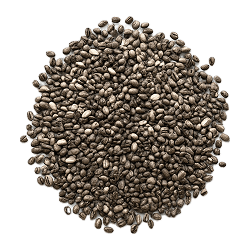
Salvia Hispanica, Salvia Hispanica Seed, Salba, Salvia Hispanica L.
Chia seed is a plant-derived ingredient sourced from the Salvia hispanica plant, native to Central and South America. It is primarily included in pet food for its rich content of omega-3 fatty acids, dietary fibre, and antioxidants, supporting skin, coat, and digestive health. Chia seed is used in its natural, whole form, ensuring optimal nutrient retention and bioavailability for pets.
Chia seed is included as a label-friendly ingredient to appeal to health-conscious consumers, as it is associated with omega-3 fatty acids and fibre. It may also provide a minor functional benefit as a source of plant-based nutrients and aid in product marketing.

Zingiber Officinale, Zingiber Officinale Rhizome, Ginger Rhizome, Zingiberis Rhizoma
Ginger root is the rhizome of the Zingiber officinale plant, originating from the plant kingdom. It is included in pet food primarily for its natural antioxidant and digestive-supporting properties. Ginger root is used in its natural, dried, or powdered form, rather than as an extract or isolated compound, to provide its full spectrum of bioactive constituents and functional benefits.
Ginger root is included as a label-friendly ingredient to appeal to health-conscious consumers and enhance product marketability. It may also be added for its perceived digestive benefits, although its functional impact at typical inclusion rates is minimal.
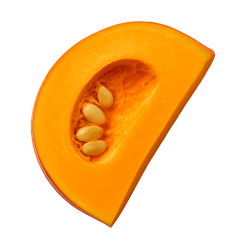
Cucurbita Pepo, Cucurbita Maxima, Cucurbita Moschata, Pepo
Pumpkin is a plant-derived ingredient sourced from the fruit of the Cucurbita pepo species. It is primarily included in pet food for its dietary fibre content, which supports digestive health and regularity. Pumpkin is used in its natural form, either as fresh, cooked, or dehydrated flesh, providing a source of vitamins, minerals, and antioxidants beneficial to overall wellbeing.
Pumpkin is included as a label-friendly ingredient that appeals to consumers seeking natural and recognisable components, while also serving as a cost-effective source of fibre and moisture to support digestive health and product texture. Its inclusion can enhance marketing appeal without significantly increasing formulation costs.
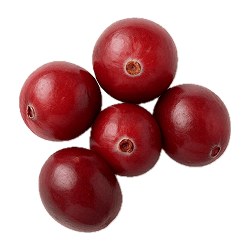
Vaccinium Macrocarpon, American Cranberry, Large Cranberry, Bearberry
Cranberry is a small, red berry derived from the Vaccinium macrocarpon plant, making it a plant-based ingredient. It is primarily included in pet food for its antioxidant properties and potential support of urinary tract health. Cranberry is used in its natural, whole form, ensuring pets benefit from its full spectrum of phytonutrients, vitamins, and dietary fibre.
Cranberry is included as a label-friendly ingredient to appeal to health-conscious consumers and enhance product marketability. It may also serve as a natural source of antioxidants, supporting the product’s functional claims.
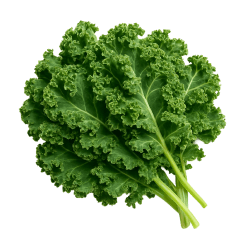
Brassica Oleracea, Borecole, Leaf Cabbage, Eru
Kale is a leafy green vegetable of plant origin, belonging to the Brassica family. It is included in pet food primarily for its rich content of vitamins, minerals, and antioxidants, supporting overall health and immune function. In pet food formulations, kale is used in its natural form, providing a source of dietary fibre and phytonutrients to optimise nutritional value.
Kale is included as a label-friendly ingredient to appeal to health-conscious consumers and enhance the perceived nutritional value of the product. It may also provide a source of vitamins and fibre, though its functional impact on pet nutrition is typically minimal at the inclusion levels used.
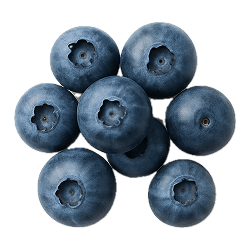
Vaccinium Corymbosum, Vaccinium Angustifolium, Bilberry, E163
Blueberry is a small, nutrient-rich fruit of plant origin, commonly sourced from the Vaccinium genus. It is included in pet food primarily for its antioxidant properties, supporting immune health and cellular protection. Blueberry is used in its natural, whole form, ensuring pets benefit from its full spectrum of vitamins, fibre, and phytonutrients as found in fresh fruit.
Blueberry is included as a label-friendly ingredient to appeal to health-conscious consumers, leveraging its reputation as a source of antioxidants. Its presence supports marketing claims of added nutritional benefits, though it is typically used in small quantities with minimal impact on the overall nutritional profile for pets.
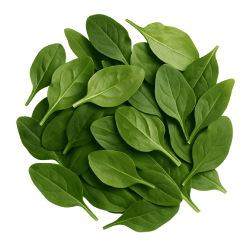
Spinacia Oleracea, English Spinach, Common Spinach, Garden Spinach
Spinach is a leafy green vegetable of plant origin, valued for its rich content of vitamins, minerals, and antioxidants. In pet food, spinach primarily provides dietary fibre, iron, and phytonutrients that support overall health and immune function. Spinach is included in its natural form, ensuring pets benefit from its full nutritional profile without synthetic alteration or processing into extracts.
Spinach is included as a label-friendly ingredient to appeal to health-conscious consumers and enhance the perceived nutritional value of the product. It may also provide a modest source of vitamins and minerals, supporting marketing claims of added health benefits.
About



PRODUCT TAGS
Most Tracked This Week











About the Brand



Comments
0 comments
Login to Join the Conversation 💬