




.png)


Eco-Protein Dental Bars Puppy

Overview
BuggyBix Eco-Protein Dental Bars for puppies are a gentle, daily dental chew designed to set your pup up with healthy teeth and gums from the very start. Made with hypoallergenic insect protein and developed in Australia, these grain-free, meat-free bars are easy to digest and suitable for all puppy breeds.
Formulated with ingredients that support early dental development, these puppy dental bars help keep teeth clean, gums healthy, and breath fresh — all while giving your pup something tasty to chew. A great way to make dental care a positive habit right from the beginning.
Ingredients
Tapioca, Vegetable Glycerine, Black Soldier Fly, Sweet Potato, Black Soldier Fly Oil, Pineapple Fibre, Kale, Calcium Carbonate, Anise, Sodium Propionate, Mint, Zinc.

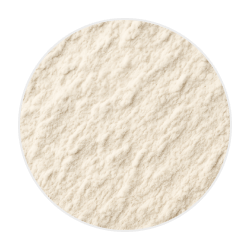
Cassava, Manioc, Yuca, Manihot Esculenta
Tapioca is a starch extracted from the root of the cassava plant, a tropical crop native to South America. As a plant-derived ingredient, its primary purpose in pet food is to provide a highly digestible source of carbohydrates and energy. Tapioca is used in its natural, processed form as a purified starch, not as whole cassava root, ensuring safety and digestibility.
Tapioca is included as a cost-effective carbohydrate source that provides energy and helps bind kibble, contributing to the desired texture and structure of the final product. Its neutral flavour and hypoallergenic properties also make it suitable for formulating diets for pets with sensitivities.
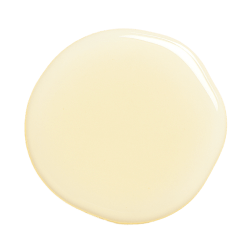
Vegetable Glycerol, Glycerine, E422, Vegetable Glycerin
Vegetable glycerine is a clear, odourless liquid derived from plant oils, typically palm, soy, or coconut. It serves primarily as a humectant, helping to retain moisture in pet food and improve texture. Rather than being used in its raw plant form, vegetable glycerine is extracted and purified for safe consumption and optimal functionality in pet nutrition formulations.
Vegetable glycerine is included as a humectant to retain moisture and improve the texture of pet food products, helping to prevent them from drying out. It also enhances palatability, making the food more appealing to pets.
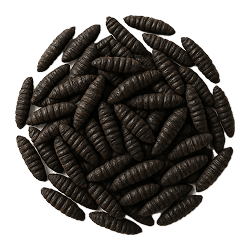
Hermetia Illucens, Soldier Fly, BSF, Soldier Fly Larvae
Black Soldier Fly is an insect-derived ingredient sourced from the larvae of Hermetia illucens. It is primarily included in pet food as a sustainable, high-quality protein and fat source, supporting muscle maintenance and energy. Black Soldier Fly is used in its processed, dried larval form rather than as a live insect, ensuring safety, digestibility, and optimal nutrient availability for pets.
Black soldier fly is included as a novel, sustainable protein source that offers a cost-effective alternative to traditional animal proteins. Its use also supports marketing claims related to environmental responsibility and hypoallergenic formulations.
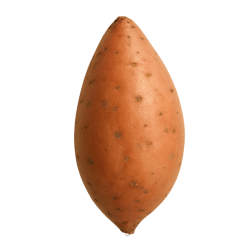
Ipomoea Batatas, Kumara, Batata, Camote
Sweet potato is a root vegetable of plant origin, valued for its rich content of complex carbohydrates, dietary fibre, and essential micronutrients such as vitamin A. In pet food, sweet potato serves primarily as a digestible energy source and supports digestive health. It is incorporated in its natural, whole form, ensuring optimal nutrient retention and palatability for companion animals.
Sweet potato is included as a cost-effective, highly digestible carbohydrate source that provides energy and dietary fibre. It also serves as a label-friendly ingredient appealing to consumers seeking natural, whole-food components in pet food.

Hermetia Illucens Oil, BSF Oil, Soldier Fly Oil, Hermetia Oil
Black Soldier Fly Oil is a nutrient-rich oil derived from the larvae of the black soldier fly, an animal-based ingredient. It is primarily included in pet food for its high content of beneficial fatty acids, supporting skin and coat health. This oil is utilised in its extracted form, rather than as whole larvae, to optimise digestibility and nutritional value for pets.
Black Soldier Fly Oil is included as a novel, sustainable source of essential fatty acids, supporting skin and coat health while appealing to environmentally conscious consumers. Its use also allows manufacturers to differentiate their products in a competitive market through innovative protein and fat sources.
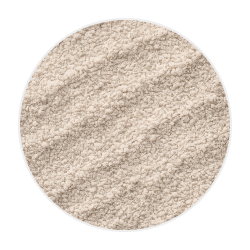
Ananas Comosus Fibre, Ananas Fibre, Piña Fibre, Ananas Comosus Leaf Fibre
Pineapple fibre is a plant-derived ingredient sourced from the fibrous parts of the pineapple fruit. It is primarily included in pet food to provide dietary fibre, supporting healthy digestion and optimal stool quality. Pineapple fibre is used in its natural form, retaining its beneficial insoluble and soluble fibre content to aid gastrointestinal health and promote regular bowel movements in pets.
Pineapple fibre is included as a cost-effective source of dietary fibre to aid digestive health and promote stool quality. It may also serve as a label-friendly ingredient that appeals to consumers seeking natural and recognisable components in pet food.
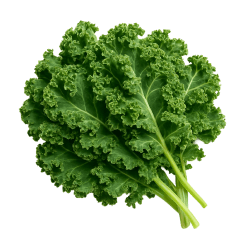
Brassica Oleracea, Borecole, Leaf Cabbage, Eru
Kale is a leafy green vegetable of plant origin, belonging to the Brassica family. It is included in pet food primarily for its rich content of vitamins, minerals, and antioxidants, supporting overall health and immune function. In pet food formulations, kale is used in its natural form, providing a source of dietary fibre and phytonutrients to optimise nutritional value.
Kale is included as a label-friendly ingredient to appeal to health-conscious consumers and enhance the perceived nutritional value of the product. It may also provide a source of vitamins and fibre, though its functional impact on pet nutrition is typically minimal at the inclusion levels used.
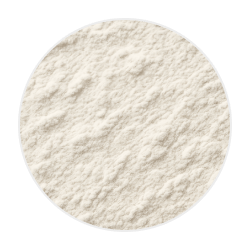
Chalk, Limestone, E170, Marble Dust
Calcium carbonate is a naturally occurring mineral compound derived from sources such as limestone or marine shells. It is primarily included in pet food as a source of calcium, essential for healthy bones, teeth, and metabolic functions. Calcium carbonate is not used in its raw mineral state; instead, it is processed into a purified, food-grade compound to optimise safety and bioavailability for pets.
Calcium carbonate is included as a cost-effective mineral supplement to provide a bioavailable source of calcium, supporting bone health and proper nutritional balance. It also functions as a pH stabiliser, contributing to product consistency and shelf stability.

Pimpinella Anisum, Aniseed, Sweet Cumin, Huile d’Anis
Anise is a plant-derived ingredient sourced from the seeds of the Pimpinella anisum plant. It is primarily included in pet food for its natural flavouring properties and potential digestive benefits. In pet food formulations, anise is used in its natural seed form, providing a safe and aromatic addition. Its inclusion may help stimulate appetite and support gastrointestinal health in pets.
Anise is included as a palatability enhancer to improve the aroma and flavour of the product, making it more appealing to pets. It may also serve a marketing function by providing a label-friendly, recognisable ingredient that appeals to pet owners.

Propanoic Acid Sodium Salt, E281, Sodium Propanoate, Propionic Acid Sodium Salt
Sodium propionate is a synthetic compound derived from the reaction of propionic acid with sodium hydroxide. It is primarily used as a preservative in pet foods to inhibit the growth of mould and some bacteria, thereby extending shelf life. Sodium propionate is not used in its natural raw form but is utilised as a sodium salt to ensure safety, stability, and effective preservation.
Sodium propionate is included as a preservative to inhibit mould and bacterial growth, thereby extending the product’s shelf life. Its use helps maintain product safety and stability during storage and distribution.
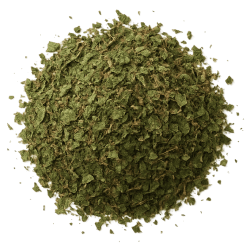
Mentha, Mentha Spp., Mentha Extract, Mentha Oil
Mint is a fragrant herb derived from the leaves of plants in the Mentha genus, originating from the plant kingdom. It is primarily included in pet food for its natural flavouring properties and potential digestive benefits. Mint is used in its natural, whole-leaf form, ensuring the retention of its aromatic oils and phytonutrients, which may support fresh breath and gastrointestinal health in pets.
Mint is included as a label-friendly ingredient to appeal to pet owners seeking natural or holistic components, and may also be intended to provide a fresh aroma or aid in breath freshening for pets. Its functional impact on pet health is generally minimal at the typical inclusion levels.
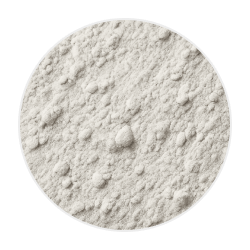
Zn, E579, Zincum, CI 77947
Zinc is an essential trace mineral sourced from the earth and is vital for numerous biological functions in pets, including immune support and skin health. In pet food, zinc is not used in its natural metallic state; instead, it is utilised as a compound such as zinc sulphate or zinc chelate to optimise safety and absorption, ensuring pets receive its full nutritional benefit.
Zinc is included as an essential trace mineral to support immune function, skin health, and overall metabolic processes in pets. Its addition ensures nutritional adequacy and compliance with regulatory labelling standards for complete and balanced pet foods.
About

PRODUCT TAGS
Most Tracked This Week







About the Brand




Comments
0 comments
Login to Join the Conversation 💬