






Your Dog's World, Personalised
Save your favourite products and locations, track prices, and unlock exclusive discounts — all in one place
or
Error
Verify Your Email
We've emailed a sign-in code. Enter it below to continue.
Share
Thank you! Your submission has been received!
Oops! Something went wrong while submitting the form.
Back to ExploreDoctor B's BARF
Medallions Chicken Recipe Frozen Adult Raw Dog Food
1kg

Overview

Doctor B’s BARF Chicken Medallions are a convenient frozen raw-food choice offering balanced nutrition with easily digestible protein — ideal for adult dogs of all sizes and life stages. The small, ready serve medallions make portioning simple, making it a great pick for households wanting to feed raw without the hassle of preparing whole cuts. 

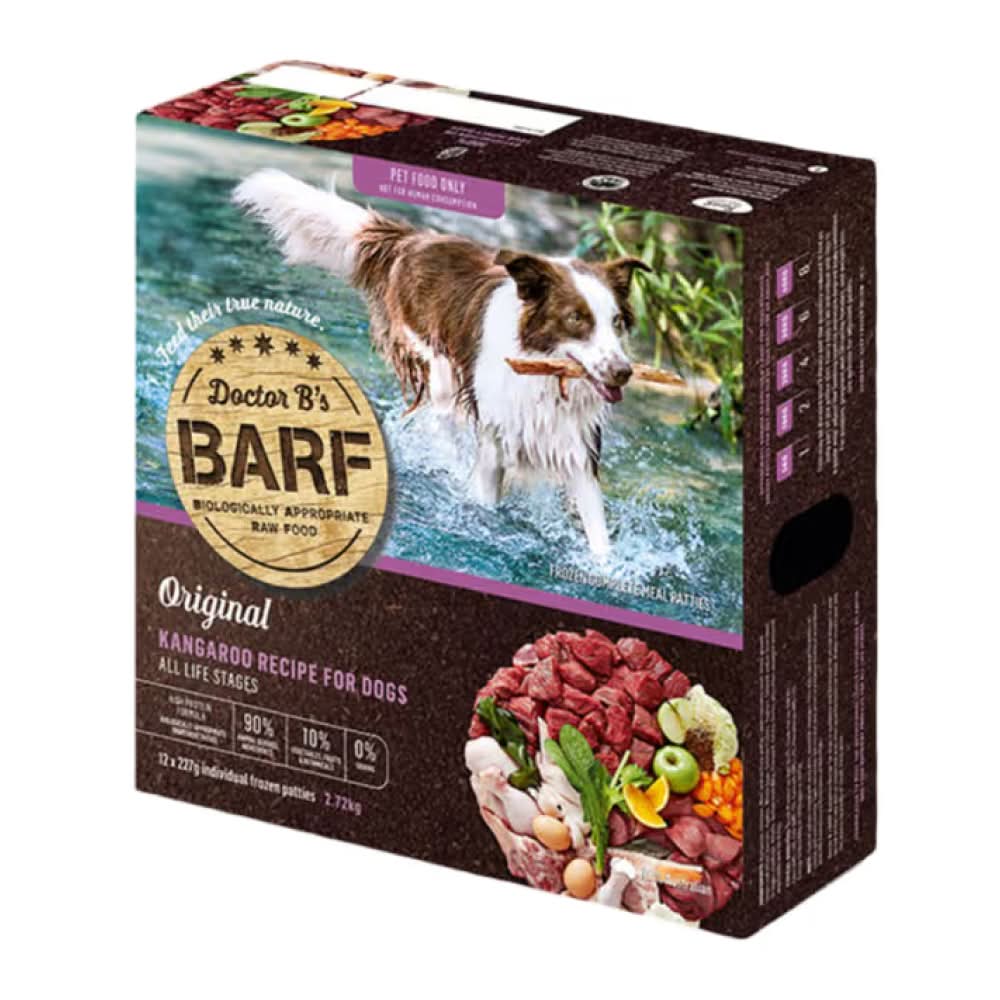
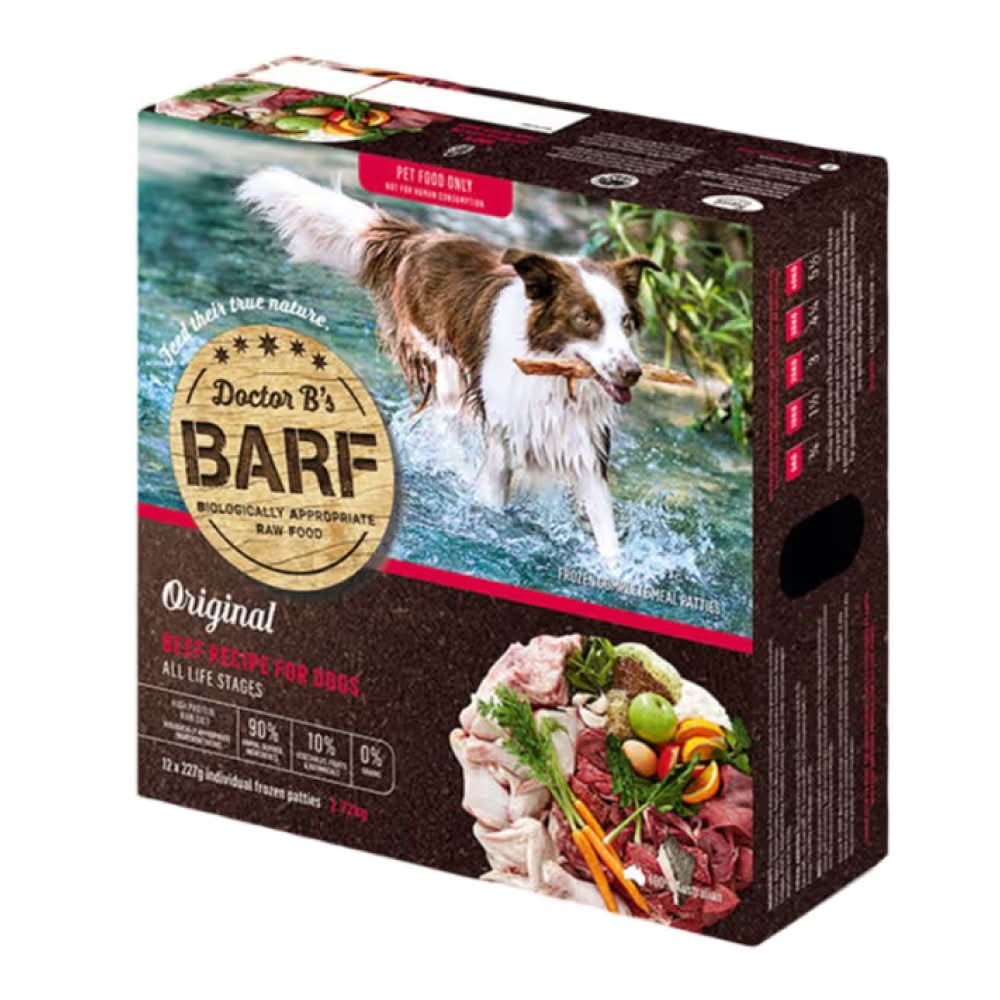
Doctor B’s BARF Chicken Medallions is available along with the Combo and Kangaroo medallions in the BARF range.


Nutritional Analysis

Protein
13.5
%
0%
Fat
15
%
0%
Energy
172
0
 kcal/100g

Ingredients

Chicken, Beef, and/or Lamb (Includes Meat, Finely Ground Bones and Offal), Carrot, Apple, Salmon Frames, Yoghurt, Whole Eggs, Spinach and/or Silverbeet, Orange, Cabbage, Alfalfa, Kelp, Flaxseed, Celery, Garlic, Natural Antioxidant, Assorted Seasonal Vegetables and/or Fruits.

Ingredient images are illustrative only and may not represent the exact source or form used by manufacturers.
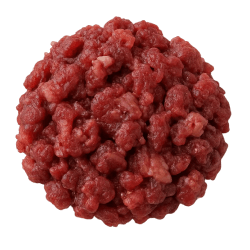
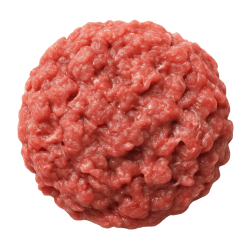
Fresh raw meat ball with a rich red colour and coarse, moist texture, perfect as a nutritious dog food ingredient
Meat
Meat
Animal Flesh, Muscle Tissue, Animal Protein, Skeletal Muscle
Summary
Meat refers to the edible muscle tissue derived from animals, commonly sourced from species such as chicken, beef, or lamb. It serves as a high-quality source of protein, essential amino acids, and vital nutrients like iron and B vitamins, supporting muscle maintenance and overall health. In pet food, meat is used in its natural form, ensuring optimal nutrient availability and palatability for pets.
Why it's used?
Meat is included as a primary protein source to support essential amino acid requirements and overall nutritional value in pet food. Its presence also enhances palatability, making the product more appealing to pets.
Fine, pale beige ground bone powder with a smooth, soft texture, used as a natural dog supplement
Ground Bone
Ground Bone
Bone Meal, Edible Bone Meal, Animal Bone Meal, Animal Bone Flour
Summary
Ground bone is an animal-derived ingredient, typically sourced from livestock such as cattle or poultry. It serves as a natural source of essential minerals, particularly calcium and phosphorus, which support healthy bone development and metabolic functions in pets. Ground bone is used in its natural, finely milled form, ensuring optimal nutrient availability and digestibility within premium pet food formulations.
Why it's used?
Ground bone is included as a natural source of minerals, particularly calcium and phosphorus, to support nutritional balance in pet food formulations. It also serves as a label-friendly ingredient that appeals to consumers seeking minimally processed, whole-food components.
Fresh offal mince shaped into a round ball, deep red and moist with a chunky texture, ideal as nutritious dog food
Offal
Offal
Variety Meats, Organ Meats, Giblets, Viscera
Summary
Offal refers to the internal organs and entrails of animals, commonly sourced from cattle, sheep, or poultry. As an animal-derived ingredient, offal is rich in essential nutrients such as protein, vitamins (notably vitamin A and B vitamins), and minerals like iron. In pet food, offal is used in its natural, whole form to provide a highly digestible and nutrient-dense source of nourishment.
Why it's used?
Offal is included as a cost-effective source of animal protein, vitamins, and minerals, utilising parts of the animal that are highly nutritious but less in demand for human consumption. Its use allows manufacturers to optimise nutrient density while managing production costs.
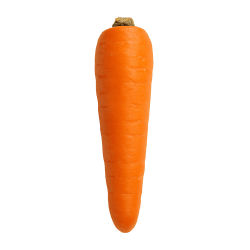
Fresh whole carrot with bright orange skin and smooth, firm texture standing upright on a plain background
Carrot
Carrot
Daucus Carota, Daucus Carota Root, Daucus Carota Sativa, Wild Carrot
Summary
Carrot is a root vegetable of plant origin, widely recognised for its vibrant orange colour and natural sweetness. In pet food, carrot is included in its natural, whole form to provide dietary fibre, beta-carotene (a precursor to vitamin A), and antioxidants. Its primary benefit is supporting digestive health and immune function, while also contributing to overall palatability and nutritional diversity.
Why it's used?
Carrot is included as a label-friendly ingredient to appeal to consumers seeking recognisable, natural components and to enhance the product’s perceived nutritional value. It may also provide a modest source of fibre and vitamins, supporting marketing claims of added health benefits.
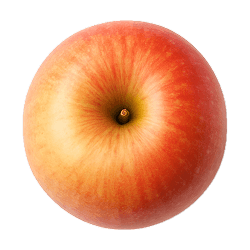
Red and yellow apple with smooth, shiny skin and a small stem, displayed whole on a plain background
Apple
Apple
Malus Domestica, Pyrus Malus, Malus Pumila, E Malus
Summary
Apple is a fruit derived from the Malus domestica tree, classified as a plant-based ingredient. It is primarily included in pet food for its dietary fibre, natural antioxidants, and vitamins, supporting digestive health and immune function. Apple is used in its natural, whole form, ensuring pets benefit from its inherent nutrients without synthetic alteration or processing into extracts or concentrates.
Why it's used?
Apple is included as a label-friendly ingredient to appeal to consumers seeking recognisable, natural components in pet food. It may also provide a modest source of fibre and natural sweetness to enhance palatability.
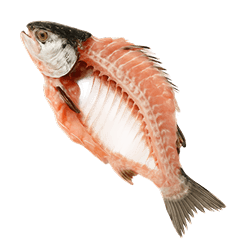
Fresh salmon frame with pink flesh, exposed bones and tail, ideal as a nutritious ingredient for dog food and treats
Salmon Frame
Salmon Frame
Salmon Backbone, Salmon Carcass, Salmon Frame Bone, Salmo Spp.
Summary
Salmon frame refers to the skeletal remains of salmon, including attached flesh, skin, and connective tissue, sourced from fish (animal origin). It is primarily included in pet food for its high-quality protein, essential fatty acids, and minerals, supporting muscle maintenance and skin health. Salmon frame is used in its natural form, providing a nutrient-dense, minimally processed ingredient for optimal nutritional benefit.
Why it's used?
Salmon frame is included as a cost-effective protein and mineral source, utilising by-products from fish processing to optimise ingredient value. It also enhances the product’s animal protein content for marketing appeal.
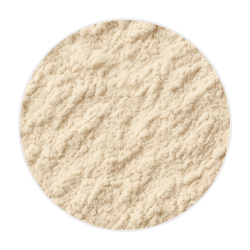
Fine off-white yoghurt powder with a smooth, slightly grainy texture, ideal as a healthy dog treat ingredient
Yoghurt
Yoghurt
Curdled Milk, Fermented Milk, Cultured Milk, Lactobacillus Spp.
Summary
Yoghurt is a cultured dairy product derived from the fermentation of milk by beneficial bacteria. As an animal-based ingredient, it provides a source of protein, calcium, and probiotics, supporting digestive and immune health in pets. Yoghurt is included in its natural form, ensuring the retention of live cultures and nutrients, which contribute to its functional and nutritional benefits in pet food formulations.
Why it's used?
Yoghurt is included as a label-friendly ingredient to appeal to pet owners seeking perceived digestive or probiotic benefits for their pets. It may also contribute to palatability and enhance the product’s marketing profile.
Whole brown egg with smooth shell and natural texture, oval-shaped, a nutritious egg ingredient for dogs
Egg
Egg
Hen Egg, Chicken Egg, Gallus Gallus Domesticus Egg, Avian Egg
Summary
Egg is an animal-derived ingredient sourced from poultry, commonly used in pet food for its high-quality protein and essential amino acids. It provides vital nutrients that support muscle development and overall health. In pet food, egg is typically included in its natural, whole form—either as dried or fresh egg—ensuring optimal digestibility and nutrient availability for pets.
Why it's used?
Egg is included as a high-quality, bioavailable protein source to support muscle development and overall nutrition. It also enhances the product’s nutritional profile, appealing to consumers seeking premium or natural pet food options.
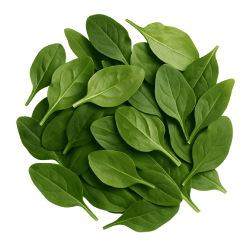
Fresh green spinach leaves with a smooth texture, piled together, perfect for healthy dog-friendly recipes
Spinach
Spinach
Spinacia Oleracea, English Spinach, Common Spinach, Garden Spinach
Summary
Spinach is a leafy green vegetable of plant origin, valued for its rich content of vitamins, minerals, and antioxidants. In pet food, spinach primarily provides dietary fibre, iron, and phytonutrients that support overall health and immune function. Spinach is included in its natural form, ensuring pets benefit from its full nutritional profile without synthetic alteration or processing into extracts.
Why it's used?
Spinach is included as a label-friendly ingredient to appeal to health-conscious consumers and enhance the perceived nutritional value of the product. It may also provide a modest source of vitamins and minerals, supporting marketing claims of added health benefits.
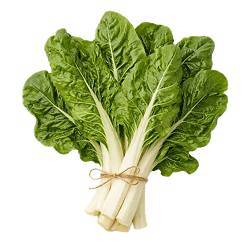
Fresh bunch of silverbeet with vibrant green leaves and thick white stems, tied together, suitable for dog-friendly meals
Silverbeet
Silverbeet
Swiss Chard, Chard, Beta Vulgaris, Spinach Beet
Summary
Silverbeet is a leafy green vegetable of plant origin, closely related to beetroot and commonly known as Swiss chard. It is included in pet food for its rich supply of dietary fibre, vitamins A, C, and K, and essential minerals. Silverbeet is used in its natural, whole form, providing a source of phytonutrients and antioxidants to support overall pet health.
Why it's used?
Silverbeet is included as a label-friendly vegetable ingredient to appeal to health-conscious consumers and enhance the perceived nutritional value of the product. It may also contribute dietary fibre and micronutrients, supporting marketing claims of added vegetables.
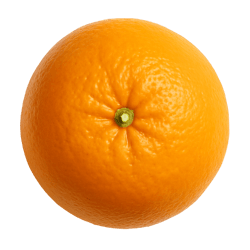
Whole orange with bright orange skin, dimpled texture and green stem, fresh and ripe, ideal for dog health benefits
Orange
Orange
Citrus Sinensis, Sweet Orange, Navel Orange, Valencia Orange
Summary
Orange is a citrus fruit of plant origin, valued for its rich vitamin C content and natural antioxidants. In pet food, orange is primarily included to support immune health and provide dietary fibre. This ingredient is used in its natural form, typically as dried or powdered orange, ensuring pets benefit from its nutrients and bioactive compounds without synthetic alteration.
Why it's used?
Orange is included as a natural source of vitamins, particularly vitamin C, and antioxidants, which can be highlighted for marketing purposes to appeal to health-conscious consumers. It may also contribute to palatability and provide a label-friendly ingredient that enhances the perceived nutritional value of the product.
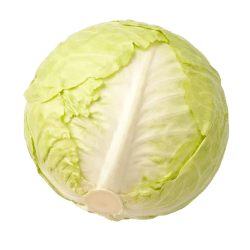
Whole green cabbage with tightly packed, crisp leaves and a pale stem, fresh and ready for dog-friendly recipes
Cabbage
Cabbage
Brassica Oleracea, White Cabbage, Headed Cabbage, E509
Summary
Cabbage is a leafy vegetable of plant origin, commonly included in pet foods for its dietary fibre, vitamins, and antioxidants. It supports digestive health and provides essential micronutrients. In pet food formulations, cabbage is used in its natural form, typically chopped or dried, to retain its nutritional value and contribute to overall wellbeing in a balanced diet.
Why it's used?
Cabbage is included as a label-friendly vegetable to appeal to health-conscious consumers and enhance the perceived nutritional value of the product. It may also serve as a cost-effective source of fibre and micronutrients.
Finely ground alfalfa powder in a circular mound, olive green with a soft, earthy texture, used in dog health supplements
Alfalfa
Alfalfa
Lucerne, Medicago Sativa, Lucerne Grass, Purple Medick
Summary
Alfalfa is a nutrient-rich plant ingredient derived from the Medicago sativa species, commonly used in premium pet foods. It serves as a natural source of dietary fibre, vitamins, and minerals, supporting digestive health and overall wellbeing. Alfalfa is included in its natural, dried form, ensuring pets benefit from its full spectrum of nutrients without synthetic alteration.
Why it's used?
Alfalfa is included as a cost-effective source of plant protein, fibre, and micronutrients, contributing to the nutritional profile of the product. It also serves as a label-friendly ingredient that appeals to consumers seeking natural or wholesome additions in pet food.
Fine green-brown kelp powder with a soft, grainy texture, commonly used as a natural dog supplement
Kelp
Kelp
Laminaria Spp., Macrocystis Pyrifera, Ascophyllum Nodosum, Brown Seaweed
Summary
Kelp is a type of large, edible seaweed sourced from marine environments and classified as a plant-based ingredient. It is primarily included in pet food for its rich supply of natural iodine, which supports healthy thyroid function. Kelp is used in its dried, ground natural form, allowing pets to benefit from its trace minerals, vitamins, and antioxidants in a bioavailable manner.
Why it's used?
Kelp is included as a label-friendly ingredient to appeal to health-conscious consumers and enhance product marketing, as it is associated with natural sources of vitamins and minerals. It may also serve as a trace mineral supplement to support nutritional completeness in pet food formulations.
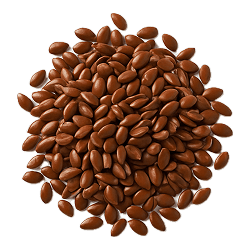
Brown linseed seeds with a glossy, smooth surface and oval shape, piled together on a white background
Linseed
Linseed
Flaxseed, Linum Usitatissimum, Flax, Flaxseed Oil
Summary
Linseed, also known as flaxseed, is a plant-derived ingredient sourced from the seeds of the flax plant (Linum usitatissimum). It is primarily included in pet food for its high content of omega-3 fatty acids and dietary fibre, supporting skin health and digestion. Linseed is used in its natural, whole or ground form to optimise nutrient availability and functional benefits.
Why it's used?
Linseed is included as a source of omega-3 fatty acids and dietary fibre, supporting skin and coat health as well as digestive function. Its presence also allows manufacturers to market the product as containing plant-based nutrients and functional ingredients.
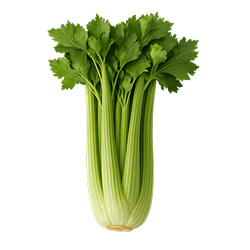
Fresh celery stalks with leafy tops, crisp green stems and vibrant colour, highlighting celery’s crunchy texture
Celery
Celery
Apium Graveolens, E416, Celeriac, Ajmoda
Summary
Celery is a plant-based ingredient derived from the stalks of the Apium graveolens plant. It is included in pet food primarily for its fibre content and as a source of vitamins and minerals, supporting digestive health and overall wellbeing. Celery is used in its natural form, ensuring pets benefit from its inherent nutrients and phytonutrients without synthetic alteration.
Why it's used?
Celery is included as a label-friendly ingredient to appeal to health-conscious consumers, enhancing the product’s perceived nutritional value. It may also contribute trace vitamins and fibre, though its functional impact on the pet’s diet is minimal.
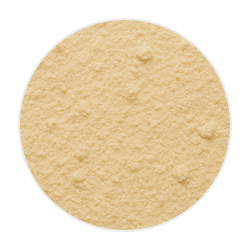
Fine, pale yellow garlic powder with a slightly grainy texture, commonly used as a seasoning for dog food
Garlic
Garlic
Allium Sativum, Allium Sativum Bulb, Eaten Garlic, Ajo
Summary
Garlic is a plant-derived ingredient sourced from the bulb of Allium sativum. It is included in pet food primarily for its natural antioxidant properties and potential to support immune health. In pet food formulations, garlic is used in its natural, dried, or powdered form rather than as a raw bulb, ensuring safe inclusion levels and optimal nutrient availability.
Why it's used?
Garlic is included in pet food formulations primarily as a label-friendly ingredient, appealing to consumers due to its perceived health benefits and natural origin. Its functional contribution to the animal is minimal at the low inclusion rates used, serving more as a marketing tool than a nutritional or palatability enhancer.
Too vague to identify
Natural Antioxidant
Natural Antioxidant
Tocopherol, Mixed Tocopherols, E306, Rosemary Extract
Summary
Natural antioxidant refers to a substance, typically derived from plant sources, that helps protect pet food from oxidative damage and spoilage. Its primary function is to preserve freshness and extend shelf life by inhibiting the oxidation of fats and oils. In pet food, natural antioxidants are used in their natural form, ensuring safety and effective absorption without the need for chemical modification.
Why it's used?
Natural antioxidants are included to help preserve the freshness and stability of pet food by slowing the oxidation of fats and oils, thereby extending shelf life. They also serve as a label-friendly alternative to synthetic preservatives, appealing to consumers seeking more natural ingredients.
Too vague to identify
Vegetables
Vegetables
Plant Vegetables, Edible Plants, Edible Plant Matter, Edible Plant Material
Summary
Vegetables are plant-derived ingredients sourced from various edible parts such as roots, stems, leaves, and fruits. They are included in pet food primarily to provide dietary fibre, essential vitamins, minerals, and phytonutrients that support overall health and digestion. Vegetables are typically used in their natural, whole form, ensuring pets receive the full spectrum of their nutritional benefits.
Why it's used?
Vegetables are included as a source of vitamins, minerals, and dietary fibre, supporting nutritional balance and digestive health. They also serve as a label-friendly ingredient, appealing to consumers seeking natural and recognisable components in pet food.
Too vague to identify
Fruit
Fruit
Edible Fruit, Botanical Fruit, Fleshy Fruit, Angiosperm Fruit
Summary
Fruit refers to the edible, seed-bearing part of a plant, commonly sourced from a variety of botanical species. In pet food, fruit is included primarily for its natural vitamins, antioxidants, and dietary fibre, supporting overall health and immune function. Fruit is used in its natural form, ensuring pets benefit from its inherent nutrients and phytonutrients without synthetic alteration.
Why it's used?
Fruit is included as a natural source of vitamins, antioxidants, and fibre, supporting marketing claims of nutritional diversity and health benefits. It also enhances palatability and visual appeal, making the product more attractive to pet owners.

About


Manufactured
Australia
Type
Frozen Raw
Life Stage
All Life Stages
Breed Size
All Breeds
Feeding Type
Complete Meal
Processing Level
Moderate

PRODUCT TAGS


Grain Free
Gluten Free
Soy Free

Oops! Something went wrong...PLEASE TRY AGAIN

Most Tracked This Week

About the Brand

Doctor B's BARF

Doctor B's BARF provides veterinarian formulated frozen raw meals based on the principles of evolutionary nutrition. The range features convenient, nutrient dense patties and meatballs made from high quality Australian ingredients for dogs of all life stages.


Comments

0 comments

Login to Join the Conversation 💬

Be the first to leave a comment.
Loading
Anonymous User
This is the actual comment. It's can be long or short. And must contain only text information.
(Edited)
Your comment will appear once approved by a moderator.
4 years ago
0
0
Reply
Anonymous User
This is the actual comment. It's can be long or short. And must contain only text information.
(Edited)
Your comment will appear once approved by a moderator.
2 years ago
0
0
Thank you! Your submission has been received!
Oops! Something went wrong while submitting the form.