




.png)


Hip and Joint Kangaroo and Turmeric Dog Treats

Overview
Gwebble Hips & Joints is a kangaroo treat built around turmeric, the spice pet brands typically reach for when the goal is joint and inflammation support. The brand positions it as one part of a wider routine — diet, exercise, ongoing joint care — for older dogs or breeds prone to mobility trouble, rather than a standalone supplement.
Ingredients
Australian Kangaroo Meat, Sorghum Flour, Tapioca Starch, Rice, Vegetable Glycerine, Chicken Liver, Gwebble Hips and Joints Mix (Glucosamine, Collagen Peptides, DHA Algae, Turmeric), Himalayan Sea Salt, Cane Sugar, Zinc, Iron, Manganese, Vitamin E, Superboost Antioxidant Mix (Raspberry, Strawberry, Pomegranate, Blueberry), Niacin (Vitamin B3), Copper, Calcium, Vitamin A, Vitamin B2, Vitamin K3, Vitamin B6, Vitamin B1, Vitamin B9, Vitamin D3, Iodine, Cobalt, Selenium, Biotin, Vitamin B12, Mixed Herbs, Citric Acid, Potassium Sorbate.

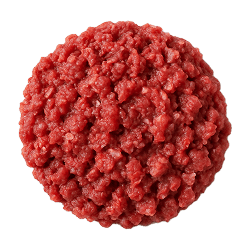
Macropus Spp., Kangaroo, Macropod Meat, Macropod
Kangaroo meat is a lean, high-protein ingredient sourced from wild Australian kangaroos (animal origin). It is primarily included in pet food for its rich protein content and low fat levels, supporting muscle maintenance and overall health. Kangaroo meat is used in its natural, whole food form, ensuring pets receive the full nutritional benefits without synthetic processing or additives.
Kangaroo meat is included as a novel, high-protein ingredient to appeal to consumers seeking hypoallergenic or alternative protein sources for pets with dietary sensitivities. Its use also serves as a marketing differentiator, positioning the product as premium and label-friendly.
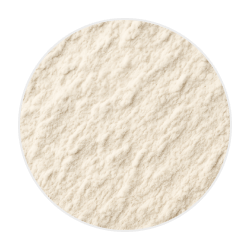
Jowar Flour, Sorghum Bicolor Flour, Juwar Flour, Milo Flour
Sorghum flour is a finely milled product derived from the whole grain of the sorghum plant, a cereal crop of plant origin. It serves as a source of complex carbohydrates and dietary fibre, supporting digestive health and providing sustained energy. Sorghum flour is used in its natural, ground form, making it a wholesome ingredient that retains the grain’s inherent nutrients and benefits.
Sorghum flour is included as a cost-effective carbohydrate source that provides energy and bulk to pet food formulations. It also serves as a grain alternative for marketing purposes, appealing to consumers seeking non-wheat or gluten-free options.
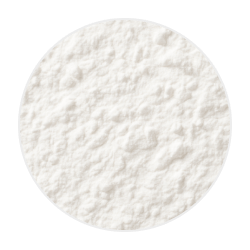
Cassava Starch, Manioc Starch, Yucca Starch, Manihot Esculenta Starch
Tapioca starch is a carbohydrate extracted from the root of the cassava plant, a tropical tuber native to South America. Primarily, it serves as a highly digestible energy source and a natural thickening agent in pet food. Tapioca starch is used in its natural, processed form, not as a whole food, to optimise texture and palatability while supporting digestive health.
Tapioca starch is included as a cost-effective carbohydrate source that provides bulk and texture to pet food formulations. It also serves as a binding agent, helping to improve kibble structure and stability.
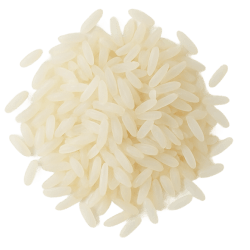
Oryza Sativa, Paddy, Oryza Sativa Grain, Oryza Spp.
Rice is a cereal grain derived from the seeds of the Oryza sativa plant, making it a plant-based ingredient. It serves primarily as a highly digestible source of carbohydrates, providing energy for pets. In pet food, rice is typically used in its natural, whole or milled form, rather than as a processed extract, to optimise digestibility and nutrient availability.
Rice is included as a cost-effective carbohydrate source that provides energy and helps create a desirable texture in pet food. It is also easily digestible, making it suitable for sensitive digestive systems and appealing for marketing as a familiar, label-friendly ingredient.
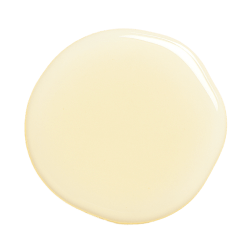
Vegetable Glycerol, Glycerine, E422, Vegetable Glycerin
Vegetable glycerine is a clear, odourless liquid derived from plant oils, typically palm, soy, or coconut. It serves primarily as a humectant, helping to retain moisture in pet food and improve texture. Rather than being used in its raw plant form, vegetable glycerine is extracted and purified for safe consumption and optimal functionality in pet nutrition formulations.
Vegetable glycerine is included as a humectant to retain moisture and improve the texture of pet food products, helping to prevent them from drying out. It also enhances palatability, making the food more appealing to pets.
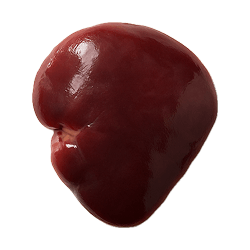
Poultry Liver, Gallus Gallus Domesticus Liver, Chicken Offal, Chicken Hepatic Tissue
Chicken liver is an animal-derived organ meat sourced from chickens. It is included in pet food primarily for its rich content of high-quality protein, essential amino acids, and vital micronutrients such as vitamin A, iron, and B vitamins. Chicken liver is used in its natural, whole food form, providing both palatability and nutritional density to support overall pet health.
Chicken liver is included as a highly palatable and nutrient-dense protein source, providing essential vitamins and minerals to enhance the nutritional profile of the product. Its inclusion can also support marketing claims related to quality animal ingredients.
2-Amino-2-Deoxy-D-Glucose, D-Glucosamine, Chitosamine, 2-Amino-2-Deoxyglucose
Glucosamine is an amino sugar compound typically derived from shellfish or produced synthetically. It is included in pet food primarily to support joint health by aiding cartilage maintenance and repair. Glucosamine is not used in its natural raw form; instead, it is utilised as a stabilised compound, such as glucosamine hydrochloride or glucosamine sulphate, to optimise safety, stability, and absorption in pets.
Glucosamine is included as a functional additive to support joint health and mobility, particularly in senior or large-breed pets. Its presence also serves as a marketing feature, appealing to consumers seeking products with perceived health benefits for their pets.
Hydrolysed Collagen, Collagen Hydrolysate, Hydrolysed Gelatine, Hydrolysed Bovine Collagen
Collagen peptides are short chains of amino acids derived from animal connective tissues, typically bovine or marine sources. They are included in pet food to support joint, skin, and coat health by providing bioavailable protein building blocks. Collagen peptides are not used in their natural, whole form but are hydrolysed for improved digestibility and absorption in companion animals.
Collagen peptides are included as a functional protein source to support joint, skin, and coat health claims, appealing to health-conscious consumers. Their addition also enables manufacturers to differentiate products in a competitive market through targeted marketing of wellness benefits.
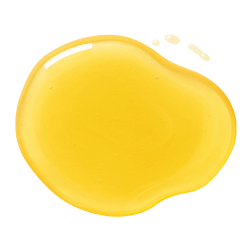
Docosahexaenoic Acid, C22:6 n-3, All-Cis-Docosa-4,7,10,13,16,19-Hexaenoic Acid, Eicosapentaenoic Acid Family
DHA, or docosahexaenoic acid, is a long-chain omega-3 fatty acid derived primarily from marine sources such as fish oil or algae (animal or plant origin). It is included in pet food to support cognitive development, vision, and overall brain health. DHA is not used in its natural raw state but is incorporated as a purified oil or extract to optimise bioavailability and safety.
DHA is included as a functional ingredient to support cognitive development and visual acuity in pets, particularly in puppies and kittens. Its presence also allows manufacturers to market the product as supporting brain and eye health, appealing to health-conscious consumers.

Diferuloylmethane, E100, Turmeric Yellow, C.I. 75300
Curcumin is a naturally occurring compound derived from the rhizome of the turmeric plant (Curcuma longa), a member of the ginger family. It is primarily included in pet food for its antioxidant and anti-inflammatory properties, supporting overall health and wellbeing. Curcumin is not used in its raw plant form but is extracted and utilised as a concentrated compound to optimise bioavailability and efficacy.
Curcumin is included as a label-friendly ingredient to appeal to health-conscious consumers due to its association with anti-inflammatory and antioxidant properties. Its presence supports marketing claims of functional benefits, although its direct impact on pet health at typical inclusion rates may be limited.
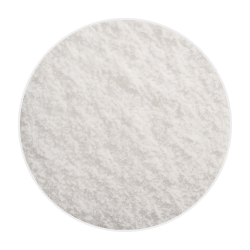
Solar Salt, Marine Salt, Sodium Chloride, Sal Marinum
Sea salt is a mineral ingredient derived from the evaporation of seawater. It is primarily included in pet food to provide essential electrolytes, such as sodium and chloride, which support hydration and nerve function. Sea salt is not used in its raw crystalline form but is refined and utilised as a food-grade compound to ensure safety, palatability, and optimal nutrient absorption.
Sea salt is included as a palatability enhancer to improve flavour and encourage pet consumption. It may also function as a mineral source and assist in product preservation.

Sucrose, Saccharose, E954, Saccharum Officinarum
Cane sugar is a plant-derived sweetener extracted from the stalks of sugarcane (Saccharum officinarum). It is primarily included in pet food to enhance palatability and provide a quick source of energy through simple carbohydrates. Cane sugar is used in its natural, refined form rather than as a raw plant, ensuring consistency and safety in formulation.
Cane sugar is included as a cost-effective palatability enhancer to improve the taste and acceptance of the product by pets. It may also contribute to product texture and consistency.
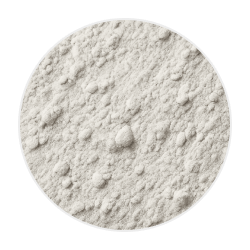
Zn, E579, Zincum, CI 77947
Zinc is an essential trace mineral sourced from the earth and is vital for numerous biological functions in pets, including immune support and skin health. In pet food, zinc is not used in its natural metallic state; instead, it is utilised as a compound such as zinc sulphate or zinc chelate to optimise safety and absorption, ensuring pets receive its full nutritional benefit.
Zinc is included as an essential trace mineral to support immune function, skin health, and overall metabolic processes in pets. Its addition ensures nutritional adequacy and compliance with regulatory labelling standards for complete and balanced pet foods.

Ferrum, Fe, E1, Elemental Iron
Iron is an essential mineral sourced from both animal and plant origins, crucial for oxygen transport and energy metabolism in pets. Its primary benefit is supporting healthy red blood cell formation and preventing anaemia. Iron is not used in its natural, raw, or metallic state; instead, it is utilised in pet food as safe, bioavailable compounds such as iron sulphate or iron proteinate to optimise absorption.
Iron is included as an essential mineral to support healthy blood function and overall metabolism in pets. Its addition ensures the product meets nutritional requirements and regulatory standards for complete and balanced pet food.
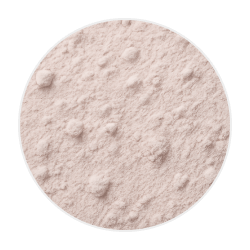
E34, Manganum, Mn, EINECS 231-105-1
Manganese is an essential trace mineral sourced from the earth and is vital for numerous metabolic processes in pets. It primarily supports bone development, enzyme function, and antioxidant defence. Manganese is not used in its natural metallic state; instead, it is incorporated into pet food as a safe, bioavailable compound such as manganese sulphate or manganese oxide to optimise absorption and efficacy.
Manganese is included as an essential trace mineral to support metabolic and skeletal health in pets, fulfilling nutritional requirements for complete and balanced pet food. Its addition ensures compliance with regulatory standards and appeals to consumers seeking scientifically formulated diets.

Tocopherol, Alpha-Tocopherol, E307, D-Alpha-Tocopherol
Vitamin E is a fat-soluble vitamin derived from plant sources such as vegetable oils, nuts, and seeds. It functions primarily as an antioxidant, helping to protect cell membranes from oxidative damage and supporting immune health. In pet food, Vitamin E is not used in its natural raw form but is typically utilised as a stabilised compound, such as tocopherol acetate, to optimise safety and absorption.
Vitamin E is included as a natural antioxidant to help preserve the freshness and stability of fats and oils in the product, thereby extending shelf life. It also serves as a label-friendly nutrient that appeals to consumers seeking added health benefits for their pets.

Rubus Idaeus Powder, Freeze-Dried Raspberry Powder, Raspberry Fruit Powder, Rubus Idaeus Fruit Powder
Raspberry powder is a plant-derived ingredient made from dried and finely ground raspberries. It is primarily included in pet food for its natural antioxidant content, particularly vitamin C and polyphenols, which support immune health and cellular protection. Raspberry powder is used in its natural form, retaining the beneficial nutrients and fibre found in whole raspberries, making it a functional addition to premium diets.
Raspberry powder is included as a label-friendly ingredient to appeal to health-conscious consumers, leveraging its association with antioxidants and natural fruit content. Its functional contribution to the pet food is typically minimal due to the small quantities used.

Fragaria × Ananassa Powder, Freeze-Dried Strawberry Powder, Strawberry Fruit Powder, Fragaria Powder
Strawberry powder is a plant-derived ingredient made by dehydrating and finely grinding whole strawberries. It is primarily included in pet food for its natural source of antioxidants, vitamins, and dietary fibre, supporting immune health and digestion. Strawberry powder is used in its natural form, ensuring pets benefit from the fruit’s original nutrients without artificial additives or processing beyond dehydration.
Strawberry powder is included as a label-friendly ingredient to appeal to consumers seeking natural fruit additions and enhanced product marketing. It may also provide a minor source of antioxidants and flavour, though its functional impact on pet nutrition is typically limited at the inclusion levels used.
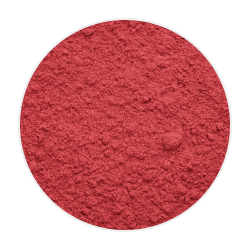
Punica Granatum Powder, Pomegranate Fruit Powder, Punica Granatum Fruit Powder, Pomegranate Extract Powder
Pomegranate powder is a plant-derived ingredient made by drying and finely grinding the seeds and arils of the pomegranate fruit (Punica granatum). It is primarily included for its antioxidant properties, supporting cellular health and immune function in pets. Pomegranate powder is used in its natural, whole-food form, ensuring the retention of beneficial phytonutrients and vitamins present in the original fruit.
Pomegranate powder is included as a label-friendly ingredient to appeal to health-conscious consumers, leveraging its association with antioxidants and natural nutrition. Its presence supports marketing claims of added health benefits, though its functional impact on pet health is typically minimal at the inclusion rates used.

Vaccinium Corymbosum Powder, Blueberry Fruit Powder, Vaccinium Corymbosum Fruit Powder, Blueberry Extract Powder
Blueberry powder is a plant-derived ingredient made by drying and finely grinding whole blueberries. It is primarily included in pet food for its rich antioxidant content, supporting immune health and overall wellbeing. Blueberry powder is used in its natural form, retaining the beneficial phytonutrients, vitamins, and fibre found in fresh blueberries, while offering improved shelf stability and ease of incorporation into formulations.
Blueberry powder is included as a label-friendly ingredient to appeal to health-conscious consumers and enhance product marketing, as it is associated with antioxidants and natural nutrition. It may also provide a minor functional benefit as a source of vitamins and antioxidants, though typically at low inclusion rates.
Nicotinic Acid, Vitamin B3, Pyridine-3-Carboxylic Acid, E375
Niacin, also known as vitamin B3, is a water-soluble vitamin of synthetic or natural origin, commonly derived from plant or animal sources. It plays a crucial role in energy metabolism and supports healthy skin, nerves, and digestion in pets. Niacin is not used in its raw form but is typically included as a safe, bioavailable compound such as niacinamide or nicotinic acid.
Niacin is included as an essential B vitamin to meet nutritional requirements and support metabolic health in pets. Its addition ensures compliance with regulatory standards for complete and balanced pet food labelling.

Cu, ECP, CI 77400, C.I. 77400
Copper is an essential trace mineral sourced from the earth and is vital for numerous physiological functions in pets. It primarily supports red blood cell formation, connective tissue development, and immune system health. Copper is not used in its natural metallic state; instead, it is incorporated into pet food as safe, bioavailable compounds such as copper sulphate or copper proteinate to optimise absorption and efficacy.
Copper is included as an essential trace mineral to meet nutritional requirements for dogs, supporting enzyme function and red blood cell formation. Its addition ensures compliance with regulatory standards for complete and balanced pet food labelling.
E170, Elemental Calcium, Ca, Calcium Metal
Calcium is an essential mineral derived from natural sources such as limestone or marine shells. It plays a critical role in supporting healthy bone and teeth development, nerve transmission, and muscle function in pets. Calcium is not used in its raw or metallic state; instead, it is utilised in pet food as safe, bioavailable compounds like calcium carbonate or calcium phosphate to optimise absorption.
Calcium is included as an essential mineral to support bone development and maintenance in pets, ensuring nutritional adequacy according to regulatory standards. It may also serve as a functional additive to optimise product texture and stability.
Retinol, Retinyl Palmitate, Retinyl Acetate, E160a
Vitamin A is an essential fat-soluble nutrient derived from animal sources (as retinyl esters) or plant sources (as carotenoids). It supports vision, immune function, and skin health in pets. In pet food, Vitamin A is not used in its raw or natural state but is provided as stabilised compounds (such as retinyl acetate or retinyl palmitate) to ensure safety, stability, and optimal absorption.
Vitamin A is included as an essential nutrient to support vision, immune function, and overall health in pets, ensuring the product meets established nutritional standards. Its addition also allows manufacturers to optimise the nutritional profile and comply with regulatory labelling requirements.

Riboflavin, E101, Lactoflavin, Vitamin G
Vitamin B2, also known as riboflavin, is a water-soluble vitamin of synthetic or microbial origin commonly added to pet foods. It plays a crucial role in energy metabolism and supports healthy skin, eyes, and nervous system function. Vitamin B2 is not used in its natural raw form but is instead utilised as riboflavin, a stable compound, to optimise safety and bioavailability in pet diets.
Vitamin B2 is included as an essential nutrient to meet dogs’ dietary requirements and support metabolic functions. Its addition ensures nutritional adequacy and compliance with regulatory labelling standards.

Menadione, 2-Methyl-1,4-Naphthoquinone, K3, E325
Vitamin K3, also known as menadione, is a synthetic compound derived from chemical sources rather than natural plant or animal origins. It is primarily included in pet food to support normal blood clotting and bone health. Vitamin K3 is not used in its raw or elemental form; instead, it is utilised as a stable, bioavailable compound to optimise safety and absorption in pets.
Vitamin K3 is included as a cost-effective synthetic source of vitamin K to support blood clotting and overall health in pets. Its use allows manufacturers to ensure consistent nutrient levels while maintaining product affordability.
Pyridoxine, Pyridoxol, Pyridoxine Hydrochloride, E101a
Vitamin B6 is a water-soluble vitamin of synthetic or natural origin, commonly derived from plant or animal sources. It plays a crucial role in protein metabolism, red blood cell formation, and nervous system function. In pet food, Vitamin B6 is not used in its raw form but is typically included as a stable compound, such as pyridoxine hydrochloride, to optimise safety and bioavailability.
Vitamin B6 is included as an essential nutrient to support metabolic and neurological functions in pets, ensuring the product meets established nutritional standards. Its addition helps manufacturers achieve complete and balanced labelling claims required for commercial pet foods.
Thiamine, Thiamin, Aneurin, E101
Vitamin B1, also known as thiamine, is a water-soluble vitamin of synthetic or plant origin. It plays a crucial role in energy metabolism and supports healthy nerve and muscle function in pets. In pet food, thiamine is not used in its natural raw form but is typically utilised as thiamine mononitrate or thiamine hydrochloride to optimise stability, safety, and absorption.
Vitamin B1 (thiamine) is included as an essential nutrient to meet regulatory requirements for canine health and to prevent deficiency-related disorders. Its addition ensures nutritional adequacy and supports normal metabolic function in pets.

Folic Acid, Folate, Pteroylglutamic Acid, E285
Vitamin B9, also known as folate, is a water-soluble B vitamin of synthetic or natural origin, commonly derived from plant sources or produced as folic acid for supplementation. Its primary role is to support cell division, DNA synthesis, and red blood cell formation. In pet food, Vitamin B9 is not used in its raw form but is typically utilised as folic acid to optimise stability and absorption.
Vitamin B9 is included to meet nutritional requirements for dogs, supporting metabolic and cellular functions. Its addition ensures compliance with regulatory standards for complete and balanced pet food labelling.
Cholecalciferol, Colecalciferol, Calciol, E671
Vitamin D3, also known as cholecalciferol, is a fat-soluble vitamin of animal origin commonly derived from lanolin or fish oil. It plays a crucial role in regulating calcium and phosphorus metabolism, supporting healthy bone development in pets. Vitamin D3 is not used in its natural form but is instead utilised as a stabilised compound to ensure safety, efficacy, and optimal absorption in pet food formulations.
Vitamin D3 is included to ensure the finished product meets established nutritional requirements for canine health, supporting bone development and calcium regulation. Its addition allows manufacturers to guarantee consistent vitamin content regardless of natural variation in raw materials.
Elemental I, E127, Iodum, CAS 7553-56-2
Iodine is an essential trace mineral sourced primarily from seaweed or mineral deposits. It plays a critical role in supporting healthy thyroid function and hormone production in pets. Iodine is not used in its natural elemental form due to safety and bioavailability concerns; instead, it is typically incorporated as a compound such as potassium iodide or calcium iodate to optimise absorption and efficacy.
Iodine is included as an essential trace mineral to support thyroid function and overall metabolic health in pets. Its addition ensures nutritional adequacy and compliance with regulatory labelling standards for complete and balanced pet foods.

Element 27, Co, E173, Atomic Number 27
Cobalt is an essential trace mineral of elemental origin, required in small amounts for animal health. In pet food, cobalt is not used in its natural metallic state but is instead incorporated as a safe, bioavailable compound such as cobalt sulphate. Its primary function is to support vitamin B12 synthesis, which is vital for red blood cell formation and overall metabolic health in pets.
Cobalt is included as an essential trace mineral to support vitamin B12 synthesis and overall metabolic function in pets. Its addition ensures nutritional adequacy and compliance with regulatory standards for complete and balanced pet food.
Selen, E578, Atomic Number 34, Se
Selenium is an essential trace mineral sourced from the earth, typically derived from plant or yeast-based compounds for pet food use. It plays a crucial role in supporting antioxidant defences and thyroid function. Selenium is not used in its natural, raw metallic state; instead, it is utilised as a safe, bioavailable compound such as sodium selenite or selenomethionine to optimise absorption and efficacy.
Selenium is included as an essential trace mineral to meet nutritional requirements and support overall health in pets. Its addition ensures compliance with regulatory standards for complete and balanced pet food formulations.
Vitamin B7, Vitamin H, D-Biotin, Coenzyme R
Biotin is a water-soluble B-vitamin (vitamin B7) of synthetic origin, commonly included in pet foods to support healthy skin, coat, and metabolic function. Its primary benefit is aiding in the metabolism of fats, proteins, and carbohydrates. Biotin is not used in its natural, free form but is instead utilised as a stable, bioavailable compound to optimise absorption and efficacy in pets.
Biotin is included as an essential vitamin to support skin, coat, and metabolic health in pets, fulfilling nutritional requirements for complete and balanced diets. Its addition also allows manufacturers to highlight the inclusion of key micronutrients on product labelling, appealing to health-conscious consumers.

Cobalamin, Cyanocobalamin, Hydroxocobalamin, Methylcobalamin
Vitamin B12 is a water-soluble vitamin of animal origin, essential for nerve function and red blood cell formation in pets. It is primarily included in pet food to support energy metabolism and overall vitality. Vitamin B12 is not used in its natural, raw form but is instead utilised as a specific compound, such as cyanocobalamin, to ensure stability, safety, and optimal absorption.
Vitamin B12 is included as an essential nutrient to support metabolic and neurological functions in pets, ensuring the product meets established nutritional standards. Its addition helps manufacturers achieve complete and balanced labelling claims.
Herb Blend, Dried Herb Mix, Culinary Herb Mix, Herba Mixta
Mixed herbs are a blend of dried plant leaves, typically including parsley, thyme, marjoram, and basil, sourced from various herbaceous plants. They are primarily added to pet food for flavour enhancement and to provide natural antioxidants that support overall health. Mixed herbs are used in their natural, dried form, ensuring the retention of beneficial phytonutrients and aromatic compounds.
Mixed herbs are included as a label-friendly ingredient to appeal to consumers seeking natural or holistic pet food options. They may also provide minor flavour enhancement, but are typically present in quantities too small to significantly impact nutritional value.
2-Hydroxypropane-1,2,3-Tricarboxylic Acid, E330, 3-Carboxy-3-Hydroxypentanedioic Acid, Monohydrate Citric Acid
Citric acid is an organic compound derived primarily from citrus fruits, though it is commonly produced via fermentation for commercial use. Its main purpose in pet food is as a natural preservative and acidity regulator, helping to maintain freshness and inhibit spoilage. Citric acid is not used in its raw, crystalline form but is incorporated as a purified, food-grade compound to ensure safety and efficacy.
Citric acid is included as a preservative to enhance product stability and extend shelf life by inhibiting microbial growth. It may also be used to adjust acidity, optimising flavour and maintaining the quality of the final product.
E202, Sorbistat K, Potassium (E202), Potassium Salt of Sorbic Acid
Potassium sorbate is a preservative derived from sorbic acid, a naturally occurring compound found in some fruits, but it is manufactured synthetically for commercial use. Its primary function in pet food is to inhibit the growth of moulds and yeasts, thereby extending shelf life. Potassium sorbate is not used in its natural state but as a salt compound to ensure safety and effective preservation.
Potassium sorbate is included as a preservative to inhibit the growth of mould, yeast, and some bacteria, thereby extending the product’s shelf life. Its use allows manufacturers to maintain product stability and freshness during storage and distribution.

Most Tracked This Week








About the Brand




Comments
0 comments
Login to Join the Conversation 💬