






Perfect Weight Adult Wet Dog Food

Overview
Hill's Science Diet Perfect Weight Adult is a wet dog food formulated for weight management in adult dogs. Chicken is the primary protein source alongside vegetables in a stew-style texture.
The formula includes L-carnitine to support fat metabolism and lean muscle maintenance, with prebiotic fibres for digestive health. Not suitable for puppies, pregnant, or nursing dogs.
Nutritional Analysis
A nutritional analysis shows how a dog food is made up of its main nutrients, such as protein, fat, fibre and other components. This helps you understand where the food’s nutrition and energy come from, and how the formula is balanced.
Ingredients
Pork Liver, Chicken, Dried Peas, Potato Starch, Oat Fibre, Cellulose, Digest, Dried Tomato Pomace, Pea Protein, Dried Egg Whites, Flaxseed, Coconut Oil, Dried Carrots, Dried Green Beans, Minerals, Vitamins, Dried Pumpkin, Trace Elements, Beta-Carotene.

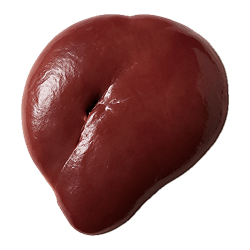
Sus Scrofa Domesticus Liver, Swine Liver, Pig Liver, Porcine Liver
Pork liver is an animal-derived organ meat sourced from pigs. It is included in pet food primarily for its rich content of highly bioavailable protein, essential vitamins (notably vitamin A), and minerals such as iron and zinc. Pork liver is used in its natural, whole food form, providing a concentrated source of nutrients to support overall health and vitality in pets.
Pork liver is included as a nutrient-dense organ meat to provide essential vitamins, minerals, and high-quality protein, supporting the nutritional profile of the product. Its strong flavour also enhances palatability, encouraging consumption by pets.

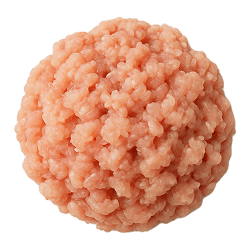
Gallus Gallus Domesticus, Poultry Meat, Domestic Fowl, Broiler Meat
Chicken is a high-quality animal protein sourced from poultry, commonly used in pet foods for its rich amino acid profile and palatability. It provides essential nutrients to support muscle maintenance and overall health. In premium pet foods, chicken is typically included in its natural, whole form, ensuring optimal nutrient availability and digestibility for pets.
Chicken is included as a primary animal protein source to meet nutritional requirements and enhance palatability for pets. Its recognisable presence on the label also appeals to consumers seeking high-quality, meat-based ingredients.

Pisum Sativum, Split Peas, Field Peas, Green Peas
Dried peas are the dehydrated seeds of the Pisum sativum plant, commonly used as a source of plant-based protein and dietary fibre in dog food. They are typically added in their whole or split form after being dried. Dried peas contribute protein, fibre, and essential micronutrients, supporting digestive health and providing energy. When included at appropriate levels, they are generally safe; however, excessive inclusion may be associated with digestive upset or, in rare cases, concerns about their role in canine dilated cardiomyopathy are under investigation.
Dried peas are included in dog food formulations for the Australian market primarily as a cost-effective source of plant protein and fibre, helping manufacturers meet protein content requirements while reducing reliance on more expensive animal proteins. They also aid in processing by improving kibble texture and structure.

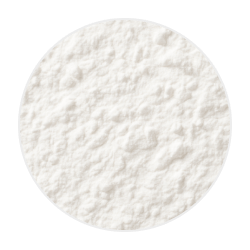
Solanum Tuberosum Starch, E1401, Native Potato Starch, Potato Flour
Potato starch is a carbohydrate extracted from the tubers of the potato plant (Solanum tuberosum), a plant-based ingredient. It is primarily included in pet food as a source of easily digestible energy and to improve texture and binding. Potato starch is utilised in its processed, purified form rather than as whole potatoes, ensuring consistency and digestibility in the final product.
Potato starch is included as a cost-effective carbohydrate source and bulk-adding agent, helping to optimise product texture and binding. It also contributes to a label-friendly formulation that appeals to consumers seeking grain-free options.

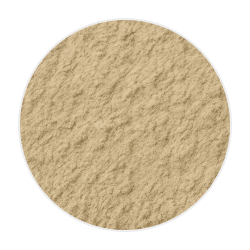
Avena Sativa Fibre, Avena Sativa Dietary Fibre, Oat Dietary Fibre, Oat Fiber
Oat fibre is a plant-derived ingredient sourced from the outer husk of oats. It is primarily included in pet food to promote digestive health by increasing dietary fibre content, supporting healthy bowel movements, and aiding satiety. Oat fibre is used in its natural form, retaining its fibrous structure to optimise gastrointestinal function and overall wellbeing in pets.
Oat fibre is included as a cost-effective source of dietary fibre to aid digestive health and optimise stool quality. It also serves as a bulk-adding agent, helping to improve product texture and maintain kibble structure.

Beta-Glucan Homopolysaccharide, E460, Microcrystalline Cellulose, Plant Fibre
Cellulose is a plant-derived carbohydrate sourced primarily from the cell walls of fibrous plants. It serves as an insoluble dietary fibre in pet food, supporting healthy digestion and promoting optimal stool quality. Cellulose is not used in its raw plant form but is processed into a purified, food-grade powder to ensure consistency, safety, and effective fibre delivery in formulated diets.
Cellulose is included as a cost-effective fibre source to promote digestive health and regulate stool quality in pet food formulations. It also serves as a bulk-adding agent, helping to control calorie density without significantly impacting palatability.

Enzyme Hydrolysate, Protein Hydrolysate, Pancreatin, Peptone
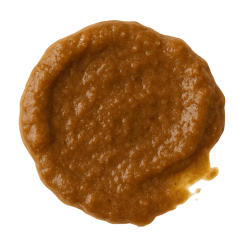
Digest is a palatable ingredient derived from animal tissues, typically through enzymatic or chemical hydrolysis, resulting in a concentrated flavour enhancer. Its primary purpose is to improve the taste and acceptance of pet foods, encouraging consistent consumption. Digest is not used in its raw animal form but is processed into a safe, digestible compound to optimise both flavour and nutritional value for pets.
Digest is included as a palatability enhancer, providing flavour and aroma that increase the appeal of the food to pets. It is a cost-effective way to improve acceptance and consumption rates without significantly impacting the nutritional profile.

Tomato Pomace, Solanum Lycopersicum Pomace, Tomato Fibre, Tomato Pulp Residue
Dried tomato pomace is a plant-derived ingredient composed of the skins, pulp, and seeds remaining after tomato processing. It is primarily included in pet food for its dietary fibre content, which supports digestive health, and as a source of antioxidants. Dried tomato pomace is used in its natural, dried form, ensuring the retention of beneficial nutrients and fibre for optimal pet nutrition.
Dried tomato pomace is included as a cost-effective fibre source and bulk-adding agent, helping to improve stool quality and digestive health. It also allows manufacturers to utilise a by-product of tomato processing, supporting sustainability and cost optimisation.

Pisum Sativum Protein, Pea Isolate, Pea Protein Isolate, Pisum Sativum Isolate
Pea protein is a plant-derived ingredient extracted from yellow peas (Pisum sativum). It serves as a concentrated source of protein, supporting muscle maintenance and overall health in pets. Rather than using whole peas, pea protein is utilised in its isolated form to maximise protein content and digestibility. This functional ingredient is valued for its hypoallergenic properties and amino acid profile.
Pea protein is included as a cost-effective, plant-based protein source to boost overall protein content and support product labelling claims. It also serves as a functional ingredient to improve kibble texture and binding.

Egg Albumen Powder, Egg White Powder, Albumen Powder, E1105
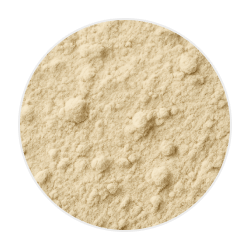
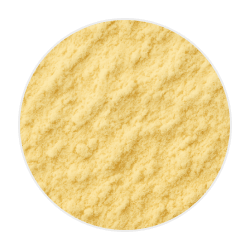
Dried egg white is a high-quality animal-derived ingredient produced by dehydrating the albumen of hen eggs. It serves as an excellent source of highly digestible protein, supporting muscle maintenance and overall health in pets. Dried egg white is used in its natural form, simply processed to remove moisture, ensuring optimal shelf stability and nutrient retention without altering its fundamental composition.
Dried egg white is included as a highly digestible, animal-based protein source that supports muscle maintenance and overall nutrition. Its use also allows for precise protein content control and contributes to product texture without significantly impacting flavour.

Flaxseed, Linum Usitatissimum, Flax, Flaxseed Oil
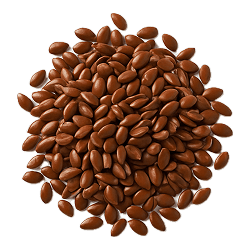
Linseed, also known as flaxseed, is a plant-derived ingredient sourced from the seeds of the flax plant (Linum usitatissimum). It is primarily included in pet food for its high content of omega-3 fatty acids and dietary fibre, supporting skin health and digestion. Linseed is used in its natural, whole or ground form to optimise nutrient availability and functional benefits.
Linseed is included as a source of omega-3 fatty acids and dietary fibre, supporting skin and coat health as well as digestive function. Its presence also allows manufacturers to market the product as containing plant-based nutrients and functional ingredients.

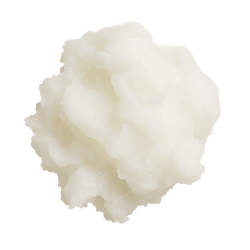
Cocos Nucifera Oil, Copra Oil, E472c, Coconut Fat
Coconut oil is a plant-derived oil extracted from the flesh of mature coconuts. It is primarily included in pet food for its energy-dense medium-chain triglycerides, which support healthy skin, coat, and metabolism. Coconut oil is used in its natural, refined form, ensuring it is safe and readily digestible for pets while delivering its functional nutritional benefits.
Coconut oil is included as a source of medium-chain triglycerides, which are marketed for their potential health benefits and digestibility. It also serves as a label-friendly ingredient that appeals to consumers seeking natural or premium pet food formulations.

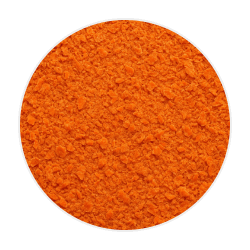
Dehydrated Carrot, Carrot Powder, Carrot Flakes, Daucus Carota
Dried carrot is a plant-derived ingredient made by dehydrating whole carrots to preserve their nutrients. It is primarily included in pet food as a source of dietary fibre, beta-carotene (a precursor to vitamin A), and natural antioxidants. Dried carrot is used in its natural form, ensuring pets benefit from its original nutritional profile while enhancing flavour and texture in the final product.
Dried carrot is included as a label-friendly ingredient to appeal to consumers seeking recognisable, natural components in pet food. It also provides a cost-effective source of fibre and micronutrients, supporting product marketing and nutritional claims.

Dehydrated Green Beans, Air-Dried Green Beans, Freeze-Dried Green Beans, Phaseolus Vulgaris
Dried green beans are the dehydrated form of green beans (Phaseolus vulgaris), a leguminous vegetable used as a plant-based ingredient in dog food. They are typically processed by removing moisture to preserve the beans and concentrate their nutrients. Dried green beans provide dietary fibre, vitamins, and minerals, contributing to digestive health and supporting overall nutrition in dogs. When included at suitable levels, they are safe and well-tolerated, with no known risks associated with their use in commercial dog foods.
Dried green beans are included in dog food formulations primarily as a source of dietary fibre and to add bulk, supporting digestive health in dogs while also serving as a cost-effective plant-based ingredient for manufacturers. Their use can help meet fibre requirements without significantly increasing production costs.

Dietary Minerals, Inorganic Nutrients, Essential Minerals, Bulk Elements
Minerals are essential inorganic nutrients derived from the earth, not produced by animals or plants. They play a critical role in supporting various physiological functions, such as bone development, nerve transmission, and enzyme activity. In pet food, minerals are not used in their natural raw or metallic state; instead, they are incorporated as specific compounds (such as sulphates or chelates) to optimise safety and bioavailability.
Minerals are included to meet essential nutritional requirements for pets, supporting overall health and proper bodily functions. They are often added in precise amounts to ensure the product complies with regulatory standards and nutrient profiles.

Micronutrients, Essential Micronutrients, Vital Nutrients, Accessory Food Factors
Vitamins are organic compounds derived from both plant and animal sources, essential for numerous metabolic and physiological functions in pets. Their primary purpose is to support immune health, vision, bone development, and cellular processes. In pet food, vitamins are not used in their natural, raw forms but are instead incorporated as stabilised compounds or premixes to ensure safety, stability, and optimal bioavailability.
Vitamins are included to ensure nutritional adequacy and meet regulatory requirements for complete and balanced pet food. They may also be added to compensate for nutrient losses during processing and storage.

Cucurbita Pepo, Pumpkin Powder, Dehydrated Pumpkin, Pumpkin Flake
Dried pumpkin is a plant-derived ingredient made by dehydrating whole pumpkin to preserve its nutrients. It is primarily included in pet food for its dietary fibre content, which supports healthy digestion and stool quality. Dried pumpkin is used in its natural form, ensuring pets benefit from its vitamins, minerals, and antioxidants as found in the original vegetable.
Dried pumpkin is included as a cost-effective source of dietary fibre and carbohydrates, supporting digestive health and stool quality. It also serves as a label-friendly ingredient that appeals to consumers seeking natural and recognisable components in pet food.

Micronutrients, Oligoelements, Microelements, Essential Trace Minerals
Trace elements are essential minerals required by pets in minute amounts for optimal health, originating from natural sources but not used in their raw or metallic state. Instead, they are incorporated into pet food as specific compounds, such as chelates or sulphates, to ensure safety and effective absorption. Their primary purpose is to support vital physiological functions, including enzyme activity, immune response, and metabolic processes.
Trace elements are included to meet essential micronutrient requirements for canine health, ensuring the product complies with nutritional standards. Their addition supports balanced nutrition without significantly impacting cost or palatability.

Provitamin A, E160a, All-Trans-Beta-Carotene, CI 40800
Beta carotene is a plant-derived pigment and precursor to vitamin A, commonly sourced from carrots and other colourful vegetables. Its primary nutritional benefit is supporting vision, immune function, and antioxidant defence. In pet food, beta carotene is utilised in its extracted or purified form rather than as whole vegetables, ensuring consistent potency and bioavailability for optimal health outcomes.
Beta carotene is included as a natural source of vitamin A and as a colour-enhancing agent to improve the visual appeal of the product. Its presence also allows for label-friendly marketing, appealing to consumers seeking natural additives.
Score Card
Every product is assessed using the Dog Directory Integrity Framework, giving dog owners a clear and trustworthy way to compare products. This ensures each review reflects overall quality and formulation integrity, not just marketing claims.
- /40
- /30
- /15
- /10
- /5
- Overall ScoreScore Info
As a pet owner, you naturally want the best for your dog. From regular vet visits to nutritious meals, ensuring your furry friend is healthy and happy is always top of mind. But beyond food and exercise, supplements are becoming an increasingly popular way to support your dog’s overall well-being. In this comprehensive guide, we’ll dive into the world of dog supplements, explaining what they are, why they matter, and how to choose the right ones for your pup.
0/100

About
PRODUCT TAGS
Price Comparison
About the Brand
Hill's Science Diet
Hill's Science Diet is a premium retail dog food line from Hill's Pet Nutrition, available since 1968. The range covers life stages, breed sizes, and specific dietary needs across over 90 wet and dry formulas.


Comments
0 comments
Login or Register to Join the Conversation