






Back to ExploreHill's Science Diet
Puppy Sensitive Stomach and Skin Salmon and Vegetable Stew

Puppy Sensitive Stomach and Skin Salmon and Vegetable Stew

Hill's Science Diet

Overview

Hill's Science Diet Puppy Sensitive Stomach and Skin Salmon and Vegetable Stew is a wet dog food formulated for puppies up to one year old with digestive sensitivities and skin concerns. Salmon is the primary protein source alongside carrots, rice, and green peas.

The formula is highly digestible with prebiotic fibres for gut health, vitamin E and omega-6 fatty acids for skin nourishment, and DHA from fish oil for brain and eye development. Not suitable for adult or senior dogs.


Nutritional Analysis

A nutritional analysis shows how a dog food is made up of its main nutrients, such as protein, fat, fibre and other components. This helps you understand where the food’s nutrition and energy come from, and how the formula is balanced.

Protein
31.5
%
0%
Fat
21.6
%
0%
Fibre
1.1
%
0%
Carbohydrates
37.3
%
0%
Energy
87.3
0
 kcal/100g

Ingredients

Chicken Broth, Pork Liver, Salmon, Carrots, Rice Starch, Rice, Chicken Fat, Potato Protein, Green Peas, Egg Whites, Potato Starch, Soybean Oil, Chicken Liver Flavour, Hydrolysed Chicken Flavour, Dried Beet Pulp, Egg Yolks, Potassium Alginate, Calcium Chloride, Brewers Dried Yeast, Dicalcium Phosphate, Monosodium Phosphate, Potassium Citrate, Calcium Sulphate, Guar Gum, Sodium Tripolyphosphate, Vitamins (Vitamin E Supplement, L-Ascorbyl-2-Polyphosphate, Thiamine Mononitrate, Niacin Supplement, Calcium Pantothenate, Vitamin B12 Supplement, Pyridoxine Hydrochloride, Biotin, Riboflavin Supplement, Folic Acid), Minerals (Ferrous Sulphate, Zinc Oxide, Copper Sulphate, Manganous Oxide, Manganese Sulphate, Calcium Iodate, Sodium Selenite), Choline Chloride, Taurine, Magnesium Oxide, Thiamine Hydrochloride, Calcium Carbonate

Chicken Broth
Chicken Broth

Chicken Stock, Gallus Gallus Domesticus Broth, Gallus Gallus Domesticus Stock, Poulet Broth

Summary

Chicken broth is a liquid derived from simmering chicken meat and bones, making it an animal-based ingredient. It is primarily included in pet food to enhance palatability and provide moisture, supporting hydration. Chicken broth is used in its natural, cooked liquid form, not as a dehydrated or powdered extract, ensuring both flavour and nutrient retention in the final product.

Manufacturer Benefits

Chicken broth is included to enhance palatability and aroma, making the product more appealing to pets. It also serves as a label-friendly ingredient that signals quality and wholesomeness to consumers.

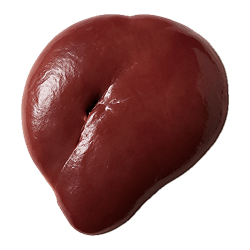
Pork Liver
Pork Liver

Sus Scrofa Domesticus Liver, Swine Liver, Pig Liver, Porcine Liver

Summary

Pork liver is an animal-derived organ meat sourced from pigs. It is included in pet food primarily for its rich content of highly bioavailable protein, essential vitamins (notably vitamin A), and minerals such as iron and zinc. Pork liver is used in its natural, whole food form, providing a concentrated source of nutrients to support overall health and vitality in pets.

Manufacturer Benefits

Pork liver is included as a nutrient-dense organ meat to provide essential vitamins, minerals, and high-quality protein, supporting the nutritional profile of the product. Its strong flavour also enhances palatability, encouraging consumption by pets.

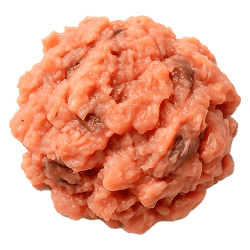
Salmon
Salmon

Salmo Salar, Atlantic Salmon, Pacific Salmon, Oncorhynchus Spp.

Summary

Salmon is a nutrient-rich fish sourced from cold, clean waters and is classified as an animal-derived ingredient. It is primarily included in pet food for its high-quality protein and omega-3 fatty acids, which support skin, coat, and joint health. Salmon is used in its natural form, ensuring pets benefit from its full nutritional profile and bioavailable nutrients.

Manufacturer Benefits

Salmon is included as a high-quality protein and omega-3 fatty acid source to support skin and coat health, appealing to consumers seeking premium or functional pet foods. Its presence also enhances palatability and serves as a marketing differentiator on product labelling.

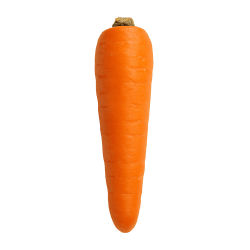
Carrot
Carrot

Daucus Carota, Daucus Carota Root, Daucus Carota Sativa, Wild Carrot

Summary

Carrot is a root vegetable of plant origin, widely recognised for its vibrant orange colour and natural sweetness. In pet food, carrot is included in its natural, whole form to provide dietary fibre, beta-carotene (a precursor to vitamin A), and antioxidants. Its primary benefit is supporting digestive health and immune function, while also contributing to overall palatability and nutritional diversity.

Manufacturer Benefits

Carrot is included as a label-friendly ingredient to appeal to consumers seeking recognisable, natural components and to enhance the product’s perceived nutritional value. It may also provide a modest source of fibre and vitamins, supporting marketing claims of added health benefits.

Rice Starch
Rice Starch

Oryza Sativa Starch, E1420, Modified Rice Starch, Oryza Spp. Starch

Summary

Rice starch is a carbohydrate ingredient derived from the endosperm of rice grains (plant origin). It is primarily used as a natural thickener and binder in pet food, supporting texture and digestibility. Rice starch is incorporated in its refined form, not as whole rice, to optimise its functional properties and ensure consistent quality in the final product.

Manufacturer Benefits

Rice starch is included as a cost-effective carbohydrate source and bulking agent, helping to optimise product texture and consistency. It also serves as a label-friendly ingredient that appeals to consumers seeking recognisable components in pet food.

Rice
Rice

Oryza Sativa, Paddy, Oryza Sativa Grain, Oryza Spp.

Summary

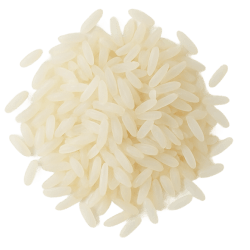
Rice is a cereal grain derived from the seeds of the Oryza sativa plant, making it a plant-based ingredient. It serves primarily as a highly digestible source of carbohydrates, providing energy for pets. In pet food, rice is typically used in its natural, whole or milled form, rather than as a processed extract, to optimise digestibility and nutrient availability.

Manufacturer Benefits

Rice is included as a cost-effective carbohydrate source that provides energy and helps create a desirable texture in pet food. It is also easily digestible, making it suitable for sensitive digestive systems and appealing for marketing as a familiar, label-friendly ingredient.

Chicken Fat
Chicken Fat

Poultry Fat, Gallus Gallus Domesticus Fat, Rendered Chicken Fat, Chicken Oil

Summary

Chicken fat is an animal-derived ingredient obtained from rendering chicken tissue. It serves primarily as a concentrated source of energy and essential fatty acids, supporting skin and coat health in pets. Chicken fat is used in its natural rendered form, not as a raw or unprocessed fat, ensuring palatability and digestibility while providing a stable, high-quality lipid source in pet food formulations.

Manufacturer Benefits

Chicken fat is included as a highly digestible source of animal fat, providing essential fatty acids and enhancing the palatability of the product. It also contributes to the energy content of the food in a cost-effective manner.

Potato Protein
Potato Protein

Solanum Tuberosum Protein, Solanum Tuberosum Extract, Potato Protein Isolate, Solanum Tuberosum Protein Concentrate

Summary

Potato protein is a plant-derived ingredient extracted from potatoes, primarily sourced for its high protein content. It serves as a concentrated protein source to support muscle maintenance and overall health in pets. Potato protein is not used in its whole food form; instead, it is isolated and processed to optimise digestibility and nutritional value in pet food formulations.

Manufacturer Benefits

Potato protein is included as a concentrated, plant-based protein source to help meet required protein levels in formulations, particularly in grain-free products. It is also a cost-effective alternative to animal proteins and supports label claims for novel or limited-ingredient diets.

Green Peas
Green Peas

Garden Peas, Pisum Sativum, English Peas, Common Peas

Summary

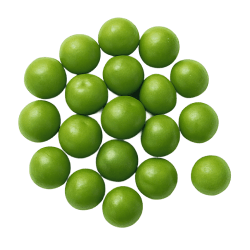
Green peas are a plant-derived ingredient sourced from the seeds of Pisum sativum. They are primarily included in pet food for their high-quality plant protein, dietary fibre, and essential micronutrients, supporting digestive health and energy. Green peas are used in their natural, whole form, ensuring pets benefit from their complete nutritional profile without synthetic alteration.

Manufacturer Benefits

Green peas are included as a cost-effective carbohydrate and protein source that also adds bulk to the product. They are often used to support "grain-free" marketing claims and enhance label appeal for consumers.

Egg White
Egg White

Albumen, Dried Albumen, Liquid Albumen, Gallus Gallus Domesticus Albumen

Summary

Egg white is the clear, protein-rich component of an egg, derived from animal origin, specifically poultry. It is primarily included in pet food for its high-quality, easily digestible protein, supporting muscle maintenance and repair. Egg white is used in its natural, whole food form, providing essential amino acids without added fats or cholesterol, making it a premium protein source for pets.

Manufacturer Benefits

Egg white is included as a high-quality, easily digestible protein source to support muscle maintenance and development in pets. Its presence can also enhance the product’s nutritional profile and appeal to consumers seeking recognisable, label-friendly ingredients.

Potato Starch
Potato Starch

Solanum Tuberosum Starch, E1401, Native Potato Starch, Potato Flour

Summary

Potato starch is a carbohydrate extracted from the tubers of the potato plant (Solanum tuberosum), a plant-based ingredient. It is primarily included in pet food as a source of easily digestible energy and to improve texture and binding. Potato starch is utilised in its processed, purified form rather than as whole potatoes, ensuring consistency and digestibility in the final product.

Manufacturer Benefits

Potato starch is included as a cost-effective carbohydrate source and bulk-adding agent, helping to optimise product texture and binding. It also contributes to a label-friendly formulation that appeals to consumers seeking grain-free options.

Soybean Oil
Soybean Oil

Glycine Max Oil, E322, Soya Oil, Soya Bean Oil

Summary

Soybean oil is a plant-derived oil extracted from the seeds of the soybean (Glycine max). It serves as a concentrated source of energy and provides essential fatty acids, particularly linoleic acid, which supports skin and coat health in pets. Soybean oil is utilised in its refined liquid form, not as whole soybeans, to optimise digestibility and nutrient availability in pet food formulations.

Manufacturer Benefits

Soybean oil is included as a cost-effective source of fat and essential fatty acids, supporting energy density and skin and coat health in pet food. It also contributes to product texture and palatability while helping to optimise manufacturing costs.

Chicken Liver Flavour

Chicken Liver Extract, Gallus Gallus Domesticus Liver Flavour, Chicken Hepatic Flavour, Chicken Liver Essence

Summary

Chicken liver flavour is a palatant derived from animal sources, specifically chicken liver, and is used to enhance the taste and aroma of pet foods. Its primary function is to improve palatability, encouraging consistent consumption. This ingredient is not used in its whole food form; instead, it is processed and concentrated to deliver a consistent and appealing flavour profile.

Manufacturer Benefits

Chicken liver flavour is included to enhance palatability, encouraging dogs to consume the product. It also allows manufacturers to market the food as having a desirable, meat-based taste without the cost of using whole chicken liver.

Hydrolysed Chicken Flavour

Hydrolysed Chicken Extract, Hydrolysed Chicken Protein, Hydrolysed Gallus Gallus Domesticus Flavour, Hydrolysed Poultry Flavour

Summary

Hydrolysed chicken flavour is a functional ingredient derived from animal sources, specifically chicken proteins that have been broken down into smaller peptides through hydrolysis. Its primary purpose is to enhance palatability, making pet food more appealing. This ingredient is not used in its natural whole form; instead, it is utilised as a hydrolysed compound to optimise digestibility and reduce allergenic potential.

Manufacturer Benefits

Hydrolysed chicken flavour is included as a palatability enhancer to improve the taste and aroma of the product, encouraging dogs to consume the food. It also allows manufacturers to label the product as containing chicken-derived ingredients without significantly increasing production costs.

Dried Beet Pulp
Dried Beet Pulp

Beet Fibre, Beet Fiber, Beta Vulgaris Pulp, Beta Vulgaris Fibre

Summary

Dried beet pulp is a fibrous by-product derived from sugar beet plants after sugar extraction. As a plant-based ingredient, it serves primarily as a source of fermentable fibre, supporting digestive health and stool quality in pets. Dried beet pulp is used in its processed, dried form rather than as fresh beet, optimising its digestibility and functional benefits in pet food formulations.

Manufacturer Benefits

Dried beet pulp is included as a cost-effective source of dietary fibre to promote digestive health and stool quality in pets. It also serves as a bulk-adding agent, helping to optimise the texture and consistency of the final product.

Egg Yolk
Egg Yolk

Egg Yolk Solids, Dried Egg Yolk, Ovum Vitellus, Gallus Gallus Domesticus Yolk

Summary

Egg yolk is the nutrient-rich, yellow portion of an egg, originating from animal sources, specifically poultry. It is included in pet food primarily for its high-quality protein, essential fatty acids, and vital micronutrients such as choline and vitamins A and D. Egg yolk is used in its natural form, providing a highly digestible and bioavailable source of nutrition for pets.

Manufacturer Benefits

Egg yolk is included as a nutrient-dense ingredient to enhance the protein and fat content of the product, supporting nutritional labelling claims. It also serves as a natural emulsifier, improving texture and palatability.

Potassium Alginate
Potassium Alginate

Alginic Acid Potassium Salt, E402, Potassium Salt of Alginic Acid, Alginatium K

Summary

Potassium alginate is a plant-derived ingredient extracted from brown seaweed. It serves primarily as a natural thickener and stabiliser in pet food, helping to improve texture and moisture retention. Potassium alginate is not used in its raw seaweed form; instead, it is utilised as a refined salt to ensure consistency, safety, and optimal functionality in formulated diets.

Manufacturer Benefits

Potassium alginate is included as a stabilising and thickening agent to improve the texture and consistency of pet food products. It also helps maintain product integrity during processing and storage, supporting shelf life and quality.

Calcium Chloride
Calcium Chloride

E509, Anhydrous Calcium Dichloride, Calcium Dichloride, Dihydrate Calcium Dichloride

Summary

Calcium chloride is a mineral-derived compound commonly included in pet food formulations. Sourced from natural calcium and chlorine, it is not used in its raw or metallic state but is instead utilised as a salt (calcium chloride) to ensure safety and optimal absorption. Its primary purpose is to provide a bioavailable source of calcium, supporting healthy bones, teeth, and essential metabolic functions in pets.

Manufacturer Benefits

Calcium chloride is included as a mineral supplement to provide a bioavailable source of calcium, supporting nutritional balance in the formulation. It may also function as a firming agent to optimise product texture and stability.

Brewers Yeast
Brewers Yeast

Saccharomyces Cerevisiae, Baker’s Yeast, Nutritional Yeast, Torula Yeast

Summary

Brewers yeast is a deactivated fungus derived from Saccharomyces cerevisiae, typically sourced as a by-product of beer brewing. It is included in pet food primarily for its rich content of B vitamins, protein, and amino acids, supporting overall health and vitality. Brewers yeast is used in its natural, inactive form, ensuring safety and optimal nutrient availability for pets.

Manufacturer Benefits

Brewers yeast is included as a cost-effective source of protein and B vitamins, supporting nutritional labelling claims. It may also enhance palatability, encouraging dogs to consume the product.

Dicalcium Phosphate
Dicalcium Phosphate

Calcium Hydrogen Phosphate, Dibasic Calcium Phosphate, E341(ii), Calcium Phosphate Dibasic

Summary

Dicalcium phosphate is a mineral compound derived from calcium and phosphorus, commonly sourced from phosphate rock. It serves as a key dietary supplement in pet foods, providing essential calcium and phosphorus to support healthy bones and teeth. Dicalcium phosphate is not used in its natural raw or metallic state; instead, it is utilised in its purified compound form to ensure safety and optimal absorption.

Manufacturer Benefits

Dicalcium phosphate is included as a cost-effective mineral supplement to provide essential calcium and phosphorus for skeletal health. It also serves as a functional agent to improve product texture and processing stability.

Monosodium Phosphate

Sodium Dihydrogen Phosphate, E339(i), Monosodium Dihydrogen Orthophosphate, Sodium Phosphate Monobasic

Summary

Monosodium phosphate is a mineral-derived compound produced by combining sodium and phosphate. It is not used in its natural raw or metallic state; instead, it is utilised as a purified salt to ensure safety and optimal absorption. Its primary purpose in pet food is to provide a readily available source of phosphorus, supporting healthy bone development and metabolic functions.

Manufacturer Benefits

Monosodium phosphate is included as a functional mineral additive to regulate acidity and optimise the pH balance of pet food formulations. It also acts as a source of phosphorus, supporting nutritional labelling requirements.

Potassium Citrate
Potassium Citrate

Tripotassium Citrate, E332, Tripotassium Salt Of Citric Acid, Citric Acid Tripotassium Salt

Summary

Potassium citrate is a mineral-derived compound formed by combining potassium with citric acid. Sourced from mineral origins, it is utilised in pet food as a citrate salt rather than in its raw metallic state, ensuring safety and optimal absorption. Its primary function is to support urinary health by helping to regulate urine pH and reduce the risk of urinary stone formation.

Manufacturer Benefits

Potassium citrate is included as a functional ingredient to help maintain urinary health by reducing the risk of stone formation in pets. It may also serve as a source of potassium, supporting overall electrolyte balance in the formulation.

Calcium Sulphate
Calcium Sulphate

Gypsum, E516, Anhydrite, Dihydrate Gypsum

Summary

Calcium sulphate is a mineral-derived compound commonly included in pet food formulations. Sourced from naturally occurring gypsum, it is not used in its raw mineral state but is instead utilised as a purified, food-grade compound. Its primary purpose is to provide a bioavailable source of calcium, supporting healthy bone development and maintenance in pets, while also serving as a firming agent in some recipes.

Manufacturer Benefits

Calcium sulphate is included as a cost-effective source of calcium to support nutritional balance and bone health in pet food formulations. It also functions as a firming agent, helping to optimise texture and product stability.

Guar Gum
Guar Gum

Cyamopsis Tetragonoloba Gum, E412, Guaran, Guar Flour

Summary

Guar gum is a natural polysaccharide derived from the seeds of the guar plant (Cyamopsis tetragonoloba), a legume native to India and Pakistan. It is primarily used as a thickening and stabilising agent in pet food, helping to improve texture and moisture retention. Guar gum is utilised in its processed powder form, not as whole seeds, to ensure optimal functionality and digestibility.

Manufacturer Benefits

Guar gum is included as a cost-effective thickening and stabilising agent to improve the texture and consistency of pet food products. It also helps maintain product uniformity during storage and extends shelf life.

Sodium Tripolyphosphate

Pentapotassium Triphosphate, STPP, E451(i), Triphosphoric Acid Pentasodium Salt

Summary

Sodium tripolyphosphate is a synthetic compound derived from inorganic sources, commonly used in pet food formulations. Its primary function is to act as a preservative and to help maintain the texture and moisture of products. Sodium tripolyphosphate is not used in its natural mineral form; instead, it is utilised as a processed salt to ensure safety, stability, and optimal absorption.

Manufacturer Benefits

Sodium tripolyphosphate is included as a functional additive to improve product texture and moisture retention, helping maintain palatability and appearance. It also acts as a preservative to extend shelf life and inhibit spoilage.

Vitamin E
Vitamin E

Tocopherol, Alpha-Tocopherol, E307, D-Alpha-Tocopherol

Summary

Vitamin E is a fat-soluble vitamin derived from plant sources such as vegetable oils, nuts, and seeds. It functions primarily as an antioxidant, helping to protect cell membranes from oxidative damage and supporting immune health. In pet food, Vitamin E is not used in its natural raw form but is typically utilised as a stabilised compound, such as tocopherol acetate, to optimise safety and absorption.

Manufacturer Benefits

Vitamin E is included as a natural antioxidant to help preserve the freshness and stability of fats and oils in the product, thereby extending shelf life. It also serves as a label-friendly nutrient that appeals to consumers seeking added health benefits for their pets.

Ascorbyl Polyphosphate

L-Ascorbyl Polyphosphate, Ascorbic Acid Polyphosphate, Polyphosphate Ester of Ascorbic Acid, E304

Summary

Ascorbyl polyphosphate is a synthesised compound derived from vitamin C (ascorbic acid), typically of plant origin. It serves as a stable source of vitamin C, supporting immune function and acting as an antioxidant in pet food. Ascorbyl polyphosphate is not used in its natural form; instead, it is utilised as a phosphate-bound compound to optimise stability and bioavailability.

Manufacturer Benefits

Ascorbyl polyphosphate is included as a stable, cost-effective source of vitamin C that resists degradation during processing and storage. Its use helps manufacturers ensure consistent nutrient labelling and extend the shelf life of the finished product.

Thiamine Mononitrate

Vitamin B1 Mononitrate, Nitrate Salt of Thiamine, E101a, Thiamin Mononitrate

Summary

Thiamine mononitrate is a synthetic, water-soluble form of vitamin B1, derived from chemical synthesis rather than natural sources. It is added to pet food to support energy metabolism and proper nervous system function. Thiamine is not used in its natural state; instead, the mononitrate compound is utilised for stability, safety, and optimal absorption in formulated diets.

Manufacturer Benefits

Thiamine mononitrate is included as a stable, cost-effective source of vitamin B1 to meet nutritional requirements and ensure product labelling compliance. Its synthetic form maintains potency during processing and storage, supporting both product stability and regulatory standards.

Niacin
Niacin

Nicotinic Acid, Vitamin B3, Pyridine-3-Carboxylic Acid, E375

Summary

Niacin, also known as vitamin B3, is a water-soluble vitamin of synthetic or natural origin, commonly derived from plant or animal sources. It plays a crucial role in energy metabolism and supports healthy skin, nerves, and digestion in pets. Niacin is not used in its raw form but is typically included as a safe, bioavailable compound such as niacinamide or nicotinic acid.

Manufacturer Benefits

Niacin is included as an essential B vitamin to meet nutritional requirements and support metabolic health in pets. Its addition ensures compliance with regulatory standards for complete and balanced pet food labelling.

Calcium Pantothenate

D-Calcium Pantothenate, E315, Pantothenic Acid Calcium Salt, Calcium D-Pantothenate

Summary

Calcium pantothenate is a synthetic compound derived from pantothenic acid, a water-soluble B vitamin (vitamin B5) of plant or animal origin. It is primarily included in pet food to support energy metabolism and maintain healthy skin and coat. Rather than using pantothenic acid in its natural form, calcium pantothenate is utilised for its stability, safety, and enhanced bioavailability in pet nutrition.

Manufacturer Benefits

Calcium pantothenate is included as a stable, bioavailable source of vitamin B5 to meet nutritional requirements and support labelling claims of complete and balanced nutrition. Its use ensures consistent vitamin content throughout the product’s shelf life.

Vitamin B12
Vitamin B12

Cobalamin, Cyanocobalamin, Hydroxocobalamin, Methylcobalamin

Summary

Vitamin B12 is a water-soluble vitamin of animal origin, essential for nerve function and red blood cell formation in pets. It is primarily included in pet food to support energy metabolism and overall vitality. Vitamin B12 is not used in its natural, raw form but is instead utilised as a specific compound, such as cyanocobalamin, to ensure stability, safety, and optimal absorption.

Manufacturer Benefits

Vitamin B12 is included as an essential nutrient to support metabolic and neurological functions in pets, ensuring the product meets established nutritional standards. Its addition helps manufacturers achieve complete and balanced labelling claims.

Pyridoxine Hydrochloride

Vitamin B6, E300, Pyridoxine HCl, Pyridoxine Monohydrochloride

Summary

Pyridoxine hydrochloride is a synthetic, water-soluble form of vitamin B6, derived from chemical synthesis rather than natural sources. It is added to pet foods to support protein metabolism, nervous system health, and immune function. Unlike naturally occurring vitamin B6 in foods, pyridoxine is utilised in its hydrochloride salt form to ensure stability, safety, and optimal absorption in companion animals.

Manufacturer Benefits

Pyridoxine hydrochloride is included as a cost-effective, stable source of vitamin B6 to ensure nutritional adequacy and meet regulatory labelling requirements. Its addition helps manufacturers guarantee consistent vitamin content throughout the product’s shelf life.

Biotin
Biotin

Vitamin B7, Vitamin H, D-Biotin, Coenzyme R

Summary

Biotin is a water-soluble B-vitamin (vitamin B7) of synthetic origin, commonly included in pet foods to support healthy skin, coat, and metabolic function. Its primary benefit is aiding in the metabolism of fats, proteins, and carbohydrates. Biotin is not used in its natural, free form but is instead utilised as a stable, bioavailable compound to optimise absorption and efficacy in pets.

Manufacturer Benefits

Biotin is included as an essential vitamin to support skin, coat, and metabolic health in pets, fulfilling nutritional requirements for complete and balanced diets. Its addition also allows manufacturers to highlight the inclusion of key micronutrients on product labelling, appealing to health-conscious consumers.

Riboflavin
Riboflavin

Vitamin B2, E101, Lactoflavin, 7,8-Dimethyl-10-Ribityl Isoalloxazine

Summary

Riboflavin, also known as vitamin B2, is a water-soluble vitamin of synthetic origin commonly added to pet foods. It plays a crucial role in energy metabolism and supports healthy skin, eyes, and nervous system function. Riboflavin is not used in its natural form but is typically utilised as a synthesised compound to ensure stability, safety, and optimal absorption in pet diets.

Manufacturer Benefits

Riboflavin is included as an essential vitamin to meet nutritional requirements and ensure regulatory compliance for complete and balanced pet food labelling. Its addition helps optimise the product’s nutrient profile without significantly impacting cost or palatability.

Folic Acid
Folic Acid

Pteroylmonoglutamic Acid, Pteroylglutamic Acid, Vitamin B9, E920

Summary

Folic acid is a synthetic form of vitamin B9, originally derived from plant sources but produced for pet food as a stable, bioavailable compound. Its primary purpose is to support cell division, DNA synthesis, and overall growth in pets. Folic acid is not used in its natural state; instead, it is utilised as a manufactured supplement to optimise absorption and efficacy.

Manufacturer Benefits

Folic acid is included as a synthetic vitamin to ensure nutritional adequacy and meet regulatory requirements for B-vitamin content in pet food. Its addition helps standardise nutrient levels across batches, supporting consistent product labelling and animal health.

Ferrous Sulphate
Ferrous Sulphate

Iron(II) Sulphate, Ferrous Iron Sulphate, E172, Green Vitriol

Summary

Ferrous sulphate is an inorganic compound derived from iron, an essential mineral for animal health. It is primarily included in pet food to support normal red blood cell formation and prevent iron deficiency anaemia. Ferrous sulphate is not used in its natural metallic state; instead, it is utilised as a salt to optimise safety, stability, and absorption within the animal’s body.

Manufacturer Benefits

Ferrous sulphate is included as a cost-effective source of dietary iron to meet nutritional requirements in pet food formulations. It helps ensure the product delivers essential minerals for pet health while maintaining compliance with labelling standards.

Zinc Oxide
Zinc Oxide

Zinc White, CI 77947, Calamine, Chinese White

Summary

Zinc oxide is an inorganic compound derived from the mineral zinc, commonly used in pet food as a supplemental source of the essential trace mineral zinc. Its primary benefit is to support immune function, skin health, and enzyme activity. Zinc is not used in its natural metallic state; instead, it is utilised as zinc oxide to optimise safety, stability, and bioavailability in pet nutrition.

Manufacturer Benefits

Zinc oxide is included as a cost-effective and stable source of essential zinc, supporting nutritional adequacy in pet food formulations. Its use ensures compliance with regulatory requirements for trace minerals while maintaining product shelf stability.

Copper Sulphate
Copper Sulphate

Cupric Sulphate, Blue Vitriol, Roman Vitriol, E519

Summary

Copper sulphate is an inorganic compound derived from copper, an essential trace mineral. It is primarily included in pet food to support vital physiological functions such as enzyme activity, immune health, and connective tissue formation. Copper sulphate is not used in its natural metallic state; instead, it is utilised as a salt to optimise safety, stability, and bioavailability for animal nutrition.

Manufacturer Benefits

Copper sulphate is included as a cost-effective and reliable source of essential copper, a trace mineral necessary for canine health. Its use ensures precise nutrient formulation and supports compliance with nutritional labelling standards.

Manganous Oxide
Manganous Oxide

Manganese(II) Oxide, Manganese Monoxide, E172, Manganese Oxide

Summary

Manganous oxide is an inorganic compound derived from the mineral form of manganese, an essential trace element. It is included in pet food primarily as a source of manganese, which supports bone development, metabolism, and antioxidant function. Manganous oxide is not used in its natural metallic state; instead, it is utilised as a safe, bioavailable compound to optimise absorption and nutritional benefit.

Manufacturer Benefits

Manganous oxide is included as a cost-effective source of manganese, an essential trace mineral that supports metabolic and skeletal functions in pets. Its stable form allows for consistent nutrient delivery throughout the product’s shelf life.

Manganese Sulphate
Manganese Sulphate

Manganese(II) Sulphate, Manganous Sulphate, Epsomite (Manganese), Sulphuric Acid Manganese(2+) Salt

Summary

Manganese sulphate is an inorganic compound derived from the mineral manganese, typically sourced from mined ores. It is included in pet food as an essential trace mineral to support bone development, enzyme function, and metabolic processes. Rather than using raw metallic manganese, the sulphate form is utilised to ensure safety, stability, and optimal absorption in companion animals’ diets.

Manufacturer Benefits

Manganese sulphate is included as a cost-effective source of the essential trace mineral manganese, which supports metabolic and skeletal health in pets. Its addition ensures nutritional adequacy and compliance with regulatory labelling requirements for complete and balanced pet foods.

Calcium Iodate
Calcium Iodate

Calcium Diiodate, E917, Ca(IO3)2, Calcium Iodate Anhydrous

Summary

Calcium iodate is a mineral-derived compound commonly included in pet foods as a source of iodine, an essential trace element. It is not used in its natural, raw mineral state; instead, it is utilised in the form of a stable, food-grade compound to ensure safety and optimal absorption. Its primary purpose is to support healthy thyroid function and metabolic processes.

Manufacturer Benefits

Calcium iodate is included as a stable, bioavailable source of iodine to support thyroid function and overall metabolic health in pets. Its use ensures consistent iodine content throughout the product, optimising nutritional labelling and regulatory compliance.

Sodium Selenite
Sodium Selenite

Disodium Selenite, E901, Selenious Acid Disodium Salt, Disodium Selenious Acid

Summary

Sodium selenite is an inorganic compound derived from selenium, an essential trace mineral. It is included in pet food formulations to provide a bioavailable source of selenium, which supports antioxidant defence and immune function. Sodium selenite is not used in its natural elemental form; instead, it is utilised as a salt compound to ensure safety, stability, and optimal absorption in pets.

Manufacturer Benefits

Sodium selenite is included as a cost-effective and stable source of the essential trace mineral selenium, which supports normal metabolic and immune functions in pets. Its use allows manufacturers to meet nutritional requirements efficiently and with consistent quality.

Choline Chloride
Choline Chloride

Trimethylethanolamine Chloride, Choline Monochloride, E1001, 2-Hydroxy-N,N,N-Trimethylethanaminium Chloride

Summary

Choline chloride is a synthetic compound derived from choline, an essential nutrient typically sourced from plant or animal origins. It is primarily included in pet food to support healthy brain function, liver metabolism, and cellular structure. Choline is not used in its natural state; instead, it is utilised as choline chloride to ensure stability, safety, and optimal absorption in pet diets.

Manufacturer Benefits

Choline chloride is included as an essential nutrient to support normal liver function and brain health in pets. It is a cost-effective way to meet regulatory requirements for choline content in complete and balanced pet foods.

Taurine
Taurine

2-Aminoethanesulphonic Acid, L-Taurine, E107, 2-Aminoethane-1-Sulphonic Acid

Summary

Taurine is a naturally occurring amino sulfonic acid derived from animal sources, particularly meat and fish. It is added to pet food to support cardiovascular health, vision, and proper immune function, especially in cats who cannot synthesise it sufficiently. Taurine is not used in its raw form; instead, it is incorporated as a purified, synthesised compound to ensure stability, safety, and optimal absorption.

Manufacturer Benefits

Taurine is included to ensure adequate levels of this essential amino acid, particularly in diets where animal protein content may be insufficient to meet canine or feline nutritional requirements. Its addition supports cardiovascular health and is often used to address consumer concerns about diet-associated heart issues.

Magnesium Oxide
Magnesium Oxide

Magnesia, E530, Magnesium(II) Oxide, Calcined Magnesia

Summary

Magnesium oxide is an inorganic compound derived from the mineral magnesium, typically sourced from natural deposits. It is utilised in pet food as a supplemental source of magnesium, an essential mineral that supports nerve, muscle, and bone health. Rather than its raw metallic form, magnesium is provided as magnesium oxide to optimise safety, stability, and bioavailability for pets.

Manufacturer Benefits

Magnesium oxide is included as a cost-effective mineral supplement to ensure adequate magnesium levels in the diet, supporting essential metabolic functions. Its use allows manufacturers to meet nutritional requirements efficiently without significantly impacting product cost or palatability.

Thiamine Hydrochloride

Vitamin B1 Hydrochloride, Thiamin Hydrochloride, Thiamin Monohydrochloride, Vitamin B1 Monohydrochloride

Summary

Thiamine Hydrochloride is a synthetic, water-soluble form of vitamin B1, derived from chemical synthesis rather than natural sources. It is added to pet foods to support carbohydrate metabolism and maintain healthy nervous system function. Thiamine is not used in its natural state; instead, it is utilised as the hydrochloride salt to ensure stability, safety, and optimal absorption in companion animals.

Manufacturer Benefits

Thiamine hydrochloride is included as a vitamin B1 supplement to ensure nutritional adequacy and meet regulatory requirements for complete and balanced pet food. Its addition helps prevent thiamine deficiency and supports metabolic health in pets.

Calcium Carbonate
Calcium Carbonate

Chalk, Limestone, E170, Marble Dust

Summary

Calcium carbonate is a naturally occurring mineral compound derived from sources such as limestone or marine shells. It is primarily included in pet food as a source of calcium, essential for healthy bones, teeth, and metabolic functions. Calcium carbonate is not used in its raw mineral state; instead, it is processed into a purified, food-grade compound to optimise safety and bioavailability for pets.

Manufacturer Benefits

Calcium carbonate is included as a cost-effective mineral supplement to provide a bioavailable source of calcium, supporting bone health and proper nutritional balance. It also functions as a pH stabiliser, contributing to product consistency and shelf stability.
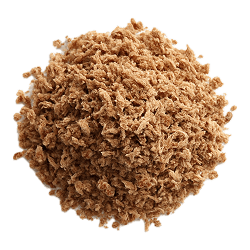
Ingredient images are illustrative only and may not represent the exact source or form used by manufacturers.

Score Card

Every product is assessed using the Dog Directory Integrity Framework, giving dog owners a clear and trustworthy way to compare products. This ensures each review reflects overall quality and formulation integrity, not just marketing claims.

  • /40
  • /30
  • /15
  • /10
  • /5
  • Overall Score
    Score Info

    As a pet owner, you naturally want the best for your dog. From regular vet visits to nutritious meals, ensuring your furry friend is healthy and happy is always top of mind. But beyond food and exercise, supplements are becoming an increasingly popular way to support your dog’s overall well-being. In this comprehensive guide, we’ll dive into the world of dog supplements, explaining what they are, why they matter, and how to choose the right ones for your pup.

    0
    /100

About


Parent Company
Colgate Palmolive

-
Manufactured
United States
-
Category
Food
-
Type
Wet Food
-
Life Stage
Puppy
-
Breed Size
All Breeds
-
Feeding Type
Complete Meal

-
Processing Level
High
-

PRODUCT TAGS


Gluten Free

Dairy Free

Oops! Something went wrong...PLEASE TRY AGAIN

Price Comparison

363g
12 x 363g

About the Brand

Hill's Science Diet

Hill's Science Diet is a premium retail dog food line from Hill's Pet Nutrition, available since 1968. The range covers life stages, breed sizes, and specific dietary needs across over 90 wet and dry formulas.

Sensitive Stomach and Skin Adult Wet Dog Food
Adult 11+ Small and Mini Chicken, Brown Rice and Barley Dry Dog Food
Adult 7+ Chicken Meal, Barley and Rice Recipe Dog Food
Adult 7+ Small Bites Chicken Meal, Barley and Rice Dry Dog Food

Comments

0 comments

Login or Register to Join the Conversation

Be the first to leave a comment.
Loading
No Name
Set
This is the actual comment. It's can be long or short. And must contain only text information.
(Edited)
Your comment will appear once approved by a moderator.
No Name
Set
This is the actual comment. It's can be long or short. And must contain only text information.
(Edited)
Your comment will appear once approved by a moderator.
2 years ago
0
0
Thank you! Your submission has been received!
Oops! Something went wrong while submitting the form.