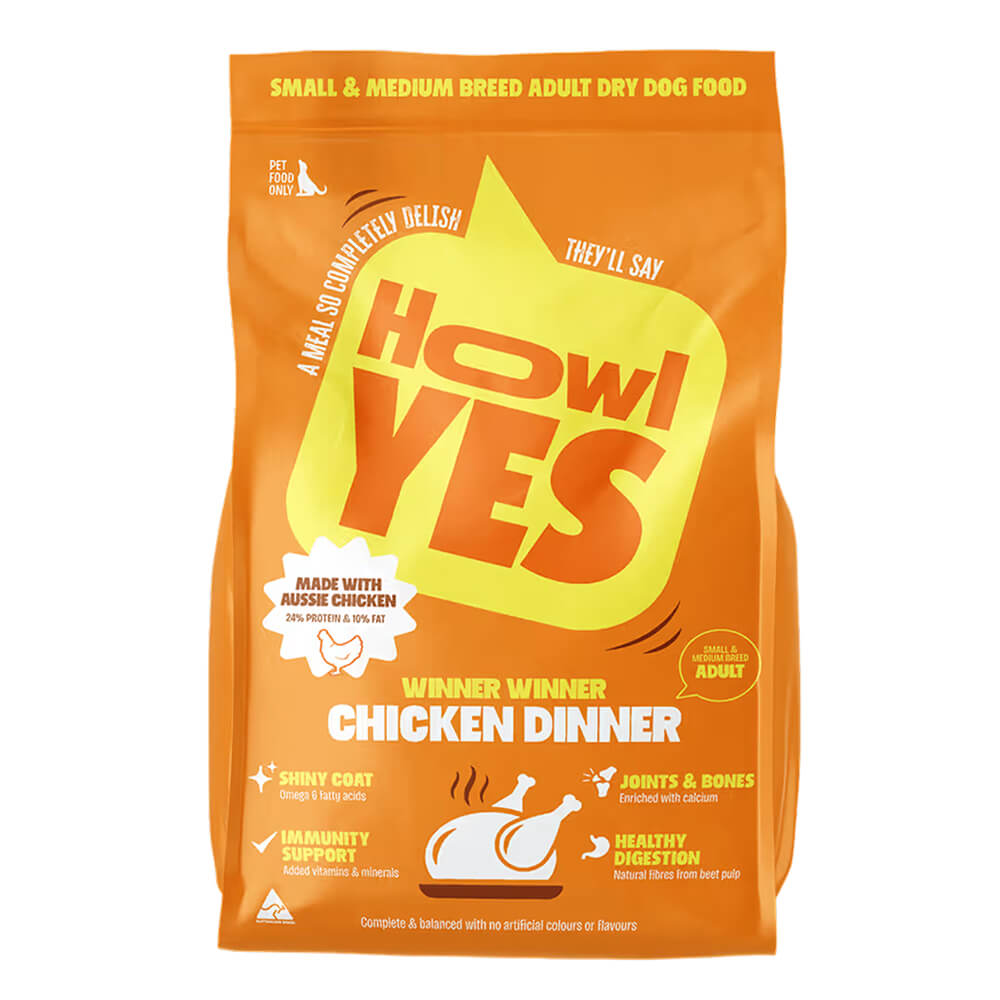
Kangaroo Mini Sticks Dog Treats

Overview
Howl Yes Kangaroo Mini Sticks Dog Treats are Australian-made treats made with Aussie kangaroo. Presented in a mini stick format, they are suited for use as a training reward or everyday treat for dogs.
Ingredients
Kangaroo, Soy, Beef, Wheat, Humectant (420), Dextrose, Hydrolysed Maize Protein, Salt, Sugar, Flavour, Antioxidant, Preservative (202).

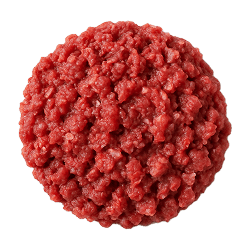
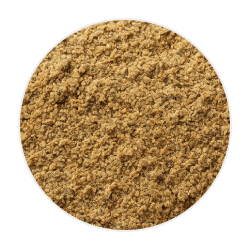
Macropus Spp., Kangaroo Meat, Kangaroo Muscle, Macropod Meat
Kangaroo is a novel animal protein sourced from wild Australian kangaroos. It is prized for its lean, highly digestible meat, offering a rich source of essential amino acids, iron, and B vitamins. Kangaroo is primarily included in pet food to support muscle maintenance and overall vitality. This ingredient is used in its natural, whole food form, ensuring optimal nutrient availability and palatability.
Kangaroo is included as a novel, high-protein meat source that appeals to consumers seeking hypoallergenic or limited-ingredient diets for their pets. Its use also serves as a marketing differentiator, positioning the product as premium and suitable for pets with common protein sensitivities.

Glycine Max, Soya, Soya Bean, Soya Bean Protein
Soy is a legume-derived ingredient sourced from the soybean plant (Glycine max). It is primarily included in pet food for its high-quality plant protein and essential amino acids, supporting muscle maintenance and overall health. In pet food, soy is typically used in processed forms such as soy protein concentrate or isolate, rather than as whole beans, to optimise digestibility and nutrient availability.

Soy is included as a cost-effective protein and carbohydrate source, helping to reduce formulation costs while maintaining nutritional content. It also serves as a functional ingredient to improve texture and binding in processed pet foods.

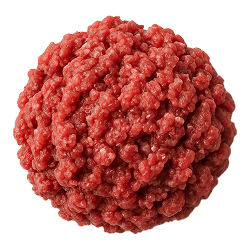
Bovine Meat, Bos Taurus, Ox Meat, Cow Meat
Beef is the muscle meat derived from cattle, categorised as an animal-based ingredient. It serves as a rich source of high-quality protein, essential amino acids, iron, and B vitamins, supporting muscle maintenance and overall health in pets. In premium pet foods, beef is typically included in its natural, whole-food form, ensuring optimal nutrient availability and palatability.
Beef is included as a primary animal protein source to meet nutritional requirements and enhance palatability for pets. Its presence also serves as a marketing advantage, appealing to consumers seeking recognisable, high-quality ingredients.

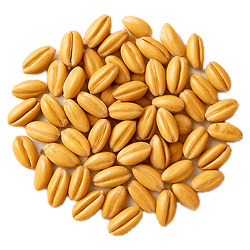
Triticum Spp., Common Wheat, Bread Wheat, Triticum Aestivum
Wheat is a cereal grain derived from the seeds of the Triticum plant, making it a plant-based ingredient. It is primarily included in pet food as a source of carbohydrates for energy, as well as dietary fibre and some essential nutrients. Wheat is used in its natural, milled form, such as whole wheat or wheat flour, to optimise digestibility and nutritional value.
Wheat is included as a cost-effective carbohydrate source that provides energy and helps bind kibble together for structural integrity. It also serves as a bulk-adding agent, optimising production costs while maintaining product texture.

D-Glucitol, E420, D-Sorbitol, Hexahydric Alcohol
Sorbitol is a sugar alcohol derived primarily from plant sources such as corn or wheat. It serves as a carbohydrate-based sweetener and humectant, helping to retain moisture and improve texture in pet foods. Sorbitol is not used in its natural raw plant form; instead, it is extracted and purified for safe and effective utilisation in formulated diets.
Sorbitol is included as a humectant to retain moisture and improve the texture of pet food products. It also acts as a cost-effective sweetener to enhance palatability for pets.

Glucose, D-Glucose, E1400, Corn Sugar
Dextrose is a simple sugar derived from plant sources, typically corn or wheat. It serves as a readily digestible carbohydrate, providing a quick source of energy for pets. In pet food, dextrose is utilised in its refined, powdered form rather than as a whole food. This ensures rapid absorption and consistent quality, supporting energy needs and palatability in premium formulations.
Dextrose is included as a cost-effective carbohydrate source that provides quick energy and can enhance palatability for pets. It may also serve functional roles in processing, such as aiding in ingredient blending or improving product texture.

Hydrolysed Corn Protein, Hydrolysed Zea Mays Protein, Zea Mays Hydrolysate, Hydrolysed Maize Extract
Hydrolysed maize protein is a plant-derived ingredient produced by breaking down maize (corn) proteins into smaller peptides and amino acids. It is primarily included in pet food to provide a highly digestible source of protein, supporting muscle maintenance and overall health. Rather than using whole maize, this ingredient is utilised in its hydrolysed form to enhance digestibility and reduce potential allergenicity.
Hydrolysed maize protein is included as a cost-effective, highly digestible source of plant-based protein to help meet nutritional requirements. It also serves as a label-friendly ingredient that can appeal to consumers seeking grain-derived proteins.

Sodium Chloride, NaCl, Table Salt, E535
Salt is a mineral ingredient derived from the combination of sodium and chloride, typically sourced from natural deposits or seawater. It is primarily included in pet food to support electrolyte balance, nerve function, and hydration. Salt is not used in its raw mineral form but is utilised as sodium chloride, a purified compound, to ensure safety, palatability, and optimal absorption in pets.
Salt is included as a palatability enhancer to improve taste and encourage consumption, and also functions as a preservative to help extend product shelf life. Its use allows manufacturers to optimise flavour while maintaining product stability.

Sucrose, Saccharose, E955, Beta-D-Fructofuranosyl Alpha-D-Glucopyranoside
Sugar is a simple carbohydrate derived primarily from plant sources such as sugar cane or sugar beet. It serves as a readily available energy source, supporting metabolic processes and palatability in pet foods. Sugar is incorporated in its natural, refined form rather than as a raw plant material, ensuring consistency and digestibility for pets while enhancing the taste of the final product.
Sugar is included as a cost-effective palatability enhancer to improve taste and encourage consumption. It may also serve as a minor preservative to help stabilise certain formulations.

Flavouring, Flavouring Substance, Flavouring Agent, Flavouring Preparation
Flavours are additives derived from various sources, including animal, plant, or synthetic origins, designed to enhance the palatability of pet food. Their primary purpose is to improve taste and encourage consistent consumption. Flavours are not used in their natural, raw state; instead, they are formulated as specific compounds or extracts to ensure safety, stability, and uniformity in pet food products.
Flavours are included to enhance palatability, encouraging pets to consume the product. They also allow manufacturers to maintain consistent taste profiles despite variations in raw ingredient quality.

Antioxidant Agents, Free Radical Scavengers, E306, E321
Antioxidants are compounds sourced from both plant and synthetic origins, commonly added to pet food to protect fats and oils from oxidation, thereby preserving freshness and nutritional quality. Their primary function is to neutralise free radicals, supporting cellular health. Antioxidants are not used in their raw or isolated chemical state; instead, specific forms such as mixed tocopherols or ascorbate compounds are utilised for safety and efficacy.
Antioxidants are included to prevent the oxidation of fats and oils, thereby extending the product’s shelf life and maintaining nutritional quality. They also help preserve colour and flavour, supporting product stability and consumer appeal.

E202, Sorbistat K, Potassium (E202), Potassium Salt of Sorbic Acid
Potassium sorbate is a preservative derived from sorbic acid, a naturally occurring compound found in some fruits, but it is manufactured synthetically for commercial use. Its primary function in pet food is to inhibit the growth of moulds and yeasts, thereby extending shelf life. Potassium sorbate is not used in its natural state but as a salt compound to ensure safety and effective preservation.
Potassium sorbate is included as a preservative to inhibit the growth of mould, yeast, and some bacteria, thereby extending the product’s shelf life. Its use allows manufacturers to maintain product stability and freshness during storage and distribution.
.png)


Comments
0 comments
Login or Register to Join the Conversation