Steak And Chips Dog Treats

Overview
Howl Yes Steak and Chips Dog Treats are Australian-made treats with a steak and chips flavour. They are suited for use as a training reward or everyday treat for adult dogs.
Ingredients
Australian Beef Meal, Rice, Tapioca Starch, Potato Starch, Vegetable Glycerine, Beef Liver, Salt, Sugar, Vitamins & Minerals (Vitamin C, A, D3, B, Thiamine, Calcium, Iron, Zinc), Natural Colours, Natural Preservative.


Rendered Beef, Dried Rendered Bovine Protein, Rendered Bovine Meal, Bovine Meal
Beef meal is a concentrated protein ingredient derived from rendered beef, an animal source. It is produced by cooking and drying beef tissues to remove most of the moisture and fat, resulting in a nutrient-dense powder. Beef meal is primarily included in pet food to provide high-quality protein and essential amino acids. It is not used in its natural form but as a processed, rendered meal for digestibility and nutrient consistency.


Beef meal is included as a concentrated protein source that provides essential amino acids while allowing for efficient nutrient delivery in a cost-effective manner. Its dehydrated form also optimises product stability and shelf life compared to fresh meat.

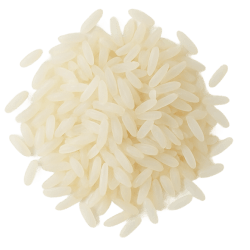
Oryza Sativa, Paddy, Oryza Sativa Grain, Oryza Spp.
Rice is a cereal grain derived from the seeds of the Oryza sativa plant, making it a plant-based ingredient. It serves primarily as a highly digestible source of carbohydrates, providing energy for pets. In pet food, rice is typically used in its natural, whole or milled form, rather than as a processed extract, to optimise digestibility and nutrient availability.
Rice is included as a cost-effective carbohydrate source that provides energy and helps create a desirable texture in pet food. It is also easily digestible, making it suitable for sensitive digestive systems and appealing for marketing as a familiar, label-friendly ingredient.

Cassava Starch, Manioc Starch, Yucca Starch, Manihot Esculenta Starch
Tapioca starch is a carbohydrate extracted from the root of the cassava plant, a tropical tuber native to South America. Primarily, it serves as a highly digestible energy source and a natural thickening agent in pet food. Tapioca starch is used in its natural, processed form, not as a whole food, to optimise texture and palatability while supporting digestive health.
Tapioca starch is included as a cost-effective carbohydrate source that provides bulk and texture to pet food formulations. It also serves as a binding agent, helping to improve kibble structure and stability.

Solanum Tuberosum Starch, E1401, Native Potato Starch, Potato Flour
Potato starch is a carbohydrate extracted from the tubers of the potato plant (Solanum tuberosum), a plant-based ingredient. It is primarily included in pet food as a source of easily digestible energy and to improve texture and binding. Potato starch is utilised in its processed, purified form rather than as whole potatoes, ensuring consistency and digestibility in the final product.
Potato starch is included as a cost-effective carbohydrate source and bulk-adding agent, helping to optimise product texture and binding. It also contributes to a label-friendly formulation that appeals to consumers seeking grain-free options.

Vegetable Glycerol, Glycerine, E422, Vegetable Glycerin
Vegetable glycerine is a clear, odourless liquid derived from plant oils, typically palm, soy, or coconut. It serves primarily as a humectant, helping to retain moisture in pet food and improve texture. Rather than being used in its raw plant form, vegetable glycerine is extracted and purified for safe consumption and optimal functionality in pet nutrition formulations.
Vegetable glycerine is included as a humectant to retain moisture and improve the texture of pet food products, helping to prevent them from drying out. It also enhances palatability, making the food more appealing to pets.

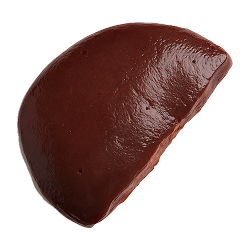
Bovine Liver, Bos Taurus Liver, Ox Liver, Cattle Liver
Beef liver is an animal-derived organ meat sourced from cattle, valued for its rich nutrient profile. It serves as a concentrated source of high-quality protein, essential vitamins such as A and B12, and minerals like iron and zinc. In pet food, beef liver is used in its natural, whole-food form, providing both palatability and significant nutritional benefits to support overall health.
Beef liver is included as a nutrient-dense organ meat to enhance the protein, vitamin, and mineral content of the product. It also serves as a natural palatability enhancer, improving flavour to increase acceptance by pets.

Sodium Chloride, NaCl, Table Salt, E535
Salt is a mineral ingredient derived from the combination of sodium and chloride, typically sourced from natural deposits or seawater. It is primarily included in pet food to support electrolyte balance, nerve function, and hydration. Salt is not used in its raw mineral form but is utilised as sodium chloride, a purified compound, to ensure safety, palatability, and optimal absorption in pets.
Salt is included as a palatability enhancer to improve taste and encourage consumption, and also functions as a preservative to help extend product shelf life. Its use allows manufacturers to optimise flavour while maintaining product stability.

Sucrose, Saccharose, E955, Beta-D-Fructofuranosyl Alpha-D-Glucopyranoside
Sugar is a simple carbohydrate derived primarily from plant sources such as sugar cane or sugar beet. It serves as a readily available energy source, supporting metabolic processes and palatability in pet foods. Sugar is incorporated in its natural, refined form rather than as a raw plant material, ensuring consistency and digestibility for pets while enhancing the taste of the final product.
Sugar is included as a cost-effective palatability enhancer to improve taste and encourage consumption. It may also serve as a minor preservative to help stabilise certain formulations.

Ascorbic Acid, L-Ascorbic Acid, E300, L-Threo-Hex-2-Enono-1,4-Lactone
Vitamin C, also known as ascorbic acid, is a water-soluble vitamin of plant origin commonly included in pet food formulations. Its primary purpose is to support immune function and act as an antioxidant, helping to protect cells from oxidative damage. Vitamin C is not used in its natural fruit form but is instead utilised as a synthesised compound to ensure stability and consistent dosage.
Vitamin C is included as an antioxidant to help preserve the freshness and stability of the product by slowing oxidation. It may also be added for its perceived health benefits, supporting marketing claims related to immune support.

Retinol, Retinyl Palmitate, Retinyl Acetate, E160a
Vitamin A is an essential fat-soluble nutrient derived from animal sources (as retinyl esters) or plant sources (as carotenoids). It supports vision, immune function, and skin health in pets. In pet food, Vitamin A is not used in its raw or natural state but is provided as stabilised compounds (such as retinyl acetate or retinyl palmitate) to ensure safety, stability, and optimal absorption.
Vitamin A is included as an essential nutrient to support vision, immune function, and overall health in pets, ensuring the product meets established nutritional standards. Its addition also allows manufacturers to optimise the nutritional profile and comply with regulatory labelling requirements.

Cholecalciferol, Colecalciferol, Calciol, E671
Vitamin D3, also known as cholecalciferol, is a fat-soluble vitamin of animal origin commonly derived from lanolin or fish oil. It plays a crucial role in regulating calcium and phosphorus metabolism, supporting healthy bone development in pets. Vitamin D3 is not used in its natural form but is instead utilised as a stabilised compound to ensure safety, efficacy, and optimal absorption in pet food formulations.
Vitamin D3 is included to ensure the finished product meets established nutritional requirements for canine health, supporting bone development and calcium regulation. Its addition allows manufacturers to guarantee consistent vitamin content regardless of natural variation in raw materials.

B Vitamin Complex, B-Complex Vitamins, B Group Vitamins, B-Group Complex
Vitamin B refers to a group of water-soluble vitamins derived primarily from plant and animal sources. These vitamins play essential roles in energy metabolism, nervous system function, and overall cellular health. In pet food, Vitamin B is not used in its raw or natural state but is incorporated as specific, bioavailable compounds (such as thiamine mononitrate or riboflavin) to optimise safety and absorption.
Vitamin B is included to support essential metabolic functions and overall health in pets, fulfilling nutritional requirements as mandated by regulatory standards. Its addition also allows manufacturers to market the product as nutritionally complete and balanced.

Vitamin B1, Aneurin, Thiamin, E101
Thiamine, also known as vitamin B1, is a water-soluble vitamin of plant origin, commonly sourced from grains and yeast. It plays a crucial role in energy metabolism and supports nervous system function in pets. Thiamine is not used in its raw or natural state but is typically utilised as thiamine mononitrate or thiamine hydrochloride to ensure stability, safety, and optimal absorption.
Thiamine is included as an essential vitamin to meet nutritional requirements and prevent deficiency-related health issues in pets. Its addition ensures compliance with regulatory standards for complete and balanced pet food formulations.

E170, Elemental Calcium, Ca, Calcium Metal
Calcium is an essential mineral derived from natural sources such as limestone or marine shells. It plays a critical role in supporting healthy bone and teeth development, nerve transmission, and muscle function in pets. Calcium is not used in its raw or metallic state; instead, it is utilised in pet food as safe, bioavailable compounds like calcium carbonate or calcium phosphate to optimise absorption.
Calcium is included as an essential mineral to support bone development and maintenance in pets, ensuring nutritional adequacy according to regulatory standards. It may also serve as a functional additive to optimise product texture and stability.

Ferrum, Fe, E1, Elemental Iron
Iron is an essential mineral sourced from both animal and plant origins, crucial for oxygen transport and energy metabolism in pets. Its primary benefit is supporting healthy red blood cell formation and preventing anaemia. Iron is not used in its natural, raw, or metallic state; instead, it is utilised in pet food as safe, bioavailable compounds such as iron sulphate or iron proteinate to optimise absorption.
Iron is included as an essential mineral to support healthy blood function and overall metabolism in pets. Its addition ensures the product meets nutritional requirements and regulatory standards for complete and balanced pet food.

Zn, E579, Zincum, CI 77947
Zinc is an essential trace mineral sourced from the earth and is vital for numerous biological functions in pets, including immune support and skin health. In pet food, zinc is not used in its natural metallic state; instead, it is utilised as a compound such as zinc sulphate or zinc chelate to optimise safety and absorption, ensuring pets receive its full nutritional benefit.
Zinc is included as an essential trace mineral to support immune function, skin health, and overall metabolic processes in pets. Its addition ensures nutritional adequacy and compliance with regulatory labelling standards for complete and balanced pet foods.

Colouring, Colour Additive, Food Colour, E Number (if specific)
Natural colour refers to pigments derived from natural sources such as plants, animals, or minerals, used to enhance the visual appeal of pet food. Its primary purpose is to provide consistent and attractive colouring without synthetic additives. Natural colours are typically utilised in their extracted or processed forms, rather than as whole foods, to ensure stability, safety, and uniformity in the final product.
Natural colour is included to enhance the visual appeal of the pet food, making it more attractive to consumers without affecting nutritional value. It serves a marketing function by supporting a label-friendly ingredient list.

Bio-Preservative, Biopreservative, E234, Nisin
Natural preservatives are substances derived from plant or mineral origins, incorporated into pet food to inhibit spoilage and extend shelf life. Their primary function is to prevent the growth of harmful microbes and oxidation of fats, thereby maintaining product safety and quality. Natural preservatives are typically used in their extracted or concentrated forms, rather than as whole foods, to optimise efficacy and ensure consistent preservation.
Natural preservatives are included to extend product shelf life and maintain freshness without relying on synthetic additives. Their use supports consumer demand for more label-friendly, naturally derived ingredients.
.png)


Comments
0 comments
Login or Register to Join the Conversation