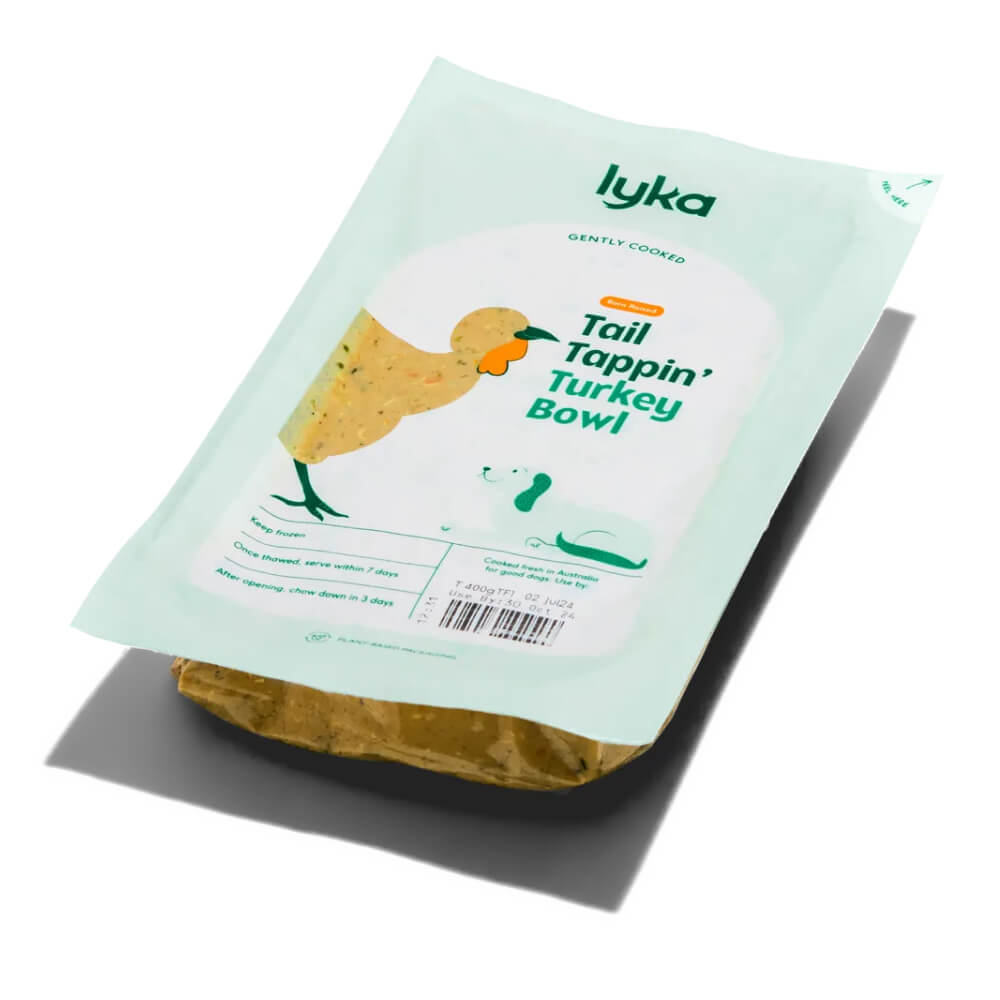
Goat Hypoallergenic Pro Cooked Dog Food

Overview
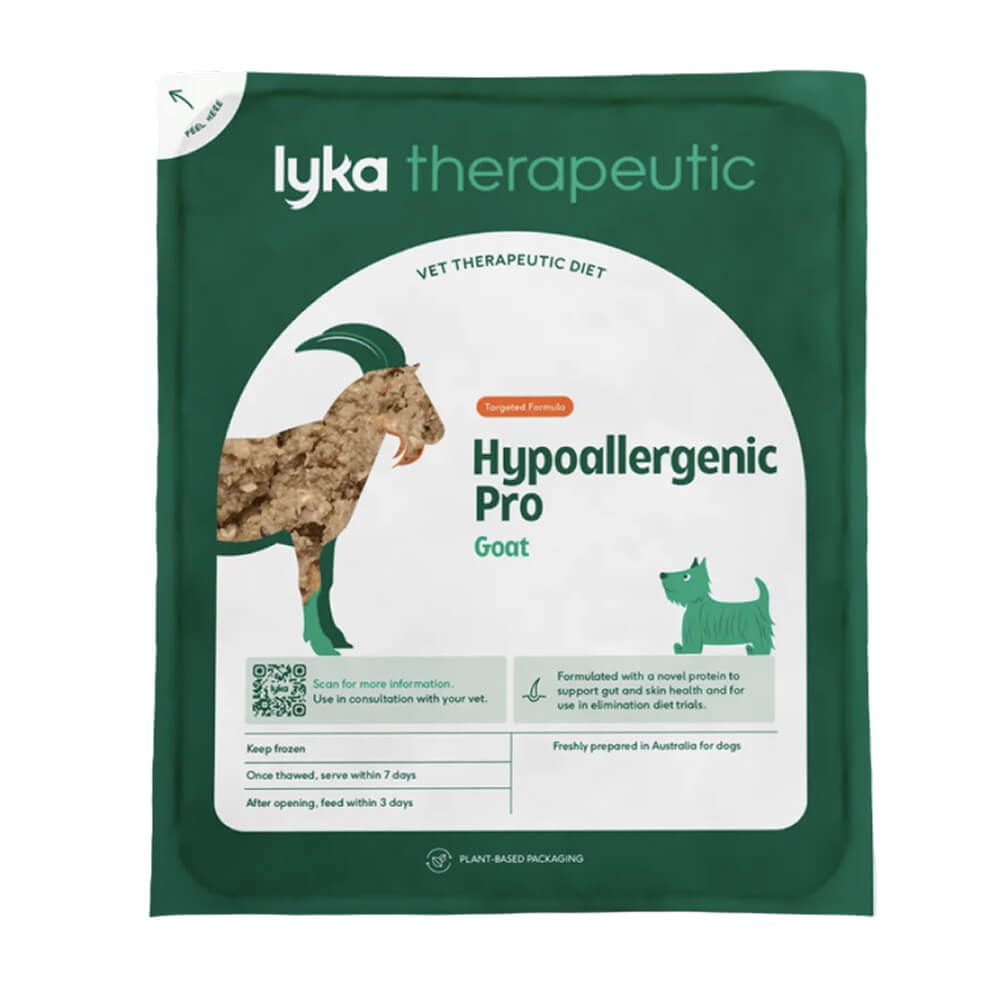
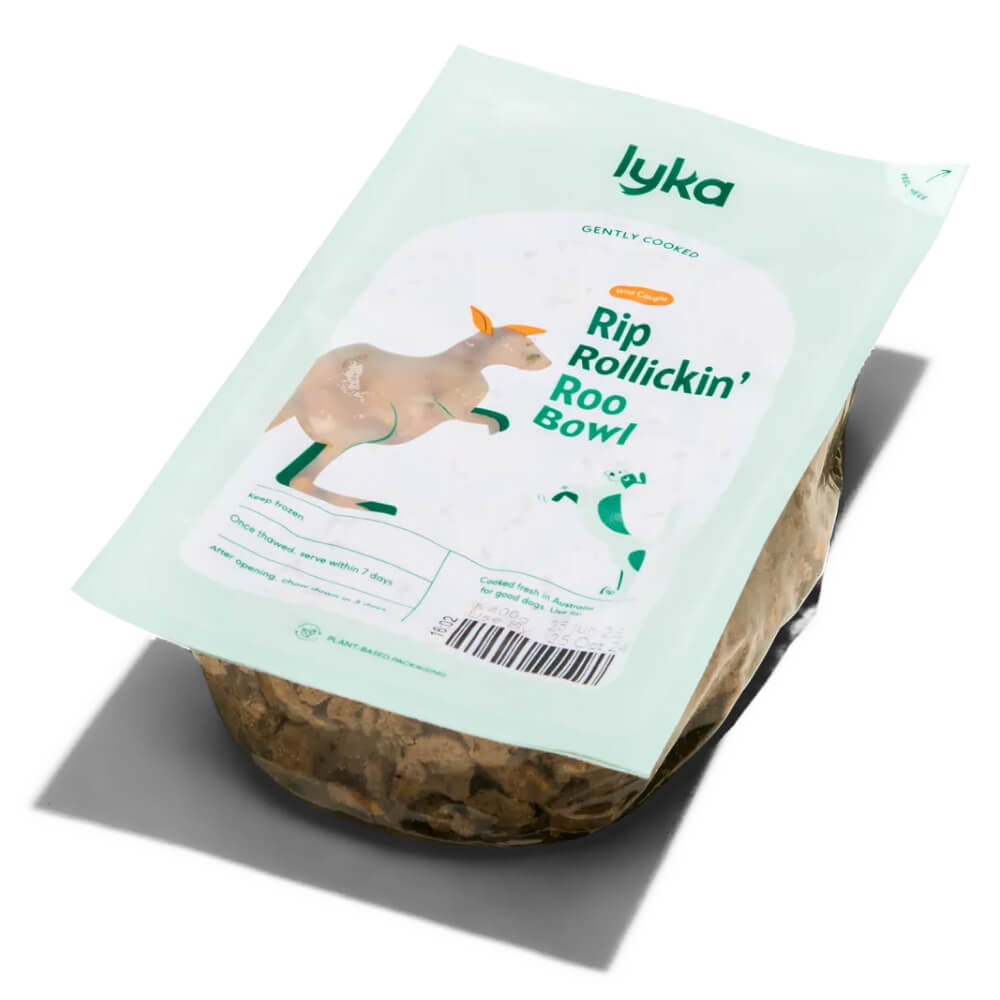
Lyka Hypoallergenic Pro is a single novel protein fresh meal made with goat — formulated specifically for dogs with food sensitivities, allergies and gut issues.
The recipe avoids common allergens including chicken, beef, fish, egg, wheat, soy and corn, making it suited to elimination diets. It includes prebiotic fibre from sweet potato and carrots, omega-3s from algae oil rather than fish, and antioxidant-rich berries, hemp seeds and brazil nuts. Gently cooked and minimally processed without hydrolysed proteins.
Formulated by board-certified veterinary nutritionists to meet both AAFCO and FEDIAF standards for all life stages.
Nutritional Analysis
Ingredients
Goat Mince, Goat Heart, Carrots, Purple Sweet Potato, Goat Liver, Cauliflower, Coconut, Hemp Seeds, Blackberries, Blueberries, Brazil Nuts, Celtic Sea Salt, Kelp, Beetroot Powder, Algae Oil, Vitamins and Minerals (Tricalcium Phosphate, Choline, Zinc, Vitamin E Oil, Vitamin B12, Iron, Vitamin D3, Vitamin B5).

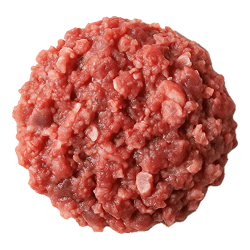
Capra Aegagrus Hircus, Domestic Goat, Caprine, Capra Hircus
Goat is an animal-derived ingredient sourced from domesticated goats, commonly used in premium pet foods. It provides high-quality protein and essential amino acids, supporting muscle maintenance and overall health. Goat is included in its natural, whole-food form, offering a novel protein option that may benefit pets with sensitivities to more common meats like chicken or beef.
Goat is included as a novel animal protein source to appeal to consumers seeking alternative or hypoallergenic options for pets with food sensitivities. It also serves as a marketing differentiator in premium or limited-ingredient formulations.

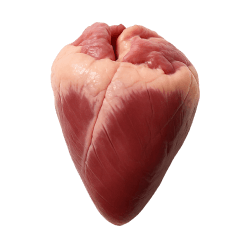
Capra Hircus Heart, Caprine Heart, Capra Hircus Cardiac Muscle, Caprine Cardiac Muscle
Goat heart is an animal-derived organ meat sourced from goats. It is included in pet food primarily for its rich protein content and as a natural source of essential vitamins and minerals, such as iron, zinc, and B vitamins. Goat heart is used in its natural, whole food form, providing highly bioavailable nutrients to support muscle development and overall health in pets.
Goat heart is included as a nutrient-dense organ meat, providing a natural source of protein, essential amino acids, and micronutrients to support canine health. Its use can also enhance product palatability and appeal to consumers seeking whole-prey or novel protein formulations.

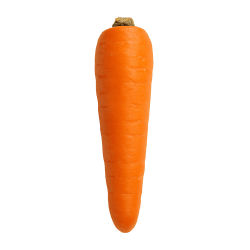
Daucus Carota, Daucus Carota Root, Daucus Carota Sativa, Wild Carrot
Carrot is a root vegetable of plant origin, widely recognised for its vibrant orange colour and natural sweetness. In pet food, carrot is included in its natural, whole form to provide dietary fibre, beta-carotene (a precursor to vitamin A), and antioxidants. Its primary benefit is supporting digestive health and immune function, while also contributing to overall palatability and nutritional diversity.
Carrot is included as a label-friendly ingredient to appeal to consumers seeking recognisable, natural components and to enhance the product’s perceived nutritional value. It may also provide a modest source of fibre and vitamins, supporting marketing claims of added health benefits.

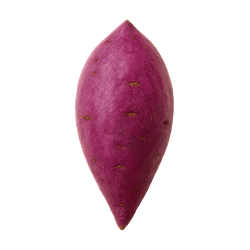
Ipomoea Batatas, Okinawan Sweet Potato, Beni Imo, Ube
Purple sweet potato is a root vegetable of plant origin, known for its vibrant colour and rich nutrient profile. It is included in pet food primarily as a source of complex carbohydrates, dietary fibre, and natural antioxidants such as anthocyanins. Purple sweet potato is used in its natural, whole food form, providing both energy and beneficial phytonutrients to support overall pet health.
Purple sweet potato is included as a cost-effective carbohydrate source that provides bulk and energy, while also offering natural colour and antioxidant appeal for marketing purposes. Its presence can enhance the visual appeal of the product and support "superfood" positioning on labelling.

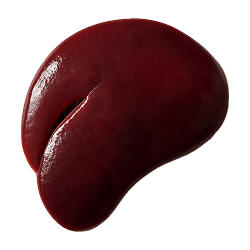
Capra Hircus Liver, Caprine Liver, Capra Liver, Caprine Hepatic Tissue
Goat liver is an animal-derived organ meat sourced from goats. It is included in pet food primarily for its rich content of high-quality protein, essential amino acids, and vital micronutrients such as vitamin A, iron, and B vitamins. Goat liver is used in its natural, whole food form, providing a highly bioavailable source of nutrients to support overall pet health.
Goat liver is included as a nutrient-dense organ meat to provide a natural source of protein, vitamins, and minerals, supporting the nutritional profile of the product. Its inclusion also enhances palatability, making the food more appealing to pets.

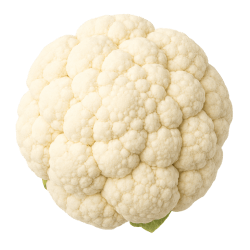
Brassica Oleracea, Brassica Oleracea Var. Botrytis, Eru, Flowering Cabbage
Cauliflower is a cruciferous vegetable of plant origin, commonly included in pet food for its rich content of dietary fibre, vitamins, and antioxidants. Its primary benefit is to support digestive health and provide essential micronutrients. In pet food formulations, cauliflower is used in its natural, whole form, ensuring pets receive its full nutritional profile without synthetic alteration.
Cauliflower is included as a label-friendly vegetable to appeal to health-conscious consumers and enhance product marketing. It may also serve as a source of dietary fibre and micronutrients, contributing to the perceived nutritional value of the pet food.

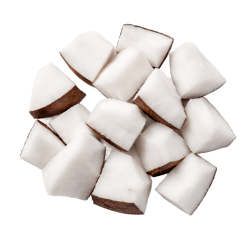
Cocos Nucifera, Cocos Nucifera Fruit, Cocos Nucifera (Plant), Cocos Nucifera (Fruit)
Coconut is a plant-derived ingredient sourced from the fruit of the coconut palm (Cocos nucifera). It is primarily included in pet food for its healthy fats, particularly medium-chain triglycerides, which support energy and skin health. Coconut is used in its natural form, such as dried or shredded flesh, ensuring pets benefit from its nutrients and dietary fibre.
Coconut is included as a label-friendly ingredient to appeal to health-conscious consumers and enhance product marketing. It may also serve as a source of dietary fibre and medium-chain fatty acids, contributing to the nutritional profile of the pet food.

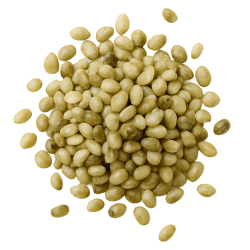
Cannabis Sativa Seed, Cannabis Sativa Seed Kernel, Cannabis Sativa L. Seed, Cannabis Sativa Seed (Genus Species)
Hemp seed is the edible seed of the hemp plant (Cannabis sativa), a botanical ingredient valued for its rich nutritional profile. Sourced from plants, hemp seed is used in its natural, whole form. It provides a balanced source of essential fatty acids, protein, and fibre, supporting skin health, coat quality, and overall wellbeing in pets.
Hemp seed is included as a nutrient-dense ingredient, providing a source of plant-based protein, essential fatty acids, and fibre to support a balanced nutritional profile. Its inclusion also serves as a label-friendly feature, appealing to health-conscious consumers seeking natural and functional ingredients.

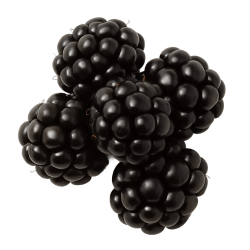
Rubus Fruticosus, Bramble, Brambleberry, Mûre
Blackberry is a nutrient-rich fruit derived from the plant species Rubus fruticosus. Sourced from a botanical origin, blackberry is included in pet food primarily for its antioxidant content, dietary fibre, and natural vitamins. In pet food formulations, blackberry is used in its natural, whole form, providing a source of phytonutrients and supporting overall health and immune function in pets.
Blackberry is included as a label-friendly ingredient to appeal to consumers seeking natural and antioxidant-rich components in pet food. It may also provide trace nutrients and fibre, though its functional impact on the animal is minimal at typical inclusion rates.

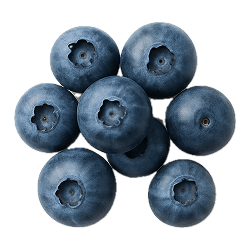
Vaccinium Corymbosum, Vaccinium Angustifolium, Bilberry, E163
Blueberry is a small, nutrient-rich fruit of plant origin, commonly sourced from the Vaccinium genus. It is included in pet food primarily for its antioxidant properties, supporting immune health and cellular protection. Blueberry is used in its natural, whole form, ensuring pets benefit from its full spectrum of vitamins, fibre, and phytonutrients as found in fresh fruit.
Blueberry is included as a label-friendly ingredient to appeal to health-conscious consumers, leveraging its reputation as a source of antioxidants. Its presence supports marketing claims of added nutritional benefits, though it is typically used in small quantities with minimal impact on the overall nutritional profile for pets.

Bertholletia Excelsa, Pará Nut, Castanha-do-Pará, Amazon Nut
Brazil nut is a nutrient-dense seed sourced from the Bertholletia excelsa tree, native to South America. As a plant-based ingredient, it is valued for its high selenium content, healthy fats, and protein, supporting antioxidant activity and overall wellbeing in pets. Brazil nuts are incorporated in their natural, whole form, ensuring optimal nutrient retention and bioavailability in premium pet food formulations.
Brazil nut is included as a premium ingredient to enhance the nutritional profile with selenium and healthy fats, supporting marketing claims of superfood or natural ingredient content. Its presence can also appeal to health-conscious consumers seeking diverse, recognisable whole-food components in pet food.

Solar Salt, Marine Salt, Sodium Chloride, Sal Marinum
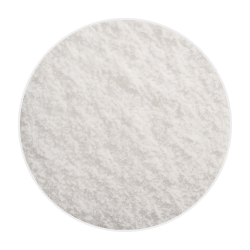
Sea salt is a mineral ingredient derived from the evaporation of seawater. It is primarily included in pet food to provide essential electrolytes, such as sodium and chloride, which support hydration and nerve function. Sea salt is not used in its raw crystalline form but is refined and utilised as a food-grade compound to ensure safety, palatability, and optimal nutrient absorption.
Sea salt is included as a palatability enhancer to improve flavour and encourage pet consumption. It may also function as a mineral source and assist in product preservation.

Laminaria Spp., Macrocystis Pyrifera, Ascophyllum Nodosum, Brown Seaweed
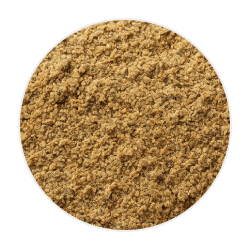
Kelp is a type of large, edible seaweed sourced from marine environments and classified as a plant-based ingredient. It is primarily included in pet food for its rich supply of natural iodine, which supports healthy thyroid function. Kelp is used in its dried, ground natural form, allowing pets to benefit from its trace minerals, vitamins, and antioxidants in a bioavailable manner.
Kelp is included as a label-friendly ingredient to appeal to health-conscious consumers and enhance product marketing, as it is associated with natural sources of vitamins and minerals. It may also serve as a trace mineral supplement to support nutritional completeness in pet food formulations.

Beta Vulgaris Powder, Beta Vulgaris Root Powder, Beet Powder, E162
Beetroot powder is a plant-derived ingredient made from dehydrated and finely ground beetroot (Beta vulgaris). It is primarily included in pet food for its natural source of antioxidants, dietary fibre, and micronutrients, supporting overall health and vitality. Beetroot powder is used in its natural, whole-food form, ensuring pets benefit from its full nutritional profile without synthetic additives.
Beetroot powder is included as a natural colourant to enhance the visual appeal of pet food, making it more attractive to consumers. It may also serve as a label-friendly ingredient, supporting marketing claims of natural or vegetable-based content.

Algal Oil, Microalgae Oil, Schizochytrium Spp. Oil, Crypthecodinium Cohnii Oil
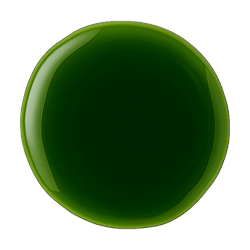
Algae oil is a plant-derived oil extracted from various species of microalgae. It serves as a rich source of omega-3 fatty acids, particularly DHA, which supports cognitive and visual development in pets. Algae oil is utilised in its refined form, not as whole algae, to ensure purity, safety, and optimal absorption of its beneficial nutrients in pet food formulations.
Algae oil is included as a sustainable and label-friendly source of omega-3 fatty acids, providing a plant-based alternative to fish oil. Its use allows manufacturers to appeal to environmentally conscious consumers while supporting the nutritional profile of the product.

Calcium Phosphate Tribasic, E341(iii), Tribasic Calcium Phosphate, TCP
Tricalcium phosphate is a mineral compound derived from calcium and phosphorus, commonly sourced from inorganic origins. It is primarily included in pet food to provide essential calcium and phosphorus, supporting healthy bones and teeth. Tricalcium phosphate is not used in its natural, raw mineral state; instead, it is utilised as a purified compound to optimise safety, bioavailability, and nutritional efficacy in pet diets.
Tricalcium phosphate is included as a cost-effective mineral supplement to provide calcium and phosphorus, supporting nutritional balance in pet food formulations. It also functions as an anti-caking agent, improving product texture and manufacturing efficiency.

Trimethylethanolamine, E1001, Choline Base, 2-Hydroxy-N,N,N-Trimethylethanaminium
Choline is an essential nutrient of synthetic or natural origin, commonly derived from plant or animal sources. It plays a critical role in supporting brain development, liver function, and fat metabolism in pets. Choline is not used in its raw or elemental state; instead, it is typically utilised as choline chloride or choline bitartrate to ensure safety, stability, and optimal absorption in pet food formulations.
Choline is included as an essential nutrient to support normal liver function, brain development, and metabolic processes in pets. Its addition ensures nutritional adequacy and helps manufacturers meet regulatory labelling requirements for complete and balanced pet foods.

Zn, E579, Zincum, CI 77947
Zinc is an essential trace mineral sourced from the earth and is vital for numerous biological functions in pets, including immune support and skin health. In pet food, zinc is not used in its natural metallic state; instead, it is utilised as a compound such as zinc sulphate or zinc chelate to optimise safety and absorption, ensuring pets receive its full nutritional benefit.
Zinc is included as an essential trace mineral to support immune function, skin health, and overall metabolic processes in pets. Its addition ensures nutritional adequacy and compliance with regulatory labelling standards for complete and balanced pet foods.

Tocopherol, Alpha-Tocopherol, E307, D-Alpha-Tocopherol
Vitamin E is a fat-soluble vitamin derived from plant sources such as vegetable oils, nuts, and seeds. It functions primarily as an antioxidant, helping to protect cell membranes from oxidative damage and supporting immune health. In pet food, Vitamin E is not used in its natural raw form but is typically utilised as a stabilised compound, such as tocopherol acetate, to optimise safety and absorption.
Vitamin E is included as a natural antioxidant to help preserve the freshness and stability of fats and oils in the product, thereby extending shelf life. It also serves as a label-friendly nutrient that appeals to consumers seeking added health benefits for their pets.

Cobalamin, Cyanocobalamin, Hydroxocobalamin, Methylcobalamin
Vitamin B12 is a water-soluble vitamin of animal origin, essential for nerve function and red blood cell formation in pets. It is primarily included in pet food to support energy metabolism and overall vitality. Vitamin B12 is not used in its natural, raw form but is instead utilised as a specific compound, such as cyanocobalamin, to ensure stability, safety, and optimal absorption.
Vitamin B12 is included as an essential nutrient to support metabolic and neurological functions in pets, ensuring the product meets established nutritional standards. Its addition helps manufacturers achieve complete and balanced labelling claims.

Ferrum, Fe, E1, Elemental Iron
Iron is an essential mineral sourced from both animal and plant origins, crucial for oxygen transport and energy metabolism in pets. Its primary benefit is supporting healthy red blood cell formation and preventing anaemia. Iron is not used in its natural, raw, or metallic state; instead, it is utilised in pet food as safe, bioavailable compounds such as iron sulphate or iron proteinate to optimise absorption.
Iron is included as an essential mineral to support healthy blood function and overall metabolism in pets. Its addition ensures the product meets nutritional requirements and regulatory standards for complete and balanced pet food.

Cholecalciferol, Colecalciferol, Calciol, E671
Vitamin D3, also known as cholecalciferol, is a fat-soluble vitamin of animal origin commonly derived from lanolin or fish oil. It plays a crucial role in regulating calcium and phosphorus metabolism, supporting healthy bone development in pets. Vitamin D3 is not used in its natural form but is instead utilised as a stabilised compound to ensure safety, efficacy, and optimal absorption in pet food formulations.
Vitamin D3 is included to ensure the finished product meets established nutritional requirements for canine health, supporting bone development and calcium regulation. Its addition allows manufacturers to guarantee consistent vitamin content regardless of natural variation in raw materials.

Pantothenic Acid, D-Pantothenic Acid, Calcium Pantothenate, E315
Vitamin B5, also known as pantothenic acid, is a water-soluble vitamin of plant and animal origin. It plays a crucial role in energy metabolism and the synthesis of fatty acids, supporting overall cellular function. In pet food, Vitamin B5 is not used in its raw or natural state but is typically included as a stable, bioavailable compound such as calcium pantothenate for optimal absorption.
Vitamin B5 is included as an essential nutrient to support metabolic function and overall health in pets. Its addition ensures the product meets nutritional standards and regulatory requirements for complete and balanced pet food.
Score Card
Every product is assessed using the Dog Directory Integrity Framework, giving dog owners a clear and trustworthy way to compare products. This ensures each review reflects overall quality and formulation integrity, not just marketing claims.
- /40
- /30
- /15
- /10
- /5
- Overall ScoreScore Info
As a pet owner, you naturally want the best for your dog. From regular vet visits to nutritious meals, ensuring your furry friend is healthy and happy is always top of mind. But beyond food and exercise, supplements are becoming an increasingly popular way to support your dog’s overall well-being. In this comprehensive guide, we’ll dive into the world of dog supplements, explaining what they are, why they matter, and how to choose the right ones for your pup.
0/100

About

PRODUCT TAGS
About the Brand
Lyka
Lyka is Australia's biggest fresh dog food brand. Their vet-formulated, human-grade meals are delivered to your door via subscription — certified B Corp with over 50 million meals delivered.


Comments
0 comments
Login or Register to Join the Conversation