Your Dog's World, Personalised
Save your favourite products and locations, track prices, and unlock exclusive discounts — all in one place
or
Error
Verify Your Email
We've emailed a sign-in code. Enter it below to continue.
Share
Thank you! Your submission has been received!
Oops! Something went wrong while submitting the form.
Back to ExploreOptimum
Adult All Breed with Chicken, Vegetables and Rice Dry Food
3kg
Dog Directory saved you
18%
this week.
Imagine what you could save in a year...
7kg
Dog Directory saved you
28%
this week.
Imagine what you could save in a year...
15kg
Dog Directory saved you
16%
this week.
Imagine what you could save in a year...
18kg
Dog Directory saved you
12%
this week.
Imagine what you could save in a year...

Overview

Optimum Adult All Breed with Chicken, Vegetables & Rice Dry Food is a complete and balanced dry kibble for adult dogs of all breeds. Chicken-based protein is paired with wholegrains and added fibre to support everyday digestion. The formula also includes added antioxidants for immune support and an active ingredient that helps reduce plaque and tartar build-up. Suitable as a daily maintenance diet for adult dogs of any size.


Nutritional Analysis

Protein
26
%
0%
Fat
10
%
0%
Moisture
8.5
%
0%
Energy
340
0
 kcal/100g

Ingredients

Meat and Meat By-Product (Poultry), Wheat and/or Corn, Sorghum and/or Barley and/or Rice, Natural Flavour (Chicken), Beet Pulp, Vegetables, Vitamins and Minerals, Salt, Sodium Tripolyphosphate, Antioxidants, Amino Acid.

Ingredient images are illustrative only and may not represent the exact source or form used by manufacturers.
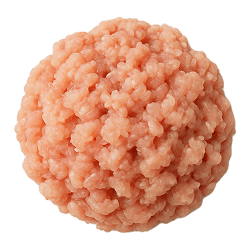
Fresh minced poultry formed into a round, pale pink ball with a moist, textured surface, suitable for dog food
Poultry
Poultry
Gallus Spp., Meleagris Spp., Anas Spp., Numida Spp.
Summary
Poultry refers to the meat derived from domesticated birds such as chicken or turkey, and is of animal origin. It serves as a high-quality source of protein, essential amino acids, and vital nutrients like B vitamins and minerals, supporting muscle development and overall health. In pet food, poultry is typically used in its natural, whole form, ensuring optimal nutrient availability and palatability for pets.
Why it's used?
Poultry is included as a primary animal protein source to meet nutritional requirements and enhance palatability for pets. Its use also allows manufacturers to market the product as containing real meat, appealing to consumer preferences.
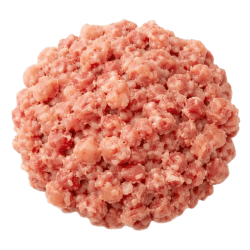
Poultry by-products formed into a pink and red chunky mound with a moist, textured appearance
Poultry By-Products
Poultry By-Products
Poultry By-Product Meal, Gallus Spp. By-Products, Avian By-Products, Rendered Poultry By-Products
Summary
Poultry by-products are animal-derived ingredients sourced from the non-rendered, clean parts of poultry, such as organs and tissues, excluding feathers, heads, feet, and intestines. They provide a concentrated source of protein, essential amino acids, vitamins, and minerals, supporting overall pet health. Poultry by-products are used in their processed form, ensuring safety, digestibility, and optimal nutrient availability for pets.
Why it's used?
Poultry by-products are included as a cost-effective source of animal protein and essential nutrients, utilising parts of the bird not typically consumed by humans. Their use allows manufacturers to optimise ingredient yield and maintain product affordability while meeting nutritional requirements.
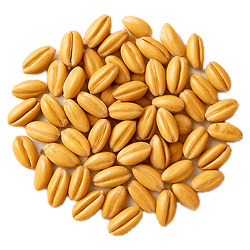
Golden wheat grains with smooth, oval shapes and glossy texture arranged in a neat circle on a white background
Wheat
Wheat
Triticum Spp., Common Wheat, Bread Wheat, Triticum Aestivum
Summary
Wheat is a cereal grain derived from the seeds of the Triticum plant, making it a plant-based ingredient. It is primarily included in pet food as a source of carbohydrates for energy, as well as dietary fibre and some essential nutrients. Wheat is used in its natural, milled form, such as whole wheat or wheat flour, to optimise digestibility and nutritional value.
Why it's used?
Wheat is included as a cost-effective carbohydrate source that provides energy and helps bind kibble together for structural integrity. It also serves as a bulk-adding agent, optimising production costs while maintaining product texture.
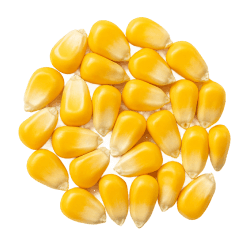
Bright yellow corn kernels with a smooth, glossy texture arranged in a neat circle on a white background
Corn
Corn
Maize, Zea Mays, Indian Corn, Sweetcorn
Summary
Corn is a cereal grain derived from the maize plant, a member of the grass family. Primarily included as a carbohydrate source, corn provides energy, dietary fibre, and essential nutrients such as B vitamins. In pet food, corn is typically used in its natural, whole or ground form, rather than as a raw kernel, to optimise digestibility and nutrient availability for companion animals.
Why it's used?
Corn is included as a cost-effective carbohydrate source that provides energy and bulk to pet food formulations. It also serves as a label-friendly ingredient that can help optimise product texture and processing efficiency.
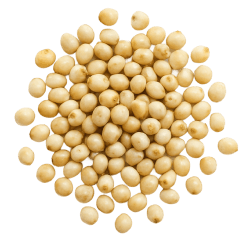
Round, pale yellow sorghum grains with a smooth, glossy texture clustered together on a white background
Sorghum
Sorghum
Sorghum Bicolor, Great Millet, Guinea Corn, Jowar
Summary
Sorghum is a cereal grain derived from the Sorghum bicolor plant, making it a plant-based ingredient. It is primarily included in pet food as a source of complex carbohydrates, providing sustained energy and dietary fibre. Sorghum is used in its natural, whole grain form, which helps maintain its nutritional integrity and supports digestive health in pets.
Why it's used?
Sorghum is included as a cost-effective carbohydrate source that provides energy and bulk to pet food formulations. Its use can also support stable product texture and is often chosen for its label-friendly, gluten-free profile.
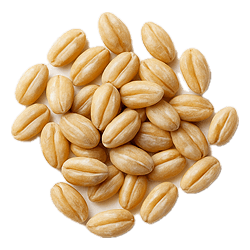
Light brown barley grains with a smooth, oval shape and glossy finish, commonly used in nutritious dog food
Barley
Barley
Hordeum Vulgare, Pearl Barley, Malted Barley, Barley Grain
Summary
Barley is a cereal grain derived from the plant species Hordeum vulgare. As a plant-based ingredient, it is primarily included in pet food for its carbohydrate content, providing a steady source of energy and dietary fibre to support digestive health. Barley is used in its natural, whole or ground form, ensuring pets benefit from its inherent nutrients and fibre profile.
Why it's used?
Barley is included as a cost-effective carbohydrate source that provides energy and dietary fibre. It also serves as a bulk-adding agent to optimise product texture and manufacturing efficiency.
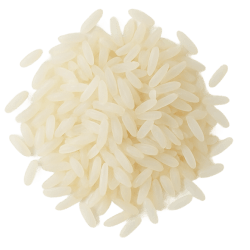
Uncooked white rice grains with a smooth, glossy texture, commonly used as a healthy ingredient in dog food
Rice
Rice
Oryza Sativa, Paddy, Oryza Sativa Grain, Oryza Spp.
Summary
Rice is a cereal grain derived from the seeds of the Oryza sativa plant, making it a plant-based ingredient. It serves primarily as a highly digestible source of carbohydrates, providing energy for pets. In pet food, rice is typically used in its natural, whole or milled form, rather than as a processed extract, to optimise digestibility and nutrient availability.
Why it's used?
Rice is included as a cost-effective carbohydrate source that provides energy and helps create a desirable texture in pet food. It is also easily digestible, making it suitable for sensitive digestive systems and appealing for marketing as a familiar, label-friendly ingredient.
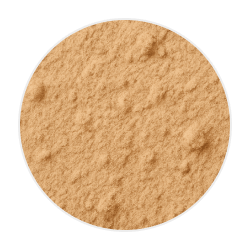
Fine, light brown powder of natural chicken flavour with a slightly grainy texture, commonly used in dog food recipes
Natural Chicken Flavour
Chicken Flavour, Chicken Flavouring, Chicken Extract, Gallus Gallus Extract
Summary
Natural Chicken Flavour is a palatable ingredient derived from animal sources, specifically chicken, and is used to enhance the taste and aroma of pet food. Its primary function is to improve palatability, encouraging consistent consumption. This ingredient is not used in its whole food form; rather, it is processed and concentrated to deliver a natural chicken taste in a safe, digestible format.
Why it's used?
Natural chicken flavour is included to enhance palatability, encouraging dogs to consume the product. It also allows manufacturers to deliver a desirable taste profile without significantly increasing production costs or altering the nutritional composition.
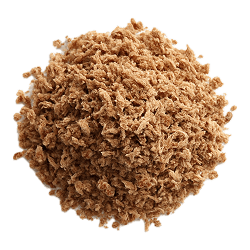
Light brown, shredded beet pulp with a dry, coarse texture, shown loose in a pile for dog food nutrition
Beet Pulp
Beet Pulp
Dried Sugar Beet Pulp, Sugar Beet Fibre, Beta Vulgaris Pulp, Sugar Beet Residue
Summary
Beet pulp is a fibrous by-product derived from sugar beet plants after sugar extraction. It serves as a valuable source of moderately fermentable fibre, supporting digestive health and stool quality in pets. Beet pulp is incorporated in its dried, processed form rather than as raw beet, ensuring optimal digestibility and nutrient availability for companion animals.
Why it's used?
Beet pulp is included as a cost-effective source of dietary fibre to promote digestive health and stool quality in pets. It also serves as a bulk-adding agent, helping to optimise product texture and satiety.
Too vague to identify
Vegetables
Vegetables
Plant Vegetables, Edible Plants, Edible Plant Matter, Edible Plant Material
Summary
Vegetables are plant-derived ingredients sourced from various edible parts such as roots, stems, leaves, and fruits. They are included in pet food primarily to provide dietary fibre, essential vitamins, minerals, and phytonutrients that support overall health and digestion. Vegetables are typically used in their natural, whole form, ensuring pets receive the full spectrum of their nutritional benefits.
Why it's used?
Vegetables are included as a source of vitamins, minerals, and dietary fibre, supporting nutritional balance and digestive health. They also serve as a label-friendly ingredient, appealing to consumers seeking natural and recognisable components in pet food.
Too vague to identify
Vitamins
Vitamins
Micronutrients, Essential Micronutrients, Vital Nutrients, Accessory Food Factors
Summary
Vitamins are organic compounds derived from both plant and animal sources, essential for numerous metabolic and physiological functions in pets. Their primary purpose is to support immune health, vision, bone development, and cellular processes. In pet food, vitamins are not used in their natural, raw forms but are instead incorporated as stabilised compounds or premixes to ensure safety, stability, and optimal bioavailability.
Why it's used?
Vitamins are included to ensure nutritional adequacy and meet regulatory requirements for complete and balanced pet food. They may also be added to compensate for nutrient losses during processing and storage.
Too vague to identify
Minerals
Minerals
Dietary Minerals, Inorganic Nutrients, Essential Minerals, Bulk Elements
Summary
Minerals are essential inorganic nutrients derived from the earth, not produced by animals or plants. They play a critical role in supporting various physiological functions, such as bone development, nerve transmission, and enzyme activity. In pet food, minerals are not used in their natural raw or metallic state; instead, they are incorporated as specific compounds (such as sulphates or chelates) to optimise safety and bioavailability.
Why it's used?
Minerals are included to meet essential nutritional requirements for pets, supporting overall health and proper bodily functions. They are often added in precise amounts to ensure the product complies with regulatory standards and nutrient profiles.
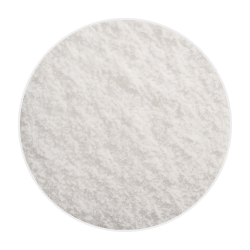
Fine white salt granules in a circular pile on a plain background, showing a powdery, smooth texture
Salt
Salt
Sodium Chloride, NaCl, Table Salt, E535
Summary
Salt is a mineral ingredient derived from the combination of sodium and chloride, typically sourced from natural deposits or seawater. It is primarily included in pet food to support electrolyte balance, nerve function, and hydration. Salt is not used in its raw mineral form but is utilised as sodium chloride, a purified compound, to ensure safety, palatability, and optimal absorption in pets.
Why it's used?
Salt is included as a palatability enhancer to improve taste and encourage consumption, and also functions as a preservative to help extend product shelf life. Its use allows manufacturers to optimise flavour while maintaining product stability.
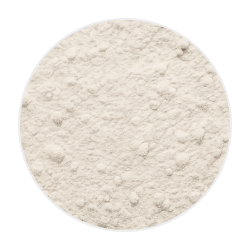
Fine white powder texture of sodium tripolyphosphate, a common food additive used in dog nutrition
Sodium Tripolyphosphate
Pentapotassium Triphosphate, STPP, E451(i), Triphosphoric Acid Pentasodium Salt
Summary
Sodium tripolyphosphate is a synthetic compound derived from inorganic sources, commonly used in pet food formulations. Its primary function is to act as a preservative and to help maintain the texture and moisture of products. Sodium tripolyphosphate is not used in its natural mineral form; instead, it is utilised as a processed salt to ensure safety, stability, and optimal absorption.
Why it's used?
Sodium tripolyphosphate is included as a functional additive to improve product texture and moisture retention, helping maintain palatability and appearance. It also acts as a preservative to extend shelf life and inhibit spoilage.
Too vague to identify
Antioxidants
Antioxidants
Antioxidant Agents, Free Radical Scavengers, E306, E321
Summary
Antioxidants are compounds sourced from both plant and synthetic origins, commonly added to pet food to protect fats and oils from oxidation, thereby preserving freshness and nutritional quality. Their primary function is to neutralise free radicals, supporting cellular health. Antioxidants are not used in their raw or isolated chemical state; instead, specific forms such as mixed tocopherols or ascorbate compounds are utilised for safety and efficacy.
Why it's used?
Antioxidants are included to prevent the oxidation of fats and oils, thereby extending the product’s shelf life and maintaining nutritional quality. They also help preserve colour and flavour, supporting product stability and consumer appeal.
Too vague to identify
Amino Acids
Amino Acids
L-Amino Acids, α-Amino Acids, Proteinogenic Amino Acids, E620-E640
Summary
Amino acids are organic compounds derived from both animal and plant sources, serving as the fundamental building blocks of proteins. Their primary nutritional benefit is to support muscle development, tissue repair, and overall metabolic function in pets. In pet food, amino acids are not used in their isolated natural form but are typically included as specific, bioavailable compounds to optimise absorption and efficacy.
Why it's used?
Amino acids are included to ensure the product meets essential protein and nutrient requirements for pets, supporting overall health and development. They may also be added to optimise the amino acid profile of the food, compensating for any deficiencies in the primary protein sources.

About


Brand
Optimum
Manufactured
Australia
Type
Kibble
Life Stage
Adult, Senior
Breed Size
All Breeds
Feeding Type
Complete Meal
Processing Level
High

PRODUCT TAGS


Dairy Free
Soy Free

Oops! Something went wrong...PLEASE TRY AGAIN

Most Tracked This Week

About the Brand

Optimum

Optimum delivers expertly tailored Australian made dog food developed with world leading Waltham science to support lifelong health. Explore their range of nutrient dense wet and dry meals designed to provide balanced nutrition for every breed and life stage.


Comments

0 comments

Login to Join the Conversation 💬

Be the first to leave a comment.
Loading
Anonymous User
This is the actual comment. It's can be long or short. And must contain only text information.
(Edited)
Your comment will appear once approved by a moderator.
4 years ago
0
0
Reply
Anonymous User
This is the actual comment. It's can be long or short. And must contain only text information.
(Edited)
Your comment will appear once approved by a moderator.
2 years ago
0
0
Thank you! Your submission has been received!
Oops! Something went wrong while submitting the form.