






Your Dog's World, Personalised
Save your favourite products and locations, track prices, and unlock exclusive discounts — all in one place
or
Error
Verify Your Email
We've emailed a sign-in code. Enter it below to continue.
Share
Thank you! Your submission has been received!
Oops! Something went wrong while submitting the form.
Back to ExploreOrijen
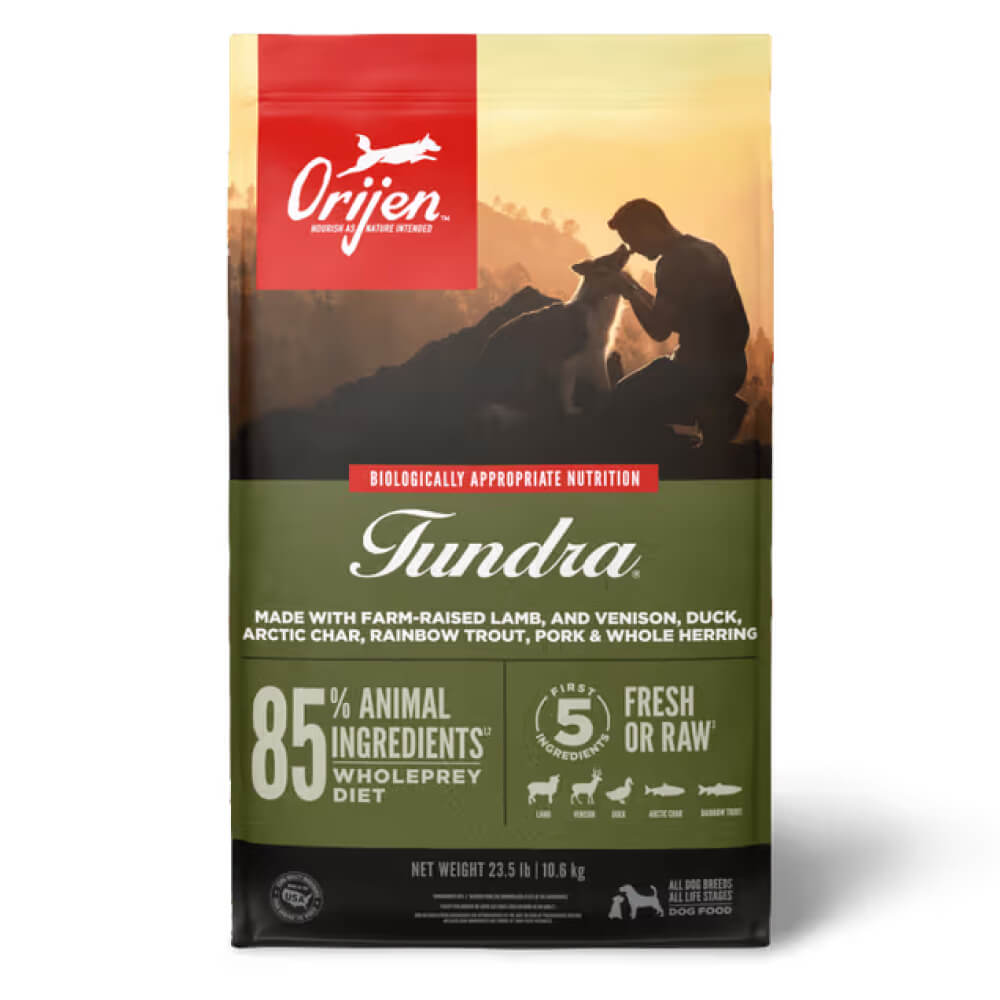
Tundra Lamb, Venison and Duck Dry Food
2kg
Dog Directory saved you
26%
this week.
Imagine what you could save in a year...
10.6kg
Dog Directory saved you
21%
this week.
Imagine what you could save in a year...
Overview

ORIJEN Tundra is a grain-free dry dog food built around a diverse range of novel proteins — including farm-raised lamb, venison, duck, pork, arctic char, rainbow trout, and whole herring. This makes it one of the most ingredient-diverse recipes in the ORIJEN range, with 85% animal ingredients sourced entirely from meat, poultry, and wild-caught fish.
The broad protein variety provides a rich and varied amino acid profile, while naturally occurring omega fatty acids from the fish and meat ingredients support skin, coat, and immune health. A pre- and probiotic blend aids digestion, and the low dietary starch content keeps carbohydrates to a minimum.

An excellent option for dogs that have developed sensitivities to chicken or turkey, owners wanting to rotate proteins for dietary variety, or those seeking a premium novel-protein kibble for dogs of all breeds and life stages.


Nutritional Analysis

Protein
40
%
0%
Fat
18
%
0%
Fibre
5
%
0%
Moisture
12
%
0%
Energy
386
0
 kcal/100g

Ingredients

Lamb, Venison, Duck, Arctic Char, Rainbow Trout, Lamb Meal, Pollock Meal, Sardine Meal, Herring Meal, Mackerel Meal, Whole Red Lentils, Whole Pinto Beans, Pork, Pork Fat, Duck Liver, Natural Pork Flavour, Pork Liver, Lamb Liver, Whole Herring, Pollock Oil, Whole Navy Beans, Whole Green Lentils, Whole Chickpeas, Whole Peas, Dried Apple Pomace, Duck Meal, Lamb Tripe, Pork Kidney, Dried Kelp, Vitamin E Supplement, Zinc Proteinate, Whole Butternut Squash, Whole Pumpkin, Mixed Tocopherols (Preservative), Collard Greens, Whole Pears, Whole Apples, Niacin, Thiamine Mononitrate, Calcium Pantothenate, Pyridoxine Hydrochloride, Riboflavin, Folic Acid, Vitamin B12, Copper Proteinate, Dried Bacillus Coagulans Fermentation Product, Dried Chicory Root, Turmeric, Sarsaparilla Root, Althea Root, Rosehips, Juniper Berries, Citric Acid (Preservative), Rosemary Extract

Ingredient images are illustrative only and may not represent the exact source or form used by manufacturers.
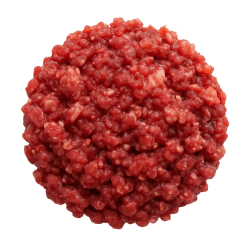
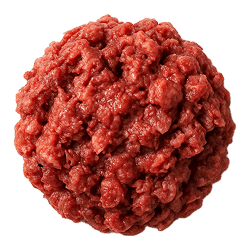
Fresh raw lamb mince, bright red and chunky with a moist texture, perfect for healthy dog food recipes
Lamb
Lamb
Ovis Aries, Young Sheep, Agnus, Ovine Meat
Summary
Lamb is a high-quality animal protein sourced from sheep, commonly used in premium pet foods. It provides essential amino acids, vitamins, and minerals that support muscle development and overall health. Lamb is included in its natural, whole-food form, ensuring optimal nutrient availability and palatability. Its rich nutrient profile makes it particularly beneficial for pets with sensitivities to other protein sources.
Why it's used?
Lamb is included as a high-quality animal protein source to support muscle maintenance and overall health in pets. It also serves as a marketing differentiator, appealing to consumers seeking novel or premium protein options for their pets.
Freshly ground venison mince, deep red and coarse in texture, displayed as a healthy dog food ingredient
Venison
Venison
Deer Meat, Cervidae Meat, Game Meat, Cervus Spp.
Summary
Venison is the meat derived from deer, making it an animal-based protein source. It is prized for its lean profile and high-quality amino acids, supporting muscle maintenance and overall health in pets. In pet food, venison is used in its natural, whole-food form, providing a novel protein option that may benefit pets with sensitivities to more common meats.
Why it's used?
Venison is included as a novel, high-quality protein source to appeal to consumers seeking premium or hypoallergenic pet food options. Its use can support marketing claims related to limited ingredient diets and alternative proteins.
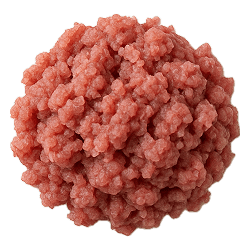
Fresh minced duck, pinkish-red with a coarse, moist texture, shown as a quality ingredient for dog food recipes
Duck
Duck
Anas Spp., Waterfowl, Wildfowl, Canard
Summary
Duck is a high-quality animal protein sourced from domesticated or wild waterfowl. It provides essential amino acids, vitamins, and minerals that support muscle development and overall health in pets. Duck is primarily included for its rich protein content and palatability. In pet food, duck is used in its natural, whole form, ensuring optimal nutrient availability and digestibility for companion animals.
Why it's used?
Duck is included as a novel animal protein source to provide essential amino acids and support marketing claims for hypoallergenic or limited-ingredient diets. Its use can also differentiate products in the premium segment and appeal to consumers seeking alternative proteins for their pets.
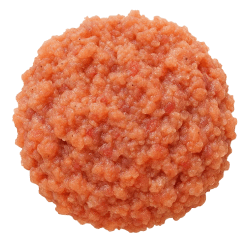
Finely minced Arctic Char with a moist, crumbly texture and light pink-orange colour, suitable for dog food recipes
Arctic Char
Arctic Char
Salvelinus Alpinus, Alpine Char, Sea Trout, Iwana
Summary
Arctic Char is a cold-water fish of animal origin, closely related to salmon and trout. It is included in pet food for its high-quality protein and rich omega-3 fatty acid content, supporting skin, coat, and overall health. Arctic Char is used in its natural, whole form, providing essential nutrients and contributing to a palatable, premium ingredient profile in pet diets.
Why it's used?
Arctic Char is included as a premium animal protein source to enhance the nutritional profile and market appeal of the product. Its presence supports high-quality labelling claims and may attract consumers seeking novel or sustainable fish ingredients.
Finely minced rainbow trout with a moist, crumbly texture and light pink colour, prepared for use in dog food recipes
Rainbow Trout
Rainbow Trout
Oncorhynchus Mykiss, Steelhead, Salmon Trout, EUSFA 03.2.1
Summary
Rainbow Trout is a freshwater fish of animal origin, valued for its high-quality protein and rich omega-3 fatty acid content. In pet food, Rainbow Trout provides essential amino acids and supports skin and coat health. It is included in its natural, whole food form, ensuring optimal nutrient availability and palatability for pets. This ingredient also contributes important vitamins and minerals.
Why it's used?
Rainbow trout is included as a high-quality, species-specific protein source to enhance the nutritional profile and market appeal of the product. Its presence supports premium positioning and may attract consumers seeking novel or alternative proteins for their pets.
Finely ground, light brown lamb meal powder with a soft, crumbly texture, commonly used in dog food recipes
Lamb Meal
Lamb Meal
Rendered Lamb, Dehydrated Lamb, Ovis Aries Meal, Processed Lamb Protein
Summary
Lamb meal is a concentrated protein ingredient derived from lamb, an animal source, by rendering and drying lamb meat and tissue. It provides a highly digestible source of essential amino acids, supporting muscle maintenance and overall health in pets. Unlike whole lamb, lamb meal is utilised in a processed, dehydrated form to optimise nutrient density and shelf stability in premium pet foods.
Why it's used?
Lamb meal is included as a concentrated protein source that provides essential amino acids while allowing for consistent nutrient levels in formulation. Its use also enables manufacturers to market the product as containing a novel or premium animal protein, appealing to consumers seeking alternative or hypoallergenic options.
Fine, light brown pollock meal powder with a soft, crumbly texture, commonly used in Australian dog food recipes
Pollock Meal
Pollock Meal
Alaska Pollock Meal, Theragra Chalcogramma Meal, Gadus Chalcogrammus Meal, Fish Meal (Alaska Pollock)
Summary
Pollock meal is a concentrated protein ingredient derived from pollock, a marine fish species. Sourced from animal origin, it is produced by cooking, drying, and grinding whole pollock or pollock trimmings. Its primary benefit is providing high-quality, digestible protein and essential amino acids to support muscle maintenance and overall health. Pollock meal is not used in its natural form but as a processed, stabilised meal for optimal nutrient delivery.
Why it's used?
Pollock meal is included as a concentrated, cost-effective source of animal protein and essential amino acids to support muscle maintenance and overall health in pets. Its use also allows manufacturers to diversify protein sources and optimise product labelling with a named fish ingredient.
Fine brown sardine meal powder with a slightly coarse texture, shown as a nutritious dog food ingredient
Sardine Meal
Sardine Meal
Sardine Fishmeal, Sardina Pilchardus Meal, Pilchard Meal, Clupeidae Fishmeal
Summary
Sardine meal is a concentrated protein ingredient derived from whole sardines, an animal source, through a process of cooking, drying, and grinding. It serves as a rich source of high-quality protein and essential omega-3 fatty acids, supporting muscle maintenance and skin health. Sardine meal is not used in its natural whole form but as a processed, nutrient-dense powder to optimise digestibility and nutrient availability.
Why it's used?
Sardine meal is included as a concentrated, high-quality protein and omega-3 fatty acid source to support nutritional value and product labelling claims. Its use can also enhance palatability and differentiate the product in a competitive market.
Fine brown herring meal powder with a slightly coarse texture, commonly used as a nutritious dog food ingredient
Herring Meal
Herring Meal
Clupea Harengus Meal, Herring Fishmeal, Clupea Meal, Herring Protein Meal
Summary
Herring meal is a concentrated protein ingredient derived from whole herring, an animal source, through a process of cooking, pressing, and drying. It provides high-quality protein and essential omega-3 fatty acids, supporting muscle maintenance and skin health in pets. Herring meal is not used in its natural whole form but is processed to optimise nutrient density and digestibility for pet food formulations.
Why it's used?
Herring meal is included as a concentrated source of high-quality animal protein and omega-3 fatty acids, supporting nutritional value and marketing claims related to skin and coat health. Its use also allows manufacturers to optimise protein content while maintaining a desirable ingredient profile for consumers.
Fine brown mackerel meal powder with a slightly coarse texture, formed in a circular mound on a plain background
Mackerel Meal
Mackerel Meal
Scomber Spp. Meal, Scomberidae Meal, Fish Meal (Mackerel), Scomber Fish Meal
Summary
Mackerel meal is a concentrated animal protein ingredient derived from whole mackerel fish, processed and dried into a fine powder. It serves as a rich source of high-quality protein and essential omega-3 fatty acids, supporting muscle development and skin health in pets. Mackerel meal is not used in its natural whole form but is instead utilised as a rendered, dehydrated product to optimise nutrient density and digestibility.
Why it's used?
Mackerel meal is included as a concentrated, cost-effective source of animal protein and omega-3 fatty acids, supporting nutritional value and label appeal. Its use allows manufacturers to optimise protein content while promoting the inclusion of marine-sourced nutrients.
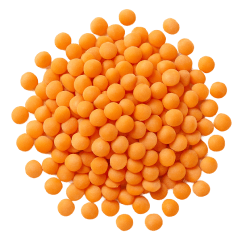
Pile of dry red lentils, round and orange with a smooth texture, commonly used in healthy dog food recipes
Red Lentils
Red Lentils
Lens Culinaris, Masoor Dal, Masur Dal, Lentille Rouge
Summary
Red lentils are edible seeds derived from the legume plant Lens culinaris, commonly cultivated for human and animal consumption. As a plant-based ingredient, red lentils are valued for their high protein, dietary fibre, and essential micronutrient content. In pet food, red lentils are used in their natural, whole form to provide a digestible source of energy, support gut health, and contribute to overall nutritional balance.
Why it's used?
Red lentils are included as a cost-effective, high-protein plant ingredient that also provides dietary fibre and carbohydrates. Their use can help optimise the protein content of the product while supporting a grain-free marketing position.
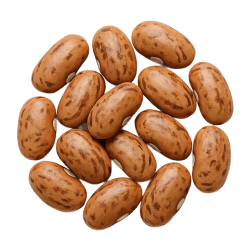
Light brown pinto beans with mottled patterns, oval and smooth, grouped together on a plain background
Pinto Beans
Pinto Beans
Phaseolus Vulgaris, Frijol Pinto, Haricot Pinto, Poroto Pinto
Summary
Pinto beans are edible seeds derived from the legume plant Phaseolus vulgaris, originating from plant sources. They are included in pet food primarily for their high protein content, dietary fibre, and essential micronutrients, supporting digestive health and sustained energy. Pinto beans are used in their natural, whole form, ensuring optimal nutrient retention and digestibility for pets.
Why it's used?
Pinto beans are included as a cost-effective plant-based protein and fibre source, contributing to the nutritional profile while helping to manage production costs. They may also serve as a label-friendly ingredient, appealing to consumers seeking recognisable, whole-food components.
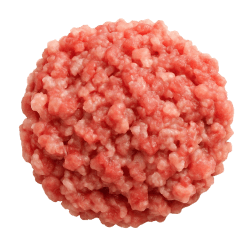
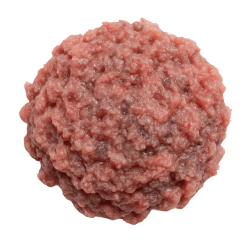
Fresh minced pork formed into a round ball, pink and white in colour with a coarse, chunky texture
Pork
Pork
Sus Scrofa Domesticus, Domestic Pig, Swine, Porcine
Summary
Pork is the meat derived from domesticated pigs and is classified as an animal-based ingredient. It serves as a high-quality source of protein and essential amino acids, supporting muscle maintenance and overall health in pets. In pet food, pork is typically used in its natural, whole form, providing both palatability and nutritional value for dogs and cats.
Why it's used?
Pork is included as a primary animal protein source to support muscle maintenance and overall nutrition in pet food formulations. It also serves as a palatable ingredient that can enhance flavour and appeal for pets.
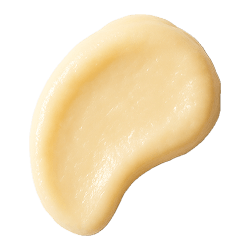
Creamy off-white pork fat in a smooth, glossy dollop on a plain background, highlighting its rich texture
Pork Fat
Pork Fat
Lard, Rendered Pig Fat, Sus Scrofa Domesticus Fat, E472e
Summary
Pork fat is an animal-derived ingredient obtained from the rendered adipose tissue of pigs. It serves primarily as a concentrated source of energy and essential fatty acids, supporting skin and coat health in pets. In pet food, pork fat is used in its natural rendered form, not as a raw or unprocessed fat, to optimise palatability and nutrient absorption.
Why it's used?
Pork fat is included as a highly palatable and energy-dense ingredient, enhancing flavour to increase acceptance among pets. It also serves as a cost-effective source of essential fatty acids, supporting skin and coat health.
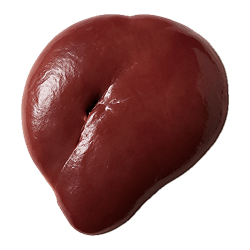
Fresh duck liver with a smooth, glossy surface and rich reddish-brown colour, ideal for dog nutrition
Duck Liver
Duck Liver
Anas Platyrhynchos Liver, Foie De Canard, Canard Liver, Euduck Liver
Summary
Duck liver is an animal-derived organ meat sourced from ducks, valued for its rich nutrient profile. It serves as a concentrated source of high-quality protein, essential vitamins such as vitamin A, and minerals like iron and zinc, supporting overall health and vitality. Duck liver is incorporated in its natural, whole food form, ensuring optimal nutrient availability and palatability for pets.
Why it's used?
Duck liver is included as a highly palatable protein and nutrient source, enhancing the flavour profile to increase acceptance among pets. It also serves as a label-friendly ingredient, appealing to consumers seeking premium or novel animal proteins.
Fine, light brown powder of natural pork flavour with a smooth, even texture, used as a dog food ingredient
Natural Pork Flavour
Pork Extract, Porcine Flavour, Porcine Extract, Sus Scrofa Flavour
Summary
Natural pork flavour is a palatable ingredient derived from pork, an animal source, and is commonly used to enhance the taste and aroma of pet foods. Its primary function is to improve palatability, encouraging consistent consumption. This ingredient is not used in its whole food form; instead, it is processed and concentrated to deliver a consistent, safe, and appealing flavour profile.
Why it's used?
Natural pork flavour is included to enhance palatability, encouraging dogs to consume the product. It also allows manufacturers to market the food as having a desirable, meat-based taste without significantly increasing production costs.
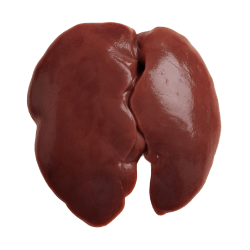
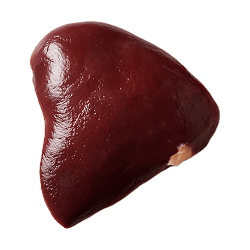
Fresh pork liver, whole and uncooked, with a smooth, glossy dark reddish-brown surface, ideal for dog nutrition
Pork Liver
Pork Liver
Sus Scrofa Domesticus Liver, Swine Liver, Pig Liver, Porcine Liver
Summary
Pork liver is an animal-derived organ meat sourced from pigs. It is included in pet food primarily for its rich content of highly bioavailable protein, essential vitamins (notably vitamin A), and minerals such as iron and zinc. Pork liver is used in its natural, whole food form, providing a concentrated source of nutrients to support overall health and vitality in pets.
Why it's used?
Pork liver is included as a nutrient-dense organ meat to provide essential vitamins, minerals, and high-quality protein, supporting the nutritional profile of the product. Its strong flavour also enhances palatability, encouraging consumption by pets.
Fresh lamb liver with a rich dark red colour and smooth, glossy texture, ideal for natural dog nutrition
Lamb Liver
Lamb Liver
Ovine Liver, Sheep Liver, Ovis Aries Liver, Hepaticus Ovis
Summary
Lamb liver is an animal-derived organ meat sourced from sheep. It is highly valued in pet nutrition for its rich content of essential nutrients, including protein, vitamin A, iron, and B vitamins. Lamb liver is primarily included to support overall health, vitality, and immune function. In premium pet foods, lamb liver is used in its natural, whole food form to maximise nutrient availability and palatability.
Why it's used?
Lamb liver is included as a nutrient-dense organ meat to enhance the protein, vitamin, and mineral content of the product. It also serves as a natural palatability enhancer, making the food more appealing to pets.
Pinkish minced herring shaped into a moist, coarse-textured ball, ideal as a nutritious dog food ingredient
Herring
Herring
Clupea Harengus, Clupea Spp., Atlantic Herring, Baltic Herring
Summary
Herring is a small, oily fish sourced from marine environments and classified as an animal-derived ingredient. It is primarily included in pet food for its rich content of high-quality protein and omega-3 fatty acids, which support skin, coat, and cognitive health. Herring is used in its natural, whole food form, ensuring optimal nutrient availability and palatability for pets.
Why it's used?
Herring is included as a high-quality protein and omega-3 fatty acid source, supporting nutritional value and marketing appeal for pet owners seeking premium, fish-based ingredients. Its presence can also enhance palatability and differentiate the product in a competitive market.
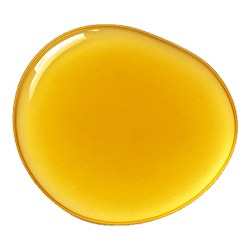
Golden yellow Pollock Oil droplet with a smooth, glossy texture on a clean white background
Pollock Oil
Pollock Oil
Alaska Pollock Oil, Gadus Chalcogrammus Oil, Fish Oil (Gadus Chalcogrammus), Theragra Chalcogramma Oil
Summary
Pollock oil is a marine-derived ingredient sourced from the tissues of the pollock fish, an animal origin. It is primarily included in pet food for its rich content of omega-3 fatty acids, which support skin, coat, and cognitive health. Pollock oil is used in its natural, refined oil form, ensuring optimal safety, palatability, and nutrient absorption for pets.
Why it's used?
Pollock oil is included as a cost-effective source of omega-3 fatty acids, supporting claims of skin and coat health in marketing. It also serves as a palatability enhancer, improving the taste and aroma of the product for pets.
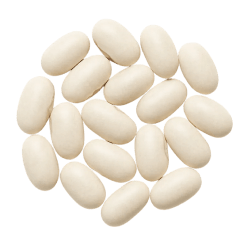
Cluster of small, oval navy beans with smooth, creamy white skin on a plain background
Navy Beans
Navy Beans
Haricot Bean, Pearl Haricot Bean, Boston Bean, Phaseolus Vulgaris
Summary
Navy beans are small, white legumes derived from the plant Phaseolus vulgaris. As a plant-based ingredient, navy beans are valued for their high fibre and protein content, supporting digestive health and sustained energy in pets. In pet food, navy beans are used in their natural, whole form, providing a source of complex carbohydrates, essential minerals, and beneficial phytonutrients.
Why it's used?
Navy beans are included as a cost-effective source of plant-based protein and dietary fibre, contributing to the nutritional profile and bulk of the product. They also serve as a label-friendly ingredient that appeals to consumers seeking recognisable, wholesome components.
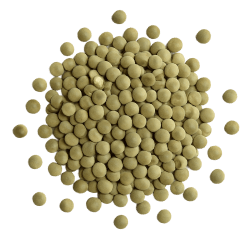
Pile of dry green lentils with a round, smooth texture and earthy green colour, ideal for healthy dog food recipes
Green Lentils
Green Lentils
Lens Culinaris, Brown Lentils, Whole Lentils, Lentille Verte
Summary
Green lentils are edible seeds derived from the legume plant Lens culinaris, making them a plant-based ingredient. They are primarily included in pet food for their high protein content, dietary fibre, and complex carbohydrates, supporting digestive health and sustained energy. Green lentils are used in their natural, whole form, ensuring pets benefit from their full nutritional profile without chemical alteration.
Why it's used?
Green lentils are included as a cost-effective plant-based protein and carbohydrate source, helping to meet nutritional requirements while supporting product affordability. They also contribute fibre and are considered a label-friendly ingredient appealing to health-conscious consumers.
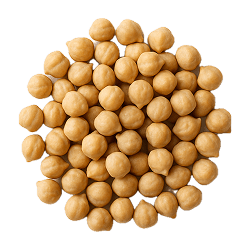
Round, beige chickpeas with a smooth, slightly dimpled texture piled together on a clean white background
Chickpeas
Chickpeas
Garbanzo Beans, Cicer Arietinum, Bengal Gram, Egyptian Pea
Summary
Chickpeas are edible legumes derived from the plant Cicer arietinum, commonly cultivated for their high nutritional value. As a plant-based ingredient, chickpeas are primarily included in pet food for their rich protein, fibre, and complex carbohydrate content, supporting digestive health and sustained energy. Chickpeas are used in their natural, whole form, ensuring optimal nutrient retention and digestibility for pets.
Why it's used?
Chickpeas are included as a cost-effective carbohydrate and protein source, providing bulk and nutritional value while supporting grain-free product labelling. Their use can also enhance the fibre content and appeal to consumers seeking plant-based or alternative ingredients.
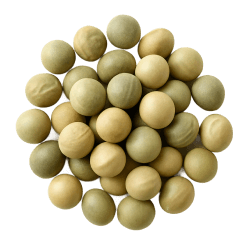
Round green and yellow peas with a smooth, shiny texture, piled together as a common dog food ingredient
Peas
Peas
Pisum Sativum, Garden Pea, Green Pea, Field Pea
Summary
Peas are a plant-derived ingredient sourced from the seeds of the Pisum sativum plant. They are primarily included in pet food for their high protein content, dietary fibre, and essential micronutrients, supporting digestive health and energy. Peas are used in their natural, whole form, ensuring the retention of their nutritional value and functional benefits within the finished product.
Why it's used?
Peas are included as a cost-effective source of protein, fibre, and carbohydrates, helping to optimise nutritional content while supporting product texture. They also serve as a label-friendly ingredient that appeals to consumers seeking grain-free or plant-based options.
Fine, light brown dried apple pomace powder with a slightly coarse texture, commonly used in dog food supplements
Dried Apple Pomace
Dried Apple Pomace
Apple Pomace, Dehydrated Apple Pomace, Malus Domestica Pomace, Dried Malus Domestica Pomace
Summary
Dried apple pomace is a plant-derived ingredient made from the residual pulp, skins, and seeds left after juicing apples. It is primarily included in pet food as a source of dietary fibre, supporting digestive health and stool quality. Dried apple pomace is used in its natural, dried form, providing a functional, whole-food fibre source rather than a processed extract or compound.
Why it's used?
Dried apple pomace is included as a cost-effective fibre source to aid digestive health and add bulk to the product. It also serves as a label-friendly ingredient that appeals to consumers seeking recognisable fruit components in pet food.
Finely ground duck meal with a rich brown colour and soft, powdery texture, used in premium Australian dog food
Duck Meal
Duck Meal
Rendered Duck Protein, Rendered Duck Meat, Rendered Anas Spp. Protein, Rendered Anas Spp. Meat
Summary
Duck meal is a concentrated protein ingredient derived from rendered duck, an animal source. It is produced by removing most of the moisture and fat from duck meat, resulting in a nutrient-dense powder. Duck meal is primarily included in pet foods to provide high-quality protein and essential amino acids. Unlike whole duck, it is utilised in a processed, dehydrated form to optimise nutrient density and digestibility.
Why it's used?
Duck meal is included as a concentrated protein source to support muscle maintenance and overall nutrition, offering a cost-effective alternative to whole duck meat. Its use also allows for consistent nutrient levels and improved product labelling appeal.
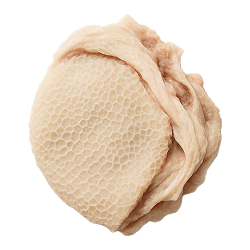
Creamy white lamb tripe with honeycomb texture and layered appearance, fresh and natural for dog nutrition in Australia
Lamb Tripe
Lamb Tripe
Ovine Stomach, Sheep Stomach, Ovis Aries Stomach, Ovis Aries Tripe
Summary
Lamb tripe is the edible stomach lining of sheep, categorised as an animal-derived ingredient. It is a rich source of protein, essential fatty acids, and key micronutrients, supporting muscle maintenance and overall health in pets. Lamb tripe is included in its natural, whole-food form, providing both nutritional value and palatability to premium pet foods.
Why it's used?
Lamb tripe is included as a highly palatable protein source that can enhance the flavour and appeal of pet food, encouraging consumption. It also serves as a label-friendly ingredient that appeals to consumers seeking novel or natural animal-based components.
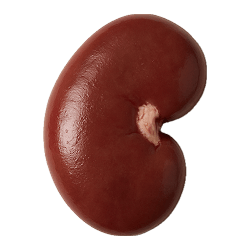
Fresh pork kidney with a smooth, glossy reddish-brown surface and pale centre, suitable for raw dog food diets
Pork Kidney
Pork Kidney
Sus Scrofa Domesticus Kidney, Swine Kidney, Pig Kidney, Porcine Kidney
Summary
Pork kidney is an animal-derived organ meat sourced from pigs. It is included in pet food primarily for its rich content of high-quality protein, essential amino acids, and vital micronutrients such as vitamin B12 and iron. Pork kidney is used in its natural, whole food form, providing a highly bioavailable source of nutrients to support overall health and wellbeing in pets.
Why it's used?
Pork kidney is included as a nutrient-dense organ meat to provide a natural source of protein, vitamins, and minerals, supporting the nutritional profile of the product. Its inclusion can also enhance palatability, appealing to pets’ taste preferences.
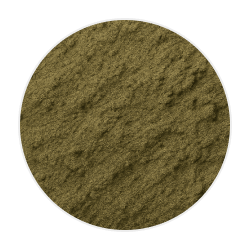
Fine green-brown dried kelp powder with a slightly coarse texture, commonly used as a natural dog supplement
Dried Kelp
Dried Kelp
Kombu, Saccharina Japonica, Laminaria Japonica, Kelp Powder
Summary
Dried kelp is a type of seaweed sourced from marine plants, commonly harvested from ocean waters. It is included in pet food primarily as a natural source of iodine, which supports healthy thyroid function, as well as providing trace minerals and antioxidants. Dried kelp is used in its natural, dehydrated form, ensuring the retention of its nutritional properties for optimal pet health.
Why it's used?
Dried kelp is included as a label-friendly ingredient to appeal to health-conscious consumers and enhance product marketing, while also providing trace minerals that can support nutritional claims. Its addition has minimal impact on palatability or product cost.
Fine, pale yellow Vitamin E powder with a soft, slightly grainy texture, commonly used in dog supplements
Vitamin E
Vitamin E
Tocopherol, Alpha-Tocopherol, E307, D-Alpha-Tocopherol
Summary
Vitamin E is a fat-soluble vitamin derived from plant sources such as vegetable oils, nuts, and seeds. It functions primarily as an antioxidant, helping to protect cell membranes from oxidative damage and supporting immune health. In pet food, Vitamin E is not used in its natural raw form but is typically utilised as a stabilised compound, such as tocopherol acetate, to optimise safety and absorption.
Why it's used?
Vitamin E is included as a natural antioxidant to help preserve the freshness and stability of fats and oils in the product, thereby extending shelf life. It also serves as a label-friendly nutrient that appeals to consumers seeking added health benefits for their pets.
Light brown Zinc Proteinate powder with a fine, slightly clumpy texture, commonly used in dog supplements
Zinc Proteinate
Zinc Proteinate
Zinc Proteinate Chelate, Zinc Protein Chelate, Zinc Amino Acid Chelate, Zinc Protein Complex
Summary
Zinc proteinate is a chelated mineral compound derived from the binding of zinc, an essential trace element, with amino acids or proteins. Sourced from mineral origins, it is included in pet food to support immune function, skin health, and enzyme activity. Zinc is not used in its raw metallic state; instead, it is utilised as zinc proteinate to optimise absorption and bioavailability in pets.
Why it's used?
Zinc proteinate is included as a bioavailable source of the essential mineral zinc, supporting optimal nutrient absorption and overall health in pets. Its chelated form enhances stability and efficacy compared to inorganic zinc sources, aligning with nutritional labelling requirements.
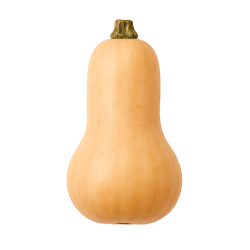
Whole butternut pumpkin with smooth beige skin, green stem, bulbous base and elongated neck, fresh and uncut
Butternut Pumpkin
Butternut Pumpkin
Cucurbita Moschata, Butternut Squash, Gramma, Winter Squash
Summary
Butternut pumpkin is a plant-derived ingredient, sourced from the fruit of the Cucurbita moschata species. It is included in pet food primarily for its rich content of dietary fibre, vitamins, and antioxidants, supporting digestive health and immune function. Butternut pumpkin is used in its natural, whole food form, ensuring pets benefit from its full nutritional profile without synthetic alteration.
Why it's used?
Butternut pumpkin is included as a cost-effective, label-friendly vegetable that provides natural colour, dietary fibre, and some vitamins, appealing to health-conscious consumers. It also serves as a digestible carbohydrate source to support energy needs and product texture.
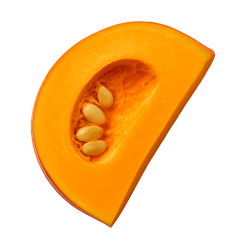
Fresh orange pumpkin wedge with seeds, smooth skin and firm flesh, perfect for healthy dog nutrition and wellbeing
Pumpkin
Pumpkin
Cucurbita Pepo, Cucurbita Maxima, Cucurbita Moschata, Pepo
Summary
Pumpkin is a plant-derived ingredient sourced from the fruit of the Cucurbita pepo species. It is primarily included in pet food for its dietary fibre content, which supports digestive health and regularity. Pumpkin is used in its natural form, either as fresh, cooked, or dehydrated flesh, providing a source of vitamins, minerals, and antioxidants beneficial to overall wellbeing.
Why it's used?
Pumpkin is included as a label-friendly ingredient that appeals to consumers seeking natural and recognisable components, while also serving as a cost-effective source of fibre and moisture to support digestive health and product texture. Its inclusion can enhance marketing appeal without significantly increasing formulation costs.
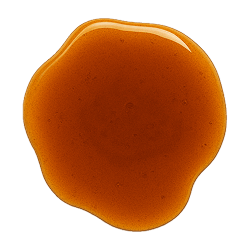
Amber-brown liquid drop of mixed tocopherols with a glossy, smooth texture on a white background
Mixed Tocopherols
Mixed Tocopherols
Tocopherols, E306, Natural Tocopherols Concentrate, D-Alpha Tocopherol Concentrate
Summary
Mixed tocopherols are a blend of compounds derived from plant oils, primarily functioning as a source of vitamin E. Their main purpose in pet food is to act as natural antioxidants, helping to preserve the freshness of fats and oils. Rather than being used in their isolated, pure form, mixed tocopherols are incorporated as stabilised extracts to optimise safety, efficacy, and nutrient retention.
Why it's used?
Mixed tocopherols are included as a natural preservative to extend shelf life by slowing the oxidation of fats and oils in pet food. They are often used as a label-friendly alternative to synthetic preservatives to appeal to consumer preferences for natural ingredients.
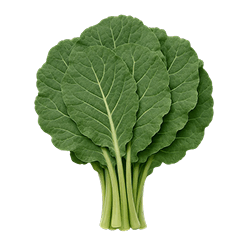
Fresh collard greens with broad, dark green leaves and thick stems, arranged in a neat bunch on a plain background
Collard Greens
Collard Greens
Brassica Oleracea, Borekale, Tree Cabbage, Non-Heading Cabbage
Summary
Collard greens are leafy vegetables derived from the Brassica oleracea plant, belonging to the cruciferous family. Sourced from plants, they are rich in dietary fibre, vitamins A, C, and K, and essential minerals, supporting digestive health and immune function. In pet food, collard greens are included in their natural, whole form to provide phytonutrients and antioxidants, contributing to overall wellbeing.
Why it's used?
Collard greens are included as a label-friendly ingredient to appeal to health-conscious consumers and enhance the perceived nutritional value of the product. They may also provide a source of dietary fibre and micronutrients, supporting marketing claims of added vegetables.
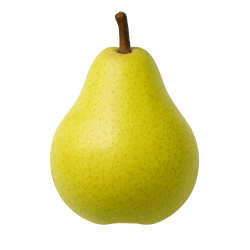
Fresh yellow-green pear with smooth, speckled skin and a brown stem, ideal as a healthy dog-friendly fruit treat
Pear
Pear
Pyrus Communis, European Pear, Bartlett Pear, Williams Pear
Summary
Pear is a plant-derived fruit included in pet food for its natural source of dietary fibre, vitamins, and antioxidants, supporting digestive health and overall wellbeing. It is primarily valued for its gentle fibre content, which aids healthy digestion. Pear is used in its natural form, ensuring pets benefit from its whole-food nutrients without synthetic alteration or processing into extracts or concentrates.
Why it's used?
Pear is included as a label-friendly ingredient to appeal to consumers seeking natural and recognisable components in pet food. It may also provide a modest source of fibre and natural sugars to support palatability.
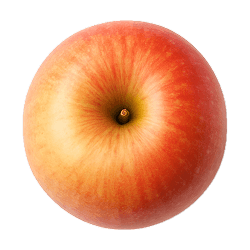
Red and yellow apple with smooth, shiny skin and a small stem, displayed whole on a plain background
Apple
Apple
Malus Domestica, Pyrus Malus, Malus Pumila, E Malus
Summary
Apple is a fruit derived from the Malus domestica tree, classified as a plant-based ingredient. It is primarily included in pet food for its dietary fibre, natural antioxidants, and vitamins, supporting digestive health and immune function. Apple is used in its natural, whole form, ensuring pets benefit from its inherent nutrients without synthetic alteration or processing into extracts or concentrates.
Why it's used?
Apple is included as a label-friendly ingredient to appeal to consumers seeking recognisable, natural components in pet food. It may also provide a modest source of fibre and natural sweetness to enhance palatability.
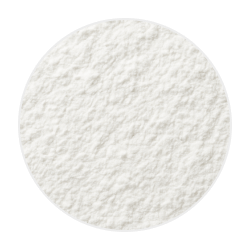
Fine white niacin powder with a slightly grainy texture, arranged in a circular mound on a plain background
Niacin
Niacin
Nicotinic Acid, Vitamin B3, Pyridine-3-Carboxylic Acid, E375
Summary
Niacin, also known as vitamin B3, is a water-soluble vitamin of synthetic or natural origin, commonly derived from plant or animal sources. It plays a crucial role in energy metabolism and supports healthy skin, nerves, and digestion in pets. Niacin is not used in its raw form but is typically included as a safe, bioavailable compound such as niacinamide or nicotinic acid.
Why it's used?
Niacin is included as an essential B vitamin to meet nutritional requirements and support metabolic health in pets. Its addition ensures compliance with regulatory standards for complete and balanced pet food labelling.
Fine white powder with a slightly grainy texture, thiamine mononitrate used in dog supplements on a plain background
Thiamine Mononitrate
Vitamin B1 Mononitrate, Nitrate Salt of Thiamine, E101a, Thiamin Mononitrate
Summary
Thiamine mononitrate is a synthetic, water-soluble form of vitamin B1, derived from chemical synthesis rather than natural sources. It is added to pet food to support energy metabolism and proper nervous system function. Thiamine is not used in its natural state; instead, the mononitrate compound is utilised for stability, safety, and optimal absorption in formulated diets.
Why it's used?
Thiamine mononitrate is included as a stable, cost-effective source of vitamin B1 to meet nutritional requirements and ensure product labelling compliance. Its synthetic form maintains potency during processing and storage, supporting both product stability and regulatory standards.
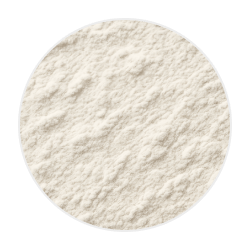
Fine off-white powder texture of calcium pantothenate, a common supplement ingredient for dogs
Calcium Pantothenate
D-Calcium Pantothenate, E315, Pantothenic Acid Calcium Salt, Calcium D-Pantothenate
Summary
Calcium pantothenate is a synthetic compound derived from pantothenic acid, a water-soluble B vitamin (vitamin B5) of plant or animal origin. It is primarily included in pet food to support energy metabolism and maintain healthy skin and coat. Rather than using pantothenic acid in its natural form, calcium pantothenate is utilised for its stability, safety, and enhanced bioavailability in pet nutrition.
Why it's used?
Calcium pantothenate is included as a stable, bioavailable source of vitamin B5 to meet nutritional requirements and support labelling claims of complete and balanced nutrition. Its use ensures consistent vitamin content throughout the product’s shelf life.
Fine white powder texture of pyridoxine hydrochloride, a dog supplement ingredient, shown in close-up detail
Pyridoxine Hydrochloride
Vitamin B6, E300, Pyridoxine HCl, Pyridoxine Monohydrochloride
Summary
Pyridoxine hydrochloride is a synthetic, water-soluble form of vitamin B6, derived from chemical synthesis rather than natural sources. It is added to pet foods to support protein metabolism, nervous system health, and immune function. Unlike naturally occurring vitamin B6 in foods, pyridoxine is utilised in its hydrochloride salt form to ensure stability, safety, and optimal absorption in companion animals.
Why it's used?
Pyridoxine hydrochloride is included as a cost-effective, stable source of vitamin B6 to ensure nutritional adequacy and meet regulatory labelling requirements. Its addition helps manufacturers guarantee consistent vitamin content throughout the product’s shelf life.
Bright yellow riboflavin powder with a fine, slightly grainy texture displayed in a close-up circular view
Riboflavin
Riboflavin
Vitamin B2, E101, Lactoflavin, 7,8-Dimethyl-10-Ribityl Isoalloxazine
Summary
Riboflavin, also known as vitamin B2, is a water-soluble vitamin of synthetic origin commonly added to pet foods. It plays a crucial role in energy metabolism and supports healthy skin, eyes, and nervous system function. Riboflavin is not used in its natural form but is typically utilised as a synthesised compound to ensure stability, safety, and optimal absorption in pet diets.
Why it's used?
Riboflavin is included as an essential vitamin to meet nutritional requirements and ensure regulatory compliance for complete and balanced pet food labelling. Its addition helps optimise the product’s nutrient profile without significantly impacting cost or palatability.
Bright yellow folic acid powder with a fine, slightly textured surface, used as a supplement for dogs
Folic Acid
Folic Acid
Pteroylmonoglutamic Acid, Pteroylglutamic Acid, Vitamin B9, E920
Summary
Folic acid is a synthetic form of vitamin B9, originally derived from plant sources but produced for pet food as a stable, bioavailable compound. Its primary purpose is to support cell division, DNA synthesis, and overall growth in pets. Folic acid is not used in its natural state; instead, it is utilised as a manufactured supplement to optimise absorption and efficacy.
Why it's used?
Folic acid is included as a synthetic vitamin to ensure nutritional adequacy and meet regulatory requirements for B-vitamin content in pet food. Its addition helps standardise nutrient levels across batches, supporting consistent product labelling and animal health.
Bright pink Vitamin B12 powder in a fine, soft-textured mound on a plain background
Vitamin B12
Vitamin B12
Cobalamin, Cyanocobalamin, Hydroxocobalamin, Methylcobalamin
Summary
Vitamin B12 is a water-soluble vitamin of animal origin, essential for nerve function and red blood cell formation in pets. It is primarily included in pet food to support energy metabolism and overall vitality. Vitamin B12 is not used in its natural, raw form but is instead utilised as a specific compound, such as cyanocobalamin, to ensure stability, safety, and optimal absorption.
Why it's used?
Vitamin B12 is included as an essential nutrient to support metabolic and neurological functions in pets, ensuring the product meets established nutritional standards. Its addition helps manufacturers achieve complete and balanced labelling claims.
Fine, light brown copper proteinate powder with a slightly grainy texture, commonly used in dog supplements
Copper Proteinate
Copper Proteinate
Copper Amino Acid Chelate, Copper Chelate, Copper(II) Proteinate, Cupric Proteinate
Summary
Copper proteinate is a chelated mineral compound derived from the binding of copper, an essential trace element, with amino acids or proteins. Sourced from mineral origins, it is included in pet food to support vital functions such as red blood cell formation and enzyme activity. Copper is not used in its raw metallic state but is instead utilised as copper proteinate to optimise absorption and safety.
Why it's used?
Copper proteinate is included as a bioavailable source of the essential trace mineral copper, supporting metabolic and enzymatic functions in pets. Its chelated form enhances absorption compared to inorganic copper sources, optimising nutritional efficacy in the finished product.
Fine off-white powder texture of Bacillus Coagulans Ferment Product used in Australian dog supplements
Bacillus Coagulans Ferment Product
Bacillus Coagulans Lysate, Bacillus Coagulans Ferment Filtrate, Bacillus Coagulans Ferment Extract, Bacillus Coagulans Ferment Lysate
Summary
Bacillus coagulans ferment product is a probiotic ingredient derived from the fermentation of the Bacillus coagulans bacterium, a beneficial microorganism of microbial origin. Its primary purpose is to support digestive health and promote a balanced gut microbiome in pets. This ingredient is not used in its natural bacterial state but is utilised as a stabilised ferment product to ensure safety, efficacy, and optimal absorption.
Why it's used?
Bacillus coagulans ferment product is included as a functional probiotic ingredient to support digestive health and optimise gut flora balance in pets. Its presence also allows manufacturers to market the product as containing beneficial probiotics, appealing to health-conscious consumers.
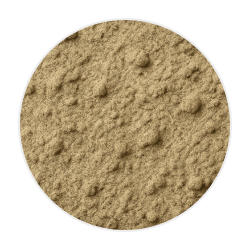
Fine, light beige dried chicory root powder with a soft, slightly grainy texture, used in natural dog supplements
Dried Chicory Root
Dried Chicory Root
Cichorium Intybus Root, Cichorium Intybus Root (Dried), Chicory Root (Dried), Cichorium Intybus
Summary
Dried chicory root is a plant-derived ingredient sourced from the root of the chicory plant (Cichorium intybus). It is primarily included in pet food for its high inulin content, a prebiotic fibre that supports digestive health and beneficial gut bacteria. Dried chicory root is used in its natural, whole form, providing a functional and nutritional benefit to pet diets.
Why it's used?
Dried chicory root is included as a source of prebiotic fibre to support digestive health and optimise gut microbiota. It also serves as a label-friendly ingredient that appeals to health-conscious consumers.
Bright yellow turmeric powder with a fine, slightly grainy texture, commonly used as a natural dog supplement
Turmeric
Turmeric
Curcuma Longa, Indian Saffron, Jiang Huang, E100
Summary
Turmeric is a vibrant yellow spice derived from the root of the Curcuma longa plant, making it a plant-based ingredient. It is primarily included in pet food for its natural antioxidant and anti-inflammatory properties, supporting overall health and wellbeing. Turmeric is used in its natural powdered form, ensuring pets benefit from its active compound, curcumin, in a safe and bioavailable manner.
Why it's used?
Turmeric is included as a label-friendly ingredient to appeal to health-conscious consumers due to its association with natural antioxidants and anti-inflammatory properties. Its presence may also support marketing claims related to holistic or functional pet foods, despite being used in small quantities with minimal direct nutritional impact for pets.
Finely ground sarsaparilla root powder in rich brown colour with a soft, earthy texture, used in dog supplements
Sarsaparilla Root
Sarsaparilla Root
Smilax Officinalis, Smilax Aristolochiifolia, Smilax Medica, Jamaican Sarsaparilla
Summary
Sarsaparilla root is a plant-derived ingredient sourced from the roots of various Smilax species. It is primarily included for its antioxidant properties and potential to support immune health in pets. In pet food, sarsaparilla root is used in its natural, dried form rather than as an extract or isolate, ensuring the retention of its native phytonutrients and beneficial compounds.
Why it's used?
Sarsaparilla root is included as a label-friendly botanical ingredient to appeal to consumers seeking natural or holistic pet food formulations. Its presence may also allow manufacturers to market perceived health benefits, despite limited evidence of functional impact for pets.
Fine beige Althea Root powder with a soft, slightly textured surface, used in natural dog supplements
Althea Root
Althea Root
Marshmallow Root, Althaea Officinalis Root, Marsh Mallow Root, Althaea Officinalis
Summary
Althea root, derived from the Althaea officinalis plant, is a botanical ingredient valued for its soothing properties. Sourced from the root of the marshmallow plant, it is primarily included in pet food for its natural mucilage content, which supports digestive health. Althea root is used in its natural, dried form to retain its beneficial fibres and bioactive compounds.
Why it's used?
Althea root is included as a functional ingredient for its potential soothing properties on the digestive tract, which can support gastrointestinal health in pets. Its presence may also serve a marketing purpose, appealing to consumers seeking herbal or natural additives in pet food formulations.
Finely ground rosehip powder in a rich reddish-brown colour with a smooth texture, used in dog health supplements
Rosehip
Rosehip
Rosa Canina, Rose Haw, Dog Rose, Cynosbati
Summary
Rosehip is the fruit of the wild rose plant, primarily sourced from Rosa canina. It is included in pet food for its rich content of vitamin C, antioxidants, and dietary fibre, supporting immune health and overall wellbeing. Rosehip is used in its natural, dried, and ground form, ensuring pets benefit from its nutrients as they occur in the whole fruit.
Why it's used?
Rosehip is included as a label-friendly ingredient to appeal to health-conscious consumers, as it is associated with natural sources of vitamin C and antioxidants. Its addition may also support marketing claims related to immune health, despite limited direct benefits for pets at typical inclusion rates.
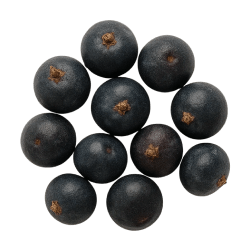
Cluster of whole, round juniper berries with dark blue skin and woody stems, used in natural dog health supplements
Juniper Berry
Juniper Berry
Common Juniper, Juniperus Communis, Genévrier, Wacholder
Summary
Juniper berry is a plant-derived ingredient sourced from the juniper shrub (Juniperus communis). It is primarily included in pet food for its natural antioxidant properties, which help support immune health and reduce oxidative stress. Juniper berry is used in its natural, whole form, ensuring pets benefit from its full spectrum of phytonutrients and aromatic compounds.
Why it's used?
Juniper berry is included as a label-friendly ingredient to appeal to consumers seeking botanicals associated with natural or holistic pet foods. It may also be added for its perceived antioxidant properties, though its functional impact on pet health is minimal at typical inclusion rates.
Citric acid as a fine white powder with a slightly grainy texture, commonly used in dog health supplements
Citric Acid
Citric Acid
2-Hydroxypropane-1,2,3-Tricarboxylic Acid, E330, 3-Carboxy-3-Hydroxypentanedioic Acid, Monohydrate Citric Acid
Summary
Citric acid is an organic compound derived primarily from citrus fruits, though it is commonly produced via fermentation for commercial use. Its main purpose in pet food is as a natural preservative and acidity regulator, helping to maintain freshness and inhibit spoilage. Citric acid is not used in its raw, crystalline form but is incorporated as a purified, food-grade compound to ensure safety and efficacy.
Why it's used?
Citric acid is included as a preservative to enhance product stability and extend shelf life by inhibiting microbial growth. It may also be used to adjust acidity, optimising flavour and maintaining the quality of the final product.
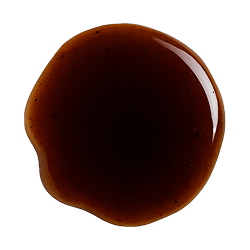
Dark brown, glossy drop of rosemary extract with a smooth texture on a plain background
Rosemary Extract
Rosemary Extract
Rosmarinus Officinalis Extract, E392, Rosemary Oleoresin, Rosmarinus Officinalis Leaf Extract
Summary
Rosemary extract is a plant-derived ingredient obtained from the leaves of the rosemary herb (Rosmarinus officinalis). It is primarily included in pet food as a natural antioxidant, helping to preserve fats and oils and extend shelf life. Rosemary extract is used in its natural form, ensuring the retention of its beneficial compounds without chemical alteration.
Why it's used?
Rosemary extract is included as a natural preservative to help extend shelf life by inhibiting oxidation of fats and oils. It also serves as a label-friendly ingredient that appeals to consumers seeking natural additives.

About


Brand
Orijen
Manufactured
United States
Type
Kibble
Life Stage
All Life Stages
Breed Size
All Breeds
Feeding Type
Complete Meal
Processing Level
High

PRODUCT TAGS


Grain Free
Gluten Free
Dairy Free
Soy Free

Oops! Something went wrong...PLEASE TRY AGAIN

Most Tracked This Week

About the Brand

Orijen

Orijen delivers nutrient dense, biologically appropriate dog food crafted with high inclusions of fresh and raw animal ingredients. Discover their range of grain free recipes and WholePrey diets designed to mimic the natural ancestral diet for peak canine health.


Comments

0 comments

Login to Join the Conversation 💬

Be the first to leave a comment.
Loading
Anonymous User
This is the actual comment. It's can be long or short. And must contain only text information.
(Edited)
Your comment will appear once approved by a moderator.
4 years ago
0
0
Reply
Anonymous User
This is the actual comment. It's can be long or short. And must contain only text information.
(Edited)
Your comment will appear once approved by a moderator.
2 years ago
0
0
Thank you! Your submission has been received!
Oops! Something went wrong while submitting the form.