






Your Dog's World, Personalised
Save your favourite products and locations, track prices, and unlock exclusive discounts — all in one place
or
Error
Verify Your Email
We've emailed a sign-in code. Enter it below to continue.
Share
Thank you! Your submission has been received!
Oops! Something went wrong while submitting the form.
Back to ExploreProvidore
Beef and Hoki Air Dried Dog Food
250g
1kg
2.5kg
Overview

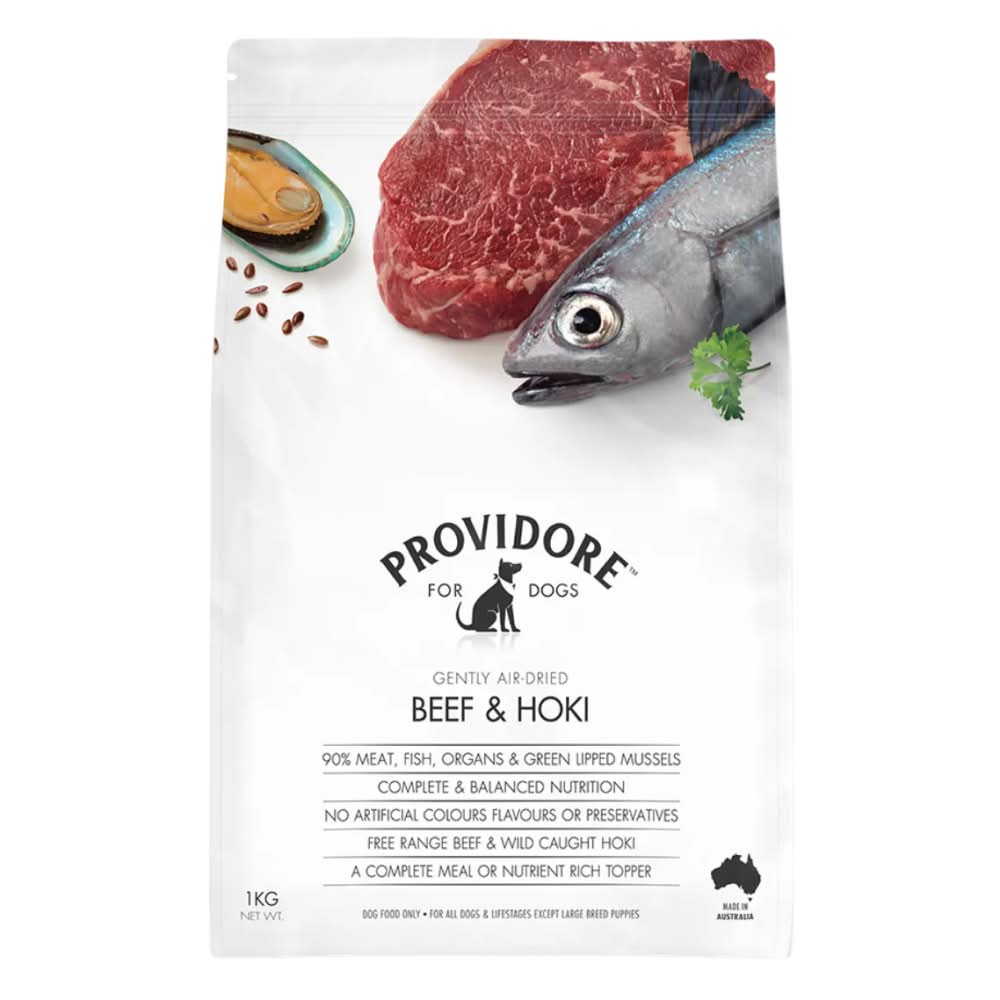
Providore Beef and Hoki Air Dried Dog Food is a high-meat diet made from Australian beef and wild caught hoki, gently air-dried to create a nutrient dense food for dogs. The recipe includes 90% meat, organs and green lipped mussels, combined with nutrient rich plants, oils, vitamins and minerals to support daily health.

The food is air-dried at low temperatures to help preserve natural nutrients and offer a highly palatable meal. 

Providore Air Dried Beef and Hoki is free from grains, gluten, dairy and fillers, and contains no artificial colours, flavours or preservatives. Key ingredients include beef, hoki, green lipped mussel, fish oil, parsley, chicory, kelp and flaxseeds. Made in Australia, this beef and hoki recipe is formulated as a complete and balanced diet for all life stages except large breed puppies.


Nutritional Analysis

Protein
30
%
0%
Fat
25
%
0%
Fibre
2
%
0%
Moisture
19
%
0%
Energy
450
0
 kcal/100g

Ingredients

Beef, Hoki, Beef Liver, Beef Lung, Pea, Vegetable Glycerine, Green Lipped Mussel, Fish Oil, Sunflower Oil, Parsley, Dried Chicory, Vitamins & Minerals (Calcium Carbonate, Iron, Zinc, Vitamin E, Copper Sulphate, Selenium, Vitamin B1, Vitamin B3, Vitamin B5, Manganous Oxide, Vitamin B2, Biotin, Vitamin A, Vitamin B12, Calcium Iodate, Vitamin B6, Vitamin D3, Folic Acid), Salt, Choline Chloride, Kelp, Flaxseed, Natural Antioxidant.

Ingredient images are illustrative only and may not represent the exact source or form used by manufacturers.
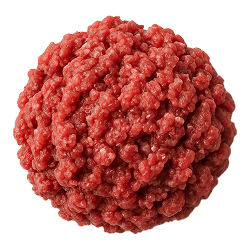
Fresh beef mince formed into a round ball, bright red with a coarse, moist texture, suitable for dog food
Beef
Beef
Bovine Meat, Bos Taurus, Ox Meat, Cow Meat
Summary
Beef is the muscle meat derived from cattle, categorised as an animal-based ingredient. It serves as a rich source of high-quality protein, essential amino acids, iron, and B vitamins, supporting muscle maintenance and overall health in pets. In premium pet foods, beef is typically included in its natural, whole-food form, ensuring optimal nutrient availability and palatability.
Why it's used?
Beef is included as a primary animal protein source to meet nutritional requirements and enhance palatability for pets. Its presence also serves as a marketing advantage, appealing to consumers seeking recognisable, high-quality ingredients.
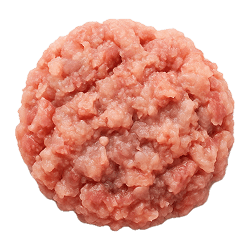
Fresh minced hoki with light pink colour and moist, chunky texture, perfect for healthy Australian dog food recipes
Hoki
Hoki
Blue Grenadier, Macruronus Novaezelandiae, Whiptail, New Zealand Whiting
Summary
Hoki is a marine fish sourced primarily from the cold waters around New Zealand and southern Australia. As an animal-derived ingredient, it is valued for its high-quality protein and rich omega-3 fatty acid content, supporting skin, coat, and cognitive health in pets. Hoki is incorporated in its natural, whole food form, ensuring optimal nutrient availability and palatability in premium pet foods.
Why it's used?
Hoki is included as a high-quality, species-specific protein and omega-3 fatty acid source, supporting both nutritional value and marketing appeal for consumers seeking premium or novel animal proteins. Its presence can also enhance product differentiation in a competitive market.
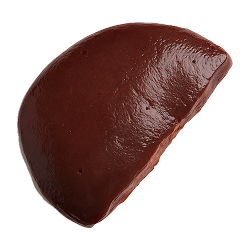
Fresh beef liver slice, dark reddish-brown with a smooth, glossy texture, ideal for dog nutrition and treats
Beef Liver
Beef Liver
Bovine Liver, Bos Taurus Liver, Ox Liver, Cattle Liver
Summary
Beef liver is an animal-derived organ meat sourced from cattle, valued for its rich nutrient profile. It serves as a concentrated source of high-quality protein, essential vitamins such as A and B12, and minerals like iron and zinc. In pet food, beef liver is used in its natural, whole-food form, providing both palatability and significant nutritional benefits to support overall health.
Why it's used?
Beef liver is included as a nutrient-dense organ meat to enhance the protein, vitamin, and mineral content of the product. It also serves as a natural palatability enhancer, improving flavour to increase acceptance by pets.
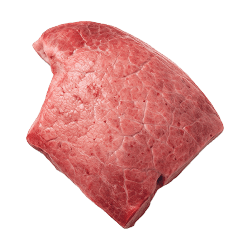
Fresh beef lung with a pinkish-red colour, smooth texture and visible veins, prepared as a natural dog food ingredient
Beef Lung
Beef Lung
Bovine Lung, Bos Taurus Lung, Ox Lung, Bovine Pulmonary Tissue
Summary
Beef lung is an animal-derived ingredient sourced from the respiratory organ of cattle. It is primarily included in pet food for its high protein content and as a source of essential vitamins and minerals, supporting muscle maintenance and overall health. Beef lung is used in its natural, whole-food form, ensuring pets receive the nutritional benefits inherent to this organ meat.
Why it's used?
Beef lung is included as a cost-effective animal protein source that enhances the protein content of the product. It also serves as a palatability enhancer, making the food more appealing to pets.
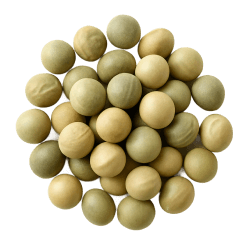
Round green and yellow peas with a smooth, shiny texture, piled together as a common dog food ingredient
Peas
Peas
Pisum Sativum, Garden Pea, Green Pea, Field Pea
Summary
Peas are a plant-derived ingredient sourced from the seeds of the Pisum sativum plant. They are primarily included in pet food for their high protein content, dietary fibre, and essential micronutrients, supporting digestive health and energy. Peas are used in their natural, whole form, ensuring the retention of their nutritional value and functional benefits within the finished product.
Why it's used?
Peas are included as a cost-effective source of protein, fibre, and carbohydrates, helping to optimise nutritional content while supporting product texture. They also serve as a label-friendly ingredient that appeals to consumers seeking grain-free or plant-based options.
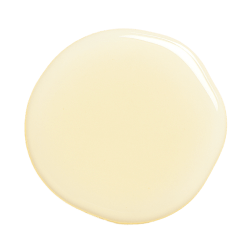
Pale yellow, glossy drop of vegetable glycerine with a smooth, syrupy texture on a white background
Vegetable Glycerine
Vegetable Glycerine
Vegetable Glycerol, Glycerine, E422, Vegetable Glycerin
Summary
Vegetable glycerine is a clear, odourless liquid derived from plant oils, typically palm, soy, or coconut. It serves primarily as a humectant, helping to retain moisture in pet food and improve texture. Rather than being used in its raw plant form, vegetable glycerine is extracted and purified for safe consumption and optimal functionality in pet nutrition formulations.
Why it's used?
Vegetable glycerine is included as a humectant to retain moisture and improve the texture of pet food products, helping to prevent them from drying out. It also enhances palatability, making the food more appealing to pets.
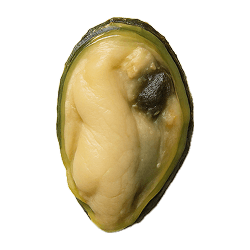
Whole green lipped mussel with creamy flesh and green-edged shell, close up as a dog health supplement ingredient
Green Lipped Mussel
Green Lipped Mussel
Perna Canaliculus, New Zealand Green Mussel, Greenshell Mussel, Kuku
Summary
Green lipped mussel is a marine animal ingredient sourced from the coastal waters of New Zealand. It is primarily included in pet food for its rich content of omega-3 fatty acids, glucosamine, and chondroitin, which support joint health and reduce inflammation. Green lipped mussel is used in its natural, whole form, ensuring optimal nutrient availability and bioactivity for pets.
Why it's used?
Green lipped mussel is included as a functional ingredient to provide natural sources of omega-3 fatty acids and joint-supporting nutrients, supporting product differentiation and marketing claims related to joint health. Its presence also appeals to consumers seeking premium or holistic pet food formulations.
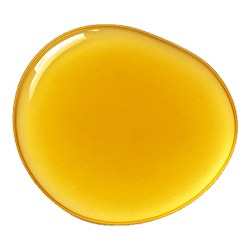
Golden yellow fish oil droplet with a glossy, smooth texture on a white background, highlighting its purity and quality
Fish Oil
Fish Oil
Fish Liver Oil, Oleum Piscis, Oleum Jecoris, Oleum Piscarium
Summary
Fish oil is a nutrient-rich oil derived from the tissues of oily fish, making it an animal-based ingredient. It is primarily included in pet food for its high content of omega-3 fatty acids, which support skin, coat, and joint health. Fish oil is utilised in a purified, liquid form rather than as whole fish, ensuring optimal absorption and safety for pets.
Why it's used?
Fish oil is included as a source of omega-3 fatty acids to support skin, coat, and joint health, enhancing the nutritional profile of the product. Its presence also serves as a marketing point, appealing to consumers seeking functional health benefits for their pets.
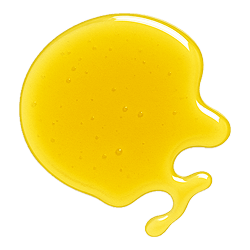
Golden yellow sunflower oil with a smooth, glossy texture in a small puddle on a white background
Sunflower Oil
Sunflower Oil
Helianthus Annuus Seed Oil, Helianthus Annuus Oil, E471, Vegetable Oil (Helianthus Annuus)
Summary
Sunflower oil is a plant-derived oil extracted from the seeds of the sunflower (Helianthus annuus). It serves as a valuable source of energy and provides essential fatty acids, particularly linoleic acid, which supports skin and coat health in pets. Sunflower oil is utilised in its refined liquid form, not as whole seeds, to optimise digestibility and nutrient availability in pet food formulations.
Why it's used?
Sunflower oil is included as a cost-effective source of unsaturated fats to provide essential fatty acids that support skin and coat health. It also enhances palatability and contributes to the overall energy content of the pet food.
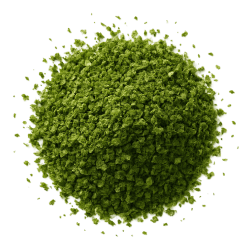
Finely chopped parsley with vibrant green colour and coarse texture, commonly used as a fresh herb in dog food
Parsley
Parsley
Petroselinum Crispum, Garden Parsley, Common Parsley, E461
Summary
Parsley is a leafy herb of plant origin, commonly used in pet food for its natural antioxidant properties and as a source of vitamins such as vitamin K and C. It is primarily included to support immune health and freshen breath. In pet food formulations, parsley is used in its natural, whole form, ensuring the retention of its beneficial phytonutrients and fibre content.
Why it's used?
Parsley is included as a label-friendly ingredient to appeal to pet owners seeking natural or recognisable components in pet food. It may also be added for its perceived breath-freshening properties, though its functional impact on canine nutrition is minimal.
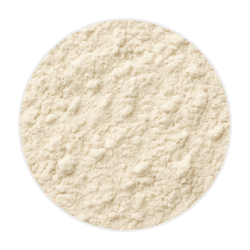
Fine, light beige dried chicory powder with a soft, slightly grainy texture, commonly used in dog food supplements
Dried Chicory
Dried Chicory
Cichorium Intybus, Chicory Root, Roasted Chicory, Chicory Fibre
Summary
Dried chicory is a plant-derived ingredient sourced from the root of the chicory plant (Cichorium intybus). It is primarily included in pet food for its prebiotic fibre content, which supports digestive health and beneficial gut bacteria. Dried chicory is used in its natural, whole form, ensuring pets receive its functional benefits without chemical alteration or synthetic processing.
Why it's used?
Dried chicory is included as a source of prebiotic fibre to support digestive health and promote beneficial gut bacteria. It also serves as a label-friendly ingredient that appeals to health-conscious consumers.
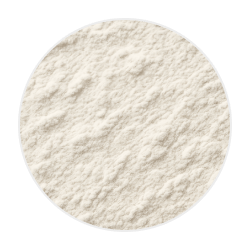
Fine off-white calcium carbonate powder with a soft, smooth texture, commonly used in dog supplements
Calcium Carbonate
Calcium Carbonate
Chalk, Limestone, E170, Marble Dust
Summary
Calcium carbonate is a naturally occurring mineral compound derived from sources such as limestone or marine shells. It is primarily included in pet food as a source of calcium, essential for healthy bones, teeth, and metabolic functions. Calcium carbonate is not used in its raw mineral state; instead, it is processed into a purified, food-grade compound to optimise safety and bioavailability for pets.
Why it's used?
Calcium carbonate is included as a cost-effective mineral supplement to provide a bioavailable source of calcium, supporting bone health and proper nutritional balance. It also functions as a pH stabiliser, contributing to product consistency and shelf stability.
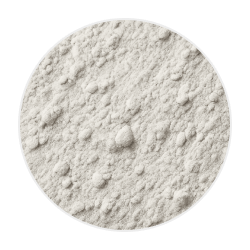
Fine grey iron powder with a slightly rough, sandy texture, displayed in a circular shape for dog nutrition context
Iron
Iron
Ferrum, Fe, E1, Elemental Iron
Summary
Iron is an essential mineral sourced from both animal and plant origins, crucial for oxygen transport and energy metabolism in pets. Its primary benefit is supporting healthy red blood cell formation and preventing anaemia. Iron is not used in its natural, raw, or metallic state; instead, it is utilised in pet food as safe, bioavailable compounds such as iron sulphate or iron proteinate to optimise absorption.
Why it's used?
Iron is included as an essential mineral to support healthy blood function and overall metabolism in pets. Its addition ensures the product meets nutritional requirements and regulatory standards for complete and balanced pet food.
Fine, light grey zinc powder with a slightly grainy texture, commonly used as a dog supplement ingredient
Zinc
Zinc
Zn, E579, Zincum, CI 77947
Summary
Zinc is an essential trace mineral sourced from the earth and is vital for numerous biological functions in pets, including immune support and skin health. In pet food, zinc is not used in its natural metallic state; instead, it is utilised as a compound such as zinc sulphate or zinc chelate to optimise safety and absorption, ensuring pets receive its full nutritional benefit.
Why it's used?
Zinc is included as an essential trace mineral to support immune function, skin health, and overall metabolic processes in pets. Its addition ensures nutritional adequacy and compliance with regulatory labelling standards for complete and balanced pet foods.
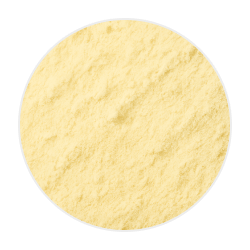
Fine, pale yellow Vitamin E powder with a soft, slightly grainy texture, commonly used in dog supplements
Vitamin E
Vitamin E
Tocopherol, Alpha-Tocopherol, E307, D-Alpha-Tocopherol
Summary
Vitamin E is a fat-soluble vitamin derived from plant sources such as vegetable oils, nuts, and seeds. It functions primarily as an antioxidant, helping to protect cell membranes from oxidative damage and supporting immune health. In pet food, Vitamin E is not used in its natural raw form but is typically utilised as a stabilised compound, such as tocopherol acetate, to optimise safety and absorption.
Why it's used?
Vitamin E is included as a natural antioxidant to help preserve the freshness and stability of fats and oils in the product, thereby extending shelf life. It also serves as a label-friendly nutrient that appeals to consumers seeking added health benefits for their pets.
Bright blue copper sulphate powder with a fine, slightly clumpy texture, commonly used as a mineral supplement for dogs
Copper Sulphate
Copper Sulphate
Cupric Sulphate, Blue Vitriol, Roman Vitriol, E519
Summary
Copper sulphate is an inorganic compound derived from copper, an essential trace mineral. It is primarily included in pet food to support vital physiological functions such as enzyme activity, immune health, and connective tissue formation. Copper sulphate is not used in its natural metallic state; instead, it is utilised as a salt to optimise safety, stability, and bioavailability for animal nutrition.
Why it's used?
Copper sulphate is included as a cost-effective and reliable source of essential copper, a trace mineral necessary for canine health. Its use ensures precise nutrient formulation and supports compliance with nutritional labelling standards.
Light beige selenium powder with a fine, slightly clumpy texture, shown as a common dog supplement ingredient
Selenium
Selenium
Selen, E578, Atomic Number 34, Se
Summary
Selenium is an essential trace mineral sourced from the earth, typically derived from plant or yeast-based compounds for pet food use. It plays a crucial role in supporting antioxidant defences and thyroid function. Selenium is not used in its natural, raw metallic state; instead, it is utilised as a safe, bioavailable compound such as sodium selenite or selenomethionine to optimise absorption and efficacy.
Why it's used?
Selenium is included as an essential trace mineral to meet nutritional requirements and support overall health in pets. Its addition ensures compliance with regulatory standards for complete and balanced pet food formulations.
Fine white powder of vitamin B1 with a slightly grainy texture, commonly used as a dog supplement ingredient
Vitamin B1
Vitamin B1
Thiamine, Thiamin, Aneurin, E101
Summary
Vitamin B1, also known as thiamine, is a water-soluble vitamin of synthetic or plant origin. It plays a crucial role in energy metabolism and supports healthy nerve and muscle function in pets. In pet food, thiamine is not used in its natural raw form but is typically utilised as thiamine mononitrate or thiamine hydrochloride to optimise stability, safety, and absorption.
Why it's used?
Vitamin B1 (thiamine) is included as an essential nutrient to meet regulatory requirements for canine health and to prevent deficiency-related disorders. Its addition ensures nutritional adequacy and supports normal metabolic function in pets.
Fine white powder of vitamin B3 in a circular mound, commonly used in dog supplements for health benefits
Vitamin B3
Vitamin B3
Nicotinic Acid, Niacin, Pyridine-3-Carboxylic Acid, E375
Summary
Vitamin B3, also known as niacin, is a water-soluble vitamin of synthetic or natural origin, commonly derived from plant or animal sources. It plays a crucial role in energy metabolism and supports healthy skin and nervous system function. In pet food, Vitamin B3 is not used in its raw form but is typically included as niacinamide or nicotinic acid to optimise safety and absorption.
Why it's used?
Vitamin B3 is included as an essential nutrient to support metabolic function and overall health in pets. Its addition ensures the product meets nutritional requirements and regulatory standards for complete and balanced pet food.
Fine off-white Vitamin B5 powder with a soft, smooth texture, commonly used as a dog supplement ingredient
Vitamin B5
Vitamin B5
Pantothenic Acid, D-Pantothenic Acid, Calcium Pantothenate, E315
Summary
Vitamin B5, also known as pantothenic acid, is a water-soluble vitamin of plant and animal origin. It plays a crucial role in energy metabolism and the synthesis of fatty acids, supporting overall cellular function. In pet food, Vitamin B5 is not used in its raw or natural state but is typically included as a stable, bioavailable compound such as calcium pantothenate for optimal absorption.
Why it's used?
Vitamin B5 is included as an essential nutrient to support metabolic function and overall health in pets. Its addition ensures the product meets nutritional standards and regulatory requirements for complete and balanced pet food.
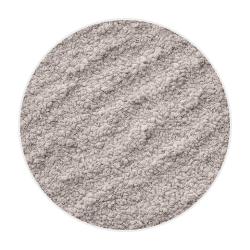
Light grey manganous oxide powder with a fine, slightly grainy texture shown in a close-up circular view
Manganous Oxide
Manganous Oxide
Manganese(II) Oxide, Manganese Monoxide, E172, Manganese Oxide
Summary
Manganous oxide is an inorganic compound derived from the mineral form of manganese, an essential trace element. It is included in pet food primarily as a source of manganese, which supports bone development, metabolism, and antioxidant function. Manganous oxide is not used in its natural metallic state; instead, it is utilised as a safe, bioavailable compound to optimise absorption and nutritional benefit.
Why it's used?
Manganous oxide is included as a cost-effective source of manganese, an essential trace mineral that supports metabolic and skeletal functions in pets. Its stable form allows for consistent nutrient delivery throughout the product’s shelf life.
Bright yellow Vitamin B2 powder with a fine, slightly grainy texture displayed in a close-up circular view
Vitamin B2
Vitamin B2
Riboflavin, E101, Lactoflavin, Vitamin G
Summary
Vitamin B2, also known as riboflavin, is a water-soluble vitamin of synthetic or microbial origin commonly added to pet foods. It plays a crucial role in energy metabolism and supports healthy skin, eyes, and nervous system function. Vitamin B2 is not used in its natural raw form but is instead utilised as riboflavin, a stable compound, to optimise safety and bioavailability in pet diets.
Why it's used?
Vitamin B2 is included as an essential nutrient to meet dogs’ dietary requirements and support metabolic functions. Its addition ensures nutritional adequacy and compliance with regulatory labelling standards.
Fine off-white biotin powder with a slightly grainy texture, commonly used as a supplement for dogs
Biotin
Biotin
Vitamin B7, Vitamin H, D-Biotin, Coenzyme R
Summary
Biotin is a water-soluble B-vitamin (vitamin B7) of synthetic origin, commonly included in pet foods to support healthy skin, coat, and metabolic function. Its primary benefit is aiding in the metabolism of fats, proteins, and carbohydrates. Biotin is not used in its natural, free form but is instead utilised as a stable, bioavailable compound to optimise absorption and efficacy in pets.
Why it's used?
Biotin is included as an essential vitamin to support skin, coat, and metabolic health in pets, fulfilling nutritional requirements for complete and balanced diets. Its addition also allows manufacturers to highlight the inclusion of key micronutrients on product labelling, appealing to health-conscious consumers.
Fine pale yellow powder of Vitamin A with a smooth texture, commonly used as a dog supplement for health and nutrition
Vitamin A
Vitamin A
Retinol, Retinyl Palmitate, Retinyl Acetate, E160a
Summary
Vitamin A is an essential fat-soluble nutrient derived from animal sources (as retinyl esters) or plant sources (as carotenoids). It supports vision, immune function, and skin health in pets. In pet food, Vitamin A is not used in its raw or natural state but is provided as stabilised compounds (such as retinyl acetate or retinyl palmitate) to ensure safety, stability, and optimal absorption.
Why it's used?
Vitamin A is included as an essential nutrient to support vision, immune function, and overall health in pets, ensuring the product meets established nutritional standards. Its addition also allows manufacturers to optimise the nutritional profile and comply with regulatory labelling requirements.
Bright pink Vitamin B12 powder in a fine, soft-textured mound on a plain background
Vitamin B12
Vitamin B12
Cobalamin, Cyanocobalamin, Hydroxocobalamin, Methylcobalamin
Summary
Vitamin B12 is a water-soluble vitamin of animal origin, essential for nerve function and red blood cell formation in pets. It is primarily included in pet food to support energy metabolism and overall vitality. Vitamin B12 is not used in its natural, raw form but is instead utilised as a specific compound, such as cyanocobalamin, to ensure stability, safety, and optimal absorption.
Why it's used?
Vitamin B12 is included as an essential nutrient to support metabolic and neurological functions in pets, ensuring the product meets established nutritional standards. Its addition helps manufacturers achieve complete and balanced labelling claims.
Fine off-white calcium iodate powder with a soft, slightly grainy texture, commonly used in dog health supplements
Calcium Iodate
Calcium Iodate
Calcium Diiodate, E917, Ca(IO3)2, Calcium Iodate Anhydrous
Summary
Calcium iodate is a mineral-derived compound commonly included in pet foods as a source of iodine, an essential trace element. It is not used in its natural, raw mineral state; instead, it is utilised in the form of a stable, food-grade compound to ensure safety and optimal absorption. Its primary purpose is to support healthy thyroid function and metabolic processes.
Why it's used?
Calcium iodate is included as a stable, bioavailable source of iodine to support thyroid function and overall metabolic health in pets. Its use ensures consistent iodine content throughout the product, optimising nutritional labelling and regulatory compliance.
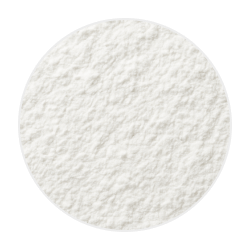
Fine white powder of vitamin B6 with a slightly textured surface, used as a supplement ingredient for dogs
Vitamin B6
Vitamin B6
Pyridoxine, Pyridoxol, Pyridoxine Hydrochloride, E101a
Summary
Vitamin B6 is a water-soluble vitamin of synthetic or natural origin, commonly derived from plant or animal sources. It plays a crucial role in protein metabolism, red blood cell formation, and nervous system function. In pet food, Vitamin B6 is not used in its raw form but is typically included as a stable compound, such as pyridoxine hydrochloride, to optimise safety and bioavailability.
Why it's used?
Vitamin B6 is included as an essential nutrient to support metabolic and neurological functions in pets, ensuring the product meets established nutritional standards. Its addition helps manufacturers achieve complete and balanced labelling claims required for commercial pet foods.
Fine pale yellow Vitamin D3 powder with a smooth, soft texture, commonly used as a supplement for dogs
Vitamin D3
Vitamin D3
Cholecalciferol, Colecalciferol, Calciol, E671
Summary
Vitamin D3, also known as cholecalciferol, is a fat-soluble vitamin of animal origin commonly derived from lanolin or fish oil. It plays a crucial role in regulating calcium and phosphorus metabolism, supporting healthy bone development in pets. Vitamin D3 is not used in its natural form but is instead utilised as a stabilised compound to ensure safety, efficacy, and optimal absorption in pet food formulations.
Why it's used?
Vitamin D3 is included to ensure the finished product meets established nutritional requirements for canine health, supporting bone development and calcium regulation. Its addition allows manufacturers to guarantee consistent vitamin content regardless of natural variation in raw materials.
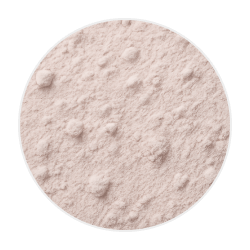
Bright yellow folic acid powder with a fine, slightly textured surface, used as a supplement for dogs
Folic Acid
Folic Acid
Pteroylmonoglutamic Acid, Pteroylglutamic Acid, Vitamin B9, E920
Summary
Folic acid is a synthetic form of vitamin B9, originally derived from plant sources but produced for pet food as a stable, bioavailable compound. Its primary purpose is to support cell division, DNA synthesis, and overall growth in pets. Folic acid is not used in its natural state; instead, it is utilised as a manufactured supplement to optimise absorption and efficacy.
Why it's used?
Folic acid is included as a synthetic vitamin to ensure nutritional adequacy and meet regulatory requirements for B-vitamin content in pet food. Its addition helps standardise nutrient levels across batches, supporting consistent product labelling and animal health.
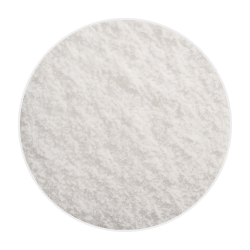
Fine white salt granules in a circular pile on a plain background, showing a powdery, smooth texture
Salt
Salt
Sodium Chloride, NaCl, Table Salt, E535
Summary
Salt is a mineral ingredient derived from the combination of sodium and chloride, typically sourced from natural deposits or seawater. It is primarily included in pet food to support electrolyte balance, nerve function, and hydration. Salt is not used in its raw mineral form but is utilised as sodium chloride, a purified compound, to ensure safety, palatability, and optimal absorption in pets.
Why it's used?
Salt is included as a palatability enhancer to improve taste and encourage consumption, and also functions as a preservative to help extend product shelf life. Its use allows manufacturers to optimise flavour while maintaining product stability.
Fine, off-white choline chloride powder with a slightly grainy texture, commonly used in dog supplements
Choline Chloride
Choline Chloride
Trimethylethanolamine Chloride, Choline Monochloride, E1001, 2-Hydroxy-N,N,N-Trimethylethanaminium Chloride
Summary
Choline chloride is a synthetic compound derived from choline, an essential nutrient typically sourced from plant or animal origins. It is primarily included in pet food to support healthy brain function, liver metabolism, and cellular structure. Choline is not used in its natural state; instead, it is utilised as choline chloride to ensure stability, safety, and optimal absorption in pet diets.
Why it's used?
Choline chloride is included as an essential nutrient to support normal liver function and brain health in pets. It is a cost-effective way to meet regulatory requirements for choline content in complete and balanced pet foods.
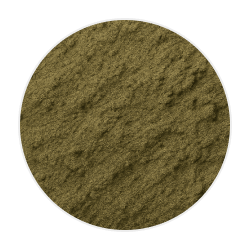
Fine green-brown kelp powder with a soft, grainy texture, commonly used as a natural dog supplement
Kelp
Kelp
Laminaria Spp., Macrocystis Pyrifera, Ascophyllum Nodosum, Brown Seaweed
Summary
Kelp is a type of large, edible seaweed sourced from marine environments and classified as a plant-based ingredient. It is primarily included in pet food for its rich supply of natural iodine, which supports healthy thyroid function. Kelp is used in its dried, ground natural form, allowing pets to benefit from its trace minerals, vitamins, and antioxidants in a bioavailable manner.
Why it's used?
Kelp is included as a label-friendly ingredient to appeal to health-conscious consumers and enhance product marketing, as it is associated with natural sources of vitamins and minerals. It may also serve as a trace mineral supplement to support nutritional completeness in pet food formulations.
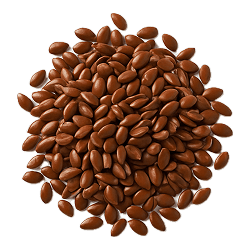
Brown linseed seeds with a glossy, smooth surface and oval shape, piled together on a white background
Linseed
Linseed
Flaxseed, Linum Usitatissimum, Flax, Flaxseed Oil
Summary
Linseed, also known as flaxseed, is a plant-derived ingredient sourced from the seeds of the flax plant (Linum usitatissimum). It is primarily included in pet food for its high content of omega-3 fatty acids and dietary fibre, supporting skin health and digestion. Linseed is used in its natural, whole or ground form to optimise nutrient availability and functional benefits.
Why it's used?
Linseed is included as a source of omega-3 fatty acids and dietary fibre, supporting skin and coat health as well as digestive function. Its presence also allows manufacturers to market the product as containing plant-based nutrients and functional ingredients.
Too vague to identify
Natural Antioxidant
Natural Antioxidant
Tocopherol, Mixed Tocopherols, E306, Rosemary Extract
Summary
Natural antioxidant refers to a substance, typically derived from plant sources, that helps protect pet food from oxidative damage and spoilage. Its primary function is to preserve freshness and extend shelf life by inhibiting the oxidation of fats and oils. In pet food, natural antioxidants are used in their natural form, ensuring safety and effective absorption without the need for chemical modification.
Why it's used?
Natural antioxidants are included to help preserve the freshness and stability of pet food by slowing the oxidation of fats and oils, thereby extending shelf life. They also serve as a label-friendly alternative to synthetic preservatives, appealing to consumers seeking more natural ingredients.

About


Company
Manufactured
Australia
Type
Air Dried
Life Stage
All Life Stages
Breed Size
All Breeds
Feeding Type
Complete Meal, Meal Topper
Processing Level
High

PRODUCT TAGS


Poultry Free
Grain Free
Gluten Free
Dairy Free
Soy Free

Oops! Something went wrong...PLEASE TRY AGAIN

Most Tracked This Week

About the Brand

Providore

Providore delivers premium air dried dog food and treats that combine the nutritional benefits of raw ingredients with the convenience of dry food. Explore their high protein grain free recipes developed by Greencross to support your dog’s long term vitality.


Comments

0 comments

Login to Join the Conversation 💬

Be the first to leave a comment.
Loading
Anonymous User
This is the actual comment. It's can be long or short. And must contain only text information.
(Edited)
Your comment will appear once approved by a moderator.
4 years ago
0
0
Reply
Anonymous User
This is the actual comment. It's can be long or short. And must contain only text information.
(Edited)
Your comment will appear once approved by a moderator.
2 years ago
0
0
Thank you! Your submission has been received!
Oops! Something went wrong while submitting the form.