






RAW01 Frozen Dog Food

Overview
Scratch RAW01 is a complete and balanced raw frozen dog food made in Melbourne, served straight from the freezer with no defrosting required. The recipe is beef-led and protein-dense — 70% raw meat, with beef muscle and organs supported by salmon — and is positioned as Scratch's most concentrated raw option. Suitable for dogs of all life stages including large-breed puppies, and produced in the brand's own Primesafe-certified facility to human-grade food standards. A useful option for owners interested in raw feeding who want the nutritional approach without the prep work, hygiene management, or freezer logistics.
Nutritional Analysis
Ingredients
Beef Muscle Meat, Sweet Potato, Atlantic Salmon Frames, Beef Heart, Beef Liver, Beef Spleen, Zucchini, Peanut Butter, Green Bean, Kale, Blueberries, Wheat Germ, Bone Flour, Cold Pressed Wheat Germ Oil, Aquamin, Salt, Kelp, Fortified Yeast, Zinc Yeast.

Bovine Skeletal Muscle, Bos Taurus Skeletal Muscle, Bovine Muscle Tissue, Bos Taurus Muscle
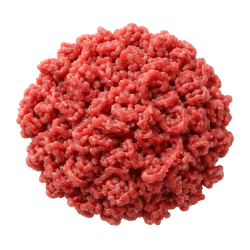
Beef muscle meat refers to the skeletal muscle tissue of cattle, commonly used as a primary animal protein source in dog food. It is typically included in its whole, ground, or minced form rather than as an isolated compound. Beef muscle meat provides essential amino acids, vitamins such as B12, and minerals like iron and zinc, supporting muscle maintenance, energy metabolism, and overall health in dogs. When sourced and handled properly, it is safe and nutritious, though excessive intake may contribute to imbalanced diets if not formulated correctly.
Beef muscle meat is included in dog food formulations because it is a high-quality protein source that supports dogs’ nutritional needs, while also being widely available and appealing to pet owners in the Australian market. Its use benefits both the dog, by providing essential amino acids, and the manufacturer, by meeting consumer demand for recognisable animal proteins.

Ipomoea Batatas, Kumara, Batata, Camote
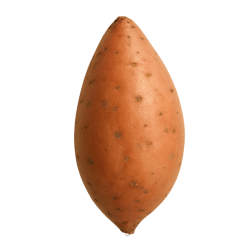
Sweet potato is a root vegetable of plant origin, valued for its rich content of complex carbohydrates, dietary fibre, and essential micronutrients such as vitamin A. In pet food, sweet potato serves primarily as a digestible energy source and supports digestive health. It is incorporated in its natural, whole form, ensuring optimal nutrient retention and palatability for companion animals.
Sweet potato is included as a cost-effective, highly digestible carbohydrate source that provides energy and dietary fibre. It also serves as a label-friendly ingredient appealing to consumers seeking natural, whole-food components in pet food.

Salmon Backbone, Salmon Carcass, Salmon Frame Bone, Salmo Spp.
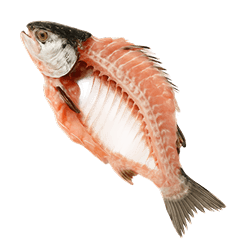
Salmon frame refers to the skeletal remains of salmon, including attached flesh, skin, and connective tissue, sourced from fish (animal origin). It is primarily included in pet food for its high-quality protein, essential fatty acids, and minerals, supporting muscle maintenance and skin health. Salmon frame is used in its natural form, providing a nutrient-dense, minimally processed ingredient for optimal nutritional benefit.
Salmon frame is included as a cost-effective protein and mineral source, utilising by-products from fish processing to optimise ingredient value. It also enhances the product’s animal protein content for marketing appeal.

Bovine Heart, Bos Taurus Heart, Heart (Bovine), Bos Taurus
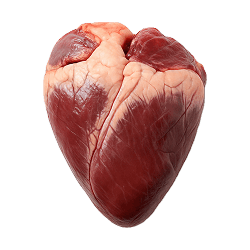
Beef heart is a nutrient-dense organ meat derived from cattle and classified as an animal-based ingredient. It is primarily included in pet food for its high-quality protein, essential amino acids, and rich supply of vitamins and minerals such as iron and B vitamins. Beef heart is used in its natural, whole food form, providing both nutritional value and palatability for pets.
Beef heart is included as a nutrient-dense organ meat to provide a natural source of protein, essential amino acids, and micronutrients, supporting the product’s nutritional profile. Its inclusion also appeals to consumers seeking whole-prey or biologically appropriate diets for their pets.

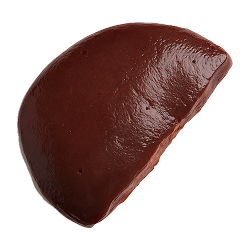
Bovine Liver, Bos Taurus Liver, Ox Liver, Cattle Liver
Beef liver is an animal-derived organ meat sourced from cattle, valued for its rich nutrient profile. It serves as a concentrated source of high-quality protein, essential vitamins such as A and B12, and minerals like iron and zinc. In pet food, beef liver is used in its natural, whole-food form, providing both palatability and significant nutritional benefits to support overall health.
Beef liver is included as a nutrient-dense organ meat to enhance the protein, vitamin, and mineral content of the product. It also serves as a natural palatability enhancer, improving flavour to increase acceptance by pets.

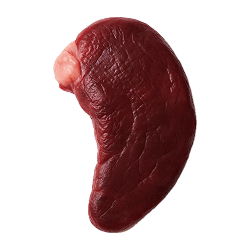
Bovine Spleen, Bos Taurus Spleen, Spleen (Bovine), Spleen (Bos Taurus)
Beef spleen is an animal-derived organ meat sourced from cattle. It is included in pet food primarily for its rich content of protein, iron, and essential vitamins such as B12, supporting healthy blood and energy metabolism. Beef spleen is used in its natural, whole-food form, providing a highly bioavailable source of nutrients for optimal pet health.
Beef spleen is included as a nutrient-dense organ meat to enhance the protein and micronutrient profile of the product. Its use also supports marketing claims of whole-prey or biologically appropriate diets, appealing to consumers seeking natural, species-appropriate ingredients.

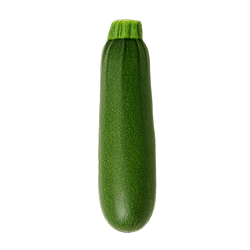
Courgette, Cucurbita Pepo, Baby Marrow, Vegetable Marrow
Zucchini is a type of summer squash derived from the plant species Cucurbita pepo. As a plant-based ingredient, it is valued for its fibre, vitamins, and antioxidants, supporting digestive health and overall wellbeing in pets. Zucchini is included in pet food in its natural, whole form, ensuring the retention of its nutritional properties and natural phytonutrients.
Zucchini is included as a label-friendly vegetable to appeal to health-conscious consumers and enhance the perceived nutritional value of the product. It may also provide a modest source of fibre and moisture without significantly increasing formulation costs.

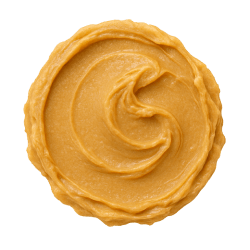
Groundnut Paste, Arachis Hypogaea Paste, Nut Paste, Groundnut Butter
Peanut butter is a plant-derived spread made from ground, roasted peanuts. Sourced from legumes, it is included in pet food primarily for its palatability, healthy fats, and protein content. Peanut butter is used in its natural form, though often without added salt or sugar, to provide energy and support skin and coat health while enhancing flavour and texture in pet diets.
Peanut butter is included as a palatability enhancer to improve taste and encourage consumption, particularly in treats and specialty products. It also serves as a label-friendly ingredient that appeals to pet owners seeking familiar, human-grade components.

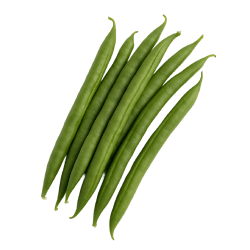
Phaseolus Vulgaris, String Beans, Snap Beans, Haricot Vert
Green beans are the immature pods of the common bean plant (Phaseolus vulgaris), originating from a plant source. They are included in pet food primarily for their dietary fibre content, which supports digestive health, and as a source of vitamins and minerals. Green beans are used in their natural, whole form, providing a minimally processed, nutrient-rich ingredient for balanced pet nutrition.
Green beans are included as a label-friendly vegetable ingredient to appeal to pet owners seeking recognisable, whole-food components. They also provide a cost-effective source of fibre and bulk, supporting digestive health and satiety in pet food formulations.

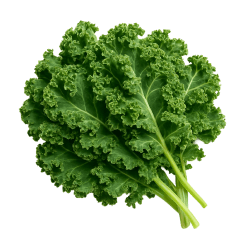
Brassica Oleracea, Borecole, Leaf Cabbage, Eru
Kale is a leafy green vegetable of plant origin, belonging to the Brassica family. It is included in pet food primarily for its rich content of vitamins, minerals, and antioxidants, supporting overall health and immune function. In pet food formulations, kale is used in its natural form, providing a source of dietary fibre and phytonutrients to optimise nutritional value.
Kale is included as a label-friendly ingredient to appeal to health-conscious consumers and enhance the perceived nutritional value of the product. It may also provide a source of vitamins and fibre, though its functional impact on pet nutrition is typically minimal at the inclusion levels used.

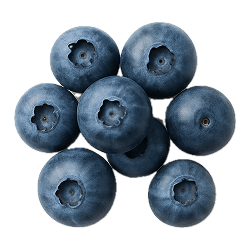
Vaccinium Corymbosum, Vaccinium Angustifolium, Bilberry, E163
Blueberry is a small, nutrient-rich fruit of plant origin, commonly sourced from the Vaccinium genus. It is included in pet food primarily for its antioxidant properties, supporting immune health and cellular protection. Blueberry is used in its natural, whole form, ensuring pets benefit from its full spectrum of vitamins, fibre, and phytonutrients as found in fresh fruit.
Blueberry is included as a label-friendly ingredient to appeal to health-conscious consumers, leveraging its reputation as a source of antioxidants. Its presence supports marketing claims of added nutritional benefits, though it is typically used in small quantities with minimal impact on the overall nutritional profile for pets.

Triticum Vulgare Germ, Triticum Vulgare Embryo, Wheat Embryo, Triticum Germ
Wheat germ is the nutrient-rich embryo of the wheat kernel, derived from the plant Triticum aestivum. It is included in pet food primarily as a source of high-quality protein, essential fatty acids, and B vitamins, supporting energy metabolism and skin health. Wheat germ is used in its natural form, ensuring optimal nutrient availability and digestibility for pets.
Wheat germ is included as a cost-effective source of plant-based protein, vitamins, and essential fatty acids, contributing to the nutritional profile of the product. It also serves as a label-friendly ingredient that appeals to health-conscious consumers.

Edible Bone Meal, Animal Bone Meal, Dicalcium Phosphate (From Bone), Calcinated Bone Meal
Bone flour is a finely ground powder derived from animal bones, typically cattle, and serves as a rich source of essential minerals, particularly calcium and phosphorus. Its primary nutritional benefit is to support healthy bone development and maintenance in pets. Bone flour is not used in its raw bone form but is processed into a safe, digestible powder to optimise mineral absorption and bioavailability.
Bone flour is included as a cost-effective source of minerals, particularly calcium and phosphorus, to support nutritional requirements in pet food formulations. It also serves as a label-friendly ingredient that signals the inclusion of animal-based nutrients to consumers.

Triticum Vulgare Germ Oil, Triticum Vulgare Oil, Triticum Vulgare (Wheat) Germ Oil, Triticum Vulgare (Wheat) Oil
Wheat germ oil is a plant-derived oil extracted from the germ of the wheat kernel. It is primarily included in pet food for its rich content of vitamin E and essential fatty acids, supporting skin and coat health. Wheat germ oil is used in its natural, cold-pressed form, ensuring optimal nutrient retention and bioavailability for pets.
Wheat germ oil is included as a source of essential fatty acids and vitamin E, supporting skin and coat health in pets. Its presence also allows manufacturers to market the product as containing natural, nutrient-rich oils.

Lithothamnion Calcareum, Red Marine Algae, Marine-Derived Calcium, Calcified Seaweed
Aquamin® is a marine-derived multi-mineral ingredient sourced from the red algae Lithothamnion species. Originating from a plant source, it is rich in bioavailable calcium, magnesium, and trace minerals. Its primary purpose is to support bone health and overall mineral balance in pets. Aquamin® is not used in its raw algal form but is processed into a safe, standardised mineral compound for optimal absorption.
Aquamin® is included as a source of bioavailable minerals, particularly calcium and magnesium, to support nutritional adequacy and bone health claims. Its natural marine origin also allows for label-friendly marketing to appeal to health-conscious consumers.

Sodium Chloride, NaCl, Table Salt, E535
Salt is a mineral ingredient derived from the combination of sodium and chloride, typically sourced from natural deposits or seawater. It is primarily included in pet food to support electrolyte balance, nerve function, and hydration. Salt is not used in its raw mineral form but is utilised as sodium chloride, a purified compound, to ensure safety, palatability, and optimal absorption in pets.
Salt is included as a palatability enhancer to improve taste and encourage consumption, and also functions as a preservative to help extend product shelf life. Its use allows manufacturers to optimise flavour while maintaining product stability.

Laminaria Spp., Macrocystis Pyrifera, Ascophyllum Nodosum, Brown Seaweed
Kelp is a type of large, edible seaweed sourced from marine environments and classified as a plant-based ingredient. It is primarily included in pet food for its rich supply of natural iodine, which supports healthy thyroid function. Kelp is used in its dried, ground natural form, allowing pets to benefit from its trace minerals, vitamins, and antioxidants in a bioavailable manner.
Kelp is included as a label-friendly ingredient to appeal to health-conscious consumers and enhance product marketing, as it is associated with natural sources of vitamins and minerals. It may also serve as a trace mineral supplement to support nutritional completeness in pet food formulations.

Enriched Yeast, Yeast Extract, Saccharomyces Cerevisiae, Nutritional Yeast
Fortified yeast is a nutritional ingredient derived from the fermentation of Saccharomyces cerevisiae, a type of fungus. It is primarily included in pet food for its rich content of B vitamins and amino acids, supporting metabolic and immune health. Rather than being used in its raw form, fortified yeast is processed and enhanced with additional nutrients to optimise its nutritional profile and bioavailability.
Fortified yeast is included as a cost-effective source of B vitamins and other nutrients to enhance the nutritional profile of the product. It may also contribute to palatability, encouraging pets to consume the food.

Zinc-Enriched Yeast, Saccharomyces Cerevisiae (Zinc-Enriched), Zinc-Fortified Yeast, Zinc-Containing Yeast
Zinc yeast is a nutritional ingredient derived from the fermentation of yeast with zinc, making it a bioavailable source of this essential mineral. Sourced from microbial origin, it is primarily included to support immune function, skin health, and enzyme activity in pets. Zinc is not used in its raw metallic state but is instead utilised as a yeast-bound compound to optimise absorption and safety.
Zinc yeast is included as a bioavailable source of zinc to support essential metabolic functions and overall health in pets. It also allows manufacturers to list a naturally derived mineral source on the label, which can appeal to ingredient-conscious consumers.
Score Card
Every product is assessed using the Dog Directory Integrity Framework, giving dog owners a clear and trustworthy way to compare products. This ensures each review reflects overall quality and formulation integrity, not just marketing claims.
- /40
- /30
- /15
- /10
- /5
- Overall ScoreScore Info
As a pet owner, you naturally want the best for your dog. From regular vet visits to nutritious meals, ensuring your furry friend is healthy and happy is always top of mind. But beyond food and exercise, supplements are becoming an increasingly popular way to support your dog’s overall well-being. In this comprehensive guide, we’ll dive into the world of dog supplements, explaining what they are, why they matter, and how to choose the right ones for your pup.
0/100

About
PRODUCT TAGS
About the Brand
Scratch
Scratch provides high-quality, Australian made dog food delivered direct to your door through a flexible subscription model. Check out their range of grain free and ancient grain recipes to see how their transparency-first approach can improve your dog's gut health.


Comments
0 comments
Login or Register to Join the Conversation