Duck & Chicken with Fruit & Vegetable Adult Wet Dog Food Tray

Overview
Taste of the Wild Duck & Chicken with Fruit & Vegetables is a grain-free, high-protein wet dog food tray for adult dogs. Duck and chicken lead a complete and balanced recipe with antioxidant-rich sweet potato. It contains chicken, so it isn't suitable for poultry-sensitive dogs.
Ingredients
Duck, Chicken, Sweet Potato, Green Beans, Mixed Peppers, Minerals, Sunflower Oil, Salmon Oil, Dried Tomato, Dried Egg, Kelp, Basil.

Anas Spp., Waterfowl, Wildfowl, Canard
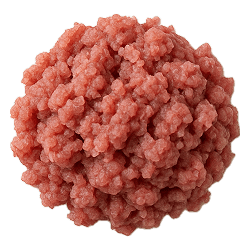
Duck is a high-quality animal protein sourced from domesticated or wild waterfowl. It provides essential amino acids, vitamins, and minerals that support muscle development and overall health in pets. Duck is primarily included for its rich protein content and palatability. In pet food, duck is used in its natural, whole form, ensuring optimal nutrient availability and digestibility for companion animals.
Duck is included as a novel animal protein source to provide essential amino acids and support marketing claims for hypoallergenic or limited-ingredient diets. Its use can also differentiate products in the premium segment and appeal to consumers seeking alternative proteins for their pets.

Gallus Gallus Domesticus, Poultry Meat, Domestic Fowl, Broiler Meat
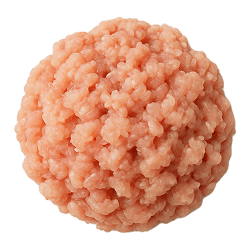
Chicken is a high-quality animal protein sourced from poultry, commonly used in pet foods for its rich amino acid profile and palatability. It provides essential nutrients to support muscle maintenance and overall health. In premium pet foods, chicken is typically included in its natural, whole form, ensuring optimal nutrient availability and digestibility for pets.
Chicken is included as a primary animal protein source to meet nutritional requirements and enhance palatability for pets. Its recognisable presence on the label also appeals to consumers seeking high-quality, meat-based ingredients.

Ipomoea Batatas, Kumara, Batata, Camote
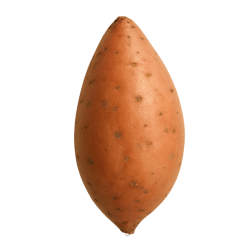
Sweet potato is a root vegetable of plant origin, valued for its rich content of complex carbohydrates, dietary fibre, and essential micronutrients such as vitamin A. In pet food, sweet potato serves primarily as a digestible energy source and supports digestive health. It is incorporated in its natural, whole form, ensuring optimal nutrient retention and palatability for companion animals.
Sweet potato is included as a cost-effective, highly digestible carbohydrate source that provides energy and dietary fibre. It also serves as a label-friendly ingredient appealing to consumers seeking natural, whole-food components in pet food.

Phaseolus Vulgaris, String Beans, Snap Beans, Haricot Vert
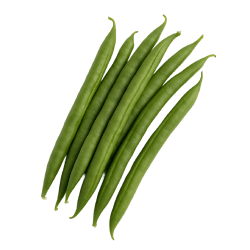
Green beans are the immature pods of the common bean plant (Phaseolus vulgaris), originating from a plant source. They are included in pet food primarily for their dietary fibre content, which supports digestive health, and as a source of vitamins and minerals. Green beans are used in their natural, whole form, providing a minimally processed, nutrient-rich ingredient for balanced pet nutrition.
Green beans are included as a label-friendly vegetable ingredient to appeal to pet owners seeking recognisable, whole-food components. They also provide a cost-effective source of fibre and bulk, supporting digestive health and satiety in pet food formulations.
Dietary Minerals, Inorganic Nutrients, Essential Minerals, Bulk Elements
Minerals are essential inorganic nutrients derived from the earth, not produced by animals or plants. They play a critical role in supporting various physiological functions, such as bone development, nerve transmission, and enzyme activity. In pet food, minerals are not used in their natural raw or metallic state; instead, they are incorporated as specific compounds (such as sulphates or chelates) to optimise safety and bioavailability.
Minerals are included to meet essential nutritional requirements for pets, supporting overall health and proper bodily functions. They are often added in precise amounts to ensure the product complies with regulatory standards and nutrient profiles.

Helianthus Annuus Seed Oil, Helianthus Annuus Oil, E471, Vegetable Oil (Helianthus Annuus)
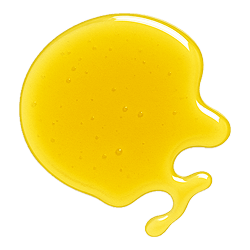
Sunflower oil is a plant-derived oil extracted from the seeds of the sunflower (Helianthus annuus). It serves as a valuable source of energy and provides essential fatty acids, particularly linoleic acid, which supports skin and coat health in pets. Sunflower oil is utilised in its refined liquid form, not as whole seeds, to optimise digestibility and nutrient availability in pet food formulations.
Sunflower oil is included as a cost-effective source of unsaturated fats to provide essential fatty acids that support skin and coat health. It also enhances palatability and contributes to the overall energy content of the pet food.

Fish Oil (Salmo Spp.), Salmo Spp. Oil, Salmonidae Oil, Omega-3 Marine Oil (Salmo Spp.)
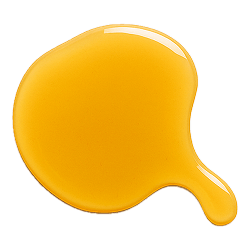
Salmon oil is a nutrient-rich oil derived from the tissues of salmon, an animal source. It is primarily included in pet food for its high content of omega-3 fatty acids, which support skin, coat, and joint health. Salmon oil is utilised in its extracted liquid form, rather than as whole fish, to optimise absorption and deliver concentrated nutritional benefits.
Salmon oil is included as a source of omega-3 fatty acids to support skin and coat health, which can enhance the nutritional profile of the product. Its presence also serves as a marketing feature, appealing to consumers seeking premium or functional ingredients.

Sun-Dried Tomato, Dehydrated Tomato, Solanum Lycopersicum, Tomato Powder
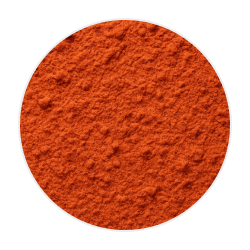
Dried tomato is a plant-derived ingredient made by dehydrating ripe tomatoes to preserve their nutrients and flavour. It is primarily included in pet food for its natural source of antioxidants, vitamins (such as vitamin C), and dietary fibre, supporting immune health and digestion. Dried tomato is used in its natural, whole-food form, ensuring pets benefit from its original nutritional profile.
Dried tomato is included as a label-friendly ingredient to appeal to consumers seeking recognisable, natural components in pet food. It may also provide a minor source of antioxidants and fibre, supporting marketing claims of added nutritional value.

Egg Powder, Dehydrated Egg, Spray-Dried Egg, Ovum Pulveratum
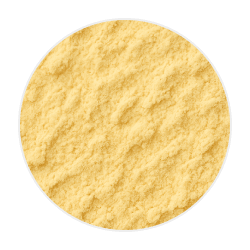
Dried egg is an animal-derived ingredient produced by dehydrating whole eggs, preserving their protein and nutrient content. It serves as a highly digestible source of complete protein, supporting muscle maintenance and overall health in pets. Dried egg is used in its natural form, simply processed to remove moisture, ensuring stability and ease of inclusion in premium pet food formulations.
Dried egg is included as a highly digestible, animal-based protein source that supports essential amino acid requirements in pet food formulations. Its stable, powdered form also optimises shelf life and ease of handling during manufacturing.

Laminaria Spp., Macrocystis Pyrifera, Ascophyllum Nodosum, Brown Seaweed
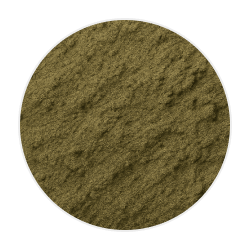
Kelp is a type of large, edible seaweed sourced from marine environments and classified as a plant-based ingredient. It is primarily included in pet food for its rich supply of natural iodine, which supports healthy thyroid function. Kelp is used in its dried, ground natural form, allowing pets to benefit from its trace minerals, vitamins, and antioxidants in a bioavailable manner.
Kelp is included as a label-friendly ingredient to appeal to health-conscious consumers and enhance product marketing, as it is associated with natural sources of vitamins and minerals. It may also serve as a trace mineral supplement to support nutritional completeness in pet food formulations.

Ocimum Basilicum, Sweet Basil, Genovese Basil, Great Basil
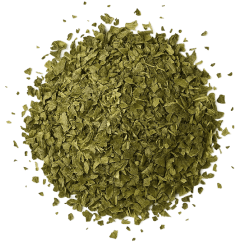
Basil is a fragrant herb derived from the leaves of the Ocimum basilicum plant, commonly used in both culinary and pet food applications. As a plant-based ingredient, basil provides natural antioxidants and essential phytonutrients that support overall health and immune function. In pet food, basil is used in its natural, whole-leaf form to maximise nutritional value and palatability.
Basil is included as a label-friendly ingredient to appeal to pet owners seeking natural or recognisable components in pet food. It may also provide minor flavour enhancement, though its functional impact on canine nutrition is minimal.

About

.png)


Comments
0 comments
Login to Join the Conversation 💬