




.png)


Digestive Support Slow Cooked Chicken Dog Food

Overview
The Nosh Project Digestive Support Slow Cooked Chicken Dog Food is a complete, nutritionally balanced fresh food diet from the brand's Advanced Care range, formulated for adult dogs experiencing digestive discomfort, inconsistent stool movements, or gastrointestinal sensitivity. Chicken and white rice form the core protein and carbohydrate components — both are highly digestible and commonly recommended during periods of gut recovery. The diet contains no legumes or pulses, in line with the brand's approach to minimising harder-to-digest ingredients.
Psyllium husk contributes prebiotic dietary fibre to support gut motility, complemented by broccoli, carrots, and spinach. Chicken liver provides B vitamins and iron, while algal oil delivers EPA and DHA. No artificial colours, flavours, or preservatives are used. Meals are produced from human-grade Australian ingredients, vacuum-sealed, and slow cooked at 60°C in a human-grade facility. Formulated to meet AAFCO nutritional levels for adult maintenance. Consult your veterinarian if digestive symptoms are persistent or worsening.
Ingredients
Rice, Chicken, Broccoli, Carrots, Spinach, Chicken Liver, Canola Oil, Vitamins and Minerals, Algal Oil, Psyllium Husk.

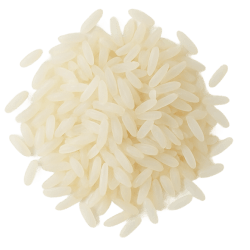
Oryza Sativa, Paddy, Oryza Sativa Grain, Oryza Spp.
Rice is a cereal grain derived from the seeds of the Oryza sativa plant, making it a plant-based ingredient. It serves primarily as a highly digestible source of carbohydrates, providing energy for pets. In pet food, rice is typically used in its natural, whole or milled form, rather than as a processed extract, to optimise digestibility and nutrient availability.
Rice is included as a cost-effective carbohydrate source that provides energy and helps create a desirable texture in pet food. It is also easily digestible, making it suitable for sensitive digestive systems and appealing for marketing as a familiar, label-friendly ingredient.
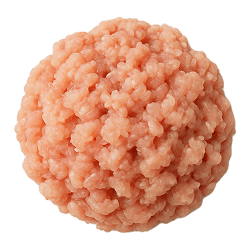
Gallus Gallus Domesticus, Poultry Meat, Domestic Fowl, Broiler Meat
Chicken is a high-quality animal protein sourced from poultry, commonly used in pet foods for its rich amino acid profile and palatability. It provides essential nutrients to support muscle maintenance and overall health. In premium pet foods, chicken is typically included in its natural, whole form, ensuring optimal nutrient availability and digestibility for pets.
Chicken is included as a primary animal protein source to meet nutritional requirements and enhance palatability for pets. Its recognisable presence on the label also appeals to consumers seeking high-quality, meat-based ingredients.
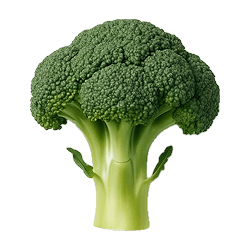
Brassica Oleracea Italica, Calabrese, Sprouting Broccoli, EATME Broccoli
Broccoli is a nutrient-rich vegetable derived from the plant species Brassica oleracea. As a plant-based ingredient, it is included in pet food primarily for its dietary fibre, vitamins, and antioxidant content, supporting digestive health and immune function. Broccoli is used in its natural form, ensuring pets benefit from its whole-food nutritional profile without synthetic alteration.
Broccoli is included as a label-friendly ingredient to appeal to health-conscious consumers and enhance the perceived nutritional value of the product. It may also contribute small amounts of fibre, vitamins, and antioxidants, supporting marketing claims of added health benefits.
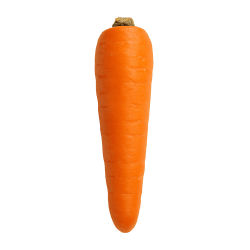
Daucus Carota, Daucus Carota Root, Daucus Carota Sativa, Wild Carrot
Carrot is a root vegetable of plant origin, widely recognised for its vibrant orange colour and natural sweetness. In pet food, carrot is included in its natural, whole form to provide dietary fibre, beta-carotene (a precursor to vitamin A), and antioxidants. Its primary benefit is supporting digestive health and immune function, while also contributing to overall palatability and nutritional diversity.
Carrot is included as a label-friendly ingredient to appeal to consumers seeking recognisable, natural components and to enhance the product’s perceived nutritional value. It may also provide a modest source of fibre and vitamins, supporting marketing claims of added health benefits.
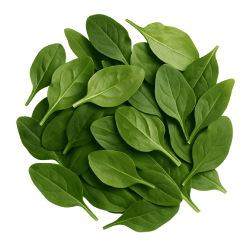
Spinacia Oleracea, English Spinach, Common Spinach, Garden Spinach
Spinach is a leafy green vegetable of plant origin, valued for its rich content of vitamins, minerals, and antioxidants. In pet food, spinach primarily provides dietary fibre, iron, and phytonutrients that support overall health and immune function. Spinach is included in its natural form, ensuring pets benefit from its full nutritional profile without synthetic alteration or processing into extracts.
Spinach is included as a label-friendly ingredient to appeal to health-conscious consumers and enhance the perceived nutritional value of the product. It may also provide a modest source of vitamins and minerals, supporting marketing claims of added health benefits.
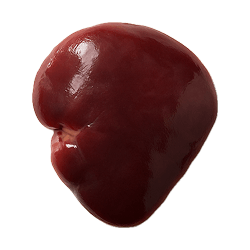
Poultry Liver, Gallus Gallus Domesticus Liver, Chicken Offal, Chicken Hepatic Tissue
Chicken liver is an animal-derived organ meat sourced from chickens. It is included in pet food primarily for its rich content of high-quality protein, essential amino acids, and vital micronutrients such as vitamin A, iron, and B vitamins. Chicken liver is used in its natural, whole food form, providing both palatability and nutritional density to support overall pet health.
Chicken liver is included as a highly palatable and nutrient-dense protein source, providing essential vitamins and minerals to enhance the nutritional profile of the product. Its inclusion can also support marketing claims related to quality animal ingredients.
Rapeseed Oil, Brassica Napus Oil, Brassica Rapa Oil, E471 (when derived from canola)
Canola oil is a plant-derived oil extracted from the seeds of the canola plant (Brassica napus). It serves as a valuable source of energy and provides essential fatty acids, particularly omega-3 and omega-6, which support skin and coat health in pets. Canola oil is used in its refined, food-grade form to ensure safety, palatability, and optimal nutrient absorption.
Canola oil is included as a cost-effective source of fat and essential fatty acids, supporting energy density and skin and coat health in pet food formulations. It also contributes to product palatability and helps optimise texture.

Micronutrients, Essential Nutrients, Dietary Micronutrients, Nutrient Elements
Vitamins and minerals are essential micronutrients derived from both animal and plant sources, as well as synthesised compounds. They play a critical role in supporting metabolic processes, immune function, and overall health in pets. These nutrients are not used in their natural elemental or raw forms; instead, they are incorporated as specific compounds, such as salts or chelates, to optimise safety, stability, and bioavailability.
Vitamins and minerals are included to ensure the product meets established nutritional standards for complete and balanced pet food, supporting overall health and wellbeing. Their addition allows manufacturers to compensate for any nutrient losses during processing and to optimise the nutritional profile regardless of ingredient variability.
Algal Oil, Microalgae Oil, Schizochytrium Spp. Oil, Crypthecodinium Cohnii Oil
Algae oil is a plant-derived oil extracted from various species of microalgae. It serves as a rich source of omega-3 fatty acids, particularly DHA, which supports cognitive and visual development in pets. Algae oil is utilised in its refined form, not as whole algae, to ensure purity, safety, and optimal absorption of its beneficial nutrients in pet food formulations.
Algae oil is included as a sustainable and label-friendly source of omega-3 fatty acids, providing a plant-based alternative to fish oil. Its use allows manufacturers to appeal to environmentally conscious consumers while supporting the nutritional profile of the product.
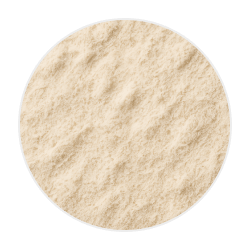
Ispaghula Husk, Plantago Ovata Husk, Blond Psyllium, Plantago Ovata
Psyllium husk is a plant-derived ingredient sourced from the outer coating of Plantago ovata seeds. It is primarily included in pet food as a soluble fibre to support digestive health and promote regular bowel movements. Psyllium husk is used in its natural form, allowing pets to benefit from its gentle bulking and water-absorbing properties, which help optimise gastrointestinal function.
Psyllium husk is included as a functional fibre source to support digestive health and promote regular bowel movements in pets. It also serves as a cost-effective bulking agent to optimise stool quality and product texture.
About



PRODUCT TAGS

Most Tracked This Week











About the Brand
The Nosh Project
The Nosh Project provides high quality, human grade pet nutrition featuring fresh Australian ingredients slow cooked to preserve essential nutrients. Explore their selection of ready-made daily diets and advanced care meals to find a scientifically formulated, fresh food solution for your dog.


Comments
0 comments
Login to Join the Conversation 💬