Prebiotics and Probiotics Supplement

Overview
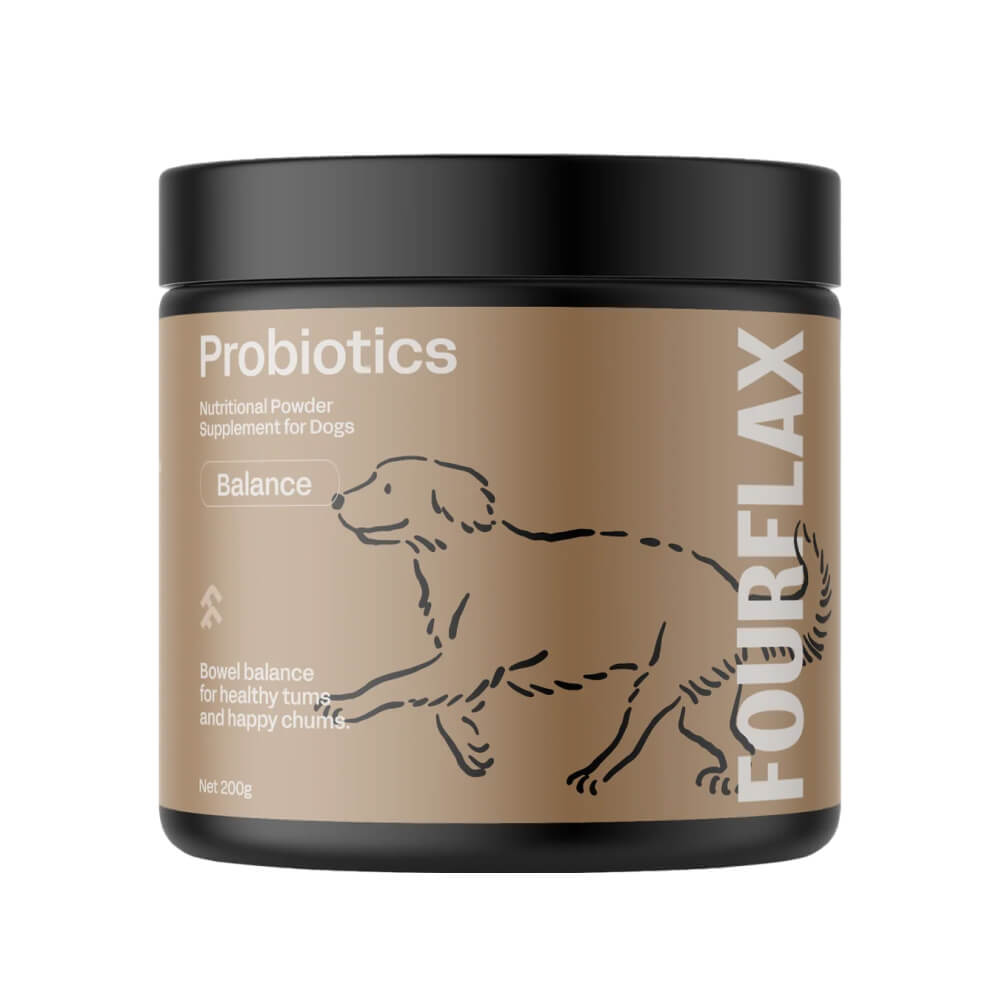
Wonderfur Prebiotics & Probiotics for Dogs and Cats is a 150g powdered gut health supplement containing nine probiotic strains at 180 million CFU per gram — including Lactobacillus acidophilus, L. rhamnosus, and Bifidobacterium bifidum — alongside prebiotic fibre and digestive enzymes. The formula is grain-free, lactose-free, and non-GMO, and is suited to dogs and cats of all ages.
It is particularly relevant for animals experiencing digestive sensitivity related to diet changes, stress, or travel. The powder is mixed into wet or dry food, with dosing scaled by bodyweight. Veterinary guidance is recommended for animals with persistent or significant digestive issues.
Ingredients
Lactobacillus Acidophilus, Lactobacillus Casei, Lactobacillus Salivarius, Lactobacillus Plantarum, Lactobacillus Rhamnosus, Lactobacillus Brevis, Bifidobacterium Bifidum, Bifidobacterium Lactis, Streptococcus Thermophilus, Inulin, Protease, Amylase, Cellulase, Hemicellulase, Lipase, Papain, Bromelain.

L. Acidophilus, ATCC 4356, NCFM, DSM 20079
Lactobacillus acidophilus is a beneficial probiotic bacterium of microbial origin, commonly included in pet foods to support digestive health and maintain a balanced gut microbiome. Its primary function is to promote optimal digestion and enhance immune function. Rather than being used in its natural, live-culture state, it is typically added as a stabilised, dried culture to ensure viability and efficacy in pet food formulations.
Lactobacillus acidophilus is included as a probiotic to support digestive health and promote a balanced gut microbiome in pets. Its presence also serves as a marketing feature, appealing to consumers seeking functional and health-oriented pet food formulations.

L. Casei, ATCC 393, DSM 20011, JCM 1134
Lactobacillus casei is a species of beneficial bacteria originating from the animal digestive tract and fermented foods. It is primarily included in pet food for its probiotic properties, supporting gut health and digestive balance. Rather than being used in its natural, live state, Lactobacillus casei is typically added as a stabilised, inactive culture to ensure safety, shelf stability, and effective delivery.
Lactobacillus casei is included as a probiotic to support digestive health and optimise gut flora balance in pets. Its presence also serves as a marketing feature, appealing to consumers seeking functional and health-promoting ingredients in pet food.

L. Salivarius, ATCC 11741, DSM 20555, JCM 1231
Lactobacillus salivarius is a species of probiotic bacteria commonly used as a direct-fed microbial in animal nutrition. In dog food manufacturing, it is typically added in a stabilised, freeze-dried form to ensure viability. This probiotic may help support digestive health by promoting a balanced gut microbiota and inhibiting the growth of potentially harmful bacteria. When included at appropriate levels, it is considered safe for dogs, with no known adverse effects reported in healthy animals.
Lactobacillus salivarius is included in dog food formulations primarily for its potential probiotic benefits, supporting digestive health in dogs, while also offering manufacturers a way to differentiate their products in a competitive market. Its use is generally intended to benefit the dog, though the actual efficacy can vary depending on processing and storage conditions.

L. Plantarum, ATCC 14917, DSM 20174, NCIMB 8826
Lactobacillus plantarum is a beneficial probiotic bacterium of microbial origin, commonly found in fermented foods and the gastrointestinal tract. Its primary purpose in pet food is to support digestive health and promote a balanced gut microbiome. Rather than being used in its natural, live-culture form, it is typically added as a stabilised, dried culture to ensure viability and efficacy in the final product.
Lactobacillus plantarum is included as a probiotic to support digestive health and optimise gut flora balance in pets. Its presence also serves as a marketing feature, appealing to consumers seeking functional and health-promoting ingredients.

ATCC 53103, DSM 20021, NCIMB 30121, JCM 1136
Lactobacillus rhamnosus is a beneficial probiotic bacterium of microbial origin, commonly sourced from dairy or plant-based fermentations. Its primary purpose in pet food is to support digestive health and promote a balanced gut microbiome. Rather than being used in its natural, live-culture form, it is typically incorporated as a stabilised, dried culture to ensure viability and efficacy during processing and storage.
Lactobacillus rhamnosus is included as a probiotic to support digestive health and promote a balanced gut microbiome in pets. Its presence also serves as a marketing differentiator, appealing to consumers seeking functional and health-oriented pet food options.

L. Brevis, ATCC 14869, DSM 20054, JCM 1059
Lactobacillus brevis is a species of lactic acid bacteria commonly used as a probiotic in animal nutrition. In dog food, it is not added in its raw bacterial form but is supplied as a live culture or as part of a probiotic blend. Lactobacillus brevis contributes to gut health by supporting a balanced intestinal microbiome and aiding digestion. When included at appropriate levels, it is considered safe for dogs, with no known adverse effects.
Lactobacillus brevis is included in dog food formulations primarily to support digestive health and promote a balanced gut microbiome, offering a functional benefit to dogs while also appealing to consumer demand for probiotic ingredients. Its use can also help differentiate products in a competitive market.

B. Bifidum, ATCC 29521, DSM 20456, NCIMB 41171
Bifidobacterium bifidum is a beneficial probiotic bacterium of animal origin, commonly found in the intestines of mammals. Its primary purpose in pet food is to support digestive health and promote a balanced gut microbiome. Rather than being used in its natural intestinal form, Bifidobacterium bifidum is utilised as a cultured, stabilised probiotic supplement to ensure safety, viability, and efficacy in pet diets.
Bifidobacterium bifidum is included as a probiotic to support digestive health and promote a balanced gut microbiome in pets. Its presence also serves as a marketing differentiator, appealing to health-conscious consumers seeking functional benefits in pet food.

Bifidobacterium Lactis, B. Lactis, Bifidobacterium Animalis Lactis, Bifidobacterium Animalis Ssp. Lactis
Bifidobacterium animalis subspecies lactis is a beneficial probiotic bacterium of animal origin, commonly included in pet foods to support digestive and immune health. Its primary function is to promote a balanced gut microbiome and enhance nutrient absorption. This ingredient is not used in its wild, natural state but is carefully cultured and processed to ensure safety, stability, and efficacy in pet nutrition.
Bifidobacterium animalis subspecies lactis is included as a functional probiotic to support digestive health and optimise gut microbiota balance in pets. Its presence also serves as a marketing differentiator, appealing to consumers seeking advanced health benefits for their pets.

S. Thermophilus, Streptococcus Spp., Streptococcus Salivarius Subsp. Thermophilus, Eubacterium Thermophilum
Streptococcus thermophilus is a beneficial bacterium of dairy origin, commonly used as a probiotic in pet foods. Its primary function is to support digestive health by promoting a balanced gut microbiome. Rather than being present in its wild, environmental form, Streptococcus thermophilus is utilised as a cultured, live probiotic strain to ensure safety, stability, and optimal efficacy in pet nutrition.
Streptococcus thermophilus is included as a probiotic to support digestive health and optimise gut flora balance in pets. Its presence can also serve as a marketing feature, appealing to consumers seeking functional and health-promoting ingredients.

Chicory Root Fibre, Fructan, EINECS 232-684-3, Fructooligosaccharide
Inulin is a naturally occurring dietary fibre sourced primarily from plants such as chicory root. It serves as a prebiotic, supporting digestive health by promoting beneficial gut bacteria. In pet food, inulin is utilised in its extracted, purified form rather than as a whole plant, ensuring consistent quality and efficacy for optimal digestive function and overall wellbeing in pets.
Inulin is included as a prebiotic fibre to support digestive health and promote beneficial gut bacteria in pets. It also serves as a cost-effective bulking agent that can improve product texture and moisture retention.

Proteolytic Enzyme, Peptidase, Proteinase, EC 3.4
Protease is an enzyme derived from microbial, plant, or animal sources, commonly included in pet food formulations. Its primary function is to aid in the breakdown of proteins into smaller peptides and amino acids, supporting optimal digestion and nutrient absorption. Protease is not used in its natural raw form; instead, it is utilised as a purified enzyme preparation to ensure efficacy and safety in pet diets.
Protease is included to enhance the digestibility of protein sources by breaking them down into smaller peptides and amino acids, thereby optimising nutrient absorption. Its use can also improve processing efficiency and product consistency in pet food manufacturing.

1,4-α-D-Glucan Glucanohydrolase, EC 3.2.1.1, Alpha-Amylase, Bacillus Subtilis Amylase
Amylase is an enzyme of microbial or plant origin commonly included in pet food formulations. Its primary function is to aid in the breakdown of complex carbohydrates into simpler sugars, supporting optimal digestion and nutrient absorption. Amylase is not used in its natural raw form; instead, it is utilised as a purified enzyme preparation to ensure efficacy and safety in pet diets.
Amylase is included as an enzymatic additive to aid in the breakdown of starches during processing, optimising nutrient availability and digestibility in the final product. Its use can also improve processing efficiency and consistency in kibble texture.

Endo-1,4-β-Glucanase, EC 3.2.1.4, Cellulase Complex, Aspergillus Niger Cellulase
Cellulase is an enzyme derived from microbial sources, such as fungi or bacteria. Its primary function in pet food is to break down cellulose, a plant fibre, aiding in the digestion and absorption of nutrients from plant-based ingredients. Cellulase is not used in its natural microbial form; instead, it is purified and added as an active enzyme preparation to optimise digestive efficiency.
Cellulase is included to aid in the breakdown of plant fibres, potentially improving digestibility and nutrient absorption from plant-based ingredients. Its use may also support marketing claims related to digestive health or enhanced nutrient utilisation.

Endo-1,4-β-D-Mannanase, EC 3.2.1.78, Mannanase, Endo-β-Mannanase
Hemicellulase is an enzyme that catalyses the breakdown of hemicellulose, a complex carbohydrate found in plant cell walls. In dog food manufacturing, it is typically added as a purified enzyme preparation rather than in its raw form. Hemicellulase aids in the digestion of plant-based ingredients by breaking down fibrous components, potentially improving nutrient availability. When used at appropriate levels, it is considered safe, with no known adverse effects reported in dogs.
Hemicellulase is included in dog food formulations primarily to aid in breaking down plant fibres during processing, which can improve digestibility and allow manufacturers to use a wider range of plant-based ingredients efficiently. This benefits production by enhancing ingredient flexibility and may offer some digestive support for dogs.

Triacylglycerol Acylhydrolase, EC 3.1.1.3, Glycerol Ester Hydrolase, Pancreatic Lipase
Lipase is an enzyme of animal or microbial origin that catalyses the breakdown of dietary fats into fatty acids and glycerol. Its primary purpose in pet food is to enhance fat digestion and nutrient absorption, supporting optimal energy utilisation. Lipase is not used in its natural, raw form; instead, it is incorporated as a purified enzyme preparation to ensure stability, safety, and efficacy in pet diets.
Lipase is included as a functional enzyme to aid in the breakdown of dietary fats, optimising nutrient absorption and digestive efficiency in pets. Its addition can also support product differentiation by appealing to consumers seeking advanced digestive support in pet food formulations.

Papaya Proteinase I, Carica Papaya Protease, EC 3.4.22.2, Carica Papaya Extract
Papain is a proteolytic enzyme derived from the papaya fruit that breaks down proteins into smaller peptides and amino acids. In dog food manufacturing, it is typically supplied as a purified extract or powder. Papain aids in the digestion of dietary proteins, potentially improving nutrient absorption and gastrointestinal function in dogs. When used at appropriate levels, it is considered safe; excessive amounts may cause gastrointestinal irritation or allergic reactions in sensitive animals.
Papain is included in dog food formulations primarily to aid protein digestion, which can benefit dogs with sensitive stomachs, while also helping manufacturers improve the palatability and texture of the product. Its use is practical for both nutritional support and processing efficiency.

Ananas Comosus Protease, EC 3.4.22.32, Pineapple Protease, Ananase
Bromelain is an enzyme complex derived from the stem and fruit of the pineapple plant (Ananas comosus), making it a plant-based ingredient. It is primarily included in pet food for its proteolytic activity, aiding in protein digestion and supporting gastrointestinal health. Bromelain is not used in its raw plant form but is extracted and purified to optimise its functional benefits and ensure consistent efficacy.
Bromelain is included as a functional enzyme to aid in protein digestion and improve nutrient absorption in pet food formulations. Its presence may also serve as a marketing differentiator, appealing to consumers seeking added health benefits for their pets.
Score Card
Every product is assessed using the Dog Directory Integrity Framework, giving dog owners a clear and trustworthy way to compare products. This ensures each review reflects overall quality and formulation integrity, not just marketing claims.
- /40
- /30
- /15
- /10
- /5
- Overall ScoreScore Info
As a pet owner, you naturally want the best for your dog. From regular vet visits to nutritious meals, ensuring your furry friend is healthy and happy is always top of mind. But beyond food and exercise, supplements are becoming an increasingly popular way to support your dog’s overall well-being. In this comprehensive guide, we’ll dive into the world of dog supplements, explaining what they are, why they matter, and how to choose the right ones for your pup.
0/100

ABOUT
PRODUCT TAGS
About the Brand
Wonderfur
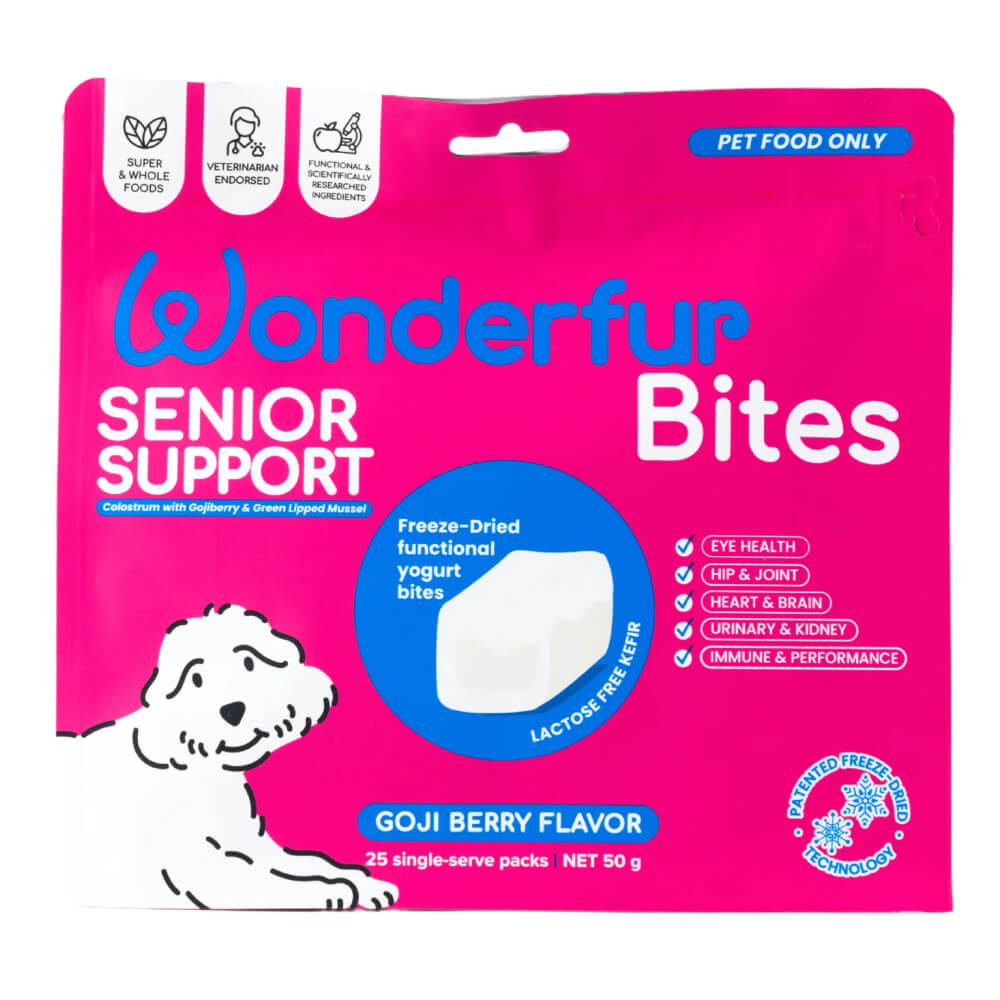
Wonderfur is an Australian vet-formulated pet supplement brand. Their range includes freeze-dried kefir bites, probiotics, omega oil, and multivitamins — all natural and made to human-grade standards.


Comments
0 comments
Login or Register to Join the Conversation