







Venison Meaty Bites Hypoallergenic Dog Treats

Overview
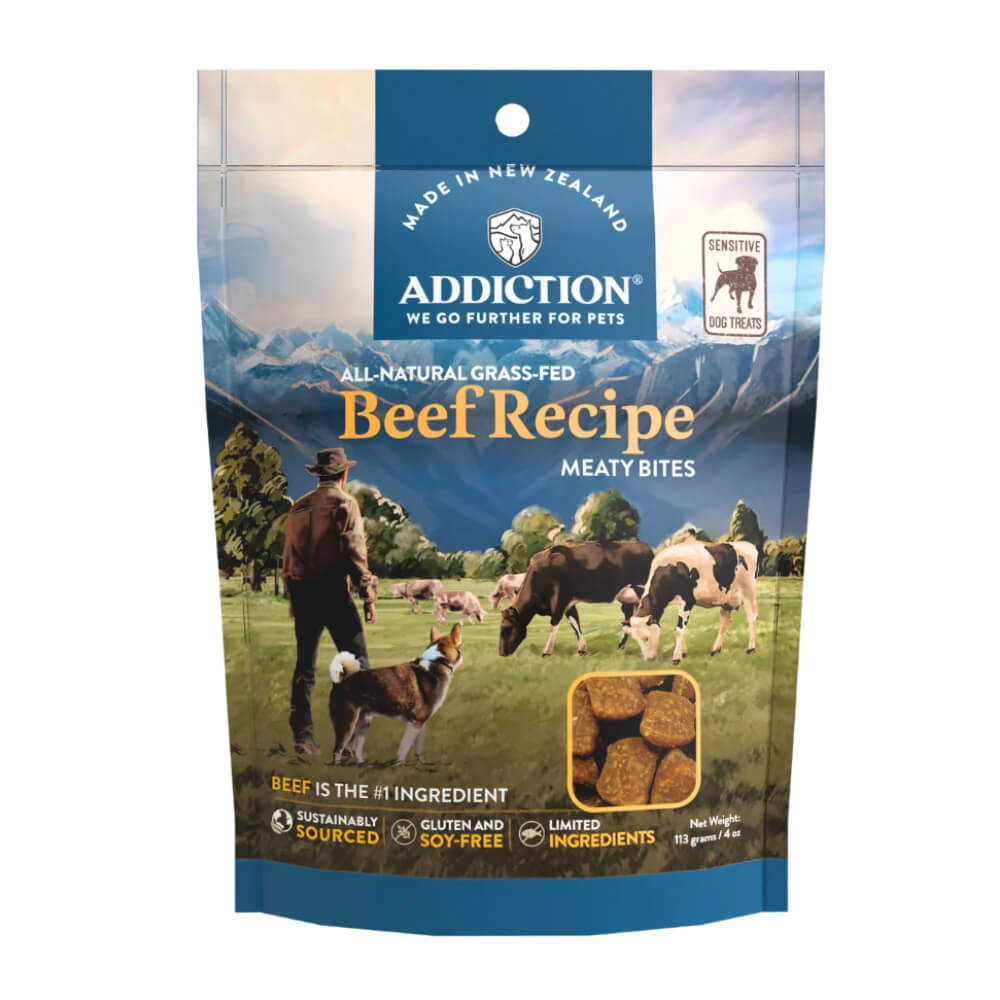
Addiction’s Venison Meaty Bites are soft, moist reward treats made with free-range New Zealand venison as the first ingredient, alongside potatoes, peas, coconut oil and tapioca. The recipe is grain-free, gluten-free and soy-free, with no artificial colours, flavours or preservatives, positioned as a limited-ingredient option for dogs with common sensitivities.
Suitable for dogs of all breeds and life stages, intended for intermittent or supplemental feeding rather than as a meal. Venison is a novel protein that may suit dogs with sensitivities to common proteins. The soft texture makes them practical for training.
Nutritional Analysis
Ingredients
Venison, Potato, Vegetable Glycerine, Peas, Coconut Oil, Tapioca, Natural Flavour, Sea Salt, Citrus Fibre, Mixed Tocopherols, Tea Extract, Rosemary Extract, Spearmint Extract.

Deer Meat, Cervidae Meat, Game Meat, Cervus Spp.
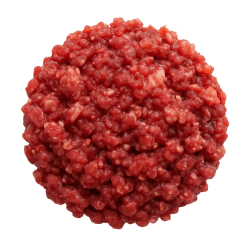
Venison is the meat derived from deer, making it an animal-based protein source. It is prized for its lean profile and high-quality amino acids, supporting muscle maintenance and overall health in pets. In pet food, venison is used in its natural, whole-food form, providing a novel protein option that may benefit pets with sensitivities to more common meats.
Venison is included as a novel, high-quality protein source to appeal to consumers seeking premium or hypoallergenic pet food options. Its use can support marketing claims related to limited ingredient diets and alternative proteins.

Solanum Tuberosum, Irish Potato, White Potato, Eirinn Potato
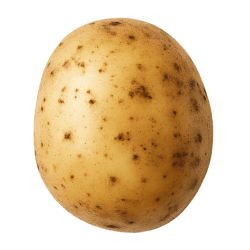
Potato is a starchy tuber derived from the plant Solanum tuberosum, commonly cultivated for both human and animal consumption. In pet food, potato serves primarily as a source of digestible carbohydrates and dietary fibre, supporting energy needs and digestive health. Potato is included in its natural, whole food form, providing a hypoallergenic alternative to common grains in premium pet diets.
Potato is included as a cost-effective carbohydrate source that provides energy and bulk to pet food formulations. It also serves as a grain-free alternative to traditional fillers, appealing to consumers seeking grain-free options.

Vegetable Glycerol, Glycerine, E422, Vegetable Glycerin
Vegetable glycerine is a clear, odourless liquid derived from plant oils, typically palm, soy, or coconut. It serves primarily as a humectant, helping to retain moisture in pet food and improve texture. Rather than being used in its raw plant form, vegetable glycerine is extracted and purified for safe consumption and optimal functionality in pet nutrition formulations.
Vegetable glycerine is included as a humectant to retain moisture and improve the texture of pet food products, helping to prevent them from drying out. It also enhances palatability, making the food more appealing to pets.

Pisum Sativum, Garden Pea, Green Pea, Field Pea
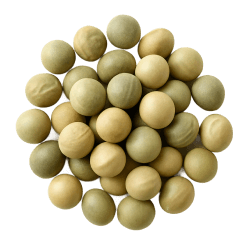
Peas are a plant-derived ingredient sourced from the seeds of the Pisum sativum plant. They are primarily included in pet food for their high protein content, dietary fibre, and essential micronutrients, supporting digestive health and energy. Peas are used in their natural, whole form, ensuring the retention of their nutritional value and functional benefits within the finished product.
Peas are included as a cost-effective source of protein, fibre, and carbohydrates, helping to optimise nutritional content while supporting product texture. They also serve as a label-friendly ingredient that appeals to consumers seeking grain-free or plant-based options.

Cocos Nucifera Oil, Copra Oil, E472c, Coconut Fat
Coconut oil is a plant-derived oil extracted from the flesh of mature coconuts. It is primarily included in pet food for its energy-dense medium-chain triglycerides, which support healthy skin, coat, and metabolism. Coconut oil is used in its natural, refined form, ensuring it is safe and readily digestible for pets while delivering its functional nutritional benefits.
Coconut oil is included as a source of medium-chain triglycerides, which are marketed for their potential health benefits and digestibility. It also serves as a label-friendly ingredient that appeals to consumers seeking natural or premium pet food formulations.

Cassava, Manioc, Yuca, Manihot Esculenta
Tapioca is a starch extracted from the root of the cassava plant, a tropical crop native to South America. As a plant-derived ingredient, its primary purpose in pet food is to provide a highly digestible source of carbohydrates and energy. Tapioca is used in its natural, processed form as a purified starch, not as whole cassava root, ensuring safety and digestibility.
Tapioca is included as a cost-effective carbohydrate source that provides energy and helps bind kibble, contributing to the desired texture and structure of the final product. Its neutral flavour and hypoallergenic properties also make it suitable for formulating diets for pets with sensitivities.

Natural Flavouring, Flavouring Substance, Flavouring Preparation, Flavouring Complex
Natural flavour is a food additive derived from animal or plant sources, designed to enhance the palatability of pet food. Its primary purpose is to improve taste and encourage consistent consumption. Rather than being used in its original raw form, natural flavour is typically processed and concentrated to ensure safety, stability, and uniformity in pet food formulations, while maintaining its natural origin.
Natural flavour is included to enhance palatability, encouraging pets to consume the product. It also allows manufacturers to improve taste without specifying individual flavouring agents, supporting flexible formulation and label-friendly marketing.

Solar Salt, Marine Salt, Sodium Chloride, Sal Marinum
Sea salt is a mineral ingredient derived from the evaporation of seawater. It is primarily included in pet food to provide essential electrolytes, such as sodium and chloride, which support hydration and nerve function. Sea salt is not used in its raw crystalline form but is refined and utilised as a food-grade compound to ensure safety, palatability, and optimal nutrient absorption.
Sea salt is included as a palatability enhancer to improve flavour and encourage pet consumption. It may also function as a mineral source and assist in product preservation.

Citrus Fiber, E460ii, Citrus Cellulose, Citrus Pulp Fibre
Citrus fibre is a plant-derived ingredient sourced from the peels of citrus fruits such as oranges and lemons. It is primarily included in pet food to enhance dietary fibre content, supporting digestive health and stool quality. Citrus fibre is used in its natural form, retaining its functional properties without chemical alteration, making it a safe and effective source of soluble and insoluble fibre for pets.
Citrus fibre is included as a cost-effective, label-friendly source of dietary fibre that can improve stool quality and moisture retention in pet food. It also functions as a natural stabiliser and texturiser, supporting product consistency without synthetic additives.

Tocopherols, E306, Natural Tocopherols Concentrate, D-Alpha Tocopherol Concentrate
Mixed tocopherols are a blend of compounds derived from plant oils, primarily functioning as a source of vitamin E. Their main purpose in pet food is to act as natural antioxidants, helping to preserve the freshness of fats and oils. Rather than being used in their isolated, pure form, mixed tocopherols are incorporated as stabilised extracts to optimise safety, efficacy, and nutrient retention.
Mixed tocopherols are included as a natural preservative to extend shelf life by slowing the oxidation of fats and oils in pet food. They are often used as a label-friendly alternative to synthetic preservatives to appeal to consumer preferences for natural ingredients.

Camellia Sinensis Extract, Camellia Sinensis Leaf Extract, Green Tea Extract, Black Tea Extract
Tea extract is a plant-derived ingredient obtained from the leaves of the Camellia sinensis plant. It is primarily included in pet food for its antioxidant properties, which help protect cells from oxidative damage. Tea extract is utilised in a concentrated form rather than as whole tea leaves, ensuring a consistent and effective level of beneficial compounds for optimal pet health.
Tea extract is included as a natural antioxidant to help preserve the freshness and stability of the product. It may also serve as a label-friendly ingredient, appealing to consumers seeking natural additives.

Rosmarinus Officinalis Extract, E392, Rosemary Oleoresin, Rosmarinus Officinalis Leaf Extract
Rosemary extract is a plant-derived ingredient obtained from the leaves of the rosemary herb (Rosmarinus officinalis). It is primarily included in pet food as a natural antioxidant, helping to preserve fats and oils and extend shelf life. Rosemary extract is used in its natural form, ensuring the retention of its beneficial compounds without chemical alteration.
Rosemary extract is included as a natural preservative to help extend shelf life by inhibiting oxidation of fats and oils. It also serves as a label-friendly ingredient that appeals to consumers seeking natural additives.

Mentha Spicata Extract, Mentha Viridis Extract, Mint Extract, Mentha Spicata Leaf Extract
Spearmint extract is a plant-derived ingredient obtained from the leaves of the spearmint plant (Mentha spicata). It is primarily included in pet food for its natural flavouring properties and potential antioxidant benefits. Spearmint extract is used in its processed extract form, rather than as whole leaves, to ensure consistent potency and safe inclusion in pet diets.
Spearmint extract is included primarily as a label-friendly ingredient to appeal to pet owners by suggesting breath-freshening or oral health benefits. It may also contribute a mild flavour enhancement to improve palatability.


Comments
0 comments
Login or Register to Join the Conversation