




.png)


Salmon and Carrot Puppy Dental Chews

Overview
Bell & Bone’s Salmon and Carrot Puppy Dental Chews are dental sticks formulated for puppies, with salmon and carrot as the lead ingredients, alongside sweet potato, skim milk and calcium carbonate. The chews have a softer texture and a 3-pronged shape, with sodium tripolyphosphate and zinc sulphate added to address plaque and tartar through mechanical and chemical action.
Suitable for puppies from ten weeks to six months of age, sized to the puppy’s weight bracket. Contains dairy, so unsuitable for puppies with dairy sensitivity. The chews are a daily oral-care aid, not a substitute for veterinary dental assessment.
Nutritional Analysis
Ingredients
Salmon, Tapioca, Carrot, Glycerine, Tapioca Starch, Sweet Potato, Vegetable Gum, Vegetable Digest, Salt, Natural Flavour, Skim Milk Powder, Sodium Tripolyphosphate, Zinc Sulphate, Salmon Oil, Calcium Carbonate, Preservative (Citric Acid, Buffered White Distilled Vinegar), Acacia Tree Gum, Antioxidant, Omega-3

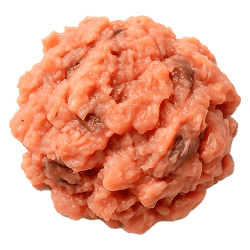
Salmo Salar, Atlantic Salmon, Pacific Salmon, Oncorhynchus Spp.
Salmon is a nutrient-rich fish sourced from cold, clean waters and is classified as an animal-derived ingredient. It is primarily included in pet food for its high-quality protein and omega-3 fatty acids, which support skin, coat, and joint health. Salmon is used in its natural form, ensuring pets benefit from its full nutritional profile and bioavailable nutrients.
Salmon is included as a high-quality protein and omega-3 fatty acid source to support skin and coat health, appealing to consumers seeking premium or functional pet foods. Its presence also enhances palatability and serves as a marketing differentiator on product labelling.
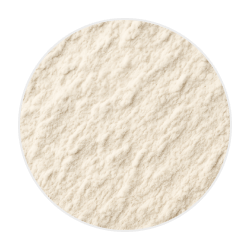
Cassava, Manioc, Yuca, Manihot Esculenta
Tapioca is a starch extracted from the root of the cassava plant, a tropical crop native to South America. As a plant-derived ingredient, its primary purpose in pet food is to provide a highly digestible source of carbohydrates and energy. Tapioca is used in its natural, processed form as a purified starch, not as whole cassava root, ensuring safety and digestibility.
Tapioca is included as a cost-effective carbohydrate source that provides energy and helps bind kibble, contributing to the desired texture and structure of the final product. Its neutral flavour and hypoallergenic properties also make it suitable for formulating diets for pets with sensitivities.
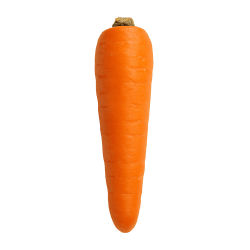
Daucus Carota, Daucus Carota Root, Daucus Carota Sativa, Wild Carrot
Carrot is a root vegetable of plant origin, widely recognised for its vibrant orange colour and natural sweetness. In pet food, carrot is included in its natural, whole form to provide dietary fibre, beta-carotene (a precursor to vitamin A), and antioxidants. Its primary benefit is supporting digestive health and immune function, while also contributing to overall palatability and nutritional diversity.
Carrot is included as a label-friendly ingredient to appeal to consumers seeking recognisable, natural components and to enhance the product’s perceived nutritional value. It may also provide a modest source of fibre and vitamins, supporting marketing claims of added health benefits.
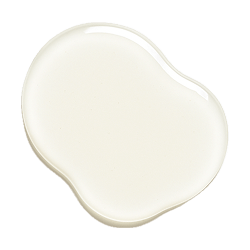
Glycerol, 1,2,3-Propanetriol, E422, Propane-1,2,3-Triol
Glycerine is a colourless, odourless liquid derived from plant or animal fats. In pet food, it serves primarily as a humectant, helping to retain moisture and improve texture. Glycerine is not used in its natural, raw state but is refined and purified for food-grade applications to ensure safety and optimal absorption. It also aids in palatability and shelf-life extension.
Glycerine is included as a humectant to retain moisture and improve the texture of pet food products, helping to prevent them from drying out. It also acts as a mild sweetener to enhance palatability for pets.
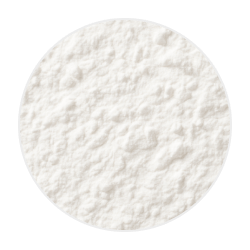
Cassava Starch, Manioc Starch, Yucca Starch, Manihot Esculenta Starch
Tapioca starch is a carbohydrate extracted from the root of the cassava plant, a tropical tuber native to South America. Primarily, it serves as a highly digestible energy source and a natural thickening agent in pet food. Tapioca starch is used in its natural, processed form, not as a whole food, to optimise texture and palatability while supporting digestive health.
Tapioca starch is included as a cost-effective carbohydrate source that provides bulk and texture to pet food formulations. It also serves as a binding agent, helping to improve kibble structure and stability.
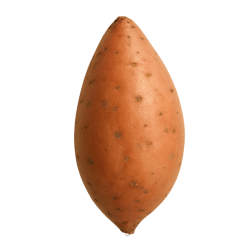
Ipomoea Batatas, Kumara, Batata, Camote
Sweet potato is a root vegetable of plant origin, valued for its rich content of complex carbohydrates, dietary fibre, and essential micronutrients such as vitamin A. In pet food, sweet potato serves primarily as a digestible energy source and supports digestive health. It is incorporated in its natural, whole form, ensuring optimal nutrient retention and palatability for companion animals.
Sweet potato is included as a cost-effective, highly digestible carbohydrate source that provides energy and dietary fibre. It also serves as a label-friendly ingredient appealing to consumers seeking natural, whole-food components in pet food.
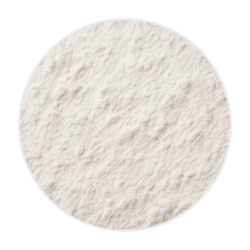
Plant Gum, E499, Hydrocolloid, Gomme Végétale
Vegetable gum is a plant-derived ingredient commonly sourced from various botanical origins such as guar, xanthan, or locust bean. It serves primarily as a thickener, stabiliser, and emulsifier in pet food, helping to maintain texture and consistency. Vegetable gum is utilised in its processed, food-grade form rather than as a raw plant material, ensuring safety and optimal functionality in formulations.
Vegetable gum is included as a stabilising and thickening agent to improve the texture and consistency of pet food products. It also helps maintain product integrity during storage, supporting shelf life and consumer appeal.
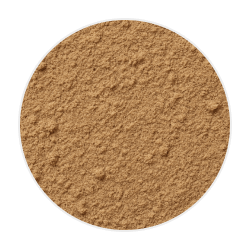
Hydrolysed Vegetable Protein, Vegetable Protein Hydrolysate, HVP, Plant Protein Hydrolysate
Vegetable digest is a processed ingredient derived from plant sources, typically through enzymatic hydrolysis of vegetables. It is primarily included in pet food to enhance palatability and provide a source of easily digestible nutrients. Rather than being used in its whole, natural form, vegetable digest is utilised as a hydrolysed compound to optimise flavour and nutrient absorption in pet diets.
Vegetable digest is included as a palatability enhancer, providing flavour compounds that make the product more appealing to pets. It is also a cost-effective way to add desirable taste without significantly increasing production expenses.
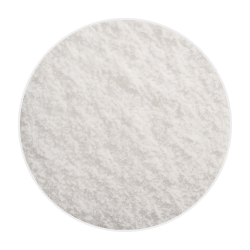
Sodium Chloride, NaCl, Table Salt, E535
Salt is a mineral ingredient derived from the combination of sodium and chloride, typically sourced from natural deposits or seawater. It is primarily included in pet food to support electrolyte balance, nerve function, and hydration. Salt is not used in its raw mineral form but is utilised as sodium chloride, a purified compound, to ensure safety, palatability, and optimal absorption in pets.
Salt is included as a palatability enhancer to improve taste and encourage consumption, and also functions as a preservative to help extend product shelf life. Its use allows manufacturers to optimise flavour while maintaining product stability.

Natural Flavouring, Flavouring Substance, Flavouring Preparation, Flavouring Complex
Natural flavour is a food additive derived from animal or plant sources, designed to enhance the palatability of pet food. Its primary purpose is to improve taste and encourage consistent consumption. Rather than being used in its original raw form, natural flavour is typically processed and concentrated to ensure safety, stability, and uniformity in pet food formulations, while maintaining its natural origin.
Natural flavour is included to enhance palatability, encouraging pets to consume the product. It also allows manufacturers to improve taste without specifying individual flavouring agents, supporting flexible formulation and label-friendly marketing.
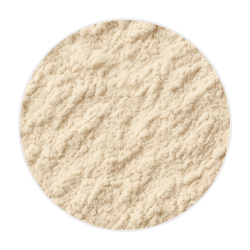
Nonfat Dry Milk, Dried Skimmed Milk, Milk Solids Non-Fat, Spray Dried Skim Milk
Skim milk powder is a dairy-derived ingredient produced by removing most of the fat and water from cow’s milk, resulting in a concentrated powder. It serves as a high-quality source of protein and calcium, supporting muscle maintenance and bone health in pets. Skim milk powder is used in its natural, dehydrated form, ensuring digestibility and nutrient availability in pet food formulations.
Skim milk powder is included as a cost-effective source of protein and calcium, contributing to the nutritional profile of the product. It also enhances palatability and provides a label-friendly ingredient that appeals to consumers seeking familiar, wholesome components.
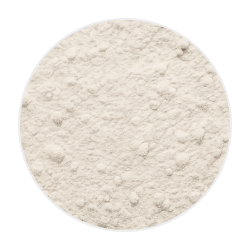
Pentapotassium Triphosphate, STPP, E451(i), Triphosphoric Acid Pentasodium Salt
Sodium tripolyphosphate is a synthetic compound derived from inorganic sources, commonly used in pet food formulations. Its primary function is to act as a preservative and to help maintain the texture and moisture of products. Sodium tripolyphosphate is not used in its natural mineral form; instead, it is utilised as a processed salt to ensure safety, stability, and optimal absorption.
Sodium tripolyphosphate is included as a functional additive to improve product texture and moisture retention, helping maintain palatability and appearance. It also acts as a preservative to extend shelf life and inhibit spoilage.
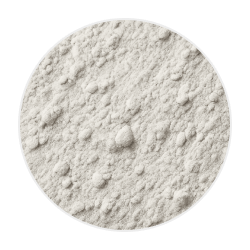
Zinc Sulphate Monohydrate, Zinc Sulphate Heptahydrate, E6, ZnSO₄
Zinc sulphate is a mineral compound derived from the element zinc, typically sourced from mined zinc ores. It is utilised in pet food as a supplemental source of zinc, an essential trace mineral that supports immune function, skin health, and enzyme activity. Zinc is not used in its natural metallic state; instead, it is provided as zinc sulphate to optimise safety and bioavailability for pets.
Zinc sulphate is included as a cost-effective and bioavailable source of the essential mineral zinc, which supports immune function and skin health in pets. Its addition ensures the product meets nutritional requirements for complete and balanced pet food labelling.
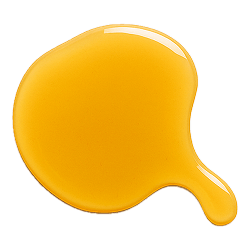
Fish Oil (Salmo Spp.), Salmo Spp. Oil, Salmonidae Oil, Omega-3 Marine Oil (Salmo Spp.)
Salmon oil is a nutrient-rich oil derived from the tissues of salmon, an animal source. It is primarily included in pet food for its high content of omega-3 fatty acids, which support skin, coat, and joint health. Salmon oil is utilised in its extracted liquid form, rather than as whole fish, to optimise absorption and deliver concentrated nutritional benefits.
Salmon oil is included as a source of omega-3 fatty acids to support skin and coat health, which can enhance the nutritional profile of the product. Its presence also serves as a marketing feature, appealing to consumers seeking premium or functional ingredients.
Chalk, Limestone, E170, Marble Dust
Calcium carbonate is a naturally occurring mineral compound derived from sources such as limestone or marine shells. It is primarily included in pet food as a source of calcium, essential for healthy bones, teeth, and metabolic functions. Calcium carbonate is not used in its raw mineral state; instead, it is processed into a purified, food-grade compound to optimise safety and bioavailability for pets.
Calcium carbonate is included as a cost-effective mineral supplement to provide a bioavailable source of calcium, supporting bone health and proper nutritional balance. It also functions as a pH stabiliser, contributing to product consistency and shelf stability.
2-Hydroxypropane-1,2,3-Tricarboxylic Acid, E330, 3-Carboxy-3-Hydroxypentanedioic Acid, Monohydrate Citric Acid
Citric acid is an organic compound derived primarily from citrus fruits, though it is commonly produced via fermentation for commercial use. Its main purpose in pet food is as a natural preservative and acidity regulator, helping to maintain freshness and inhibit spoilage. Citric acid is not used in its raw, crystalline form but is incorporated as a purified, food-grade compound to ensure safety and efficacy.
Citric acid is included as a preservative to enhance product stability and extend shelf life by inhibiting microbial growth. It may also be used to adjust acidity, optimising flavour and maintaining the quality of the final product.
Buffered Acetic Acid Solution, Neutralised White Vinegar, pH-Adjusted Distilled Vinegar, E260 Buffered
Buffered white distilled vinegar is a liquid ingredient derived from the fermentation of plant-based sources, typically grains. It is primarily used as a natural preservative and pH regulator, helping to inhibit microbial growth and maintain product stability. In pet food, buffered white distilled vinegar is utilised in its processed, buffered form rather than as raw vinegar, ensuring consistent acidity and safety for consumption.
Buffered white distilled vinegar is included as a preservative to help inhibit the growth of bacteria and mould, thereby extending the product’s shelf life. Its use also allows for a more label-friendly alternative to synthetic preservatives, appealing to consumers seeking natural-sounding ingredients.
Acacia Senegal, Acacia Seyal, E414, Acacia Gum
Gum Arabic is a natural plant-derived gum obtained from the sap of Acacia trees, primarily Acacia senegal and Acacia seyal. It serves as a functional ingredient in pet food, acting as a stabiliser, emulsifier, and source of soluble dietary fibre. Gum Arabic is used in its natural, dried exudate form, ensuring safety and optimal digestibility for companion animals.
Gum Arabic is included as a stabilising and thickening agent to improve the texture and consistency of pet food products. It also helps to maintain ingredient suspension and extend shelf life, supporting product quality during storage and distribution.
Antioxidant Agents, Free Radical Scavengers, E306, E321
Antioxidants are compounds sourced from both plant and synthetic origins, commonly added to pet food to protect fats and oils from oxidation, thereby preserving freshness and nutritional quality. Their primary function is to neutralise free radicals, supporting cellular health. Antioxidants are not used in their raw or isolated chemical state; instead, specific forms such as mixed tocopherols or ascorbate compounds are utilised for safety and efficacy.
Antioxidants are included to prevent the oxidation of fats and oils, thereby extending the product’s shelf life and maintaining nutritional quality. They also help preserve colour and flavour, supporting product stability and consumer appeal.
Alpha-Linolenic Acid, Eicosapentaenoic Acid, Docosahexaenoic Acid, n-3 Polyunsaturated Fatty Acid
Omega-3 fatty acid is a type of essential polyunsaturated fat primarily derived from animal sources such as fish oil or plant sources like flaxseed. It is included in pet food to support skin and coat health, cognitive function, and anti-inflammatory processes. Omega-3 is not used in its raw form but is incorporated as specific compounds, such as fish oil or algal oil, to optimise absorption and safety.
Omega-3 fatty acid is included to support claims of health benefits such as skin and coat health, and to appeal to consumers seeking functional nutrition for their pets. It also serves as a label-friendly ingredient that enhances product marketability.
About


PRODUCT TAGS

Most Tracked This Week









About the Brand




Comments
0 comments
Login to Join the Conversation 💬