







Chicken Raw Dog Food Bulk Roll

Overview
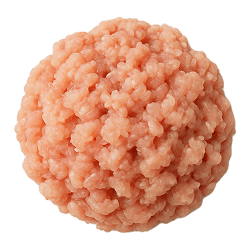
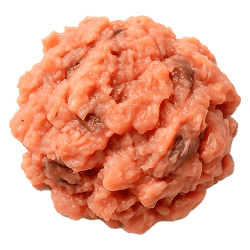
The same chicken-based recipe as the standard Chicken Raw Dog Food, presented in a bulk roll format. Big Dog designs the roll format for multi-dog households or owners of larger breeds who prefer to portion meals themselves. The roll contains no binding agents and has a minced consistency when thawed. Complete and balanced for puppies and adult dogs.
Nutritional Analysis
A nutritional analysis shows how a dog food is made up of its main nutrients, such as protein, fat, fibre and other components. This helps you understand where the food’s nutrition and energy come from, and how the formula is balanced.
Ingredients
Chicken (Meat, Crushed Bone and Cartilage), Seasonal Fruit and Vegetables (Apple, Green Bananas, Carrots, Lettuce, Green Beans, Celery, Broccoli, Orange, Strawberries, Blueberries), Beef (Liver, Kidney, Washed Tripe, Spleen), Tasmanian Salmon, Whole Chicken Egg, Sprouted Wheatgrass, Cold Pressed Ground Flaxseed, Goats Whey, Psyllium, Kelp, Organic Fulvic Acid.

Chicken
Chicken
Gallus Gallus Domesticus, Poultry Meat, Domestic Fowl, Broiler Meat
Origin
Role
Functional Benefits
Summary
Chicken is a high-quality animal protein sourced from poultry, commonly used in pet foods for its rich amino acid profile and palatability. It provides essential nutrients to support muscle maintenance and overall health. In premium pet foods, chicken is typically included in its natural, whole form, ensuring optimal nutrient availability and digestibility for pets.
Manufacturer Benefits
Chicken is included as a primary animal protein source to meet nutritional requirements and enhance palatability for pets. Its recognisable presence on the label also appeals to consumers seeking high-quality, meat-based ingredients.

Chicken Bone
Chicken Bone
Gallus Gallus Domesticus Bone, Chicken Skeletal Tissue, Poultry Bone, Gallus Bone
Origin
Role
Functional Benefits
Summary
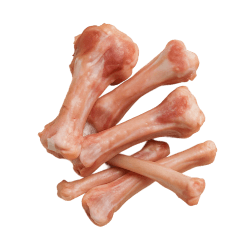
Chicken bone is an animal-derived ingredient sourced from poultry, typically used in pet food for its rich supply of calcium and phosphorus, which support healthy bones and teeth. It is included in a ground or finely milled form to ensure safety and digestibility. Chicken bone is not used whole but is processed to optimise nutrient availability and minimise the risk of splintering.
Manufacturer Benefits
Chicken bone is included as a natural source of minerals such as calcium and phosphorus, supporting nutritional balance in pet food formulations. It may also be used to enhance product texture and provide a label-friendly, whole-prey appeal for marketing purposes.

Chicken Cartilage
Chicken Cartilage
Gallus Gallus Cartilage, Chicken Sternum Cartilage, Avian Cartilage, Gallus Cartilage
Origin
Role
Functional Benefits
Summary
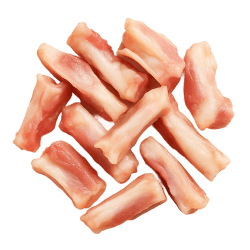
Chicken cartilage is a connective tissue derived from the joints and bones of chickens (animal origin). It is primarily included in pet food as a natural source of glucosamine and chondroitin, which support joint health and mobility. Chicken cartilage is used in its natural form, providing bioavailable nutrients that help maintain healthy cartilage and connective tissue in pets.
Manufacturer Benefits
Chicken cartilage is included as a natural source of glucosamine and chondroitin, which are marketed for joint health benefits. Its presence also allows manufacturers to highlight the use of whole-animal ingredients, appealing to consumers seeking minimally processed or "natural" pet foods.

Apple
Apple
Malus Domestica, Pyrus Malus, Malus Pumila, E Malus
Origin
Role
Functional Benefits
Summary
Apple is a fruit derived from the Malus domestica tree, classified as a plant-based ingredient. It is primarily included in pet food for its dietary fibre, natural antioxidants, and vitamins, supporting digestive health and immune function. Apple is used in its natural, whole form, ensuring pets benefit from its inherent nutrients without synthetic alteration or processing into extracts or concentrates.
Manufacturer Benefits
Apple is included as a label-friendly ingredient to appeal to consumers seeking recognisable, natural components in pet food. It may also provide a modest source of fibre and natural sweetness to enhance palatability.

Banana
Banana
Musa Spp., Musa Fruit, Musa Paradisiaca
Origin
Role
Functional Benefits
Summary
Banana is a fruit derived from the Musa plant, classified as a plant-based ingredient. It is primarily included in pet food for its natural source of dietary fibre, vitamins, and minerals, supporting digestive health and overall wellbeing. In pet food formulations, banana is used in its natural form, ensuring pets benefit from its inherent nutrients and palatability.
Manufacturer Benefits
Banana is included as a natural source of carbohydrates, vitamins, and minerals, contributing to the nutritional profile of the product. It also serves as a label-friendly ingredient that appeals to health-conscious consumers seeking recognisable, whole-food components.

Carrot
Carrot
Daucus Carota, Daucus Carota Root, Daucus Carota Sativa, Wild Carrot
Origin
Role
Functional Benefits
Summary
Carrot is a root vegetable of plant origin, widely recognised for its vibrant orange colour and natural sweetness. In pet food, carrot is included in its natural, whole form to provide dietary fibre, beta-carotene (a precursor to vitamin A), and antioxidants. Its primary benefit is supporting digestive health and immune function, while also contributing to overall palatability and nutritional diversity.
Manufacturer Benefits
Carrot is included as a label-friendly ingredient to appeal to consumers seeking recognisable, natural components and to enhance the product’s perceived nutritional value. It may also provide a modest source of fibre and vitamins, supporting marketing claims of added health benefits.

Lettuce
Lettuce
Lactuca Sativa, Garden Lettuce, Head Lettuce, Cos Lettuce
Origin
Role
Functional Benefits
Summary
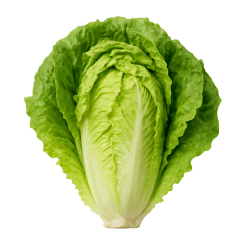
Lettuce is a leafy green vegetable of plant origin, commonly included in pet foods for its fibre content and low-calorie profile. It primarily supports digestive health and hydration due to its high water content. In pet food formulations, lettuce is used in its natural, whole form, providing a source of vitamins and minerals while contributing to overall dietary variety.
Manufacturer Benefits
Lettuce is included as a label-friendly ingredient to appeal to consumers seeking recognisable vegetables in pet food formulations. It provides minimal nutritional value to dogs but can serve as a low-cost bulk-adding agent.

Green Beans
Green Beans
Phaseolus Vulgaris, String Beans, Snap Beans, Haricot Vert
Origin
Role
Functional Benefits
Summary
Green beans are the immature pods of the common bean plant (Phaseolus vulgaris), originating from a plant source. They are included in pet food primarily for their dietary fibre content, which supports digestive health, and as a source of vitamins and minerals. Green beans are used in their natural, whole form, providing a minimally processed, nutrient-rich ingredient for balanced pet nutrition.
Manufacturer Benefits
Green beans are included as a label-friendly vegetable ingredient to appeal to pet owners seeking recognisable, whole-food components. They also provide a cost-effective source of fibre and bulk, supporting digestive health and satiety in pet food formulations.

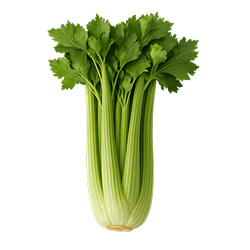
Celery
Celery
Apium Graveolens, E416, Celeriac, Ajmoda
Origin
Role
Functional Benefits
Summary
Celery is a plant-based ingredient derived from the stalks of the Apium graveolens plant. It is included in pet food primarily for its fibre content and as a source of vitamins and minerals, supporting digestive health and overall wellbeing. Celery is used in its natural form, ensuring pets benefit from its inherent nutrients and phytonutrients without synthetic alteration.
Manufacturer Benefits
Celery is included as a label-friendly ingredient to appeal to health-conscious consumers, enhancing the product’s perceived nutritional value. It may also contribute trace vitamins and fibre, though its functional impact on the pet’s diet is minimal.

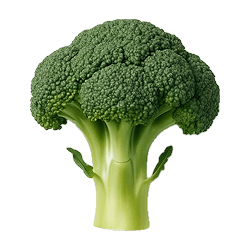
Broccoli
Broccoli
Brassica Oleracea Italica, Calabrese, Sprouting Broccoli, EATME Broccoli
Origin
Role
Functional Benefits
Summary
Broccoli is a nutrient-rich vegetable derived from the plant species Brassica oleracea. As a plant-based ingredient, it is included in pet food primarily for its dietary fibre, vitamins, and antioxidant content, supporting digestive health and immune function. Broccoli is used in its natural form, ensuring pets benefit from its whole-food nutritional profile without synthetic alteration.
Manufacturer Benefits
Broccoli is included as a label-friendly ingredient to appeal to health-conscious consumers and enhance the perceived nutritional value of the product. It may also contribute small amounts of fibre, vitamins, and antioxidants, supporting marketing claims of added health benefits.

Orange
Orange
Citrus Sinensis, Sweet Orange, Navel Orange, Valencia Orange
Origin
Role
Functional Benefits
Summary
Orange is a citrus fruit of plant origin, valued for its rich vitamin C content and natural antioxidants. In pet food, orange is primarily included to support immune health and provide dietary fibre. This ingredient is used in its natural form, typically as dried or powdered orange, ensuring pets benefit from its nutrients and bioactive compounds without synthetic alteration.
Manufacturer Benefits
Orange is included as a natural source of vitamins, particularly vitamin C, and antioxidants, which can be highlighted for marketing purposes to appeal to health-conscious consumers. It may also contribute to palatability and provide a label-friendly ingredient that enhances the perceived nutritional value of the product.

Strawberry
Strawberry
Fragaria × Ananassa, Garden Strawberry, Fragaria Ananassa, Fragaria Spp.
Origin
Role
Functional Benefits
Summary
Strawberry is a plant-derived fruit known for its vibrant red colour and natural sweetness. In pet food, strawberry is primarily included as a source of dietary fibre, antioxidants, and vitamin C, supporting immune health and overall wellbeing. Strawberry is used in its natural, whole form, ensuring pets benefit from its full nutritional profile without synthetic alteration.
Manufacturer Benefits
Strawberry is included as a label-friendly ingredient to appeal to consumers seeking natural and recognisable components in pet food. It may also provide a minor source of antioxidants and vitamins, supporting marketing claims of added nutritional benefits.

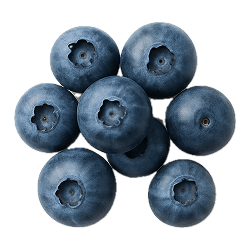
Blueberry
Blueberry
Vaccinium Corymbosum, Vaccinium Angustifolium, Bilberry, E163
Origin
Role
Functional Benefits
Summary
Blueberry is a small, nutrient-rich fruit of plant origin, commonly sourced from the Vaccinium genus. It is included in pet food primarily for its antioxidant properties, supporting immune health and cellular protection. Blueberry is used in its natural, whole form, ensuring pets benefit from its full spectrum of vitamins, fibre, and phytonutrients as found in fresh fruit.
Manufacturer Benefits
Blueberry is included as a label-friendly ingredient to appeal to health-conscious consumers, leveraging its reputation as a source of antioxidants. Its presence supports marketing claims of added nutritional benefits, though it is typically used in small quantities with minimal impact on the overall nutritional profile for pets.

Beef Liver
Beef Liver
Bovine Liver, Bos Taurus Liver, Ox Liver, Cattle Liver
Origin
Role
Functional Benefits
Summary
Beef liver is an animal-derived organ meat sourced from cattle, valued for its rich nutrient profile. It serves as a concentrated source of high-quality protein, essential vitamins such as A and B12, and minerals like iron and zinc. In pet food, beef liver is used in its natural, whole-food form, providing both palatability and significant nutritional benefits to support overall health.
Manufacturer Benefits
Beef liver is included as a nutrient-dense organ meat to enhance the protein, vitamin, and mineral content of the product. It also serves as a natural palatability enhancer, improving flavour to increase acceptance by pets.

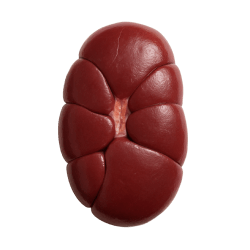
Beef Kidney
Beef Kidney
Bovine Kidney, Bos Taurus Kidney, Ox Kidney, E1104
Origin
Role
Functional Benefits
Summary
Beef kidney is an organ meat derived from cattle and is classified as an animal-based ingredient. It is a rich source of high-quality protein, essential vitamins such as B12, and minerals including iron and zinc, supporting overall health and vitality in pets. Beef kidney is used in its natural, whole-food form, providing bioavailable nutrients and contributing to a balanced, species-appropriate diet.
Manufacturer Benefits
Beef kidney is included as a nutrient-dense organ meat to provide high-quality protein, essential vitamins, and minerals, supporting the nutritional profile of the product. Its inclusion also appeals to consumers seeking species-appropriate, whole-prey ingredients in pet food formulations.

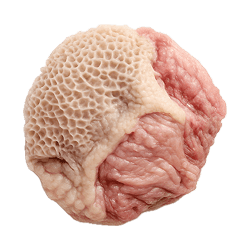
Beef Tripe
Beef Tripe
Cattle Stomach, Bovine Stomach, Bovine Tripe, Bos Taurus Stomach
Origin
Role
Functional Benefits
Summary
Beef tripe is the edible stomach lining of cattle, classified as an animal-derived ingredient. It is valued in pet food for its high protein content and rich supply of essential nutrients, including vitamins and minerals that support overall health. Beef tripe is incorporated in its natural, whole-food form, providing both palatability and nutritional benefits to companion animals.
Manufacturer Benefits
Beef tripe is included as a highly palatable animal protein source to enhance flavour and encourage consumption. It also serves as a label-friendly ingredient that appeals to consumers seeking natural, meat-based components in pet food.

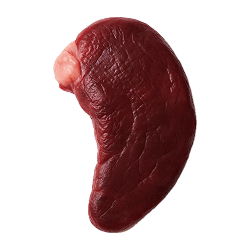
Beef Spleen
Beef Spleen
Bovine Spleen, Bos Taurus Spleen, Spleen (Bovine), Spleen (Bos Taurus)
Origin
Role
Functional Benefits
Summary
Beef spleen is an animal-derived organ meat sourced from cattle. It is included in pet food primarily for its rich content of protein, iron, and essential vitamins such as B12, supporting healthy blood and energy metabolism. Beef spleen is used in its natural, whole-food form, providing a highly bioavailable source of nutrients for optimal pet health.
Manufacturer Benefits
Beef spleen is included as a nutrient-dense organ meat to enhance the protein and micronutrient profile of the product. Its use also supports marketing claims of whole-prey or biologically appropriate diets, appealing to consumers seeking natural, species-appropriate ingredients.

Salmon
Salmon
Salmo Salar, Atlantic Salmon, Pacific Salmon, Oncorhynchus Spp.
Origin
Role
Functional Benefits
Summary
Salmon is a nutrient-rich fish sourced from cold, clean waters and is classified as an animal-derived ingredient. It is primarily included in pet food for its high-quality protein and omega-3 fatty acids, which support skin, coat, and joint health. Salmon is used in its natural form, ensuring pets benefit from its full nutritional profile and bioavailable nutrients.
Manufacturer Benefits
Salmon is included as a high-quality protein and omega-3 fatty acid source to support skin and coat health, appealing to consumers seeking premium or functional pet foods. Its presence also enhances palatability and serves as a marketing differentiator on product labelling.

Egg
Egg
Hen Egg, Chicken Egg, Gallus Gallus Domesticus Egg, Avian Egg
Origin
Role
Functional Benefits
Summary
Egg is an animal-derived ingredient sourced from poultry, commonly used in pet food for its high-quality protein and essential amino acids. It provides vital nutrients that support muscle development and overall health. In pet food, egg is typically included in its natural, whole form—either as dried or fresh egg—ensuring optimal digestibility and nutrient availability for pets.
Manufacturer Benefits
Egg is included as a high-quality, bioavailable protein source to support muscle development and overall nutrition. It also enhances the product’s nutritional profile, appealing to consumers seeking premium or natural pet food options.

Wheatgrass
Wheatgrass
Triticum Aestivum, Wheat Grass Juice, Young Wheat Plant, Green Wheat Shoots
Origin
Role
Functional Benefits
Summary
Wheatgrass is the young, green shoots of the common wheat plant (Triticum aestivum), classified as a plant-based ingredient. It is primarily included in pet food for its rich supply of vitamins, minerals, and antioxidants, supporting overall health and immune function. Wheatgrass is used in its natural form, typically dried and powdered, to optimise nutrient retention and digestibility for pets.
Manufacturer Benefits
Wheatgrass is included as a label-friendly ingredient to appeal to health-conscious consumers, enhancing the perceived nutritional value of the product. It may also provide trace vitamins and antioxidants, though its functional impact on pet nutrition is minimal at typical inclusion rates.

Linseed Meal
Linseed Meal
Flaxseed Meal, Flax Meal, Linum Usitatissimum Meal, Flaxseed Cake
Origin
Role
Functional Benefits
Summary
Linseed meal is a plant-derived ingredient produced from the ground seeds of the flax plant (Linum usitatissimum) after oil extraction. It is primarily included in pet food as a source of dietary fibre, protein, and omega-3 fatty acids, supporting digestive and skin health. Linseed meal is used in its natural, ground form to optimise nutrient availability and palatability for pets.
Manufacturer Benefits
Linseed meal is included as a cost-effective source of plant-based protein and omega-3 fatty acids, supporting nutritional labelling claims. It also serves as a fibre source to aid digestive health in pet food formulations.

Goat Whey
Goat Whey
Caprae Whey, Capra Whey, Capra Aegagrus Hircus Whey, Caprae Lac Whey
Origin
Role
Functional Benefits
Summary
Goat whey is a liquid by-product derived from the cheese-making process using goat’s milk, making it an animal-origin ingredient. It is primarily included in pet food for its high-quality protein content and bioavailable nutrients, supporting muscle maintenance and overall health. Goat whey is used in its natural, liquid or dried form, ensuring optimal digestibility and nutrient retention for pets.
Manufacturer Benefits
Goat whey is included as a highly digestible protein source that can enhance the amino acid profile of the product. It may also serve as a label-friendly ingredient appealing to consumers seeking novel or alternative animal proteins.

Psyllium Husk
Psyllium Husk
Ispaghula Husk, Plantago Ovata Husk, Blond Psyllium, Plantago Ovata
Origin
Role
Functional Benefits
Summary
Psyllium husk is a plant-derived ingredient sourced from the outer coating of Plantago ovata seeds. It is primarily included in pet food as a soluble fibre to support digestive health and promote regular bowel movements. Psyllium husk is used in its natural form, allowing pets to benefit from its gentle bulking and water-absorbing properties, which help optimise gastrointestinal function.
Manufacturer Benefits
Psyllium husk is included as a functional fibre source to support digestive health and promote regular bowel movements in pets. It also serves as a cost-effective bulking agent to optimise stool quality and product texture.

Kelp
Kelp
Laminaria Spp., Macrocystis Pyrifera, Ascophyllum Nodosum, Brown Seaweed
Origin
Role
Functional Benefits
Summary
Kelp is a type of large, edible seaweed sourced from marine environments and classified as a plant-based ingredient. It is primarily included in pet food for its rich supply of natural iodine, which supports healthy thyroid function. Kelp is used in its dried, ground natural form, allowing pets to benefit from its trace minerals, vitamins, and antioxidants in a bioavailable manner.
Manufacturer Benefits
Kelp is included as a label-friendly ingredient to appeal to health-conscious consumers and enhance product marketing, as it is associated with natural sources of vitamins and minerals. It may also serve as a trace mineral supplement to support nutritional completeness in pet food formulations.

Fulvic Acid
Fulvic Acid
Humic Acid Fraction, Fulvate, Fulvates, Humic Substances
Origin
Role
Functional Benefits
Summary
Fulvic acid is an organic compound derived from the decomposition of plant material, categorised as a naturally occurring substance. It is primarily included in pet food for its potential to enhance nutrient absorption and support gut health. Fulvic acid is not used in its raw, unrefined state; instead, it is utilised as a purified extract to ensure safety and bioavailability in animal diets.
Manufacturer Benefits
Fulvic acid is included as a functional additive to support nutrient absorption and gut health, aligning with consumer demand for holistic and wellness-focused pet foods. Its presence also serves as a marketing differentiator, appealing to pet owners seeking advanced or natural supplementation.
Ingredients Splitting
Score Card
Every product is assessed using the Dog Directory Integrity Framework, giving dog owners a clear and trustworthy way to compare products. This ensures each review reflects overall quality and formulation integrity, not just marketing claims.
- /40
- /30
- /15
- /10
- /5
- Overall ScoreScore Info
As a pet owner, you naturally want the best for your dog. From regular vet visits to nutritious meals, ensuring your furry friend is healthy and happy is always top of mind. But beyond food and exercise, supplements are becoming an increasingly popular way to support your dog’s overall well-being. In this comprehensive guide, we’ll dive into the world of dog supplements, explaining what they are, why they matter, and how to choose the right ones for your pup.
0/100

/100
ABOUT
Brand

Parent Company

Manufactured
Policy Coverage
Category
Life Stage
Breed Size
Feeding Type
Processing Level
PRODUCT TAGS
Frequently Asked Questions
What Are Dog Supplements?
Dog supplements are products specifically formulated to complement your pet’s diet. They provide essential vitamins, minerals, and other nutrients that may be missing from their food or needed in greater amounts due to specific health concerns. While most commercial dog foods are designed to be nutritionally complete, supplements can address particular health issues, support aging joints, boost immunity, and much more.
Supplements for dogs come in various forms, including pills, powders, chewables, and liquids, making it easier to incorporate them into your dog’s daily routine.
Why Do Dogs Need Supplements?
Dog supplements are products specifically formulated to complement your pet’s diet. They provide essential vitamins, minerals, and other nutrients that may be missing from their food or needed in greater amounts due to specific health concerns. While most commercial dog foods are designed to be nutritionally complete, supplements can address particular health issues, support aging joints, boost immunity, and much more.
Supplements for dogs come in various forms, including pills, powders, chewables, and liquids, making it easier to incorporate them into your dog’s daily routine.
About the Brand
Big Dog Pet Food
Big Dog Pet Foods is a prominent Australian manufacturer of raw, biologically appropriate meals and treats for dogs.
Their range features nutrient dense, frozen recipes designed to support optimal health and vitality through natural, whole food ingredients.
.png)


Comments
0 comments
Login or Register to Join the Conversation