






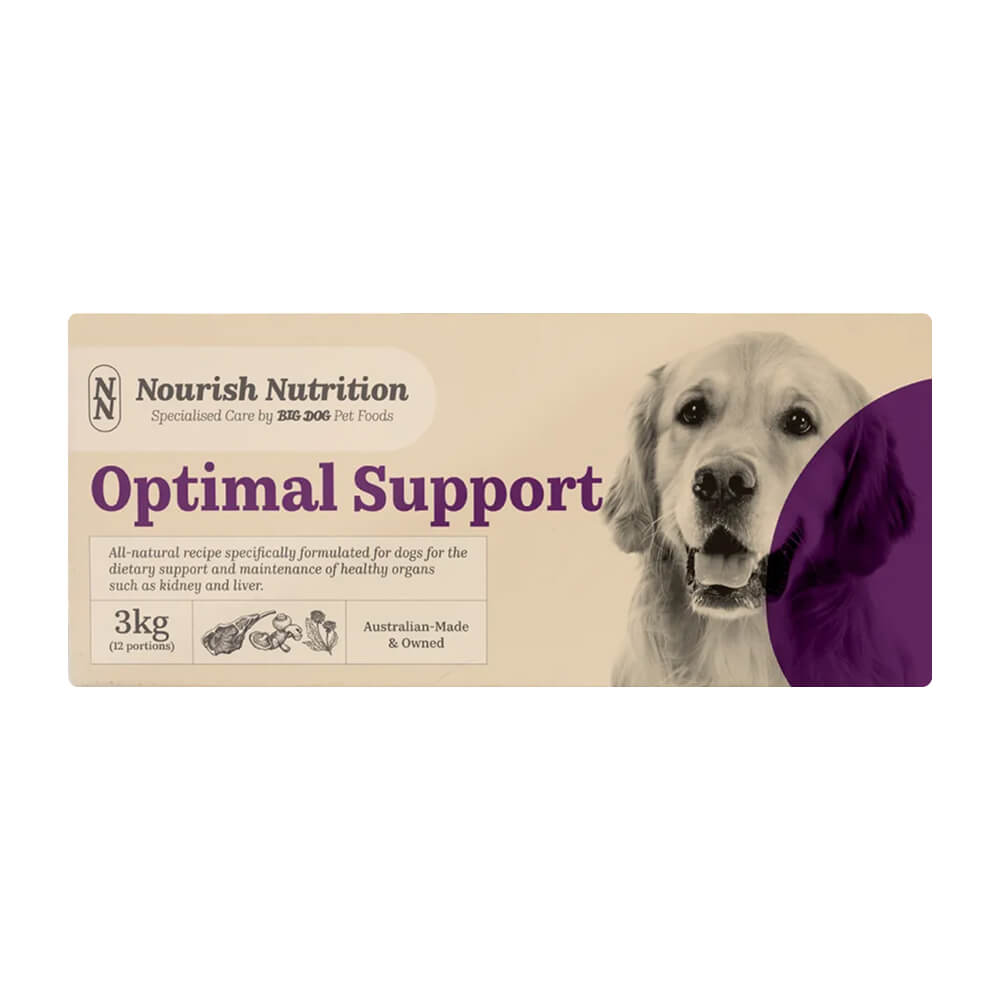
Nourish Nutrition Optimal Support

Overview
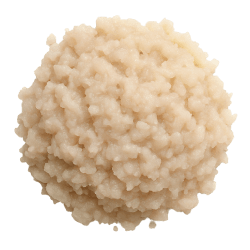
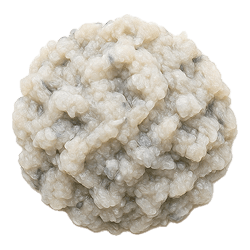
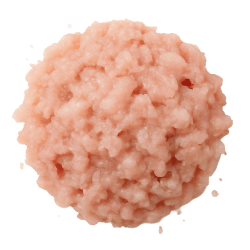
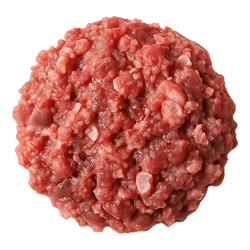
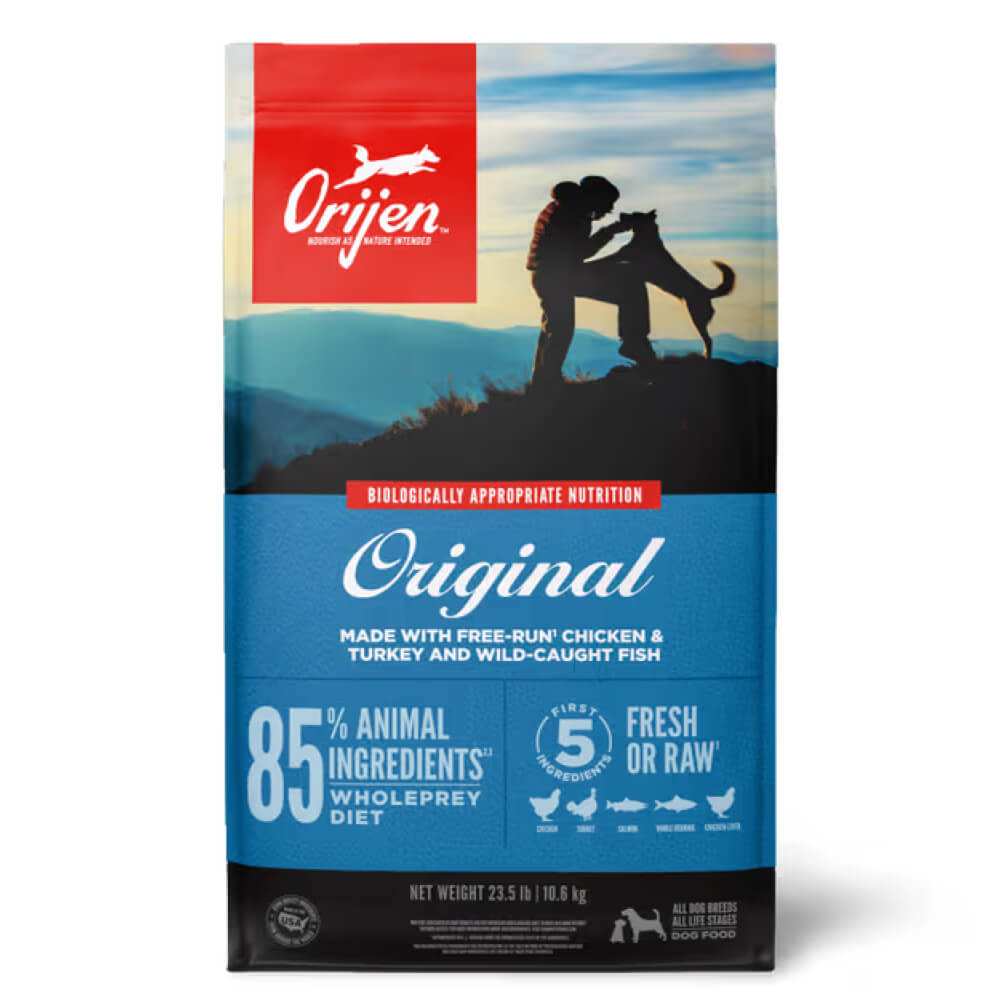
Big Dog Nourish Nutrition Optimal Support is a frozen raw dog food formulated to support kidney and liver health in adult dogs. The low-phosphorus, multi-protein recipe is kept lower in fat to reduce organ workload, with a medicinal mushroom blend and herbal complex providing anti-inflammatory and organ-protective support.
Nutritional Analysis
Ingredients
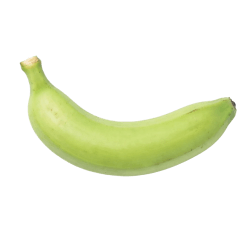
Chicken (Meat, Heart), Lamb (Tripe, Kidney), Ocean Fish (Barramundi, Perch, Snapper), Goat (Meat, Liver, Kidney, Trachea, Heart, Lung), Apple, Green Banana, Green-Lipped Mussels, Orange, Natural Betaine, Alfalfa, Green Beans, Sprouted Wheatgrass, Lettuce, Broccoli Sprouts, Blueberries, Strawberries, Beetroot, Eggs, Bovine Colostrum, Chlorella, Cold Pressed Flaxseed Oil, Turmeric, Spirulina, Psyllium, Kelp, Ginger, Goats Whey, Probiotics, Garlic, Apple Cider Vinegar, Mushrooms (Cordyceps, Chaga, Reishi, Lion's Mane), Herbs (Dandelion, Milk Thistle, Corn Silk, Celery Seed), Organic Fulvic Acid, Cinnamon, Black Pepper.

Gallus Gallus Domesticus Meat, Poultry Meat, Broiler Meat, Fowl Meat
Chicken meat is a high-quality animal-derived ingredient sourced from the muscle tissue of chickens. It serves as a rich source of essential proteins and amino acids, supporting muscle development and overall health in pets. In pet food, chicken meat is used in its natural form, providing highly digestible nutrients and palatability, making it a favoured protein choice in premium formulations.
Chicken meat is included as a high-quality, animal-based protein source to support muscle development and overall health in pets. Its presence also enhances palatability and serves as a label-friendly ingredient appealing to consumers seeking recognisable protein sources.

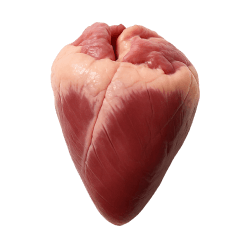
Gallus Gallus Domesticus Heart, Poultry Heart, Chicken Offal Heart, Gallus Heart
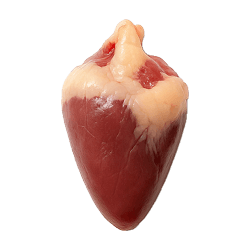
Chicken heart is an animal-derived ingredient sourced from the heart muscle of chickens. It is primarily included in pet food for its rich protein content and as a natural source of essential vitamins and minerals, such as iron and B vitamins. Chicken heart is used in its natural, whole-food form, providing highly bioavailable nutrients to support overall health and vitality in pets.
Chicken heart is included as a nutrient-dense organ meat to provide high-quality protein, essential amino acids, and micronutrients, supporting the nutritional profile of the product. Its inclusion also appeals to consumers seeking species-appropriate, whole-prey ingredients in pet food formulations.

Ovine Stomach, Sheep Stomach, Ovis Aries Stomach, Ovis Aries Tripe
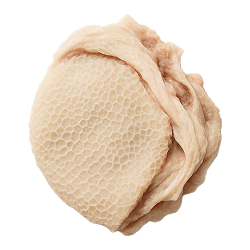
Lamb tripe is the edible stomach lining of sheep, categorised as an animal-derived ingredient. It is a rich source of protein, essential fatty acids, and key micronutrients, supporting muscle maintenance and overall health in pets. Lamb tripe is included in its natural, whole-food form, providing both nutritional value and palatability to premium pet foods.
Lamb tripe is included as a highly palatable protein source that can enhance the flavour and appeal of pet food, encouraging consumption. It also serves as a label-friendly ingredient that appeals to consumers seeking novel or natural animal-based components.

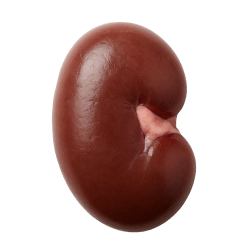
Ovine Kidney, Sheep Kidney, Renis Ovis, Ovis Aries Kidney
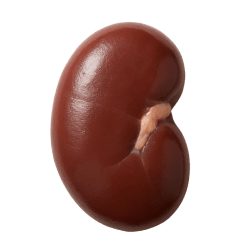
Lamb kidney is an animal-derived organ meat sourced from sheep. It is included in pet food primarily for its rich content of high-quality protein, essential vitamins such as B12, and minerals like iron and zinc, supporting overall health and vitality. Lamb kidney is used in its natural, whole-food form, providing a highly bioavailable source of nutrients for pets.
Lamb kidney is included as a nutrient-dense organ meat to provide a natural source of protein, vitamins, and minerals, supporting a "whole prey" or biologically appropriate marketing position. Its inclusion can enhance the nutritional profile and appeal to consumers seeking premium, species-appropriate diets for their pets.

Asian Sea Bass, Giant Perch, Lates Calcarifer, Palmer Perch
Barramundi is a freshwater and saltwater fish native to Australia and Southeast Asia, classified as an animal-derived ingredient. It is primarily included in pet food for its high-quality protein and beneficial omega-3 fatty acids, supporting muscle maintenance and skin health. Barramundi is used in its natural, whole food form, ensuring optimal nutrient availability and palatability for pets.
Barramundi is included as a premium animal protein source to enhance the nutritional profile and market appeal of the product. Its presence supports high-protein labelling claims and attracts consumers seeking novel or sustainable fish ingredients.

Lutjanus Spp., Red Snapper, Northern Red Snapper, Lutjanidae
Snapper is a marine fish sourced from Australian waters and classified as an animal-derived ingredient. It is primarily included in pet food for its high-quality protein and essential omega-3 fatty acids, which support muscle maintenance and skin health. Snapper is used in its natural, whole food form, providing a palatable and nutrient-rich addition to premium pet diets.
Snapper is included as a high-quality animal protein source to enhance the nutritional profile and market appeal of the product. Its presence supports premium positioning and may attract consumers seeking novel or species-specific proteins for their pets.

Caprine Meat, Chevon, Capra Hircus Meat, Capra Meat
Goat meat is a high-quality animal-derived protein sourced from goats. It is included in pet food primarily for its rich protein content, essential amino acids, and beneficial micronutrients such as iron and zinc. Goat meat is used in its natural, whole food form, providing a highly digestible and palatable protein source that supports muscle maintenance and overall health in pets.
Goat meat is included as a novel animal protein source to appeal to consumers seeking alternative or hypoallergenic options for pets with sensitivities. It also serves as a premium ingredient to enhance product positioning and justify a higher price point.

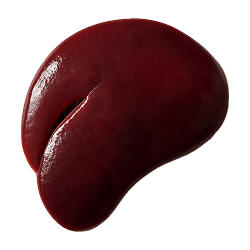
Capra Hircus Liver, Caprine Liver, Capra Liver, Caprine Hepatic Tissue
Goat liver is an animal-derived organ meat sourced from goats. It is included in pet food primarily for its rich content of high-quality protein, essential amino acids, and vital micronutrients such as vitamin A, iron, and B vitamins. Goat liver is used in its natural, whole food form, providing a highly bioavailable source of nutrients to support overall pet health.
Goat liver is included as a nutrient-dense organ meat to provide a natural source of protein, vitamins, and minerals, supporting the nutritional profile of the product. Its inclusion also enhances palatability, making the food more appealing to pets.

Capra Hircus Kidney, Caprine Kidney, Ren Caprinum, Ren Capra Hircus
Goat kidney is an animal-derived organ meat sourced from goats. It is included in pet food primarily for its rich content of high-quality protein, essential vitamins such as B12, and minerals like iron and selenium, supporting overall health and vitality. Goat kidney is used in its natural, whole food form, providing a biologically appropriate source of nutrients for pets.
Goat kidney is included as a novel animal protein source to diversify amino acid profiles and appeal to consumers seeking alternative or limited-ingredient diets. Its use can also enhance product marketing by highlighting unique or premium animal ingredients.

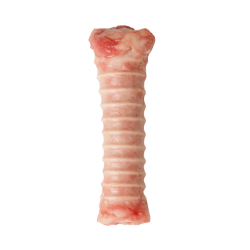
Capra Hircus Trachea, Caprine Trachea, Caprine Windpipe, Capra Hircus Windpipe
Goat trachea is an animal-derived ingredient sourced from the windpipe of goats. It is primarily included in pet food for its natural content of glucosamine and chondroitin, which support joint health and mobility. Goat trachea is used in its natural, whole form, providing both nutritional benefits and a source of natural chewing enrichment for pets.
Goat trachea is included as a novel protein source that provides natural glucosamine and chondroitin, supporting joint health claims for marketing differentiation. Its unique origin also appeals to consumers seeking alternative or hypoallergenic ingredients for their pets.

Capra Hircus Heart, Caprine Heart, Capra Hircus Cardiac Muscle, Caprine Cardiac Muscle
Goat heart is an animal-derived organ meat sourced from goats. It is included in pet food primarily for its rich protein content and as a natural source of essential vitamins and minerals, such as iron, zinc, and B vitamins. Goat heart is used in its natural, whole food form, providing highly bioavailable nutrients to support muscle development and overall health in pets.
Goat heart is included as a nutrient-dense organ meat, providing a natural source of protein, essential amino acids, and micronutrients to support canine health. Its use can also enhance product palatability and appeal to consumers seeking whole-prey or novel protein formulations.

Capra Hircus Lung, Caprine Lung, Pulmo Caprae, Capra Lung
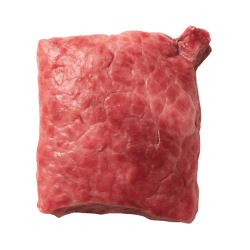
Goat lung is an animal-derived ingredient sourced from the respiratory organ of goats. It is primarily included in pet food for its high protein content and as a source of essential amino acids, supporting muscle maintenance and overall health. Goat lung is used in its natural, whole-food form, providing a novel protein option that may benefit pets with common protein sensitivities.
Goat lung is included as a novel animal protein source to diversify protein options and appeal to consumers seeking alternative or hypoallergenic ingredients. It also serves as a label-friendly ingredient that can enhance product differentiation in the premium pet food market.

Malus Domestica, Pyrus Malus, Malus Pumila, E Malus
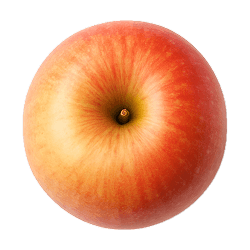
Apple is a fruit derived from the Malus domestica tree, classified as a plant-based ingredient. It is primarily included in pet food for its dietary fibre, natural antioxidants, and vitamins, supporting digestive health and immune function. Apple is used in its natural, whole form, ensuring pets benefit from its inherent nutrients without synthetic alteration or processing into extracts or concentrates.
Apple is included as a label-friendly ingredient to appeal to consumers seeking recognisable, natural components in pet food. It may also provide a modest source of fibre and natural sweetness to enhance palatability.

Perna Canaliculus, New Zealand Green Mussel, Greenshell Mussel, Kuku
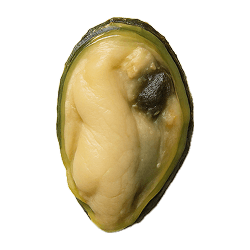
Green lipped mussel is a marine animal ingredient sourced from the coastal waters of New Zealand. It is primarily included in pet food for its rich content of omega-3 fatty acids, glucosamine, and chondroitin, which support joint health and reduce inflammation. Green lipped mussel is used in its natural, whole form, ensuring optimal nutrient availability and bioactivity for pets.
Green lipped mussel is included as a functional ingredient to provide natural sources of omega-3 fatty acids and joint-supporting nutrients, supporting product differentiation and marketing claims related to joint health. Its presence also appeals to consumers seeking premium or holistic pet food formulations.

Citrus Sinensis, Sweet Orange, Navel Orange, Valencia Orange
Orange is a citrus fruit of plant origin, valued for its rich vitamin C content and natural antioxidants. In pet food, orange is primarily included to support immune health and provide dietary fibre. This ingredient is used in its natural form, typically as dried or powdered orange, ensuring pets benefit from its nutrients and bioactive compounds without synthetic alteration.
Orange is included as a natural source of vitamins, particularly vitamin C, and antioxidants, which can be highlighted for marketing purposes to appeal to health-conscious consumers. It may also contribute to palatability and provide a label-friendly ingredient that enhances the perceived nutritional value of the product.

Trimethylglycine, Glycine Betaine, N,N,N-Trimethylglycine, E1001
Betaine is a naturally occurring compound derived from plants, most commonly sugar beet. It serves primarily as a methyl donor, supporting cellular function and aiding in liver health. In pet food, betaine is utilised in its purified, extracted form rather than as a whole food, ensuring optimal bioavailability and safety for companion animals. Its inclusion helps maintain hydration and supports metabolic processes.
Betaine is included as a functional ingredient to support cellular hydration and methylation processes, which can contribute to overall pet health. It may also be used to enhance feed efficiency and improve product stability during processing.

Lucerne, Medicago Sativa, Lucerne Grass, Purple Medick
Alfalfa is a nutrient-rich plant ingredient derived from the Medicago sativa species, commonly used in premium pet foods. It serves as a natural source of dietary fibre, vitamins, and minerals, supporting digestive health and overall wellbeing. Alfalfa is included in its natural, dried form, ensuring pets benefit from its full spectrum of nutrients without synthetic alteration.
Alfalfa is included as a cost-effective source of plant protein, fibre, and micronutrients, contributing to the nutritional profile of the product. It also serves as a label-friendly ingredient that appeals to consumers seeking natural or wholesome additions in pet food.

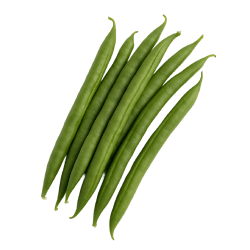
Phaseolus Vulgaris, String Beans, Snap Beans, Haricot Vert
Green beans are the immature pods of the common bean plant (Phaseolus vulgaris), originating from a plant source. They are included in pet food primarily for their dietary fibre content, which supports digestive health, and as a source of vitamins and minerals. Green beans are used in their natural, whole form, providing a minimally processed, nutrient-rich ingredient for balanced pet nutrition.
Green beans are included as a label-friendly vegetable ingredient to appeal to pet owners seeking recognisable, whole-food components. They also provide a cost-effective source of fibre and bulk, supporting digestive health and satiety in pet food formulations.

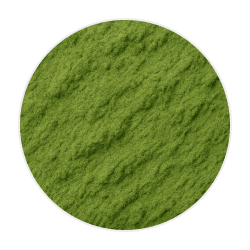
Triticum Aestivum, Wheat Grass Juice, Young Wheat Plant, Green Wheat Shoots
Wheatgrass is the young, green shoots of the common wheat plant (Triticum aestivum), classified as a plant-based ingredient. It is primarily included in pet food for its rich supply of vitamins, minerals, and antioxidants, supporting overall health and immune function. Wheatgrass is used in its natural form, typically dried and powdered, to optimise nutrient retention and digestibility for pets.
Wheatgrass is included as a label-friendly ingredient to appeal to health-conscious consumers, enhancing the perceived nutritional value of the product. It may also provide trace vitamins and antioxidants, though its functional impact on pet nutrition is minimal at typical inclusion rates.

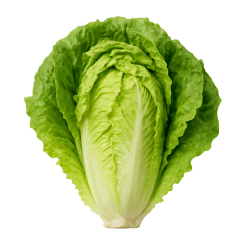
Lactuca Sativa, Garden Lettuce, Head Lettuce, Cos Lettuce
Lettuce is a leafy green vegetable of plant origin, commonly included in pet foods for its fibre content and low-calorie profile. It primarily supports digestive health and hydration due to its high water content. In pet food formulations, lettuce is used in its natural, whole form, providing a source of vitamins and minerals while contributing to overall dietary variety.
Lettuce is included as a label-friendly ingredient to appeal to consumers seeking recognisable vegetables in pet food formulations. It provides minimal nutritional value to dogs but can serve as a low-cost bulk-adding agent.

Vaccinium Corymbosum, Vaccinium Angustifolium, Bilberry, E163
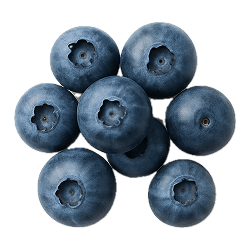
Blueberry is a small, nutrient-rich fruit of plant origin, commonly sourced from the Vaccinium genus. It is included in pet food primarily for its antioxidant properties, supporting immune health and cellular protection. Blueberry is used in its natural, whole form, ensuring pets benefit from its full spectrum of vitamins, fibre, and phytonutrients as found in fresh fruit.
Blueberry is included as a label-friendly ingredient to appeal to health-conscious consumers, leveraging its reputation as a source of antioxidants. Its presence supports marketing claims of added nutritional benefits, though it is typically used in small quantities with minimal impact on the overall nutritional profile for pets.

Fragaria × Ananassa, Garden Strawberry, Fragaria Ananassa, Fragaria Spp.
Strawberry is a plant-derived fruit known for its vibrant red colour and natural sweetness. In pet food, strawberry is primarily included as a source of dietary fibre, antioxidants, and vitamin C, supporting immune health and overall wellbeing. Strawberry is used in its natural, whole form, ensuring pets benefit from its full nutritional profile without synthetic alteration.
Strawberry is included as a label-friendly ingredient to appeal to consumers seeking natural and recognisable components in pet food. It may also provide a minor source of antioxidants and vitamins, supporting marketing claims of added nutritional benefits.

Beta Vulgaris, Table Beet, Garden Beet, Red Beet
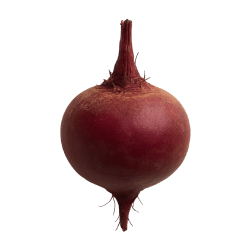
Beetroot is a root vegetable derived from the plant Beta vulgaris, commonly cultivated for its deep red, nutrient-rich taproot. It is included in pet food primarily for its dietary fibre content and natural antioxidants, supporting digestive health and immune function. Beetroot is used in its natural, whole form, ensuring pets benefit from its full spectrum of phytonutrients and micronutrients.
Beetroot is included as a natural colourant to enhance the visual appeal of the product for pet owners and as a label-friendly ingredient that supports marketing claims of natural or wholesome content. It may also provide a cost-effective source of fibre and micronutrients.

Hen Egg, Chicken Egg, Gallus Gallus Domesticus Egg, Avian Egg
Egg is an animal-derived ingredient sourced from poultry, commonly used in pet food for its high-quality protein and essential amino acids. It provides vital nutrients that support muscle development and overall health. In pet food, egg is typically included in its natural, whole form—either as dried or fresh egg—ensuring optimal digestibility and nutrient availability for pets.
Egg is included as a high-quality, bioavailable protein source to support muscle development and overall nutrition. It also enhances the product’s nutritional profile, appealing to consumers seeking premium or natural pet food options.

Cow Colostrum, Bovine Pre-Milk, Bos Taurus Colostrum, Bos Taurus Pre-Milk
Bovine colostrum is the nutrient-rich first milk produced by cows after giving birth. Sourced from animals, it is valued for its high concentrations of immunoglobulins, growth factors, and bioactive proteins, which support immune health and development in pets. Bovine colostrum is incorporated in its natural, whole-food form, ensuring optimal bioavailability and functional benefits for companion animals.
Bovine colostrum is included as a functional ingredient to support immune health and digestive function, leveraging its bioactive compounds. Its presence also serves as a premium, label-friendly addition that appeals to health-conscious consumers seeking advanced nutrition for their pets.

Chlorella Vulgaris, Chlorella Pyrenoidosa, Chlorella Spp., E140
Chlorella is a type of freshwater green algae of plant origin, valued for its rich nutrient profile, including protein, vitamins, and chlorophyll. It is primarily included in pet food for its antioxidant properties and to support immune health. Chlorella is used in its natural, whole-cell form, ensuring pets benefit from its complete nutritional spectrum as found in nature.
Chlorella is included as a nutrient-dense algae to enhance the micronutrient profile and provide a natural source of vitamins, minerals, and antioxidants. Its presence also serves a marketing function, appealing to consumers seeking superfood ingredients in pet food formulations.

Flaxseed Oil, Oleum Lini, E401, Linum Usitatissimum Oil
Linseed oil, derived from the seeds of the flax plant (Linum usitatissimum), is a plant-based ingredient valued for its high content of omega-3 fatty acids, particularly alpha-linolenic acid (ALA), which supports skin and coat health in pets. In pet food, linseed oil is utilised in its natural, cold-pressed form to optimise nutrient retention and bioavailability.
Linseed oil is included as a source of omega-3 fatty acids to support skin and coat health, providing a plant-based alternative to fish oils. Its presence also allows manufacturers to market the product as containing beneficial oils for overall wellbeing.

Curcuma Longa, Indian Saffron, Jiang Huang, E100
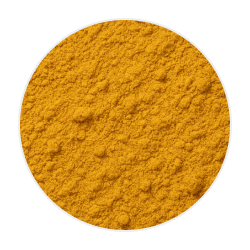
Turmeric is a vibrant yellow spice derived from the root of the Curcuma longa plant, making it a plant-based ingredient. It is primarily included in pet food for its natural antioxidant and anti-inflammatory properties, supporting overall health and wellbeing. Turmeric is used in its natural powdered form, ensuring pets benefit from its active compound, curcumin, in a safe and bioavailable manner.
Turmeric is included as a label-friendly ingredient to appeal to health-conscious consumers due to its association with natural antioxidants and anti-inflammatory properties. Its presence may also support marketing claims related to holistic or functional pet foods, despite being used in small quantities with minimal direct nutritional impact for pets.

Arthrospira Platensis, Arthrospira Maxima, Blue-Green Algae, E161b
Spirulina is a blue-green algae derived from freshwater sources and is classified as a plant-based ingredient. It is primarily included in pet food for its rich protein content and as a source of essential vitamins, minerals, and antioxidants, supporting immune health and vitality. Spirulina is used in its natural, dried whole-food form, ensuring optimal nutrient availability and digestibility for pets.
Spirulina is included as a label-friendly ingredient to appeal to health-conscious consumers, leveraging its reputation as a nutrient-rich superfood. It may also provide trace micronutrients and natural colour, supporting marketing claims of added nutritional value.

Ispaghula, Ispaghula Husk, Plantago Ovata, Blond Psyllium
Psyllium is a plant-derived ingredient sourced from the husks of Plantago ovata seeds. It is primarily included in pet food for its high soluble fibre content, which supports digestive health and helps regulate bowel movements. Psyllium is used in its natural husk form, allowing pets to benefit from its gentle bulking and water-absorbing properties to optimise gastrointestinal function.
Psyllium is included as a functional fibre source to support digestive health and promote regular bowel movements in pets. It also serves as a bulk-adding agent, helping to optimise stool quality and moisture content.

Laminaria Spp., Macrocystis Pyrifera, Ascophyllum Nodosum, Brown Seaweed
Kelp is a type of large, edible seaweed sourced from marine environments and classified as a plant-based ingredient. It is primarily included in pet food for its rich supply of natural iodine, which supports healthy thyroid function. Kelp is used in its dried, ground natural form, allowing pets to benefit from its trace minerals, vitamins, and antioxidants in a bioavailable manner.
Kelp is included as a label-friendly ingredient to appeal to health-conscious consumers and enhance product marketing, as it is associated with natural sources of vitamins and minerals. It may also serve as a trace mineral supplement to support nutritional completeness in pet food formulations.

Zingiber Officinale, Zingiberis Rhizoma, Sheng Jiang, Gan Jiang
Ginger is a plant-derived ingredient sourced from the rhizome of Zingiber officinale. It is primarily included in pet food for its natural antioxidant and anti-inflammatory properties, supporting digestive health and overall wellbeing. Ginger is used in its natural, dried, or powdered form, ensuring pets benefit from its bioactive compounds without the need for chemical modification or synthetic processing.
Ginger is included as a label-friendly ingredient to appeal to health-conscious consumers and enhance the perceived nutritional value of the product. It may also be used for its natural flavouring properties to improve palatability.

Caprae Whey, Capra Whey, Capra Aegagrus Hircus Whey, Caprae Lac Whey
Goat whey is a liquid by-product derived from the cheese-making process using goat’s milk, making it an animal-origin ingredient. It is primarily included in pet food for its high-quality protein content and bioavailable nutrients, supporting muscle maintenance and overall health. Goat whey is used in its natural, liquid or dried form, ensuring optimal digestibility and nutrient retention for pets.
Goat whey is included as a highly digestible protein source that can enhance the amino acid profile of the product. It may also serve as a label-friendly ingredient appealing to consumers seeking novel or alternative animal proteins.

Live Microorganisms, Beneficial Bacteria, Lactic Acid Bacteria, Bifidobacterium Spp.
Probiotics are live microorganisms, typically derived from beneficial bacterial strains, that are added to pet food to support digestive health and maintain a balanced gut microbiome. Their primary function is to promote healthy digestion and enhance immune function. Probiotics are not used in their natural, raw state but are carefully cultured and stabilised to ensure viability and efficacy when incorporated into pet food formulations.
Probiotics are included to support digestive health and promote a balanced gut microbiome in pets, which can be a key marketing point for health-conscious consumers. Their addition also allows manufacturers to differentiate products in a competitive market by highlighting functional health benefits.

Allium Sativum, Allium Sativum Bulb, Eaten Garlic, Ajo
Garlic is a plant-derived ingredient sourced from the bulb of Allium sativum. It is included in pet food primarily for its natural antioxidant properties and potential to support immune health. In pet food formulations, garlic is used in its natural, dried, or powdered form rather than as a raw bulb, ensuring safe inclusion levels and optimal nutrient availability.
Garlic is included in pet food formulations primarily as a label-friendly ingredient, appealing to consumers due to its perceived health benefits and natural origin. Its functional contribution to the animal is minimal at the low inclusion rates used, serving more as a marketing tool than a nutritional or palatability enhancer.

Cider Vinegar, Malus Domestica Vinegar, Acetic Acid Solution (Malus Domestica), Fermented Apple Vinegar
Apple cider vinegar is a liquid derived from the fermentation of apple juice, making it a plant-based ingredient. It is primarily included in pet food for its potential to support digestive health and act as a natural preservative. Apple cider vinegar is used in its natural liquid form, not as a concentrated extract or synthetic compound, ensuring safety and palatability for pets.
Apple cider vinegar is included as a label-friendly ingredient to appeal to health-conscious consumers and enhance product marketability. It may also serve a minor functional role in supporting palatability and mild preservation.

Ophiocordyceps Sinensis, Caterpillar Fungus, Dong Chong Xia Cao, Tochukaso
Cordyceps is a type of functional mushroom originating from fungi, traditionally found in high-altitude regions. It is included in pet food for its potential to support immune function and overall vitality. Cordyceps is used in its natural, dried, and powdered form, rather than as a raw fungus, to optimise safety, digestibility, and nutrient availability for pets.
Cordyceps is included as a functional ingredient to position the product as premium and to appeal to health-conscious consumers, leveraging its reputation for potential immune and vitality benefits. Its presence serves primarily as a marketing differentiator, as the actual impact on pet health at typical inclusion rates is not well established.

Ganoderma Lucidum, Lingzhi, Mannentake, Yeongji
Reishi mushroom is a type of medicinal fungus originating from the Ganoderma lucidum species, valued for its bioactive compounds. Sourced from plant origins, it is primarily included in pet food for its potential immune-modulating and antioxidant properties. Reishi mushroom is used in its natural, dried, and powdered form, ensuring the preservation of its beneficial constituents for optimal pet health support.
Reishi mushroom is included as a functional ingredient to support marketing claims related to immune health and overall wellness, appealing to health-conscious pet owners. Its addition allows manufacturers to differentiate their product and enhance label appeal, despite limited direct nutritional benefit for dogs.

Hericium Erinaceus, Yamabushitake, Monkey Head Mushroom, Houtou
Lion’s Mane Mushroom is a functional fungus sourced from the Hericium erinaceus species, valued for its unique bioactive compounds. Originating from the plant kingdom, it is included in pet food for its potential cognitive and immune-supporting properties. Lion’s Mane Mushroom is used in its natural, whole form, ensuring pets benefit from its full spectrum of naturally occurring nutrients and antioxidants.
Lion’s Mane Mushroom is included as a label-friendly ingredient to appeal to health-conscious consumers seeking functional or superfood additives in pet food. It may also be used for its perceived health benefits, supporting marketing claims without significantly impacting formulation cost or palatability.

Taraxacum Officinale, Taraxaci Herba, Taraxaci Radix, Lion's Tooth
Dandelion is a plant-derived ingredient sourced from the leaves and roots of the Taraxacum officinale plant. It is primarily included in pet food for its natural prebiotic fibre content, which supports digestive health and beneficial gut bacteria. Dandelion is used in its natural, whole form, ensuring pets receive its full spectrum of nutrients and bioactive compounds.
Dandelion is included as a label-friendly ingredient to appeal to health-conscious consumers, as it is associated with natural and holistic pet nutrition. It may also serve as a source of fibre and micronutrients, though its functional impact on the pet food is typically minimal.

Silybum Marianum, Silymarin, Marian Thistle, Holy Thistle
Milk thistle is a flowering plant native to the Mediterranean, valued for its seeds which contain the active compound silymarin. Primarily included in pet food for its antioxidant and liver-supporting properties, milk thistle helps protect liver cells from toxins. In pet nutrition, it is used in its natural, whole seed extract form to optimise bioavailability and efficacy.
Milk thistle is included as a label-friendly ingredient to appeal to health-conscious consumers, as it is associated with liver support and antioxidant properties. Its presence may enhance product marketability, though its functional impact at typical inclusion rates in pet food is likely minimal.

Apium Graveolens Seed, Apium Graveolens Spp. Seed, Celery Fruit, Apium Seed
Celery seed is a plant-derived ingredient sourced from the seeds of the celery plant (Apium graveolens). It is primarily included in pet food for its natural antioxidant properties and potential to support urinary tract health. Celery seed is used in its natural, whole form, ensuring the retention of its beneficial phytonutrients and essential oils for optimal nutritional value.
Celery seed is included as a label-friendly ingredient to appeal to health-conscious consumers, as it is associated with natural and holistic formulations. It may also serve as a minor flavouring agent, enhancing palatability without significantly impacting the nutritional profile.

Humic Acid Fraction, Fulvate, Fulvates, Humic Substances
Fulvic acid is an organic compound derived from the decomposition of plant material, categorised as a naturally occurring substance. It is primarily included in pet food for its potential to enhance nutrient absorption and support gut health. Fulvic acid is not used in its raw, unrefined state; instead, it is utilised as a purified extract to ensure safety and bioavailability in animal diets.
Fulvic acid is included as a functional additive to support nutrient absorption and gut health, aligning with consumer demand for holistic and wellness-focused pet foods. Its presence also serves as a marketing differentiator, appealing to pet owners seeking advanced or natural supplementation.

Cinnamomum Verum, True Cinnamon, Ceylon Cinnamon, Cinnamomum Zeylanicum
Cinnamon is a spice derived from the inner bark of Cinnamomum trees, making it a plant-based ingredient. It is primarily included in pet food for its natural antioxidant properties, which help support overall health and wellbeing. Cinnamon is used in its natural, ground form rather than as an extract or synthetic compound, ensuring pets benefit from its inherent phytonutrients and aromatic qualities.
Cinnamon is included as a label-friendly ingredient to appeal to pet owners seeking natural or holistic additives. It may also be used for its potential antioxidant properties, though its functional impact on pet health is minimal at typical inclusion rates.

Piper Nigrum, Peppercorn, Piper Nigrum Fruit, Piper Nigrum Extract
Black pepper is a spice derived from the dried fruit of the Piper nigrum plant. Sourced from a botanical origin, it is primarily included in pet food to enhance flavour and may support nutrient absorption. Black pepper is used in its natural, ground form rather than as an extract or isolated compound, ensuring its functional properties are retained in the finished product.
Black pepper is included primarily as a label-friendly ingredient to appeal to consumers seeking natural or recognisable components. It may also serve a minor functional role in enhancing palatability or supporting the perceived health benefits of the product.

About

.png)


Comments
0 comments
Login or Register to Join the Conversation