




.png)


Oven Baked Biscuits with Apple
Overview
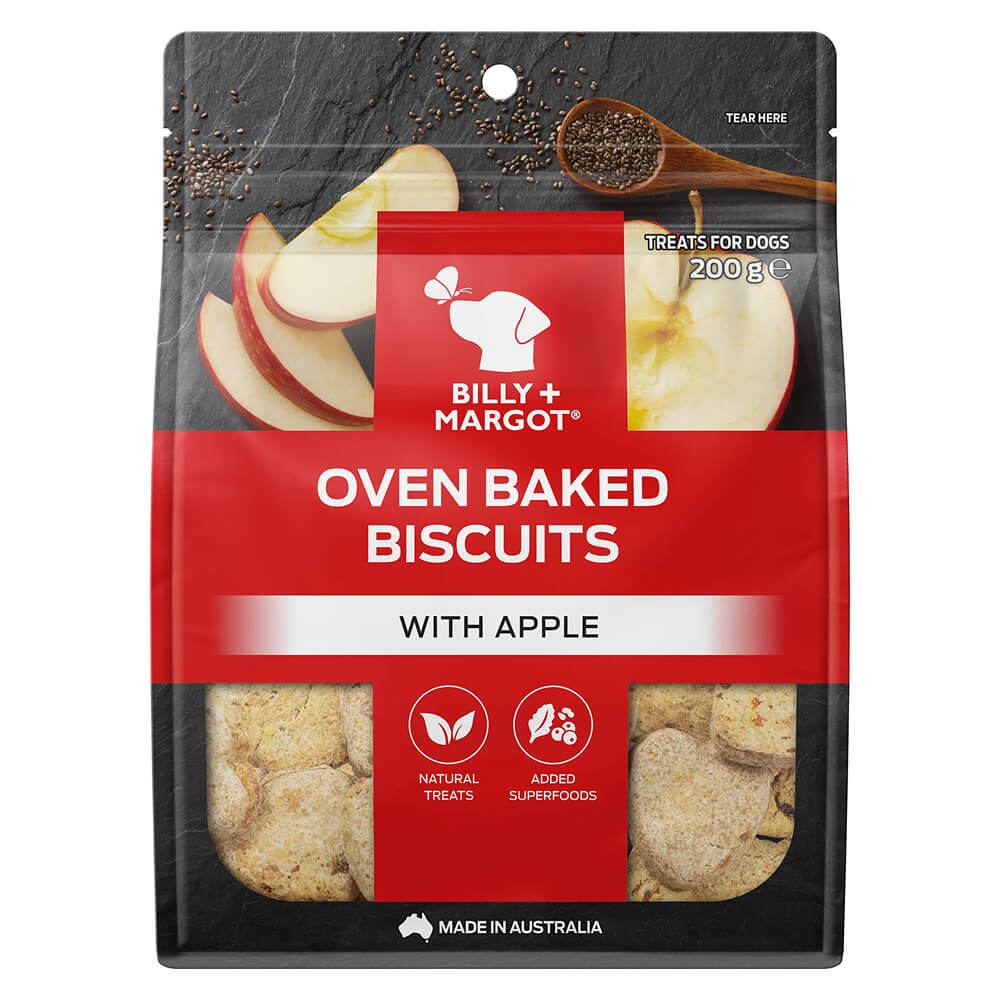
Billy + Margot Oven Baked Biscuits with Apple are oven-baked dog treats made with beef meal and wheat as the primary base, with apple included alongside other plant ingredients marketed as superfood inclusions. They are intended as a training reward or occasional treat rather than a complete meal, and should be fed in moderation as part of a balanced diet. Not suited to dogs with wheat or beef sensitivities.
Nutritional Analysis
Ingredients
Wheat, Beef Meal, Beef Fat, Dehydrated Apple, Cellulose Fibre, Vegetable Starch, Carrot, Chia Seeds, Natural Preservative, Salt, Emulsifier, Natural Antioxidant, Kale.

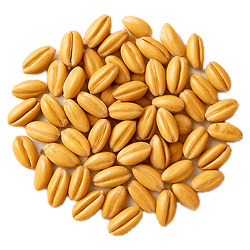
Triticum Spp., Common Wheat, Bread Wheat, Triticum Aestivum
Wheat is a cereal grain derived from the seeds of the Triticum plant, making it a plant-based ingredient. It is primarily included in pet food as a source of carbohydrates for energy, as well as dietary fibre and some essential nutrients. Wheat is used in its natural, milled form, such as whole wheat or wheat flour, to optimise digestibility and nutritional value.
Wheat is included as a cost-effective carbohydrate source that provides energy and helps bind kibble together for structural integrity. It also serves as a bulk-adding agent, optimising production costs while maintaining product texture.

Rendered Beef, Dried Rendered Bovine Protein, Rendered Bovine Meal, Bovine Meal
Beef meal is a concentrated protein ingredient derived from rendered beef, an animal source. It is produced by cooking and drying beef tissues to remove most of the moisture and fat, resulting in a nutrient-dense powder. Beef meal is primarily included in pet food to provide high-quality protein and essential amino acids. It is not used in its natural form but as a processed, rendered meal for digestibility and nutrient consistency.
Beef meal is included as a concentrated protein source that provides essential amino acids while allowing for efficient nutrient delivery in a cost-effective manner. Its dehydrated form also optimises product stability and shelf life compared to fresh meat.
Rendered Beef Fat, Tallow, Bovine Fat, Bos Taurus Fat
Beef fat is an animal-derived ingredient obtained from the adipose tissue of cattle. It serves primarily as a concentrated source of energy and essential fatty acids, supporting skin and coat health in pets. In pet food, beef fat is typically rendered and purified rather than used in its raw form, ensuring safety, palatability, and optimal nutrient absorption for companion animals.
Beef fat is included as a cost-effective source of animal-derived energy and to enhance palatability, making the product more appealing to pets. It also contributes to the overall fat content required for nutritional balance in pet food formulations.
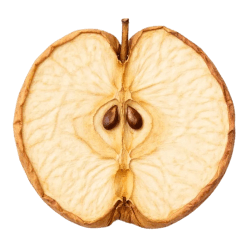
Dried Apple, Malus Domestica, Apple Powder, Apple Flakes
Dehydrated apple is a plant-derived ingredient made by removing moisture from fresh apples, preserving their natural nutrients and fibre. It is primarily included in pet food for its dietary fibre content, which supports digestive health, and for its natural antioxidants. Dehydrated apple is used in its whole food, natural form, ensuring pets benefit from its original nutritional profile.
Dehydrated apple is included as a label-friendly ingredient to appeal to consumers seeking recognisable, natural components in pet food. It also provides a cost-effective source of fibre and natural sweetness, supporting digestive health and palatability.

Microcrystalline Cellulose, E460, Powdered Cellulose, Alpha-Cellulose
Cellulose fibre is a plant-derived ingredient sourced primarily from wood pulp or plant cell walls. It serves as an insoluble dietary fibre, supporting digestive health and promoting optimal stool quality in pets. Rather than being used in its raw plant form, cellulose fibre is processed and purified to ensure consistency, safety, and effective functionality in premium pet food formulations.
Cellulose fibre is included as a cost-effective bulking agent to increase dietary fibre content and promote digestive health. It also helps manage calorie density in pet food formulations.
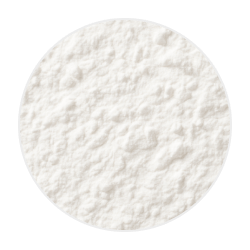
Modified Starch, Starch, E1401, Amylum
Vegetable starch is a carbohydrate derived from plant sources such as potatoes, peas, or corn. It serves primarily as a source of energy and acts as a binder or thickener in pet food formulations. Vegetable starch is not used in its raw plant form; instead, it is processed and refined to optimise digestibility and functional performance in the final product.
Vegetable starch is included as a cost-effective carbohydrate source that provides energy and helps bind kibble, optimising texture and processing efficiency. Its neutral flavour and label-friendly nature also support appealing product labelling for consumers.
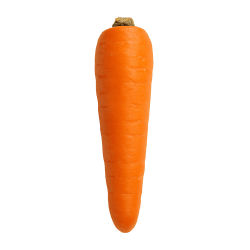
Daucus Carota, Daucus Carota Root, Daucus Carota Sativa, Wild Carrot
Carrot is a root vegetable of plant origin, widely recognised for its vibrant orange colour and natural sweetness. In pet food, carrot is included in its natural, whole form to provide dietary fibre, beta-carotene (a precursor to vitamin A), and antioxidants. Its primary benefit is supporting digestive health and immune function, while also contributing to overall palatability and nutritional diversity.
Carrot is included as a label-friendly ingredient to appeal to consumers seeking recognisable, natural components and to enhance the product’s perceived nutritional value. It may also provide a modest source of fibre and vitamins, supporting marketing claims of added health benefits.
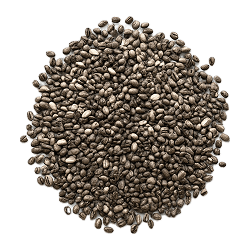
Salvia Hispanica, Salvia Hispanica Seed, Salba, Salvia Hispanica L.
Chia seed is a plant-derived ingredient sourced from the Salvia hispanica plant, native to Central and South America. It is primarily included in pet food for its rich content of omega-3 fatty acids, dietary fibre, and antioxidants, supporting skin, coat, and digestive health. Chia seed is used in its natural, whole form, ensuring optimal nutrient retention and bioavailability for pets.
Chia seed is included as a label-friendly ingredient to appeal to health-conscious consumers, as it is associated with omega-3 fatty acids and fibre. It may also provide a minor functional benefit as a source of plant-based nutrients and aid in product marketing.

Bio-Preservative, Biopreservative, E234, Nisin
Natural preservatives are substances derived from plant or mineral origins, incorporated into pet food to inhibit spoilage and extend shelf life. Their primary function is to prevent the growth of harmful microbes and oxidation of fats, thereby maintaining product safety and quality. Natural preservatives are typically used in their extracted or concentrated forms, rather than as whole foods, to optimise efficacy and ensure consistent preservation.
Natural preservatives are included to extend product shelf life and maintain freshness without relying on synthetic additives. Their use supports consumer demand for more label-friendly, naturally derived ingredients.
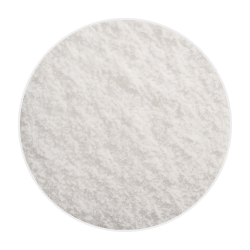
Sodium Chloride, NaCl, Table Salt, E535
Salt is a mineral ingredient derived from the combination of sodium and chloride, typically sourced from natural deposits or seawater. It is primarily included in pet food to support electrolyte balance, nerve function, and hydration. Salt is not used in its raw mineral form but is utilised as sodium chloride, a purified compound, to ensure safety, palatability, and optimal absorption in pets.
Salt is included as a palatability enhancer to improve taste and encourage consumption, and also functions as a preservative to help extend product shelf life. Its use allows manufacturers to optimise flavour while maintaining product stability.
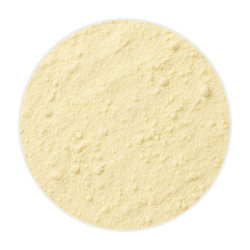
Surface-Active Agent, E Number 471, Food Additive E471, Surfactant
Emulsifier refers to a functional ingredient, typically derived from either plant or animal sources, that enables the stable blending of oil and water in pet food formulations. Its primary purpose is to improve texture and consistency, ensuring uniform distribution of nutrients. Emulsifiers are not used in their natural raw state; instead, they are incorporated as specific compounds, such as lecithin or mono- and diglycerides, for safety and efficacy.
Emulsifiers are included to stabilise mixtures of ingredients that would otherwise separate, ensuring consistent texture and appearance throughout the product. This functional additive helps optimise product quality and shelf stability.
Tocopherol, Mixed Tocopherols, E306, Rosemary Extract
Natural antioxidant refers to a substance, typically derived from plant sources, that helps protect pet food from oxidative damage and spoilage. Its primary function is to preserve freshness and extend shelf life by inhibiting the oxidation of fats and oils. In pet food, natural antioxidants are used in their natural form, ensuring safety and effective absorption without the need for chemical modification.
Natural antioxidants are included to help preserve the freshness and stability of pet food by slowing the oxidation of fats and oils, thereby extending shelf life. They also serve as a label-friendly alternative to synthetic preservatives, appealing to consumers seeking more natural ingredients.
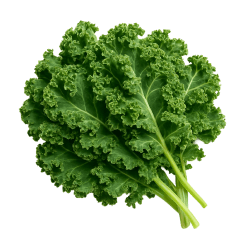
Brassica Oleracea, Borecole, Leaf Cabbage, Eru
Kale is a leafy green vegetable of plant origin, belonging to the Brassica family. It is included in pet food primarily for its rich content of vitamins, minerals, and antioxidants, supporting overall health and immune function. In pet food formulations, kale is used in its natural form, providing a source of dietary fibre and phytonutrients to optimise nutritional value.
Kale is included as a label-friendly ingredient to appeal to health-conscious consumers and enhance the perceived nutritional value of the product. It may also provide a source of vitamins and fibre, though its functional impact on pet nutrition is typically minimal at the inclusion levels used.
About



PRODUCT TAGS

Most Tracked This Week










About the Brand


Comments
0 comments
Login to Join the Conversation 💬