Single Protein Venison All Lifestages Wet Dog Food

Overview
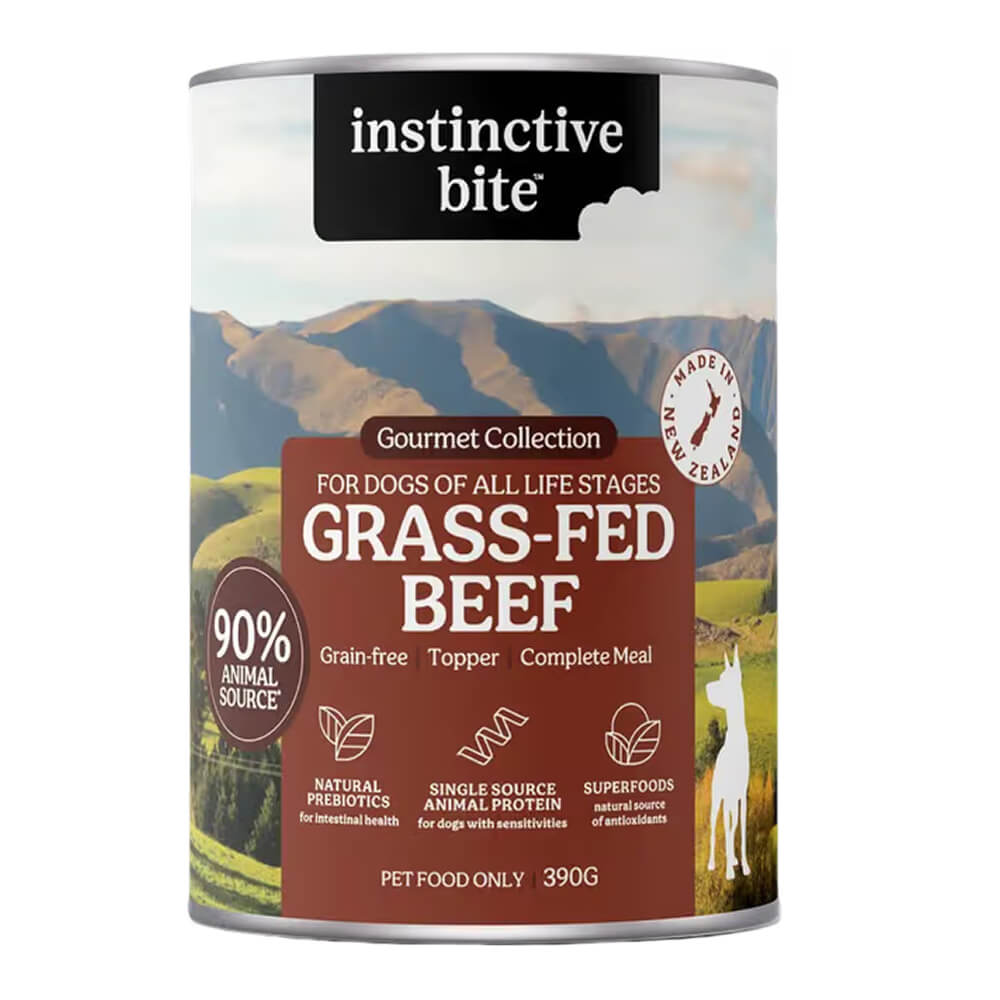
Instinctive Bite Single Protein Venison All Lifestages Wet Dog Food Cans is a New Zealand-made wet loaf using 90% grass-fed venison — a novel protein for dogs with sensitivities to common meats. Grain-free and free from gums, carrageenan, potato, GMOs and artificial additives, it meets AAFCO standards for all life stages.
High moisture content supports hydration and kidney function. Psyllium husk and kelp provide prebiotic and digestive support. Single-protein formulation — appropriate for elimination diets. Best suited to dogs of any breed or life stage with sensitivities to common proteins requiring a novel, high-meat wet meal.
Nutritional Analysis
Ingredients
Venison (Meat, Lung, Kidney, Liver, Tripe, Heart), Chickpea, Yeast, Minerals and Vitamins, Sunflower Oil, Seaweed, Psyllium Husk, Kelp, Choline Chloride, Yucca Schidigera.

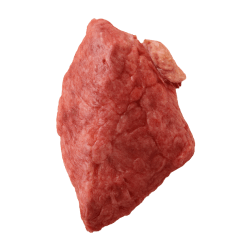
Cervus Lung, Deer Lung, Cervidae Lung, Cervus Spp. Lung
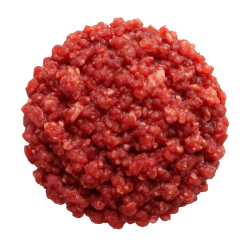
Venison lung is an animal-derived ingredient sourced from the respiratory organ of deer. It is primarily included in pet food for its high protein content and as a source of essential amino acids, supporting muscle maintenance and overall health. Venison lung is used in its natural, whole-food form, providing a novel protein option that may benefit pets with common protein sensitivities.
Venison lung is included as a novel protein source to appeal to consumers seeking limited-ingredient or hypoallergenic pet foods. It also serves as a label-friendly ingredient that enhances product differentiation and marketing appeal.

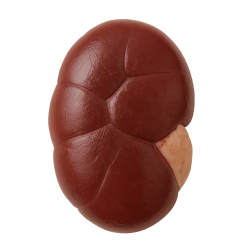
Deer Kidney, Cervus Spp. Kidney, Game Kidney, Wild Deer Kidney
Venison kidney is an animal-derived organ sourced from deer, valued for its rich nutrient profile. It serves as a concentrated source of high-quality protein, essential vitamins such as B12, and minerals like iron and selenium. In pet food, venison kidney is used in its natural, whole-food form, providing both nutritional diversity and palatability to support overall health and wellbeing.
Venison kidney is included as a novel animal protein source to appeal to consumers seeking limited-ingredient or hypoallergenic diets for pets. It also enhances the product’s marketing appeal by signalling premium, exotic ingredients.

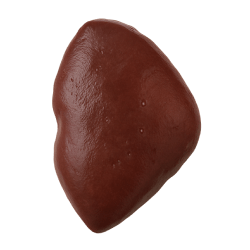
Cervus Elaphus Liver, Deer Liver, Game Liver, Wild Deer Liver
Venison liver is the organ meat sourced from deer, classified as an animal-derived ingredient. It is highly valued for its rich content of essential nutrients, including protein, iron, vitamin A, and B vitamins, supporting overall health and vitality in pets. Venison liver is incorporated in its natural, whole food form, ensuring optimal nutrient availability and palatability in premium pet food formulations.
Venison liver is included as a high-quality, novel protein source to appeal to consumers seeking premium or hypoallergenic pet foods. It also enhances palatability and provides essential vitamins and minerals, supporting both nutritional value and marketing claims.

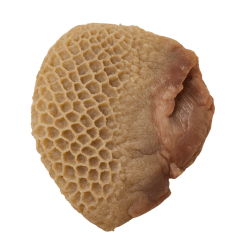
Deer Stomach, Cervus Spp. Tripe, Deer Tripe, Wild Venison Stomach
Venison tripe is the edible stomach lining of deer, categorised as an animal-derived ingredient. It is primarily included in pet food for its high protein content and as a source of essential nutrients such as vitamins, minerals, and digestive enzymes. Venison tripe is used in its natural, whole-food form, providing a novel protein option that may benefit pets with food sensitivities.
Venison tripe is included as a novel protein source to appeal to consumers seeking hypoallergenic or limited-ingredient diets for pets. It also serves as a label-friendly ingredient that enhances product differentiation in a competitive market.

Cervus Elaphus Heart, Deer Heart, Wild Deer Heart, Game Deer Heart
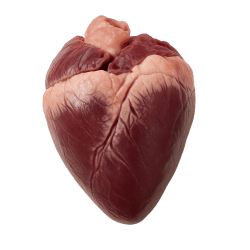
Venison heart is a nutrient-rich organ meat sourced from deer, classified as an animal-derived ingredient. It is valued for its high protein content, essential amino acids, and naturally occurring vitamins and minerals, supporting muscle development and overall vitality in pets. Venison heart is incorporated in its natural, whole food form, ensuring optimal nutrient availability and palatability in premium pet food formulations.
Venison heart is included as a novel animal protein source to appeal to consumers seeking premium or hypoallergenic pet foods. It also enhances the product’s protein content and supports marketing claims of using whole-prey or organ meats.

Garbanzo Beans, Cicer Arietinum, Bengal Gram, Egyptian Pea
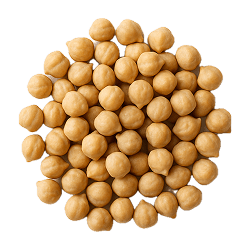
Chickpeas are edible legumes derived from the plant Cicer arietinum, commonly cultivated for their high nutritional value. As a plant-based ingredient, chickpeas are primarily included in pet food for their rich protein, fibre, and complex carbohydrate content, supporting digestive health and sustained energy. Chickpeas are used in their natural, whole form, ensuring optimal nutrient retention and digestibility for pets.
Chickpeas are included as a cost-effective carbohydrate and protein source, providing bulk and nutritional value while supporting grain-free product labelling. Their use can also enhance the fibre content and appeal to consumers seeking plant-based or alternative ingredients.

Saccharomyces Cerevisiae, Baker’s Yeast, Brewer’s Yeast, E620
Yeast is a single-celled fungus of microbial origin commonly derived from Saccharomyces cerevisiae. It is included in pet food primarily as a source of high-quality protein, B vitamins, and functional compounds that support digestive and immune health. Yeast is utilised in its deactivated, dried form rather than as a live organism, ensuring safety and optimal nutrient availability for pets.
Yeast is included as a palatability enhancer and natural flavour source to improve the taste and aroma of pet food, encouraging consumption. It may also serve as a cost-effective source of protein and B vitamins, supporting nutritional labelling claims.

Dietary Minerals, Inorganic Nutrients, Essential Minerals, Bulk Elements
Minerals are essential inorganic nutrients derived from the earth, not produced by animals or plants. They play a critical role in supporting various physiological functions, such as bone development, nerve transmission, and enzyme activity. In pet food, minerals are not used in their natural raw or metallic state; instead, they are incorporated as specific compounds (such as sulphates or chelates) to optimise safety and bioavailability.
Minerals are included to meet essential nutritional requirements for pets, supporting overall health and proper bodily functions. They are often added in precise amounts to ensure the product complies with regulatory standards and nutrient profiles.

Micronutrients, Essential Micronutrients, Vital Nutrients, Accessory Food Factors
Vitamins are organic compounds derived from both plant and animal sources, essential for numerous metabolic and physiological functions in pets. Their primary purpose is to support immune health, vision, bone development, and cellular processes. In pet food, vitamins are not used in their natural, raw forms but are instead incorporated as stabilised compounds or premixes to ensure safety, stability, and optimal bioavailability.
Vitamins are included to ensure nutritional adequacy and meet regulatory requirements for complete and balanced pet food. They may also be added to compensate for nutrient losses during processing and storage.

Helianthus Annuus Seed Oil, Helianthus Annuus Oil, E471, Vegetable Oil (Helianthus Annuus)
Sunflower oil is a plant-derived oil extracted from the seeds of the sunflower (Helianthus annuus). It serves as a valuable source of energy and provides essential fatty acids, particularly linoleic acid, which supports skin and coat health in pets. Sunflower oil is utilised in its refined liquid form, not as whole seeds, to optimise digestibility and nutrient availability in pet food formulations.
Sunflower oil is included as a cost-effective source of unsaturated fats to provide essential fatty acids that support skin and coat health. It also enhances palatability and contributes to the overall energy content of the pet food.

Marine Algae, Macroalgae, Sea Vegetables, Algae Spp.
Seaweed is a marine plant ingredient sourced from various species of edible algae. It is primarily included in pet food for its rich content of natural vitamins, minerals, and dietary fibre, supporting overall health and digestive function. Seaweed is used in its natural, dried form, ensuring pets benefit from its bioavailable nutrients without the need for synthetic processing or chemical alteration.
Seaweed is included as a natural source of vitamins, minerals, and trace elements, supporting marketing claims of nutritional enhancement. It also serves as a label-friendly ingredient that appeals to health-conscious consumers seeking natural additives.

Ispaghula Husk, Plantago Ovata Husk, Blond Psyllium, Plantago Ovata
Psyllium husk is a plant-derived ingredient sourced from the outer coating of Plantago ovata seeds. It is primarily included in pet food as a soluble fibre to support digestive health and promote regular bowel movements. Psyllium husk is used in its natural form, allowing pets to benefit from its gentle bulking and water-absorbing properties, which help optimise gastrointestinal function.
Psyllium husk is included as a functional fibre source to support digestive health and promote regular bowel movements in pets. It also serves as a cost-effective bulking agent to optimise stool quality and product texture.

Laminaria Spp., Macrocystis Pyrifera, Ascophyllum Nodosum, Brown Seaweed
Kelp is a type of large, edible seaweed sourced from marine environments and classified as a plant-based ingredient. It is primarily included in pet food for its rich supply of natural iodine, which supports healthy thyroid function. Kelp is used in its dried, ground natural form, allowing pets to benefit from its trace minerals, vitamins, and antioxidants in a bioavailable manner.
Kelp is included as a label-friendly ingredient to appeal to health-conscious consumers and enhance product marketing, as it is associated with natural sources of vitamins and minerals. It may also serve as a trace mineral supplement to support nutritional completeness in pet food formulations.

Trimethylethanolamine Chloride, Choline Monochloride, E1001, 2-Hydroxy-N,N,N-Trimethylethanaminium Chloride
Choline chloride is a synthetic compound derived from choline, an essential nutrient typically sourced from plant or animal origins. It is primarily included in pet food to support healthy brain function, liver metabolism, and cellular structure. Choline is not used in its natural state; instead, it is utilised as choline chloride to ensure stability, safety, and optimal absorption in pet diets.
Choline chloride is included as an essential nutrient to support normal liver function and brain health in pets. It is a cost-effective way to meet regulatory requirements for choline content in complete and balanced pet foods.

Mojave Yucca, Spanish Dagger, Soapweed, Yucca Extract
Yucca Schidigera is a plant extract derived from the stem of the Yucca schidigera plant, native to arid regions of North America. It is primarily included in pet food to help reduce stool odour by binding ammonia and other waste compounds. Yucca Schidigera is utilised in a processed extract form, rather than as the whole plant, to optimise its functional benefits and safety.
Yucca Schidigera is included as a natural deodorising agent to reduce stool and urine odour in pets. It also serves as a label-friendly ingredient that appeals to consumers seeking natural additives.

About

PRODUCT TAGS
About the Brand
Instinctive Bite
Instinctive Bite is Pet Circle's own Australian made dog food brand, developed with pet nutritionists to deliver natural, holistic nutrition supercharged by real meats, superfoods and prebiotics.
Explore their range of health-focused recipes — from grain-free to sensitive skin formulas.
.png)


Comments
0 comments
Login or Register to Join the Conversation