




.png)


Raw Health Gut Health Adult Dry Food

Overview
Ivory Coat’s Raw Health Gut Health Dry is a dry food for adult dogs from the brand’s Raw Health line, positioned around digestive support through added postbiotics and prebiotic fibre.
Formulated as a complete and balanced adult meal. Best discussed with a vet for dogs with diagnosed gastrointestinal conditions, as this is a wellness food rather than a clinical diet.
Nutritional Analysis
Ingredients
Dehydrated Australian Poultry, Peas, Lentils, Chickpea Flour, Australian Chicken Meat, Chicken Fat, Sweet Potato, Freeze Dried Lamb, Chicken Digest, Yeast Culture Blend (TruMune™), Carrot Fibre (NinjinFibre®), Linseed, Canola Oil, Salmon Oil, Salt, Potassium Chloride, Choline Chloride, Vitamins and Minerals, Superfood Blend (Tomato, Apple, Carrot, Pumpkin, Kale, Blueberries, Spinach, Cranberries), Natural Antioxidants, Yucca Schidigera Extract, Vitamin E.


Dried Poultry, Poultry Meal, Dehydrated Gallus Spp., Dried Gallus Spp.
Dehydrated poultry is an animal-derived ingredient made by removing moisture from poultry meat, resulting in a concentrated protein source. It is primarily included in pet food to provide high-quality, easily digestible protein and essential amino acids for muscle maintenance and overall health. Dehydrated poultry is used in its natural form, simply processed to reduce water content and enhance nutrient density.
Dehydrated poultry is included as a concentrated protein source that allows manufacturers to deliver higher protein content by weight while optimising storage and transport efficiency. Its use also supports label appeal by highlighting animal-based ingredients.
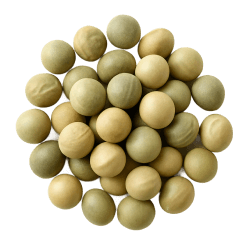
Pisum Sativum, Garden Pea, Green Pea, Field Pea
Peas are a plant-derived ingredient sourced from the seeds of the Pisum sativum plant. They are primarily included in pet food for their high protein content, dietary fibre, and essential micronutrients, supporting digestive health and energy. Peas are used in their natural, whole form, ensuring the retention of their nutritional value and functional benefits within the finished product.
Peas are included as a cost-effective source of protein, fibre, and carbohydrates, helping to optimise nutritional content while supporting product texture. They also serve as a label-friendly ingredient that appeals to consumers seeking grain-free or plant-based options.
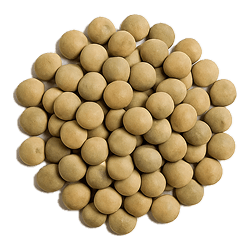
Lens Culinaris, Lens Esculenta, Masoor, Eiwitrijke Peulvruchten
Lentils are edible seeds from the legume plant, commonly cultivated for human and animal consumption. As a plant-based ingredient, lentils are valued for their high protein, dietary fibre, and essential micronutrient content. In pet food, lentils are primarily included to support protein levels and digestive health. Lentils are used in their natural, whole form, providing a minimally processed source of nutrition.
Lentils are included as a cost-effective source of plant-based protein and carbohydrates, helping to meet nutritional requirements while managing production costs. They also serve as a label-friendly ingredient that appeals to consumers seeking grain-free or high-protein pet food options.
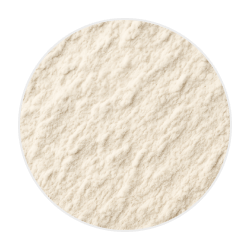
Gram Flour, Besan, Garbanzo Bean Flour, Cicer Arietinum Flour
Chickpea flour is a plant-derived ingredient made by grinding dried chickpeas (Cicer arietinum) into a fine powder. It serves as a source of protein, dietary fibre, and complex carbohydrates, supporting digestive health and energy levels in pets. Chickpea flour is used in its natural form, providing a gluten-free alternative to traditional grain flours in premium pet food formulations.
Chickpea flour is included as a cost-effective, plant-based protein and carbohydrate source that can help optimise product texture and nutritional profile. It also serves as a label-friendly ingredient appealing to consumers seeking grain-free or alternative protein options.
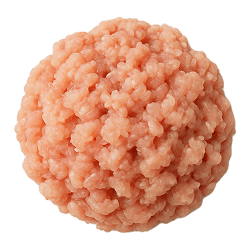
Gallus Gallus Domesticus Meat, Poultry Meat, Broiler Meat, Fowl Meat
Chicken meat is a high-quality animal-derived ingredient sourced from the muscle tissue of chickens. It serves as a rich source of essential proteins and amino acids, supporting muscle development and overall health in pets. In pet food, chicken meat is used in its natural form, providing highly digestible nutrients and palatability, making it a favoured protein choice in premium formulations.
Chicken meat is included as a high-quality, animal-based protein source to support muscle development and overall health in pets. Its presence also enhances palatability and serves as a label-friendly ingredient appealing to consumers seeking recognisable protein sources.
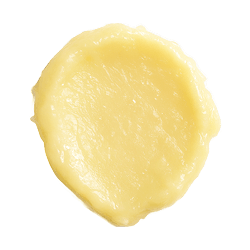
Poultry Fat, Gallus Gallus Domesticus Fat, Rendered Chicken Fat, Chicken Oil
Chicken fat is an animal-derived ingredient obtained from rendering chicken tissue. It serves primarily as a concentrated source of energy and essential fatty acids, supporting skin and coat health in pets. Chicken fat is used in its natural rendered form, not as a raw or unprocessed fat, ensuring palatability and digestibility while providing a stable, high-quality lipid source in pet food formulations.
Chicken fat is included as a highly digestible source of animal fat, providing essential fatty acids and enhancing the palatability of the product. It also contributes to the energy content of the food in a cost-effective manner.
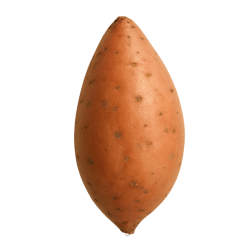
Ipomoea Batatas, Kumara, Batata, Camote
Sweet potato is a root vegetable of plant origin, valued for its rich content of complex carbohydrates, dietary fibre, and essential micronutrients such as vitamin A. In pet food, sweet potato serves primarily as a digestible energy source and supports digestive health. It is incorporated in its natural, whole form, ensuring optimal nutrient retention and palatability for companion animals.
Sweet potato is included as a cost-effective, highly digestible carbohydrate source that provides energy and dietary fibre. It also serves as a label-friendly ingredient appealing to consumers seeking natural, whole-food components in pet food.

Lamb (Ovis aries) Freeze-Dried, Freeze-Dried Ovis Aries, Lyophilised Lamb, Lyophilised Ovis Aries
Freeze dried lamb is a premium animal-derived ingredient sourced from lamb meat, preserved through freeze drying to retain its natural nutrients and flavour. It serves as a high-quality protein source, supporting muscle maintenance and overall health in pets. This ingredient is used in its natural form, ensuring optimal nutrient availability and palatability without the need for artificial preservatives.
Freeze dried lamb is included as a high-quality, species-appropriate protein source that appeals to pet owners seeking premium, minimally processed ingredients. Its use also enhances palatability and allows for convenient storage and extended shelf life without the need for artificial preservatives.
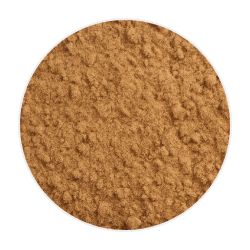
Hydrolysed Chicken Protein, Chicken Hydrolysate, Poultry Digest, Hydrolysed Poultry Protein
Chicken digest is a flavourful ingredient derived from the enzymatic hydrolysis of chicken tissues, making it an animal-origin product. Its primary purpose is to enhance palatability, encouraging pets to consume their food. Chicken digest is not used in its raw form; instead, it is processed into a liquid or powder to optimise flavour delivery and ensure safety and digestibility in pet food formulations.
Chicken digest is included as a palatability enhancer, providing a concentrated flavour that increases the appeal of the food to pets. It is also a cost-effective way to deliver animal protein and improve the product’s nutritional profile.

Saccharomyces Cerevisiae Postbiotic, Yeast Postbiotic, Dried Fermentate of Saccharomyces Cerevisiae, Saccharomyces Cerevisiae Fermentation Product
TruMune® Postbiotics are a specialised ingredient derived from yeast (Saccharomyces cerevisiae), originating from a microbial source. Their primary purpose is to support immune health and digestive function in pets by providing bioactive compounds produced during fermentation. TruMune® is not used in its natural yeast form but is utilised as a processed postbiotic, ensuring safety, stability, and optimal bioavailability for pet nutrition.
TruMune® Postbiotics are included to support digestive and immune health, providing functional benefits that can differentiate the product in the market. Their addition allows manufacturers to make label claims related to gut health, appealing to health-conscious consumers.

Carrot Fibre, Daucus Carota Fibre, Carrot Dietary Fibre, Daucus Carota Spp. Fibre
NinjinFibre® is a specialised dietary fibre ingredient derived from carrots (plant origin). It is included in pet food formulations to support digestive health and promote optimal stool quality. Rather than using raw carrot, NinjinFibre® is utilised in a processed, concentrated form to maximise its functional fibre content and ensure consistent nutritional benefits for pets.
NinjinFibre® is included as a functional fibre source to support digestive health and stool quality in pets. Its addition also allows manufacturers to enhance the product’s nutritional profile and appeal to consumers seeking recognisable, health-oriented ingredients.
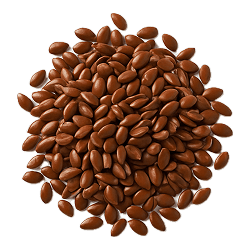
Flaxseed, Linum Usitatissimum, Flax, Flaxseed Oil
Linseed, also known as flaxseed, is a plant-derived ingredient sourced from the seeds of the flax plant (Linum usitatissimum). It is primarily included in pet food for its high content of omega-3 fatty acids and dietary fibre, supporting skin health and digestion. Linseed is used in its natural, whole or ground form to optimise nutrient availability and functional benefits.
Linseed is included as a source of omega-3 fatty acids and dietary fibre, supporting skin and coat health as well as digestive function. Its presence also allows manufacturers to market the product as containing plant-based nutrients and functional ingredients.
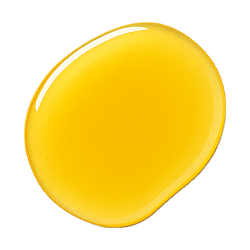
Rapeseed Oil, Brassica Napus Oil, Brassica Rapa Oil, E471 (when derived from canola)
Canola oil is a plant-derived oil extracted from the seeds of the canola plant (Brassica napus). It serves as a valuable source of energy and provides essential fatty acids, particularly omega-3 and omega-6, which support skin and coat health in pets. Canola oil is used in its refined, food-grade form to ensure safety, palatability, and optimal nutrient absorption.
Canola oil is included as a cost-effective source of fat and essential fatty acids, supporting energy density and skin and coat health in pet food formulations. It also contributes to product palatability and helps optimise texture.
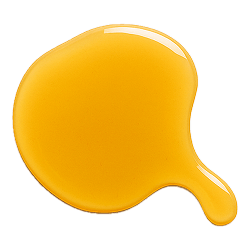
Fish Oil (Salmo Spp.), Salmo Spp. Oil, Salmonidae Oil, Omega-3 Marine Oil (Salmo Spp.)
Salmon oil is a nutrient-rich oil derived from the tissues of salmon, an animal source. It is primarily included in pet food for its high content of omega-3 fatty acids, which support skin, coat, and joint health. Salmon oil is utilised in its extracted liquid form, rather than as whole fish, to optimise absorption and deliver concentrated nutritional benefits.
Salmon oil is included as a source of omega-3 fatty acids to support skin and coat health, which can enhance the nutritional profile of the product. Its presence also serves as a marketing feature, appealing to consumers seeking premium or functional ingredients.
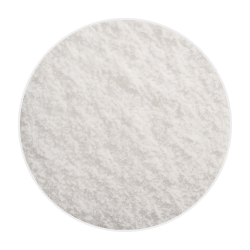
Sodium Chloride, NaCl, Table Salt, E535
Salt is a mineral ingredient derived from the combination of sodium and chloride, typically sourced from natural deposits or seawater. It is primarily included in pet food to support electrolyte balance, nerve function, and hydration. Salt is not used in its raw mineral form but is utilised as sodium chloride, a purified compound, to ensure safety, palatability, and optimal absorption in pets.
Salt is included as a palatability enhancer to improve taste and encourage consumption, and also functions as a preservative to help extend product shelf life. Its use allows manufacturers to optimise flavour while maintaining product stability.
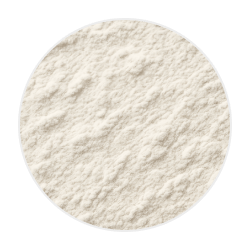
E508, Muriate of Potash, Potassium Monochloride, KCl
Potassium chloride is a mineral compound derived from the element potassium, typically sourced from naturally occurring mineral deposits. It is utilised in pet food as a purified salt rather than in its raw metallic form, ensuring safety and optimal absorption. Its primary purpose is to provide essential potassium, which supports nerve function, muscle contraction, and fluid balance in companion animals.
Potassium chloride is included as a cost-effective mineral supplement to help meet pets’ dietary potassium requirements. It also functions as a salt substitute to optimise electrolyte balance in the formulation.

Trimethylethanolamine Chloride, Choline Monochloride, E1001, 2-Hydroxy-N,N,N-Trimethylethanaminium Chloride
Choline chloride is a synthetic compound derived from choline, an essential nutrient typically sourced from plant or animal origins. It is primarily included in pet food to support healthy brain function, liver metabolism, and cellular structure. Choline is not used in its natural state; instead, it is utilised as choline chloride to ensure stability, safety, and optimal absorption in pet diets.
Choline chloride is included as an essential nutrient to support normal liver function and brain health in pets. It is a cost-effective way to meet regulatory requirements for choline content in complete and balanced pet foods.

Micronutrients, Essential Micronutrients, Vital Nutrients, Accessory Food Factors
Vitamins are organic compounds derived from both plant and animal sources, essential for numerous metabolic and physiological functions in pets. Their primary purpose is to support immune health, vision, bone development, and cellular processes. In pet food, vitamins are not used in their natural, raw forms but are instead incorporated as stabilised compounds or premixes to ensure safety, stability, and optimal bioavailability.
Vitamins are included to ensure nutritional adequacy and meet regulatory requirements for complete and balanced pet food. They may also be added to compensate for nutrient losses during processing and storage.
Dietary Minerals, Inorganic Nutrients, Essential Minerals, Bulk Elements
Minerals are essential inorganic nutrients derived from the earth, not produced by animals or plants. They play a critical role in supporting various physiological functions, such as bone development, nerve transmission, and enzyme activity. In pet food, minerals are not used in their natural raw or metallic state; instead, they are incorporated as specific compounds (such as sulphates or chelates) to optimise safety and bioavailability.
Minerals are included to meet essential nutritional requirements for pets, supporting overall health and proper bodily functions. They are often added in precise amounts to ensure the product complies with regulatory standards and nutrient profiles.
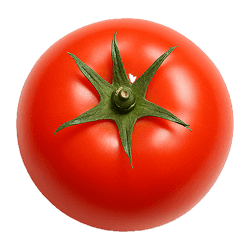
Solanum Lycopersicum, Lycopersicon Esculentum, E620, Love Apple
Tomato is a fruit derived from the Solanum lycopersicum plant, commonly included in pet food for its natural antioxidant content, particularly lycopene and vitamin C. Its primary benefit is supporting immune health and providing dietary fibre. In pet food, tomato is used in its natural form, ensuring the retention of its nutritional properties and bioactive compounds for optimal health benefits.
Tomato is included as a source of vitamins, antioxidants, and fibre, supporting the nutritional profile of the product for marketing appeal. It also serves as a label-friendly ingredient that resonates with health-conscious consumers.
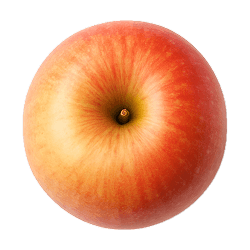
Malus Domestica, Pyrus Malus, Malus Pumila, E Malus
Apple is a fruit derived from the Malus domestica tree, classified as a plant-based ingredient. It is primarily included in pet food for its dietary fibre, natural antioxidants, and vitamins, supporting digestive health and immune function. Apple is used in its natural, whole form, ensuring pets benefit from its inherent nutrients without synthetic alteration or processing into extracts or concentrates.
Apple is included as a label-friendly ingredient to appeal to consumers seeking recognisable, natural components in pet food. It may also provide a modest source of fibre and natural sweetness to enhance palatability.
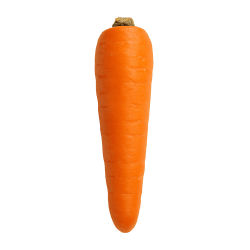
Daucus Carota, Daucus Carota Root, Daucus Carota Sativa, Wild Carrot
Carrot is a root vegetable of plant origin, widely recognised for its vibrant orange colour and natural sweetness. In pet food, carrot is included in its natural, whole form to provide dietary fibre, beta-carotene (a precursor to vitamin A), and antioxidants. Its primary benefit is supporting digestive health and immune function, while also contributing to overall palatability and nutritional diversity.
Carrot is included as a label-friendly ingredient to appeal to consumers seeking recognisable, natural components and to enhance the product’s perceived nutritional value. It may also provide a modest source of fibre and vitamins, supporting marketing claims of added health benefits.
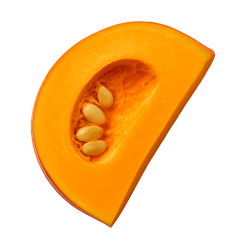
Cucurbita Pepo, Cucurbita Maxima, Cucurbita Moschata, Pepo
Pumpkin is a plant-derived ingredient sourced from the fruit of the Cucurbita pepo species. It is primarily included in pet food for its dietary fibre content, which supports digestive health and regularity. Pumpkin is used in its natural form, either as fresh, cooked, or dehydrated flesh, providing a source of vitamins, minerals, and antioxidants beneficial to overall wellbeing.
Pumpkin is included as a label-friendly ingredient that appeals to consumers seeking natural and recognisable components, while also serving as a cost-effective source of fibre and moisture to support digestive health and product texture. Its inclusion can enhance marketing appeal without significantly increasing formulation costs.
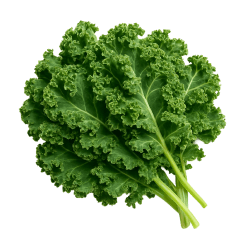
Brassica Oleracea, Borecole, Leaf Cabbage, Eru
Kale is a leafy green vegetable of plant origin, belonging to the Brassica family. It is included in pet food primarily for its rich content of vitamins, minerals, and antioxidants, supporting overall health and immune function. In pet food formulations, kale is used in its natural form, providing a source of dietary fibre and phytonutrients to optimise nutritional value.
Kale is included as a label-friendly ingredient to appeal to health-conscious consumers and enhance the perceived nutritional value of the product. It may also provide a source of vitamins and fibre, though its functional impact on pet nutrition is typically minimal at the inclusion levels used.
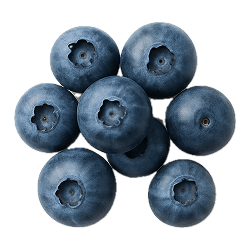
Vaccinium Corymbosum, Vaccinium Angustifolium, Bilberry, E163
Blueberry is a small, nutrient-rich fruit of plant origin, commonly sourced from the Vaccinium genus. It is included in pet food primarily for its antioxidant properties, supporting immune health and cellular protection. Blueberry is used in its natural, whole form, ensuring pets benefit from its full spectrum of vitamins, fibre, and phytonutrients as found in fresh fruit.
Blueberry is included as a label-friendly ingredient to appeal to health-conscious consumers, leveraging its reputation as a source of antioxidants. Its presence supports marketing claims of added nutritional benefits, though it is typically used in small quantities with minimal impact on the overall nutritional profile for pets.
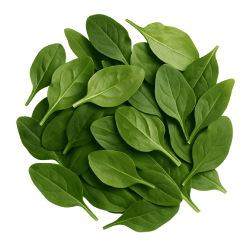
Spinacia Oleracea, English Spinach, Common Spinach, Garden Spinach
Spinach is a leafy green vegetable of plant origin, valued for its rich content of vitamins, minerals, and antioxidants. In pet food, spinach primarily provides dietary fibre, iron, and phytonutrients that support overall health and immune function. Spinach is included in its natural form, ensuring pets benefit from its full nutritional profile without synthetic alteration or processing into extracts.
Spinach is included as a label-friendly ingredient to appeal to health-conscious consumers and enhance the perceived nutritional value of the product. It may also provide a modest source of vitamins and minerals, supporting marketing claims of added health benefits.
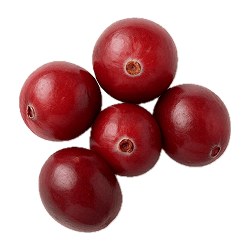
Vaccinium Macrocarpon, American Cranberry, Large Cranberry, Bearberry
Cranberry is a small, red berry derived from the Vaccinium macrocarpon plant, making it a plant-based ingredient. It is primarily included in pet food for its antioxidant properties and potential support of urinary tract health. Cranberry is used in its natural, whole form, ensuring pets benefit from its full spectrum of phytonutrients, vitamins, and dietary fibre.
Cranberry is included as a label-friendly ingredient to appeal to health-conscious consumers and enhance product marketability. It may also serve as a natural source of antioxidants, supporting the product’s functional claims.
Tocopherol, Mixed Tocopherols, E306, Rosemary Extract
Natural antioxidant refers to a substance, typically derived from plant sources, that helps protect pet food from oxidative damage and spoilage. Its primary function is to preserve freshness and extend shelf life by inhibiting the oxidation of fats and oils. In pet food, natural antioxidants are used in their natural form, ensuring safety and effective absorption without the need for chemical modification.
Natural antioxidants are included to help preserve the freshness and stability of pet food by slowing the oxidation of fats and oils, thereby extending shelf life. They also serve as a label-friendly alternative to synthetic preservatives, appealing to consumers seeking more natural ingredients.

Yucca Extract, Yucca schidigera, Yucca Spp., Cassava Extract
Yucca Schidigera Extract is a plant-derived ingredient sourced from the Yucca schidigera plant native to arid regions of North America. It is primarily included in pet food to help reduce stool odour by binding ammonia and other waste gases. Rather than using the whole plant, a concentrated extract is utilised to optimise its functional benefits and ensure consistent efficacy.
Yucca Schidigera Extract is included to reduce stool odour by binding ammonia and other waste gases, thereby improving the perceived cleanliness of the pet and its environment. It also serves as a label-friendly ingredient that appeals to consumers seeking natural additives.

Tocopherol, Alpha-Tocopherol, E307, D-Alpha-Tocopherol
Vitamin E is a fat-soluble vitamin derived from plant sources such as vegetable oils, nuts, and seeds. It functions primarily as an antioxidant, helping to protect cell membranes from oxidative damage and supporting immune health. In pet food, Vitamin E is not used in its natural raw form but is typically utilised as a stabilised compound, such as tocopherol acetate, to optimise safety and absorption.
Vitamin E is included as a natural antioxidant to help preserve the freshness and stability of fats and oils in the product, thereby extending shelf life. It also serves as a label-friendly nutrient that appeals to consumers seeking added health benefits for their pets.
About


PRODUCT TAGS
Most Tracked This Week









About the Brand


Comments
0 comments
Login to Join the Conversation 💬