






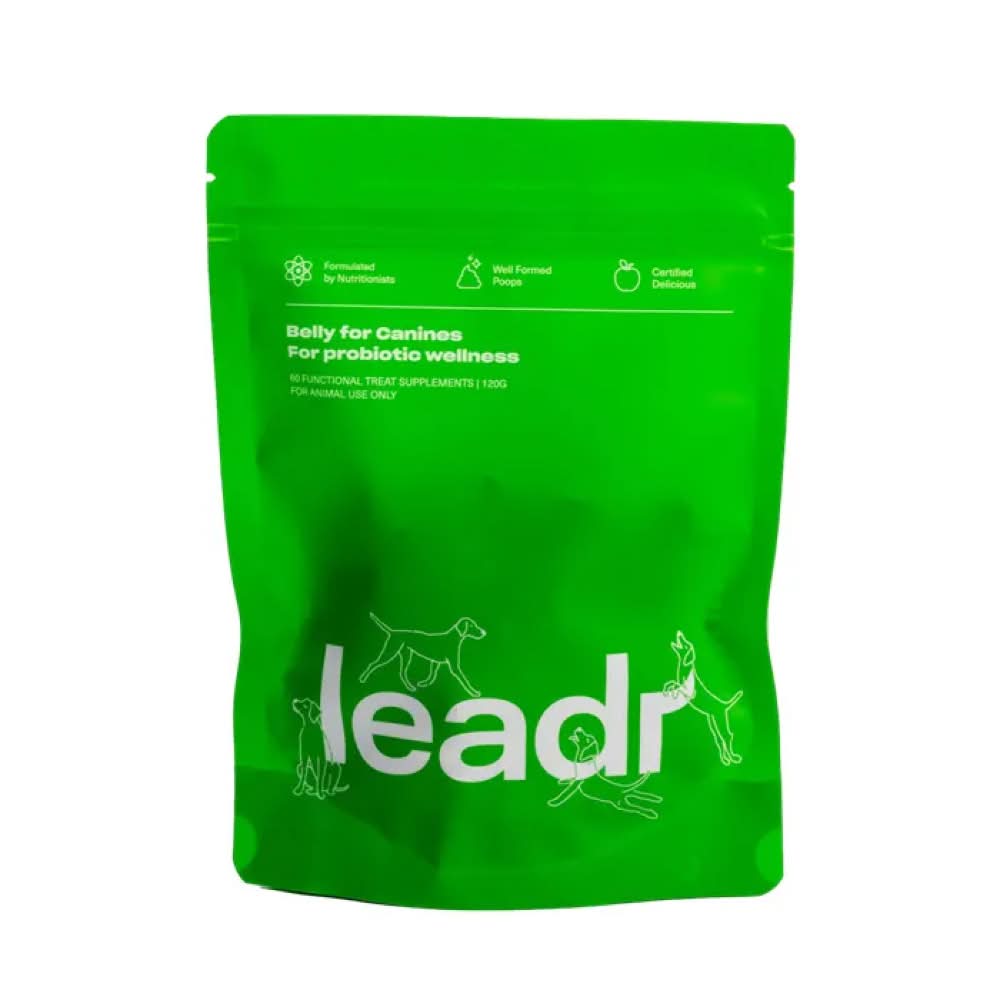
Belly Probiotic Wellness Supplement Chew

Overview
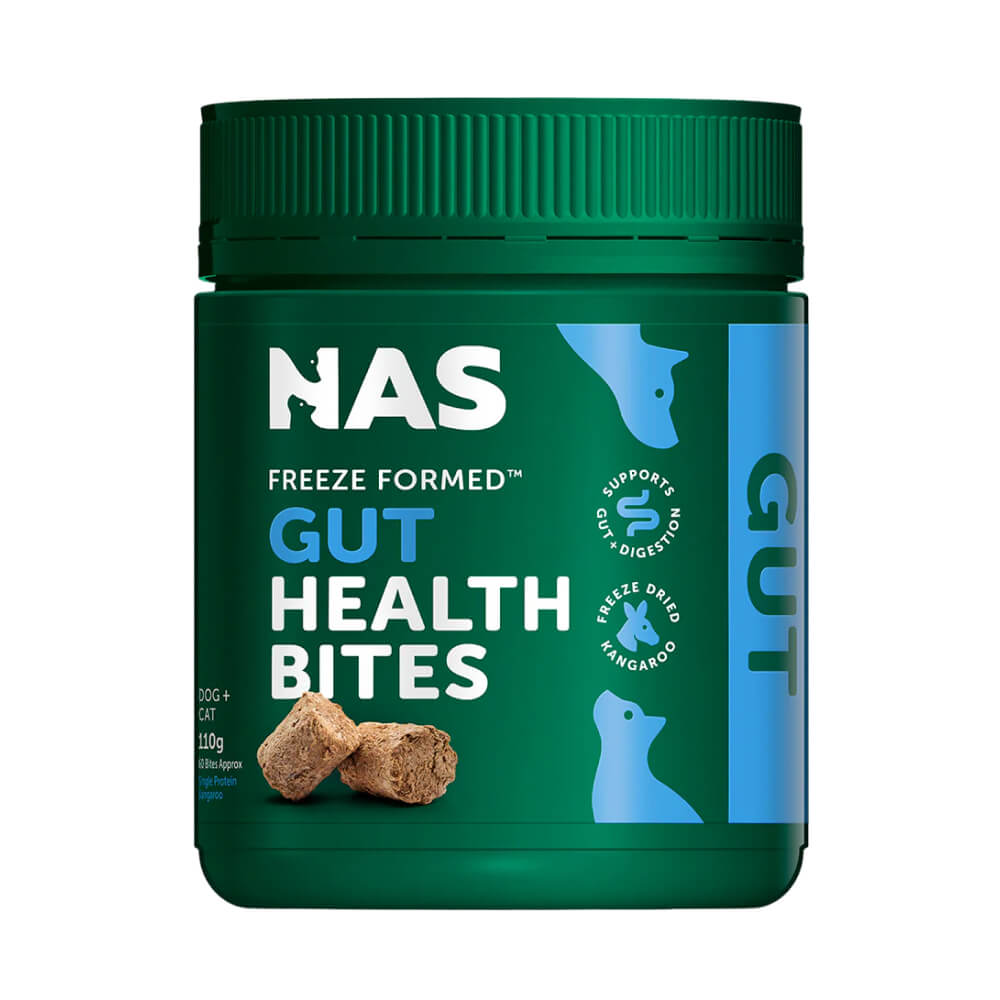
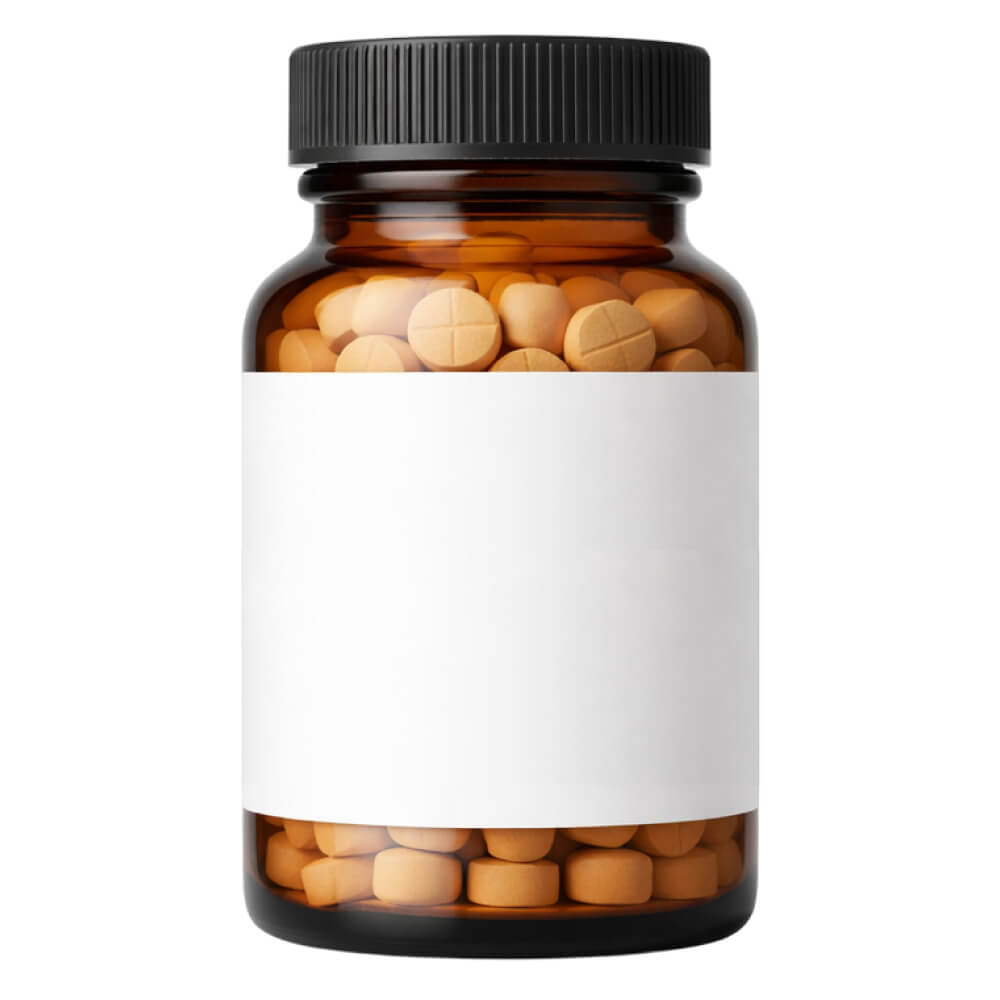
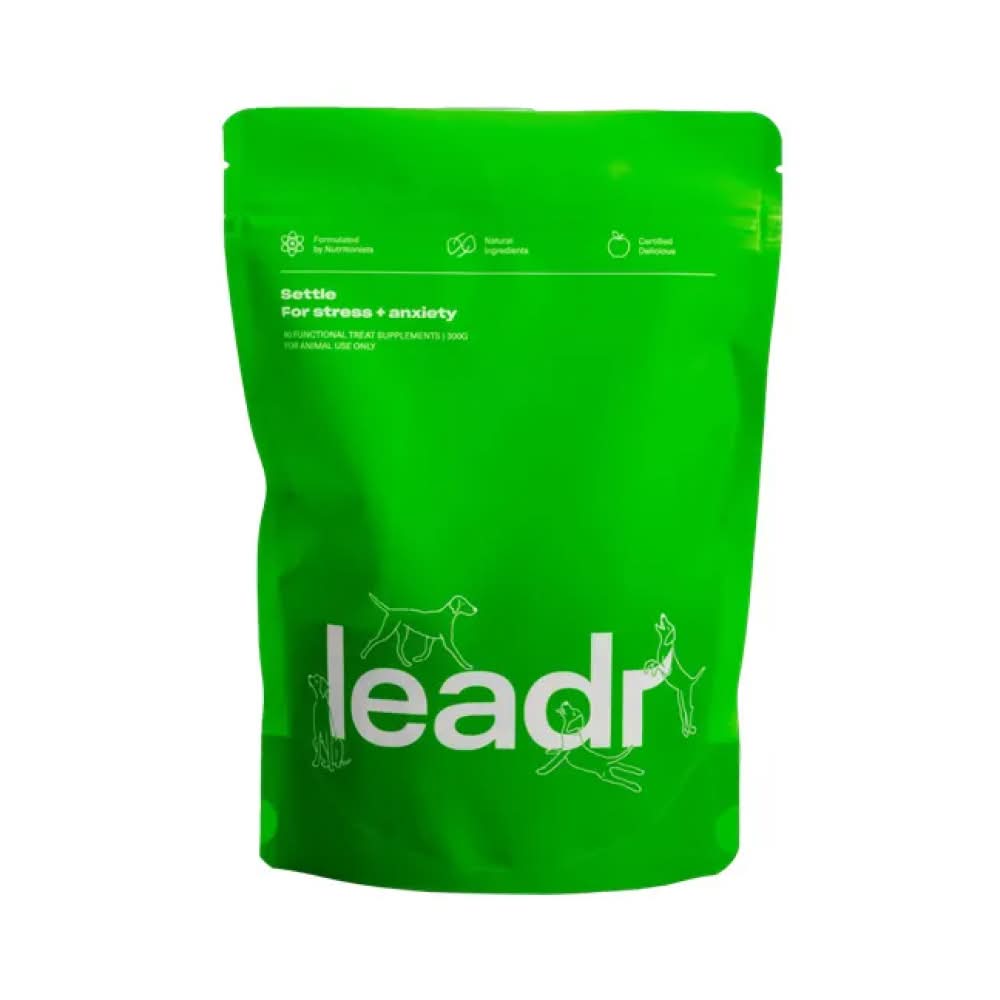
Leadr Belly is a chewable probiotic supplement for dogs and puppies, formulated to support gut health and digestive wellness. The chews are designed to increase gut biodiversity and support overall canine wellness.
Each kanagroo based chew contains the Leadr Probiotic Blend™ — a mix of probiotic strains including Lactobacillus Helveticus, Bifidobacterium Longum, Lactobacillus Acidophilus, Lactobacillus Rhamnosus and Enterococcus Faecium, delivering over 2 billion CFU per chew to help support healthy digestion, immune function and gut balance. Belly Chews are suitable for daily use and work well as a supplement to a dog’s regular diet.
Leadr Belly Probiotic Chews are positioned as both a wellness supplement and a tasty treat option — improving digestion, supporting the immune system, and helping maintain gut and overall health.
Ingredients
Active: Leadr Probiotic Blend™ (Lactobacillus Helveticus, Bifidobacterium Longum, Lactobacillus Acidophilus, Lactobacillus Rhamnosus, Enterococcus Faecium).
Inactive: Australian Kangaroo, Sweet Potato, Pumpkin, Vegetable Glycerin, Salt, Potassium Sorbate.

L. Helveticus, ATCC 15009, DSM 20075, NCDO 2457
Lactobacillus helveticus is a probiotic bacterium of dairy origin, commonly found in fermented foods such as cheese and yoghurt. Its primary benefit in pet food is to support digestive health and promote a balanced gut microbiome. Rather than being used in its natural, live-culture form, it is typically added as a stabilised, inactive culture to ensure safety and efficacy in pet nutrition.
Lactobacillus helveticus is included as a probiotic to support digestive health and promote a balanced gut microbiome in pets. Its presence also serves as a marketing feature, appealing to consumers seeking functional and health-oriented pet food formulations.

B. Longum, ATCC 15707, DSM 20219, JCM 1217
Bifidobacterium longum is a beneficial probiotic bacterium of animal origin, commonly found in the gastrointestinal tract of mammals. Its primary purpose in pet food is to support digestive health and promote a balanced gut microbiome. Rather than being used in its natural, live state, Bifidobacterium longum is typically added as a stabilised, viable culture to ensure safety, efficacy, and shelf stability.
Bifidobacterium longum is included as a functional probiotic to support digestive health and optimise gut microbiota balance in pets. Its presence also serves as a marketing differentiator, appealing to consumers seeking advanced health benefits in pet food formulations.

L. Acidophilus, ATCC 4356, NCFM, DSM 20079
Lactobacillus acidophilus is a beneficial probiotic bacterium of microbial origin, commonly included in pet foods to support digestive health and maintain a balanced gut microbiome. Its primary function is to promote optimal digestion and enhance immune function. Rather than being used in its natural, live-culture state, it is typically added as a stabilised, dried culture to ensure viability and efficacy in pet food formulations.
Lactobacillus acidophilus is included as a probiotic to support digestive health and promote a balanced gut microbiome in pets. Its presence also serves as a marketing feature, appealing to consumers seeking functional and health-oriented pet food formulations.

ATCC 53103, DSM 20021, NCIMB 30121, JCM 1136
Lactobacillus rhamnosus is a beneficial probiotic bacterium of microbial origin, commonly sourced from dairy or plant-based fermentations. Its primary purpose in pet food is to support digestive health and promote a balanced gut microbiome. Rather than being used in its natural, live-culture form, it is typically incorporated as a stabilised, dried culture to ensure viability and efficacy during processing and storage.
Lactobacillus rhamnosus is included as a probiotic to support digestive health and promote a balanced gut microbiome in pets. Its presence also serves as a marketing differentiator, appealing to consumers seeking functional and health-oriented pet food options.

E. Faecium, ATCC 19434, NCIMB 11181, DSM 20477
Enterococcus faecium is a beneficial probiotic bacterium of animal origin, commonly included in pet foods to support digestive health and maintain a balanced gut microbiome. Its primary function is to promote optimal intestinal function and enhance immune response. Enterococcus faecium is not used in its wild or environmental form; instead, it is carefully cultured and processed to ensure safety, stability, and efficacy in pet nutrition.
Enterococcus faecium is included as a probiotic to support digestive health and optimise gut flora balance in pets. Its presence also serves as a marketing point, appealing to consumers seeking functional ingredients for overall wellbeing.

Macropus Spp., Kangaroo Meat, Kangaroo Muscle, Macropod Meat
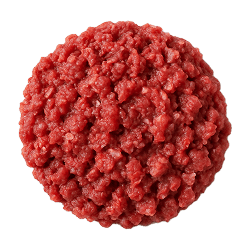
Kangaroo is a novel animal protein sourced from wild Australian kangaroos. It is prized for its lean, highly digestible meat, offering a rich source of essential amino acids, iron, and B vitamins. Kangaroo is primarily included in pet food to support muscle maintenance and overall vitality. This ingredient is used in its natural, whole food form, ensuring optimal nutrient availability and palatability.
Kangaroo is included as a novel, high-protein meat source that appeals to consumers seeking hypoallergenic or limited-ingredient diets for their pets. Its use also serves as a marketing differentiator, positioning the product as premium and suitable for pets with common protein sensitivities.

Ipomoea Batatas, Kumara, Batata, Camote
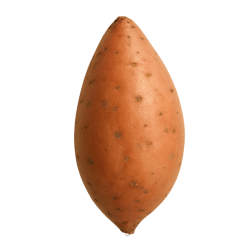
Sweet potato is a root vegetable of plant origin, valued for its rich content of complex carbohydrates, dietary fibre, and essential micronutrients such as vitamin A. In pet food, sweet potato serves primarily as a digestible energy source and supports digestive health. It is incorporated in its natural, whole form, ensuring optimal nutrient retention and palatability for companion animals.
Sweet potato is included as a cost-effective, highly digestible carbohydrate source that provides energy and dietary fibre. It also serves as a label-friendly ingredient appealing to consumers seeking natural, whole-food components in pet food.

Cucurbita Pepo, Cucurbita Maxima, Cucurbita Moschata, Pepo
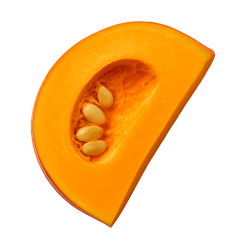
Pumpkin is a plant-derived ingredient sourced from the fruit of the Cucurbita pepo species. It is primarily included in pet food for its dietary fibre content, which supports digestive health and regularity. Pumpkin is used in its natural form, either as fresh, cooked, or dehydrated flesh, providing a source of vitamins, minerals, and antioxidants beneficial to overall wellbeing.
Pumpkin is included as a label-friendly ingredient that appeals to consumers seeking natural and recognisable components, while also serving as a cost-effective source of fibre and moisture to support digestive health and product texture. Its inclusion can enhance marketing appeal without significantly increasing formulation costs.

Vegetable Glycerol, Glycerine, E422, Vegetable Glycerin
Vegetable glycerine is a clear, odourless liquid derived from plant oils, typically palm, soy, or coconut. It serves primarily as a humectant, helping to retain moisture in pet food and improve texture. Rather than being used in its raw plant form, vegetable glycerine is extracted and purified for safe consumption and optimal functionality in pet nutrition formulations.
Vegetable glycerine is included as a humectant to retain moisture and improve the texture of pet food products, helping to prevent them from drying out. It also enhances palatability, making the food more appealing to pets.

Sodium Chloride, NaCl, Table Salt, E535
Salt is a mineral ingredient derived from the combination of sodium and chloride, typically sourced from natural deposits or seawater. It is primarily included in pet food to support electrolyte balance, nerve function, and hydration. Salt is not used in its raw mineral form but is utilised as sodium chloride, a purified compound, to ensure safety, palatability, and optimal absorption in pets.
Salt is included as a palatability enhancer to improve taste and encourage consumption, and also functions as a preservative to help extend product shelf life. Its use allows manufacturers to optimise flavour while maintaining product stability.

E202, Sorbistat K, Potassium (E202), Potassium Salt of Sorbic Acid
Potassium sorbate is a preservative derived from sorbic acid, a naturally occurring compound found in some fruits, but it is manufactured synthetically for commercial use. Its primary function in pet food is to inhibit the growth of moulds and yeasts, thereby extending shelf life. Potassium sorbate is not used in its natural state but as a salt compound to ensure safety and effective preservation.
Potassium sorbate is included as a preservative to inhibit the growth of mould, yeast, and some bacteria, thereby extending the product’s shelf life. Its use allows manufacturers to maintain product stability and freshness during storage and distribution.
Score Card
Every product is assessed using the Dog Directory Integrity Framework, giving dog owners a clear and trustworthy way to compare products. This ensures each review reflects overall quality and formulation integrity, not just marketing claims.
- /40
- /30
- /15
- /10
- /5
- Overall ScoreScore Info
As a pet owner, you naturally want the best for your dog. From regular vet visits to nutritious meals, ensuring your furry friend is healthy and happy is always top of mind. But beyond food and exercise, supplements are becoming an increasingly popular way to support your dog’s overall well-being. In this comprehensive guide, we’ll dive into the world of dog supplements, explaining what they are, why they matter, and how to choose the right ones for your pup.
0/100

About
PRODUCT TAGS
About the Brand
Leadr
Leadr Pet is an Australian-made, nutritionist-backed pet supplement brand. Their science-driven soft chews target joint health, gut health, anxiety, and probiotic wellness using human-grade ingredients.


Comments
0 comments
Login or Register to Join the Conversation