







Puppy Beef, Chicken and Vegetables Raw Dog Food

Overview
The Butcher's Dog Puppy Love is a raw, fresh-frozen meal of Australian chicken and beef with crushed bone, organ and seasonal vegetables. Formulated with added supplements to start puppies on fresh food, fed as part of a varied raw diet. Contains poultry and beef.
Nutritional Analysis
Ingredients
Chicken Thighs and Drums, Beef Chunks, Beef Liver and Kidney, Spinach, Kale, Butternut Pumpkin, Carrot, Free-Range Eggs, Flaxseed, Kelp, Alfalfa.

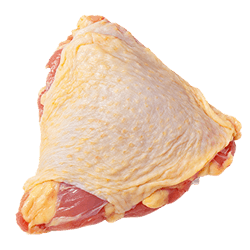
Bovine Meat, Bos Taurus, Ox Meat, Cow Meat
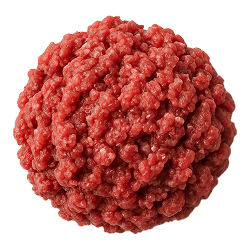
Beef is the muscle meat derived from cattle, categorised as an animal-based ingredient. It serves as a rich source of high-quality protein, essential amino acids, iron, and B vitamins, supporting muscle maintenance and overall health in pets. In premium pet foods, beef is typically included in its natural, whole-food form, ensuring optimal nutrient availability and palatability.
Beef is included as a primary animal protein source to meet nutritional requirements and enhance palatability for pets. Its presence also serves as a marketing advantage, appealing to consumers seeking recognisable, high-quality ingredients.

Bovine Liver, Bos Taurus Liver, Ox Liver, Cattle Liver
Beef liver is an animal-derived organ meat sourced from cattle, valued for its rich nutrient profile. It serves as a concentrated source of high-quality protein, essential vitamins such as A and B12, and minerals like iron and zinc. In pet food, beef liver is used in its natural, whole-food form, providing both palatability and significant nutritional benefits to support overall health.
Beef liver is included as a nutrient-dense organ meat to enhance the protein, vitamin, and mineral content of the product. It also serves as a natural palatability enhancer, improving flavour to increase acceptance by pets.

Bovine Kidney, Bos Taurus Kidney, Ox Kidney, E1104
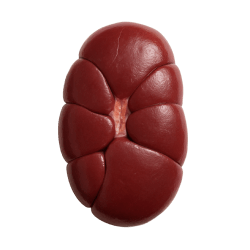
Beef kidney is an organ meat derived from cattle and is classified as an animal-based ingredient. It is a rich source of high-quality protein, essential vitamins such as B12, and minerals including iron and zinc, supporting overall health and vitality in pets. Beef kidney is used in its natural, whole-food form, providing bioavailable nutrients and contributing to a balanced, species-appropriate diet.
Beef kidney is included as a nutrient-dense organ meat to provide high-quality protein, essential vitamins, and minerals, supporting the nutritional profile of the product. Its inclusion also appeals to consumers seeking species-appropriate, whole-prey ingredients in pet food formulations.

Spinacia Oleracea, English Spinach, Common Spinach, Garden Spinach
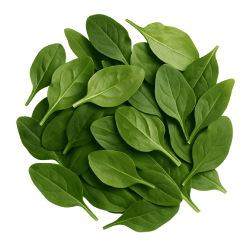
Spinach is a leafy green vegetable of plant origin, valued for its rich content of vitamins, minerals, and antioxidants. In pet food, spinach primarily provides dietary fibre, iron, and phytonutrients that support overall health and immune function. Spinach is included in its natural form, ensuring pets benefit from its full nutritional profile without synthetic alteration or processing into extracts.
Spinach is included as a label-friendly ingredient to appeal to health-conscious consumers and enhance the perceived nutritional value of the product. It may also provide a modest source of vitamins and minerals, supporting marketing claims of added health benefits.

Brassica Oleracea, Borecole, Leaf Cabbage, Eru
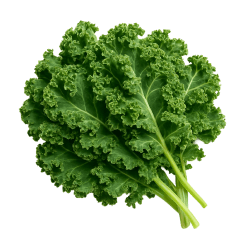
Kale is a leafy green vegetable of plant origin, belonging to the Brassica family. It is included in pet food primarily for its rich content of vitamins, minerals, and antioxidants, supporting overall health and immune function. In pet food formulations, kale is used in its natural form, providing a source of dietary fibre and phytonutrients to optimise nutritional value.
Kale is included as a label-friendly ingredient to appeal to health-conscious consumers and enhance the perceived nutritional value of the product. It may also provide a source of vitamins and fibre, though its functional impact on pet nutrition is typically minimal at the inclusion levels used.

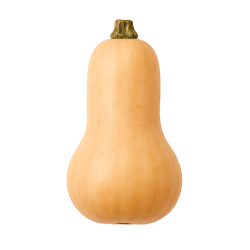
Cucurbita Moschata, Butternut Squash, Gramma, Winter Squash
Butternut pumpkin is a plant-derived ingredient, sourced from the fruit of the Cucurbita moschata species. It is included in pet food primarily for its rich content of dietary fibre, vitamins, and antioxidants, supporting digestive health and immune function. Butternut pumpkin is used in its natural, whole food form, ensuring pets benefit from its full nutritional profile without synthetic alteration.
Butternut pumpkin is included as a cost-effective, label-friendly vegetable that provides natural colour, dietary fibre, and some vitamins, appealing to health-conscious consumers. It also serves as a digestible carbohydrate source to support energy needs and product texture.

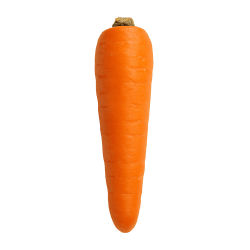
Daucus Carota, Daucus Carota Root, Daucus Carota Sativa, Wild Carrot
Carrot is a root vegetable of plant origin, widely recognised for its vibrant orange colour and natural sweetness. In pet food, carrot is included in its natural, whole form to provide dietary fibre, beta-carotene (a precursor to vitamin A), and antioxidants. Its primary benefit is supporting digestive health and immune function, while also contributing to overall palatability and nutritional diversity.
Carrot is included as a label-friendly ingredient to appeal to consumers seeking recognisable, natural components and to enhance the product’s perceived nutritional value. It may also provide a modest source of fibre and vitamins, supporting marketing claims of added health benefits.

Hen Egg, Chicken Egg, Gallus Gallus Domesticus Egg, Avian Egg
Egg is an animal-derived ingredient sourced from poultry, commonly used in pet food for its high-quality protein and essential amino acids. It provides vital nutrients that support muscle development and overall health. In pet food, egg is typically included in its natural, whole form—either as dried or fresh egg—ensuring optimal digestibility and nutrient availability for pets.
Egg is included as a high-quality, bioavailable protein source to support muscle development and overall nutrition. It also enhances the product’s nutritional profile, appealing to consumers seeking premium or natural pet food options.

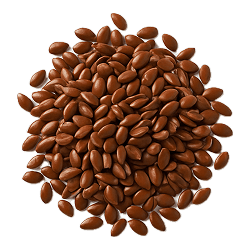
Flaxseed, Linum Usitatissimum, Flax, Flaxseed Oil
Linseed, also known as flaxseed, is a plant-derived ingredient sourced from the seeds of the flax plant (Linum usitatissimum). It is primarily included in pet food for its high content of omega-3 fatty acids and dietary fibre, supporting skin health and digestion. Linseed is used in its natural, whole or ground form to optimise nutrient availability and functional benefits.
Linseed is included as a source of omega-3 fatty acids and dietary fibre, supporting skin and coat health as well as digestive function. Its presence also allows manufacturers to market the product as containing plant-based nutrients and functional ingredients.

Laminaria Spp., Macrocystis Pyrifera, Ascophyllum Nodosum, Brown Seaweed
Kelp is a type of large, edible seaweed sourced from marine environments and classified as a plant-based ingredient. It is primarily included in pet food for its rich supply of natural iodine, which supports healthy thyroid function. Kelp is used in its dried, ground natural form, allowing pets to benefit from its trace minerals, vitamins, and antioxidants in a bioavailable manner.
Kelp is included as a label-friendly ingredient to appeal to health-conscious consumers and enhance product marketing, as it is associated with natural sources of vitamins and minerals. It may also serve as a trace mineral supplement to support nutritional completeness in pet food formulations.

Lucerne, Medicago Sativa, Lucerne Grass, Purple Medick
Alfalfa is a nutrient-rich plant ingredient derived from the Medicago sativa species, commonly used in premium pet foods. It serves as a natural source of dietary fibre, vitamins, and minerals, supporting digestive health and overall wellbeing. Alfalfa is included in its natural, dried form, ensuring pets benefit from its full spectrum of nutrients without synthetic alteration.
Alfalfa is included as a cost-effective source of plant protein, fibre, and micronutrients, contributing to the nutritional profile of the product. It also serves as a label-friendly ingredient that appeals to consumers seeking natural or wholesome additions in pet food.

About

.png)


Comments
0 comments
Login to Join the Conversation 💬