




.png)


Slow Cooked Chicken Puppy Food

Overview
The Nosh Project Slow Cooked Chicken Puppy Food is a complete, ready-to-serve fresh food diet for puppies aged 2 to 12 months, using Australian chicken breast as the primary protein. Prepared from human-grade ingredients in a human-grade facility, vacuum-sealed, and slow cooked at 60°C, the formulation mirrors the production process of the adult chicken diet while incorporating the Puppy Nourish²⁷ Balance blend — 27 vitamins, minerals, and nutrients including DHA, calibrated for the elevated nutritional demands of growth and development. Chicken liver, white rice, potato, broccoli, carrots, spinach, and psyllium husk complete the formulation.
This product is not suitable for large breed puppies, whose specific growth requirements are not addressed by this formulation. Owners transitioning puppies to this diet for the first time should do so gradually over 5 to 7 days. No artificial colours, flavours, or preservatives are used. Formulated to meet AAFCO nutritional levels for growth, excluding large breeds. Stored frozen; defrost to 4°C before serving.
Ingredients
Chicken Breast, Rice, Potato, Broccoli, Carrots, Spinach, Chicken Liver, Vegetable Oil, Puppy Nourish Balance (Vitamin A, Vitamin D3, Vitamin E, Vitamin K, Thiamine, Vitamin B2, Niacin, Vitamin B5, Vitamin B6, Vitamin B12, Vitamin C, Choline, Phosphorus, Iodine, Iron, Magnesium, Manganese, Selenium, Zinc, Copper, Potassium, Sodium, Biotin, Folic Acid, Calcium, Chloride, DHA), Psyllium Husk, Salt.

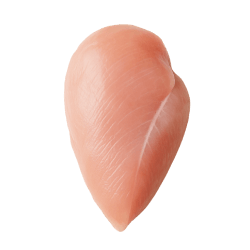
Chicken Fillet, Skinless Chicken Fillet, Boneless Chicken Fillet, Gallus Gallus Domesticus Breast
Chicken breast is a lean cut of poultry derived from the breast muscle of chickens. As an animal-based ingredient, it is highly valued for its rich protein content, supporting muscle maintenance and overall health in pets. Chicken breast is used in its natural, whole food form, ensuring optimal nutrient availability and palatability in premium pet food formulations.
Chicken breast is included as a high-quality, easily digestible protein source to support muscle maintenance and overall health in pets. Its presence also serves as a label-friendly ingredient that appeals to consumers seeking recognisable, premium components in pet food.
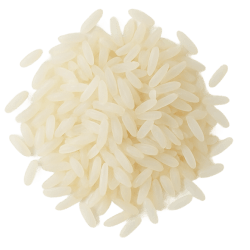
Oryza Sativa, Paddy, Oryza Sativa Grain, Oryza Spp.
Rice is a cereal grain derived from the seeds of the Oryza sativa plant, making it a plant-based ingredient. It serves primarily as a highly digestible source of carbohydrates, providing energy for pets. In pet food, rice is typically used in its natural, whole or milled form, rather than as a processed extract, to optimise digestibility and nutrient availability.
Rice is included as a cost-effective carbohydrate source that provides energy and helps create a desirable texture in pet food. It is also easily digestible, making it suitable for sensitive digestive systems and appealing for marketing as a familiar, label-friendly ingredient.
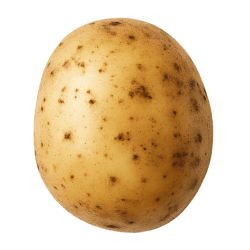
Solanum Tuberosum, Irish Potato, White Potato, Eirinn Potato
Potato is a starchy tuber derived from the plant Solanum tuberosum, commonly cultivated for both human and animal consumption. In pet food, potato serves primarily as a source of digestible carbohydrates and dietary fibre, supporting energy needs and digestive health. Potato is included in its natural, whole food form, providing a hypoallergenic alternative to common grains in premium pet diets.
Potato is included as a cost-effective carbohydrate source that provides energy and bulk to pet food formulations. It also serves as a grain-free alternative to traditional fillers, appealing to consumers seeking grain-free options.
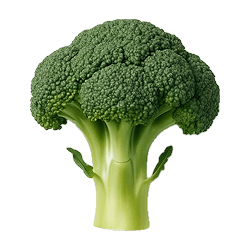
Brassica Oleracea Italica, Calabrese, Sprouting Broccoli, EATME Broccoli
Broccoli is a nutrient-rich vegetable derived from the plant species Brassica oleracea. As a plant-based ingredient, it is included in pet food primarily for its dietary fibre, vitamins, and antioxidant content, supporting digestive health and immune function. Broccoli is used in its natural form, ensuring pets benefit from its whole-food nutritional profile without synthetic alteration.
Broccoli is included as a label-friendly ingredient to appeal to health-conscious consumers and enhance the perceived nutritional value of the product. It may also contribute small amounts of fibre, vitamins, and antioxidants, supporting marketing claims of added health benefits.
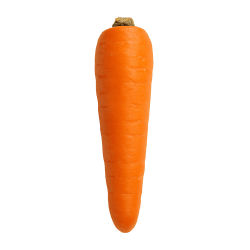
Daucus Carota, Daucus Carota Root, Daucus Carota Sativa, Wild Carrot
Carrot is a root vegetable of plant origin, widely recognised for its vibrant orange colour and natural sweetness. In pet food, carrot is included in its natural, whole form to provide dietary fibre, beta-carotene (a precursor to vitamin A), and antioxidants. Its primary benefit is supporting digestive health and immune function, while also contributing to overall palatability and nutritional diversity.
Carrot is included as a label-friendly ingredient to appeal to consumers seeking recognisable, natural components and to enhance the product’s perceived nutritional value. It may also provide a modest source of fibre and vitamins, supporting marketing claims of added health benefits.
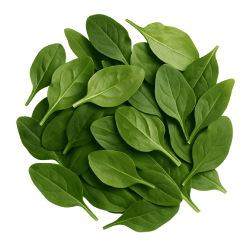
Spinacia Oleracea, English Spinach, Common Spinach, Garden Spinach
Spinach is a leafy green vegetable of plant origin, valued for its rich content of vitamins, minerals, and antioxidants. In pet food, spinach primarily provides dietary fibre, iron, and phytonutrients that support overall health and immune function. Spinach is included in its natural form, ensuring pets benefit from its full nutritional profile without synthetic alteration or processing into extracts.
Spinach is included as a label-friendly ingredient to appeal to health-conscious consumers and enhance the perceived nutritional value of the product. It may also provide a modest source of vitamins and minerals, supporting marketing claims of added health benefits.
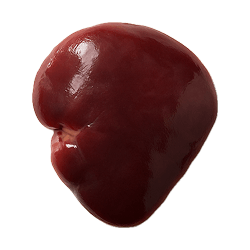
Poultry Liver, Gallus Gallus Domesticus Liver, Chicken Offal, Chicken Hepatic Tissue
Chicken liver is an animal-derived organ meat sourced from chickens. It is included in pet food primarily for its rich content of high-quality protein, essential amino acids, and vital micronutrients such as vitamin A, iron, and B vitamins. Chicken liver is used in its natural, whole food form, providing both palatability and nutritional density to support overall pet health.
Chicken liver is included as a highly palatable and nutrient-dense protein source, providing essential vitamins and minerals to enhance the nutritional profile of the product. Its inclusion can also support marketing claims related to quality animal ingredients.

Edible Vegetable Oil, Edible Plant Oil, Plant Oil, Oleum Vegetabile
Vegetable oil is a plant-derived fat extracted from various seeds or fruits, such as sunflower, canola, or soybean. It serves primarily as an energy source and supports the absorption of fat-soluble vitamins in pet food. Vegetable oil is used in its refined, edible form rather than as raw plant material, ensuring safety, palatability, and optimal nutrient availability for pets.
Vegetable oil is included as a cost-effective source of dietary fat and energy, supporting palatability and contributing to the texture of the final product. It may also be used to deliver essential fatty acids and improve the appearance of the kibble.
Retinol, Retinyl Palmitate, Retinyl Acetate, E160a
Vitamin A is an essential fat-soluble nutrient derived from animal sources (as retinyl esters) or plant sources (as carotenoids). It supports vision, immune function, and skin health in pets. In pet food, Vitamin A is not used in its raw or natural state but is provided as stabilised compounds (such as retinyl acetate or retinyl palmitate) to ensure safety, stability, and optimal absorption.
Vitamin A is included as an essential nutrient to support vision, immune function, and overall health in pets, ensuring the product meets established nutritional standards. Its addition also allows manufacturers to optimise the nutritional profile and comply with regulatory labelling requirements.
Cholecalciferol, Colecalciferol, Calciol, E671
Vitamin D3, also known as cholecalciferol, is a fat-soluble vitamin of animal origin commonly derived from lanolin or fish oil. It plays a crucial role in regulating calcium and phosphorus metabolism, supporting healthy bone development in pets. Vitamin D3 is not used in its natural form but is instead utilised as a stabilised compound to ensure safety, efficacy, and optimal absorption in pet food formulations.
Vitamin D3 is included to ensure the finished product meets established nutritional requirements for canine health, supporting bone development and calcium regulation. Its addition allows manufacturers to guarantee consistent vitamin content regardless of natural variation in raw materials.

Tocopherol, Alpha-Tocopherol, E307, D-Alpha-Tocopherol
Vitamin E is a fat-soluble vitamin derived from plant sources such as vegetable oils, nuts, and seeds. It functions primarily as an antioxidant, helping to protect cell membranes from oxidative damage and supporting immune health. In pet food, Vitamin E is not used in its natural raw form but is typically utilised as a stabilised compound, such as tocopherol acetate, to optimise safety and absorption.
Vitamin E is included as a natural antioxidant to help preserve the freshness and stability of fats and oils in the product, thereby extending shelf life. It also serves as a label-friendly nutrient that appeals to consumers seeking added health benefits for their pets.

Phylloquinone, Phytonadione, Phytomenadione, E415
Vitamin K is a fat-soluble vitamin of synthetic or natural origin, essential for blood clotting and bone health in pets. Its primary function is to support normal coagulation processes and maintain skeletal integrity. In pet food, vitamin K is not used in its natural form but is typically utilised as a safe, bioavailable compound such as menadione sodium bisulphite for optimal absorption and efficacy.
Vitamin K is included as an essential nutrient to support normal blood clotting and overall health in pets. Its addition ensures nutritional adequacy and compliance with regulatory labelling standards for complete and balanced pet foods.
Vitamin B1, Aneurin, Thiamin, E101
Thiamine, also known as vitamin B1, is a water-soluble vitamin of plant origin, commonly sourced from grains and yeast. It plays a crucial role in energy metabolism and supports nervous system function in pets. Thiamine is not used in its raw or natural state but is typically utilised as thiamine mononitrate or thiamine hydrochloride to ensure stability, safety, and optimal absorption.
Thiamine is included as an essential vitamin to meet nutritional requirements and prevent deficiency-related health issues in pets. Its addition ensures compliance with regulatory standards for complete and balanced pet food formulations.

Riboflavin, E101, Lactoflavin, Vitamin G
Vitamin B2, also known as riboflavin, is a water-soluble vitamin of synthetic or microbial origin commonly added to pet foods. It plays a crucial role in energy metabolism and supports healthy skin, eyes, and nervous system function. Vitamin B2 is not used in its natural raw form but is instead utilised as riboflavin, a stable compound, to optimise safety and bioavailability in pet diets.
Vitamin B2 is included as an essential nutrient to meet dogs’ dietary requirements and support metabolic functions. Its addition ensures nutritional adequacy and compliance with regulatory labelling standards.
Nicotinic Acid, Vitamin B3, Pyridine-3-Carboxylic Acid, E375
Niacin, also known as vitamin B3, is a water-soluble vitamin of synthetic or natural origin, commonly derived from plant or animal sources. It plays a crucial role in energy metabolism and supports healthy skin, nerves, and digestion in pets. Niacin is not used in its raw form but is typically included as a safe, bioavailable compound such as niacinamide or nicotinic acid.
Niacin is included as an essential B vitamin to meet nutritional requirements and support metabolic health in pets. Its addition ensures compliance with regulatory standards for complete and balanced pet food labelling.
Pantothenic Acid, D-Pantothenic Acid, Calcium Pantothenate, E315
Vitamin B5, also known as pantothenic acid, is a water-soluble vitamin of plant and animal origin. It plays a crucial role in energy metabolism and the synthesis of fatty acids, supporting overall cellular function. In pet food, Vitamin B5 is not used in its raw or natural state but is typically included as a stable, bioavailable compound such as calcium pantothenate for optimal absorption.
Vitamin B5 is included as an essential nutrient to support metabolic function and overall health in pets. Its addition ensures the product meets nutritional standards and regulatory requirements for complete and balanced pet food.
Pyridoxine, Pyridoxol, Pyridoxine Hydrochloride, E101a
Vitamin B6 is a water-soluble vitamin of synthetic or natural origin, commonly derived from plant or animal sources. It plays a crucial role in protein metabolism, red blood cell formation, and nervous system function. In pet food, Vitamin B6 is not used in its raw form but is typically included as a stable compound, such as pyridoxine hydrochloride, to optimise safety and bioavailability.
Vitamin B6 is included as an essential nutrient to support metabolic and neurological functions in pets, ensuring the product meets established nutritional standards. Its addition helps manufacturers achieve complete and balanced labelling claims required for commercial pet foods.

Cobalamin, Cyanocobalamin, Hydroxocobalamin, Methylcobalamin
Vitamin B12 is a water-soluble vitamin of animal origin, essential for nerve function and red blood cell formation in pets. It is primarily included in pet food to support energy metabolism and overall vitality. Vitamin B12 is not used in its natural, raw form but is instead utilised as a specific compound, such as cyanocobalamin, to ensure stability, safety, and optimal absorption.
Vitamin B12 is included as an essential nutrient to support metabolic and neurological functions in pets, ensuring the product meets established nutritional standards. Its addition helps manufacturers achieve complete and balanced labelling claims.
Ascorbic Acid, L-Ascorbic Acid, E300, L-Threo-Hex-2-Enono-1,4-Lactone
Vitamin C, also known as ascorbic acid, is a water-soluble vitamin of plant origin commonly included in pet food formulations. Its primary purpose is to support immune function and act as an antioxidant, helping to protect cells from oxidative damage. Vitamin C is not used in its natural fruit form but is instead utilised as a synthesised compound to ensure stability and consistent dosage.
Vitamin C is included as an antioxidant to help preserve the freshness and stability of the product by slowing oxidation. It may also be added for its perceived health benefits, supporting marketing claims related to immune support.
Trimethylethanolamine, E1001, Choline Base, 2-Hydroxy-N,N,N-Trimethylethanaminium
Choline is an essential nutrient of synthetic or natural origin, commonly derived from plant or animal sources. It plays a critical role in supporting brain development, liver function, and fat metabolism in pets. Choline is not used in its raw or elemental state; instead, it is typically utilised as choline chloride or choline bitartrate to ensure safety, stability, and optimal absorption in pet food formulations.
Choline is included as an essential nutrient to support normal liver function, brain development, and metabolic processes in pets. Its addition ensures nutritional adequacy and helps manufacturers meet regulatory labelling requirements for complete and balanced pet foods.
E339, Orthophosphate, Inorganic Phosphate, Phosphate Ion
Phosphorus is an essential mineral element derived from both animal and plant sources. It plays a critical role in supporting healthy bone and tooth development, as well as energy metabolism in pets. In pet food, phosphorus is not used in its natural, raw or metallic state; instead, it is utilised as specific compounds, such as calcium phosphate, to ensure safety and optimal absorption.
Phosphorus is included as an essential mineral to support bone development and metabolic functions in pets. Its addition ensures nutritional adequacy and compliance with regulatory labelling standards for complete and balanced pet foods.
Elemental I, E127, Iodum, CAS 7553-56-2
Iodine is an essential trace mineral sourced primarily from seaweed or mineral deposits. It plays a critical role in supporting healthy thyroid function and hormone production in pets. Iodine is not used in its natural elemental form due to safety and bioavailability concerns; instead, it is typically incorporated as a compound such as potassium iodide or calcium iodate to optimise absorption and efficacy.
Iodine is included as an essential trace mineral to support thyroid function and overall metabolic health in pets. Its addition ensures nutritional adequacy and compliance with regulatory labelling standards for complete and balanced pet foods.

Ferrum, Fe, E1, Elemental Iron
Iron is an essential mineral sourced from both animal and plant origins, crucial for oxygen transport and energy metabolism in pets. Its primary benefit is supporting healthy red blood cell formation and preventing anaemia. Iron is not used in its natural, raw, or metallic state; instead, it is utilised in pet food as safe, bioavailable compounds such as iron sulphate or iron proteinate to optimise absorption.
Iron is included as an essential mineral to support healthy blood function and overall metabolism in pets. Its addition ensures the product meets nutritional requirements and regulatory standards for complete and balanced pet food.
Epsom Salt, Mg, Elemental Magnesium, Magnesium Metal
Magnesium is an essential mineral element sourced from the earth, commonly included in pet food formulations to support muscle function, nerve transmission, and bone health. It is not used in its natural metallic state; instead, magnesium is utilised as a safe, bioavailable compound such as magnesium sulphate or magnesium oxide to optimise absorption and ensure dietary adequacy for pets.
Magnesium is included as an essential mineral to support metabolic and neuromuscular functions in pets, fulfilling nutritional requirements for complete and balanced pet food. Its addition ensures compliance with regulatory standards and appeals to consumers seeking scientifically formulated diets.
E34, Manganum, Mn, EINECS 231-105-1
Manganese is an essential trace mineral sourced from the earth and is vital for numerous metabolic processes in pets. It primarily supports bone development, enzyme function, and antioxidant defence. Manganese is not used in its natural metallic state; instead, it is incorporated into pet food as a safe, bioavailable compound such as manganese sulphate or manganese oxide to optimise absorption and efficacy.
Manganese is included as an essential trace mineral to support metabolic and skeletal health in pets, fulfilling nutritional requirements for complete and balanced pet food. Its addition ensures compliance with regulatory standards and appeals to consumers seeking scientifically formulated diets.
Selen, E578, Atomic Number 34, Se
Selenium is an essential trace mineral sourced from the earth, typically derived from plant or yeast-based compounds for pet food use. It plays a crucial role in supporting antioxidant defences and thyroid function. Selenium is not used in its natural, raw metallic state; instead, it is utilised as a safe, bioavailable compound such as sodium selenite or selenomethionine to optimise absorption and efficacy.
Selenium is included as an essential trace mineral to meet nutritional requirements and support overall health in pets. Its addition ensures compliance with regulatory standards for complete and balanced pet food formulations.
Zn, E579, Zincum, CI 77947
Zinc is an essential trace mineral sourced from the earth and is vital for numerous biological functions in pets, including immune support and skin health. In pet food, zinc is not used in its natural metallic state; instead, it is utilised as a compound such as zinc sulphate or zinc chelate to optimise safety and absorption, ensuring pets receive its full nutritional benefit.
Zinc is included as an essential trace mineral to support immune function, skin health, and overall metabolic processes in pets. Its addition ensures nutritional adequacy and compliance with regulatory labelling standards for complete and balanced pet foods.

Cu, ECP, CI 77400, C.I. 77400
Copper is an essential trace mineral sourced from the earth and is vital for numerous physiological functions in pets. It primarily supports red blood cell formation, connective tissue development, and immune system health. Copper is not used in its natural metallic state; instead, it is incorporated into pet food as safe, bioavailable compounds such as copper sulphate or copper proteinate to optimise absorption and efficacy.
Copper is included as an essential trace mineral to meet nutritional requirements for dogs, supporting enzyme function and red blood cell formation. Its addition ensures compliance with regulatory standards for complete and balanced pet food labelling.
Kalium, E340, K, Atomic Number 19
Potassium is an essential mineral element sourced from the earth and is vital for maintaining fluid balance, nerve function, and muscle health in pets. In pet food, potassium is not used in its natural metallic state; instead, it is utilised as safe, bioavailable compounds such as potassium chloride or potassium sulphate to optimise absorption and support overall wellbeing.
Potassium is included as an essential mineral to support electrolyte balance and proper muscle and nerve function in pets. Its addition ensures nutritional adequacy and compliance with established pet food nutrient profiles.
Natrium, Na, E524
Sodium is an essential mineral element sourced from the earth, commonly included in pet food as sodium chloride (table salt) or other safe, bioavailable compounds. It plays a vital role in maintaining fluid balance, nerve transmission, and muscle function. Sodium is not used in its natural metallic form but is instead utilised as a compound to ensure safety and optimal absorption.
Sodium is included as an essential mineral to support normal physiological functions in pets and to help maintain electrolyte balance. It may also be used to enhance palatability and preserve product stability by inhibiting microbial growth.
Vitamin B7, Vitamin H, D-Biotin, Coenzyme R
Biotin is a water-soluble B-vitamin (vitamin B7) of synthetic origin, commonly included in pet foods to support healthy skin, coat, and metabolic function. Its primary benefit is aiding in the metabolism of fats, proteins, and carbohydrates. Biotin is not used in its natural, free form but is instead utilised as a stable, bioavailable compound to optimise absorption and efficacy in pets.
Biotin is included as an essential vitamin to support skin, coat, and metabolic health in pets, fulfilling nutritional requirements for complete and balanced diets. Its addition also allows manufacturers to highlight the inclusion of key micronutrients on product labelling, appealing to health-conscious consumers.

Pteroylmonoglutamic Acid, Pteroylglutamic Acid, Vitamin B9, E920
Folic acid is a synthetic form of vitamin B9, originally derived from plant sources but produced for pet food as a stable, bioavailable compound. Its primary purpose is to support cell division, DNA synthesis, and overall growth in pets. Folic acid is not used in its natural state; instead, it is utilised as a manufactured supplement to optimise absorption and efficacy.
Folic acid is included as a synthetic vitamin to ensure nutritional adequacy and meet regulatory requirements for B-vitamin content in pet food. Its addition helps standardise nutrient levels across batches, supporting consistent product labelling and animal health.
E170, Elemental Calcium, Ca, Calcium Metal
Calcium is an essential mineral derived from natural sources such as limestone or marine shells. It plays a critical role in supporting healthy bone and teeth development, nerve transmission, and muscle function in pets. Calcium is not used in its raw or metallic state; instead, it is utilised in pet food as safe, bioavailable compounds like calcium carbonate or calcium phosphate to optimise absorption.
Calcium is included as an essential mineral to support bone development and maintenance in pets, ensuring nutritional adequacy according to regulatory standards. It may also serve as a functional additive to optimise product texture and stability.
Chloride Ion, Cl-
Chloride is an essential mineral element, naturally found in various salts and present in both plant and animal tissues. In pet food, chloride is primarily included to support fluid balance, nerve function, and acid-base regulation. It is not used in its raw or metallic state; instead, chloride is utilised as a compound, commonly sodium chloride, to ensure safety and optimal absorption.
Chloride is included as an essential electrolyte to support fluid balance and normal cellular function in pets. Its addition ensures nutritional adequacy and compliance with established pet food nutrient profiles.

Docosahexaenoic Acid, C22:6 n-3, All-Cis-Docosa-4,7,10,13,16,19-Hexaenoic Acid, Eicosapentaenoic Acid Family
DHA, or docosahexaenoic acid, is a long-chain omega-3 fatty acid derived primarily from marine sources such as fish oil or algae (animal or plant origin). It is included in pet food to support cognitive development, vision, and overall brain health. DHA is not used in its natural raw state but is incorporated as a purified oil or extract to optimise bioavailability and safety.
DHA is included as a functional ingredient to support cognitive development and visual acuity in pets, particularly in puppies and kittens. Its presence also allows manufacturers to market the product as supporting brain and eye health, appealing to health-conscious consumers.
Ispaghula Husk, Plantago Ovata Husk, Blond Psyllium, Plantago Ovata
Psyllium husk is a plant-derived ingredient sourced from the outer coating of Plantago ovata seeds. It is primarily included in pet food as a soluble fibre to support digestive health and promote regular bowel movements. Psyllium husk is used in its natural form, allowing pets to benefit from its gentle bulking and water-absorbing properties, which help optimise gastrointestinal function.
Psyllium husk is included as a functional fibre source to support digestive health and promote regular bowel movements in pets. It also serves as a cost-effective bulking agent to optimise stool quality and product texture.
Sodium Chloride, NaCl, Table Salt, E535
Salt is a mineral ingredient derived from the combination of sodium and chloride, typically sourced from natural deposits or seawater. It is primarily included in pet food to support electrolyte balance, nerve function, and hydration. Salt is not used in its raw mineral form but is utilised as sodium chloride, a purified compound, to ensure safety, palatability, and optimal absorption in pets.
Salt is included as a palatability enhancer to improve taste and encourage consumption, and also functions as a preservative to help extend product shelf life. Its use allows manufacturers to optimise flavour while maintaining product stability.
About



PRODUCT TAGS
Most Tracked This Week








About the Brand
The Nosh Project
The Nosh Project provides high quality, human grade pet nutrition featuring fresh Australian ingredients slow cooked to preserve essential nutrients. Explore their selection of ready-made daily diets and advanced care meals to find a scientifically formulated, fresh food solution for your dog.


Comments
0 comments
Login to Join the Conversation 💬