






Your Dog's World, Personalised
Save your favourite products and locations, track prices, and unlock exclusive discounts — all in one place
or
Error
Verify Your Email
We've emailed a sign-in code. Enter it below to continue.
Share
Thank you! Your submission has been received!
Oops! Something went wrong while submitting the form.
Back to ExploreZIWI Peak
Venison Dog Treats

NOTICE:

Discontinued

March 2026: This product appears to have been discontinued or may no longer be available through major Australian retailers. We are monitoring the situation and will update this listing if availability changes.

Overview

Ziwi Peak Venison Good Dog Rewards are premium air dried treats featuring ethically sourced grass fed venison from New Zealand. These rewards provide a nutrient dense snack for dogs of all life stages while maintaining a grain free profile.

The recipe follows a whole prey philosophy by incorporating organ meats and bone for natural vitamin intake. It includes functional additions such as green mussels for joint support without the use of artificial fillers. These treats are characterised by a jerky like texture that is ideal for training or positive reinforcement.

Ziwi Peak Venison Good Dog Rewards are available in small pack sizes and occupy a premium position in the Australian market.


Nutritional Analysis

Protein
45
%
0%
Fat
23
%
0%
Fibre
2
%
0%
Ash
12
%
0%
Moisture
14
%
0%
Energy
470
0
 kcal/100g

Ingredients

Venison, Venison Tripe, Venison Heart, Venison Lung, Venison Liver, Venison Kidney, New Zealand Green Mussel, Venison Bone, Lecithin, Inulin from Chicory, Dried Kelp, Minerals (Dipotassium Phosphate, Magnesium Sulfate, Zinc Amino Acid Complex, Copper Amino Acid Complex, Iron Amino Acid Complex, Manganese Amino Acid Complex, Selenium Yeast), Salt, Parsley, Preservative (Citric Acid, Mixed Tocopherols), Vitamins (Vitamin E Supplement, Thiamine Mononitrate, Vitamin D3 Supplement, Folic Acid).

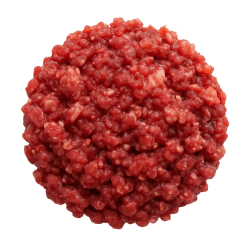
Ingredient images are illustrative only and may not represent the exact source or form used by manufacturers.
Freshly ground venison mince, deep red and coarse in texture, displayed as a healthy dog food ingredient
Venison
Venison
Deer Meat, Cervidae Meat, Game Meat, Cervus Spp.
Summary
Venison is the meat derived from deer, making it an animal-based protein source. It is prized for its lean profile and high-quality amino acids, supporting muscle maintenance and overall health in pets. In pet food, venison is used in its natural, whole-food form, providing a novel protein option that may benefit pets with sensitivities to more common meats.
Why it's used?
Venison is included as a novel, high-quality protein source to appeal to consumers seeking premium or hypoallergenic pet food options. Its use can support marketing claims related to limited ingredient diets and alternative proteins.
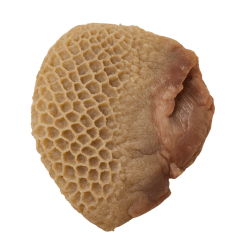
Raw venison tripe with honeycomb texture, beige and light brown, shown as a natural dog nutrition ingredient
Venison Tripe
Venison Tripe
Deer Stomach, Cervus Spp. Tripe, Deer Tripe, Wild Venison Stomach
Summary
Venison tripe is the edible stomach lining of deer, categorised as an animal-derived ingredient. It is primarily included in pet food for its high protein content and as a source of essential nutrients such as vitamins, minerals, and digestive enzymes. Venison tripe is used in its natural, whole-food form, providing a novel protein option that may benefit pets with food sensitivities.
Why it's used?
Venison tripe is included as a novel protein source to appeal to consumers seeking hypoallergenic or limited-ingredient diets for pets. It also serves as a label-friendly ingredient that enhances product differentiation in a competitive market.
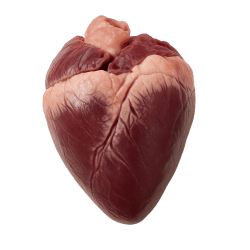
Raw venison heart with deep red, glossy surface and visible veins, fresh and ideal for natural dog nutrition
Venison Heart
Venison Heart
Cervus Elaphus Heart, Deer Heart, Wild Deer Heart, Game Deer Heart
Summary
Venison heart is a nutrient-rich organ meat sourced from deer, classified as an animal-derived ingredient. It is valued for its high protein content, essential amino acids, and naturally occurring vitamins and minerals, supporting muscle development and overall vitality in pets. Venison heart is incorporated in its natural, whole food form, ensuring optimal nutrient availability and palatability in premium pet food formulations.
Why it's used?
Venison heart is included as a novel animal protein source to appeal to consumers seeking premium or hypoallergenic pet foods. It also enhances the product’s protein content and supports marketing claims of using whole-prey or organ meats.
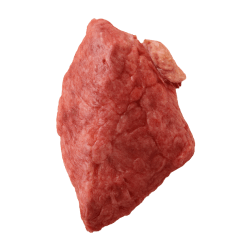
Raw venison lung with a reddish-pink colour, spongy texture and natural shape, ideal for healthy dog treats
Venison Lung
Venison Lung
Cervus Lung, Deer Lung, Cervidae Lung, Cervus Spp. Lung
Summary
Venison lung is an animal-derived ingredient sourced from the respiratory organ of deer. It is primarily included in pet food for its high protein content and as a source of essential amino acids, supporting muscle maintenance and overall health. Venison lung is used in its natural, whole-food form, providing a novel protein option that may benefit pets with common protein sensitivities.
Why it's used?
Venison lung is included as a novel protein source to appeal to consumers seeking limited-ingredient or hypoallergenic pet foods. It also serves as a label-friendly ingredient that enhances product differentiation and marketing appeal.
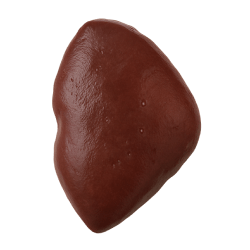
Fresh venison liver whole on a plain background, smooth glossy surface, dark reddish-brown colour, rich texture
Venison Liver
Venison Liver
Cervus Elaphus Liver, Deer Liver, Game Liver, Wild Deer Liver
Summary
Venison liver is the organ meat sourced from deer, classified as an animal-derived ingredient. It is highly valued for its rich content of essential nutrients, including protein, iron, vitamin A, and B vitamins, supporting overall health and vitality in pets. Venison liver is incorporated in its natural, whole food form, ensuring optimal nutrient availability and palatability in premium pet food formulations.
Why it's used?
Venison liver is included as a high-quality, novel protein source to appeal to consumers seeking premium or hypoallergenic pet foods. It also enhances palatability and provides essential vitamins and minerals, supporting both nutritional value and marketing claims.
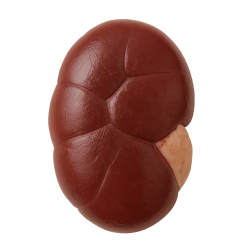
Whole raw venison kidney with a smooth, glossy reddish-brown surface and pale section, suitable for dog nutrition
Venison Kidney
Venison Kidney
Deer Kidney, Cervus Spp. Kidney, Game Kidney, Wild Deer Kidney
Summary
Venison kidney is an animal-derived organ sourced from deer, valued for its rich nutrient profile. It serves as a concentrated source of high-quality protein, essential vitamins such as B12, and minerals like iron and selenium. In pet food, venison kidney is used in its natural, whole-food form, providing both nutritional diversity and palatability to support overall health and wellbeing.
Why it's used?
Venison kidney is included as a novel animal protein source to appeal to consumers seeking limited-ingredient or hypoallergenic diets for pets. It also enhances the product’s marketing appeal by signalling premium, exotic ingredients.
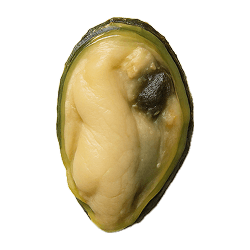
Whole green lipped mussel with creamy flesh and green-edged shell, close up as a dog health supplement ingredient
Green Lipped Mussel
Green Lipped Mussel
Perna Canaliculus, New Zealand Green Mussel, Greenshell Mussel, Kuku
Summary
Green lipped mussel is a marine animal ingredient sourced from the coastal waters of New Zealand. It is primarily included in pet food for its rich content of omega-3 fatty acids, glucosamine, and chondroitin, which support joint health and reduce inflammation. Green lipped mussel is used in its natural, whole form, ensuring optimal nutrient availability and bioactivity for pets.
Why it's used?
Green lipped mussel is included as a functional ingredient to provide natural sources of omega-3 fatty acids and joint-supporting nutrients, supporting product differentiation and marketing claims related to joint health. Its presence also appeals to consumers seeking premium or holistic pet food formulations.
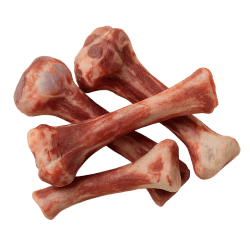
Raw venison bone pieces with reddish-brown colour and natural texture, suitable as healthy dog chews for dental care
Venison Bone
Venison Bone
Cervus Spp. Bone, Deer Bone, Game Bone, Wild Deer Bone
Summary
Venison bone is an animal-derived ingredient sourced from deer, commonly included in pet foods for its natural calcium and phosphorus content, which support healthy bones and teeth. It is used in its natural, ground form to provide essential minerals and aid dental health. The inclusion of venison bone also contributes to the overall palatability and nutritional balance of the diet.
Why it's used?
Venison bone is included as a natural source of minerals such as calcium and phosphorus, supporting nutritional balance in pet food formulations. It also serves as a label-friendly ingredient that appeals to consumers seeking novel or premium protein sources.
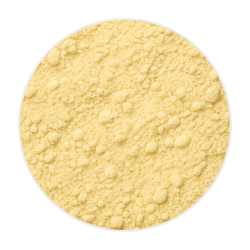
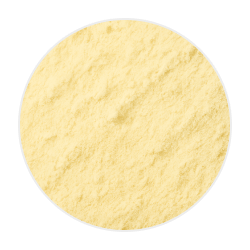
Fine yellow lecithin powder with a slightly grainy texture, commonly used as a supplement ingredient for dogs
Lecithin
Lecithin
Phosphatidylcholine, E322, Soybean Phospholipid, Egg Phospholipid
Summary
Lecithin is a naturally occurring compound derived from plant or animal sources, commonly soybeans or egg yolks. It serves as an emulsifier, helping to blend fats and water in pet food, thereby improving texture and nutrient absorption. Lecithin is not used in its raw form; instead, it is processed and purified to ensure safety, stability, and optimal functionality in pet nutrition.
Why it's used?
Lecithin is included as an emulsifier to improve the texture and consistency of pet food, ensuring fats and water-based ingredients blend smoothly. It may also be used to enhance product stability and shelf life.
Fine light brown chicory powder with a soft, sandy texture, commonly used as a natural dog food ingredient
Chicory
Chicory
Cichorium Intybus, Blue Sailors, Succory, Wild Endive
Summary
Chicory is a plant-derived ingredient sourced primarily from the root of the chicory plant (Cichorium intybus). It is included in pet food for its prebiotic fibre content, which supports digestive health by promoting beneficial gut bacteria. Chicory is used in its natural form, typically as dried and ground root, to optimise nutrient absorption and gastrointestinal function in pets.
Why it's used?
Chicory is included as a source of inulin, a prebiotic fibre that supports digestive health and can enhance stool quality. It also serves as a label-friendly ingredient that appeals to health-conscious consumers.
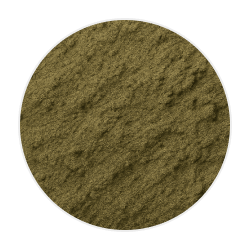
Fine green-brown dried kelp powder with a slightly coarse texture, commonly used as a natural dog supplement
Dried Kelp
Dried Kelp
Kombu, Saccharina Japonica, Laminaria Japonica, Kelp Powder
Summary
Dried kelp is a type of seaweed sourced from marine plants, commonly harvested from ocean waters. It is included in pet food primarily as a natural source of iodine, which supports healthy thyroid function, as well as providing trace minerals and antioxidants. Dried kelp is used in its natural, dehydrated form, ensuring the retention of its nutritional properties for optimal pet health.
Why it's used?
Dried kelp is included as a label-friendly ingredient to appeal to health-conscious consumers and enhance product marketing, while also providing trace minerals that can support nutritional claims. Its addition has minimal impact on palatability or product cost.
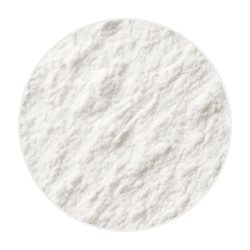
Fine off-white powder texture of dipotassium phosphate, a common food additive used in dog supplements
Dipotassium Phosphate
Dipotassium Hydrogen Phosphate, Potassium Phosphate Dibasic, E340(ii), DKP
Summary
Dipotassium phosphate is a mineral-based ingredient derived from the combination of potassium and phosphate, typically sourced as a white, water-soluble salt. It is primarily included in pet food as a source of essential phosphorus and potassium, supporting energy metabolism and cellular function. Rather than its raw mineral forms, dipotassium phosphate is utilised as a purified compound to ensure safety, stability, and optimal nutrient absorption.
Why it's used?
Dipotassium phosphate is included as a functional mineral salt to regulate pH and improve the stability of the product, helping to maintain texture and extend shelf life. It may also serve as a source of potassium and phosphorus, supporting nutritional labelling requirements.
Fine white powder texture of magnesium sulphate, a common supplement ingredient for dog health and wellbeing
Magnesium Sulphate
Magnesium Sulphate
Epsom Salt, Magnesium Sulfate Heptahydrate, E518, Bitter Salt
Summary
Magnesium sulphate is an inorganic compound derived from the mineral epsomite, providing a source of magnesium, an essential mineral for nerve, muscle, and metabolic functions in pets. It is primarily included to support electrolyte balance and overall physiological health. Magnesium sulphate is not used in its natural mineral form but is instead utilised as a purified compound to ensure safety and optimal absorption.
Why it's used?
Magnesium sulphate is included as a source of the essential mineral magnesium, supporting nutritional adequacy in pet food formulations. It may also serve as a processing aid to optimise ingredient blending and product consistency.
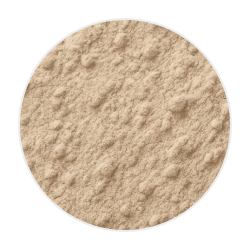
Light beige Zinc Amino Acid Complex powder with a fine, slightly textured surface, used in dog supplements
Zinc Amino Acid Complex
Zinc Amino Acid Chelate, Zinc Amino Acid Ligand, Zinc Amino Acid Bound, Zinc Amino Acid Coordination Complex
Summary
Zinc Amino Acid Complex is a chelated mineral ingredient derived from the binding of zinc, an essential trace element, with amino acids. This form is not used in its natural metallic state but is instead utilised as a compound to enhance bioavailability and absorption. Its primary purpose is to support immune function, skin health, and overall metabolic processes in pets.
Why it's used?
Zinc Amino Acid Complex is included to provide a bioavailable source of zinc, supporting essential metabolic and immune functions in pets. Its chelated form optimises nutrient absorption and allows for precise labelling of added minerals.
Light brown, fine powder form of Copper Amino Acid Complex, a common dog supplement ingredient on a plain background
Copper Amino Acid Complex
Copper Amino Acid Chelate, Copper Amino Acid Ligand, Copper Amino Acid Bound, Copper Amino Acid Complexes
Summary
Copper Amino Acid Complex is a chelated mineral ingredient derived from copper bound to amino acids, typically of synthetic origin. It is included in pet food to provide an essential trace mineral that supports enzyme function, immune health, and red blood cell formation. Copper is not used in its raw metallic state; instead, it is utilised as a complex for improved safety and bioavailability.
Why it's used?
Copper amino acid complex is included as a bioavailable source of the essential trace mineral copper, supporting metabolic and enzymatic functions in pets. Its chelated form optimises nutrient absorption and allows for precise formulation to meet nutritional requirements.
Light brown, finely textured Iron Amino Acid Complex powder with subtle diagonal ridges, used in dog supplements
Iron Amino Acid Complex
Iron Chelated Amino Acids, Amino Acid Chelated Iron, Iron Amino Acid Chelate, Iron Proteinates
Summary
Iron Amino Acid Complex is a mineral ingredient derived from iron bound to amino acids, enhancing its bioavailability for pets. Its primary purpose is to support healthy red blood cell formation and oxygen transport. Unlike raw or metallic iron, it is not used in its natural state but is instead utilised as a chelated compound to optimise safety and absorption in pet diets.
Why it's used?
Iron Amino Acid Complex is included as a bioavailable source of iron to support essential physiological functions in pets, such as oxygen transport and energy metabolism. Its chelated form may also enhance nutrient absorption and allow for more precise labelling of mineral content.
Light beige manganese amino acid complex powder with a fine, slightly clumpy texture, used in dog supplements
Manganese Amino Acid Complex
Manganese Amino Acid Chelate, Manganese Proteinate, Manganese Glycinate, Manganese Bisglycinate Chelate
Summary
Manganese Amino Acid Complex is a chelated mineral ingredient derived from the combination of manganese, an essential trace element, with amino acids. It is included in pet food to support bone development, enzyme function, and antioxidant defence. Unlike raw metallic manganese, this form is utilised as a complex to enhance safety, bioavailability, and absorption in the animal’s body.
Why it's used?
Manganese amino acid complex is included as a bioavailable source of the essential trace mineral manganese, supporting metabolic and skeletal health in pets. Its chelated form optimises nutrient absorption and allows for precise labelling of added minerals.
Fine, light beige selenium yeast powder with a soft, grainy texture, used in dog supplements
Selenium Yeast
Selenium Yeast
Saccharomyces Cerevisiae Enriched With Selenium, Selenium-Enriched Yeast, Selenised Yeast, Selenium-Fortified Yeast
Summary
Selenium yeast is a bioavailable form of the essential trace mineral selenium, derived from Saccharomyces cerevisiae yeast cultured in selenium-rich media. It is included in pet food to support antioxidant defences, immune function, and overall cellular health. Selenium is not used in its natural metallic state; instead, it is utilised as an organic compound within yeast to optimise safety and absorption.
Why it's used?
Selenium yeast is included as a bioavailable source of the essential trace mineral selenium, supporting nutritional adequacy and compliance with regulatory labelling requirements. Its organic form is often preferred for its stability and enhanced absorption compared to inorganic selenium sources.
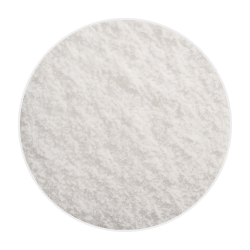
Fine white salt granules in a circular pile on a plain background, showing a powdery, smooth texture
Salt
Salt
Sodium Chloride, NaCl, Table Salt, E535
Summary
Salt is a mineral ingredient derived from the combination of sodium and chloride, typically sourced from natural deposits or seawater. It is primarily included in pet food to support electrolyte balance, nerve function, and hydration. Salt is not used in its raw mineral form but is utilised as sodium chloride, a purified compound, to ensure safety, palatability, and optimal absorption in pets.
Why it's used?
Salt is included as a palatability enhancer to improve taste and encourage consumption, and also functions as a preservative to help extend product shelf life. Its use allows manufacturers to optimise flavour while maintaining product stability.
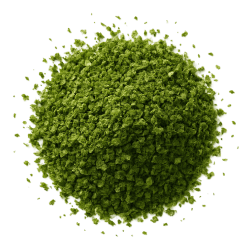
Finely chopped parsley with vibrant green colour and coarse texture, commonly used as a fresh herb in dog food
Parsley
Parsley
Petroselinum Crispum, Garden Parsley, Common Parsley, E461
Summary
Parsley is a leafy herb of plant origin, commonly used in pet food for its natural antioxidant properties and as a source of vitamins such as vitamin K and C. It is primarily included to support immune health and freshen breath. In pet food formulations, parsley is used in its natural, whole form, ensuring the retention of its beneficial phytonutrients and fibre content.
Why it's used?
Parsley is included as a label-friendly ingredient to appeal to pet owners seeking natural or recognisable components in pet food. It may also be added for its perceived breath-freshening properties, though its functional impact on canine nutrition is minimal.
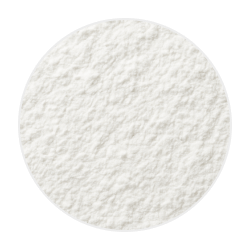
Citric acid as a fine white powder with a slightly grainy texture, commonly used in dog health supplements
Citric Acid
Citric Acid
2-Hydroxypropane-1,2,3-Tricarboxylic Acid, E330, 3-Carboxy-3-Hydroxypentanedioic Acid, Monohydrate Citric Acid
Summary
Citric acid is an organic compound derived primarily from citrus fruits, though it is commonly produced via fermentation for commercial use. Its main purpose in pet food is as a natural preservative and acidity regulator, helping to maintain freshness and inhibit spoilage. Citric acid is not used in its raw, crystalline form but is incorporated as a purified, food-grade compound to ensure safety and efficacy.
Why it's used?
Citric acid is included as a preservative to enhance product stability and extend shelf life by inhibiting microbial growth. It may also be used to adjust acidity, optimising flavour and maintaining the quality of the final product.
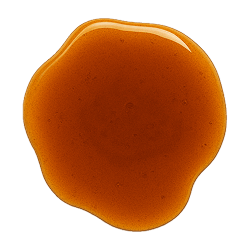
Amber-brown liquid drop of mixed tocopherols with a glossy, smooth texture on a white background
Mixed Tocopherols
Mixed Tocopherols
Tocopherols, E306, Natural Tocopherols Concentrate, D-Alpha Tocopherol Concentrate
Summary
Mixed tocopherols are a blend of compounds derived from plant oils, primarily functioning as a source of vitamin E. Their main purpose in pet food is to act as natural antioxidants, helping to preserve the freshness of fats and oils. Rather than being used in their isolated, pure form, mixed tocopherols are incorporated as stabilised extracts to optimise safety, efficacy, and nutrient retention.
Why it's used?
Mixed tocopherols are included as a natural preservative to extend shelf life by slowing the oxidation of fats and oils in pet food. They are often used as a label-friendly alternative to synthetic preservatives to appeal to consumer preferences for natural ingredients.
Fine, pale yellow Vitamin E powder with a soft, slightly grainy texture, commonly used in dog supplements
Vitamin E
Vitamin E
Tocopherol, Alpha-Tocopherol, E307, D-Alpha-Tocopherol
Summary
Vitamin E is a fat-soluble vitamin derived from plant sources such as vegetable oils, nuts, and seeds. It functions primarily as an antioxidant, helping to protect cell membranes from oxidative damage and supporting immune health. In pet food, Vitamin E is not used in its natural raw form but is typically utilised as a stabilised compound, such as tocopherol acetate, to optimise safety and absorption.
Why it's used?
Vitamin E is included as a natural antioxidant to help preserve the freshness and stability of fats and oils in the product, thereby extending shelf life. It also serves as a label-friendly nutrient that appeals to consumers seeking added health benefits for their pets.
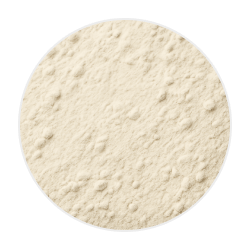
Fine white powder with a slightly grainy texture, thiamine mononitrate used in dog supplements on a plain background
Thiamine Mononitrate
Vitamin B1 Mononitrate, Nitrate Salt of Thiamine, E101a, Thiamin Mononitrate
Summary
Thiamine mononitrate is a synthetic, water-soluble form of vitamin B1, derived from chemical synthesis rather than natural sources. It is added to pet food to support energy metabolism and proper nervous system function. Thiamine is not used in its natural state; instead, the mononitrate compound is utilised for stability, safety, and optimal absorption in formulated diets.
Why it's used?
Thiamine mononitrate is included as a stable, cost-effective source of vitamin B1 to meet nutritional requirements and ensure product labelling compliance. Its synthetic form maintains potency during processing and storage, supporting both product stability and regulatory standards.
Fine pale yellow Vitamin D3 powder with a smooth, soft texture, commonly used as a supplement for dogs
Vitamin D3
Vitamin D3
Cholecalciferol, Colecalciferol, Calciol, E671
Summary
Vitamin D3, also known as cholecalciferol, is a fat-soluble vitamin of animal origin commonly derived from lanolin or fish oil. It plays a crucial role in regulating calcium and phosphorus metabolism, supporting healthy bone development in pets. Vitamin D3 is not used in its natural form but is instead utilised as a stabilised compound to ensure safety, efficacy, and optimal absorption in pet food formulations.
Why it's used?
Vitamin D3 is included to ensure the finished product meets established nutritional requirements for canine health, supporting bone development and calcium regulation. Its addition allows manufacturers to guarantee consistent vitamin content regardless of natural variation in raw materials.
Bright yellow folic acid powder with a fine, slightly textured surface, used as a supplement for dogs
Folic Acid
Folic Acid
Pteroylmonoglutamic Acid, Pteroylglutamic Acid, Vitamin B9, E920
Summary
Folic acid is a synthetic form of vitamin B9, originally derived from plant sources but produced for pet food as a stable, bioavailable compound. Its primary purpose is to support cell division, DNA synthesis, and overall growth in pets. Folic acid is not used in its natural state; instead, it is utilised as a manufactured supplement to optimise absorption and efficacy.
Why it's used?
Folic acid is included as a synthetic vitamin to ensure nutritional adequacy and meet regulatory requirements for B-vitamin content in pet food. Its addition helps standardise nutrient levels across batches, supporting consistent product labelling and animal health.

About


Company
Manufactured
New Zealand
Type
Air Dried
Life Stage
All Life Stages
Breed Size
All Breeds
Feeding Type
Treat
Processing Level
Moderate

PRODUCT TAGS


Poultry Free
Grain Free
Gluten Free
Dairy Free

Oops! Something went wrong...PLEASE TRY AGAIN

Most Tracked This Week
About the Brand

ZIWI Peak

ZIWI Peak provides ultra-premium, New Zealand made pet nutrition through a unique air-drying process that preserves the benefits of raw food in a convenient form. Explore their range of high protein recipes and ethically sourced treats to see how a nutrient dense diet can support your dog’s peak condition.


Comments

0 comments

Login to Join the Conversation 💬

Be the first to leave a comment.
Loading
Anonymous User
This is the actual comment. It's can be long or short. And must contain only text information.
(Edited)
Your comment will appear once approved by a moderator.
4 years ago
0
0
Reply
Anonymous User
This is the actual comment. It's can be long or short. And must contain only text information.
(Edited)
Your comment will appear once approved by a moderator.
2 years ago
0
0
Thank you! Your submission has been received!
Oops! Something went wrong while submitting the form.