


.png)


















Your vet has diagnosed your dog with arthritis or joint disease and mentioned Hill's j/d as part of the treatment plan. You might be wondering what a food can do that a joint supplement can't — or whether j/d actually makes a meaningful difference compared to the glucosamine chews you've been giving. Here's how j/d works, who it's for, and how it fits alongside other joint treatments.
In Short:
Hill's j/d Joint Care is a prescription diet designed to support dogs with osteoarthritis, joint disease, and mobility issues. It works by delivering therapeutic levels of omega-3 fatty acids (particularly EPA) that actively reduce joint inflammation, along with L-carnitine and a controlled calorie profile to support lean muscle mass.
j/d is often prescribed alongside pain medication and is available in several combo formulas that address joint issues together with weight, kidney, or cognitive concerns. We compare live prices from Petstock, Petbarn, and more — check the product card below for today's best offer.
Featured Products:


What Is Hill's j/d and How Does It Support Joints?
j/d is a prescription diet formulated specifically for dogs with osteoarthritis and joint mobility issues. The cornerstone of the formula is its omega-3 fatty acid profile — particularly eicosapentaenoic acid (EPA) — delivered at therapeutic concentrations that are difficult to achieve through regular food plus supplements.
EPA is a potent natural anti-inflammatory. In the joints, it works by reducing the production of inflammatory compounds (prostaglandins and leukotrienes) that drive the pain, swelling, and cartilage degradation associated with osteoarthritis. Clinical studies on j/d have shown measurable improvements in mobility and willingness to exercise within as little as three weeks of feeding.
Beyond omega-3s, j/d includes L-carnitine to support lean muscle mass — critical for dogs with joint disease, since strong muscles around the joints help stabilise them and reduce load on damaged cartilage. The formula also has a controlled calorie profile, because excess weight is one of the most significant aggravating factors for arthritis. Every extra kilogram puts additional stress on already compromised joints.
j/d is a complete and balanced diet that replaces your dog's regular food entirely. The therapeutic benefits depend on j/d being the primary diet — adding it as a topper or mixing it with regular food dilutes the carefully calibrated nutrient ratios.
j/d vs Joint Supplements — Is Prescription Food Better?
This is the question most dog owners ask, and it's a fair one. Joint supplements are widely available, much cheaper, and don't require a vet visit. So why would you switch to a prescription food?
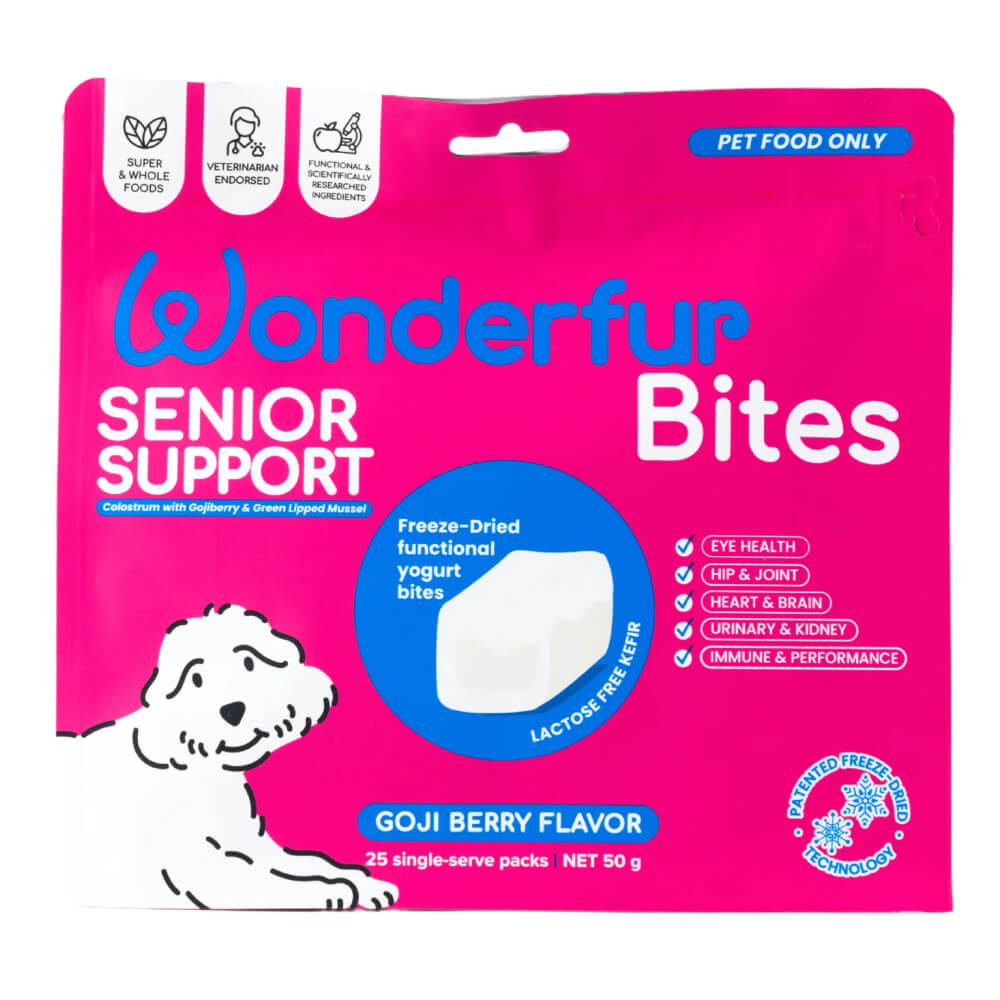
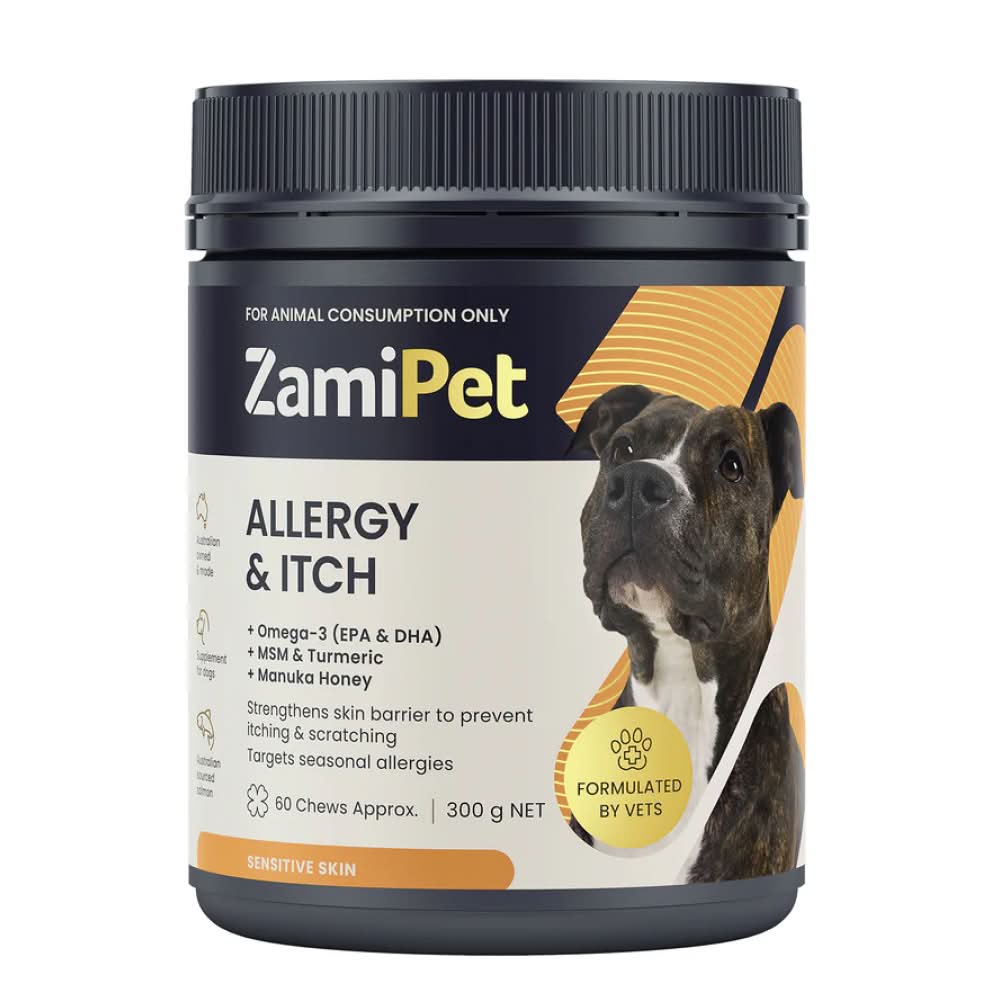
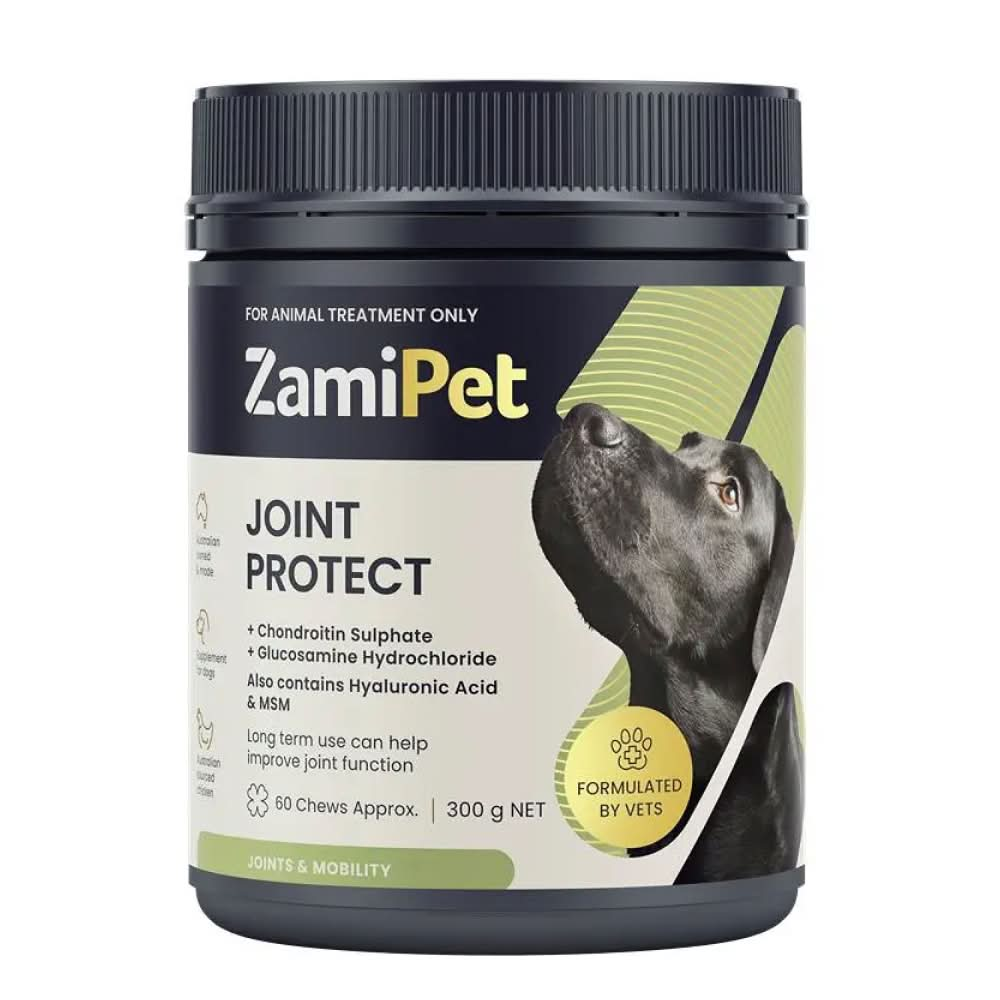
The core difference comes down to delivery and dosing. Over-the-counter joint supplements typically contain glucosamine and chondroitin — compounds that support cartilage structure. The evidence for their effectiveness in dogs is mixed, with some studies showing modest benefit and others showing little measurable improvement. They work on the structural side of joint health but don't directly address inflammation, which is the primary driver of pain and progressive joint damage.
j/d takes a different approach. Rather than trying to rebuild cartilage (which has limited capacity for repair in advanced arthritis), j/d focuses on reducing the inflammatory process that causes pain and accelerates joint deterioration. The omega-3 fatty acids in j/d are delivered at levels that would require giving your dog an impractical number of fish oil capsules to replicate.
That said, this isn't necessarily an either-or choice. Some vets prescribe j/d alongside joint supplements, using the diet for systemic anti-inflammatory support and supplements for localised cartilage support. But if you had to choose one intervention beyond pain medication, the clinical evidence for j/d's therapeutic omega-3 approach is stronger than for most standalone glucosamine supplements.
The other advantage of j/d is that it addresses the whole picture — inflammation, weight management, and muscle support — in a single intervention, rather than trying to achieve the same result with multiple separate supplements added to a regular diet that may itself be contributing to inflammation or excess weight.
The j/d Combo Products — Metabolic+j/d, k/d+j/d, Brain Care+j/d
One of the most practical things about the j/d range is Hill's recognition that joint disease rarely exists in isolation. Older dogs — the primary population for arthritis — often have concurrent conditions. The combo products address two problems with one diet, eliminating the need to choose between competing dietary requirements.
Metabolic+j/d is the most commonly prescribed combo. It combines the joint-support profile of j/d with the metabolic formula designed for weight management. This is significant because obesity and arthritis create a vicious cycle — excess weight accelerates joint damage, while reduced mobility from arthritis makes weight gain more likely. Metabolic+j/d breaks this cycle by supporting joint function while actively promoting healthy weight loss through metabolic optimisation rather than simple calorie restriction.
k/d+j/d addresses kidney disease and joint disease simultaneously. Chronic kidney disease requires phosphorus restriction and modified protein levels that standard j/d doesn't provide. For dogs managing both conditions, k/d+j/d delivers the renal-protective nutritional profile of k/d alongside the joint-supporting omega-3 levels of j/d. Without this combo, owners would face an impossible choice between supporting their dog's kidneys or their joints.
Brain Care+j/d is the newest combination, targeting cognitive decline alongside joint disease. Canine cognitive dysfunction is increasingly recognised in senior dogs, and this formula combines the omega-3 joint support with nutrients that support brain health and cognitive function. It's particularly relevant for older dogs showing signs of both stiffness and confusion, disorientation, or disrupted sleep patterns.
Your vet will recommend the appropriate formula based on your dog's specific health profile. If your dog only has joint issues without concurrent conditions, standard j/d is the right choice. If there are overlapping concerns, the combo products simplify management considerably.
Which Dogs Benefit Most from j/d?
j/d is most commonly prescribed for dogs with diagnosed osteoarthritis, but it's not limited to advanced joint disease. Dogs that typically benefit include those with confirmed osteoarthritis at any stage, from early stiffness to significant mobility loss. Dogs recovering from orthopaedic surgery — cruciate ligament repair, hip replacement, or fracture fixation — often benefit from the anti-inflammatory nutritional support during rehabilitation.
Breeds predisposed to joint problems may benefit from j/d earlier in life. Large and giant breeds such as Labrador Retrievers, German Shepherds, Golden Retrievers, Rottweilers, and Great Danes are overrepresented in joint disease statistics. Some vets recommend j/d as a proactive measure once early joint changes are detected on examination or imaging, before significant pain develops.
Senior dogs showing general mobility decline — slower on walks, reluctant to jump, stiff after rest — are common candidates even before a formal arthritis diagnosis. The anti-inflammatory and weight management benefits of j/d can support overall mobility and comfort in ageing dogs.
Dogs with hip or elbow dysplasia may also be prescribed j/d as part of long-term management, particularly when surgical intervention isn't appropriate or as ongoing support after surgical correction.
j/d is formulated for adult dogs. Puppies with developmental orthopaedic conditions have different nutritional requirements and need age-appropriate management under veterinary guidance.
Exercise and Lifestyle Alongside j/d
Diet is one component of joint disease management. Exercise modification and environmental adjustments work alongside j/d and medication to maximise your dog's comfort and mobility.
The goal with arthritic dogs isn't to stop exercise — it's to modify it. Regular, gentle, consistent movement is better than occasional bursts of intense activity. Short, frequent walks are preferable to long weekend hikes. Swimming is often excellent for arthritic dogs because it allows muscle use and cardiovascular exercise without joint impact. Many veterinary rehabilitation centres offer hydrotherapy specifically for dogs with joint disease.
Consistency matters more than intensity. A 15-minute walk twice daily maintains muscle tone and joint flexibility better than a single 45-minute walk that leaves your dog sore the next day. Watch for signs of overdoing it — limping during or after exercise, reluctance to go out the following day, or increased stiffness after rest.
Environmental modifications make a significant difference. Ramps for getting in and out of cars, orthopaedic bedding that supports joints during rest, raised food and water bowls to reduce neck and shoulder strain, and non-slip mats on hard floors to prevent painful slipping all contribute to daily comfort.
Weight management deserves emphasis. If your dog is overweight, achieving a healthy weight is arguably the single most impactful thing you can do for their joints — even more than any medication or diet. j/d supports weight management through its calorie profile and L-carnitine content, but portion control and appropriate exercise are still essential. Your vet can help you determine your dog's ideal weight and a realistic timeline for reaching it.
How Long Do Dogs Stay on j/d?
Osteoarthritis is a progressive, lifelong condition. It can be managed but not reversed, which means j/d is typically a long-term or permanent dietary choice.
Most owners notice initial improvements within three to six weeks of starting j/d — increased willingness to walk, less stiffness after resting, and improved ability to manage stairs or get up from lying down. The full anti-inflammatory effect builds over a longer period, with continued improvement over the first few months.
Some dogs with mild early joint disease may eventually transition to a senior diet with good omega-3 levels if their joint condition stabilises and remains well-managed. However, for most dogs with established osteoarthritis, staying on j/d provides the best ongoing support.
If your dog develops a concurrent condition that requires a different dietary approach — such as kidney disease or a food allergy — your vet will reassess the diet plan. This is where the combo products (k/d+j/d, Metabolic+j/d, Brain Care+j/d) become particularly valuable, as they allow continued joint support while addressing the new condition.
Your vet will monitor your dog's joint health, weight, and overall mobility at regular check-ups. The treatment plan — including diet, medication, exercise, and supplements — will be adjusted over time based on how your dog responds.
Where to Buy Hill's j/d in Australia
Hill's j/d requires a vet recommendation before purchase. Available through veterinary clinics and authorised online retailers including Pet Circle, Budget Pet Products, and Petbarn. Prices vary between stores — you can compare current prices on the Dog Directory to find the best deal.
Frequently Asked Questions
Can j/d replace my dog's arthritis medication?
j/d is designed to complement arthritis medications, not replace them. Pain relief medications (like NSAIDs, Librela, or gabapentin) manage pain through different pathways than the anti-inflammatory nutrients in j/d. Most vets recommend both for optimal joint management. Some dogs on j/d may need lower medication doses over time, but never stop or reduce medication without consulting your vet.
How quickly will I see improvement on j/d?
Clinical studies show measurable mobility improvements within 21 days. Most owners notice their dog is more willing to walk, less stiff after resting, and more comfortable on stairs within three to six weeks. Full benefits develop over two to three months of consistent feeding.
My dog is on a joint supplement. Should I stop it when starting j/d?
Discuss this with your vet. Some vets recommend continuing glucosamine and chondroitin supplements alongside j/d, as they work through different mechanisms. Others feel j/d provides sufficient support on its own. Don't add extra fish oil, though — j/d already contains optimised omega-3 levels.
Is j/d suitable for large breed puppies with joint concerns?
j/d is formulated for adult dogs. Puppies, including large breed puppies with developmental orthopaedic concerns like hip dysplasia, need growth-specific nutrition. Your vet will recommend an appropriate large breed puppy food and may introduce j/d once your dog reaches skeletal maturity.
Can I mix j/d with regular food?
This isn't recommended. j/d's therapeutic benefit depends on the specific nutrient ratios in the complete diet. Mixing it with regular food dilutes the omega-3 concentrations and alters the calorie profile, reducing its effectiveness. Feed j/d as the sole diet for best results.
My dog has arthritis and is overweight. Should I use j/d or Metabolic?
Ask your vet about Metabolic+j/d — the combo formula specifically designed for this common situation. It addresses both weight management and joint support simultaneously, which is more effective than choosing one or the other.
Does j/d come in wet food?
Yes. Both wet and dry formats are available, and both deliver the therapeutic nutrient profile. Wet food can be useful for dogs that prefer softer textures, have dental issues, or need additional hydration. Some owners mix a portion of wet into dry for palatability. Either format works — your vet may have a preference based on your dog's needs.
Will j/d help with hip dysplasia?
j/d can support dogs with hip dysplasia by reducing joint inflammation and supporting lean muscle mass around the hip joints. It won't correct the structural abnormality, but it can improve comfort and mobility. It's commonly prescribed as part of long-term hip dysplasia management, particularly for dogs not undergoing surgical correction.
My dog doesn't like the taste of j/d. What can I do?
Transition gradually over seven to ten days, mixing increasing amounts of j/d with decreasing amounts of the old food. Warming wet food slightly can enhance aroma and palatability. If your dog is consistently refusing j/d after a proper transition, let your vet know — they may suggest trying the other format (wet vs dry) or an alternative approach.
Is j/d the same as a senior dog food?
No. While senior diets may include some joint-supporting ingredients like glucosamine, they don't contain omega-3 fatty acids at the therapeutic levels found in j/d. Senior diets are maintenance foods designed for older dogs in general. j/d is a therapeutic diet specifically formulated to manage diagnosed joint disease, with clinically proven levels of EPA for joint inflammation.








Comments
0 comments
Login to Join the Conversation 💬