




















Bad storage is the fastest way to turn good kibble into a waste of money. Here's how to keep your dog's dry food fresh, safe, and nutritious from the day you open the bag.
In Short:
Dry dog food should be stored in an airtight container in a cool, dry place out of direct sunlight. An open bag of kibble stays fresh for four to six weeks if sealed properly. Heat, moisture, and air exposure break down fats and nutrients, turning good food rancid.
Clean your container between bags and never pour new food on top of old.

Featured Products:

Why storage matters more than you think
Dry dog food contains fats and oils that start oxidising the moment you open the bag. Oxidation is what makes food go rancid — and rancid fats don't just taste bad. They destroy fat-soluble vitamins (A, D, E, K) and can cause digestive upset.
Heat speeds this up. So does humidity. So does leaving the bag open on the laundry floor, which is where most Australians keep their dog food.
You might not notice the difference, but your dog can. A dog that suddenly goes off their food or develops soft stools might not need a new brand — they might just need food that hasn't been sitting in a warm garage for six weeks.

The right container
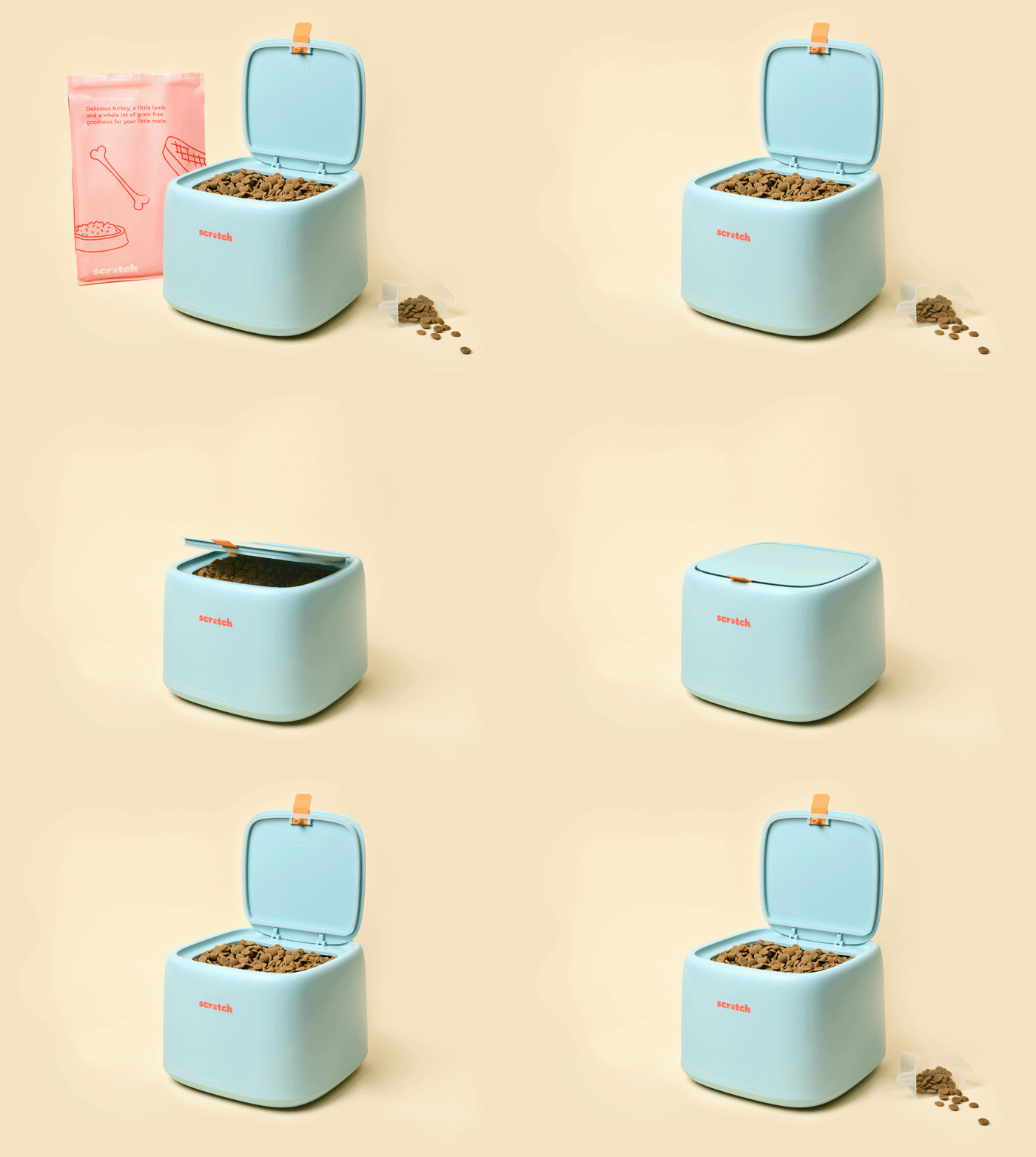
An airtight container is the single best investment you can make for your dog's food storage. It keeps air, moisture, and pests out.
Plastic containers with a rubber-sealed lid work well and are the most common option. Look for food-grade plastic — it won't leach chemicals into the food or absorb odours over time.
Stainless steel containers are the premium option. They don't absorb smells, are easier to clean, and last longer. They cost more upfront but you'll only buy one.
Keep the food in its original bag inside the container if possible. The bag is designed to provide a barrier against light and moisture, and it keeps the batch number and expiry date accessible. Just fold the top of the bag down tightly and close the container over it.
Avoid glass containers in areas where they could break, and avoid any container that doesn't seal properly. A loose lid defeats the purpose.
Where to store it
Cool, dry, and out of direct sunlight. That's the rule.
A pantry, laundry cupboard, or indoor storage area works well. The ideal temperature range is below 25°C. Australian summers can push garages and sheds well above this, which accelerates fat oxidation.
Never store dog food in the garage during summer unless it's climate-controlled. The same goes for outdoor sheds, carports, or anywhere that gets direct afternoon sun.
Keep the container off the ground if possible. This reduces moisture exposure and makes it harder for pests to access.
How long an open bag lasts
Once opened, most dry dog food stays fresh for four to six weeks if stored correctly. After that, the fats begin to degrade noticeably even in good conditions.
The expiry date on the bag refers to an unopened bag stored in ideal conditions. Once you break the seal, the clock starts.
Buy the right bag size for your dog's consumption rate. If your dog eats 200 grams a day, a 20 kg bag will last over three months — well past its freshness window. A 7–8 kg bag is a better choice, even if the per-kilogram price is slightly higher.
If the food smells off, looks oily or discoloured, or your dog suddenly refuses it, throw it out. Rancid food isn't worth the vet bill.
Common mistakes
Pouring new food on top of old remnants is the most common storage mistake. The old food at the bottom goes rancid and contaminates the fresh food above it. Always empty and clean the container before refilling.
Wash the container between bags with warm soapy water and dry it completely. Residual oils from the previous bag will oxidise and taint the new food.
Don't store kibble in the fridge or freezer. The moisture fluctuations when you take it in and out cause condensation, which promotes mould growth.
Don't leave a scoop sitting in the container. It introduces moisture and bacteria every time you reach in.
Frequently Asked Questions
How long does dry dog food last once opened?
Should I keep dry dog food in the original bag?
Can dry dog food go bad in hot weather?
What is the best container for storing dry dog food?
Do I need to wash the dog food container between bags?



Comments
0 comments
Login to Join the Conversation 💬