


.png)
















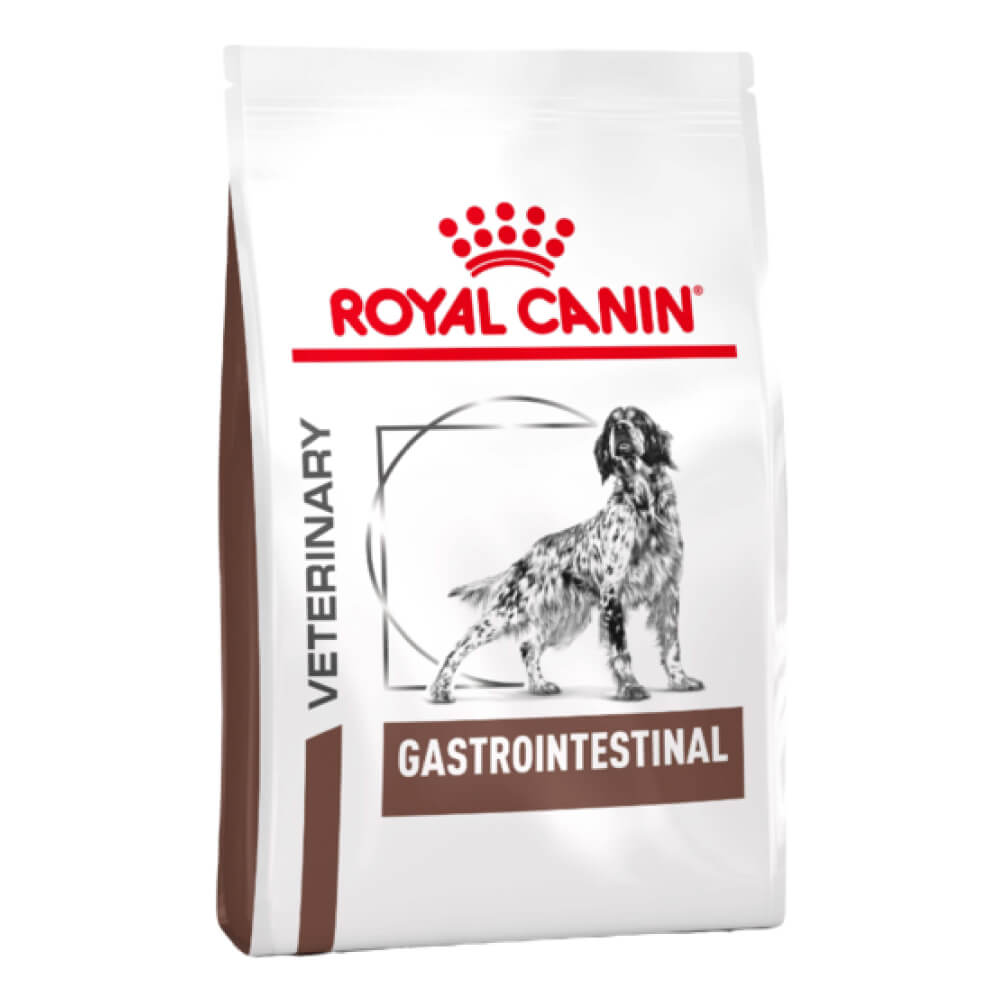
When your vet says your dog needs a gastrointestinal diet, you'll almost certainly end up choosing between two names — Royal Canin Gastrointestinal and Hill's Prescription Diet i/d. Both are excellent, but they're not identical, and the right pick depends on what's actually going on with your dog's gut.
In Short:
Both Royal Canin Gastrointestinal and Hill's i/d Digestive Care are prescription gastrointestinal dog foods designed to support dogs with digestive issues. Royal Canin leans on highly digestible proteins and prebiotics for gut flora recovery, while Hill's i/d uses their ActivBiome+ technology to target the gut microbiome directly.
Both work — the best choice depends on your dog's specific condition, whether they need a low-fat option, and which formula your dog actually eats willingly.
Featured Products:

What These Diets Are Designed to Do
Gastrointestinal dog food isn't just "gentle on the stomach." Both Royal Canin Gastrointestinal and Hill's i/d are therapeutic prescription diets formulated to manage acute and chronic digestive conditions — including gastritis, colitis, inflammatory bowel disease, pancreatitis recovery, and post-surgical gut healing.
The shared goal is the same: deliver maximum nutrition with minimum digestive effort, while actively supporting the gut lining and microbiome to recover. Where they differ is in how they get there.
Royal Canin Gastrointestinal — The Approach
Royal Canin's gastrointestinal range focuses on three pillars: highly digestible proteins (primarily poultry), a carefully managed fat and fibre balance, and a prebiotic blend including fructo-oligosaccharides (FOS) and manno-oligosaccharides (MOS) that feed beneficial gut bacteria.
The standard Royal Canin Gastrointestinal formula has a moderate fat content, which suits most dogs recovering from acute gastro episodes. For dogs with pancreatitis or fat-sensitive conditions, Royal Canin also offers a Gastrointestinal Low Fat variant — and this is where their range genuinely excels. The low fat formula contains roughly 7% fat on a dry matter basis, one of the lowest available in any prescription gastrointestinal dog food in Australia.
Royal Canin also includes EPA and DHA omega-3 fatty acids to help manage gut inflammation, and their kibble is designed to be highly palatable even for dogs that have gone off their food — a common challenge during digestive flare-ups.
Hill's i/d Digestive Care — The Approach
Hill's Prescription Diet i/d takes a more microbiome-focused approach with their proprietary ActivBiome+ technology. Rather than just making food easier to digest, Hill's i/d is formulated to actively shift the composition of your dog's gut bacteria toward a healthier balance.
The formula uses a blend of prebiotic fibres — including beet pulp and flaxseed — alongside highly digestible proteins and ginger as a gentle gut soother. Hill's clinical data shows that i/d can improve stool quality within 24 hours in dogs with acute digestive upset, which is a faster response time than most competing formulas claim.
Hill's i/d also comes in a Low Fat variant for pancreatitis-prone dogs, as well as a Stress formula (i/d Stress) that combines digestive support with ingredients designed to help manage anxiety-related gut issues. The Stress variant is particularly useful for dogs whose digestive problems flare up during boarding, travel, or changes in routine.

Head-to-Head — Key Differences
The protein sources are similar — both use chicken and pork-derived ingredients as their primary animal proteins. Calorie density is comparable across the standard formulas.
The most meaningful difference is in the approach to gut health. Royal Canin prioritises digestibility and prebiotic support, making it a strong choice for straightforward recovery from acute gastro, dietary indiscretion, or antibiotic-related gut disruption. Hill's i/d leans harder into microbiome remodelling, which may offer a longer-term advantage for dogs with chronic or recurring digestive issues like IBD.
On the low-fat front, Royal Canin Gastrointestinal Low Fat has a slight edge in fat restriction, which some vets prefer for pancreatitis cases where every gram of fat matters. Hill's i/d Low Fat is still a very good option, but its fat content sits a touch higher.
Palatability is subjective and dog-dependent. Anecdotally, Hill's i/d tends to score well with fussy eaters in its wet food format, while Royal Canin's dry kibble is often reported as more readily accepted by dogs who prefer crunch. The honest answer is that you may need to trial both.
Which One Do Australian Vets Recommend?
Both brands have deep relationships with Australian veterinary clinics, and most vets stock one or both. There's no consensus "winner" — the recommendation usually comes down to your dog's diagnosis.
For acute gastro episodes and post-operative recovery, Royal Canin Gastrointestinal is frequently the first reach. For chronic conditions, IBD management, or dogs with stress-related gut flare-ups, Hill's i/d — especially the ActivBiome+ or Stress formulas — tends to get the nod. For pancreatitis, both Low Fat options are excellent, with Royal Canin's marginally lower fat content giving it a slight edge in severe cases.
The most important factor is that your dog will eat it consistently. A prescription diet only works if your dog actually consumes it at the recommended portions, so if one brand isn't being accepted, switching to the other is always reasonable. For a deeper look at the full Royal Canin veterinary range, see our Royal Canin Veterinary Diet Guide, and if weight is also a concern alongside gut health, our Hill's Metabolic Dog Food review covers the weight management side of Hill's prescription range.
Frequently Asked Questions
Can I switch between Royal Canin Gastrointestinal and Hill's i/d?
Yes, you can switch between the two, but do it gradually over five to seven days by mixing increasing amounts of the new food with decreasing amounts of the old. A sudden swap can trigger the exact digestive upset you're trying to manage. Your vet may also want to reassess the reason for the switch before you change over.
Which is better for pancreatitis — Royal Canin or Hill's i/d?
Both brands offer dedicated low-fat gastrointestinal formulas suitable for pancreatitis management. Royal Canin Gastrointestinal Low Fat has a marginally lower fat content on a dry matter basis, which makes it the preferred choice for some vets in acute or severe pancreatitis cases. Hill's i/d Low Fat is also widely used and well-tolerated. Your vet will recommend based on the severity of your dog's condition.
Do I need a prescription for both of these dog foods?
No. In Australia, neither Royal Canin Gastrointestinal nor Hill's i/d legally requires a vet prescription. They're labelled as "veterinary diets" and are recommended through vet clinics, but you can purchase both from online pet retailers and some pet supply stores without a script. The "Prescription Diet" name on Hill's products is a brand name, not a legal classification.
How long should my dog stay on gastrointestinal dog food?
For acute episodes like a stomach bug or dietary indiscretion, most vets recommend two to four weeks on a gastrointestinal diet before gradually transitioning back to regular food. For chronic conditions like IBD or recurring pancreatitis, your dog may need to stay on the formula long-term or indefinitely. Your vet will advise based on follow-up assessments and symptom management.
Is gastrointestinal dog food suitable for puppies?
Both Royal Canin Gastrointestinal and Hill's i/d can be fed to puppies under veterinary supervision, though neither is formulated as a complete growth diet for long-term use. For short-term digestive recovery in puppies, both are safe and commonly used. If your puppy needs extended gut support, your vet may recommend a puppy-specific formula with added digestive benefits rather than an adult gastrointestinal prescription diet.








Comments
0 comments
Login to Join the Conversation 💬