







Biscuit Dog Treats with Aussie Chicken

Overview
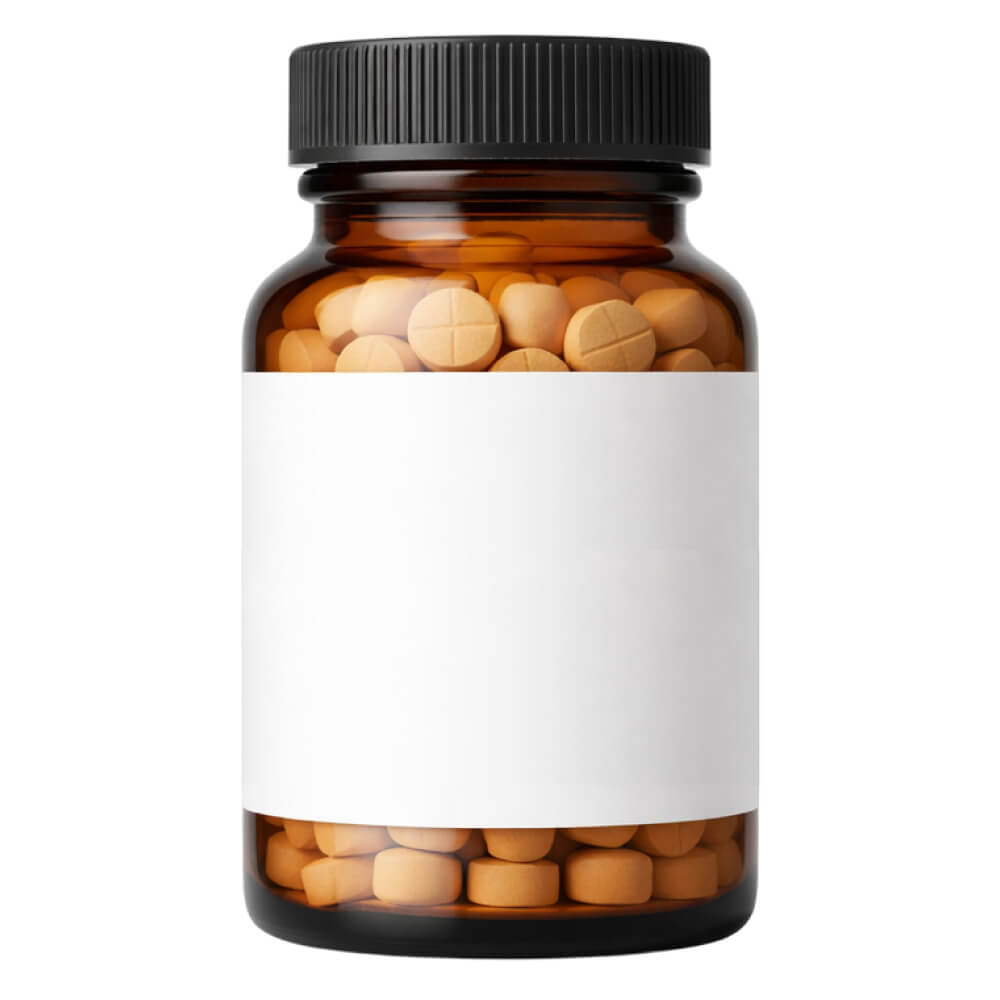
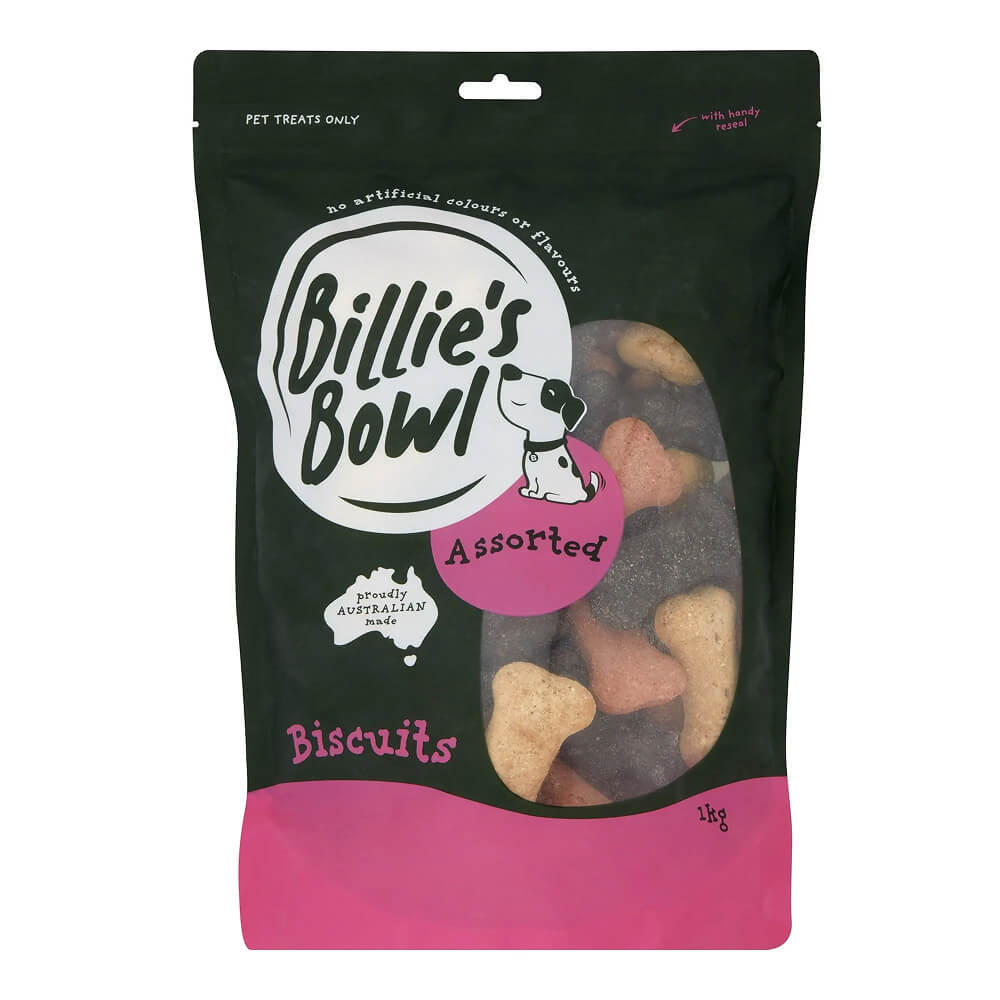
Billie's Bowl Chicken Biscuits are oven-baked, crunchy treats made with Aussie chicken mince, wholegrain wheat, and flaxseed meal. No artificial colours or flavours, and packaged in a resealable bag. The crunchy baked texture supports dental health through natural chewing.
A straightforward chicken-flavoured biscuit for dogs who prefer a meatier reward. Suited to all breeds and life stages, and works equally well for training or everyday treating.
Ingredients
Wholegrain Wheat, Vegetable Oil, Chicken Mince, Meat Meal, Sugar, Salt, Garlic Powder, Calcium Carbonate, Flaxseed Meal, Vitamins & Minerals.

Whole Wheat, Wholemeal Wheat, Triticum Aestivum, Wheat Wholemeal
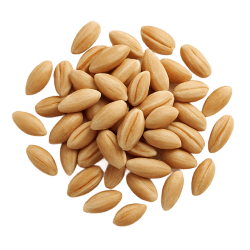
Wholegrain wheat is a cereal grain derived from the entire wheat kernel, including the bran, germ, and endosperm. Sourced from plants, it serves as a rich source of dietary fibre, complex carbohydrates, and essential nutrients, supporting digestive health and sustained energy release. In pet food, wholegrain wheat is used in its natural, unrefined form to maximise nutritional value and maintain ingredient integrity.
Wholegrain wheat is included as a cost-effective carbohydrate source that provides bulk and energy to pet food formulations. Its use also appeals to consumers seeking recognisable, "whole" ingredients on product labelling.

Edible Vegetable Oil, Edible Plant Oil, Plant Oil, Oleum Vegetabile
Vegetable oil is a plant-derived fat extracted from various seeds or fruits, such as sunflower, canola, or soybean. It serves primarily as an energy source and supports the absorption of fat-soluble vitamins in pet food. Vegetable oil is used in its refined, edible form rather than as raw plant material, ensuring safety, palatability, and optimal nutrient availability for pets.
Vegetable oil is included as a cost-effective source of dietary fat and energy, supporting palatability and contributing to the texture of the final product. It may also be used to deliver essential fatty acids and improve the appearance of the kibble.

Gallus Gallus Domesticus, Poultry Meat, Domestic Fowl, Broiler Meat
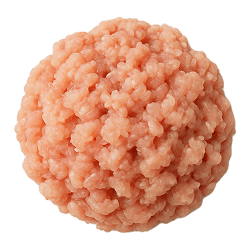
Chicken is a high-quality animal protein sourced from poultry, commonly used in pet foods for its rich amino acid profile and palatability. It provides essential nutrients to support muscle maintenance and overall health. In premium pet foods, chicken is typically included in its natural, whole form, ensuring optimal nutrient availability and digestibility for pets.
Chicken is included as a primary animal protein source to meet nutritional requirements and enhance palatability for pets. Its recognisable presence on the label also appeals to consumers seeking high-quality, meat-based ingredients.

Rendered Meat, Meat Protein Meal, Processed Animal Protein, Animal Protein Meal
Meat meal is a rendered product derived from animal tissues, excluding blood, hair, hoof, horn, hide trimmings, and contents of the stomach and rumen. It serves as a concentrated source of protein and essential amino acids, supporting muscle maintenance and overall health in pets. Meat meal is not used in its natural form; it is processed and dried to optimise nutrient density and digestibility.
Meat meal is included as a concentrated protein source that provides essential amino acids while allowing manufacturers to optimise nutrient density and production efficiency. Its use also supports cost management by utilising rendered animal tissues that might otherwise go to waste.

Sucrose, Saccharose, E955, Beta-D-Fructofuranosyl Alpha-D-Glucopyranoside
Sugar is a simple carbohydrate derived primarily from plant sources such as sugar cane or sugar beet. It serves as a readily available energy source, supporting metabolic processes and palatability in pet foods. Sugar is incorporated in its natural, refined form rather than as a raw plant material, ensuring consistency and digestibility for pets while enhancing the taste of the final product.
Sugar is included as a cost-effective palatability enhancer to improve taste and encourage consumption. It may also serve as a minor preservative to help stabilise certain formulations.

Sodium Chloride, NaCl, Table Salt, E535
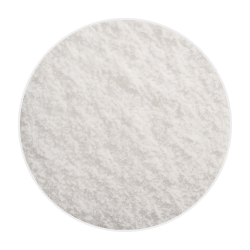
Salt is a mineral ingredient derived from the combination of sodium and chloride, typically sourced from natural deposits or seawater. It is primarily included in pet food to support electrolyte balance, nerve function, and hydration. Salt is not used in its raw mineral form but is utilised as sodium chloride, a purified compound, to ensure safety, palatability, and optimal absorption in pets.
Salt is included as a palatability enhancer to improve taste and encourage consumption, and also functions as a preservative to help extend product shelf life. Its use allows manufacturers to optimise flavour while maintaining product stability.

Allium Sativum Powder, Dehydrated Garlic, Ground Garlic, Allium Sativum
Garlic powder is a dehydrated and finely ground form of garlic, a plant-derived ingredient from the Allium family. It is primarily included in pet food for its natural antioxidant properties and potential to support immune health. Garlic powder is used in its processed, powdered form rather than as fresh cloves, allowing for controlled inclusion and consistent flavour distribution.
Garlic powder is included in pet food formulations primarily as a palatability enhancer to improve flavour and encourage consumption. It may also be used for its perceived health benefits, appealing to consumer preferences, despite its minimal functional impact at low inclusion rates.

Chalk, Limestone, E170, Marble Dust
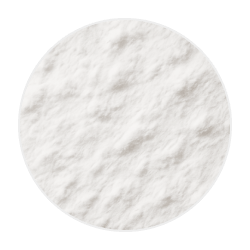
Calcium carbonate is a naturally occurring mineral compound derived from sources such as limestone or marine shells. It is primarily included in pet food as a source of calcium, essential for healthy bones, teeth, and metabolic functions. Calcium carbonate is not used in its raw mineral state; instead, it is processed into a purified, food-grade compound to optimise safety and bioavailability for pets.
Calcium carbonate is included as a cost-effective mineral supplement to provide a bioavailable source of calcium, supporting bone health and proper nutritional balance. It also functions as a pH stabiliser, contributing to product consistency and shelf stability.

Flaxseed Meal, Flax Meal, Linum Usitatissimum Meal, Flaxseed Cake
Linseed meal is a plant-derived ingredient produced from the ground seeds of the flax plant (Linum usitatissimum) after oil extraction. It is primarily included in pet food as a source of dietary fibre, protein, and omega-3 fatty acids, supporting digestive and skin health. Linseed meal is used in its natural, ground form to optimise nutrient availability and palatability for pets.
Linseed meal is included as a cost-effective source of plant-based protein and omega-3 fatty acids, supporting nutritional labelling claims. It also serves as a fibre source to aid digestive health in pet food formulations.

Micronutrients, Essential Micronutrients, Vital Nutrients, Accessory Food Factors
Vitamins are organic compounds derived from both plant and animal sources, essential for numerous metabolic and physiological functions in pets. Their primary purpose is to support immune health, vision, bone development, and cellular processes. In pet food, vitamins are not used in their natural, raw forms but are instead incorporated as stabilised compounds or premixes to ensure safety, stability, and optimal bioavailability.
Vitamins are included to ensure nutritional adequacy and meet regulatory requirements for complete and balanced pet food. They may also be added to compensate for nutrient losses during processing and storage.

Dietary Minerals, Inorganic Nutrients, Essential Minerals, Bulk Elements
Minerals are essential inorganic nutrients derived from the earth, not produced by animals or plants. They play a critical role in supporting various physiological functions, such as bone development, nerve transmission, and enzyme activity. In pet food, minerals are not used in their natural raw or metallic state; instead, they are incorporated as specific compounds (such as sulphates or chelates) to optimise safety and bioavailability.
Minerals are included to meet essential nutritional requirements for pets, supporting overall health and proper bodily functions. They are often added in precise amounts to ensure the product complies with regulatory standards and nutrient profiles.

About


Comments
0 comments
Login or Register to Join the Conversation