




.png)


Pork Raw Freeze Dried Puppy Food

Overview
Frontier Pets Free-Range Pork Puppy Food is a raw freeze-dried diet for puppies aged 0–12 months, using free-range pork meat alongside pork and/or beef offal, free-range egg, and green-lipped mussel — the latter is included only in the puppy versions of Frontier Pets recipes. Carrot, broccoli, apple, almond meal, hemp meal and seaweed provide the plant inputs. The recipe meets AAFCO and NRC profiles for the growth and development of puppies. Served dry or rehydrated 1:1 with warm water. The variable beef inclusion may not suit puppies with a known beef sensitivity.
Nutritional Analysis
Ingredients
Free-Range Pork, Pork Offal and/or Beef Offal, Green Lipped Mussels, Free-Range Eggs, Carrot, Broccoli, Apple, Seaweed (Ascophyllum Nodosum), Almond Meal, Hemp Meal, Added Vitamins & Minerals.

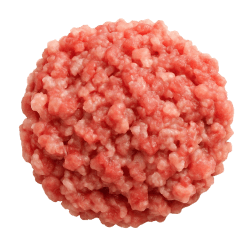
Sus Scrofa Domesticus, Domestic Pig, Swine, Porcine
Pork is the meat derived from domesticated pigs and is classified as an animal-based ingredient. It serves as a high-quality source of protein and essential amino acids, supporting muscle maintenance and overall health in pets. In pet food, pork is typically used in its natural, whole form, providing both palatability and nutritional value for dogs and cats.
Pork is included as a primary animal protein source to support muscle maintenance and overall nutrition in pet food formulations. It also serves as a palatable ingredient that can enhance flavour and appeal for pets.

Swine Offal, Sus Scrofa Domesticus Offal, Pig Offal, Porcine Offal
Pork offal refers to the edible internal organs and by-products derived from pigs, such as liver, kidney, and heart. Sourced from animals, pork offal is included in pet food for its rich supply of protein, essential vitamins, and minerals, supporting overall health. It is used in its natural, whole-food form, providing a highly digestible and nutrient-dense ingredient for pets.
Pork offal is included as a cost-effective source of animal protein, vitamins, and minerals, utilising parts of the animal that might otherwise go to waste. Its inclusion supports nutritional value while optimising ingredient costs for the manufacturer.
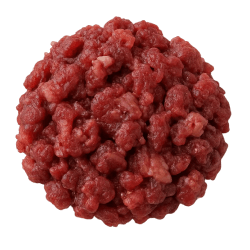
Bovine Offal, Bos Taurus Offal, Cattle Offal, Bovine Variety Meats
Beef offal refers to the edible internal organs and by-products derived from cattle, such as liver, kidney, and heart. Sourced from animal origin, beef offal is included in pet food for its rich supply of essential nutrients, including protein, vitamins, and minerals. It is used in its natural, whole food form, providing highly bioavailable nutrients to support overall pet health.
Beef offal is included as a cost-effective source of animal protein, vitamins, and minerals, utilising parts of the animal that are highly nutritious but less in demand for human consumption. Its inclusion also supports label appeal by highlighting the use of whole-animal ingredients.
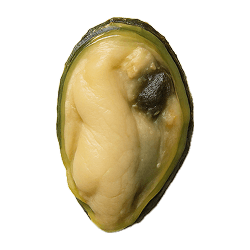
Perna Canaliculus, New Zealand Green Mussel, Greenshell Mussel, Kuku
Green lipped mussel is a marine animal ingredient sourced from the coastal waters of New Zealand. It is primarily included in pet food for its rich content of omega-3 fatty acids, glucosamine, and chondroitin, which support joint health and reduce inflammation. Green lipped mussel is used in its natural, whole form, ensuring optimal nutrient availability and bioactivity for pets.
Green lipped mussel is included as a functional ingredient to provide natural sources of omega-3 fatty acids and joint-supporting nutrients, supporting product differentiation and marketing claims related to joint health. Its presence also appeals to consumers seeking premium or holistic pet food formulations.

Hen Egg, Chicken Egg, Gallus Gallus Domesticus Egg, Avian Egg
Egg is an animal-derived ingredient sourced from poultry, commonly used in pet food for its high-quality protein and essential amino acids. It provides vital nutrients that support muscle development and overall health. In pet food, egg is typically included in its natural, whole form—either as dried or fresh egg—ensuring optimal digestibility and nutrient availability for pets.
Egg is included as a high-quality, bioavailable protein source to support muscle development and overall nutrition. It also enhances the product’s nutritional profile, appealing to consumers seeking premium or natural pet food options.
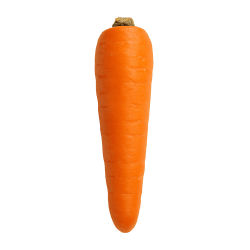
Daucus Carota, Daucus Carota Root, Daucus Carota Sativa, Wild Carrot
Carrot is a root vegetable of plant origin, widely recognised for its vibrant orange colour and natural sweetness. In pet food, carrot is included in its natural, whole form to provide dietary fibre, beta-carotene (a precursor to vitamin A), and antioxidants. Its primary benefit is supporting digestive health and immune function, while also contributing to overall palatability and nutritional diversity.
Carrot is included as a label-friendly ingredient to appeal to consumers seeking recognisable, natural components and to enhance the product’s perceived nutritional value. It may also provide a modest source of fibre and vitamins, supporting marketing claims of added health benefits.
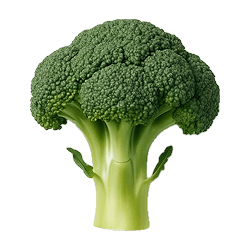
Brassica Oleracea Italica, Calabrese, Sprouting Broccoli, EATME Broccoli
Broccoli is a nutrient-rich vegetable derived from the plant species Brassica oleracea. As a plant-based ingredient, it is included in pet food primarily for its dietary fibre, vitamins, and antioxidant content, supporting digestive health and immune function. Broccoli is used in its natural form, ensuring pets benefit from its whole-food nutritional profile without synthetic alteration.
Broccoli is included as a label-friendly ingredient to appeal to health-conscious consumers and enhance the perceived nutritional value of the product. It may also contribute small amounts of fibre, vitamins, and antioxidants, supporting marketing claims of added health benefits.
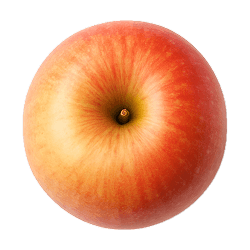
Malus Domestica, Pyrus Malus, Malus Pumila, E Malus
Apple is a fruit derived from the Malus domestica tree, classified as a plant-based ingredient. It is primarily included in pet food for its dietary fibre, natural antioxidants, and vitamins, supporting digestive health and immune function. Apple is used in its natural, whole form, ensuring pets benefit from its inherent nutrients without synthetic alteration or processing into extracts or concentrates.
Apple is included as a label-friendly ingredient to appeal to consumers seeking recognisable, natural components in pet food. It may also provide a modest source of fibre and natural sweetness to enhance palatability.

Knotted Wrack, Rockweed, Egg Wrack, Brown Seaweed
Ascophyllum nodosum is a species of brown seaweed harvested from cold North Atlantic waters, making it a marine plant ingredient. It is primarily included in pet food for its natural source of dietary fibre, antioxidants, and trace minerals, supporting oral health and immune function. Ascophyllum nodosum is used in its dried, powdered natural form to optimise nutrient availability and palatability.
Ascophyllum nodosum is included as a functional ingredient primarily for its perceived dental health benefits and as a source of natural minerals, supporting marketing claims of oral care and holistic nutrition. Its presence can enhance product appeal to health-conscious consumers seeking natural additives.
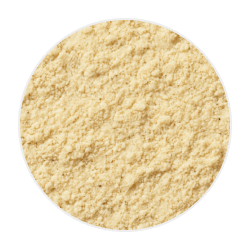
Ground Almonds, Almond Flour, Prunus Dulcis Flour, Prunus Dulcis Meal
Almond meal is a finely ground product made from whole almonds, a plant-based ingredient. It is primarily included in pet food as a source of protein, healthy fats, and dietary fibre, supporting energy and digestive health. Almond meal is used in its natural form, retaining the nutritional profile of whole almonds, and offers a nutrient-dense alternative to traditional grain-based fillers.
Almond meal is included as a novel protein and fat source to differentiate the product and appeal to consumers seeking alternative or premium ingredients. It may also serve as a label-friendly addition to enhance perceived nutritional value for marketing purposes.

Hemp Cake, Cannabis Sativa Meal, Cannabis Sativa Cake, Defatted Hemp Seed Meal
Hemp meal is the ground, defatted by-product remaining after oil is extracted from hemp seeds (Cannabis sativa). It is supplied as a dry, protein- and fibre-rich ingredient for use in animal feeds. Hemp meal provides a source of plant-based protein, dietary fibre, and essential fatty acids in dog food. When included at appropriate levels, it can support muscle maintenance and digestive health, with no known risks reported in dogs when used as part of a balanced diet.
Hemp meal is included in dog food formulations for the Australian market primarily as a cost-effective plant-based protein and fibre source, offering manufacturers a sustainable alternative to animal proteins while also contributing to the product’s nutritional balance. Its use benefits both the manufacturer, through cost efficiency and ease of sourcing, and the dog, by providing additional dietary fibre and essential fatty acids.

Micronutrients, Essential Micronutrients, Vital Nutrients, Accessory Food Factors
Vitamins are organic compounds derived from both plant and animal sources, essential for numerous metabolic and physiological functions in pets. Their primary purpose is to support immune health, vision, bone development, and cellular processes. In pet food, vitamins are not used in their natural, raw forms but are instead incorporated as stabilised compounds or premixes to ensure safety, stability, and optimal bioavailability.
Vitamins are included to ensure nutritional adequacy and meet regulatory requirements for complete and balanced pet food. They may also be added to compensate for nutrient losses during processing and storage.
Dietary Minerals, Inorganic Nutrients, Essential Minerals, Bulk Elements
Minerals are essential inorganic nutrients derived from the earth, not produced by animals or plants. They play a critical role in supporting various physiological functions, such as bone development, nerve transmission, and enzyme activity. In pet food, minerals are not used in their natural raw or metallic state; instead, they are incorporated as specific compounds (such as sulphates or chelates) to optimise safety and bioavailability.
Minerals are included to meet essential nutritional requirements for pets, supporting overall health and proper bodily functions. They are often added in precise amounts to ensure the product complies with regulatory standards and nutrient profiles.
About


PRODUCT TAGS
Most Tracked This Week










About the Brand


Comments
0 comments
Login to Join the Conversation 💬