




.png)


Metabolic Weight + j/d Mobility Wet Dog Food

Overview
Hill's Prescription Diet Metabolic + j/d Mobility Wet Dog Food is a clinical wet diet formulated for dogs that need to manage their weight while also receiving support for joint health and mobility. The relationship between excess weight and joint disease is well established — additional body weight increases the load on joints, accelerating deterioration and worsening pain. This formula works on both fronts, supporting healthy weight loss while delivering targeted nutrition to reduce joint inflammation and maintain cartilage.
Formulated by Hill's nutritionists and veterinarians, it activates the dog's metabolism to support gradual, sustainable fat loss while preserving lean muscle. The wet format adds palatability, making it a good option for dogs that are reluctant eaters. Always consult your veterinarian before starting a combined weight and mobility management programme.
Nutritional Analysis
Ingredients
Pork Liver, Rice, Cellulose, Dried Beet Pulp, Dried Egg Whites, Dried Tomato Pomace, Flaxseed Oil, Minerals, Fish Oil, Maize Gluten Meal, Digest, Coconut Oil, Dried Carrots, Vitamins, Trace Elements, Pork Cartilage, Crustacean Shell Hydrolysate, Beta-Carotene.

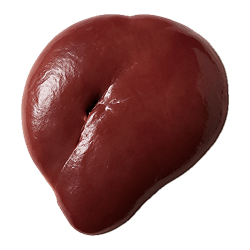
Sus Scrofa Domesticus Liver, Swine Liver, Pig Liver, Porcine Liver
Pork liver is an animal-derived organ meat sourced from pigs. It is included in pet food primarily for its rich content of highly bioavailable protein, essential vitamins (notably vitamin A), and minerals such as iron and zinc. Pork liver is used in its natural, whole food form, providing a concentrated source of nutrients to support overall health and vitality in pets.
Pork liver is included as a nutrient-dense organ meat to provide essential vitamins, minerals, and high-quality protein, supporting the nutritional profile of the product. Its strong flavour also enhances palatability, encouraging consumption by pets.
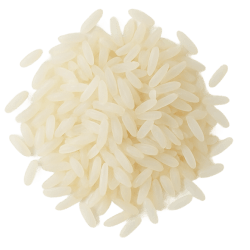
Oryza Sativa, Paddy, Oryza Sativa Grain, Oryza Spp.
Rice is a cereal grain derived from the seeds of the Oryza sativa plant, making it a plant-based ingredient. It serves primarily as a highly digestible source of carbohydrates, providing energy for pets. In pet food, rice is typically used in its natural, whole or milled form, rather than as a processed extract, to optimise digestibility and nutrient availability.
Rice is included as a cost-effective carbohydrate source that provides energy and helps create a desirable texture in pet food. It is also easily digestible, making it suitable for sensitive digestive systems and appealing for marketing as a familiar, label-friendly ingredient.

Beta-Glucan Homopolysaccharide, E460, Microcrystalline Cellulose, Plant Fibre
Cellulose is a plant-derived carbohydrate sourced primarily from the cell walls of fibrous plants. It serves as an insoluble dietary fibre in pet food, supporting healthy digestion and promoting optimal stool quality. Cellulose is not used in its raw plant form but is processed into a purified, food-grade powder to ensure consistency, safety, and effective fibre delivery in formulated diets.
Cellulose is included as a cost-effective fibre source to promote digestive health and regulate stool quality in pet food formulations. It also serves as a bulk-adding agent, helping to control calorie density without significantly impacting palatability.
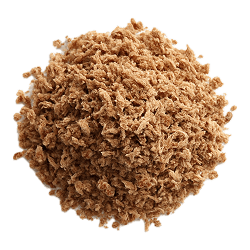
Beet Fibre, Beet Fiber, Beta Vulgaris Pulp, Beta Vulgaris Fibre
Dried beet pulp is a fibrous by-product derived from sugar beet plants after sugar extraction. As a plant-based ingredient, it serves primarily as a source of fermentable fibre, supporting digestive health and stool quality in pets. Dried beet pulp is used in its processed, dried form rather than as fresh beet, optimising its digestibility and functional benefits in pet food formulations.
Dried beet pulp is included as a cost-effective source of dietary fibre to promote digestive health and stool quality in pets. It also serves as a bulk-adding agent, helping to optimise the texture and consistency of the final product.
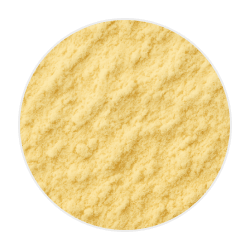
Egg Albumen Powder, Egg White Powder, Albumen Powder, E1105
Dried egg white is a high-quality animal-derived ingredient produced by dehydrating the albumen of hen eggs. It serves as an excellent source of highly digestible protein, supporting muscle maintenance and overall health in pets. Dried egg white is used in its natural form, simply processed to remove moisture, ensuring optimal shelf stability and nutrient retention without altering its fundamental composition.
Dried egg white is included as a highly digestible, animal-based protein source that supports muscle maintenance and overall nutrition. Its use also allows for precise protein content control and contributes to product texture without significantly impacting flavour.

Tomato Pomace, Solanum Lycopersicum Pomace, Tomato Fibre, Tomato Pulp Residue
Dried tomato pomace is a plant-derived ingredient composed of the skins, pulp, and seeds remaining after tomato processing. It is primarily included in pet food for its dietary fibre content, which supports digestive health, and as a source of antioxidants. Dried tomato pomace is used in its natural, dried form, ensuring the retention of beneficial nutrients and fibre for optimal pet nutrition.
Dried tomato pomace is included as a cost-effective fibre source and bulk-adding agent, helping to improve stool quality and digestive health. It also allows manufacturers to utilise a by-product of tomato processing, supporting sustainability and cost optimisation.
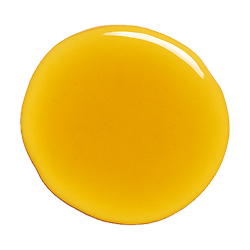
Flaxseed Oil, Oleum Lini, E401, Linum Usitatissimum Oil
Linseed oil, derived from the seeds of the flax plant (Linum usitatissimum), is a plant-based ingredient valued for its high content of omega-3 fatty acids, particularly alpha-linolenic acid (ALA), which supports skin and coat health in pets. In pet food, linseed oil is utilised in its natural, cold-pressed form to optimise nutrient retention and bioavailability.
Linseed oil is included as a source of omega-3 fatty acids to support skin and coat health, providing a plant-based alternative to fish oils. Its presence also allows manufacturers to market the product as containing beneficial oils for overall wellbeing.

Dietary Minerals, Inorganic Nutrients, Essential Minerals, Bulk Elements
Minerals are essential inorganic nutrients derived from the earth, not produced by animals or plants. They play a critical role in supporting various physiological functions, such as bone development, nerve transmission, and enzyme activity. In pet food, minerals are not used in their natural raw or metallic state; instead, they are incorporated as specific compounds (such as sulphates or chelates) to optimise safety and bioavailability.
Minerals are included to meet essential nutritional requirements for pets, supporting overall health and proper bodily functions. They are often added in precise amounts to ensure the product complies with regulatory standards and nutrient profiles.
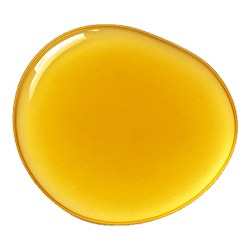
Fish Liver Oil, Oleum Piscis, Oleum Jecoris, Oleum Piscarium
Fish oil is a nutrient-rich oil derived from the tissues of oily fish, making it an animal-based ingredient. It is primarily included in pet food for its high content of omega-3 fatty acids, which support skin, coat, and joint health. Fish oil is utilised in a purified, liquid form rather than as whole fish, ensuring optimal absorption and safety for pets.
Fish oil is included as a source of omega-3 fatty acids to support skin, coat, and joint health, enhancing the nutritional profile of the product. Its presence also serves as a marketing point, appealing to consumers seeking functional health benefits for their pets.

Corn Gluten Meal, Zea Mays Gluten Meal, E161g, Zea Mays Protein Concentrate
Maize gluten meal is a plant-derived ingredient produced as a by-product of maize (corn) processing. It serves primarily as a concentrated protein source, supporting muscle maintenance and overall health in pets. Maize gluten meal is not used in its whole form; instead, it is a refined fraction, ensuring enhanced digestibility and nutrient availability compared to raw maize kernels.
Maize gluten meal is included as a cost-effective protein source that helps meet nutritional requirements while supporting product affordability. It also contributes to kibble texture and binding, aiding in the manufacturing process.
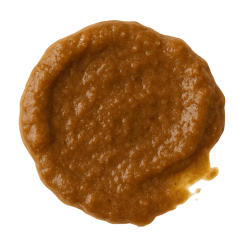
Enzyme Hydrolysate, Protein Hydrolysate, Pancreatin, Peptone
Digest is a palatable ingredient derived from animal tissues, typically through enzymatic or chemical hydrolysis, resulting in a concentrated flavour enhancer. Its primary purpose is to improve the taste and acceptance of pet foods, encouraging consistent consumption. Digest is not used in its raw animal form but is processed into a safe, digestible compound to optimise both flavour and nutritional value for pets.
Digest is included as a palatability enhancer, providing flavour and aroma that increase the appeal of the food to pets. It is a cost-effective way to improve acceptance and consumption rates without significantly impacting the nutritional profile.
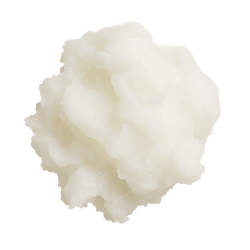
Cocos Nucifera Oil, Copra Oil, E472c, Coconut Fat
Coconut oil is a plant-derived oil extracted from the flesh of mature coconuts. It is primarily included in pet food for its energy-dense medium-chain triglycerides, which support healthy skin, coat, and metabolism. Coconut oil is used in its natural, refined form, ensuring it is safe and readily digestible for pets while delivering its functional nutritional benefits.
Coconut oil is included as a source of medium-chain triglycerides, which are marketed for their potential health benefits and digestibility. It also serves as a label-friendly ingredient that appeals to consumers seeking natural or premium pet food formulations.
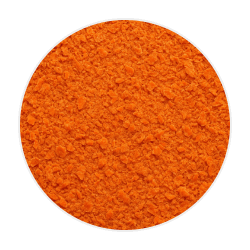
Dehydrated Carrot, Carrot Powder, Carrot Flakes, Daucus Carota
Dried carrot is a plant-derived ingredient made by dehydrating whole carrots to preserve their nutrients. It is primarily included in pet food as a source of dietary fibre, beta-carotene (a precursor to vitamin A), and natural antioxidants. Dried carrot is used in its natural form, ensuring pets benefit from its original nutritional profile while enhancing flavour and texture in the final product.
Dried carrot is included as a label-friendly ingredient to appeal to consumers seeking recognisable, natural components in pet food. It also provides a cost-effective source of fibre and micronutrients, supporting product marketing and nutritional claims.
Micronutrients, Essential Micronutrients, Vital Nutrients, Accessory Food Factors
Vitamins are organic compounds derived from both plant and animal sources, essential for numerous metabolic and physiological functions in pets. Their primary purpose is to support immune health, vision, bone development, and cellular processes. In pet food, vitamins are not used in their natural, raw forms but are instead incorporated as stabilised compounds or premixes to ensure safety, stability, and optimal bioavailability.
Vitamins are included to ensure nutritional adequacy and meet regulatory requirements for complete and balanced pet food. They may also be added to compensate for nutrient losses during processing and storage.
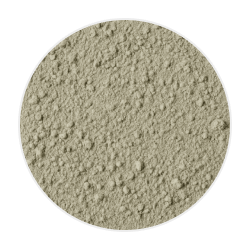
Micronutrients, Oligoelements, Microelements, Essential Trace Minerals
Trace elements are essential minerals required by pets in minute amounts for optimal health, originating from natural sources but not used in their raw or metallic state. Instead, they are incorporated into pet food as specific compounds, such as chelates or sulphates, to ensure safety and effective absorption. Their primary purpose is to support vital physiological functions, including enzyme activity, immune response, and metabolic processes.
Trace elements are included to meet essential micronutrient requirements for canine health, ensuring the product complies with nutritional standards. Their addition supports balanced nutrition without significantly impacting cost or palatability.
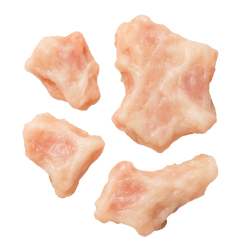
Porcine Cartilage, Sus Scrofa Cartilage, Swine Cartilage, Sus Scrofa
Pork cartilage is a structural tissue derived from pigs (animal origin), commonly included in pet foods for its natural source of collagen and glucosamine, which support joint health and mobility. It is used in its natural form, providing both nutritional and functional benefits. Pork cartilage also contributes to palatability and texture, making it a valuable ingredient in premium pet diets.
Pork cartilage is included as a natural source of glucosamine and chondroitin, which are marketed for joint health benefits in pets. Its presence can enhance the product’s appeal to consumers seeking functional ingredients while utilising animal by-products efficiently.

Crustacean Shell Extract, Crustacean Shell Protein Hydrolysate, Crustacean Shell Peptide Hydrolysate, Chitin Hydrolysate
Crustacean shell hydrolysate is a protein-rich ingredient derived from the shells of marine crustaceans such as prawns and crabs. It is primarily included in pet food for its functional benefits, notably as a source of glucosamine to support joint health. This ingredient is not used in its raw shell form but is processed and hydrolysed to enhance digestibility and nutrient absorption.
Crustacean shell hydrolysate is included as a functional ingredient to provide a natural source of glucosamine and chondroitin, supporting joint health claims for marketing purposes. It also serves as a label-friendly additive that appeals to pet owners seeking perceived health benefits for their pets.

Provitamin A, E160a, All-Trans-Beta-Carotene, CI 40800
Beta carotene is a plant-derived pigment and precursor to vitamin A, commonly sourced from carrots and other colourful vegetables. Its primary nutritional benefit is supporting vision, immune function, and antioxidant defence. In pet food, beta carotene is utilised in its extracted or purified form rather than as whole vegetables, ensuring consistent potency and bioavailability for optimal health outcomes.
Beta carotene is included as a natural source of vitamin A and as a colour-enhancing agent to improve the visual appeal of the product. Its presence also allows for label-friendly marketing, appealing to consumers seeking natural additives.
About


PRODUCT TAGS
Most Tracked This Week












About the Brand


Comments
0 comments
Login to Join the Conversation 💬