




.png)


Raw Health Sensitive Care Wet Food

Overview
Ivory Coat’s Raw Health Sensitive Care Wet is a single-protein wet food for adult dogs from the brand’s Raw Health line, formulated for dogs with food sensitivities. The recipe excludes wheat, corn, soy, poultry, beef, fish and pork.
Designed as an elimination-friendly diet for dogs reactive to common proteins. Transition gradually, and consult a vet if sensitivities are clinically diagnosed.
Nutritional Analysis
Ingredients
Lamb, Vegetables (Carrots, Sweet Potatoes, Peas), Gelling Agents, Flavours, Starch, Vitamins and Minerals, Carrot Fibre (NinjinFibre®), Oils (Sunflower and Flaxseed), Natural Colour, Inulin, Honey, Blueberries.

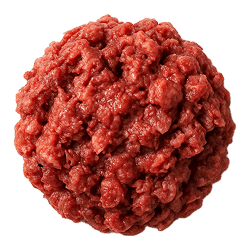
Ovis Aries, Young Sheep, Agnus, Ovine Meat
Lamb is a high-quality animal protein sourced from sheep, commonly used in premium pet foods. It provides essential amino acids, vitamins, and minerals that support muscle development and overall health. Lamb is included in its natural, whole-food form, ensuring optimal nutrient availability and palatability. Its rich nutrient profile makes it particularly beneficial for pets with sensitivities to other protein sources.
Lamb is included as a high-quality animal protein source to support muscle maintenance and overall health in pets. It also serves as a marketing differentiator, appealing to consumers seeking novel or premium protein options for their pets.
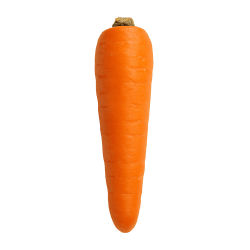
Daucus Carota, Daucus Carota Root, Daucus Carota Sativa, Wild Carrot
Carrot is a root vegetable of plant origin, widely recognised for its vibrant orange colour and natural sweetness. In pet food, carrot is included in its natural, whole form to provide dietary fibre, beta-carotene (a precursor to vitamin A), and antioxidants. Its primary benefit is supporting digestive health and immune function, while also contributing to overall palatability and nutritional diversity.
Carrot is included as a label-friendly ingredient to appeal to consumers seeking recognisable, natural components and to enhance the product’s perceived nutritional value. It may also provide a modest source of fibre and vitamins, supporting marketing claims of added health benefits.
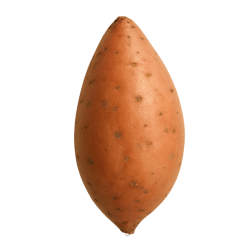
Ipomoea Batatas, Kumara, Batata, Camote
Sweet potato is a root vegetable of plant origin, valued for its rich content of complex carbohydrates, dietary fibre, and essential micronutrients such as vitamin A. In pet food, sweet potato serves primarily as a digestible energy source and supports digestive health. It is incorporated in its natural, whole form, ensuring optimal nutrient retention and palatability for companion animals.
Sweet potato is included as a cost-effective, highly digestible carbohydrate source that provides energy and dietary fibre. It also serves as a label-friendly ingredient appealing to consumers seeking natural, whole-food components in pet food.
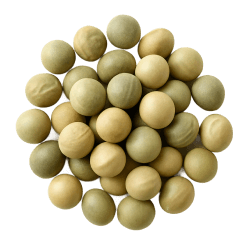
Pisum Sativum, Garden Pea, Green Pea, Field Pea
Peas are a plant-derived ingredient sourced from the seeds of the Pisum sativum plant. They are primarily included in pet food for their high protein content, dietary fibre, and essential micronutrients, supporting digestive health and energy. Peas are used in their natural, whole form, ensuring the retention of their nutritional value and functional benefits within the finished product.
Peas are included as a cost-effective source of protein, fibre, and carbohydrates, helping to optimise nutritional content while supporting product texture. They also serve as a label-friendly ingredient that appeals to consumers seeking grain-free or plant-based options.

Stabiliser, Thickener, E Number, Hydrocolloid
Gelling agent refers to a functional ingredient, typically derived from plant or seaweed sources such as guar gum, carrageenan, or agar, used to modify the texture and consistency of pet food. Its primary purpose is to bind moisture and create a stable, palatable gel structure. Gelling agents are not used in their raw plant form but are processed and utilised as purified extracts or compounds for optimal performance and safety.
Gelling agents are included to modify the texture and consistency of pet food, ensuring a uniform and appealing product structure. They also help stabilise moisture content, which can extend shelf life and improve product handling.
Flavouring, Flavouring Substance, Flavouring Agent, Flavouring Preparation
Flavours are additives derived from various sources, including animal, plant, or synthetic origins, designed to enhance the palatability of pet food. Their primary purpose is to improve taste and encourage consistent consumption. Flavours are not used in their natural, raw state; instead, they are formulated as specific compounds or extracts to ensure safety, stability, and uniformity in pet food products.
Flavours are included to enhance palatability, encouraging pets to consume the product. They also allow manufacturers to maintain consistent taste profiles despite variations in raw ingredient quality.
Amylum, E1401, E1402, E1403
Starch is a carbohydrate derived primarily from plant sources such as grains, potatoes, or legumes. It serves as an energy source in pet food, providing readily digestible glucose to support metabolic needs. Starch is not used in its raw, unprocessed form; instead, it is typically cooked or processed to enhance digestibility and optimise its functional properties within the diet.
Starch is included as a cost-effective carbohydrate source that provides energy and helps bind kibble, optimising texture and processing efficiency. It also contributes to the overall bulk of the product, supporting desired kibble structure and shelf stability.
Micronutrients, Essential Micronutrients, Vital Nutrients, Accessory Food Factors
Vitamins are organic compounds derived from both plant and animal sources, essential for numerous metabolic and physiological functions in pets. Their primary purpose is to support immune health, vision, bone development, and cellular processes. In pet food, vitamins are not used in their natural, raw forms but are instead incorporated as stabilised compounds or premixes to ensure safety, stability, and optimal bioavailability.
Vitamins are included to ensure nutritional adequacy and meet regulatory requirements for complete and balanced pet food. They may also be added to compensate for nutrient losses during processing and storage.
Dietary Minerals, Inorganic Nutrients, Essential Minerals, Bulk Elements
Minerals are essential inorganic nutrients derived from the earth, not produced by animals or plants. They play a critical role in supporting various physiological functions, such as bone development, nerve transmission, and enzyme activity. In pet food, minerals are not used in their natural raw or metallic state; instead, they are incorporated as specific compounds (such as sulphates or chelates) to optimise safety and bioavailability.
Minerals are included to meet essential nutritional requirements for pets, supporting overall health and proper bodily functions. They are often added in precise amounts to ensure the product complies with regulatory standards and nutrient profiles.

Carrot Fibre, Daucus Carota Fibre, Carrot Dietary Fibre, Daucus Carota Spp. Fibre
NinjinFibre® is a specialised dietary fibre ingredient derived from carrots (plant origin). It is included in pet food formulations to support digestive health and promote optimal stool quality. Rather than using raw carrot, NinjinFibre® is utilised in a processed, concentrated form to maximise its functional fibre content and ensure consistent nutritional benefits for pets.
NinjinFibre® is included as a functional fibre source to support digestive health and stool quality in pets. Its addition also allows manufacturers to enhance the product’s nutritional profile and appeal to consumers seeking recognisable, health-oriented ingredients.
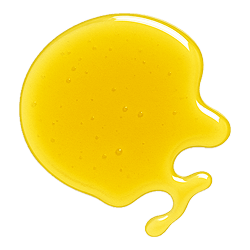
Helianthus Annuus Seed Oil, Helianthus Annuus Oil, E471, Vegetable Oil (Helianthus Annuus)
Sunflower oil is a plant-derived oil extracted from the seeds of the sunflower (Helianthus annuus). It serves as a valuable source of energy and provides essential fatty acids, particularly linoleic acid, which supports skin and coat health in pets. Sunflower oil is utilised in its refined liquid form, not as whole seeds, to optimise digestibility and nutrient availability in pet food formulations.
Sunflower oil is included as a cost-effective source of unsaturated fats to provide essential fatty acids that support skin and coat health. It also enhances palatability and contributes to the overall energy content of the pet food.
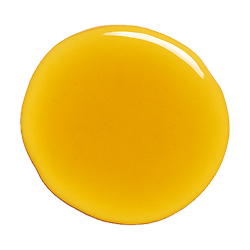
Flaxseed Oil, Oleum Lini, E401, Linum Usitatissimum Oil
Linseed oil, derived from the seeds of the flax plant (Linum usitatissimum), is a plant-based ingredient valued for its high content of omega-3 fatty acids, particularly alpha-linolenic acid (ALA), which supports skin and coat health in pets. In pet food, linseed oil is utilised in its natural, cold-pressed form to optimise nutrient retention and bioavailability.
Linseed oil is included as a source of omega-3 fatty acids to support skin and coat health, providing a plant-based alternative to fish oils. Its presence also allows manufacturers to market the product as containing beneficial oils for overall wellbeing.
Colouring, Colour Additive, Food Colour, E Number (if specific)
Natural colour refers to pigments derived from natural sources such as plants, animals, or minerals, used to enhance the visual appeal of pet food. Its primary purpose is to provide consistent and attractive colouring without synthetic additives. Natural colours are typically utilised in their extracted or processed forms, rather than as whole foods, to ensure stability, safety, and uniformity in the final product.
Natural colour is included to enhance the visual appeal of the pet food, making it more attractive to consumers without affecting nutritional value. It serves a marketing function by supporting a label-friendly ingredient list.
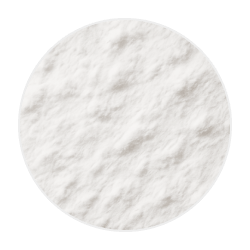
Chicory Root Fibre, Fructan, EINECS 232-684-3, Fructooligosaccharide
Inulin is a naturally occurring dietary fibre sourced primarily from plants such as chicory root. It serves as a prebiotic, supporting digestive health by promoting beneficial gut bacteria. In pet food, inulin is utilised in its extracted, purified form rather than as a whole plant, ensuring consistent quality and efficacy for optimal digestive function and overall wellbeing in pets.
Inulin is included as a prebiotic fibre to support digestive health and promote beneficial gut bacteria in pets. It also serves as a cost-effective bulking agent that can improve product texture and moisture retention.
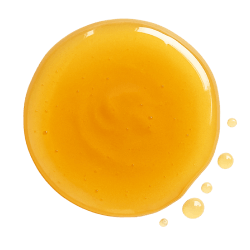
Bee Honey, Apis Mellifera Honey, Natural Honey, Mel
Honey is a natural sweet substance produced by bees from the nectar of flowers (animal origin). It is primarily included in pet food for its palatability and as a source of simple carbohydrates, providing quick energy. Honey is used in its natural form, retaining beneficial enzymes and antioxidants. Its inclusion may also support digestive health and offer minor antimicrobial properties.
Honey is included as a natural sweetener to enhance palatability and appeal to pet owners seeking recognisable, label-friendly ingredients. It may also serve as a minor source of carbohydrates and energy.
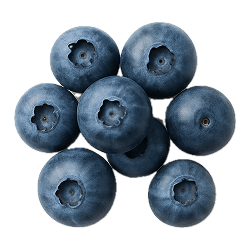
Vaccinium Corymbosum, Vaccinium Angustifolium, Bilberry, E163
Blueberry is a small, nutrient-rich fruit of plant origin, commonly sourced from the Vaccinium genus. It is included in pet food primarily for its antioxidant properties, supporting immune health and cellular protection. Blueberry is used in its natural, whole form, ensuring pets benefit from its full spectrum of vitamins, fibre, and phytonutrients as found in fresh fruit.
Blueberry is included as a label-friendly ingredient to appeal to health-conscious consumers, leveraging its reputation as a source of antioxidants. Its presence supports marketing claims of added nutritional benefits, though it is typically used in small quantities with minimal impact on the overall nutritional profile for pets.
About


PRODUCT TAGS
Most Tracked This Week









About the Brand


Comments
0 comments
Login to Join the Conversation 💬