Your Dog's World, Personalised
Save your favourite products and locations, track prices, and unlock exclusive discounts — all in one place
or
Error
Verify Your Email
We've emailed a sign-in code. Enter it below to continue.
Share
Thank you! Your submission has been received!
Oops! Something went wrong while submitting the form.
Back to ExplorePure Life
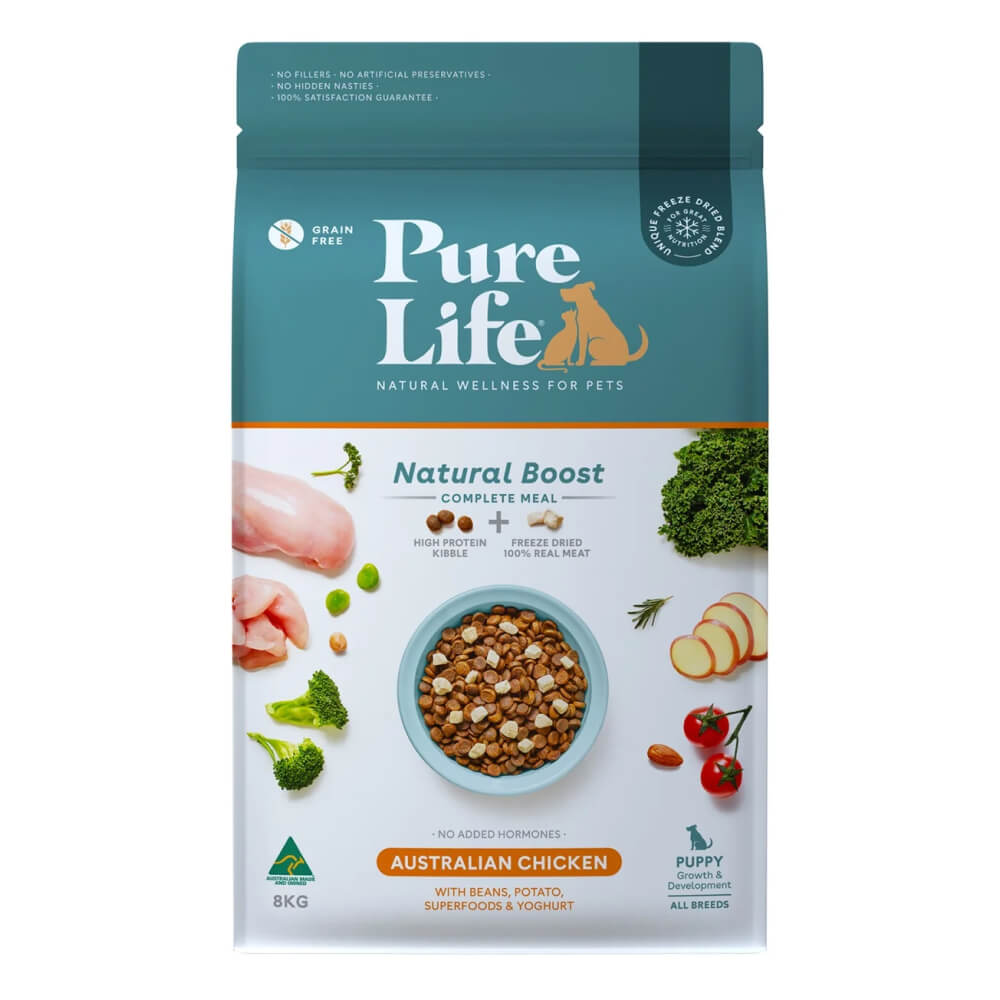
Australian Chicken Dry Food for Puppies
1.8kg
Dog Directory saved you
22%
this week.
Imagine what you could save in a year...
8kg
Dog Directory saved you
27%
this week.
Imagine what you could save in a year...

Overview

Pure Life Australian Chicken for Puppies is a puppy dry food blending kibble with freeze-dried raw chicken, made from 97% local ingredients with no fillers or artificial preservatives. Formulated for growth at 37% minimum protein and 19% fat.


Nutritional Analysis

Protein
37
%
0%
Fat
19
%
0%
Carbohydrates
25
%
0%
Energy
400
0
 kcal/100g

Ingredients

Chicken Meal and Chicken Freeze Dried Meat, Faba Beans, Chickpeas, Pea Protein, Chicken Fat with Mixed Tocopherols and Rosemary Extract, Chicken Gravy, Potato Starch, Vitamins and Minerals (including Calcium, Phosphorus, Potassium, Magnesium, Iron, Copper, Manganese, Zinc, Iodine, Selenium, Vitamin A, Vitamin C, Vitamin D3, Vitamin E, Vitamin B1, Vitamin B2, Vitamin B3, Vitamin B5, Vitamin B6, Vitamin B9, Vitamin B12, Choline), Beet Pulp, Sunflower Oil, Sea Salt, Flaxseed Oil, Chicory Extract, Fish Oil, Coconut Oil, Egg Powder, Taurine, DL Methionine, Yucca Extract, Emu Oil, Carrot, Yoghurt Powder, Spinach Powder, Broccoli Powder, Kale Powder, Alfalfa Meal, Dried Apple, Tomato Powder, Chia Seed, Kelp Powder, Sweet Potato Powder, Turmeric, Almond Flour, Parsley, Sumac, Green Tea, Blueberry Extract, Cranberry Extract.

Ingredient images are illustrative only and may not represent the exact source or form used by manufacturers.
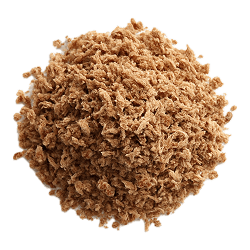
Finely ground, light brown chicken meal powder with a dry, crumbly texture, commonly used in Australian dog food recipes
Chicken Meal
Chicken Meal
Rendered Chicken, Chicken Protein Meal, Dehydrated Gallus Gallus Domesticus, Rendered Gallus Gallus Domesticus
Summary
Chicken meal is a concentrated protein ingredient derived from rendered, clean chicken flesh and skin, excluding feathers, heads, feet, and entrails. Sourced from animal origin, it serves as a highly digestible protein source, supporting muscle maintenance and overall health in pets. Chicken meal is not used in its natural whole form but is processed and dried to optimise nutrient density and shelf stability.
Why it's used?
Chicken meal is included as a concentrated protein source that provides essential amino acids for pet health while allowing manufacturers to optimise protein content cost-effectively. Its low moisture content also contributes to improved product stability and shelf life.
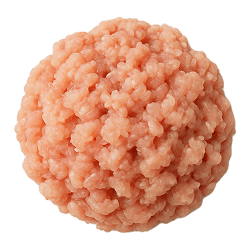
Fresh minced chicken meat shaped into a round ball, pale pink with a moist, slightly coarse texture on a plain background
Chicken Meat
Chicken Meat
Gallus Gallus Domesticus Meat, Poultry Meat, Broiler Meat, Fowl Meat
Summary
Chicken meat is a high-quality animal-derived ingredient sourced from the muscle tissue of chickens. It serves as a rich source of essential proteins and amino acids, supporting muscle development and overall health in pets. In pet food, chicken meat is used in its natural form, providing highly digestible nutrients and palatability, making it a favoured protein choice in premium formulations.
Why it's used?
Chicken meat is included as a high-quality, animal-based protein source to support muscle development and overall health in pets. Its presence also enhances palatability and serves as a label-friendly ingredient appealing to consumers seeking recognisable protein sources.
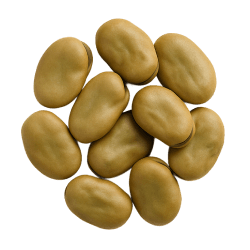
Light brown broad beans with smooth, shiny surfaces clustered together on a plain background
Broad Beans
Broad Beans
Fava Beans, Faba Beans, Vicia Faba, Horse Beans
Summary
Broad beans are edible seeds from the plant Vicia faba, belonging to the legume family. Sourced from plants, they are included in pet food primarily for their protein, fibre, and micronutrient content, supporting digestive health and energy. Broad beans are used in their natural, whole form, ensuring pets benefit from their inherent nutrients without the need for chemical modification or processing into extracts.
Why it's used?
Broad beans are included as a cost-effective plant protein and carbohydrate source, helping to optimise nutritional content while managing production costs. They may also serve as a label-friendly ingredient to appeal to consumers seeking grain-free or novel protein pet food options.
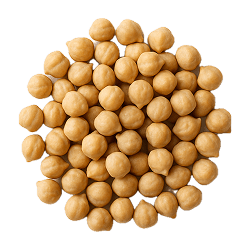
Round, beige chickpeas with a smooth, slightly dimpled texture piled together on a clean white background
Chickpeas
Chickpeas
Garbanzo Beans, Cicer Arietinum, Bengal Gram, Egyptian Pea
Summary
Chickpeas are edible legumes derived from the plant Cicer arietinum, commonly cultivated for their high nutritional value. As a plant-based ingredient, chickpeas are primarily included in pet food for their rich protein, fibre, and complex carbohydrate content, supporting digestive health and sustained energy. Chickpeas are used in their natural, whole form, ensuring optimal nutrient retention and digestibility for pets.
Why it's used?
Chickpeas are included as a cost-effective carbohydrate and protein source, providing bulk and nutritional value while supporting grain-free product labelling. Their use can also enhance the fibre content and appeal to consumers seeking plant-based or alternative ingredients.
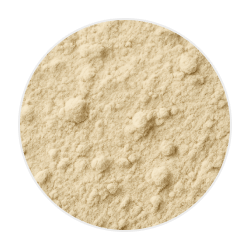
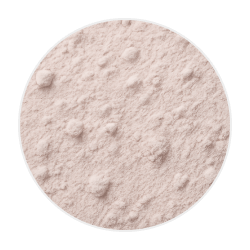
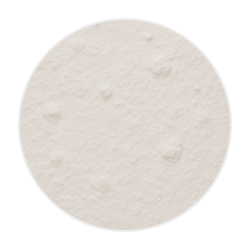
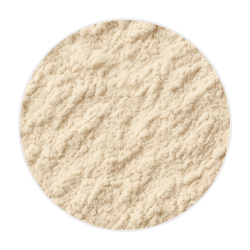
Light beige pea protein powder with a fine, slightly clumpy texture, commonly used in dog food and supplements
Pea Protein
Pea Protein
Pisum Sativum Protein, Pea Isolate, Pea Protein Isolate, Pisum Sativum Isolate
Summary
Pea protein is a plant-derived ingredient extracted from yellow peas (Pisum sativum). It serves as a concentrated source of protein, supporting muscle maintenance and overall health in pets. Rather than using whole peas, pea protein is utilised in its isolated form to maximise protein content and digestibility. This functional ingredient is valued for its hypoallergenic properties and amino acid profile.
Why it's used?
Pea protein is included as a cost-effective, plant-based protein source to boost overall protein content and support product labelling claims. It also serves as a functional ingredient to improve kibble texture and binding.
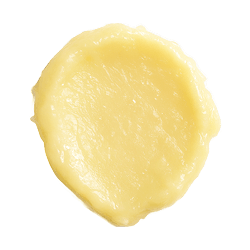
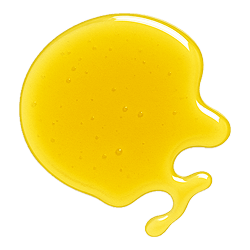
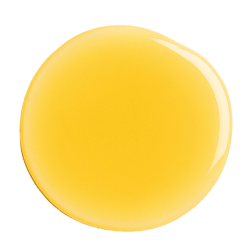
Creamy yellow chicken fat in a smooth, glossy dollop on a plain background, highlighting its rich texture and colour
Chicken Fat
Chicken Fat
Poultry Fat, Gallus Gallus Domesticus Fat, Rendered Chicken Fat, Chicken Oil
Summary
Chicken fat is an animal-derived ingredient obtained from rendering chicken tissue. It serves primarily as a concentrated source of energy and essential fatty acids, supporting skin and coat health in pets. Chicken fat is used in its natural rendered form, not as a raw or unprocessed fat, ensuring palatability and digestibility while providing a stable, high-quality lipid source in pet food formulations.
Why it's used?
Chicken fat is included as a highly digestible source of animal fat, providing essential fatty acids and enhancing the palatability of the product. It also contributes to the energy content of the food in a cost-effective manner.
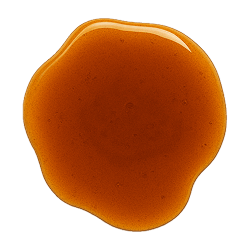
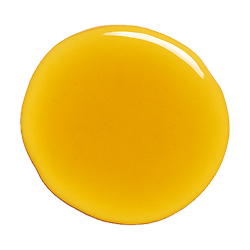
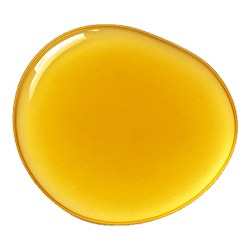
Amber-brown liquid drop of mixed tocopherols with a glossy, smooth texture on a white background
Mixed Tocopherols
Mixed Tocopherols
Tocopherols, E306, Natural Tocopherols Concentrate, D-Alpha Tocopherol Concentrate
Summary
Mixed tocopherols are a blend of compounds derived from plant oils, primarily functioning as a source of vitamin E. Their main purpose in pet food is to act as natural antioxidants, helping to preserve the freshness of fats and oils. Rather than being used in their isolated, pure form, mixed tocopherols are incorporated as stabilised extracts to optimise safety, efficacy, and nutrient retention.
Why it's used?
Mixed tocopherols are included as a natural preservative to extend shelf life by slowing the oxidation of fats and oils in pet food. They are often used as a label-friendly alternative to synthetic preservatives to appeal to consumer preferences for natural ingredients.
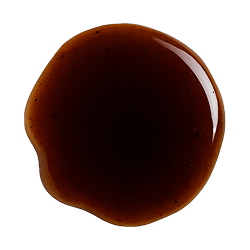
Dark brown, glossy drop of rosemary extract with a smooth texture on a plain background
Rosemary Extract
Rosemary Extract
Rosmarinus Officinalis Extract, E392, Rosemary Oleoresin, Rosmarinus Officinalis Leaf Extract
Summary
Rosemary extract is a plant-derived ingredient obtained from the leaves of the rosemary herb (Rosmarinus officinalis). It is primarily included in pet food as a natural antioxidant, helping to preserve fats and oils and extend shelf life. Rosemary extract is used in its natural form, ensuring the retention of its beneficial compounds without chemical alteration.
Why it's used?
Rosemary extract is included as a natural preservative to help extend shelf life by inhibiting oxidation of fats and oils. It also serves as a label-friendly ingredient that appeals to consumers seeking natural additives.
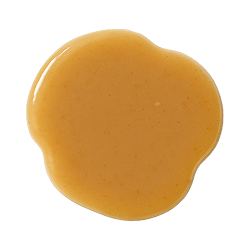
Smooth, golden-brown chicken gravy with a glossy finish, spread in a round puddle on a plain white background
Chicken Gravy
Chicken Gravy
Poultry Gravy, Gallus Gallus Domesticus Gravy, Chicken Sauce, Poultry Sauce
Summary
Chicken gravy is a flavourful ingredient derived from the cooking juices of chicken, an animal source. It is primarily included in pet food to enhance palatability and provide a savoury taste that encourages consumption. Chicken gravy is used in its cooked, liquid form rather than as a raw ingredient, ensuring both safety and digestibility for pets.
Why it's used?
Chicken gravy is included to enhance palatability, making the product more appealing to pets. It may also serve as a label-friendly ingredient that signals quality and flavour to consumers.
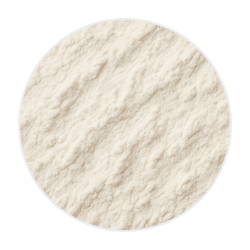
Fine white powdery potato starch with a soft, slightly textured surface, commonly used in Australian dog food recipes
Potato Starch
Potato Starch
Solanum Tuberosum Starch, E1401, Native Potato Starch, Potato Flour
Summary
Potato starch is a carbohydrate extracted from the tubers of the potato plant (Solanum tuberosum), a plant-based ingredient. It is primarily included in pet food as a source of easily digestible energy and to improve texture and binding. Potato starch is utilised in its processed, purified form rather than as whole potatoes, ensuring consistency and digestibility in the final product.
Why it's used?
Potato starch is included as a cost-effective carbohydrate source and bulk-adding agent, helping to optimise product texture and binding. It also contributes to a label-friendly formulation that appeals to consumers seeking grain-free options.
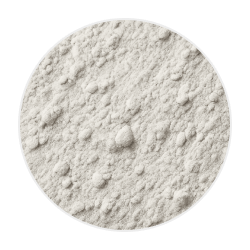
Fine off-white calcium powder with a soft, smooth texture, commonly used as a dog supplement ingredient
Calcium
Calcium
E170, Elemental Calcium, Ca, Calcium Metal
Summary
Calcium is an essential mineral derived from natural sources such as limestone or marine shells. It plays a critical role in supporting healthy bone and teeth development, nerve transmission, and muscle function in pets. Calcium is not used in its raw or metallic state; instead, it is utilised in pet food as safe, bioavailable compounds like calcium carbonate or calcium phosphate to optimise absorption.
Why it's used?
Calcium is included as an essential mineral to support bone development and maintenance in pets, ensuring nutritional adequacy according to regulatory standards. It may also serve as a functional additive to optimise product texture and stability.
Fine off-white phosphorus powder with a slightly grainy texture, displayed in a close-up circular view
Phosphorus
Phosphorus
E339, Orthophosphate, Inorganic Phosphate, Phosphate Ion
Summary
Phosphorus is an essential mineral element derived from both animal and plant sources. It plays a critical role in supporting healthy bone and tooth development, as well as energy metabolism in pets. In pet food, phosphorus is not used in its natural, raw or metallic state; instead, it is utilised as specific compounds, such as calcium phosphate, to ensure safety and optimal absorption.
Why it's used?
Phosphorus is included as an essential mineral to support bone development and metabolic functions in pets. Its addition ensures nutritional adequacy and compliance with regulatory labelling standards for complete and balanced pet foods.
Fine off-white potassium powder with a soft, smooth texture, commonly used in dog supplements
Potassium
Potassium
Kalium, E340, K, Atomic Number 19
Summary
Potassium is an essential mineral element sourced from the earth and is vital for maintaining fluid balance, nerve function, and muscle health in pets. In pet food, potassium is not used in its natural metallic state; instead, it is utilised as safe, bioavailable compounds such as potassium chloride or potassium sulphate to optimise absorption and support overall wellbeing.
Why it's used?
Potassium is included as an essential mineral to support electrolyte balance and proper muscle and nerve function in pets. Its addition ensures nutritional adequacy and compliance with established pet food nutrient profiles.
Fine white magnesium powder with a soft, slightly textured surface, commonly used in dog supplements
Magnesium
Magnesium
Epsom Salt, Mg, Elemental Magnesium, Magnesium Metal
Summary
Magnesium is an essential mineral element sourced from the earth, commonly included in pet food formulations to support muscle function, nerve transmission, and bone health. It is not used in its natural metallic state; instead, magnesium is utilised as a safe, bioavailable compound such as magnesium sulphate or magnesium oxide to optimise absorption and ensure dietary adequacy for pets.
Why it's used?
Magnesium is included as an essential mineral to support metabolic and neuromuscular functions in pets, fulfilling nutritional requirements for complete and balanced pet food. Its addition ensures compliance with regulatory standards and appeals to consumers seeking scientifically formulated diets.
Fine grey iron powder with a slightly rough, sandy texture, displayed in a circular shape for dog nutrition context
Iron
Iron
Ferrum, Fe, E1, Elemental Iron
Summary
Iron is an essential mineral sourced from both animal and plant origins, crucial for oxygen transport and energy metabolism in pets. Its primary benefit is supporting healthy red blood cell formation and preventing anaemia. Iron is not used in its natural, raw, or metallic state; instead, it is utilised in pet food as safe, bioavailable compounds such as iron sulphate or iron proteinate to optimise absorption.
Why it's used?
Iron is included as an essential mineral to support healthy blood function and overall metabolism in pets. Its addition ensures the product meets nutritional requirements and regulatory standards for complete and balanced pet food.
Bright blue copper powder with a fine, slightly textured surface, used as a dog supplement ingredient
Copper
Copper
Cu, ECP, CI 77400, C.I. 77400
Summary
Copper is an essential trace mineral sourced from the earth and is vital for numerous physiological functions in pets. It primarily supports red blood cell formation, connective tissue development, and immune system health. Copper is not used in its natural metallic state; instead, it is incorporated into pet food as safe, bioavailable compounds such as copper sulphate or copper proteinate to optimise absorption and efficacy.
Why it's used?
Copper is included as an essential trace mineral to meet nutritional requirements for dogs, supporting enzyme function and red blood cell formation. Its addition ensures compliance with regulatory standards for complete and balanced pet food labelling.
Pale beige manganese powder with a fine, slightly clumpy texture, used as a dog supplement ingredient
Manganese
Manganese
E34, Manganum, Mn, EINECS 231-105-1
Summary
Manganese is an essential trace mineral sourced from the earth and is vital for numerous metabolic processes in pets. It primarily supports bone development, enzyme function, and antioxidant defence. Manganese is not used in its natural metallic state; instead, it is incorporated into pet food as a safe, bioavailable compound such as manganese sulphate or manganese oxide to optimise absorption and efficacy.
Why it's used?
Manganese is included as an essential trace mineral to support metabolic and skeletal health in pets, fulfilling nutritional requirements for complete and balanced pet food. Its addition ensures compliance with regulatory standards and appeals to consumers seeking scientifically formulated diets.
Fine, light grey zinc powder with a slightly grainy texture, commonly used as a dog supplement ingredient
Zinc
Zinc
Zn, E579, Zincum, CI 77947
Summary
Zinc is an essential trace mineral sourced from the earth and is vital for numerous biological functions in pets, including immune support and skin health. In pet food, zinc is not used in its natural metallic state; instead, it is utilised as a compound such as zinc sulphate or zinc chelate to optimise safety and absorption, ensuring pets receive its full nutritional benefit.
Why it's used?
Zinc is included as an essential trace mineral to support immune function, skin health, and overall metabolic processes in pets. Its addition ensures nutritional adequacy and compliance with regulatory labelling standards for complete and balanced pet foods.
Fine off-white iodine powder with a soft, slightly grainy texture, used as a supplement ingredient for dogs
Iodine
Iodine
Elemental I, E127, Iodum, CAS 7553-56-2
Summary
Iodine is an essential trace mineral sourced primarily from seaweed or mineral deposits. It plays a critical role in supporting healthy thyroid function and hormone production in pets. Iodine is not used in its natural elemental form due to safety and bioavailability concerns; instead, it is typically incorporated as a compound such as potassium iodide or calcium iodate to optimise absorption and efficacy.
Why it's used?
Iodine is included as an essential trace mineral to support thyroid function and overall metabolic health in pets. Its addition ensures nutritional adequacy and compliance with regulatory labelling standards for complete and balanced pet foods.
Light beige selenium powder with a fine, slightly clumpy texture, shown as a common dog supplement ingredient
Selenium
Selenium
Selen, E578, Atomic Number 34, Se
Summary
Selenium is an essential trace mineral sourced from the earth, typically derived from plant or yeast-based compounds for pet food use. It plays a crucial role in supporting antioxidant defences and thyroid function. Selenium is not used in its natural, raw metallic state; instead, it is utilised as a safe, bioavailable compound such as sodium selenite or selenomethionine to optimise absorption and efficacy.
Why it's used?
Selenium is included as an essential trace mineral to meet nutritional requirements and support overall health in pets. Its addition ensures compliance with regulatory standards for complete and balanced pet food formulations.
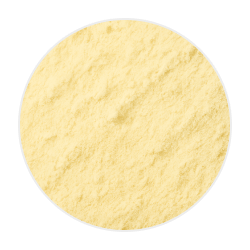
Fine pale yellow powder of Vitamin A with a smooth texture, commonly used as a dog supplement for health and nutrition
Vitamin A
Vitamin A
Retinol, Retinyl Palmitate, Retinyl Acetate, E160a
Summary
Vitamin A is an essential fat-soluble nutrient derived from animal sources (as retinyl esters) or plant sources (as carotenoids). It supports vision, immune function, and skin health in pets. In pet food, Vitamin A is not used in its raw or natural state but is provided as stabilised compounds (such as retinyl acetate or retinyl palmitate) to ensure safety, stability, and optimal absorption.
Why it's used?
Vitamin A is included as an essential nutrient to support vision, immune function, and overall health in pets, ensuring the product meets established nutritional standards. Its addition also allows manufacturers to optimise the nutritional profile and comply with regulatory labelling requirements.
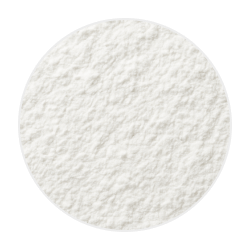
Fine white powder of vitamin C with a slightly grainy texture, commonly used as a dog supplement in Australia
Vitamin C
Vitamin C
Ascorbic Acid, L-Ascorbic Acid, E300, L-Threo-Hex-2-Enono-1,4-Lactone
Summary
Vitamin C, also known as ascorbic acid, is a water-soluble vitamin of plant origin commonly included in pet food formulations. Its primary purpose is to support immune function and act as an antioxidant, helping to protect cells from oxidative damage. Vitamin C is not used in its natural fruit form but is instead utilised as a synthesised compound to ensure stability and consistent dosage.
Why it's used?
Vitamin C is included as an antioxidant to help preserve the freshness and stability of the product by slowing oxidation. It may also be added for its perceived health benefits, supporting marketing claims related to immune support.
Fine pale yellow Vitamin D3 powder with a smooth, soft texture, commonly used as a supplement for dogs
Vitamin D3
Vitamin D3
Cholecalciferol, Colecalciferol, Calciol, E671
Summary
Vitamin D3, also known as cholecalciferol, is a fat-soluble vitamin of animal origin commonly derived from lanolin or fish oil. It plays a crucial role in regulating calcium and phosphorus metabolism, supporting healthy bone development in pets. Vitamin D3 is not used in its natural form but is instead utilised as a stabilised compound to ensure safety, efficacy, and optimal absorption in pet food formulations.
Why it's used?
Vitamin D3 is included to ensure the finished product meets established nutritional requirements for canine health, supporting bone development and calcium regulation. Its addition allows manufacturers to guarantee consistent vitamin content regardless of natural variation in raw materials.
Fine, pale yellow Vitamin E powder with a soft, slightly grainy texture, commonly used in dog supplements
Vitamin E
Vitamin E
Tocopherol, Alpha-Tocopherol, E307, D-Alpha-Tocopherol
Summary
Vitamin E is a fat-soluble vitamin derived from plant sources such as vegetable oils, nuts, and seeds. It functions primarily as an antioxidant, helping to protect cell membranes from oxidative damage and supporting immune health. In pet food, Vitamin E is not used in its natural raw form but is typically utilised as a stabilised compound, such as tocopherol acetate, to optimise safety and absorption.
Why it's used?
Vitamin E is included as a natural antioxidant to help preserve the freshness and stability of fats and oils in the product, thereby extending shelf life. It also serves as a label-friendly nutrient that appeals to consumers seeking added health benefits for their pets.
Fine white powder of vitamin B1 with a slightly grainy texture, commonly used as a dog supplement ingredient
Vitamin B1
Vitamin B1
Thiamine, Thiamin, Aneurin, E101
Summary
Vitamin B1, also known as thiamine, is a water-soluble vitamin of synthetic or plant origin. It plays a crucial role in energy metabolism and supports healthy nerve and muscle function in pets. In pet food, thiamine is not used in its natural raw form but is typically utilised as thiamine mononitrate or thiamine hydrochloride to optimise stability, safety, and absorption.
Why it's used?
Vitamin B1 (thiamine) is included as an essential nutrient to meet regulatory requirements for canine health and to prevent deficiency-related disorders. Its addition ensures nutritional adequacy and supports normal metabolic function in pets.
Bright yellow Vitamin B2 powder with a fine, slightly grainy texture displayed in a close-up circular view
Vitamin B2
Vitamin B2
Riboflavin, E101, Lactoflavin, Vitamin G
Summary
Vitamin B2, also known as riboflavin, is a water-soluble vitamin of synthetic or microbial origin commonly added to pet foods. It plays a crucial role in energy metabolism and supports healthy skin, eyes, and nervous system function. Vitamin B2 is not used in its natural raw form but is instead utilised as riboflavin, a stable compound, to optimise safety and bioavailability in pet diets.
Why it's used?
Vitamin B2 is included as an essential nutrient to meet dogs’ dietary requirements and support metabolic functions. Its addition ensures nutritional adequacy and compliance with regulatory labelling standards.
Fine white powder of vitamin B3 in a circular mound, commonly used in dog supplements for health benefits
Vitamin B3
Vitamin B3
Nicotinic Acid, Niacin, Pyridine-3-Carboxylic Acid, E375
Summary
Vitamin B3, also known as niacin, is a water-soluble vitamin of synthetic or natural origin, commonly derived from plant or animal sources. It plays a crucial role in energy metabolism and supports healthy skin and nervous system function. In pet food, Vitamin B3 is not used in its raw form but is typically included as niacinamide or nicotinic acid to optimise safety and absorption.
Why it's used?
Vitamin B3 is included as an essential nutrient to support metabolic function and overall health in pets. Its addition ensures the product meets nutritional requirements and regulatory standards for complete and balanced pet food.
Fine off-white Vitamin B5 powder with a soft, smooth texture, commonly used as a dog supplement ingredient
Vitamin B5
Vitamin B5
Pantothenic Acid, D-Pantothenic Acid, Calcium Pantothenate, E315
Summary
Vitamin B5, also known as pantothenic acid, is a water-soluble vitamin of plant and animal origin. It plays a crucial role in energy metabolism and the synthesis of fatty acids, supporting overall cellular function. In pet food, Vitamin B5 is not used in its raw or natural state but is typically included as a stable, bioavailable compound such as calcium pantothenate for optimal absorption.
Why it's used?
Vitamin B5 is included as an essential nutrient to support metabolic function and overall health in pets. Its addition ensures the product meets nutritional standards and regulatory requirements for complete and balanced pet food.
Fine white powder of vitamin B6 with a slightly textured surface, used as a supplement ingredient for dogs
Vitamin B6
Vitamin B6
Pyridoxine, Pyridoxol, Pyridoxine Hydrochloride, E101a
Summary
Vitamin B6 is a water-soluble vitamin of synthetic or natural origin, commonly derived from plant or animal sources. It plays a crucial role in protein metabolism, red blood cell formation, and nervous system function. In pet food, Vitamin B6 is not used in its raw form but is typically included as a stable compound, such as pyridoxine hydrochloride, to optimise safety and bioavailability.
Why it's used?
Vitamin B6 is included as an essential nutrient to support metabolic and neurological functions in pets, ensuring the product meets established nutritional standards. Its addition helps manufacturers achieve complete and balanced labelling claims required for commercial pet foods.
Bright yellow Vitamin B9 powder with a fine, slightly textured surface, commonly used in dog supplements
Vitamin B9
Vitamin B9
Folic Acid, Folate, Pteroylglutamic Acid, E285
Summary
Vitamin B9, also known as folate, is a water-soluble B vitamin of synthetic or natural origin, commonly derived from plant sources or produced as folic acid for supplementation. Its primary role is to support cell division, DNA synthesis, and red blood cell formation. In pet food, Vitamin B9 is not used in its raw form but is typically utilised as folic acid to optimise stability and absorption.
Why it's used?
Vitamin B9 is included to meet nutritional requirements for dogs, supporting metabolic and cellular functions. Its addition ensures compliance with regulatory standards for complete and balanced pet food labelling.
Bright pink Vitamin B12 powder in a fine, soft-textured mound on a plain background
Vitamin B12
Vitamin B12
Cobalamin, Cyanocobalamin, Hydroxocobalamin, Methylcobalamin
Summary
Vitamin B12 is a water-soluble vitamin of animal origin, essential for nerve function and red blood cell formation in pets. It is primarily included in pet food to support energy metabolism and overall vitality. Vitamin B12 is not used in its natural, raw form but is instead utilised as a specific compound, such as cyanocobalamin, to ensure stability, safety, and optimal absorption.
Why it's used?
Vitamin B12 is included as an essential nutrient to support metabolic and neurological functions in pets, ensuring the product meets established nutritional standards. Its addition helps manufacturers achieve complete and balanced labelling claims.
Fine white choline powder with a soft, smooth texture, commonly used as a supplement ingredient for dogs
Choline
Choline
Trimethylethanolamine, E1001, Choline Base, 2-Hydroxy-N,N,N-Trimethylethanaminium
Summary
Choline is an essential nutrient of synthetic or natural origin, commonly derived from plant or animal sources. It plays a critical role in supporting brain development, liver function, and fat metabolism in pets. Choline is not used in its raw or elemental state; instead, it is typically utilised as choline chloride or choline bitartrate to ensure safety, stability, and optimal absorption in pet food formulations.
Why it's used?
Choline is included as an essential nutrient to support normal liver function, brain development, and metabolic processes in pets. Its addition ensures nutritional adequacy and helps manufacturers meet regulatory labelling requirements for complete and balanced pet foods.
Light brown, shredded beet pulp with a dry, coarse texture, shown loose in a pile for dog food nutrition
Beet Pulp
Beet Pulp
Dried Sugar Beet Pulp, Sugar Beet Fibre, Beta Vulgaris Pulp, Sugar Beet Residue
Summary
Beet pulp is a fibrous by-product derived from sugar beet plants after sugar extraction. It serves as a valuable source of moderately fermentable fibre, supporting digestive health and stool quality in pets. Beet pulp is incorporated in its dried, processed form rather than as raw beet, ensuring optimal digestibility and nutrient availability for companion animals.
Why it's used?
Beet pulp is included as a cost-effective source of dietary fibre to promote digestive health and stool quality in pets. It also serves as a bulk-adding agent, helping to optimise product texture and satiety.
Golden yellow sunflower oil with a smooth, glossy texture in a small puddle on a white background
Sunflower Oil
Sunflower Oil
Helianthus Annuus Seed Oil, Helianthus Annuus Oil, E471, Vegetable Oil (Helianthus Annuus)
Summary
Sunflower oil is a plant-derived oil extracted from the seeds of the sunflower (Helianthus annuus). It serves as a valuable source of energy and provides essential fatty acids, particularly linoleic acid, which supports skin and coat health in pets. Sunflower oil is utilised in its refined liquid form, not as whole seeds, to optimise digestibility and nutrient availability in pet food formulations.
Why it's used?
Sunflower oil is included as a cost-effective source of unsaturated fats to provide essential fatty acids that support skin and coat health. It also enhances palatability and contributes to the overall energy content of the pet food.
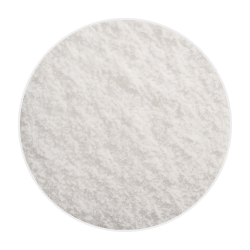
Fine white sea salt in a small circular pile, slightly grainy texture, displayed on a plain background
Sea Salt
Sea Salt
Solar Salt, Marine Salt, Sodium Chloride, Sal Marinum
Summary
Sea salt is a mineral ingredient derived from the evaporation of seawater. It is primarily included in pet food to provide essential electrolytes, such as sodium and chloride, which support hydration and nerve function. Sea salt is not used in its raw crystalline form but is refined and utilised as a food-grade compound to ensure safety, palatability, and optimal nutrient absorption.
Why it's used?
Sea salt is included as a palatability enhancer to improve flavour and encourage pet consumption. It may also function as a mineral source and assist in product preservation.
Golden yellow linseed oil in a glossy, viscous puddle on a white background, highlighting its smooth texture
Linseed Oil
Linseed Oil
Flaxseed Oil, Oleum Lini, E401, Linum Usitatissimum Oil
Summary
Linseed oil, derived from the seeds of the flax plant (Linum usitatissimum), is a plant-based ingredient valued for its high content of omega-3 fatty acids, particularly alpha-linolenic acid (ALA), which supports skin and coat health in pets. In pet food, linseed oil is utilised in its natural, cold-pressed form to optimise nutrient retention and bioavailability.
Why it's used?
Linseed oil is included as a source of omega-3 fatty acids to support skin and coat health, providing a plant-based alternative to fish oils. Its presence also allows manufacturers to market the product as containing beneficial oils for overall wellbeing.
Fine off-white chicory extract powder with a slightly grainy texture, commonly used as a natural dog supplement
Chicory Extract
Chicory Extract
Cichorium Intybus Extract, Cichorium Intybus L. Extract, Chicory Root Extract, Cichorium Intybus Root Extract
Summary
Chicory extract is derived from the root of the chicory plant (Cichorium intybus), a perennial herb native to Europe and cultivated in Australia. It is primarily included in pet food as a source of inulin, a prebiotic fibre that supports digestive health and beneficial gut bacteria. Chicory extract is utilised in a processed, concentrated form rather than as the whole root.
Why it's used?
Chicory extract is included as a source of inulin, a prebiotic fibre that supports digestive health and can promote beneficial gut bacteria. It also serves as a label-friendly ingredient that appeals to health-conscious consumers.
Golden yellow fish oil droplet with a glossy, smooth texture on a white background, highlighting its purity and quality
Fish Oil
Fish Oil
Fish Liver Oil, Oleum Piscis, Oleum Jecoris, Oleum Piscarium
Summary
Fish oil is a nutrient-rich oil derived from the tissues of oily fish, making it an animal-based ingredient. It is primarily included in pet food for its high content of omega-3 fatty acids, which support skin, coat, and joint health. Fish oil is utilised in a purified, liquid form rather than as whole fish, ensuring optimal absorption and safety for pets.
Why it's used?
Fish oil is included as a source of omega-3 fatty acids to support skin, coat, and joint health, enhancing the nutritional profile of the product. Its presence also serves as a marketing point, appealing to consumers seeking functional health benefits for their pets.
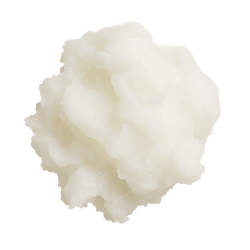
White, fluffy scoop of solid coconut oil with creamy texture, ideal for dog health and nutrition in Australia
Coconut Oil
Coconut Oil
Cocos Nucifera Oil, Copra Oil, E472c, Coconut Fat
Summary
Coconut oil is a plant-derived oil extracted from the flesh of mature coconuts. It is primarily included in pet food for its energy-dense medium-chain triglycerides, which support healthy skin, coat, and metabolism. Coconut oil is used in its natural, refined form, ensuring it is safe and readily digestible for pets while delivering its functional nutritional benefits.
Why it's used?
Coconut oil is included as a source of medium-chain triglycerides, which are marketed for their potential health benefits and digestibility. It also serves as a label-friendly ingredient that appeals to consumers seeking natural or premium pet food formulations.
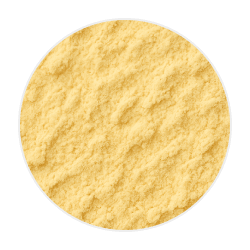
Fine, pale yellow egg powder with a smooth, dry texture, shown as a nutritious ingredient for dog food
Egg Powder
Egg Powder
Dried Egg, Spray-Dried Egg, Powdered Egg, Ovum Pulveratum
Summary
Egg powder is a dehydrated animal-derived ingredient made from whole eggs, typically sourced from hens. It serves as a high-quality protein source, providing essential amino acids, vitamins, and minerals to support muscle maintenance and overall health in pets. Egg powder is used in its processed, powdered form rather than as fresh eggs, ensuring stability, safety, and ease of incorporation into pet food formulations.
Why it's used?
Egg powder is included as a highly digestible, nutrient-dense protein source that supports essential amino acid requirements in pet food. Its stable, dehydrated form also optimises shelf life and ease of manufacturing compared to fresh eggs.
Fine white taurine powder with a soft, fluffy texture, commonly used as a supplement for dogs
Taurine
Taurine
2-Aminoethanesulphonic Acid, L-Taurine, E107, 2-Aminoethane-1-Sulphonic Acid
Summary
Taurine is a naturally occurring amino sulfonic acid derived from animal sources, particularly meat and fish. It is added to pet food to support cardiovascular health, vision, and proper immune function, especially in cats who cannot synthesise it sufficiently. Taurine is not used in its raw form; instead, it is incorporated as a purified, synthesised compound to ensure stability, safety, and optimal absorption.
Why it's used?
Taurine is included to ensure adequate levels of this essential amino acid, particularly in diets where animal protein content may be insufficient to meet canine or feline nutritional requirements. Its addition supports cardiovascular health and is often used to address consumer concerns about diet-associated heart issues.
Fine white methionine powder with a soft, slightly textured surface, commonly used as a dog supplement ingredient
Methionine
Methionine
L-Methionine, 2-Amino-4-(Methylthio)butyric Acid, E620, L-2-Amino-4-(Methylthio)butyric Acid
Summary
Methionine is an essential amino acid derived from animal or plant sources, crucial for protein synthesis and overall metabolic health in pets. It primarily supports healthy skin, coat, and liver function. Methionine is not used in its raw elemental form; instead, it is incorporated as a specific compound, such as DL-methionine, to optimise safety, stability, and bioavailability in pet food formulations.
Why it's used?
Methionine is included as an essential amino acid to support protein synthesis and overall health in pets, particularly when animal protein sources are limited or variable. It also serves as a cost-effective way to meet nutritional requirements and optimise the amino acid profile of the final product.
Fine, light beige yucca extract powder with a soft, sandy texture displayed in a circular mound
Yucca Extract
Yucca Extract
Yucca Schidigera Extract, Yucca Spp. Extract, Yucca Mohave Extract, Cassava Extract
Summary
Yucca extract is derived from the Yucca schidigera plant, a perennial native to arid regions of North America. Primarily included in pet food for its natural saponins, yucca extract helps reduce stool odour and supports digestive health. It is utilised in a processed extract form rather than as the whole plant, ensuring consistent potency and safety for animal consumption.
Why it's used?
Yucca extract is included as a natural deodorising agent to reduce stool and urine odour, enhancing the perceived cleanliness of the pet and its environment. It also serves as a label-friendly ingredient that appeals to consumers seeking natural additives.
Golden yellow emu oil drop with a smooth, glossy texture on a white background, highlighting its pure form
Emu Oil
Emu Oil
Dromaius Novaehollandiae Oil, Emu Fat Oil, Emu Adipose Oil, Dromaius Oil
Summary
Emu oil is a natural fat derived from the rendered adipose tissue of the emu, a native Australian bird. Sourced from animal origin, it is primarily included in pet food for its rich content of omega-3 and omega-6 fatty acids, supporting skin and coat health. Emu oil is used in its natural, refined form to optimise bioavailability and nutritional benefit.
Why it's used?
Emu oil is included as a source of omega fatty acids to support skin and coat health, providing a functional benefit that can be highlighted in marketing. Its presence allows manufacturers to differentiate their product with a novel animal-derived ingredient appealing to consumers seeking unique or premium formulations.
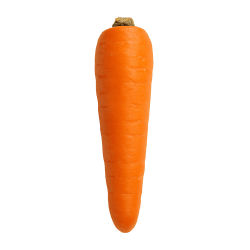
Fresh whole carrot with bright orange skin and smooth, firm texture standing upright on a plain background
Carrot
Carrot
Daucus Carota, Daucus Carota Root, Daucus Carota Sativa, Wild Carrot
Summary
Carrot is a root vegetable of plant origin, widely recognised for its vibrant orange colour and natural sweetness. In pet food, carrot is included in its natural, whole form to provide dietary fibre, beta-carotene (a precursor to vitamin A), and antioxidants. Its primary benefit is supporting digestive health and immune function, while also contributing to overall palatability and nutritional diversity.
Why it's used?
Carrot is included as a label-friendly ingredient to appeal to consumers seeking recognisable, natural components and to enhance the product’s perceived nutritional value. It may also provide a modest source of fibre and vitamins, supporting marketing claims of added health benefits.
Fine off-white yoghurt powder with a smooth, dry texture, shown as a healthy dog food ingredient
Yoghurt Powder
Yoghurt Powder
Dried Yoghurt, Yoghurt Powdered, Fermented Milk Powder, Cultured Milk Powder
Summary
Yoghurt powder is a dairy-derived ingredient produced by dehydrating cultured yoghurt, originating from animal (milk) sources. It is primarily included in pet food for its probiotic content, supporting digestive health and immune function. Yoghurt powder is used in its processed, powdered form rather than as fresh yoghurt, ensuring stability, safety, and ease of incorporation into dry pet food formulations.
Why it's used?
Yoghurt powder is included as a palatability enhancer and a source of probiotics, aiming to improve taste appeal and support digestive health claims. Its presence also serves as a label-friendly ingredient that appeals to health-conscious consumers.
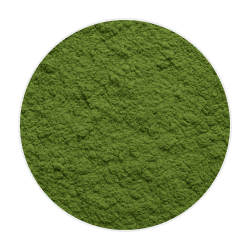
Vibrant green spinach powder in a soft, dry mound on a plain background, highlighting its fine texture
Spinach Powder
Spinach Powder
Dehydrated Spinach, Spinacia Oleracea Powder, Spinacia Oleracea Extract, Dried Spinach
Summary
Spinach powder is a plant-derived ingredient made by dehydrating and finely grinding spinach leaves. It is included in pet food primarily as a source of dietary fibre, vitamins, and antioxidants, supporting overall health and immune function. Spinach powder is used in its natural form, retaining the nutritional benefits of whole spinach while offering improved shelf stability and ease of incorporation into formulations.
Why it's used?
Spinach powder is included as a label-friendly ingredient to appeal to health-conscious consumers and enhance the perceived nutritional value of the product. It may also provide trace vitamins and minerals, though its functional impact on the overall formulation is typically minimal.
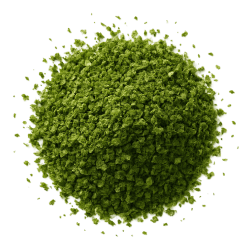
Fine greenish-yellow broccoli powder with a smooth, slightly wavy texture, suitable for dog food supplements
Broccoli Powder
Broccoli Powder
Brassica Oleracea Powder, Broccoli Extract Powder, Brassica Oleracea Extract, Broccoli Vegetable Powder
Summary
Broccoli powder is a plant-derived ingredient made by dehydrating and finely grinding whole broccoli florets and stems. It is included in pet food primarily for its rich content of dietary fibre, vitamins, and antioxidants, supporting digestive health and immune function. Broccoli powder is used in its natural form, retaining the nutritional benefits of fresh broccoli in a concentrated, shelf-stable format.
Why it's used?
Broccoli powder is included as a label-friendly ingredient to appeal to health-conscious consumers and enhance the perceived nutritional value of the product. It may also contribute trace vitamins and fibre, though its functional impact on the pet’s diet is typically minimal at the low inclusion rates used.
Fine greenish-yellow kale powder with a smooth, slightly ridged texture, suitable for dog health supplements
Kale Powder
Kale Powder
Brassica Oleracea Powder, Brassica Oleracea Leaf Powder, Kale Leaf Powder, Brassica Oleracea (Kale) Powder
Summary
Kale powder is a concentrated form of kale, a leafy green vegetable of plant origin. It is included in pet food primarily for its rich content of vitamins, minerals, and antioxidants, supporting overall health and immune function. Kale powder is used in its natural, dehydrated form, allowing for easier incorporation and consistent nutrient delivery compared to fresh kale.
Why it's used?
Kale powder is included as a label-friendly ingredient to appeal to health-conscious consumers, enhancing the perceived nutritional value of the product. It also provides a source of vitamins and antioxidants, supporting marketing claims related to superfoods.
Finely ground, light green alfalfa meal with a soft, powdery texture, commonly used in natural dog food blends
Alfalfa Meal
Alfalfa Meal
Medicago Sativa Meal, Lucerne Meal, Medicago Sativa Powder, Lucerne Powder
Summary
Alfalfa meal is a plant-derived ingredient made from the dried and ground aerial parts of the alfalfa plant (Medicago sativa). It is primarily included in pet food for its rich source of dietary fibre, vitamins, and minerals, supporting digestive health and overall nutrition. Alfalfa meal is not used in its whole form but is processed into a meal to optimise nutrient availability and digestibility.
Why it's used?
Alfalfa meal is included as a cost-effective source of plant protein, fibre, and micronutrients to enhance the nutritional profile of the product. It also serves as a label-friendly ingredient that appeals to consumers seeking natural or wholesome additions in pet food.
Fine, light beige dried apple powder with a soft, smooth texture, ideal as a natural dog treat ingredient
Dried Apple
Dried Apple
Dehydrated Apple, Apple (Malus Domestica), Malus Domestica Fruit, Apple Pieces
Summary
Dried apple is a plant-derived ingredient made by dehydrating fresh apples to preserve their nutrients and flavour. It serves as a source of dietary fibre, natural sugars, and antioxidants, supporting digestive health and palatability in pet food. Dried apple is used in its natural form, ensuring the retention of beneficial phytonutrients and making it a wholesome addition to premium pet diets.
Why it's used?
Dried apple is included as a label-friendly ingredient to appeal to consumers seeking natural and recognisable components in pet food. It also provides a source of fibre and natural sweetness, which can enhance palatability.
Fine, bright red tomato powder with a slightly clumpy texture, commonly used as a natural dog food ingredient
Tomato Powder
Tomato Powder
Dehydrated Tomato, Solanum Lycopersicum Powder, Spray-Dried Tomato, Dried Tomato Powder
Summary
Tomato powder is a dehydrated form of tomatoes, a plant-based ingredient derived from ripe, whole tomatoes. It is primarily included in pet food for its natural source of antioxidants, such as lycopene, as well as vitamins and minerals that support overall health. Tomato powder is used in its natural, powdered form, allowing for easy incorporation and consistent nutrient delivery in pet food formulations.
Why it's used?
Tomato powder is included as a natural source of vitamins and antioxidants, enhancing the nutritional profile for marketing appeal. It also serves as a label-friendly ingredient that can improve colour and palatability without significantly increasing production costs.
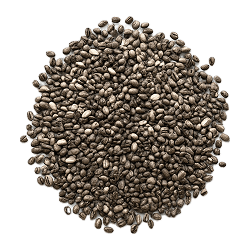
Pile of small, glossy black and white chia seed scattered on a plain background, showing their oval shape and smooth texture
Chia Seed
Chia Seed
Salvia Hispanica, Salvia Hispanica Seed, Salba, Salvia Hispanica L.
Summary
Chia seed is a plant-derived ingredient sourced from the Salvia hispanica plant, native to Central and South America. It is primarily included in pet food for its rich content of omega-3 fatty acids, dietary fibre, and antioxidants, supporting skin, coat, and digestive health. Chia seed is used in its natural, whole form, ensuring optimal nutrient retention and bioavailability for pets.
Why it's used?
Chia seed is included as a label-friendly ingredient to appeal to health-conscious consumers, as it is associated with omega-3 fatty acids and fibre. It may also provide a minor functional benefit as a source of plant-based nutrients and aid in product marketing.
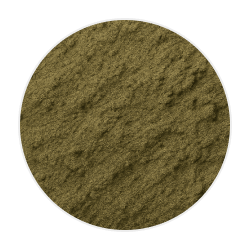
Fine green-brown kelp powder with a soft, earthy texture, shown as a natural dog supplement
Kelp Powder
Kelp Powder
Seaweed Powder, Ascophyllum Nodosum Powder, Laminaria Powder, Macrocystis Pyrifera Powder
Summary
Kelp powder is a dried and ground form of sea kelp, a type of marine algae (plant origin) harvested from ocean waters. It is primarily included in pet food for its rich iodine content, supporting healthy thyroid function and metabolism. Kelp powder is used in its natural, whole-food form, ensuring optimal nutrient availability and safe consumption for pets.
Why it's used?
Kelp powder is included as a natural source of trace minerals, iodine, and vitamins to support nutritional labelling claims and enhance the perceived health benefits of the product. Its addition also serves as a label-friendly ingredient that appeals to health-conscious consumers.
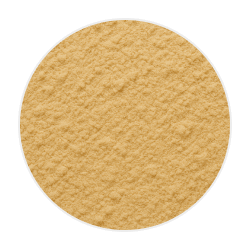
Bright orange sweet potato powder with a fine, slightly clumpy texture, commonly used in healthy dog food and treats
Sweet Potato Powder
Sweet Potato Powder
Ipomoea Batatas Powder, Yam Powder, Batatas Powder, Ipomoea Batatas Root Powder
Summary
Sweet potato powder is a plant-derived ingredient made by dehydrating and finely grinding sweet potatoes. It serves as a source of complex carbohydrates, dietary fibre, and essential micronutrients, supporting digestive health and sustained energy release in pets. Sweet potato powder is utilised in its natural form, ensuring the retention of its nutritional profile and functional benefits within premium pet food formulations.
Why it's used?
Sweet potato powder is included as a cost-effective, highly digestible carbohydrate source that provides energy and dietary fibre. It also serves as a label-friendly ingredient that appeals to consumers seeking natural and recognisable components in pet food.
Bright yellow turmeric powder with a fine, slightly grainy texture, commonly used as a natural dog supplement
Turmeric
Turmeric
Curcuma Longa, Indian Saffron, Jiang Huang, E100
Summary
Turmeric is a vibrant yellow spice derived from the root of the Curcuma longa plant, making it a plant-based ingredient. It is primarily included in pet food for its natural antioxidant and anti-inflammatory properties, supporting overall health and wellbeing. Turmeric is used in its natural powdered form, ensuring pets benefit from its active compound, curcumin, in a safe and bioavailable manner.
Why it's used?
Turmeric is included as a label-friendly ingredient to appeal to health-conscious consumers due to its association with natural antioxidants and anti-inflammatory properties. Its presence may also support marketing claims related to holistic or functional pet foods, despite being used in small quantities with minimal direct nutritional impact for pets.
Fine, pale beige almond flour with a soft, powdery texture displayed in a close-up circular view
Almond Flour
Almond Flour
Ground Almonds, Almond Meal, Prunus Dulcis Meal, Prunus Dulcis Flour
Summary
Almond flour is a finely ground product made from blanched almonds, originating from the seeds of the almond tree (plant source). It is primarily included in pet food as a source of plant-based protein, healthy fats, and dietary fibre. Almond flour is used in its natural form, providing essential nutrients and contributing to the overall nutritional profile of premium pet diets.
Why it's used?
Almond flour is included as a label-friendly, grain-free alternative to traditional flours, appealing to consumers seeking premium or hypoallergenic pet food options. It also serves as a functional carbohydrate and protein source, contributing to product texture and nutritional profile.
Finely chopped parsley with vibrant green colour and coarse texture, commonly used as a fresh herb in dog food
Parsley
Parsley
Petroselinum Crispum, Garden Parsley, Common Parsley, E461
Summary
Parsley is a leafy herb of plant origin, commonly used in pet food for its natural antioxidant properties and as a source of vitamins such as vitamin K and C. It is primarily included to support immune health and freshen breath. In pet food formulations, parsley is used in its natural, whole form, ensuring the retention of its beneficial phytonutrients and fibre content.
Why it's used?
Parsley is included as a label-friendly ingredient to appeal to pet owners seeking natural or recognisable components in pet food. It may also be added for its perceived breath-freshening properties, though its functional impact on canine nutrition is minimal.
Finely ground sumac spice with a rich reddish-brown colour and slightly coarse, powdery texture on a plain background
Sumac
Sumac
Rhus Coriaria, Sicilian Sumac, Tanners' Sumach, Sumach Spice
Summary
Sumac is a spice derived from the dried and ground berries of plants in the genus Rhus, known for its tangy, lemony flavour. In dog food manufacturing, it is typically included as ground sumac berry powder. Sumac contains antioxidants and may contribute to flavour enhancement in dog food. When used in appropriate amounts, it is generally considered safe for dogs, but excessive intake could potentially cause gastrointestinal upset.
Why it's used?
Sumac is included in some Australian dog food formulations primarily for its natural antioxidant properties, which can help extend shelf life and preserve product freshness, offering a processing advantage to manufacturers while providing some potential health benefits to dogs.
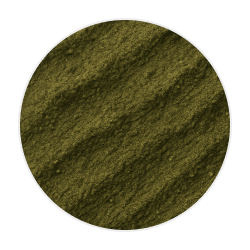
Finely ground green tea powder with a rich olive-green colour and smooth, slightly textured surface
Green Tea
Green Tea
Camellia Sinensis, Camellia Sinensis Leaf, Camellia Sinensis Extract, Camellia Sinensis Leaf Extract
Summary
Green tea is a plant-derived ingredient sourced from the leaves of Camellia sinensis. It is primarily included in pet food for its antioxidant properties, which help protect cells from oxidative damage and support overall health. Green tea is used in its natural, dried leaf form, ensuring the preservation of its beneficial polyphenols and catechins for optimal nutritional impact.
Why it's used?
Green tea is included as a label-friendly ingredient to appeal to health-conscious consumers and enhance product marketing. It may also provide natural antioxidants, supporting product stability and shelf life.
Fine, deep purple blueberry extract powder with a soft, textured surface, ideal for dog health supplements
Blueberry Extract
Blueberry Extract
Vaccinium Corymbosum Extract, Vaccinium Corymbosum Fruit Extract, Blueberry Fruit Extract, Vaccinium Spp. Extract
Summary
Blueberry extract is a concentrated derivative of the blueberry fruit, a plant-based ingredient valued for its rich antioxidant content, particularly anthocyanins. Its primary purpose in pet food is to support cellular health and immune function by combating oxidative stress. Unlike whole blueberries, blueberry extract is utilised in a processed, concentrated form to deliver consistent levels of beneficial compounds in pet nutrition.
Why it's used?
Blueberry extract is included as a label-friendly ingredient to appeal to health-conscious consumers, leveraging its association with antioxidants and natural nutrition. Its presence supports marketing claims related to superfoods and enhanced nutritional value, despite being used in small quantities.
Deep red, finely ground cranberry extract powder with a slightly coarse texture, displayed in a circular mound
Cranberry Extract
Cranberry Extract
Vaccinium Macrocarpon Extract, Vaccinium Macrocarpon Fruit Extract, Vaccinium Macrocarpon, Vaccinium Macrocarpon Juice Extract
Summary
Cranberry extract is a plant-derived ingredient sourced from the fruit of the cranberry bush (Vaccinium macrocarpon). It is primarily included in pet food for its antioxidant properties and potential support of urinary tract health. Rather than using whole cranberries, the extract is utilised in a concentrated form to optimise efficacy and ensure consistent nutrient delivery in the final product.
Why it's used?
Cranberry extract is included as a label-friendly ingredient to appeal to health-conscious consumers, as it is associated with urinary tract health and antioxidant benefits. Its addition may also provide a minor functional role as a natural preservative due to its antioxidant properties.

About


Manufactured
Australia
Type
Kibble
Life Stage
Puppy
Breed Size
All Breeds
Feeding Type
Complete Meal
Processing Level
High

PRODUCT TAGS


Grain Free
Gluten Free
Soy Free

Oops! Something went wrong...PLEASE TRY AGAIN

Most Tracked This Week

About the Brand

Pure Life

Pure Life provides innovative holistic pet food featuring a unique blend of high protein kibble and freeze dried real meat pieces for optimal canine health. Explore the Pure Life range to discover Australian made, grain free meals and functional treats that offer your dog the natural nutrition they deserve.


Comments

0 comments

Login to Join the Conversation 💬

Be the first to leave a comment.
Loading
Anonymous User
This is the actual comment. It's can be long or short. And must contain only text information.
(Edited)
Your comment will appear once approved by a moderator.
4 years ago
0
0
Reply
Anonymous User
This is the actual comment. It's can be long or short. And must contain only text information.
(Edited)
Your comment will appear once approved by a moderator.
2 years ago
0
0
Thank you! Your submission has been received!
Oops! Something went wrong while submitting the form.