




.png)


Cardiac Wet Dog Food

Overview
Royal Canin Cardiac is a veterinary-formulated wet dog food designed to support dogs with heart disease including congestive heart failure and hypertension. This therapeutic diet features restricted sodium levels to help reduce cardiac workload and manage fluid retention, a key concern in dogs with cardiovascular conditions.
The formula includes taurine and L-carnitine, two amino acids critical for maintaining healthy cardiac muscle function and energy metabolism in the heart. Fish oil provides EPA and DHA omega-3 fatty acids to support cardiovascular health and help manage inflammation associated with heart disease.
As a wet food with a loaf texture, this diet offers high palatability for dogs that may have reduced appetite due to cardiac medication or illness. It is a complete and balanced formula intended for long-term use under veterinary supervision.
Nutritional Analysis
Ingredients
Poultry By-Products, Rice, Pork By-Products, Fish Oil, Pork Gelatine, Powdered Cellulose, Sunflower Oil, Minerals, Dried Tomato Pulp, Marigold Extract. Nutritional Additives: Vitamin D3, Iron, Iodine, Copper, Manganese, Zinc.

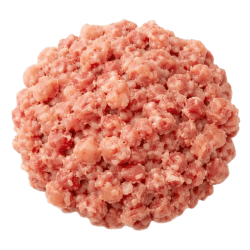
Poultry By-Product Meal, Gallus Spp. By-Products, Avian By-Products, Rendered Poultry By-Products
Poultry by-products are animal-derived ingredients sourced from the non-rendered, clean parts of poultry, such as organs and tissues, excluding feathers, heads, feet, and intestines. They provide a concentrated source of protein, essential amino acids, vitamins, and minerals, supporting overall pet health. Poultry by-products are used in their processed form, ensuring safety, digestibility, and optimal nutrient availability for pets.
Poultry by-products are included as a cost-effective source of animal protein and essential nutrients, utilising parts of the bird not typically consumed by humans. Their use allows manufacturers to optimise ingredient yield and maintain product affordability while meeting nutritional requirements.
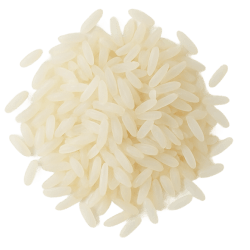
Oryza Sativa, Paddy, Oryza Sativa Grain, Oryza Spp.
Rice is a cereal grain derived from the seeds of the Oryza sativa plant, making it a plant-based ingredient. It serves primarily as a highly digestible source of carbohydrates, providing energy for pets. In pet food, rice is typically used in its natural, whole or milled form, rather than as a processed extract, to optimise digestibility and nutrient availability.
Rice is included as a cost-effective carbohydrate source that provides energy and helps create a desirable texture in pet food. It is also easily digestible, making it suitable for sensitive digestive systems and appealing for marketing as a familiar, label-friendly ingredient.
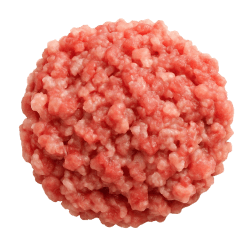
Swine By-Products, Sus Scrofa By-Products, Porcine By-Products, Porcine Offal
Pork by-products are animal-derived ingredients sourced from non-rendered, clean parts of pigs, excluding meat, such as organs and tissues. They are included in pet food primarily for their high-quality protein, essential amino acids, and micronutrients. Pork by-products are used in their natural, edible form, providing a nutrient-dense addition that supports overall health and palatability in pet diets.
Pork by-products are included as a cost-effective source of animal protein and essential nutrients, utilising parts of the animal not typically consumed by humans. Their use allows manufacturers to optimise nutritional value while maintaining competitive pricing.
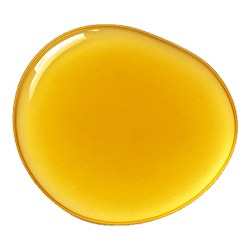
Fish Liver Oil, Oleum Piscis, Oleum Jecoris, Oleum Piscarium
Fish oil is a nutrient-rich oil derived from the tissues of oily fish, making it an animal-based ingredient. It is primarily included in pet food for its high content of omega-3 fatty acids, which support skin, coat, and joint health. Fish oil is utilised in a purified, liquid form rather than as whole fish, ensuring optimal absorption and safety for pets.
Fish oil is included as a source of omega-3 fatty acids to support skin, coat, and joint health, enhancing the nutritional profile of the product. Its presence also serves as a marketing point, appealing to consumers seeking functional health benefits for their pets.

Porcine Gelatine, Gelatine (Porcine), Gelatine (Sus Scrofa), E441
Pork gelatine is a protein derived from the collagen of pig skin and bones, making it an animal-based ingredient. It is primarily used as a gelling agent to improve texture and palatability in pet foods. Pork gelatine is not used in its raw form; instead, it is processed and purified to ensure safety, digestibility, and optimal functional performance in the final product.
Pork gelatine is included as a functional binding agent to improve the texture and cohesiveness of pet food products. It also enhances palatability and can contribute to a desirable mouthfeel for pets.

Microcrystalline Cellulose, Powdered Cellulose, E460, Cellulosum
Cellulose powder is a plant-derived ingredient sourced primarily from wood pulp. It serves as an insoluble dietary fibre, supporting digestive health and stool quality in pets. Rather than being used in its raw, fibrous state, cellulose is processed into a fine powder to optimise its functional benefits and ensure safe, consistent inclusion in pet food formulations.
Cellulose powder is included as a cost-effective fibre source to aid stool quality and promote digestive health. It also functions as a bulk-adding agent, helping to control calorie density in pet food formulations.
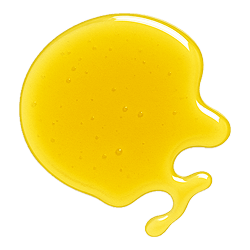
Helianthus Annuus Seed Oil, Helianthus Annuus Oil, E471, Vegetable Oil (Helianthus Annuus)
Sunflower oil is a plant-derived oil extracted from the seeds of the sunflower (Helianthus annuus). It serves as a valuable source of energy and provides essential fatty acids, particularly linoleic acid, which supports skin and coat health in pets. Sunflower oil is utilised in its refined liquid form, not as whole seeds, to optimise digestibility and nutrient availability in pet food formulations.
Sunflower oil is included as a cost-effective source of unsaturated fats to provide essential fatty acids that support skin and coat health. It also enhances palatability and contributes to the overall energy content of the pet food.

Dietary Minerals, Inorganic Nutrients, Essential Minerals, Bulk Elements
Minerals are essential inorganic nutrients derived from the earth, not produced by animals or plants. They play a critical role in supporting various physiological functions, such as bone development, nerve transmission, and enzyme activity. In pet food, minerals are not used in their natural raw or metallic state; instead, they are incorporated as specific compounds (such as sulphates or chelates) to optimise safety and bioavailability.
Minerals are included to meet essential nutritional requirements for pets, supporting overall health and proper bodily functions. They are often added in precise amounts to ensure the product complies with regulatory standards and nutrient profiles.
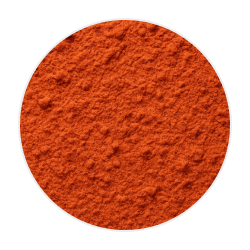
Tomato Fibre, Tomato Pomace, Solanum Lycopersicum Pulp, Tomato Solids
Dried tomato pulp is a plant-derived ingredient produced from the residual pulp of tomatoes after juice extraction. It is primarily included in pet food as a source of dietary fibre, supporting digestive health and stool quality. Dried tomato pulp is used in its natural, dehydrated form, ensuring the retention of beneficial nutrients and fibre while enhancing palatability and texture in premium pet food formulations.
Dried tomato pulp is included as a cost-effective fibre source to aid digestive health and stool quality. It also serves as a label-friendly ingredient that appeals to consumers seeking visible fruit and vegetable components in pet food.

Calendula Officinalis Extract, Calendula Extract, Calendula Officinalis Flower Extract, E160b
Marigold extract is a plant-derived ingredient sourced from the flowers of the marigold (Tagetes species). It is primarily included in pet food for its natural antioxidant properties, particularly due to its lutein content, which supports eye health and immune function. Marigold extract is utilised in a concentrated form rather than as whole flowers, ensuring consistent potency and bioavailability in pet diets.
Marigold extract is included as a natural source of lutein to support eye health and provide antioxidant benefits, which can be highlighted in marketing to appeal to health-conscious consumers. Its presence also enhances the product’s label appeal by signalling the inclusion of botanicals.
Cholecalciferol, Colecalciferol, Calciol, E671
Vitamin D3, also known as cholecalciferol, is a fat-soluble vitamin of animal origin commonly derived from lanolin or fish oil. It plays a crucial role in regulating calcium and phosphorus metabolism, supporting healthy bone development in pets. Vitamin D3 is not used in its natural form but is instead utilised as a stabilised compound to ensure safety, efficacy, and optimal absorption in pet food formulations.
Vitamin D3 is included to ensure the finished product meets established nutritional requirements for canine health, supporting bone development and calcium regulation. Its addition allows manufacturers to guarantee consistent vitamin content regardless of natural variation in raw materials.

Ferrum, Fe, E1, Elemental Iron
Iron is an essential mineral sourced from both animal and plant origins, crucial for oxygen transport and energy metabolism in pets. Its primary benefit is supporting healthy red blood cell formation and preventing anaemia. Iron is not used in its natural, raw, or metallic state; instead, it is utilised in pet food as safe, bioavailable compounds such as iron sulphate or iron proteinate to optimise absorption.
Iron is included as an essential mineral to support healthy blood function and overall metabolism in pets. Its addition ensures the product meets nutritional requirements and regulatory standards for complete and balanced pet food.
Elemental I, E127, Iodum, CAS 7553-56-2
Iodine is an essential trace mineral sourced primarily from seaweed or mineral deposits. It plays a critical role in supporting healthy thyroid function and hormone production in pets. Iodine is not used in its natural elemental form due to safety and bioavailability concerns; instead, it is typically incorporated as a compound such as potassium iodide or calcium iodate to optimise absorption and efficacy.
Iodine is included as an essential trace mineral to support thyroid function and overall metabolic health in pets. Its addition ensures nutritional adequacy and compliance with regulatory labelling standards for complete and balanced pet foods.

Cu, ECP, CI 77400, C.I. 77400
Copper is an essential trace mineral sourced from the earth and is vital for numerous physiological functions in pets. It primarily supports red blood cell formation, connective tissue development, and immune system health. Copper is not used in its natural metallic state; instead, it is incorporated into pet food as safe, bioavailable compounds such as copper sulphate or copper proteinate to optimise absorption and efficacy.
Copper is included as an essential trace mineral to meet nutritional requirements for dogs, supporting enzyme function and red blood cell formation. Its addition ensures compliance with regulatory standards for complete and balanced pet food labelling.
E34, Manganum, Mn, EINECS 231-105-1
Manganese is an essential trace mineral sourced from the earth and is vital for numerous metabolic processes in pets. It primarily supports bone development, enzyme function, and antioxidant defence. Manganese is not used in its natural metallic state; instead, it is incorporated into pet food as a safe, bioavailable compound such as manganese sulphate or manganese oxide to optimise absorption and efficacy.
Manganese is included as an essential trace mineral to support metabolic and skeletal health in pets, fulfilling nutritional requirements for complete and balanced pet food. Its addition ensures compliance with regulatory standards and appeals to consumers seeking scientifically formulated diets.
Zn, E579, Zincum, CI 77947
Zinc is an essential trace mineral sourced from the earth and is vital for numerous biological functions in pets, including immune support and skin health. In pet food, zinc is not used in its natural metallic state; instead, it is utilised as a compound such as zinc sulphate or zinc chelate to optimise safety and absorption, ensuring pets receive its full nutritional benefit.
Zinc is included as an essential trace mineral to support immune function, skin health, and overall metabolic processes in pets. Its addition ensures nutritional adequacy and compliance with regulatory labelling standards for complete and balanced pet foods.
About



PRODUCT TAGS
Most Tracked This Week










About the Brand




Comments
0 comments
Login to Join the Conversation 💬