




.png)


Hypoallergenic Dry Dog Food

Overview
Royal Canin Hypoallergenic is a veterinary-formulated dry dog food designed for dogs with adverse food reactions presenting as skin or gastrointestinal symptoms. The formula uses hydrolysed soy protein isolate with a low molecular weight, meaning the protein is broken down small enough to significantly reduce the chance of triggering an immune response.
Rice flour provides a highly digestible and low-allergen carbohydrate source. Fish oil and borage oil deliver a targeted blend of omega-3 and omega-6 fatty acids including EPA, DHA and GLA to support skin barrier repair and help manage inflammatory skin conditions such as canine atopic dermatitis.
Beet pulp contributes prebiotic fibre to promote healthy intestinal flora, which is particularly beneficial for dogs experiencing allergic gastrointestinal symptoms such as chronic diarrhoea or inflammatory bowel disease. This is a complete and balanced prescription diet suitable for both elimination trials and long-term management under veterinary supervision.
Nutritional Analysis
Ingredients
Rice Flour, Hydrolysed Soya Protein Isolate, Animal Fats, Rice, Hydrolysed Poultry Liver, Beet Pulp, Minerals, Soya Oil, Fructo-Oligosaccharides, Fish Oil, Borage Oil, Marigold Meal. Nutritional Additives: Vitamin A, Vitamin D3, Iron, Iodine, Copper, Manganese, Zinc, Selenium. Technological Additives: Clinoptilolite of Sedimentary Origin. Preservatives, Antioxidants.

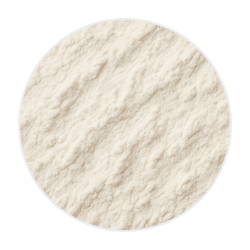
Ground Rice, Oryza Sativa Flour, Rice Powder, Oryza Sativa
Rice flour is a finely milled powder derived from whole or broken rice grains, making it a plant-based ingredient. It is primarily used as a carbohydrate source, providing easily digestible energy and aiding in kibble structure. Rice flour is incorporated in its natural, ground form, not as a raw grain, to optimise digestibility and palatability in pet food formulations.
Rice flour is included as a cost-effective, easily digestible carbohydrate source that provides energy and helps create a desirable texture in pet food. Its neutral flavour and hypoallergenic properties also make it suitable for sensitive pets and appealing in marketing as a gentle ingredient.
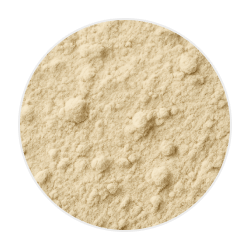
Hydrolysed Soy Protein, Hydrolysed Soybean Protein, Hydrolysed Glycine Max Protein, Hydrolysed Soy Protein Concentrate
Hydrolysed soy protein isolate is a plant-derived ingredient produced by breaking down soy protein into smaller peptides and amino acids. It is primarily included in pet food for its highly digestible protein content, supporting muscle maintenance and overall health. Rather than using whole soybeans, the protein is isolated and hydrolysed to enhance absorption and reduce allergenic potential in sensitive pets.
Hydrolysed soy protein isolate is included as a highly digestible, concentrated protein source that can help meet nutritional requirements while being cost-effective compared to animal proteins. Its hydrolysed form also reduces allergenic potential, making it suitable for hypoallergenic or sensitive diet formulations.
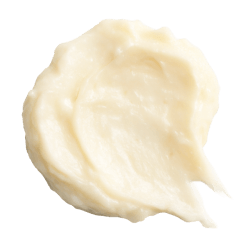
Rendered Fat, Tallow, Lard, E471
Animal fat is a lipid ingredient derived from the tissue of animals, commonly sourced from poultry, beef, or lamb. It serves as a concentrated source of energy and enhances palatability in pet foods. Animal fat is used in its rendered form, not as raw tissue, to ensure safety, stability, and optimal absorption of essential fatty acids for pets’ health and wellbeing.
Animal fat is included as a cost-effective energy source and to enhance palatability, making the product more appealing to pets. It also contributes to the texture and mouthfeel of the final product.
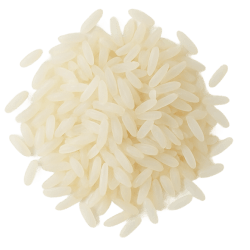
Oryza Sativa, Paddy, Oryza Sativa Grain, Oryza Spp.
Rice is a cereal grain derived from the seeds of the Oryza sativa plant, making it a plant-based ingredient. It serves primarily as a highly digestible source of carbohydrates, providing energy for pets. In pet food, rice is typically used in its natural, whole or milled form, rather than as a processed extract, to optimise digestibility and nutrient availability.
Rice is included as a cost-effective carbohydrate source that provides energy and helps create a desirable texture in pet food. It is also easily digestible, making it suitable for sensitive digestive systems and appealing for marketing as a familiar, label-friendly ingredient.
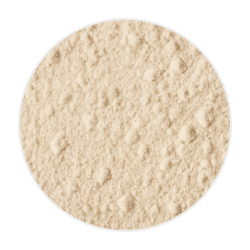
Hydrolysed Chicken Liver, Hydrolysed Gallus Gallus Domesticus Liver, Hydrolysed Poultry Offal Liver, Hydrolysed Avian Liver
Hydrolysed poultry liver is an animal-derived ingredient produced by enzymatically breaking down poultry liver proteins into smaller peptides. This process enhances digestibility and reduces the risk of allergic reactions, making it suitable for sensitive pets. Hydrolysed poultry liver is not used in its whole, natural form; instead, it is utilised in its hydrolysed state to optimise nutrient absorption and palatability.
Hydrolysed poultry liver is included as a highly digestible protein source that enhances palatability and amino acid availability in pet food formulations. Its use also supports hypoallergenic claims, as hydrolysis reduces the likelihood of triggering food sensitivities.
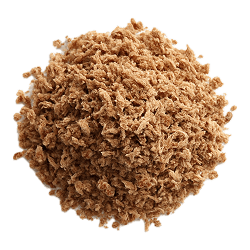
Dried Sugar Beet Pulp, Sugar Beet Fibre, Beta Vulgaris Pulp, Sugar Beet Residue
Beet pulp is a fibrous by-product derived from sugar beet plants after sugar extraction. It serves as a valuable source of moderately fermentable fibre, supporting digestive health and stool quality in pets. Beet pulp is incorporated in its dried, processed form rather than as raw beet, ensuring optimal digestibility and nutrient availability for companion animals.
Beet pulp is included as a cost-effective source of dietary fibre to promote digestive health and stool quality in pets. It also serves as a bulk-adding agent, helping to optimise product texture and satiety.

Dietary Minerals, Inorganic Nutrients, Essential Minerals, Bulk Elements
Minerals are essential inorganic nutrients derived from the earth, not produced by animals or plants. They play a critical role in supporting various physiological functions, such as bone development, nerve transmission, and enzyme activity. In pet food, minerals are not used in their natural raw or metallic state; instead, they are incorporated as specific compounds (such as sulphates or chelates) to optimise safety and bioavailability.
Minerals are included to meet essential nutritional requirements for pets, supporting overall health and proper bodily functions. They are often added in precise amounts to ensure the product complies with regulatory standards and nutrient profiles.
Glycine Max Oil, E322, Soya Oil, Soya Bean Oil
Soybean oil is a plant-derived oil extracted from the seeds of the soybean (Glycine max). It serves as a concentrated source of energy and provides essential fatty acids, particularly linoleic acid, which supports skin and coat health in pets. Soybean oil is utilised in its refined liquid form, not as whole soybeans, to optimise digestibility and nutrient availability in pet food formulations.
Soybean oil is included as a cost-effective source of fat and essential fatty acids, supporting energy density and skin and coat health in pet food. It also contributes to product texture and palatability while helping to optimise manufacturing costs.
Oligofructose, FOS, Oligofructan, E968
Fructooligosaccharides are short-chain carbohydrates derived from plant sources such as chicory root. They serve primarily as prebiotics, supporting digestive health by promoting the growth of beneficial gut bacteria. Fructooligosaccharides are not used in their whole plant form but are extracted and purified for inclusion in pet food, ensuring optimal efficacy and digestibility for companion animals.
Fructooligosaccharides are included as a prebiotic fibre to support digestive health by promoting beneficial gut bacteria. They also serve as a label-friendly functional ingredient that can enhance the perceived nutritional value of the product.
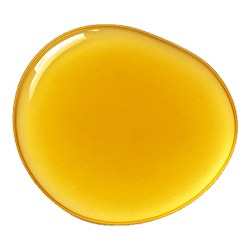
Fish Liver Oil, Oleum Piscis, Oleum Jecoris, Oleum Piscarium
Fish oil is a nutrient-rich oil derived from the tissues of oily fish, making it an animal-based ingredient. It is primarily included in pet food for its high content of omega-3 fatty acids, which support skin, coat, and joint health. Fish oil is utilised in a purified, liquid form rather than as whole fish, ensuring optimal absorption and safety for pets.
Fish oil is included as a source of omega-3 fatty acids to support skin, coat, and joint health, enhancing the nutritional profile of the product. Its presence also serves as a marketing point, appealing to consumers seeking functional health benefits for their pets.
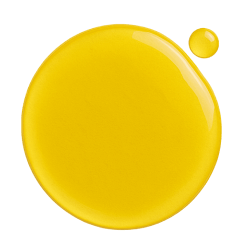
Borago Officinalis Seed Oil, Starflower Oil, Boraginaceae Seed Oil, Borago Officinalis Oil
Borage oil is a plant-derived oil extracted from the seeds of the borage plant (Borago officinalis). It is primarily included in pet food for its high gamma-linolenic acid (GLA) content, an omega-6 fatty acid that supports skin and coat health. Borage oil is used in its natural, cold-pressed form to optimise nutrient retention and bioavailability in pet diets.
Borage oil is included as a source of gamma-linolenic acid (GLA), an omega-6 fatty acid that supports skin and coat health in pets. Its presence allows manufacturers to market the product as containing beneficial fatty acids, appealing to health-conscious consumers.

Calendula Officinalis Meal, Calendula Meal, Dried Calendula Officinalis, Dried Calendula Meal
Marigold meal is a plant-derived ingredient made from the dried and ground flowers of the marigold (Tagetes erecta). It is primarily included in pet food for its natural lutein content, which supports eye health and provides antioxidant benefits. Marigold meal is used in its natural, whole-food form, ensuring the retention of its beneficial carotenoids and phytonutrients.
Marigold meal is included as a natural colourant to enhance the visual appeal of pet food and as a label-friendly ingredient that may appeal to consumers seeking botanicals. It may also be used for its potential antioxidant properties, supporting product marketing claims.
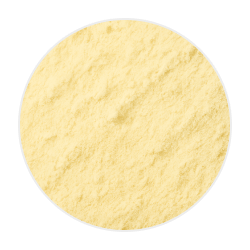
Retinol, Retinyl Palmitate, Retinyl Acetate, E160a
Vitamin A is an essential fat-soluble nutrient derived from animal sources (as retinyl esters) or plant sources (as carotenoids). It supports vision, immune function, and skin health in pets. In pet food, Vitamin A is not used in its raw or natural state but is provided as stabilised compounds (such as retinyl acetate or retinyl palmitate) to ensure safety, stability, and optimal absorption.
Vitamin A is included as an essential nutrient to support vision, immune function, and overall health in pets, ensuring the product meets established nutritional standards. Its addition also allows manufacturers to optimise the nutritional profile and comply with regulatory labelling requirements.
Cholecalciferol, Colecalciferol, Calciol, E671
Vitamin D3, also known as cholecalciferol, is a fat-soluble vitamin of animal origin commonly derived from lanolin or fish oil. It plays a crucial role in regulating calcium and phosphorus metabolism, supporting healthy bone development in pets. Vitamin D3 is not used in its natural form but is instead utilised as a stabilised compound to ensure safety, efficacy, and optimal absorption in pet food formulations.
Vitamin D3 is included to ensure the finished product meets established nutritional requirements for canine health, supporting bone development and calcium regulation. Its addition allows manufacturers to guarantee consistent vitamin content regardless of natural variation in raw materials.

Ferrum, Fe, E1, Elemental Iron
Iron is an essential mineral sourced from both animal and plant origins, crucial for oxygen transport and energy metabolism in pets. Its primary benefit is supporting healthy red blood cell formation and preventing anaemia. Iron is not used in its natural, raw, or metallic state; instead, it is utilised in pet food as safe, bioavailable compounds such as iron sulphate or iron proteinate to optimise absorption.
Iron is included as an essential mineral to support healthy blood function and overall metabolism in pets. Its addition ensures the product meets nutritional requirements and regulatory standards for complete and balanced pet food.
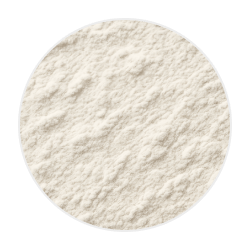
Elemental I, E127, Iodum, CAS 7553-56-2
Iodine is an essential trace mineral sourced primarily from seaweed or mineral deposits. It plays a critical role in supporting healthy thyroid function and hormone production in pets. Iodine is not used in its natural elemental form due to safety and bioavailability concerns; instead, it is typically incorporated as a compound such as potassium iodide or calcium iodate to optimise absorption and efficacy.
Iodine is included as an essential trace mineral to support thyroid function and overall metabolic health in pets. Its addition ensures nutritional adequacy and compliance with regulatory labelling standards for complete and balanced pet foods.
Cu, ECP, CI 77400, C.I. 77400
Copper is an essential trace mineral sourced from the earth and is vital for numerous physiological functions in pets. It primarily supports red blood cell formation, connective tissue development, and immune system health. Copper is not used in its natural metallic state; instead, it is incorporated into pet food as safe, bioavailable compounds such as copper sulphate or copper proteinate to optimise absorption and efficacy.
Copper is included as an essential trace mineral to meet nutritional requirements for dogs, supporting enzyme function and red blood cell formation. Its addition ensures compliance with regulatory standards for complete and balanced pet food labelling.
E34, Manganum, Mn, EINECS 231-105-1
Manganese is an essential trace mineral sourced from the earth and is vital for numerous metabolic processes in pets. It primarily supports bone development, enzyme function, and antioxidant defence. Manganese is not used in its natural metallic state; instead, it is incorporated into pet food as a safe, bioavailable compound such as manganese sulphate or manganese oxide to optimise absorption and efficacy.
Manganese is included as an essential trace mineral to support metabolic and skeletal health in pets, fulfilling nutritional requirements for complete and balanced pet food. Its addition ensures compliance with regulatory standards and appeals to consumers seeking scientifically formulated diets.
Zn, E579, Zincum, CI 77947
Zinc is an essential trace mineral sourced from the earth and is vital for numerous biological functions in pets, including immune support and skin health. In pet food, zinc is not used in its natural metallic state; instead, it is utilised as a compound such as zinc sulphate or zinc chelate to optimise safety and absorption, ensuring pets receive its full nutritional benefit.
Zinc is included as an essential trace mineral to support immune function, skin health, and overall metabolic processes in pets. Its addition ensures nutritional adequacy and compliance with regulatory labelling standards for complete and balanced pet foods.
Selen, E578, Atomic Number 34, Se
Selenium is an essential trace mineral sourced from the earth, typically derived from plant or yeast-based compounds for pet food use. It plays a crucial role in supporting antioxidant defences and thyroid function. Selenium is not used in its natural, raw metallic state; instead, it is utilised as a safe, bioavailable compound such as sodium selenite or selenomethionine to optimise absorption and efficacy.
Selenium is included as an essential trace mineral to meet nutritional requirements and support overall health in pets. Its addition ensures compliance with regulatory standards for complete and balanced pet food formulations.

Natural Zeolite, Zeolite Clinoptilolite, Sedimentary Zeolite, E567
Clinoptilolite of sedimentary origin is a naturally occurring mineral from the zeolite group, sourced from ancient volcanic ash deposits. It is primarily included in pet food for its ability to bind toxins and support digestive health. Rather than being used in its raw mineral state, clinoptilolite is processed and purified to ensure safety and optimise its functional benefits in animal nutrition.
Clinoptilolite of sedimentary origin is included as a functional additive to act as an anti-caking agent and to support digestive health by binding toxins and optimising stool quality. Its use can also enhance product stability and improve the overall handling of the finished pet food.
Antimicrobials, E Numbers, Food Additives, Chemical Preservatives
Preservatives are compounds added to pet food to inhibit the growth of spoilage microorganisms and extend shelf life. Originating from both synthetic and natural sources, their primary function is to maintain product safety and freshness. Preservatives are not used in their raw or elemental state; instead, they are incorporated as specific compounds, such as mixed tocopherols or potassium sorbate, to optimise efficacy and safety for pets.
Preservatives are included to extend the product’s shelf life by inhibiting the growth of spoilage organisms and maintaining freshness during storage and distribution. Their use helps ensure product safety and stability, reducing waste and optimising inventory management.
Antioxidant Agents, Free Radical Scavengers, E306, E321
Antioxidants are compounds sourced from both plant and synthetic origins, commonly added to pet food to protect fats and oils from oxidation, thereby preserving freshness and nutritional quality. Their primary function is to neutralise free radicals, supporting cellular health. Antioxidants are not used in their raw or isolated chemical state; instead, specific forms such as mixed tocopherols or ascorbate compounds are utilised for safety and efficacy.
Antioxidants are included to prevent the oxidation of fats and oils, thereby extending the product’s shelf life and maintaining nutritional quality. They also help preserve colour and flavour, supporting product stability and consumer appeal.
About



PRODUCT TAGS
Most Tracked This Week










About the Brand



Comments
0 comments
Login to Join the Conversation 💬