




.png)


SMARTBLEND® Senior Dog Food With Fish

Overview
Supercoat SMARTBLEND Senior Dog Food With Fish is an extruded dry kibble formulated for senior dogs, produced in Australia. Fish is the named primary protein within a blend of meat, meat by-products, fish, fish by-products including fish oil, and poultry by-products. Omega-3 fatty acids from fish oil support joint mobility, while vitamin E, choline, and omega-3s contribute to cognitive function — relevant as dogs age. The protein-to-fat ratio is calibrated for older dogs, accounting for reduced activity levels and susceptibility to weight gain in senior life stages.
Vitamin A supports eye health, and a broader vitamin, mineral, and antioxidant blend maintains immune function. The ingredient list includes multiple protein sources — fish, chicken, and beef — making this diet unsuitable for food elimination trials or confirmed single-protein sensitivities. A complete and balanced maintenance diet for senior dogs without specific health conditions requiring veterinary management. No added artificial colours or flavours.
Nutritional Analysis
Ingredients
Meat and Meat By-Products (Chicken, Beef) and Fish and Fish By-Products (Including Fish Oil) and Poultry By-Products, Wholegrain Wheat, Wholegrain Barley and Sorghum and Corn, Cereal By-Products and Vegetable Proteins, Minerals, Vitamins and Amino Acids (Including Calcium, Phosphorus, Sodium, Chloride, Potassium, Manganese, Zinc, Iron, Copper, Iodine, Vitamin A, Vitamin E, Vitamin B1, Vitamin B2, Vitamin B3, Vitamin B5, Vitamin B6, Vitamin B12, Vitamin D, Choline and Folic Acid).

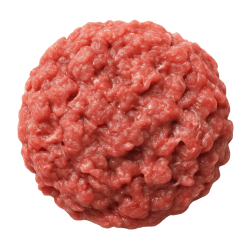
Animal Flesh, Muscle Tissue, Animal Protein, Skeletal Muscle
Meat refers to the edible muscle tissue derived from animals, commonly sourced from species such as chicken, beef, or lamb. It serves as a high-quality source of protein, essential amino acids, and vital nutrients like iron and B vitamins, supporting muscle maintenance and overall health. In pet food, meat is used in its natural form, ensuring optimal nutrient availability and palatability for pets.
Meat is included as a primary protein source to support essential amino acid requirements and overall nutritional value in pet food. Its presence also enhances palatability, making the product more appealing to pets.
Animal By-Products, Animal Derivatives, Animal Offal, Animal Spp. By-Products
Meat by-products are animal-derived ingredients obtained from the non-rendered, clean parts of slaughtered animals, excluding meat, such as organs and tissues. They provide essential proteins, vitamins, and minerals, supporting overall pet health. Meat by-products are used in their natural, edible form, ensuring nutrient density and palatability. Their inclusion helps optimise nutrient profiles and reduce food waste in premium pet foods.
Meat by-products are included as a cost-effective protein source, utilising parts of the animal not typically consumed by humans to maximise resource efficiency. They contribute essential nutrients while helping manufacturers maintain competitive pricing.
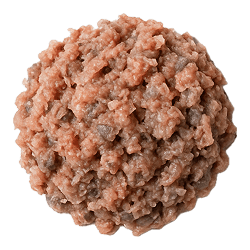
Pisces, Pisceae, Teleostei, Pisces Spp.
Fish is an animal-derived ingredient sourced from various marine or freshwater species. It is primarily included in pet food for its high-quality protein and essential omega-3 fatty acids, which support skin, coat, and cognitive health. Fish is used in its natural, whole form or as fish meal, ensuring optimal nutrient availability and palatability for pets.
Fish is included as a high-quality protein source that provides essential amino acids and omega-3 fatty acids, supporting nutritional value and marketing appeal. Its presence can also enhance palatability and differentiate the product in a competitive market.
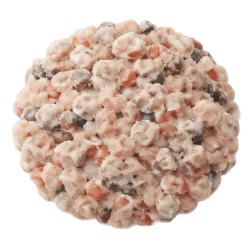
Fish Offal, Fish Waste, Fish Residues, Fish Meal
Fish by-products are animal-derived ingredients obtained from the processing of fish, including heads, frames, skin, and viscera not used for human consumption. They provide a rich source of protein, essential fatty acids, and minerals, supporting muscle maintenance and skin health in pets. Fish by-products are incorporated in their natural, processed form, ensuring digestibility and nutrient availability for optimal pet nutrition.
Fish by-products are included as a cost-effective protein and nutrient source, utilising parts of the fish not typically consumed by humans. Their use helps optimise resource efficiency and supports a sustainable supply chain in pet food manufacturing.
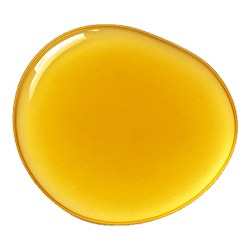
Fish Liver Oil, Oleum Piscis, Oleum Jecoris, Oleum Piscarium
Fish oil is a nutrient-rich oil derived from the tissues of oily fish, making it an animal-based ingredient. It is primarily included in pet food for its high content of omega-3 fatty acids, which support skin, coat, and joint health. Fish oil is utilised in a purified, liquid form rather than as whole fish, ensuring optimal absorption and safety for pets.
Fish oil is included as a source of omega-3 fatty acids to support skin, coat, and joint health, enhancing the nutritional profile of the product. Its presence also serves as a marketing point, appealing to consumers seeking functional health benefits for their pets.
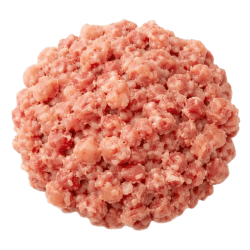
Poultry By-Product Meal, Gallus Spp. By-Products, Avian By-Products, Rendered Poultry By-Products
Poultry by-products are animal-derived ingredients sourced from the non-rendered, clean parts of poultry, such as organs and tissues, excluding feathers, heads, feet, and intestines. They provide a concentrated source of protein, essential amino acids, vitamins, and minerals, supporting overall pet health. Poultry by-products are used in their processed form, ensuring safety, digestibility, and optimal nutrient availability for pets.
Poultry by-products are included as a cost-effective source of animal protein and essential nutrients, utilising parts of the bird not typically consumed by humans. Their use allows manufacturers to optimise ingredient yield and maintain product affordability while meeting nutritional requirements.
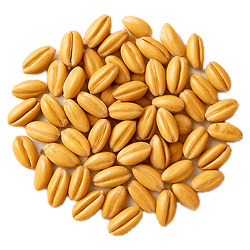
Triticum Spp., Common Wheat, Bread Wheat, Triticum Aestivum
Wheat is a cereal grain derived from the seeds of the Triticum plant, making it a plant-based ingredient. It is primarily included in pet food as a source of carbohydrates for energy, as well as dietary fibre and some essential nutrients. Wheat is used in its natural, milled form, such as whole wheat or wheat flour, to optimise digestibility and nutritional value.
Wheat is included as a cost-effective carbohydrate source that provides energy and helps bind kibble together for structural integrity. It also serves as a bulk-adding agent, optimising production costs while maintaining product texture.
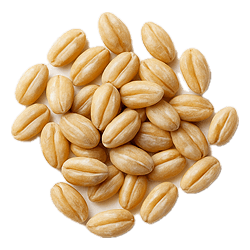
Hordeum Vulgare, Pearl Barley, Malted Barley, Barley Grain
Barley is a cereal grain derived from the plant species Hordeum vulgare. As a plant-based ingredient, it is primarily included in pet food for its carbohydrate content, providing a steady source of energy and dietary fibre to support digestive health. Barley is used in its natural, whole or ground form, ensuring pets benefit from its inherent nutrients and fibre profile.
Barley is included as a cost-effective carbohydrate source that provides energy and dietary fibre. It also serves as a bulk-adding agent to optimise product texture and manufacturing efficiency.
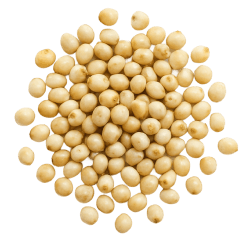
Sorghum Bicolor, Great Millet, Guinea Corn, Jowar
Sorghum is a cereal grain derived from the Sorghum bicolor plant, making it a plant-based ingredient. It is primarily included in pet food as a source of complex carbohydrates, providing sustained energy and dietary fibre. Sorghum is used in its natural, whole grain form, which helps maintain its nutritional integrity and supports digestive health in pets.
Sorghum is included as a cost-effective carbohydrate source that provides energy and bulk to pet food formulations. Its use can also support stable product texture and is often chosen for its label-friendly, gluten-free profile.
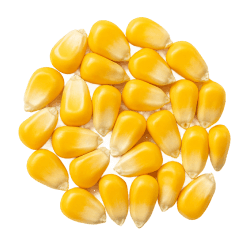
Maize, Zea Mays, Indian Corn, Sweetcorn
Corn is a cereal grain derived from the maize plant, a member of the grass family. Primarily included as a carbohydrate source, corn provides energy, dietary fibre, and essential nutrients such as B vitamins. In pet food, corn is typically used in its natural, whole or ground form, rather than as a raw kernel, to optimise digestibility and nutrient availability for companion animals.
Corn is included as a cost-effective carbohydrate source that provides energy and bulk to pet food formulations. It also serves as a label-friendly ingredient that can help optimise product texture and processing efficiency.

Cereal Byproducts, Cereal By-Product, Cereal Byproduct, Cereal By-Products Meal
Cereal by-products are plant-derived ingredients obtained from the processing of grains such as wheat, rice, or barley. They are primarily included in pet food as a source of dietary fibre and energy, supporting digestive health and providing essential nutrients. These by-products are not used in their whole grain form but as milled fractions or bran, optimised for digestibility and nutritional value.
Cereal by-products are included as a cost-effective carbohydrate source and bulk-adding agent, helping manufacturers optimise production costs while maintaining product texture. They may also contribute to the overall energy content of the pet food.

Plant Protein, Protein Isolate (Plant), Plant-Based Protein, Protein Concentrate (Plant)
Vegetable protein is a plant-derived ingredient commonly sourced from legumes, grains, or seeds. It serves as an alternative protein source, supporting muscle maintenance and overall health in pets. Vegetable protein is typically processed and concentrated from its original plant form to optimise digestibility and nutrient availability. It is not used in its whole, natural state but rather as an extracted and refined protein component.
Vegetable protein is included as a cost-effective protein source to supplement or partially replace animal proteins, helping manufacturers manage production costs. It also allows for label claims regarding protein content while appealing to consumers seeking plant-based or alternative protein options.
E170, Elemental Calcium, Ca, Calcium Metal
Calcium is an essential mineral derived from natural sources such as limestone or marine shells. It plays a critical role in supporting healthy bone and teeth development, nerve transmission, and muscle function in pets. Calcium is not used in its raw or metallic state; instead, it is utilised in pet food as safe, bioavailable compounds like calcium carbonate or calcium phosphate to optimise absorption.
Calcium is included as an essential mineral to support bone development and maintenance in pets, ensuring nutritional adequacy according to regulatory standards. It may also serve as a functional additive to optimise product texture and stability.
E339, Orthophosphate, Inorganic Phosphate, Phosphate Ion
Phosphorus is an essential mineral element derived from both animal and plant sources. It plays a critical role in supporting healthy bone and tooth development, as well as energy metabolism in pets. In pet food, phosphorus is not used in its natural, raw or metallic state; instead, it is utilised as specific compounds, such as calcium phosphate, to ensure safety and optimal absorption.
Phosphorus is included as an essential mineral to support bone development and metabolic functions in pets. Its addition ensures nutritional adequacy and compliance with regulatory labelling standards for complete and balanced pet foods.
Natrium, Na, E524
Sodium is an essential mineral element sourced from the earth, commonly included in pet food as sodium chloride (table salt) or other safe, bioavailable compounds. It plays a vital role in maintaining fluid balance, nerve transmission, and muscle function. Sodium is not used in its natural metallic form but is instead utilised as a compound to ensure safety and optimal absorption.
Sodium is included as an essential mineral to support normal physiological functions in pets and to help maintain electrolyte balance. It may also be used to enhance palatability and preserve product stability by inhibiting microbial growth.
Chloride Ion, Cl-
Chloride is an essential mineral element, naturally found in various salts and present in both plant and animal tissues. In pet food, chloride is primarily included to support fluid balance, nerve function, and acid-base regulation. It is not used in its raw or metallic state; instead, chloride is utilised as a compound, commonly sodium chloride, to ensure safety and optimal absorption.
Chloride is included as an essential electrolyte to support fluid balance and normal cellular function in pets. Its addition ensures nutritional adequacy and compliance with established pet food nutrient profiles.
Kalium, E340, K, Atomic Number 19
Potassium is an essential mineral element sourced from the earth and is vital for maintaining fluid balance, nerve function, and muscle health in pets. In pet food, potassium is not used in its natural metallic state; instead, it is utilised as safe, bioavailable compounds such as potassium chloride or potassium sulphate to optimise absorption and support overall wellbeing.
Potassium is included as an essential mineral to support electrolyte balance and proper muscle and nerve function in pets. Its addition ensures nutritional adequacy and compliance with established pet food nutrient profiles.
E34, Manganum, Mn, EINECS 231-105-1
Manganese is an essential trace mineral sourced from the earth and is vital for numerous metabolic processes in pets. It primarily supports bone development, enzyme function, and antioxidant defence. Manganese is not used in its natural metallic state; instead, it is incorporated into pet food as a safe, bioavailable compound such as manganese sulphate or manganese oxide to optimise absorption and efficacy.
Manganese is included as an essential trace mineral to support metabolic and skeletal health in pets, fulfilling nutritional requirements for complete and balanced pet food. Its addition ensures compliance with regulatory standards and appeals to consumers seeking scientifically formulated diets.
Zn, E579, Zincum, CI 77947
Zinc is an essential trace mineral sourced from the earth and is vital for numerous biological functions in pets, including immune support and skin health. In pet food, zinc is not used in its natural metallic state; instead, it is utilised as a compound such as zinc sulphate or zinc chelate to optimise safety and absorption, ensuring pets receive its full nutritional benefit.
Zinc is included as an essential trace mineral to support immune function, skin health, and overall metabolic processes in pets. Its addition ensures nutritional adequacy and compliance with regulatory labelling standards for complete and balanced pet foods.

Ferrum, Fe, E1, Elemental Iron
Iron is an essential mineral sourced from both animal and plant origins, crucial for oxygen transport and energy metabolism in pets. Its primary benefit is supporting healthy red blood cell formation and preventing anaemia. Iron is not used in its natural, raw, or metallic state; instead, it is utilised in pet food as safe, bioavailable compounds such as iron sulphate or iron proteinate to optimise absorption.
Iron is included as an essential mineral to support healthy blood function and overall metabolism in pets. Its addition ensures the product meets nutritional requirements and regulatory standards for complete and balanced pet food.

Cu, ECP, CI 77400, C.I. 77400
Copper is an essential trace mineral sourced from the earth and is vital for numerous physiological functions in pets. It primarily supports red blood cell formation, connective tissue development, and immune system health. Copper is not used in its natural metallic state; instead, it is incorporated into pet food as safe, bioavailable compounds such as copper sulphate or copper proteinate to optimise absorption and efficacy.
Copper is included as an essential trace mineral to meet nutritional requirements for dogs, supporting enzyme function and red blood cell formation. Its addition ensures compliance with regulatory standards for complete and balanced pet food labelling.
Elemental I, E127, Iodum, CAS 7553-56-2
Iodine is an essential trace mineral sourced primarily from seaweed or mineral deposits. It plays a critical role in supporting healthy thyroid function and hormone production in pets. Iodine is not used in its natural elemental form due to safety and bioavailability concerns; instead, it is typically incorporated as a compound such as potassium iodide or calcium iodate to optimise absorption and efficacy.
Iodine is included as an essential trace mineral to support thyroid function and overall metabolic health in pets. Its addition ensures nutritional adequacy and compliance with regulatory labelling standards for complete and balanced pet foods.
Retinol, Retinyl Palmitate, Retinyl Acetate, E160a
Vitamin A is an essential fat-soluble nutrient derived from animal sources (as retinyl esters) or plant sources (as carotenoids). It supports vision, immune function, and skin health in pets. In pet food, Vitamin A is not used in its raw or natural state but is provided as stabilised compounds (such as retinyl acetate or retinyl palmitate) to ensure safety, stability, and optimal absorption.
Vitamin A is included as an essential nutrient to support vision, immune function, and overall health in pets, ensuring the product meets established nutritional standards. Its addition also allows manufacturers to optimise the nutritional profile and comply with regulatory labelling requirements.

Tocopherol, Alpha-Tocopherol, E307, D-Alpha-Tocopherol
Vitamin E is a fat-soluble vitamin derived from plant sources such as vegetable oils, nuts, and seeds. It functions primarily as an antioxidant, helping to protect cell membranes from oxidative damage and supporting immune health. In pet food, Vitamin E is not used in its natural raw form but is typically utilised as a stabilised compound, such as tocopherol acetate, to optimise safety and absorption.
Vitamin E is included as a natural antioxidant to help preserve the freshness and stability of fats and oils in the product, thereby extending shelf life. It also serves as a label-friendly nutrient that appeals to consumers seeking added health benefits for their pets.
Thiamine, Thiamin, Aneurin, E101
Vitamin B1, also known as thiamine, is a water-soluble vitamin of synthetic or plant origin. It plays a crucial role in energy metabolism and supports healthy nerve and muscle function in pets. In pet food, thiamine is not used in its natural raw form but is typically utilised as thiamine mononitrate or thiamine hydrochloride to optimise stability, safety, and absorption.
Vitamin B1 (thiamine) is included as an essential nutrient to meet regulatory requirements for canine health and to prevent deficiency-related disorders. Its addition ensures nutritional adequacy and supports normal metabolic function in pets.

Riboflavin, E101, Lactoflavin, Vitamin G
Vitamin B2, also known as riboflavin, is a water-soluble vitamin of synthetic or microbial origin commonly added to pet foods. It plays a crucial role in energy metabolism and supports healthy skin, eyes, and nervous system function. Vitamin B2 is not used in its natural raw form but is instead utilised as riboflavin, a stable compound, to optimise safety and bioavailability in pet diets.
Vitamin B2 is included as an essential nutrient to meet dogs’ dietary requirements and support metabolic functions. Its addition ensures nutritional adequacy and compliance with regulatory labelling standards.
Nicotinic Acid, Niacin, Pyridine-3-Carboxylic Acid, E375
Vitamin B3, also known as niacin, is a water-soluble vitamin of synthetic or natural origin, commonly derived from plant or animal sources. It plays a crucial role in energy metabolism and supports healthy skin and nervous system function. In pet food, Vitamin B3 is not used in its raw form but is typically included as niacinamide or nicotinic acid to optimise safety and absorption.
Vitamin B3 is included as an essential nutrient to support metabolic function and overall health in pets. Its addition ensures the product meets nutritional requirements and regulatory standards for complete and balanced pet food.
Pantothenic Acid, D-Pantothenic Acid, Calcium Pantothenate, E315
Vitamin B5, also known as pantothenic acid, is a water-soluble vitamin of plant and animal origin. It plays a crucial role in energy metabolism and the synthesis of fatty acids, supporting overall cellular function. In pet food, Vitamin B5 is not used in its raw or natural state but is typically included as a stable, bioavailable compound such as calcium pantothenate for optimal absorption.
Vitamin B5 is included as an essential nutrient to support metabolic function and overall health in pets. Its addition ensures the product meets nutritional standards and regulatory requirements for complete and balanced pet food.
Pyridoxine, Pyridoxol, Pyridoxine Hydrochloride, E101a
Vitamin B6 is a water-soluble vitamin of synthetic or natural origin, commonly derived from plant or animal sources. It plays a crucial role in protein metabolism, red blood cell formation, and nervous system function. In pet food, Vitamin B6 is not used in its raw form but is typically included as a stable compound, such as pyridoxine hydrochloride, to optimise safety and bioavailability.
Vitamin B6 is included as an essential nutrient to support metabolic and neurological functions in pets, ensuring the product meets established nutritional standards. Its addition helps manufacturers achieve complete and balanced labelling claims required for commercial pet foods.

Cobalamin, Cyanocobalamin, Hydroxocobalamin, Methylcobalamin
Vitamin B12 is a water-soluble vitamin of animal origin, essential for nerve function and red blood cell formation in pets. It is primarily included in pet food to support energy metabolism and overall vitality. Vitamin B12 is not used in its natural, raw form but is instead utilised as a specific compound, such as cyanocobalamin, to ensure stability, safety, and optimal absorption.
Vitamin B12 is included as an essential nutrient to support metabolic and neurological functions in pets, ensuring the product meets established nutritional standards. Its addition helps manufacturers achieve complete and balanced labelling claims.
Cholecalciferol, Ergocalciferol, Calciferol, E671
Vitamin D is a fat-soluble vitamin of animal origin, commonly sourced from fish liver oils or synthesised for inclusion in pet foods. Its primary role is to regulate calcium and phosphorus balance, supporting healthy bones and teeth. Vitamin D is not used in its natural form but is instead utilised as a specific compound, such as cholecalciferol, to ensure safety and optimal absorption.
Vitamin D is included to ensure the finished product meets established nutritional requirements for canine health, supporting bone development and calcium regulation. Its addition helps manufacturers achieve complete and balanced labelling claims in accordance with regulatory standards.
Trimethylethanolamine, E1001, Choline Base, 2-Hydroxy-N,N,N-Trimethylethanaminium
Choline is an essential nutrient of synthetic or natural origin, commonly derived from plant or animal sources. It plays a critical role in supporting brain development, liver function, and fat metabolism in pets. Choline is not used in its raw or elemental state; instead, it is typically utilised as choline chloride or choline bitartrate to ensure safety, stability, and optimal absorption in pet food formulations.
Choline is included as an essential nutrient to support normal liver function, brain development, and metabolic processes in pets. Its addition ensures nutritional adequacy and helps manufacturers meet regulatory labelling requirements for complete and balanced pet foods.

Pteroylmonoglutamic Acid, Pteroylglutamic Acid, Vitamin B9, E920
Folic acid is a synthetic form of vitamin B9, originally derived from plant sources but produced for pet food as a stable, bioavailable compound. Its primary purpose is to support cell division, DNA synthesis, and overall growth in pets. Folic acid is not used in its natural state; instead, it is utilised as a manufactured supplement to optimise absorption and efficacy.
Folic acid is included as a synthetic vitamin to ensure nutritional adequacy and meet regulatory requirements for B-vitamin content in pet food. Its addition helps standardise nutrient levels across batches, supporting consistent product labelling and animal health.
About


PRODUCT TAGS
Most Tracked This Week











About the Brand


Comments
0 comments
Login to Join the Conversation 💬