



















Getting puppy portions right matters more than most new owners realise. Here's a straightforward breakdown by age so you're not guessing at mealtimes.

In Short:
From 8 to 12 weeks, feed your puppy four small meals a day. From 3 to 6 months, drop to three. From 6 months onward, two meals is enough.
Use the feeding guide on your chosen food as a starting point, then adjust based on body condition — you should be able to feel your puppy's ribs with light pressure but not see them clearly.

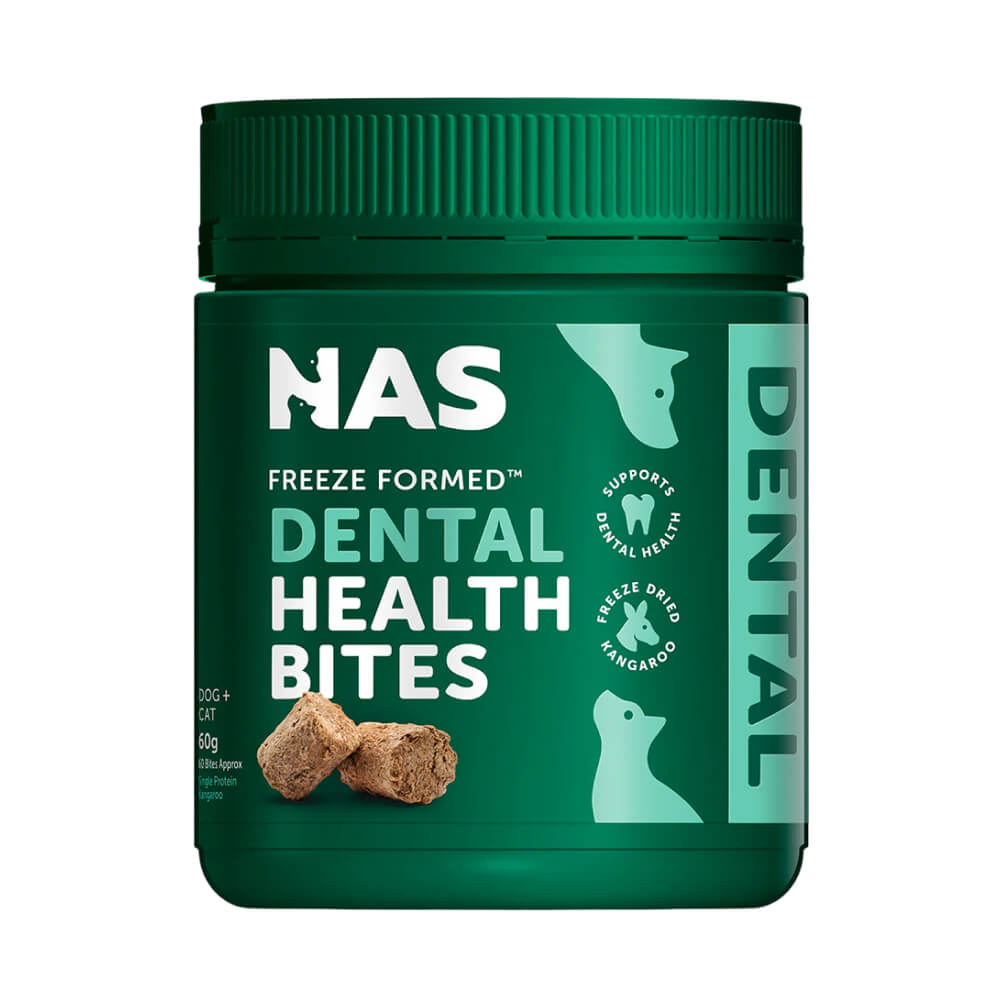
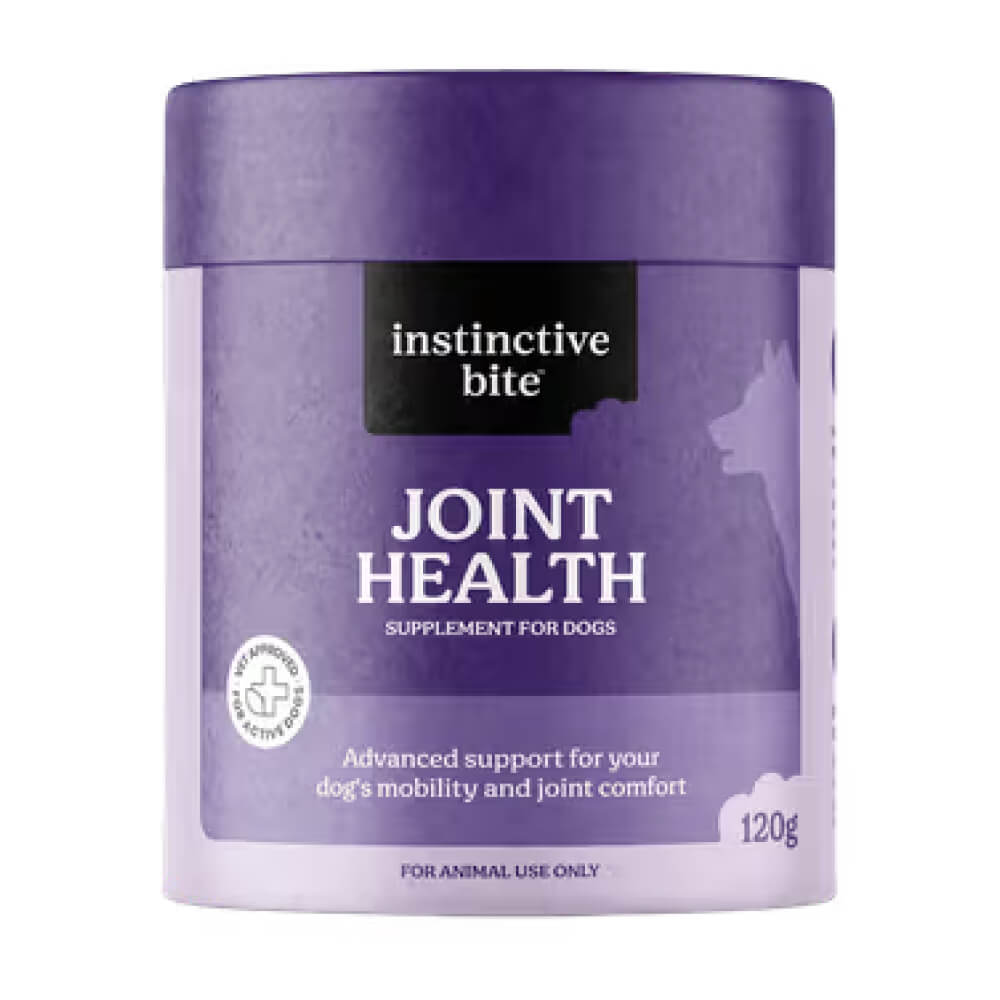
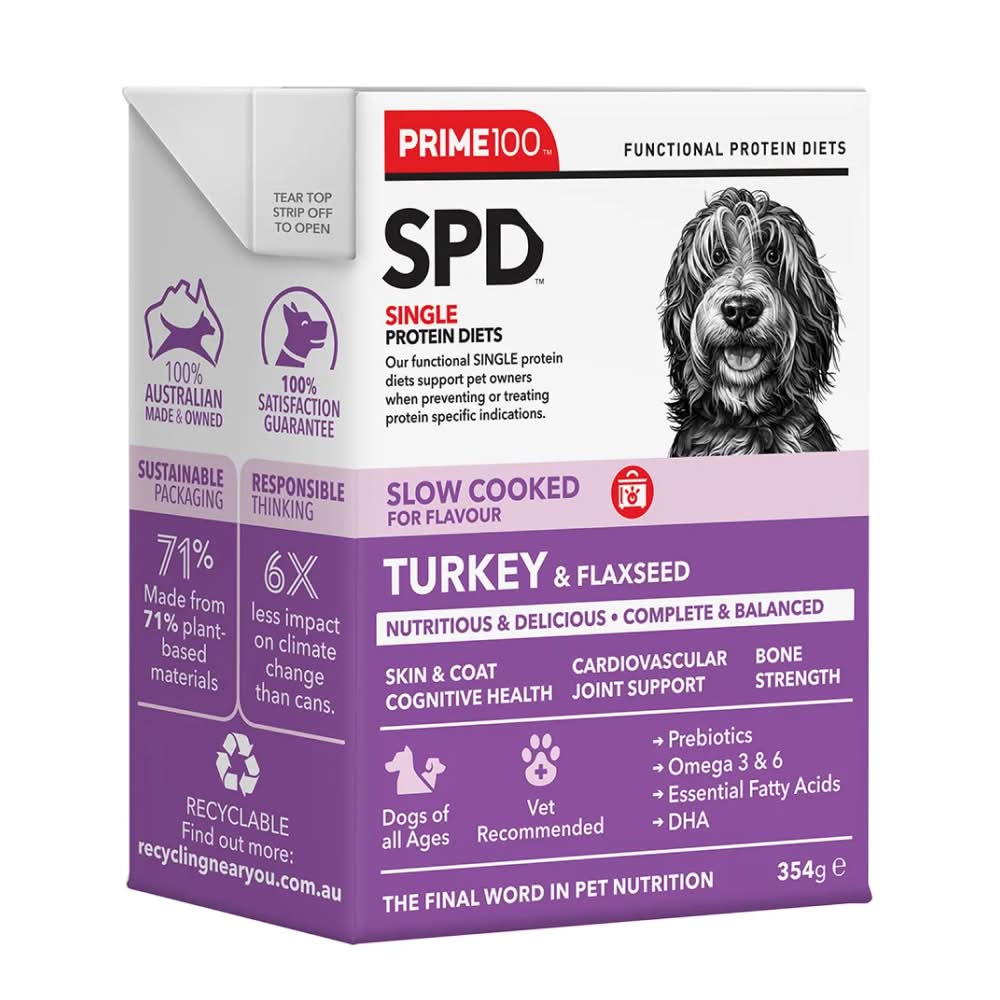
Featured Products:
How Often Should You Feed a Puppy?
Puppies need to eat more frequently than adult dogs. Their stomachs are small and their energy demands are high, so spreading meals across the day helps keep blood sugar stable and supports steady growth.
As a general rule, here's what most vets recommend. From 8 to 12 weeks, feed four meals a day. From 3 to 6 months, drop to three meals. From 6 months onward, two meals a day is usually fine for most breeds.
Stick to a consistent schedule. Puppies do best with routine. Same times each day, same spot, same bowl.
How Much Food Per Meal
The right amount depends on your puppy's breed, expected adult weight, and the specific food you're using. Every dog food has a feeding guide on the back of the bag — start there.
That said, those guides are starting points, not gospel. A working breed puppy like a Kelpie will burn through more than a Cavalier King Charles of the same age.
For dry food, most brands recommend somewhere between 1% and 3% of your puppy's expected adult body weight per day, split across their meals. If you're mixing wet and dry food, reduce the dry portion accordingly so you're not doubling up on calories.
Weigh your puppy regularly. If they're gaining weight too quickly or too slowly, adjust the portions. Your vet can help you find the sweet spot at your puppy's regular check-ups.
Signs You're Overfeeding or Underfeeding
Puppies should have a visible waist when viewed from above and you should be able to feel their ribs without pressing hard. If you can see the ribs clearly, they may need more food. If there's no waist and the ribs are buried, it's time to cut back.
Overfeeding a puppy doesn't just cause weight gain. In large breeds especially, growing too fast can put stress on developing joints and bones. Conditions like hip dysplasia and osteochondritis can be made worse by excess weight during the growth phase.
Underfeeding shows up as low energy, a dull coat, and slow growth. If your puppy seems lethargic or isn't hitting expected weight milestones, talk to your vet rather than just guessing at bigger portions.
When to Switch From Puppy to Adult Food
Most small breeds can transition to adult food around 9 to 12 months. Medium breeds are usually ready at 12 months. Large and giant breeds often benefit from staying on puppy food until 12 to 18 months, sometimes longer.
The reason is simple. Puppy food has higher protein, fat, and calorie density to support growth. Once your dog reaches their adult size, those extra calories become unnecessary and can lead to weight gain.
When you make the switch, do it gradually over 7 to 10 days. Mix increasing amounts of the new food with decreasing amounts of the old. A sudden change can upset your puppy's stomach.
Frequently Asked Questions
How much should an 8-week-old puppy eat?
Can I feed my puppy adult dog food?
How do I know if my puppy is eating enough?
Should I leave food out all day for my puppy?
How much wet food should I feed my puppy?
When should I stop feeding my puppy three times a day?




Comments
0 comments
Login to Join the Conversation 💬